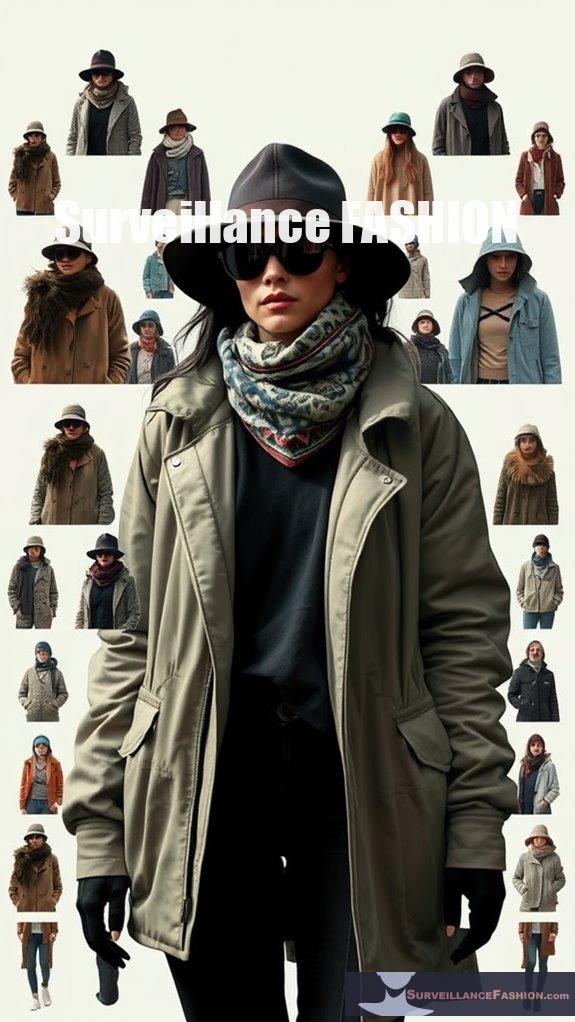
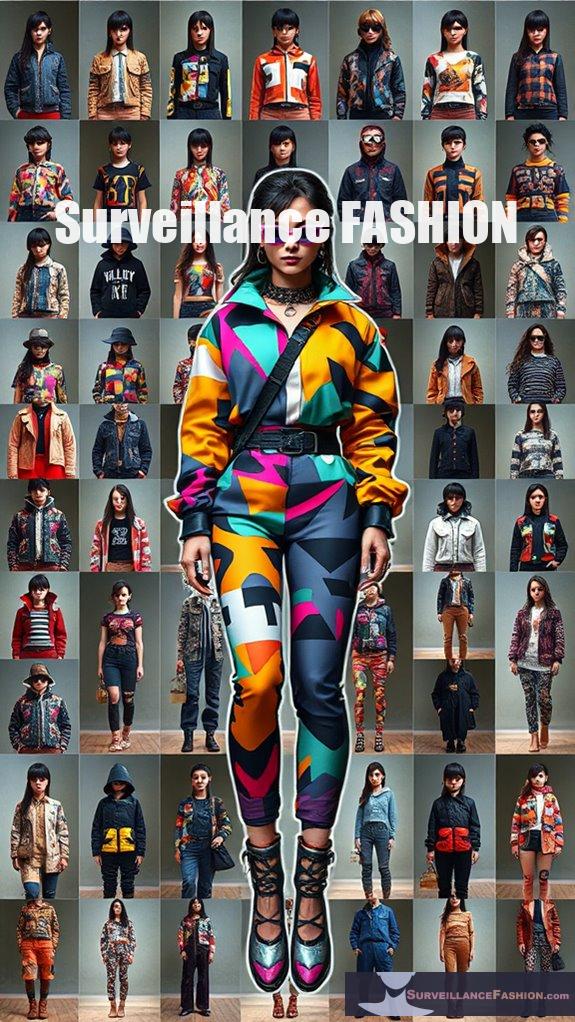
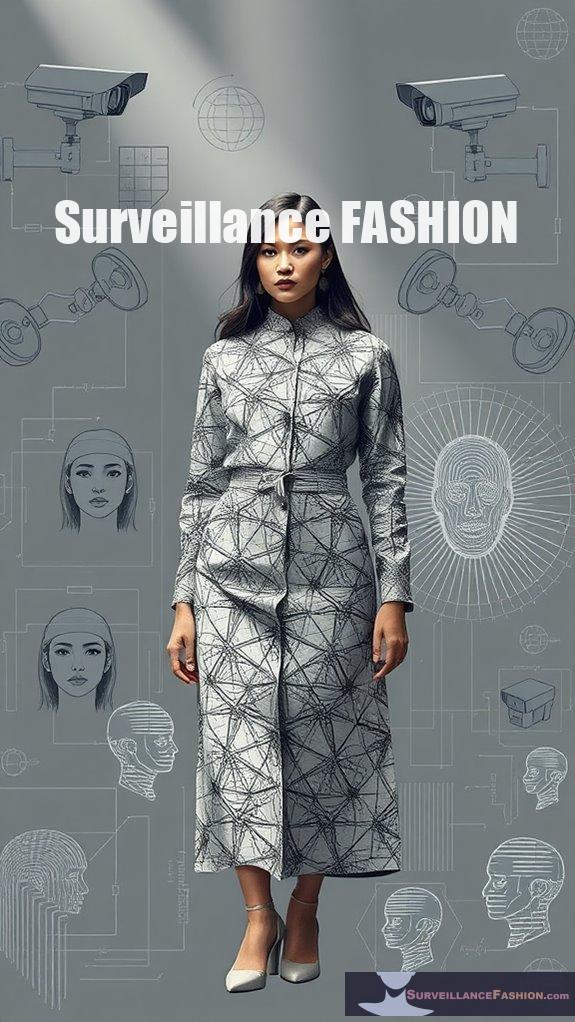
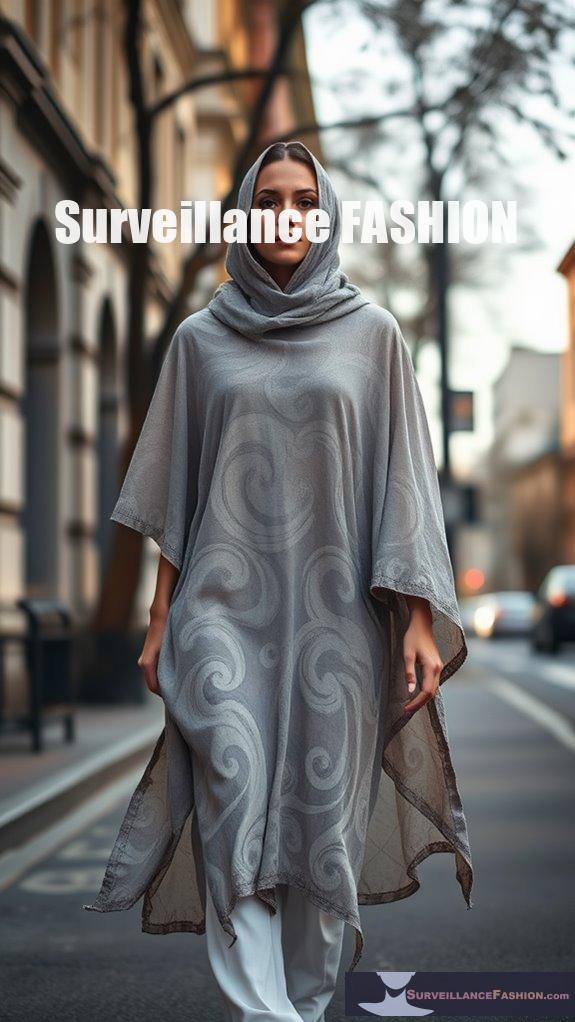
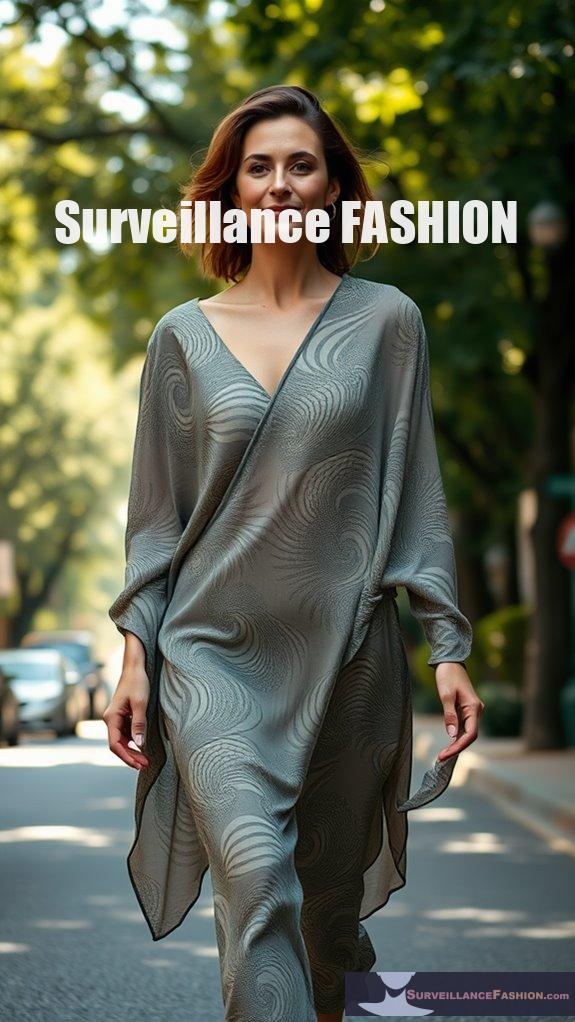
Tag: fashion innovation

  • What Makes Clothes Invisible To Cameras?

    What Makes Clothes Invisible To Cameras?

    Ever felt like your outfit is screaming for attention when all you want is to blend in?

    Well, I discovered a fascinating world of clothes that can vanish before your very eyes.

    Imagine wrapping yourself in fabric that traps light or reflects it away. Creepy or cool?

    I tried a jacket lined with micro-mirrors at a crowded event. I felt like a ninja – slightly paranoid yet utterly fabulous.

    It’s wild how these tech-savvy fabrics challenge our constant exposure. I mean, who hasn’t wished to be a ghost sometimes, right?

    But there’s always a catch – safety and ethics hang in the balance.

    Think about it: What if privacy becomes a luxury, or gets sold to the highest bidder?

    H2: My Covert Encounter with Anti-Surveillance Fashion

    I had an unforgettable experience at a protest—dressed in my stealthy jacket. It was a gathering to address privacy rights amidst growing surveillance.

    Surrounded by cameras, I felt untouchable. My outfit melded with the shadows, and for once, I wasn’t just another face in the crowd.

    But then, an activist friend went missing while wearing a similar outfit. It made me ponder: are we outsmarting the watchful eye, or courting trouble?

    This blend of fashion and tech offers hope, yet raises profound questions about safety and freedom. In this ever-watching world, can we really find solace in style?

    Quick Takeaways

    • Material Properties: Using reflective fabrics with micro-mirrors can redirect light, making garments less detectable by cameras.
    • Infrared Reflection: Fabrics that reflect infrared wavelengths enhance invisibility, particularly against cameras sensitive to visible light but not infrared.
    • Light Absorption: Darker colors and light-absorbing materials convert light into heat, reducing visibility and detectability.
    • Optical Camouflage: Techniques that manipulate light create optical illusions, allowing clothes to blend seamlessly into their surroundings.
    • Adaptive Materials: Innovative materials that refract light can trick both the human eye and digital cameras, enhancing invisibility.

    Understanding Light and Camera Technology

    light interaction with cameras

    When you consider how light interacts with our environment, it’s essential to understand that cameras rely on specific wavelengths to capture images, effectively turning these wavelengths into visual representations.

    Each camera possesses different levels of camera sensitivity, influencing its ability to discern various elements within the light spectrum. For instance, conventional cameras may excel in visible light, often failing to register infrared wavelengths.

    This limitation becomes particularly vital when examining innovative technologies, such as those explored on our website, Surveillance Fashion, where the interplay between light and visual perception invites engagement with groundbreaking concepts in aesthetic and practical applications. Understanding the role of infrared-reflecting materials can significantly enhance the effectiveness of anti-facial recognition clothing.

    The Science Behind Optical Camouflage

    optical camouflage harnesses light

    Optical camouflage employs sophisticated techniques to manipulate light in ways that render objects nearly invisible to the human eye and, importantly, to various types of cameras.

    This innovative technology exploits phenomena such as optical illusion and camera sensitivity, enabling the seamless blending of garments with their surroundings.

    By employing adaptive materials that refract or bend light, these garments create a dynamic interface with environmental cues, effectively fooling the visual systems of both humans and machines.

    Adaptive materials that manipulate light enable garments to blend seamlessly with surroundings, tricking both human eyes and cameras alike.

    You might wonder how advancements in this field align with the ethos of Surveillance Fashion; after all, the interplay of visibility and invisibility underscores our exploration of modern aesthetics. Additionally, current trends highlight the emergence of ir-blocking fashion that takes privacy protection to a whole new level.

    Materials That Reflect or Absorb Light

    optical invisibility in fashion

    The materials employed in garments designed to reflect or absorb light play a crucial role in achieving optical invisibility, a fascinating concept that invites us to reconsider our perception of visibility in fashion.

    Reflective fabrics, often incorporating micro-mirrors or specialized coatings, can bounce light away, rendering the wearer less detectable to cameras and surveillance systems.

    Conversely, materials engineered for light absorption can transform wavelengths into heat rather than reflectance, further enhancing invisibility.

    The Role of Color and Temperature in Visibility

    color temperature affects visibility

    Color and temperature markedly influence the perception of visibility, affecting how garments interact with light and thereby determining their detectability by both the human eye and monitoring technologies.

    When considering color perception, darker hues absorb more light, which can diminish visibility under specific lighting conditions, while lighter shades reflect light, enhancing detectability.

    Temperature effects also play an essential role; warmer colors can appear more vibrant and prominent against cooler backgrounds.

    Warmer colors enhance vibrancy, standing out against cooler backgrounds and shaping our perceptions of visibility.

    As we explore fabric innovations, understanding how these elements interact allows for groundbreaking designs in “invisibility,” a fundamental focus of our website, Surveillance Fashion, where we challenge conventional viewpoints.

    Innovations in Textile Design for Disguise

    innovative camouflage textile technology

    Innovative advancements in textile design are redefining how we approach the concept of disguise, utilizing sophisticated fabric technologies to create garments that appear nearly invisible to various forms of surveillance.

    Through techniques like pattern manipulation, designers cleverly alter visual perceptions, making it challenging for cameras to capture details.

    Furthermore, texture layering enhances this effect, as varying surfaces interact with light, further obscuring shapes.

    These innovations resonate with our mission at Surveillance Fashion, aiming to explore the intersection of technology and clothing.

    Practical Applications in Everyday Fashion

    surveillance fashion integration techniques

    How can we seamlessly integrate the advancements in disguise technology into our everyday wardrobe?

    By incorporating invisible patterns and innovative fashion technology, you can enhance your style while ensuring personal privacy. Envision a sleek jacket adorned with fabric designed to obscure your image from surveillance cameras, effortlessly merging functional design with aesthetic appeal.

    Seek out clothing lines prioritizing such advancements, where cutting-edge materials not only redefine conventional fashion but also provide a new sense of autonomy in public spaces.

    As you explore these options, recall, our interest in creating Surveillance Fashion stems from enabling individuals to navigate the modern environment with confidence.

    Ethical Considerations for Anti-Surveillance Clothing

    ethics of anti surveillance clothing

    What implications arise when we consider the ethical dimensions of anti-surveillance clothing? Addressing privacy concerns leads to a multifaceted dialogue on surveillance ethics, where innovation meets morality.

    You may ponder if such garments empower individuals or foster a culture of evasion. While some argue that they protect personal freedom, others highlight the potential misuse of these technologies, where general public trust diminishes.

    Additionally, the underlying technology could inadvertently blur the lines between reasonable privacy and outright anonymity, raising questions of accountability and social responsibility.

    These conversations form the foundation of Surveillance Fashion, intended to engage with ethical implications inherent in innovative fashion design.

    Innovative Stealth Fabric Designs

    stealth fabrics and camouflage

    In an era where surveillance is pervasive, have you ever wondered how fabric manufacturers are pushing the boundaries of textile engineering to create stealth materials that can effectively render wearers invisible to cameras?

    Innovative designs featuring stealth patterns utilize complex algorithms that mimic environmental textures, blending seamlessly into surroundings.

    Innovative stealth patterns leverage advanced algorithms to seamlessly integrate with their environments, pushing the limits of textile engineering.

    These fabrics, often enhanced with active camouflage technology, dynamically adjust their appearance based on the viewer’s viewpoint, cleverly thwarting detection.

    For example, researchers have developed fabrics that rapidly change colors and patterns, making them ideal for both military applications and privacy-focused fashion, underscoring the importance of exploring new boundaries in the world of Surveillance Fashion.

    DIY Reflective Material Techniques

    diy reflective fashion techniques

    Reflective materials, often utilized in a variety of applications from safety gear to avant-garde fashion, present a compelling opportunity for those looking to harness their properties in a DIY scenario.

    To create innovative pieces, consider using reflective tape alongside fabric blends, which allow for increased flexibility and comfort. For instance, applying reflective tape along seams or strategic patterns elevates visibility without compromising style.

    Furthermore, experimenting with different fabric blends can enhance the reflective effect, yielding garments that are both functional and fashionable. Engaging in these methods not only fosters creativity but aligns with our purpose at Surveillance Fashion: to explore the intersection of visibility and invisibility in contemporary design.

    Fashion That Evades Cameras

    privacy focused fashion innovations

    While traditional fashion typically embraces visibility, recent innovations have led to the emergence of clothing designed to evade surveillance technologies, offering an intriguing counter-narrative in our visually dominated society.

    In this changing environment of clothing trends, privacy fashion incorporates advanced materials and designs that disrupt camera capabilities, thereby safeguarding personal identity.

    For instance, garments featuring infrared-reflective fabrics or pixelation patterns can obscure images captured by various optical devices. Consequently, these innovations not only redefine practical aesthetics but also articulate a profound commentary on privacy in our digital age, a central theme explored on our platform, Surveillance Fashion, which unpacks the intersection between style and security.
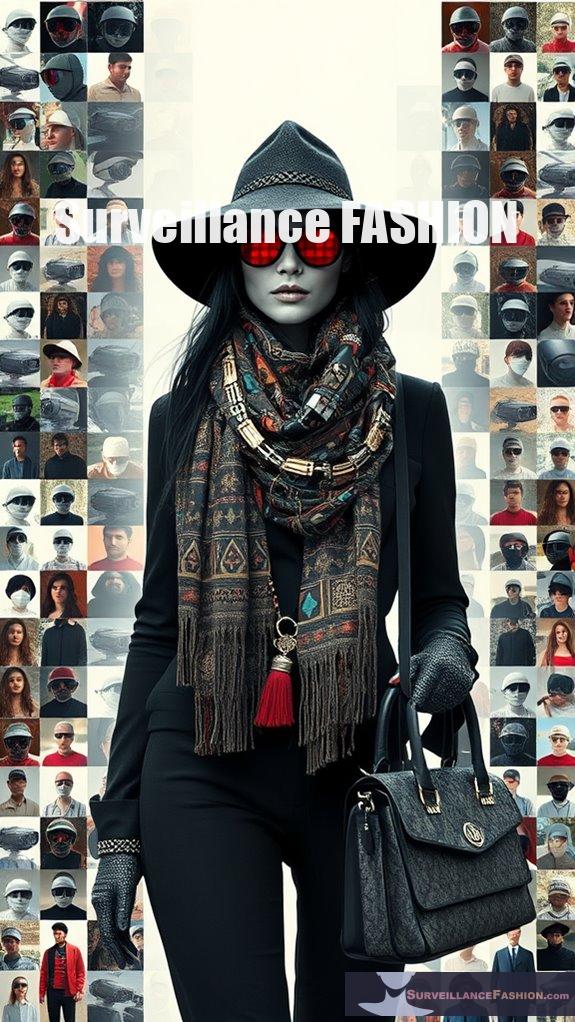
  • 10 Face-Obscuring Accessories That Block Surveillance Cameras

    10 Face-Obscuring Accessories That Block Surveillance Cameras

    Ever felt like you're living in a sci-fi movie where cameras are everywhere? Yeah, me too.

    I once strolled through a crowded mall, feeling like a potential reality show contestant.

    Then, I discovered anti-CCTV glasses that distort my face from prying eyes.

    I mean, who doesn't want to look fabulous while dodging the watchful gaze of technology?

    And don't get me started on the chic scarves with nano-spherical crystals that block those pesky paparazzi shots.

    Honestly, it's a wild mix of fashion and privacy that feels like a rebellion against surveillance.

    Do you think we need to dress like this to feel safe?

    Uncertainty looms, but I'd rather look stylish while figuring it out.

    H2: The Day My Anti-Surveillance Fashion Saved Me

    One evening, I decided to wear my favorite anti-paparazzi scarf to a busy city festival. The crowd was thick, and so were the cameras. I felt a rush of adrenaline as I blended in, confident that no one could snap an unwanted pic of my questionable dance moves.

    As I spun around, I caught a glimpse of my reflection in a store window, and I couldn't help but laugh. I looked like a modern-day ninja!

    It dawned on me then: this isn't just about dodging the lens; it's about reclaiming my space in a world that's always watching.

    Isn't it funny how fashion can empower us? From patterned clothing to reflective lenses, anti-surveillance gear isn't just a trend—it's a statement.

    Quick Takeaways

    • Infrared LED headwear emits invisible light to disrupt night vision cameras, enhancing personal privacy in surveillance-heavy environments.
    • Anti-surveillance glasses use reflective materials to confuse recognition algorithms, effectively masking the wearer's identity from facial recognition systems.
    • Anti-paparazzi scarves utilize nano-spherical crystals to obscure visibility from camera flashes, providing stylish yet effective privacy protection.
    • Patterned clothing overloads facial recognition algorithms, making it difficult for surveillance systems to track individuals in public spaces.
    • Counter-surveillance masks are designed to obscure faces from facial recognition, combining functionality with various designs for anonymity during protests.

    Infrared LED Headwear

    infrared light emitting cap

    Infrared LED headwear represents a fascinating intersection of technology and personal privacy, serving as a modern solution to pervasive surveillance practices. By utilizing infrared technology applications, these garments incorporate high-powered LEDs that emit light invisible to the human eye but detectable by night vision cameras. To effectively disrupt surveillance, you must consider LED power requirements; it's essential that the infrared LEDs overwhelm the camera's sensor without being seen. Designed for stealth and portability, these headwear options, like the DIY "Camera Shy Hoodie," empower individuals to protect their privacy in an increasingly monitored world, aligning seamlessly with the mission of promoting awareness through Surveillance Fashion. The Camera Shy Hoodie is specifically engineered to blind surveillance cameras, rendering them ineffective during use. Additionally, the incorporation of stealth accessories enhances the overall effectiveness of the garment in evading detection by advanced surveillance systems.

    Reflective Materials

    shiny surfaces that bounce

    As surveillance technologies become increasingly sophisticated, the role of reflective materials in privacy protection has gained significant attention. Utilizing reflective safety materials, such as anti-glare technology, can obscure camera visibility by redirecting light, thereby enhancing privacy. For instance, applying anti-glare coatings on glass surfaces effectively reduces reflections from sunlight or streetlights, which often compromise footage clarity. Additionally, considering how to assess camera placement can further improve both privacy and image quality. Moreover, incorporating light-reflecting accessories can amplify the effectiveness of these measures, making it even more challenging for surveillance systems to capture clear images. In addition, retroreflective tapes reflect infrared light, improving visibility in low-light conditions while remaining inconspicuous. By integrating these innovative solutions, individuals can navigate the delicate balance of maintaining privacy while adhering to legal frameworks, a principle that aligns with our mission at Surveillance Fashion to promote thoughtful privacy solutions.

    Anti-Paparazzi Scarves

    camera blocking fashion accessory

    In a world increasingly dominated by digital imagery and invasive photography, anti-paparazzi scarves emerge as a practical solution for those seeking to maintain their privacy while maneuvering public spaces.

    These innovative accessories, designed with thousands of nano-spherical crystals, effectively reflect light to obscure wearers from camera flashes, transforming them into nearly invisible subjects. The anti-paparazzi scarf called Ishu, made from highly reflective fabric, has become a popular choice among celebrities looking for stylish yet functional ways to protect their privacy. Additionally, these scarves incorporate light-reflecting accessories that not only serve as a shield against paparazzi but also elevate your fashion statement.

    Celebrity endorsements, including figures like Beyoncé and Jay-Z, highlight their integration into current fashion trends, blending utility with style.

    As you navigate public events, consider the dual benefits of these scarves—protection from intrusive photography and an opportunity to enhance your wardrobe with a chic, functional accessory.

    Patterned Clothing

    vibrant diverse fabric designs

    While many people mightn't think twice about their clothing choices in public spaces, patterned clothing serves a critical function that extends beyond aesthetic appeal—specifically, it disrupts surveillance systems designed to track and identify individuals.

    • Protects your privacy
    • Challenges mass surveillance
    • Encourages ethical discussions
    • Empowers community action
    • Combines fashion with purpose

    These patterned garments utilize advanced technologies, like adversarial patches and hyperface prints, to overload facial recognition algorithms. This raises essential questions about surveillance ethics and individual rights. Additionally, the Adversarial Fashion collection, designed by Kate Rose, offers garments that specifically camouflage wearers as cars, further complicating automated tracking efforts.

    Anti-CCTV Glasses

    privacy enhancing eyewear solution

    Anti-CCTV glasses represent a significant innovation in personal privacy, employing advanced technologies to disrupt the functionality of surveillance systems designed to identify individuals in public spaces.

    These glasses utilize infrared blocking and reflective materials to confuse facial recognition algorithms, effectively obstructing data collection by cameras. For instance, the specialized lenses can turn black under infrared light, while reflective frames create a glow that misleads 3D mapping systems. This technology aims to address the growing concerns over facial recognition technology and its implications for individual privacy.

    Designed for comfort and visibility, these privacy technologies guarantee wearers can navigate their environment without compromising their identity. By integrating such accessories, individuals can actively protect their privacy in increasingly surveilled public areas.

    Temporary Face Paintings and Tattoos

    body art for events

    Temporary face paintings and tattoos offer an intriguing alternative in the realm of personal privacy, particularly as facial recognition technology becomes increasingly pervasive in public spaces.

    Temporary face paintings and tattoos provide a creative shield against invasive facial recognition technology in our public lives.

    Anti-Surveillance Devices

    privacy protection tools

    As surveillance technology proliferates in our everyday lives, individuals increasingly seek methods to safeguard their privacy through anti-surveillance devices.

    Signal jammers, for instance, disrupt wireless communications, effectively blocking signals from surveillance equipment, thereby enhancing privacy protection.

    Similarly, bug sweepers, equipped with RF detectors, allow you to identify hidden recording devices, ensuring that sensitive conversations remain confidential.

    Moreover, RFID-blocking wallets and Faraday bags effectively shield personal information from unauthorized access.

    Additionally, the effectiveness of detection devices such as camera detectors and privacy filters plays a crucial role in maintaining personal privacy in various environments.

    Camera-Fighting LEDs

    illuminated combat camera lights

    While you may not typically associate LED technology with counter-surveillance measures, a fascinating intersection exists between the two, particularly in the domain of camera-fighting LEDs.

    These innovative lights exploit flicker interference to disrupt surveillance, obscuring identities in recorded footage.

    • Creates a dazzling effect
    • Obscures details effectively
    • Enhances privacy in public spaces
    • Challenges surveillance norms
    • Empowers individuals against intrusive monitoring

    Counter-Surveillance Masks

    concealment for privacy protection

    Counter-surveillance masks represent a significant advancement in personal privacy measures, particularly as the pervasiveness of surveillance technologies increases.

    These masks serve to obscure faces from facial recognition systems, employing diverse materials and innovative mask technology to enhance their effectiveness. Ranging from simple designs to complex iterations featuring reflective elements, they actively challenge the privacy implications of modern surveillance.

    Counter-surveillance masks utilize innovative materials to obscure faces, effectively challenging the pervasive implications of modern surveillance technologies.

    For instance, during protests, individuals utilize these masks to maintain anonymity, reflecting societal concerns about governmental overreach.

    As we explore the intersection of technology and privacy, understanding counter-surveillance masks becomes crucial in advocating for individual rights in an increasingly monitored world.

    Counter-Surveillance Fashion

    discreet protective clothing design

    The rise of counter-surveillance fashion marks a significant response to the escalating integration of surveillance technologies into everyday life, reflecting a broader cultural shift towards privacy awareness.

    • Fashion as a protest
    • Enhanced personal security
    • Empowering individuals
    • Privacy in public spaces
    • Social implications of surveillance

    Through innovative fabric technologies, such as signal-blocking materials and disruptive patterns, you embrace privacy while maneuvering a world increasingly dominated by surveillance.

    This intersection of fashion technology and ethical concerns invites you to reflect on how your clothing choices serve not only you but also the larger community, reinforcing a collective stance against invasive monitoring.

    Chic Patterns for Privacy Veils

    stylish privacy veil designs

    As you explore the world of privacy veils, you'll discover that chic patterns not only serve aesthetic purposes but also enhance the functional aspects of privacy solutions.

    Custom patterns such as geometric, botanical, and organic designs contribute greatly to aesthetic integration, providing both style and discretion.

    For instance, floral patterns can elegantly soften stark environments, while horizontal stripes offer a contemporary touch. Various color options allow you to tailor privacy solutions to specific décors, ensuring versatility in application.

    Creative Designs for Disguise

    innovative disguise design ideas

    While many might perceive disguise purely as a means of evasion, creative designs for disguise encompass a broader spectrum of functionality and aesthetic appeal.

    By integrating disguise technology, these designs not only obscure identity but also serve as artistic expressions of anonymity.

    • Innovative materials that disrupt infrared vision
    • Fashionable accessories that blend seamlessly into daily attire
    • Reflective surfaces that confuse surveillance cameras
    • Lightweight and portable designs for everyday use
    • Artistic elements inspired by cultural masks

    Such creativity invites individuals to embrace privacy while serving the community, aligning with our mission at Surveillance Fashion to promote awareness in a world increasingly monitored.

    Definition of Privacy-Enhancing Wearables

    wearables protecting personal data

    Privacy-enhancing wearables represent a transformative approach to personal security in an era increasingly characterized by pervasive surveillance and data collection.

    These devices focus on wearable privacy, employing enhanced security measures like robust encryption and secure data storage to protect user data.

    Wearable privacy devices utilize advanced encryption and secure storage to safeguard personal data effectively.

    With user-controlled settings, individuals can manage their own data sharing permissions, ensuring transparency in data practices.

    Regular privacy audits further reinforce compliance with regulations, while data anonymization removes personal identifiers to prevent unauthorized access.

    References

  • 5 Data-Blocking Fashion Ideas Worth Trying

    5 Data-Blocking Fashion Ideas Worth Trying

    Ever feel like you're living in a spy movie? I sure do!

    Facing the endless gaze of surveillance, I decided to up my fashion game with a twist.

    I started wearing infrared-blocking fabrics, and let me tell you, it feels like I've got a secret superpower. Who knew a jacket could make me feel so hidden from prying eyes?

    Then there are those stealthy silhouettes—perfect for when I just want to blend in.

    And those RFID-blocking bags? A lifesaver! I can stroll through life without worrying about someone snatching my info.

    Doesn't it feel good to take control of your privacy while still looking sharp?

    But, let's be real; it's a balancing act.

    Sometimes I wonder if all this fuss is just paranoia or if I'm onto something big.

    But hey, better safe than sorry, right?

    Minimalist Living: Less Stuff, More Freedom

    A while back, I decided to declutter my life. I was drowning in clothes and gadgets, all while trying to stay under the radar.

    So, I embraced a minimalist lifestyle. I sold off half my wardrobe, keeping only the essentials—those infrared-blocking pieces, of course!

    The freedom I felt was exhilarating. Less stuff meant less clutter in my mind.

    I realized that living simply doesn't just protect my privacy; it enhances my life.

    Now, every piece serves a purpose, and I can focus on what truly matters.

    It's a journey, but every step toward minimalism feels like a step toward liberation.

    Quick Takeaways

    • Embrace stealthy silhouettes with layered outfits that incorporate infrared-blocking fabrics for both style and privacy.
    • Opt for signal-blocking jackets that combine fashion with functionality, ensuring protection against unwanted tracking.
    • Use face-masking accessories to disrupt facial recognition while adding an edgy touch to your look.
    • Choose chic bags made from RFID-blocking materials to advocate for privacy while enhancing your outfit.
    • Experiment with versatile clothing that allows for quick changes, reflecting personal style and empowering identity expression.

    Monochromatic Color Blocking: Elevate Your Wardrobe

    colorful wardrobe elevation tips

    Monochromatic color blocking serves as a remarkable technique to elevate your wardrobe, effectively altering the way you approach outfit creation.

    By employing monochromatic layering techniques, you can seamlessly blend various shades of a single hue, adding depth and dimension. Engaging in color gradient exploration, you might choose to shift from a deep navy to a soft sky blue, thereby creating visual interest while maintaining cohesion. This approach enhances your personal expression, allowing your style to resonate authentically. Balancing proportions is crucial to ensure that your outfit remains visually pleasing and not overwhelming.

    Ultimately, you'll discover that monochromatic outfits, whether for casual meetups or formal events, provide a versatile canvas for self-expression, underscoring the essence of your individuality.

    Vibrant Analogous Color Blocking Techniques

    colorful harmonious design methods

    As you explore the domain of vibrant analogous color blocking, you'll find that this technique not only enhances your wardrobe but also invites a greater understanding of color theory and its applications in fashion.

    Utilizing colors adjacent on the wheel—such as reds and purples or greens and yellows—facilitates effortless color harmony, allowing for outfit balance without overwhelming contrast. Analogous color blocking encourages creativity in selecting hues that complement each other beautifully.

    By starting with two analogous colors, you can gradually introduce additional hues, ensuring a cohesive look while maintaining visual interest.

    Beginning with a pair of analogous colors allows for the seamless addition of hues, creating a harmonious yet captivating ensemble.

    Incorporating neutrals stabilizes these vibrant combinations, ultimately fostering an expressive style that resonates with the ethos of Surveillance Fashion, where creativity thrives in personal expression.

    Bold Statements With Contrasting Color Blocking

    vibrant colorful design contrast

    When you embrace the concept of contrasting color blocking, you'll discover that the interplay of complementary colors can transform even the simplest outfit into a striking visual statement.

    By selecting contrasting palettes, such as red and green or blue and orange, you create bold silhouettes that capture attention. The high contrast enhances visibility, making each color appear more vibrant and alive. Understanding color blocking can significantly elevate your fashion choices and aesthetic appeal.

    Incorporating a neutral base can ground these vivid combinations, while strategic placement emphasizes desired features.

    Whether you opt for a dynamic mix or a subtle balance, the freedom to experiment allows your personal style to shine, a principle that guides our vision at Surveillance Fashion.

    Effortless Style With Color-Blocked Dresses

    color blocked dress fashion

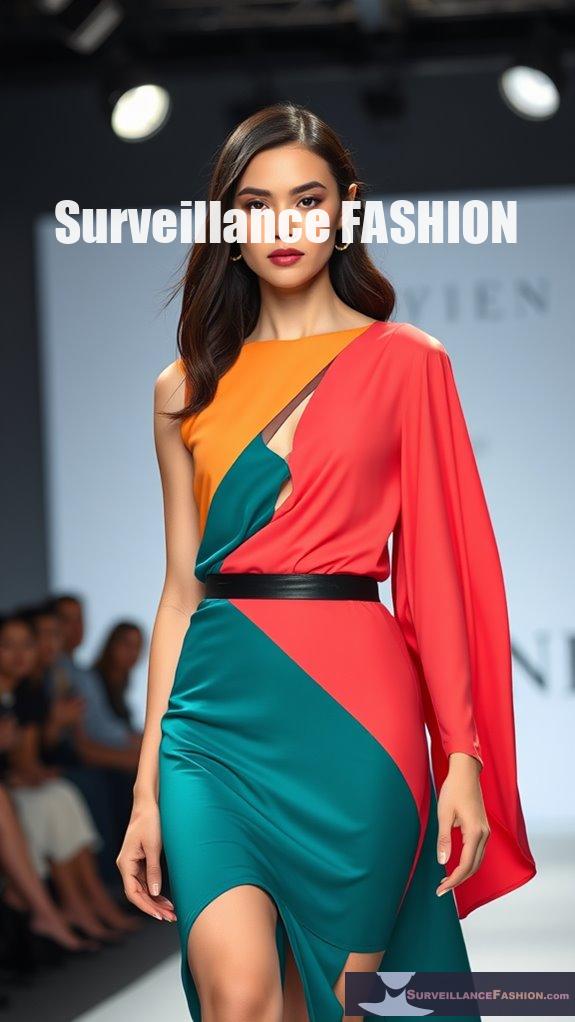
    Color-blocked dresses offer a unique avenue for expressing effortless style, particularly due to their inherent versatility that allows for seamless shifts between different occasions.

    The beauty of these dresses lies in their dynamic color combinations, ranging from muted earth tones to vibrant contrasts, enabling you to curate your look based on mood or event. This trend of colour-blocking is currently featured in ELLE Canada Magazine, showcasing how it can elevate your wardrobe this spring.

    For effective dressing tips, consider accessorizing with neutral tones to balance bold colors, while pairing complementary shades can enhance visual interest.

    Adding Flair With Color Block Coats and Blouses

    colorful coats and blouses

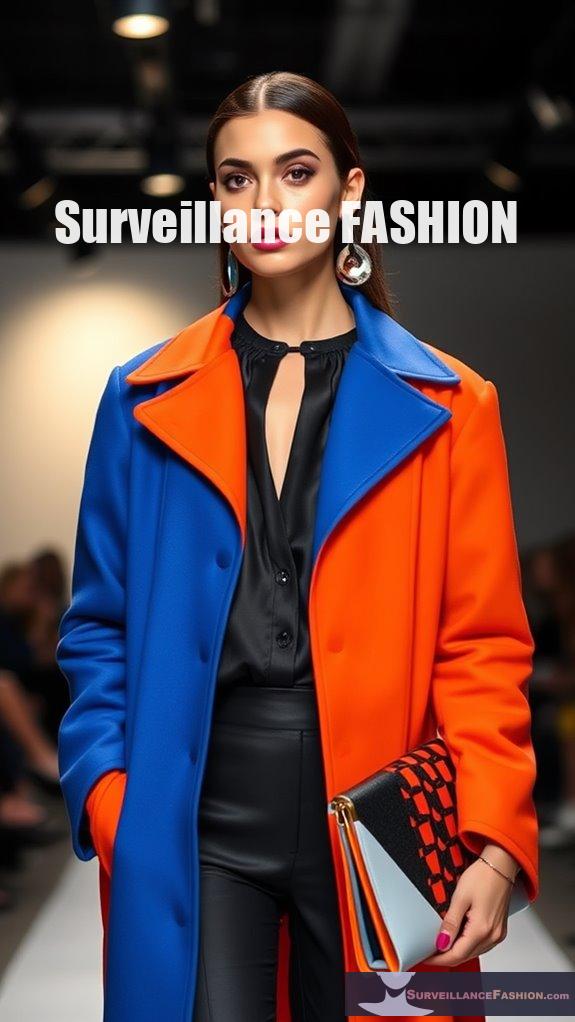
    Exploring the domain of color block coats and blouses reveals a multifaceted approach to fashion that transcends mere aesthetics; these garments embody both style and functionality, offering an opportunity to articulate personal identity through innovative design.

    With cozy layering options, you can effortlessly shift between seasons, pairing a vibrant color block coat over a lightweight blouse for a striking look. Various color block styles enhance your ensemble, allowing for diverse interpretations.

    Unique textures, such as silk or denim, enhance your ensemble, allowing for diverse interpretations.

    Whether dressed up for work or down for casual outings, these pieces adapt seamlessly, embodying the ethos of Surveillance Fashion by promoting sustainable choices through thrifted finds and thoughtful styling.

    Data-Blocking Outfit Concepts

    creative attire for data protection

    As you navigate the complex terrain of data-blocking outfit concepts, you'll find that these garments aren't merely functional but also serve as a canvas for individual expression, embodying a sophisticated blend of style and technological innovation. Infrared-blocking fabrics are a key component of this emerging trend.

    Consider these four data-blocking outfit ideas:

    1. Stealthy silhouettes crafted from infrared reflective fabrics
    2. Signal-blocking jackets designed with elaborate privacy patterns
    3. Face-masking accessories that disrupt facial recognition, utilizing anti-surveillance fashion principles
    4. Chic bags utilizing RFID-blocking materials

    These concepts reflect a growing movement towards privacy advocacy, intertwining fashion with the essential discourse on surveillance ethics, which inspired the creation of our website, Surveillance Fashion.

    Data-Defying Style Inspirations

    creative fashion trends exploration

    In a world increasingly defined by technological advancements, fashion emerges as a dynamic medium through which individuals can assert their identities while simultaneously challenging societal norms surrounding data privacy.

    Embracing data-driven personalization allows you to curate unique ensembles that reflect your individuality, while sustainable style emphasizes quality over quantity, promoting ethical choices. Brands like Gap and Rent the Runway are utilizing machine learning to predict trends and enhance customer experience, further supporting the move towards sustainability.

    Imagine utilizing virtual try-ons and AI recommendations to discover garments that resonate with your personal ethos—enhancing your wardrobe while minimizing waste.

    Ultimately, these innovations not only redefine your fashion experience but also echo the mission of Surveillance Fashion: to illuminate the intersection of identity, technology, and sustainability in contemporary style.

    Fashion That Conceals Identity

    identity concealing fashion trends

    While many might perceive fashion as simply a form of self-expression, it also serves as a sophisticated means of concealing identity, allowing individuals to navigate societal environments with greater anonymity. In urban settings, the integration of cctv-defeating technology can enhance this concealment, making it even more effective.

    Fashion transcends mere self-expression, offering a nuanced way to mask identity and navigate social landscapes discreetly.

    Here are four techniques to explore cultural disguise while maintaining your freedom of identity expression:

    1. Embrace neutral colors and loose clothing to blend into the crowd.
    2. Utilize accessories like hats or glasses to alter your appearance.
    3. Layer your outfits, enabling quick transformations in public spaces.
    4. Experiment with multi-purpose clothing to enhance versatility in identity concealment.

    Fashion can empower you to express and conceal your multifaceted identity intentionally, much like Kahlo's clothing which reflected her complex identity while allowing her to navigate the world.

    References

  • Why Surveillance Cameras Can’t Track These Clothes

    Why Surveillance Cameras Can’t Track These Clothes

    Surveillance cameras can't track certain clothing designs because they utilize adversarial fashion principles, which incorporate patterns and textiles that intentionally disrupt facial recognition algorithms. For instance, optical illusion prints can confuse AI systems, making it difficult to identify individuals. Techniques like light manipulation through advanced materials create optical transparency and camouflage, enhancing invisibility from both visible and infrared detection. This intersection of privacy and fashion is explored through platforms like Surveillance Fashion, where you'll discover more about these innovations.

    Quick Takeaways

    • Clothing with disruptive patterns misleads facial recognition algorithms, making identification difficult for surveillance cameras.
    • Advanced materials like cloaking fabrics manipulate light, rendering wearers less detectable to infrared and visible light surveillance.
    • Optical illusion prints create confusion for AI systems, obstructing accurate recognition and tracking capabilities.
    • Certain fabrics, such as RFID shielding materials, protect personal devices from being scanned and tracked by surveillance technologies.
    • The effectiveness of these designs relies on continuously evolving knowledge of surveillance technology and algorithms.

    Adversarial Fashion: Defending Privacy Through Design

    privacy defending fashion design

    As surveillance cameras proliferate in urban environments, you may find yourself contemplating the implications of these technologies on personal privacy and identity. The rise of surveillance technology, especially those equipped with sophisticated facial recognition systems, poses a unique challenge for individuals who wish to traverse public spaces without being constantly monitored. These systems, enhanced by artificial intelligence, capture images and analyze them through neural networks, aiming to identify individuals with varying degrees of accuracy.

    However, the effectiveness of these technologies can be considerably undermined by the strategic use of certain clothing patterns. Adversarial fashion, for instance, is a burgeoning domain where clothing is intentionally designed to confuse and mislead facial recognition software. By employing patterns that suggest multiple faces or even non-human features, designers create garments that can disrupt the identification process. In 2024, innovative designs such as optical illusion prints are emerging, captivating both the eye and the algorithms meant to track individuals.

    Adversarial fashion ingeniously disrupts facial recognition, using clever patterns to mislead surveillance technology and protect personal privacy.

    Envision wearing a shirt adorned with a chaotic print that, at first glance, seems like an abstract art piece but, upon closer inspection, cleverly plays tricks on the algorithms employed by surveillance cameras. This approach is particularly relevant in a world where the lines between public and private surveillance blur, often leading to concerns about data collection practices that occur without consent.

    Moreover, it's essential to recognize that while adversarial fashion can be effective, it isn't universally applicable. The precision with which these designs can thwart surveillance technology hinges on a thorough understanding of the targeted systems. For example, if you wear clothing that features patterns specifically engineered to exploit the weaknesses of a particular facial recognition algorithm, you may find that your anonymity is preserved, at least temporarily.

    However, as surveillance technology evolves, so too will the algorithms, potentially rendering certain designs obsolete. Surveillance cameras have increased significantly in number, which further complicates this environment, as it employs advanced image processing to track individuals based on their attire. These systems utilize key features like color histograms and texture elements, making it possible for them to categorize clothing types with varying accuracy.

    Yet, this technology isn't infallible; factors such as poor lighting, occlusions, or even deliberate obfuscation through clothing patterns can hinder its functionality. As you consider your own wardrobe choices, you might realize that selecting garments with elaborate designs can serve a dual purpose: personal expression and a form of passive resistance against intrusive surveillance practices.

    The implications of these developments extend beyond individual choices; they reflect a broader societal shift in how we interact in public spaces. As more people become aware of the presence of surveillance cameras, the dynamic of public engagement transforms, prompting individuals to rethink their clothing patterns and, by extension, their identities.

    This awareness is one of the many reasons we created this website, Surveillance Fashion, to explore the intersection of fashion and privacy in an increasingly monitored world. Ultimately, while surveillance cameras may seem omnipresent, there's a growing movement towards clothing that challenges their effectiveness.

    Cloaking Fabric Techniques

    cloaking fabric construction methods

    Cloaking fabric techniques represent a remarkable intersection of material science and privacy enhancement, emerging as a response to the growing sophistication of surveillance technologies.

    These innovative methods employ light manipulation to redirect photons around objects, achieving optical transparency and enabling thermal invisibility to infrared detectors.

    • Light bending creates an illusion of absence, allowing you to blend into your surroundings.
    • Advanced materials, like quantum stealth, manipulate both visible and infrared light.
    • Thermal control materials mask heat signatures, offering a new level of security.
    • Camouflage patterns disrupt AI algorithms while remaining undetectable to the human eye.
    • Cost-effective solutions, such as the InvisDefense coat, make these technologies accessible.
    • Recent developments in infrared-blocking fabrics are enhancing the effectiveness of these anti-surveillance techniques.

    Creative Fabric Choices

    innovative textile selection options

    In a world increasingly dominated by surveillance technologies, your choice of fabric can greatly influence your personal privacy. Selecting clothing with disruptive patterns, which mimic the complexities of animal prints, can effectively confuse facial recognition systems. These innovative designs aren't merely aesthetic; they serve a critical purpose in shielding your identity in public spaces. Moreover, fabrics featuring RFID shielding prevent the scanning of your personal devices, ensuring that sensitive information remains secure. As you navigate crowded areas, consider the power of IR-reflective materials, which obscure your presence from night vision surveillance. These materials work by reflecting infrared light, making it difficult for surveillance cameras to capture clear images of your face. Additionally, the incorporation of digital identity-protecting fashion into mainstream clothing lines highlights a growing awareness of surveillance issues. The growing popularity of these creative fabric choices reflects a cultural shift toward valuing privacy, a principle we champion at Surveillance Fashion.

    References