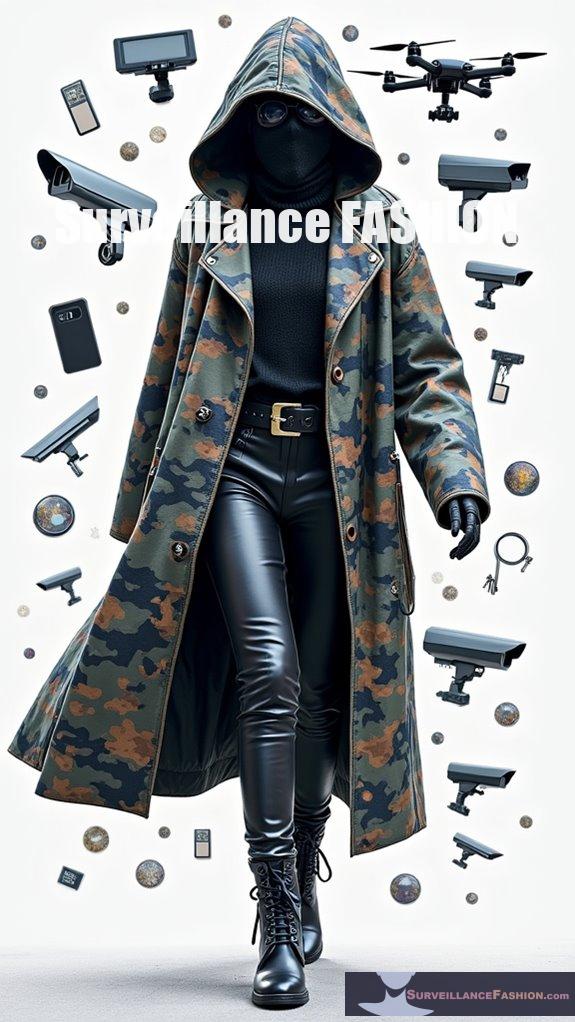
Using false footprint shoes for evasion can remarkably enhance your ability to mislead trackers. These shoes incorporate durable materials and specialized tread patterns that mimic natural prints, allowing you to navigate various terrains stealthily. Innovations like gait alteration technology further increase the authenticity of your movements. However, balancing between comfort and functionality remains a challenge, potentially impacting prolonged use. Understanding these dynamics is essential, and you might discover further information into effective evasion tactics as you explore this topic.
Quick Takeaways
- False Footprint Shoes incorporate durable materials and specialized tread patterns to enhance stealth and mimic natural footprints for improved evasion.
- Gait alteration technology in these shoes helps create authentic-looking footprints, making it harder for trackers to identify the wearer.
- Custom innovations, such as unique materials, can confuse forensic technologies by altering visible and infrared light signatures.
- Footwear modifications can enhance existing shoes, providing better evasion features suited to various terrains and enhancing adaptability.
- Combining various evasion techniques, like altering stride or using natural materials for camouflage, increases the overall effectiveness of the stealth strategy.
What Features Should False Footprint Shoes Have for Effective Evasion?

False footprint shoes for effective evasion should be made of durable, flexible materials with a tread pattern that mimics natural prints, ensuring stealth and comfort. Additionally, designs based on humor, such as the shoes from the Deutsches Schuhmuseum, demonstrate that effective evasion shoes must prioritize functionality over humorous display.
Features must include gait alteration technology and environmental adaptability to maintain footprint integrity across various terrains. These shoes should integrate lightweight designs to prevent noise and facilitate rapid movement.
Furthermore, tread patterns must be asymmetrical and randomized to confuse trackers, while the overall appearance should remain discreet. Key characteristics include:
- Water-resistant materials for wet conditions.
- Quick-drying capabilities to prevent print degradation.
- Effective grip for diverse surfaces to preserve balance.
- Pressure redistribution technologies to simulate varied walking dynamics.
Together, these features enhance the user’s ability to evade detection while maintaining realistic movement.
How Can False Footprint Shoes Confuse Trackers?
False footprint shoes can confuse trackers by altering sole patterns, mimicking non-human footprints, reversing sole orientation, and using natural materials for camouflage. These methods disrupt the ability of trackers to accurately identify and trace human movement.
The effectiveness of false footprint shoes relies on several techniques. For instance, they can obscure specific sole details with improvised coverings or create misleading footprints by changing direction abruptly. Additionally, skilled trackers must understand the principles of evidence left by their subjects to maintain accuracy in their pursuits.
Environmental factors play a significant role; soft soils are more revealing, while hard surfaces minimize print clarity. As trackers encounter these altered footprints, psychological challenges arise, leading to ambiguities in classification and misdirection in tracking efforts.
Despite these challenges, experienced trackers can often see through the complexities if they rely on complementary tracking methods.
Are There Specific Brands or Models Recommended for Surveillance Evasion?
There are no widely recognized brands or specific models recommended specifically for surveillance evasion, as the market for false footprint shoes is niche and limited. Popular footwear brands, while not designed for evasion, do dominate the market, but often lack confirmed features for this purpose. The environment of evasion footwear remains confusing. Mainstream brands such as Nike and Puma are frequently targeted by counterfeiters and don’t endorse shoes for surveillance evasion. Some custom tactical footwear brands claim to offer stealth features, yet these aren’t proven in mainstream markets. Users often resort to modifying existing footwear or selecting from obscure niche manufacturers that lack public visibility.
When evaluating footwear for evasion, consider:
- Soft and flexible soles for natural footprint alteration
- Multi-pattern designs to confuse tracking technology
- Lightweight, quiet materials to reduce noise
- Durability for prolonged use in various terrains
Due diligence is essential to avoid counterfeit products. A high-profile phishing campaign may arise from using specialized evasion tools depending on local laws.
What Are the Limitations of False Footprint Shoes in Evasion Tactics?
False footprint shoes have significant limitations in evasion tactics due to their inability to accurately replicate an individual’s unique gait, pressure points, and wear patterns.
Furthermore, technological surveillance methods and practical constraints hinder their effectiveness.
These shoes often fail to mimic the distinct and intricate characteristics of a person’s walking style. Forensic investigators can detect discrepancies in stride length, foot angle, and subtle asymmetries.
In addition, alterations in foot mechanics may lead to unnatural walking patterns that are noticeable to trained observers.
Key limitations include:
- Difficulty replicating genuine wear patterns and unique shoe defects.
- Inadequate concealment from sophisticated surveillance technologies, such as gait analysis and facial recognition systems.
- Operational challenges related to comfort and accessibility of specialized footwear.
- Potential for the false footprint shoes themselves to be discovered, linking them to the wearer.
These factors collectively compromise the efficacy of false footprint shoes in evading identification.
How Can One Effectively Combine False Footprint Shoes With Other Evasion Strategies?
To effectively combine false footprint shoes with other evasion strategies, employ techniques such as camouflaging tracks, altering gait, and utilizing well-traveled routes.
Collaborating these methods enhances confusion for trackers.
What Types of Soles Are Most Effective for Mimicking Animal Tracks?
Answer:
Effective soles for mimicking animal tracks typically feature specialized rubber compositions and tread patterns that replicate real animal footprints, such as Salomon’s Contagrip and La Sportiva’s Impact Brake System. The integration of materials like EVA or PU enhances flexibility and detail, while sole shapes guarantee accurate pressure distribution and footprint fidelity.
Expanded Content:
The design of soles intended for false footprint shoes focuses on achieving realism. This realism is accomplished through various factors:
- Rubber Blends: Proprietary rubber blends provide different textures and compositions that can adapt to diverse terrains, critical for authentic mimicry.
- Tread Patterns: Specific lug arrangements can simulate natural claw marks or paw pads, enhancing the visual credibility of footprints in different substrates like soil or snow.
- Material Choices: Utilizing materials like EVA or polyurethane contributes flexibility, allowing for detailed molding of track features while guaranteeing comfort during wear.
- Sole Shape and Design: A unit sole offers stable pressure distribution, enabling clearer footprint impressions, while low-profile designs maintain the natural look of animal tracks by reducing height discrepancies.
These elements collectively enhance the effectiveness of false footprint shoes in evasion scenarios.
How Do Environmental Conditions Impact the Effectiveness of False Footprint Shoes?
Environmental conditions greatly affect the effectiveness of false footprint shoes, with factors such as terrain type, weather, and seasonality influencing print clarity and longevity.
Soft terrains like mud and snow enhance false footprint visibility, while hard ground diminishes it. Weather conditions, including rain and wind, can distort or wash away tracks.
Seasonal changes, such as freeze-thaw cycles, also impact print durability. Furthermore, microbial activity and environmental factors may alter actual footprints’ detail, further complicating effective evasion strategies.
What Role Does Footwear Design Play in Reducing Identifiable Footprint Patterns?
Footwear design plays a vital role in reducing identifiable footprint patterns by customizing tread geometry, material flexibility, and fit.
These innovations disrupt recognizable features, complicate footprint comparisons, and obscure the wearer’s identity.
Custom tread patterns, created through advanced techniques like 3D printing, introduce complexity that hinders traceability.
The use of flexible materials allows for adaptive deformations, altering the depth and pressure distribution of footprints.
Moreover, shoes tailored to individual foot shapes modify gait and pressure, leading to variability in footprint impressions.
Other strategies include:
- Asymmetrical sole designs to break standard shapes.
- Custom insoles to change foot pressure distribution.
- Non-traditional motifs to create misleading impressions.
- Alterations to shoe fit that impact stride and spacing.
These design elements collectively enhance the ambiguity of footprints and improve evasion strategies.
How Can False Footprint Shoes Be Used in Different Terrain Types for Maximum Evasion?
False Footprint Shoes are engineered for ideal evasion across various terrains by incorporating specialized features tailored to the environment, ensuring traction, support, and moisture protection.
To maximize evasion, footwear must adapt to specific terrain types:
- Wet and muddy terrain: Requires self-cleaning lugs, slip-resistant outsoles, and waterproof materials to maintain grip while preventing moisture entry.
- Rocky and technical terrain: Demands aggressive outsoles, reinforced toe caps, and ample cushioning for protection and stability against uneven surfaces.
- Smooth trails: Focus on lightweight construction and moderate cushioning for speed and comfort.
- Mixed terrain: Balances thicker midsoles for hard surfaces with flexible designs for smooth changes between road and trail.
Each design feature enhances performance, minimizing foot fatigue and maximizing agility in diverse conditions.
False Footprint Shoes
Innovative design defines the domain of false footprint shoes, which blend cutting-edge technology and strategic craftsmanship to serve distinct evasion purposes.
These shoes showcase advanced shoe design techniques, employing customized uppers and outsoles that confuse forensic technology. For instance, their tread patterns mimic generic footwear, undermining forensic match identifications.
Moreover, unique materials can alter visible and infrared light signatures, complicating surveillance efforts substantially.
As we created this website, Surveillance Fashion, to illuminate such innovations, understanding false footprint shoes allows you to appreciate the intricacies of evasion technology while maneuvering through challenging environments effectively.
Anti Surveillance Ebook review: Eyes Everywhere
In today’s terrain, marked by relentless surveillance mechanisms that intrude upon our daily lives, understanding the multifaceted nature of these systems becomes imperative.
“Eyes Everywhere” explores deeply into the complex web of surveillance technologies, highlighting their privacy implications. Through citizen testimonies and expert analysis, it reveals how personal communications, monitored by corporations and government entities, create a hydra-like influence on our daily existence.
You see, the book emphasizes the normalization of camera surveillance worldwide, uncovering its disproportionate targeting of certain groups while questioning its supposed efficacy in crime prevention. Additionally, it sheds light on how public space surveillance creates a chilling effect on civil liberties, prompting a growing resistance against invasive monitoring.
This blend of understanding and awareness is exactly why we created Surveillance Fashion.
Facial Recognition Technology Deployment
As facial recognition technology (FRT) continues to evolve, it’s essential to grasp both its deployment dynamics and the complexities that accompany its implementation across various sectors.
- Widespread government adoption
- Advanced surveillance needs
- Ethical implications of privacy
- Technological accuracy improvements
- Public perception challenges
These factors underline critical facial recognition challenges and the ethical implications of surveillance. Additionally, the increased mass surveillance impact on civil liberties raises concerns about the balance between security and individual rights.
As businesses and law enforcement integrate FRT into their operations, the ongoing conversation about privacy and regulatory measures shapes its acceptance.
Balancing security benefits with ethical responsibilities is crucial as we navigate this dynamic environment, a common theme behind the Surveillance Fashion initiative’s focus on empathetic engagement with technology.
Civil Liberties Against Surveillance Tactics

Though surveillance tactics have become increasingly sophisticated, the civil liberties related to privacy and freedom must remain at the forefront of societal considerations.
In today’s world, understanding the limits of surveillance is essential for protecting your civil rights. For instance, unauthorized data collection not only invades personal space but amplifies the risk of identity theft.
This continuous tracking can stifle freedom of expression, leading to chilling effects on public discourse. Moreover, the legal frameworks protecting against intrusive surveillance often lag behind technological advancements, complicating our journey towards genuine privacy.
Emphasizing awareness and engagement with these issues is critical, as it forms the backbone of platforms devoted to surveillance awareness, like Surveillance Fashion.
References
- https://www.americanoutdoor.guide/news/move-like-ghost-leave-no-trace/
- https://protectioncircle.org/2016/06/14/surveillance-evasion/
- https://www.policechiefmagazine.org/gait-footprints-and-footwear-how-forensic-podiatry-can-identify-criminals/
- https://www.ebsco.com/research-starters/applied-sciences/footprints-and-shoe-prints-evidence
- https://accessdl.state.al.us/AventaCourses/access_courses/forensic_sci_ua_v22/03_unit/03-02/03-02_learn_text.htm
- https://fakehistoryhunter.net/2022/03/19/not-wwii-spy-shoes/
- https://aonprd.com/EquipmentMiscDisplay.aspx?ItemName=Fake+footprint+shoes
- https://obamawhitehouse.archives.gov/sites/default/files/microsites/ostp/PCAST/pcast_forensic_science_report_final.pdf
- https://prepperpress.com/how-to-make-anti-tracking-shoes/
- https://pmc.ncbi.nlm.nih.gov/articles/PMC6320716/
- https://onlinelibrary.wiley.com/doi/10.1111/1556-4029.15233
- https://www.bitdefender.com/en-us/blog/hotforsecurity/massive-phishing-campaign-targets-major-footwear-and-apparel-brands
- https://www.chargeflow.io/blog/unlacing-sneaker-fraud-key-strategies-for-preventing-resellers-and-bots
- https://timesofindia.indiatimes.com/city/bhubaneswar/three-held-for-gold-loan-fraud/articleshow/123570083.cms
- https://web.mit.edu/gtmarx/www/tack.html
- https://timesofindia.indiatimes.com/city/kolkata/1-crore-lost-through-cyber-fraud-in-one-day-in-city-2nd-time-in-10-days/articleshow/123569584.cms
- https://documents.pclob.gov/prod/Documents/OversightReport/e9e72454-4156-49b9-961a-855706216063/2023 PCLOB 702 Report (002).pdf
- https://www.youtube.com/watch?v=r6Io5hCy-VM
- https://www.crime-scene-investigator.net/footwear.html
- https://www.youtube.com/watch?v=KALqZmju8t0