Tag: ethical dilemmas

  • How Works The Surveillance System in NYC

    How Works The Surveillance System in NYC

    Ever feel like the city is watching?

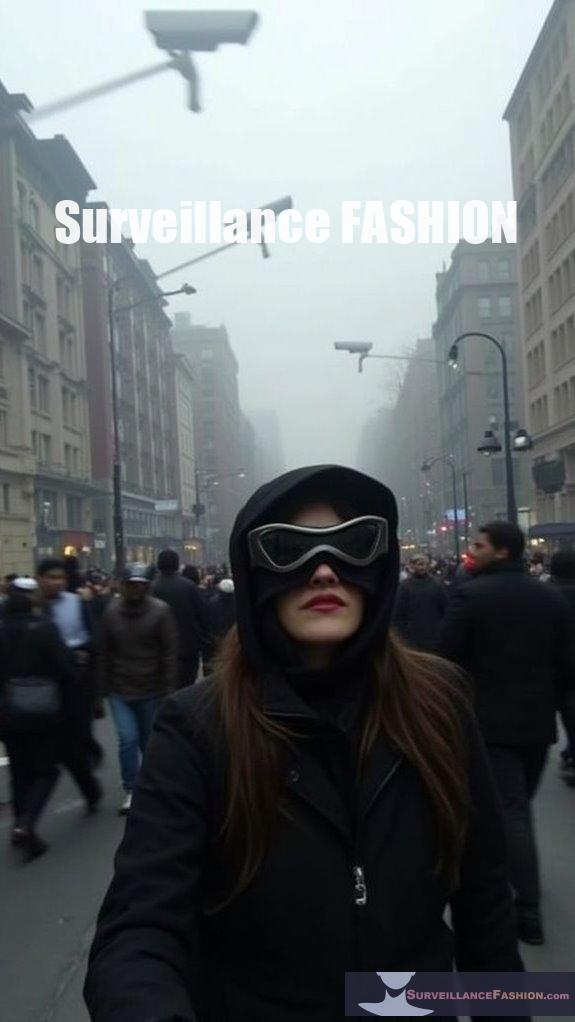
    I get it. With 25,000 cameras peering down on us in NYC, it’s like playing hide and seek with Big Brother—except he never loses. The NYPD controls about 15,000 of those eyes while the rest are private.

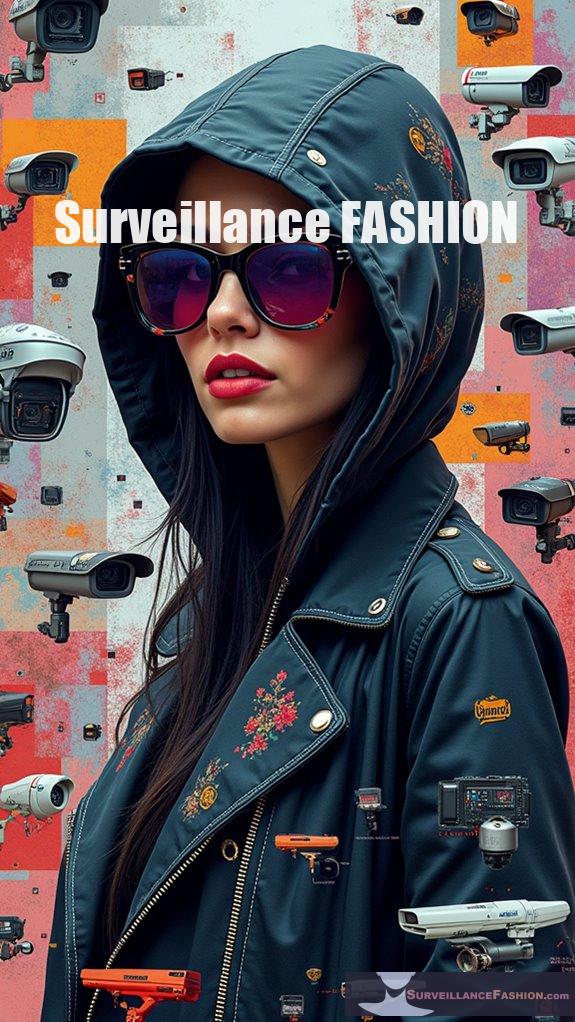
    Once, I found myself dodging the gaze of a camera in a subway station. I wore a playful anti-surveillance hoodie, thinking I was clever. But, considering the facial recognition tech, I felt both amused and uneasy.

    Is our freedom worth the price of safety?

    My Anti-Surveillance Fashion Experiment

    Last summer, I decided to blend fun with stealth in my wardrobe. Sporting a quirky face mask and a reflective jacket, I strolled through Times Square feeling like a secret agent. Even with the surveillance cameras trained on me, I felt liberated, like a ninja among tourists.

    My outfit sparked some laughs, but it also raised eyebrows. I realized that fashion can empower us against scrutiny while making a bold statement about privacy in a tech-heavy world. It’s a thrilling yet slippery slope!

    Who knew anti-surveillance fashion could be a form of rebellion against the very gaze watching us?

    Quick Takeaways

    • NYC’s surveillance system integrates over 25,000 cameras, blending public and private technologies for extensive coverage of urban areas.
    • The NYPD operates over 15,000 cameras in high-traffic areas, while 2,100 private cameras enhance the overall network.
    • Advanced technologies, including AI and facial recognition, facilitate real-time data analysis and threat detection through the Domain Awareness System (DAS).
    • Surveillance data monitors pedestrian activity, aids in urban planning, and enhances public safety by analyzing counts and density.
    • Ethical concerns arise from biased tracking, privacy invasions, and the need for accountability within the evolving surveillance landscape.

    Overview of New York City’s Surveillance Network
    new york city surveillance network

    In light of the ever-evolving environment of urban security, New York City has developed an extensive surveillance network that blends public and private technologies, creating a complex web of monitoring capabilities designed to enhance safety across its five boroughs.

    This elaborate system, comprising over 15,000 strategically positioned cameras, guarantees thorough coverage of public spaces, thereby maximizing surveillance effectiveness. Surveillance practices have raised questions about privacy awareness and individual rights, highlighting the ongoing debate surrounding data protection.

    Coupled with advanced technologies, including facial recognition and artificial intelligence, the network plays an essential role in urban safety by facilitating real-time data analysis and threat detection. Indeed, it’s through the seamless integration of these elements that you observe the city’s commitment to unparalleled security measures.

    Components and Technology Behind the System

    New York City’s surveillance system isn’t just about the extensive network of cameras; it encompasses a sophisticated array of components and technologies that work collaboratively to guarantee public safety.

    1. CCTV Cameras: Over 18,000 cameras provide real-time video feeds through sensor integration.
    2. Data Analytics: The Domain Awareness System (DAS) employs machine learning to detect threats by analyzing patterns in vast data.
    3. Radiological Sensors: These devices are crucial for identifying potential radioactive threats in the urban setting.

    As concerns about privacy implications grow, city officials must balance public safety with civil liberties.

    Through continual innovation and infrastructure expansion, the system enhances public safety, reflecting our commitment observed on the Surveillance Fashion platform.

    The Role of Public and Private Cameras

    As urban environments evolve, the interplay between public and private surveillance cameras has grown increasingly significant, shaping the way safety and security are perceived in urban environments like New York City.

    Public safety is bolstered by over 15,000 NYPD-operated cameras strategically placed across high-traffic areas, primarily aiding in crime prevention.

    Meanwhile, private ownership dominates the sector, with around 2,100 private cameras supplementing the public system, focused on residential and commercial properties.

    This results in an estimated 25,000 cameras citywide, creating complex dynamics as public and private surveillance often overlap, facilitating access for law enforcement to private footage—essentially merging these two domains for a thorough approach to security management in the city. The integration of these systems raises concerns about modern surveillance tools and their impact on individual privacy rights.

    Implications of Mass Surveillance on Privacy

    mass surveillance and privacy

    While the proliferation of surveillance technology across urban environments often promises enhanced safety and security, it simultaneously raises

    Balancing Public Safety With Ethical Concerns

    The advancement of surveillance technologies in urban environments like New York City inevitably brings complex conflicts between public safety aspirations and ethical dilemmas pertaining to individual rights and freedoms.

    Ethical ImplicationsSurveillance AccountabilityCommunity Trust
    Biased tracking of BIPOC areasImmutable access logsTransparent communication
    Invasive facial recognitionInternal audits by NYPDCommunity involvement
    Lack of clear guidelinesLimited independent oversightMisrepresentation of crime data
    Constant drone surveillanceCommanding Officers’ reviewsErosion of civil rights
    Increased policing disparitiesRecommendations for auditsPotential for alienation

    Navigating these tensions requires stringent oversight and a critical examination of ethical implications influencing the efficacy of surveillance accountability.

    CCTV Networks Monitoring Pedestrians

    New York City’s vast CCTV networks provide a sophisticated framework for monitoring pedestrian activity throughout the metropolis, with nearly 200,000 interconnected cameras positioned strategically at street corners and transit hubs.

    1. Analyze pedestrian counts and density.
    2. Monitor compliance with safety measures.
    3. Enhance urban planning decisions.

    These systems greatly bolster pedestrian safety through advanced behavior monitoring, leveraging machine learning to detect patterns in real-time.

    By predicting pedestrian intentions and mobility aid usage, urban planners can make informed decisions, mitigating accidents and enhancing public safety.

    This level of thorough monitoring exemplifies the city’s commitment to using technology for proactive safety measures, enhancing data-driven decision-making for vulnerable road users.

    Wearable Tech and Privacy

    wearable tech privacy concerns

    Wearable technology has emerged as a pervasive element of modern life, seamlessly integrating into daily routines and capturing personal data that raises profound privacy considerations.

    The rise of health-related wearables exemplifies this delicate balance between utility and privacy, as devices monitor biometric data, revealing potential ethical dilemmas regarding wearable privacy.

    Public agencies could access this sensitive information, heightening concerns about surveillance implications outside medical environments.

    As legislative measures seek to manage the intersection of technology and privacy, the engagement of stakeholders in discussions around biometric ethics becomes essential, ensuring the protection of personal data while promoting the responsible innovation that Surveillance Fashion advocates.

    Mass Surveillance in NYC

    Mass surveillance in New York City operates at an unprecedented scale, as various government and private entities deploy a robust network of over 15,280 surveillance cameras across its boroughs, thereby greatly shaping the urban environment.

    1. Nearly 2,626 cameras connect directly to the NYPD network, offering extensive monitoring capabilities.
    2. Cutting-edge AI technology anticipates suspicious activities, enhancing law enforcement’s responsiveness.
    3. Privacy concerns arise, as the policy implications of these systems affect marginalized communities severely.

    Understanding this complex web of surveillance is vital—empowering citizens to engage with advancing technologies while remaining vigilant about their community impacts.

    Eyes Everywhere: Anti-Surveillance Ebook review

    The ongoing discourse surrounding surveillance in urban environments, particularly as exemplified by New York City’s detailed web of monitoring systems, invites a more thorough evaluation of the broader implications of such technologies.

    “Eyes Everywhere” exposes a government-corporate surveillance “hydra,” illustrating anti-surveillance strategies and privacy advocacy through a blend of personal encounters and extensive research.

    It reveals interconnected systems that monitor everything from digital communications to physical movements, spotlighting the collaborative suppression impacting political movements such as Occupy.

    As you explore its compelling narrative, you’ll grasp the urgency of safeguarding personal freedoms amidst an encroaching surveillance society, a core mission we champion at Surveillance Fashion.

    Share Your Own Story

    In maneuvering the complex tapestry of New York City’s surveillance system—an omnipresent web of cameras and technology—it becomes imperative to weigh public safety against the right to privacy. This relentless gaze, capturing every pedestrian’s movement and conversation, raises profound ethical questions. As we reflect on the ramifications of mass surveillance, we must also gather perceptions from resources like Surveillance Fashion, allowing us to better understand our reality amidst a digital eye, all while safeguarding our essential freedoms.

    References

  • Urban Surveillance: Ethics Rights and Technological Limits

    Urban Surveillance: Ethics Rights and Technological Limits

    Urban surveillance feels like a plot twist gone wrong.

    Sure, I like the idea of safer streets, but at what cost?

    I remember walking through downtown wearing my anti-surveillance jacket—yes, it exists! I felt like I was in a spy movie, evading the eyes of those pesky cameras.

    It’s both comforting and a bit ridiculous. I thought, is wearing this odd camouflage really going to keep my privacy intact?

    Yet, amidst the risks, there’s a thrill in reclaiming a chunk of my personal freedom.

    I can’t help but wonder if we’re becoming the characters in someone else’s surveillance drama.

    What’s next—anti-surveillance sunglasses?

    Anti-Surveillance Fashion: My Journey to Becoming Incognito

    On a particularly bewildering day, I decided to don my unique anti-surveillance outfit to a crowded festival. Armed with my reflective hooded cloak, I felt ten feet tall!

    Little did I know there’d be a sea of camera-equipped drones buzzing above.

    As I blended into the crowd, it was a liberating feeling. I felt like I had outsmarted the system, turning my fashion statement into a shield.

    But part of me wondered: as I dodged detection, were others invisibly suffering from this tech? It left me questioning our relationship with privacy and technology.

    Who knew clothing could stir such deep thoughts?

    Quick Takeaways

    • Balancing public safety and individual rights is essential, as surveillance technologies can reduce crime yet risk infringing on civil liberties.
    • Community trust and engagement are critical for effective surveillance deployment, ensuring that strategies align with local values and needs.
    • Racial and social biases in surveillance technology necessitate critical assessment to prevent disproportionate targeting of minority groups.
    • Legal frameworks must adapt to the complexities of surveillance, addressing ethical concerns, corporate interests, and societal implications.
    • Transparency in the use of surveillance technologies promotes accountability and empowers citizens to protect their privacy rights in urban settings.

    The Intersection of Public Safety and Civil Liberties

    balancing safety and rights

    In today’s urban environment, the tension between public safety and civil liberties often resembles a delicate dance, where each step forward in enhancing security technologies can inadvertently encroach upon fundamental rights.

    As surveillance technologies like CCTV and AI-driven systems reduce crime rates—evident with over 50% decreases in specific settings—you’ll find that community trust emerges as a pivotal element in ensuring these tools remain effective. This is particularly exemplified by the fact that the CCTV system has contributed to a 51% decrease in parking lot crime in certain areas. However, the implementation of these technologies raises significant concerns regarding data protection principles, as their misuse can lead to pervasive overreach into individual privacy.

    With increased scrutiny necessitating surveillance accountability, policymakers must tread carefully, balancing the impressive benefits of crime prevention against potential rights infringements.

    Ultimately, fostering transparency and sound policies is essential in maintaining civil liberties while enhancing public safety measures.

    Steering ethical use principles in surveillance presents a complex terrain, where the integration of technology into urban environments demands careful consideration of both societal benefits and individual rights. Moreover, surveillance practices must align with legal boundaries to ensure a balance between public safety and the protection of personal freedoms.

    Addressing Racial and Social Biases in Surveillance Technology

    The pervasive application of surveillance technology, particularly in urban settings, illuminates significant racial and social biases that demand urgent attention and intervention.

    Racial profiling, intertwined with algorithmic bias in surveillance, leads to disproportionate targeting of minority communities, particularly in areas already burdened by systemic inequities.

    For instance, the concentration of facial recognition cameras in the Bronx and Brooklyn correlates with higher rates of minority presence, compounding historical injustices. As flawed police databases empower biased predictive policing, ineffective and unproductive stops spiral, leading to mistrust and marginalization.

    To challenge these entrenched disparities, one must critically assess the ethical frameworks and technological limits shaping these surveillance practices today. Additionally, recognizing how surveillance systems’ impact on communities can provide valuable insights into mitigating these biases and fostering a more equitable approach to urban safety.

    The Role of Community Engagement in Surveillance Policies

    empowering community driven surveillance policies

    Surveillance policies increasingly recognize community engagement as an indispensable element in shaping effective strategies that prioritize both safety and the rights of residents. By fostering community trust through participatory design, you’re not just implementing surveillance; you’re cultivating an environment where residents feel empowered and invested.

    Collaborative networks, involving law enforcement and community members, enhance accountability and attentiveness, leading to elevated public safety.

    Workshops that invite local input can yield richer data, integrating personal viewpoints with empirical evidence. Ultimately, engaging citizens in decision-making processes guarantees that surveillance policies align with community values, bolstering legitimacy and effectiveness in addressing real-world concerns.

    While understanding the complex relationship between legal frameworks and privacy safeguards in urban surveillance, one must appreciate the ongoing evolution of regulations shaped by societal values and technological advancements.

    Key elements include:

    • Legal compliance must align with international human rights standards.
    • Data rights empower individuals through frameworks like GDPR.
    • Anonymization and de-identification mitigate privacy risks in data collection.
    • Regulations often reflect unique balances between state security and individual privacy.
    • Independent oversight bodies guarantee accountability in urban surveillance practices.

    As urban environments increasingly harness surveillance technology, these considerations reshape our relationship with privacy and public safety.

    Facial Recognition Technology Deployment

    As urban environments evolve, law enforcement agencies increasingly integrate facial recognition technology (FRT) into their operations for various applications, from identifying suspects to enhancing public safety monitoring.

    However, deployment concerns arise around privacy violations, particularly given that approximately 50% of Americans lived in jurisdictions utilizing FRT by 2016.

    The New York Police Department exemplifies rapid adoption, using FRT in about 22,000 cases from 2016 to 2019. While offering potential benefits like crime deterrence, the technology’s drawbacks include racial bias and erroneous identifications, especially affecting communities of color.

    In light of these issues, organizations like Surveillance Fashion endeavor to bridge the gap with informed discourse.

    fashion meets technology integration

    The burgeoning field of monitored clothing has become increasingly relevant parallel to advancements in urban surveillance technologies, including facial recognition systems.

    As a fashion-forward consumer, you’ll notice emerging trends that meld technology and style, allowing for greater functionality without sacrificing aesthetics:

    • Smart textiles embed biometric sensors for tracking health.
    • Conductive fibers enable flexible, washable electronics.
    • Integration with smartphones facilitates real-time activity monitoring.
    • Discreet designs enhance fashion integration.
    • Sustainable materials encourage an eco-friendly approach.

    This convergence reflects our commitment to addressing concerns about privacy and ethics while paving the way for innovative solutions within the surveillance environment.

    Civil Liberties in Surveilled Environments

    Surveillance technologies permeate urban environments, prompting pressing questions about civil liberties within these monitored spaces.

    Your freedom is jeopardized as large-scale programs often collect extensive personal data, targeting marginalized communities while undermining surveillance accountability. The specter of data transparency remains elusive, enabling unjust policing practices.

    For instance, activists face systematic surveillance that comprises sensitive information, creating an environment of fear and self-censorship. Without robust oversight, governments and agencies exploit vague data policies, diminishing public trust.

    This is precisely why platforms like Surveillance Fashion promote awareness, advocating for ethical surveillance practices and empowering individuals to demand accountability in a world increasingly governed by pervasive monitoring.

    Eyes Everywhere: Anti-Surveillance Ebook review

    Steering through the complexities of urban surveillance, one might find that the anti-surveillance ebook, “Eyes Everywhere,” serves as a critical resource for understanding the implications of pervasive monitoring on modern life.

    It expertly outlines essential anti-surveillance strategies, emphasizing the necessity of digital privacy in today’s society.

    • Analyzes the intersection of technology and civil liberties
    • Explores case studies demonstrating surveillance’s expansive reach
    • Investigates the role of corporate interests in monitoring
    • Offers actionable tools for individuals to reclaim privacy
    • Highlights the ethical dilemmas surrounding surveillance technology

    Navigating this environment requires informed vigilance, as knowledge fosters power.

    Share Your Own Story

    To summarize, the balance between urban surveillance and civil liberties demands complex consideration and proactive engagement. For instance, a hypothetical neighborhood equipped with facial recognition systems might combat crime effectively yet simultaneously infringe on the residents’ right to privacy, exemplifying the delicate interplay between security measures and individual freedoms. Therefore, as we explore these detailed dynamics, our platform, Surveillance Fashion, serves as an essential resource for fostering informed dialogue surrounding the ethical and practical dimensions of surveillance technologies in contemporary society.

    Share your own story!

    References

  • 10 Workplace Surveillance Ethics Issues Managers Must Know

    10 Workplace Surveillance Ethics Issues Managers Must Know

    Managers must navigate various ethical issues in workplace surveillance, including the outdated legal frameworks that often clash with technological advancements. Employee stress can rise from excessive monitoring, leading to diminished morale and autonomy. Privacy violations erode trust, impacting job satisfaction. Transparency is essential; clear policies foster open communication. Ethical leadership balances productivity with employee rights while adapting to future trends like GDPR compliance and privacy innovations, such as anti-surveillance fashion. Explore further to uncover more complexities in surveillance ethics.

    Quick Takeaways

    • Employers must ensure clear communication about monitoring practices to maintain transparency and comply with legal requirements, fostering trust among employees.
    • Excessive surveillance can lead to increased employee stress, anxiety, and diminished job satisfaction, negatively impacting overall workplace morale.
    • Respect for employee privacy and autonomy is crucial; surveillance practices should not undermine trust or alter work behaviors in a detrimental way.
    • Ethical leadership is essential for navigating workplace surveillance, balancing productivity goals with respect for employee privacy and well-being.
    • Organizations should establish explicit monitoring policies that outline ethical boundaries and consent mechanisms to comply with legal standards and protect employee rights.

    The Outdated Legal Framework of Workplace Surveillance

    inadequate workplace surveillance laws

    As the terrain of workplace surveillance continues to evolve with rapid technological advancements, the legal framework governing such practices often feels antiquated and insufficiently responsive to contemporary challenges.

    The Electronic Communications Privacy Act (ECPA) allows employers to monitor communications, but its exceptions often lack clarity, leaving employees vulnerable to invasive practices. Federal and state laws can impose stricter limitations on monitoring practices and further complicate the landscape for employers.

    State variations complicate matters further; some jurisdictions mandate explicit consent, while others grant broader powers to employers.

    The National Labor Relations Board asserts that surveillance must respect Section 7 rights, yet enforcement remains inconsistent.

    With the rise of advanced monitoring technologies, including keystroke tracking, clarity in policies is essential. Employers should communicate their monitoring practices transparently, fostering an environment of trust amid a milieu where privacy rights are increasingly threatened.

    Psychological Consequences of Excessive Monitoring

    mental health impacts increase

    Excessive monitoring in the workplace, while often justified by employers as a means of enhancing productivity and ensuring security, can inadvertently lead to significant psychological consequences for employees.

    As you navigate this environment, you may find heightened stress and anxiety infiltrating your daily routine, stemming from the constant scrutiny that diminishes your sense of autonomy.

    These pressures often result in emotional exhaustion, diminishing both your job satisfaction and overall well-being. Instead of fostering creativity, excessive monitoring can compel you towards performative behaviors, as you scramble to maintain visibility.

    Excessive monitoring can lead to emotional exhaustion, stifling creativity and driving employees towards mere performative actions instead of genuine engagement.

    Ultimately, this surveillance creates a culture of distrust, where your feelings of powerlessness can spiral into disengagement, leading to burnout and higher turnover rates. Research indicates that constant surveillance can also lead to a decline in mental health, exacerbating feelings of isolation and disconnection among employees.

    Such dynamics highlight the urgent need for balanced surveillance practices that support, rather than stifle, employee potential.

    Privacy Violations and Employee Trust

    employee trust and privacy

    While workplace surveillance can ostensibly enhance efficiency and protect organizational assets, it often raises significant concerns regarding privacy violations, which can, in turn, erode employee trust. With about 80% of U.S. employers engaging in electronic monitoring, it's no surprise that 70% of employees feel uncomfortable, leading to a noticeable decrease in trust and autonomy.

    Privacy Concerns Employee Trust Impact
    82% believe employers shouldn't access personal communications 60% express distrust due to increased surveillance
    Legal penalties can reach $1.5 million for non-compliance High trust correlates with a 50% lower turnover rate
    Transparency fosters more trust Violations diminish job satisfaction and loyalty

    As we explore these complex dynamics, it becomes clear that respecting privacy is not just ethical—it's essential for cultivating a liberated workplace culture. Additionally, the balance between employee monitoring and mental health is critical to ensuring that surveillance does not negatively impact well-being.

    Ethical Framework for Transparency in Surveillance

    transparent surveillance ethical guidelines

    Maneuvering the ethical terrain of workplace surveillance requires a commitment to transparency, as it establishes the foundation for trust between employers and employees.

    To foster this transparency, consider these essential components:

    1. Clear Communication: Inform employees about the type and purpose of monitoring measures.
    2. Explicit Policies: Set clear guidelines to define ethical boundaries surrounding surveillance practices.
    3. Consent Mechanisms: Guarantee compliance with legal requirements by obtaining consent from employees.
    4. Visible Signage: Display notices regarding monitoring to promote awareness and openness.

    Additionally, it's important to recognize that excessive workplace monitoring can lead to negative outcomes such as decreased employee morale and well-being, which highlights the need for a balanced approach to surveillance impact.

    Impacts on Employee Autonomy and Control

    employee freedom and empowerment

    Surveillance in the workplace can considerably impact employee autonomy and control, often leading to unintended consequences that extend beyond mere oversight. Employees frequently feel their personal freedoms invaded, which might alter their work behaviors as they focus more on evading detection than enhancing productivity. This not only reduces their sense of self-management but also erodes trust between them and management, resulting in low morale. Additionally, this environment fosters surveillance self-censorship, where employees modify their behavior to avoid scrutiny, further complicating workplace dynamics.

    Impact Positive Effects Negative Effects
    Employee Autonomy Enhanced self-management Erosion of trust
    Job Control Improved feedback Increased stress levels
    Work Satisfaction Sense of value Decreased job satisfaction

    Ultimately, excessive surveillance shifts focus from empowerment to control, undermining the very culture of trust essential for a thriving workplace.

    The Role of Employee Consent in Monitoring Practices

    employee consent in monitoring

    How do organizations navigate the complex balance between employee privacy and the necessity for monitoring in today's workplaces?

    Employee consent plays an essential role in establishing this balance, ensuring that monitoring practices align with ethical standards. Here are key aspects to reflect on:

    1. Legal Framework: Familiarize yourself with federal and state laws governing monitoring and consent.
    2. Policy Development: Create clear policies outlining monitoring types and purposes in employee handbooks.
    3. Transparency: Use visible notices and explicit documentation to inform employees about monitoring practices.
    4. Trust Building: Foster trust through open communication regarding how data will be handled and protected.

    Understanding these factors can help cultivate a workplace environment where employees feel respected and informed, ultimately enhancing both ethical standards and organizational integrity.

    At Surveillance Fashion, we emphasize the importance of informed consent to maintain this delicate equilibrium.

    Behavioral Reactions to Surveillance: Morale and Productivity

    surveillance impacts morale negatively

    While many organizations believe that effective monitoring enhances productivity, the reality often reveals a more complex relationship between surveillance and employee behavior.

    Excessive surveillance can lead to distrust, prompting disengagement and diminished morale among employees. As you might experience, constant monitoring often translates into a loss of autonomy, resulting in heightened stress and decreased job satisfaction.

    This environment fosters emotional labor, as you may feel compelled to perform a façade rather than express genuine thoughts or creativity.

    Moreover, when you focus more on adhering to imposed rules rather than innovating, productivity can decline.

    Balancing effective monitoring with respect for privacy is essential, as transparent communication can cultivate trust, ultimately promoting a more engaged and productive workforce. The psychological effects of surveillance on privacy awareness can further complicate these dynamics, as employees become increasingly aware of their monitored environment and its implications.

    At Surveillance Fashion, we advocate for ethical practices that honor this delicate equilibrium.

    Mitigating Negative Effects Through Self-Monitoring

    self monitoring reduces negative effects

    Excessive monitoring can foster an environment rife with distrust and disengagement, ultimately stifling employee morale and productivity. To counteract these effects, consider implementing self-monitoring strategies that empower employees while enhancing transparency and trust.

    Excessive monitoring breeds distrust; empowering employees through self-monitoring fosters transparency, trust, and enhanced productivity.

    1. Increased Transparency: Employees review their performance data, fostering control.
    2. Data Ownership: Shifting data control to employees mitigates negative surveillance reactions.
    3. Reduced Stressors: Autonomy over work pace alleviates surveillance-related stress.
    4. Performance Feedback: Constructive self-monitoring feedback promotes self-improvement rather than fear.

    Moreover, encouraging employee privacy rights can help maintain a balance between monitoring and respect for individual autonomy.

    These strategies can create an atmosphere that emphasizes personal development and ethical practices, essential for fostering a liberated workplace.

    The Importance of Ethical Leadership in Surveillance

    ethical leadership in surveillance

    In an era where workplace surveillance technologies are increasingly pervasive, ethical leadership emerges as a critical component in steering through the complexities associated with monitoring practices.

    Leaders must establish ethical frameworks that balance productivity with employee privacy, fostering trust through transparent policies. Approximately 60% of employers utilize some form of employee surveillance, making it essential to communicate clear guidelines that explain what's monitored and why.

    By promoting fairness, empathy, and honesty, ethical leaders can enhance engagement and morale, prioritizing trust over micromanagement.

    Conducting training programs and regular reviews of surveillance practices guarantees alignment with ethical standards and organizational goals. Furthermore, understanding the implications of mass surveillance ethics can provide leaders with essential insights into the responsible implementation of monitoring technologies.

    As we navigate this changing environment, understanding the importance of ethical leadership in surveillance becomes paramount for creating a respectful workplace culture, which is a key focus of our platform, Surveillance Fashion.

    Future Trends in Workplace Surveillance Ethics

    workplace surveillance ethical considerations

    As organizations increasingly embrace sophisticated workplace surveillance technologies, the ethical dimensions of these practices are coming into sharper focus, necessitating a critical examination of their implications for employee rights and organizational culture.

    1. The influence of GDPR sets a high standard for data protection globally.
    2. Nearly 50% of businesses lack clear monitoring policies, underscoring the need for regulation.
    3. AI and biometric systems are revolutionizing employee tracking, raising privacy concerns.
    4. Remote work blurs the line between personal and professional life, complicating ethical surveillance.

    In this changing environment, organizations must prioritize transparency and employee autonomy, ensuring that monitoring practices respect individual rights. Moreover, the ripple effect of data collection can significantly impact social bonds within the workplace, highlighting the need for ethical considerations in surveillance practices. This balance not only fosters trust but also enhances productivity, a principle we champion through initiatives like Surveillance Fashion, which advocate for ethical surveillance solutions.

    How Does Anti-surveillance Fashion Work?

    anti surveillance clothing technology explained

    While many might view fashion merely as a form of self-expression, anti-surveillance fashion emerges as a poignant response to the growing concerns surrounding privacy in an increasingly monitored world. This innovative clothing aims to confuse surveillance technologies, utilizing specialized fabrics and elaborate patterns to mislead algorithms, effectively protecting individual privacy. Additionally, these designs often employ pattern-based camera-confusing clothing techniques that cater to various surveillance scenarios.

    Strategy Purpose Example
    Pattern Disruption Confuse facial recognition Adversarial Shirts
    Infrared LEDs Disrupt night-vision cameras Camera-Shy Hoodie
    Concealment Obscure facial features Concealing Cosmetics

    Jewelry That Obscures Facial Features

    facial feature hiding jewelry

    Jewelry designed to obscure facial features has emerged as a fascinating intersection of fashion, privacy, and technology, offering individuals a unique means of maneuvering an increasingly surveilled environment.

    Consider the following types:

    1. Chunky Necklaces: These create fullness around the chin and distract from facial features.
    2. Large Earrings: Oversized designs divert attention away from facial details.
    3. Facial Sculptures: Unconventional jewels that cover parts of the face challenge traditional aesthetics.
    4. Ornamental Masks: These can completely obscure facial features, making dramatic statements.

    As designers push boundaries, they not only redefine beauty standards but also provoke discussions on personal expression and surveillance ethics. The rise of such jewelry reflects a growing awareness of anti-surveillance fashion in response to the pervasive nature of biometric tracking.

    The website Surveillance Fashion aims to explore these intersections, encouraging thoughtful dialogue about identity and privacy in today's world.

    References