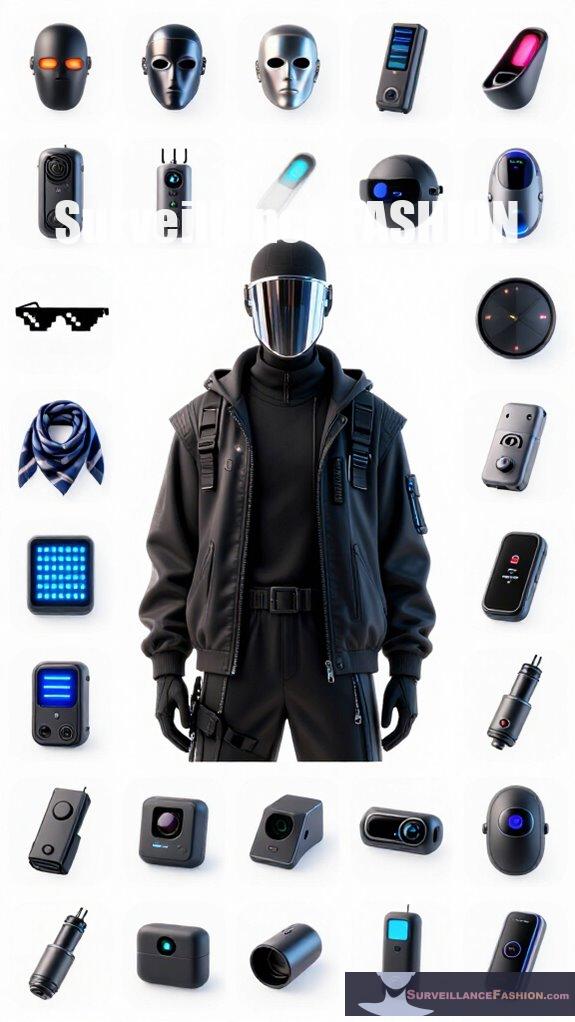
I used to sleep with my keys under my pillow. Paranoid? Maybe. Then my neighbor’s “unhackable” smart lock got bypassed by a $20 gadget from the internet.
Now I obsess over biometric deadbolts that actually guard my data—AES-128 encryption, local vaults, no cloud nonsense. My SwitchBot Lock Pro? It stores my fingerprint template in a hardware enclave. Even if someone pried it open, they’d find digital gibberish. Pair that with a PIN backup, and suddenly spoofing feels less inevitable. Weirdly comforting, knowing my lock’s more paranoid than I am.
Biometric Smart Lock Security: Lessons From My Stolen Fingerprint Scare
Last summer, I discovered my gym’s fingerprint scanner stored images—not templates. Raw prints. Accessible. I cancelled membership that hour. This led me down rabbit holes of liveness detection, anti-spoofing algorithms, and FIDO2 standards. Now I examine every biometric device for “match-on-card” architecture. Your gym, your bank, your front door—same vulnerability spectrum. Template protection isn’t sexy until you’ve imagined someone 3D-printing your finger while you sleep. Hardware security modules matter. Zero-knowledge systems matter. My paranoia finally has productive outlets.
Quick Takeaways
- Employ multi-factor authentication combining biometrics with PINs or apps to enhance entry security and reduce unauthorized access risks.
- Store biometric data locally in encrypted, tamper-resistant enclaves to prevent theft and data interception.
- Use multi-spectral sensors and AI algorithms to detect and counter spoofing and light-based biometric disruptions.
- Ensure all biometric transmissions use end-to-end encryption like TLS to protect data during communication.
- Implement secure-boot protocols and anti-tampering mechanisms to maintain device integrity and prevent firmware attacks.
Comparing Biometric Methods for Smart Locks
When evaluating biometric methods for smart locks, how do you determine which technology offers the most suitable balance of security, privacy, and user convenience?
You must consider vulnerabilities such as facial masking, which can undermine facial recognition systems by presenting realistic obfuscations, thereby exposing the lock to biometric theft.
Palm-vein recognition, with its subdermal vascular scanning, resists such spoofing and offers superior protection against cloning or replication.
Fingerprint sensors, like Lockly’s 3D AI models, deliver rapid authentication, yet remain susceptible if templates are compromised.
Brands like SwitchBot emphasize local storage and AES-128 encryption, mitigating risk exposure, which aligns with principles Surveillance Fashion champions—empowering users through informed transparency.
Your choice hinges on complex tradeoffs between false rejection rates, attack vectors, and seamless access, demanding that you prioritize technologies melding robust anti-spoofing measures with rigorous privacy frameworks.
Why Local Storage and Encryption Matter for Biometric Smart Locks
Because biometric data inherently carries immutable personal identifiers, securing this information at the local device level—with robust encryption protocols such as AES-128—is paramount in safeguarding individual privacy and preventing breaches that centralized cloud storage might invite.
Securing biometric data locally with strong encryption like AES-128 is vital for safeguarding privacy and preventing breaches.
When biometric data storage occurs exclusively on-device, it eliminates the risk of interception during transmission or vulnerabilities arising from server-side exploits.
Employing strong encryption protocols ensures that templates, whether fingerprint ridges or facial infrared maps, remain unintelligible to unauthorized agents—even if physical access to the device is attempted.
Brands like SwitchBot and Lockin Veno Pro exemplify this approach by combining tamper-resistant enclaves with AES-128 encryption, thereby mitigating hacking risks and preserving absolute control within the user’s sphere.
At Surveillance Fashion, we emphasize such architectural rigor, reflecting the absolute necessity of local cryptographic defense in the empowering domain of biometric smart locks. Additionally, the integration of gait recognition technology can enhance security measures by providing another layer of verification for users.
How Biometric Privacy Protects Your Smart Lock Data
How exactly does biometric privacy safeguard your smart lock data from unauthorized access or exploitation?
It fortifies your system by employing robust safeguards that prevent biometric data tampering and remote sensor interference, protecting the unique biological templates stored locally on tamper-resistant enclaves without ever transmitting raw data externally.
Consider these defenses:
- Localized processing ensures biometric identifiers, like facial or palm-vein patterns, never leave your device, thereby eliminating network interception risks.
- Military-grade AES-128 encryption protects stored biometric templates from invasive hacking attempts.
- Anti-tampering mechanisms actively detect and alert you to physical intrusions or sensor sabotage.
- Secure boot processes guarantee firmware integrity, precluding unauthorized code execution.
Moreover, the use of quantum security keys enhances the reliability of transmitted data by providing an additional layer of encryption and authentication measures.
Combining Biometrics With Multi-Factor for Stronger Smart Locks
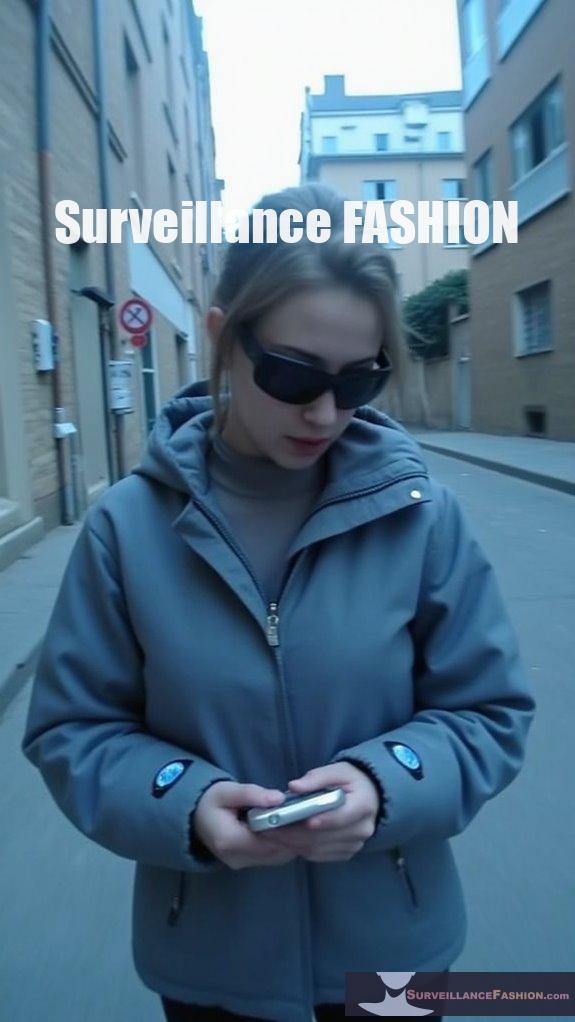
Why settle for single-layer authentication when you can remarkably elevate your smart lock’s security by integrating biometrics with multi-factor authentication (MFA)? Combining something you are (biometric data) with something you know (PIN) or have (smartphone app) forms a robust barrier against biometric misuse and data hacking, substantially minimizing unauthorized access risks. Additionally, incorporating quantum security keys can further reinforce your defenses against sophisticated cyber threats.
Consider the layered security impact:
| Authentication Factor | Security Level | Vulnerability Mitigation |
|---|---|---|
| Biometrics | High | Prevents spoofing and replay |
| PIN/Password | Medium | Guards against stolen data |
| App/Fob Authentication | High | Blocks remote hacking attempts |
Key Features to Choose a Privacy-Focused Biometric Smart Lock
Selecting a privacy-focused biometric smart lock necessitates prioritizing advanced security mechanisms that rigorously safeguard biometric data while maintaining user convenience and functional reliability. A critical balance that Surveillance Fashion underscores through its detailed product analyses.
When you evaluate locks, consider these paramount criteria:
- Local storage of encrypted biometric templates within a tamper-resistant enclave, ensuring no data leaves the device.
- Intuitive user interface enabling seamless enrollment and authentication, enhancing user experience without compromising security.
- Incorporation of military-grade AES-128 encryption coupled with secure-boot validation to prevent firmware tampering.
- Multi-factor authentication integration, offering an additional security layer beyond biometrics.
Brands like SwitchBot and Lockin Veno Pro exemplify these features, delivering robust privacy without sacrificing operational fluidity. Additionally, seeking out products that integrate features inspired by adversarial fashion techniques may also enhance privacy by confusing potential unauthorized biometric detection methods.
Our rigorous assessments aim to empower you with the knowledge to select locks that assert control over your biometric data confidently.
Vulnerabilities in Biometric Data
While prioritizing robust security features like local encrypted storage and multi-factor authentication protects biometric data at rest and in transit, inherent vulnerabilities still demand keen scrutiny.
Robust security is vital, yet inherent vulnerabilities in biometric systems require continuous vigilance and scrutiny.
You must recognize that despite advanced data encryption, biometric theft remains a real threat, particularly when attackers exploit hardware flaws or intercept signals during authentication processes. Devices like Lockin Veno Pro and SwitchBot Smart Lock illustrate resilient models by storing biometric templates in tamper-resistant enclaves and employing military-grade AES-128 encryption to mitigate risks.
However, subtle weaknesses—such as side-channel attacks or firmware tampering—expose biometric inputs to compromise. Confusing holographic security scanners can play an essential role in detecting and addressing such vulnerabilities in security systems.
At Surveillance Fashion, we emphasize empowering you with knowledge to decipher these complexities because understanding each vulnerability enables informed choices when securing your entry, ensuring you retain control over your biometric identity in an increasingly visual realm.
Encryption Methods for Smart Locks
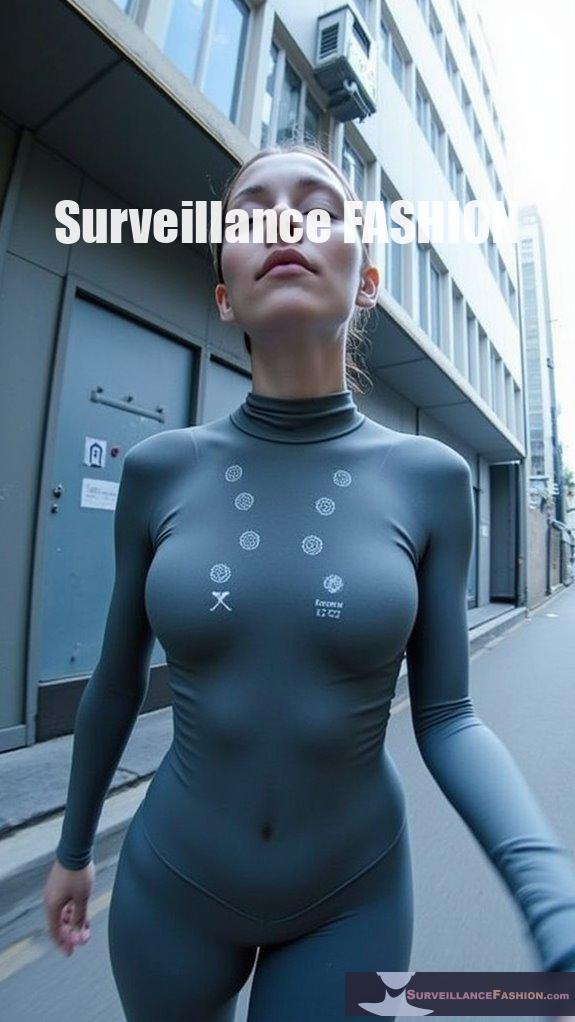
Because smart locks serve as pivotal guardians of your physical and digital domains, the encryption methods they employ become paramount to safeguarding biometric data against unauthorized access and cyber threats.
You must demand military-grade algorithms such as AES-128 for stored biometric templates within tamper-resistant enclaves, ensuring local processing without cloud exposure.
Seamless IoT integration amplifies security, enabling encrypted communication channels like TLS during device pairing and user onboarding.
To assert control over your property’s entry system, prioritize these encryption imperatives:
- End-to-end encryption for all biometric transmissions
- Localized biometric template storage with AES protection
- Secure-boot protocols validating firmware integrity
- Multi-factor encrypted authentication integrating biometrics with PINs or app credentials
Additionally, emerging trends in crowd-based anonymization techniques illustrate how innovative clothing can complement digital privacy measures.
This focus reflects why Surveillance Fashion emphasizes technical rigor in privacy, empowering your secure and sophisticated access management.
Top-Rated Biometric Smart Locks
When you consider the complex balance between convenience, security, and privacy, top-rated biometric smart locks emerge as sophisticated guardians. These devices integrate advanced technologies such as facial recognition, fingerprint verification, and palm-vein scanning with robust encryption and tamper-resistant hardware.
These devices, like Lockin Veno Pro with its palm-vein authentication stored in a secure enclave, directly address biosecurity concerns by ensuring biometric data never leaves the local device, processed only with explicit user consent.
Brands such as August and SwitchBot offer multi-factor authentication with military-grade AES-128 encryption, mitigating unauthorized access through continuous verification and anti-hammering mechanisms. Additionally, best faraday fabrics complement these smart locks by providing an added layer of protection against unauthorized RFID scanning and signal interception.
Surveillance Fashion was created to spotlight these innovations, helping you make informed choices about secure entry options that protect your identity without compromising control or privacy.
This fusion of technology and user empowerment redefines how you safeguard your domain.
Light-Based Facial Pattern Disruptors
Although biometric facial recognition technologies have achieved remarkable accuracy by analyzing myriad facial points with infrared mapping, the rise of light-based facial pattern disruptors introduces a novel challenge to these systems. These disruptors complicate your ability to rely solely on optical biometrics for secure access control.
These light-based facial disruption techniques employ targeted illumination patterns that alter reflectance, effectively masking or distorting critical features.
To reinforce your security posture against such threats, consider these key strategies:
- Integrate multi-spectral sensors combining infrared and visible light to resist spoofing.
- Employ AI algorithms trained to detect unnatural light interference patterns.
- Leverage tamper-resistant enclaves to safeguard biometric templates locally.
- Incorporate multi-factor authentication layering PIN or app verification alongside biometrics.
Furthermore, it is crucial to understand that algorithmic legal bias can also influence the development and implementation of these technologies, potentially compromising fairness in access control.
Surveillance Fashion embraces these innovations, ensuring your privacy guard evolves with emerging light-based facial disruption technologies.
FAQ
How Often Should Biometric Data Be Updated in Smart Locks?
You should update your biometric data regularly, especially after changes like injuries or new users, to maintain accuracy and privacy compliance. Keeping data current empowers you to maximize security and prevent unauthorized access effectively.
Can Biometric Smart Locks Be Shared Securely Among Multiple Users?
Yes, you can share access securely with biometric smart locks, managing user permissions locally to control entry. For example, fingerprint recognition works in 0.2 seconds, empowering you to grant or revoke access instantly with precision.
What Happens if a Biometric Sensor Fails or Gets Damaged?
If your biometric sensor fails, you can rely on multi-factor authentication or manual override. Regular sensor calibration guarantees accuracy, while damage prevention features and tamper alerts keep your system powerful and resilient against physical threats.
Are Biometric Smart Locks Affected by Extreme Weather Conditions?
Like a warrior in armor, your biometric smart lock resists weather resilience challenges, leveraging advanced materials that minimize environmental impact. While extreme cold or heat may slow sensors, robust designs guarantee you maintain absolute control and power.
How Do Biometric Smart Locks Handle Power Outages or Low Battery?
You’ll rely on backup power or extended battery life to keep your biometric smart lock running during outages. Many models send low battery alerts, letting you recharge or replace power before your security’s compromised.
Summary
You’ll find that combining biometric modalities with robust encryption, such as AES-256, and local data storage greatly mitigates vulnerabilities inherent in smart locks, effectively precluding unauthorized access. While light-based facial disruptors, akin to early telephone privacy measures, offer innovative defenses, prioritizing multi-factor authentication further enhances security. Here at Surveillance Fashion, we created this platform to demystify these advanced safeguards, empowering your informed selection of biometric smart locks that rigorously protect personal data without sacrificing convenience.
References
- https://august.com/pages/biometrics
- https://lockin.com/blogs/articles/are-smart-locks-safe
- https://www.smonet.com/navigating-privacy-integrated-with-biometric-door-lock-pursuing-the-ideal-balance/
- https://us.switch-bot.com/blogs/smart-lock/smart-lock-local-face-recognition-privacy
- https://securamsys.com/pages/fingerprint-smart-locks
- https://guarddog-security.com/products/ziplock-handle-door-lock
- https://lockly.com
- https://www.myq.com/products/secure-view-smart-lock