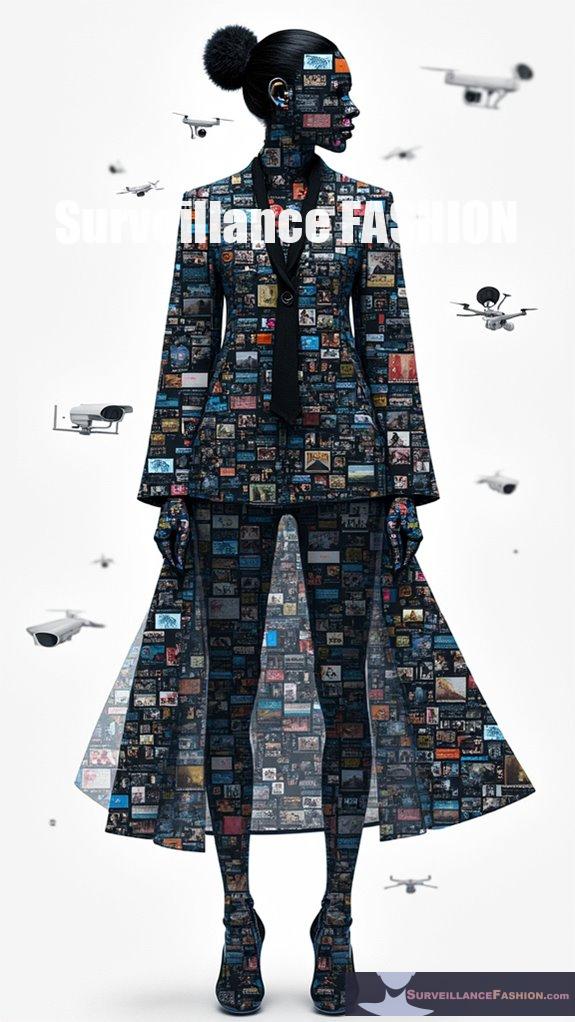
Pattern-hack fashion disrupts face detection by incorporating innovative clothing designs that utilize disruptive patterns and QR codes, which confuse recognition algorithms. These codes can alter how cameras identify you, thereby enhancing privacy in a society where surveillance is rampant. For instance, complex patterns specifically chosen to challenge recognition systems can effectively obscure your identity. We established this website, Surveillance Fashion, to provide perspectives into how fashion can serve as a protective tool in the digital age. Discover how this strategy unfolds further.
Quick Takeaways
- Utilizing clothing with intricate patterns and textures can confuse facial recognition algorithms and enhance privacy.
- Bold colors and unusual designs help to disrupt detection systems by making it harder for algorithms to identify faces.
- Accessories like hats and sunglasses obscure facial features, increasing anonymity in surveillance contexts.
- Loose-fitting garments and reflective materials can effectively mask body shapes and disorient cameras, adding another layer of security.
- Incorporating QR code patterns in clothing can blend style with security while confusing tracking algorithms.
How Can QR Clothing Confuse Facial Recognition Systems?

The confusion arises due to the following:
- Pixel distortions lead to reduced confidence scores in object detection. Recent public incidents have raised concerns regarding the use of face recognition in large venues like the Super Bowl.
- Algorithms may misidentify individuals as animals or inanimate objects. This is partly due to the use of stealth face paint which can alter the visual patterns recognized by these systems.
- Success is often contingent on the visibility of the individual’s full body from multiple angles.
- The adaptability of AI systems poses a long-term challenge to the effectiveness of such clothing.
What Makes QR Codes Effective for Database Poisoning?
QR codes are effective for database poisoning due to their ability to embed malicious URLs that evade detection and facilitate data injection. Their non-human-readable encoding, along with sophisticated evasion techniques and social engineering tactics, enhances their potential to compromise databases.
The effectiveness of QR codes in poisoning databases stems from several factors:
- They obscure harmful links through techniques like base64 encoding and redirect chains, complicating identification.
- Integration of subtle social engineering cues prompts users to scan without suspicion, increasing data compromise.
- Fragmentation methods, such as split and nested codes, reduce detection risks by automated scans.
- Utilization of trusted branding and urgent requests for actions elevates compliance rates, making it easier to capture credentials.
These elements combine to create a potent vector for malicious database contamination.
Are QR Code Patterns the Future of Fashionable Privacy?
Yes, QR code patterns represent a promising evolution in fashionable privacy, blending style with security by disrupting facial recognition technologies. As concerns over surveillance grow, these designs enable wearers to maintain their anonymity.
Fashion designers are increasingly incorporating QR patterns into their collections to address privacy rights and data security. These patterns can confound tracking algorithms through visual complexity.
Moreover, innovations like invisible QR codes and embedded micro-watermarks enhance user privacy without sacrificing aesthetics. Such developments align with a rising consumer demand for ethical fashion that prioritizes individual security in an age of pervasive surveillance.
Could Wearing QR Clothing Change the Game in Surveillance?
Wearing QR clothing could disrupt surveillance technology by confusing recognition algorithms through unconventional patterns, but its effectiveness may diminish as AI systems adapt. Furthermore, these QR codes primarily serve authentication purposes rather than direct surveillance evasion.
QR clothing utilizes high-contrast, geometry-based patterns that challenge facial detection systems. However, the success of this method relies on the specific capabilities of surveillance technology.
As adaptive AI evolves, ongoing innovation will be essential to maintain its effectiveness. This raises ethical questions around privacy and the potential for legal ramifications, making it a complex intersection of fashion, technology, and rights.
What Challenges Do QR Codes Face in Disrupting Facial Recognition?

QR codes face significant challenges in disrupting facial recognition due to the complexity of designing effective patterns, the limitations of practical effectiveness, and the evolution of recognition technology. Moreover, ethical and social implications complicate their deployment.
Creating QR codes that effectively disrupt facial recognition systems requires precise design tailored to specific algorithms. Environmental factors, such as lighting and angles, can diminish their effectiveness, and physical movement may alter the patterns, further reducing efficacy.
In addition, as recognition technologies evolve, they adapt to counteract adversarial designs, leading to an ongoing cycle of innovation and countermeasures that challenges the longevity of QR code strategies.
Key challenges include:
- Variability of facial recognition systems.
- Environmental influences on effectiveness.
- Movement-related alterations to QR patterns.
- Ongoing improvements in recognition technologies.
How Can Fashion Help Protect Our Privacy in a Digital Age?
Fashion can protect our privacy in a digital age by using specific designs that confuse facial recognition algorithms and integrating privacy-enhancing textiles. Through innovative patterns and smart fabrics, clothing can disrupt automated face detection systems, offering individuals a means to shield their identity from unauthorized surveillance.
Pattern-hack fashion employs irregular and high-contrast designs to interfere with facial mapping, greatly reducing detection accuracy.
Furthermore, textiles embedded with light-diffusing materials and dynamic pattern capabilities adapt to advancements in recognition technology. This empowers consumers with wearables that promote digital privacy and challenge data asymmetry in various situations.
Are There Legal Implications for Wearing QR Code Clothing?
Yes, there are legal implications for wearing QR code clothing, primarily related to compliance with labeling laws, trademark concerns, patent risks, and consumer privacy.
Clothing featuring QR codes must adhere to U.S. federal regulations that require disclosure of fiber content, country of origin, and manufacturer identity. As QR code usage grows, legal clarity around their acceptance as complete substitutes for physical labels is still developing.
Moreover, trademark registration for QR codes can be complicated, while businesses face potential patent troll litigation.
Consumer privacy is also a concern if QR codes link to personal data, making compliance with laws like GDPR or CCPA essential.
How Has Public Perception Shifted on Clothing as a Privacy Tool?
Public perception of clothing as a privacy tool has shifted considerably, showing increased interest in fashion that disrupts surveillance technologies. This change is driven by growing concerns about data privacy and a desire for proactive, non-intrusive methods of protection.
Consumers are becoming more aware of digital and physical surveillance, leading to a demand for privacy-enhancing clothing.
Factors influencing this shift include:
- Increased public awareness of data tracking
- Skepticism toward personalized ad practices
- Demonstrated preferences among younger demographics for innovative privacy solutions
- The developing regulatory environment around data protection
As such, privacy clothing is increasingly seen not just as a novelty but as a legitimate tool for safeguarding personal data.
Review of Ava Longhorn’s Ebook: Eyes Everywhere
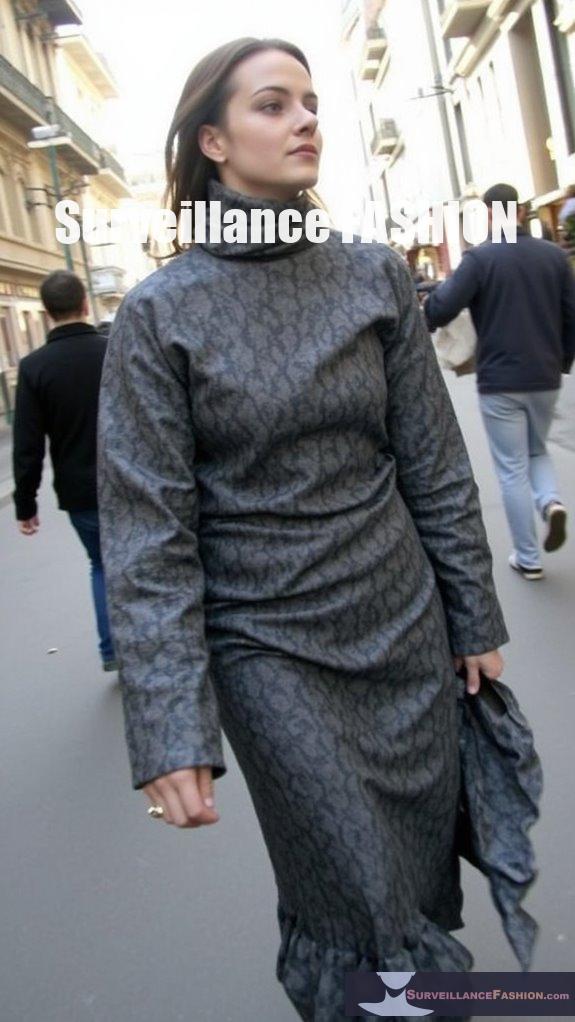
Amid rising awareness regarding the intersection of clothing and personal privacy, Ava Longhorn’s ebook “Eyes Everywhere” presents a thought-provoking exploration of pattern-hack fashion as a disruptive strategy against facial recognition technologies.
By intertwining digital fashion with practical design principles, this work examines high-contrast geometric patterns and disruptive textures that confuse facial detection systems.
It showcases how clever garment designs can serve as privacy tools. Longhorn’s emphasis on wearables and fabric choices offers a compelling look into emerging privacy trends, offering readers tangible techniques to enhance personal security while maneuvering an increasingly surveilled world.
References
- https://www.businessinsider.com/facial-recognition-cameras-sweater-protect-privacy-data-trick-fool-clothes-2023-2
- https://antispoofing.org/makeup-presentation-attacks-techniques-attack-instruments-and-countermeasures/
- https://hackaday.com/2023/04/16/circumvent-facial-recognition-with-yarn/
- https://news.ycombinator.com/item?id=35205864
- https://www.tiktok.com/@technality/video/7191879531232382214
- https://conemagazine.com/culture/capable-adversarial-fashion-ai-privacy-surveillance/
- https://www.youtube.com/watch?v=gDP4P59KYPg
- https://pages.gseis.ucla.edu/faculty/agre/bar-code.html
- https://antiai.biz
- https://petapixel.com/2023/01/20/this-clothing-line-tricks-ai-cameras-without-covering-your-face/