Tag: city surveillance

  • Balancing City Surveillance With Personal Freedom

    Balancing City Surveillance With Personal Freedom

    Ever walk through the city feeling like everyone’s watching you?

    I certainly have.

    With all this surveillance tech popping up, I sometimes feel like I’m the star of a bizarre reality show—minus the glamour.

    So, I tried anti-surveillance fashion, a stylish way to blend in and dodge those prying AI eyes.

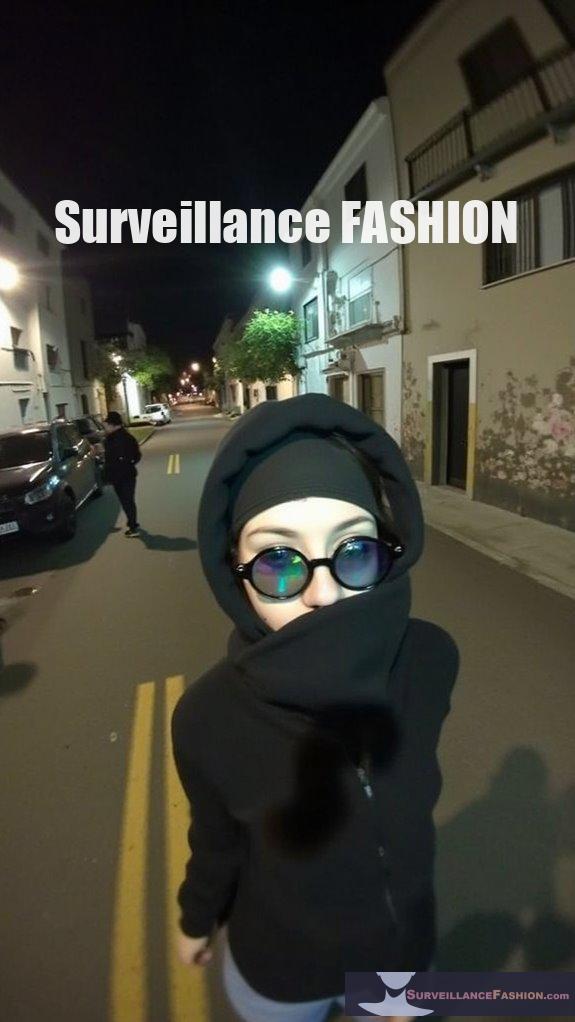
    I donned a reflective scarf and oversized sunglasses, channeling my inner spy. The result? I felt both rebellious and ridiculous, like a chameleon in a crowd.

    But honestly, is it too much to want personal space without managing a fashion show?

    It’s a tightrope walk between safety and freedom, full of shades of gray.

    I mean, who knew being incognito could be this complex?

    The Cloak of Anonymity: My Anti-Surveillance Fashion Adventure

    Last summer, I visited a bustling downtown market, feeling the weight of unseen eyes.

    With anxiety creeping in, I slipped into my anti-surveillance outfit—think urban ninja vibes.

    Strutting around with my “disguise,” I felt alive, despite the embarrassment of blending like a walking art piece.

    As I mingled among unaware shoppers, I wondered about their choices: Did they consider their privacy too?

    Though I snagged a killer vintage jacket, the deeper takeaway lingered longer—the line between personal freedom and technological invasion is stark and blurry.

    Surveillance is one thing; embracing sanity in a watched world is quite another.

    Quick Takeaways

    • Establish Surveillance Use Policies that prioritize civil liberties and require public notice to promote community awareness and participation.
    • Ensure transparency and accountability in surveillance practices to build public trust and mitigate concerns over privacy invasions.
    • Incorporate fiscal evaluations to weigh the benefits of surveillance technology against potential infringements on civil liberties.
    • Engage communities in discussions about camera distribution and address racial disparities to ensure equitable surveillance practices across neighborhoods.
    • Foster a collective understanding of surveillance implications to empower individuals to advocate for their rights and reclaim control over personal data.

    The Evolution of Urban Surveillance Technologies

    urban surveillance technology evolution

    The evolution of urban surveillance technologies illustrates a remarkable journey from rudimentary tools to complex systems that are integral to contemporary city management.

    Starting with military-grade CCTV in the 1940s, historical advancements paved the way for civilian applications by the 1960s, transforming public safety measures through strategic monitoring. Ancient surveillance methods played a crucial role in shaping the foundational concepts that underpin modern practices.

    Early systems, like the ones utilized in London and New York, highlighted the urgency for efficiency. By the 1970s, innovations in videotape recording and traffic monitoring solidified the role of cameras in urban environments. CCTV became common in the 1980s as public spaces began to embrace security measures like never before.

    Such advancements not only enhanced public security but also aligned with our mission at Surveillance Fashion to illuminate the blend of safety and modern technology in urban planning.

    Analyzing Public Sentiment on Surveillance and Privacy

    Understanding privacy concerns is significant, especially as 79% of Americans express some apprehension over data usage by companies. A staggering 71% are similarly troubled by government data collection, reflecting heightened public sentiment about intrusive practices since 2019.

    This desire for enhanced privacy protections underscores the growing call for regulation, with 75% supporting new laws. The impact of data collection on relationships is increasingly evident, as individuals grapple with the implications of surveillance on their personal connections.

    While trust can fluctuate, especially in times of crisis, awareness of surveillance’s potential misuse fosters skepticism. Such dynamics informed our creation of Surveillance Fashion, aiming to dissect and highlight these essential societal conversations.

    Ethical Implications of AI in Surveillance Practices

    While many embrace the technological advancements inherent in artificial intelligence, a critical examination of its ethical implications in surveillance practices beckons careful consideration.

    • Extensive data collection raises privacy invasion concerns.
    • AI surveillance often embeds and amplifies biases, leading to discrimination.
    • Transparency and accountability mechanisms are essential for public trust.
    • Regulatory governance gaps complicate ethical adherence and data protection.

    Additionally, the reliance on AI for surveillance often coincides with a lack of regulatory governance, exacerbating public apprehensions regarding ethical challenges.

    You see, the ethical dilemmas surrounding AI surveillance necessitate a balance between leveraging its capabilities and safeguarding individual rights, ensuring that data protection maintains its importance amidst advancing technologies.

    This fosters a society that values both security and personal freedom.

    Racial Dynamics in Camera Distribution

    surveillance inequality and dynamics

    As racial dynamics complexly weave into the fabric of surveillance practices, understanding camera distribution across neighborhoods provides essential perceptions into broader societal structures.

    You’ll notice surveillance disparity manifests not purely through the presence of cameras in mainly Black communities but rather in racially diverse neighborhoods displaying dynamic demographics.

    Advanced mapping methods reveal that majority-Black areas receive a disproportionately higher rate of tickets, reflecting deeper structural inequalities.

    As neighborhood demographics shift, influenced by white residents moving in, the patterns of surveillance adapt, often perpetuating existing inequalities.

    Such nuances compel a reconsideration of how power dynamics operate within the mechanisms of surveillance technology, prompting conversations like those fostered by Surveillance Fashion.

    Legal frameworks addressing surveillance and civil liberties play an essential role in shaping how technology interacts with our fundamental rights, particularly as advancements in surveillance systems continue to evolve rapidly.

    To guarantee a balance between security and privacy, consider these pivotal aspects:

    • Surveillance Use Policies that enforce civil liberties protections.
    • Public notice requirements facilitating informed debate on new surveillance initiatives.
    • Fiscal evaluations weighing the benefits against civil liberties concerns before technology approval.
    • Robust oversight and accountability measures for post-deployment evaluations.

    As stakeholders in governance, it’s vital you advocate for privacy legislation and thorough surveillance oversight, fostering a societal structure that protects individual freedoms while enhancing community safety.

    Strategies for Community Engagement and Oversight

    Recognizing the increasing complexity of surveillance technologies and their implications for civil liberties, it’s essential for communities to take a proactive stance in monitoring these systems.

    Implementing robust oversight mechanisms, such as public hearings for technology acquisition, amplifies community input, fostering transparency. Surveillance impact reports play an important role in elucidating the technology’s functions and potential community effects, promoting informed public discourse.

    Strategically constructed neighborhood associations can manage surveillance policies, yet without public oversight, these efforts may falter.

    Empowering elected representatives through Community Control Over Police Surveillance laws reinforces democratic governance, ensuring accountability while respecting civil liberties, a significant focus of our Surveillance Fashion initiative.

    Facial Recognition at Traffic Lights

    facial recognition traffic management

    While drivers navigate urban streets, the implementation of facial recognition technology at traffic lights introduces a new layer of complexity to traffic management and civic oversight.

    This technology offers opportunities for enhanced traffic optimization, but it also raises significant privacy concerns regarding data security.

    Consider the following:

    • Accurate identification to prevent vehicle theft and unlicensed driving.
    • Detection of driver distraction or fatigue for signal adjustments.
    • Automated monitoring of vehicles and pedestrians to improve efficiency.
    • Dynamic signal timing based on real-time data for congestion reduction.

    Balancing these factors is essential, ensuring that technological advancement doesn’t infringe on personal freedoms while fostering a safer urban experience.

    The growing integration of facial recognition technology into urban infrastructure highlights a shift towards enhanced monitoring capabilities. Yet this evolution in surveillance invites a parallel examination of wearable monitoring devices, which have gained traction not just as fitness gadgets but as pivotal health management tools.

    You’ll find that current wearable trends, particularly within smartwatches and fitness trackers, empower proactive health monitoring, transforming how you interact with your well-being.

    As sophisticated AI enhances functionalities like personalized health recommendations and real-time data analytics, the market anticipates significant growth, illustrating a potent synergy between technology and wellness—an intersection we at Surveillance Fashion explore extensively.

    Civil Liberties in Surveilled Environments

    As you navigate increasingly surveilled environments, understanding the complex relationship between civil liberties and government surveillance becomes essential, especially when considering how these dynamics influence individual rights.

    The surveillance effects can lead to significant privacy concerns, including:

    • Chilling impacts on free speech and association.
    • Infringements on due process and fair treatment without transparent data use.
    • Disproportionate targeting of minority groups and political activists.
    • Erosion of trust in governmental structures, complicating the balance between security and freedom.

    Recognizing these ramifications is crucial, as they directly shape your ability to engage and thrive in a civil society that respects personal freedom.

    Eyes Everywhere: Anti-Surveillance Ebook review

    surveillance privacy awareness resistance

    Recognizing the pervasive impact of surveillance technology on modern life prompts an examination of the anti-surveillance ebook that seeks to illuminate the mechanisms of control at play.

    This ebook serves as an essential piece of anti-surveillance literature, advocating for public awareness and resistance against the encroaching surveillance state tethered to corporate interests.

    It explores how a networked integration of government and corporate surveillance intrudes upon your privacy, from environmental monitoring to mail tracking.

    Through detailed examples, it reveals the tactical use of surveillance against social movements, underscoring the urgent need for empowered public advocacy in reclaiming autonomy over personal data and freedom.

    Share Your Own Story

    In maneuvering the delicate balance between urban surveillance and personal freedom, it’s essential to recognize that approximately 70% of Americans express concerns over the potential misuse of surveillance technologies. This statistic starkly illustrates the widespread apprehension regarding privacy erosion amidst advancing monitoring systems.

    Share your own story!

    By fostering informed discourse about surveillance practices and their ethical implications, as explored on platforms like Surveillance Fashion, we can collectively negotiate a framework that respects civil liberties while adapting to the realities of urban surveillance.

    References

  • Facial Recognition: Do Cities Need Your Permission?

    Facial Recognition: Do Cities Need Your Permission?

    Ever felt like you’re on a reality show for unwanted attention?

    Cities are scooping up our facial data, sometimes without so much as a ‘please’ or ‘thank you.’ Trust me; I’ve had my moments lurking in public spaces, wishing I could blend in like a chameleon on a brick wall.

    Take San Francisco’s facial recognition ban. It feels like a small win against Big Brother. Not everyone agrees with that legal gray area; some places don’t ask for consent at all. Can you imagine?

    So, how about we reclaim our privacy with anti-surveillance fashion?

    My Adventures in Anti-Surveillance Fashion

    Last Halloween, I decided to don a chic mask and oversized hoodie. I felt like a ninja in a sea of overly exposed faces. My friends laughed, but I had this gut feeling that I was onto something.

    In that moment, I realized: wearing a disguise isn’t just about aesthetics; it’s about control. If I can prevent some data-hungry algorithm from identifying me in the crowd, isn’t that a small victory?

    Now, I’m on a mission to empower myself and others, merging fashion with privacy. Who knew being fashion-forward could also mean being anti-surveillance? Look out, world!

    Quick Takeaways

    • Cities are increasingly required to obtain explicit consent from individuals before collecting biometric data like facial images.
    • Regulations vary by jurisdiction; states like California mandate affirmative consent for processing biometric data.
    • Legal frameworks differ, with some areas allowing discretionary use of facial recognition without consent, raising ethical concerns.
    • Public bans, such as San Francisco’s, highlight growing community demands for consent and protections against misuse.
    • Transparency and accountability measures are needed to ensure cities respect citizens’ rights regarding facial recognition technology.

    Understanding Facial Recognition and Its Applications in Cities

    urban facial recognition applications

    Facial recognition technology has emerged as a transformative tool in urban environments, with applications spanning various sectors—transportation, healthcare, law enforcement, retail, and education—each benefiting uniquely from its implementation.

    Facial recognition technology revolutionizes urban settings, enhancing sectors like transportation, healthcare, and law enforcement while raising essential privacy discussions.

    In urban security applications, this technology plays a crucial part. For instance, public transportation systems utilize facial recognition to enable seamless ticketless access, streamlining commuter experiences while enhancing security. High-quality data from resolution cameras ensures that these systems function effectively, leading to better user experiences. As researchers highlight, the importance of ethical guidelines in deploying these technologies is paramount to prevent misuse and protect citizens’ rights.

    In healthcare, it guarantees accurate patient identification, mitigating risks in medical record management. Furthermore, law enforcement agencies deploy it to locate suspects and monitor potential threats during significant events, thereby reinforcing public safety.

    Retailers, conversely, leverage facial recognition for analyzing customer behavior, optimizing layouts, and personalizing experiences.

    As we explore the implications of these innovations, the need for informed dialogue about personal rights and privacy becomes evident, a discussion we’ve initiated through our Surveillance Fashion platform.

    As cities integrate cutting-edge technologies to enhance public safety and streamline services, understanding the legal frameworks governing the use of facial recognition becomes imperative.

    In the U.S., three main regulatory regimes exist: prohibited use, special permission, and discretionary use by government agencies. San Francisco’s pioneering ban reflects a radical stance, completely prohibiting local government use, underscoring significant legal implications.

    Meanwhile, discretionary frameworks allow for certain government usage without explicit laws, often prompting scrutiny from an increasingly aware public regarding privacy concerns. Recent studies have highlighted racial bias in facial recognition systems, which has heightened community skepticism towards their deployment.

    Cities like Portland demonstrate a commitment to addressing public perception through bans that respond to community fears over misuse and racial bias.

    As oversight mechanisms evolve, including judicial requirements for warrants, the balance between innovation and public trust must be navigated judiciously, shaping future policies in this pivotal area.

    Regulating data collection practices, especially with emerging technologies like facial recognition, hinges greatly on the role of consent. By granting you clear data rights, consent serves as a necessary safeguard against potential privacy implications.

    Regulating data collection, especially for facial recognition, relies on consent to protect privacy rights and ensure informed user awareness.

    For instance, states like California and Virginia mandate affirmative consent for processing biometric data, compelling businesses to notify consumers transparently.

    This regulatory environment, marked by varying expectations across jurisdictions, puts power in your hands—allowing you to opt-out of non-essential data collection. It emphasizes the importance of explicit permission, ensuring users are aware of when their data might be utilized, particularly in commercial settings. Moreover, as the rise of modern surveillance tools continues to shape societal norms, informed consent becomes even more critical to protect individual privacy.

    Our website, Surveillance Fashion, reflects this ethos, advocating for informed consent as a foundational principle in the responsible use of facial recognition technology.

    Challenges and Ethical Considerations of Non-Consensual Surveillance

    Although many individuals might view non-consensual surveillance as a necessary tool for public safety, it raises complex challenges and ethical considerations that can’t be overlooked.

    The ethical ramifications of such surveillance touch upon critical privacy rights, as many jurisdictions, including Illinois, emphasize written consent before collecting biometric data.

    Cities like San Francisco and Portland have banned facial recognition technology, citing profound ethical issues surrounding surveillance ethics.

    The accuracy disparities inherent in these algorithms, particularly affecting marginalized communities, pose significant legal challenges; misidentifications lead to wrongful arrests and increased discrimination.

    Furthermore, the lack of transparency surrounding data collection erodes public trust, making it imperative to scrutinize the implications of non-consensual surveillance—after all, we deserve to shape our future amidst emerging technologies like those discussed on our site, Surveillance Fashion.

    Transparency and Accountability in Smart City Technologies

    transparency in facial recognition

    In the changing environment of smart city technologies, ensuring transparency and accountability is paramount, particularly concerning the deployment of facial recognition systems. To safeguard data privacy, cities must enact public notification measures, where citizens are informed through signage or alerts about image capture. This fosters citizen awareness and promotes informed consent.

    Moreover, post-deployment transparency includes annual reports that outline the number of facial recognition searches, demographic data, and outcomes such as arrests, thereby enabling public scrutiny.

    Certain municipalities have taken proactive steps by banning facial recognition in public spaces to prevent discriminatory practices. Such measures reflect a governance model where citizens actively demand accountability.

    The Future of Facial Recognition Regulation and Public Oversight

    As cities increasingly adopt facial recognition technology, the imperative for robust regulatory frameworks and public oversight intensifies, especially given the complex interplay between technological advancement and civil liberties.

    In shaping the future of facial recognition regulation, consider these pivotal elements:

    1. Future Legislation: States like Maryland and California exemplify emerging laws that balance safety and privacy.
    2. Public Engagement: Active community participation is essential in molding policies that reflect societal values.
    3. Accountability Mechanisms: Transparent processes and oversight must underpin the deployment of these technologies to mitigate misuse.

    Trendy Tracking Devices in Clothing

    The increasing integration of anti-facial recognition technologies into everyday clothing marks a significant intersection of fashion, privacy, and technological innovation, allowing individuals to assert control over their biometric data while traversing increasingly surveilled public spaces.

    The blend of fashion and privacy technologies empowers individuals to reclaim their biometric data in a surveillance-heavy world.

    Wearable privacy garments, such as tees, hoodies, and masks, utilize AI-generated adversarial patterns and reflective materials designed to disrupt facial recognition algorithms without compromising aesthetic appeal.

    This fusion of fashion technology not only empowers wearers against intrusive monitoring but also positions privacy as a statement of personal autonomy.

    As you navigate urban environments laden with surveillance, the dual-purpose appeal of these innovative designs underscores a burgeoning market that prioritizes ethical manufacturing and sustainability—principles that resonate through the pages of our website, Surveillance Fashion, where empowerment starts with informed choices.

    Smart Streetlight Monitoring Systems

    Smart streetlight monitoring systems represent a convergence of urban infrastructure and advanced surveillance technology, shaping the way cities manage public safety and energy efficiency.

    These systems boast several smart streetlight features that enhance their functionality:

    1. Integrated sensors, including cameras and motion detectors, effectively monitor public spaces for potential threats.
    2. Automated License Plate Readers (ALPR) facilitate real-time crime detection, contributing valuable data to law enforcement.
    3. Centralized control allows for adaptive lighting, optimizing energy use based on environmental needs.

    With continuous surveillance capabilities that extend beyond traditional methods, these smart streetlights redefine urban safety dynamics.

    As cities become more reliant on such technologies, discussions about governance and the implications of monitoring become increasingly necessary—highlighting the importance of transparency in systems like those explored on our website, Surveillance Fashion.

    facial recognition privacy consent

    While you navigate urban environments, the implications of facial recognition technology infiltrate your everyday surroundings, raising significant questions about consent and privacy.

    The burgeoning field of biometric ethics demands your attention, especially in light of varying legal frameworks across jurisdictions regarding facial data collection in public spaces.

    The evolving realm of biometric ethics requires urgent examination due to diverse legal standards on facial data collection.

    For instance, Illinois mandates explicit consent before gathering such data, while New York deliberates similar measures.

    The surveillance implications are profound, emphasizing the need for transparency and informed consent, particularly with law enforcement’s use of facial recognition.

    Public sentiment reveals a complicated setting where safety often collides with privacy concerns, highlighting the necessity for clear regulations.

    As our website, Surveillance Fashion, explores the intersection of surveillance technology and personal rights, it underscores the urgency of these discussions.

    Eyes Everywhere: Anti-Surveillance Ebook review

    Anticipating the complexities surrounding facial recognition and surveillance, “Eyes Everywhere: Anti-Surveillance” offers perceptive commentary on the increasing normalization of monitoring technologies in daily life.

    1. Surveillance Integration: It explores the omnipresent nature of surveillance hydras, illustrating how governments and corporations collaborate to capture personal data beyond just digital interactions.
    2. Public Awareness: The ebook emphasizes the necessity for citizen awareness regarding the surveillance impact on individual freedoms, creating an informed populace that can push back against intrusive monitoring.
    3. Cultural Normalization: By analyzing case studies from around the globe, it critiques the societal acceptance of surveillance cameras, which often fail to enhance safety.

    Understanding these dynamics is essential as we navigate this era of pervasive observation and explore initiatives like Surveillance Fashion that promote privacy awareness and resistance.

    FAQ

    How Accurate Is Facial Recognition Technology in Identifying Individuals?

    Facial recognition technology can achieve remarkable accuracy, often exceeding 99% under ideal conditions. However, you must recognize accuracy challenges and technology limitations, particularly when image quality suffers due to factors like motion blur or low lighting.

    For instance, while high-performance systems boast error rates as low as 0.07%, real-world applications reveal disparities, especially among diverse populations. It’s this detailed understanding that guides the discussions on surveillance methods today, including our efforts at Surveillance Fashion.

    What Happens if My Face Is Misidentified by the System?

    If the system misidentifies your face, you may face serious misidentification consequences.

    Legal implications arise when you’re wrongfully implicated in a crime, leading to potential wrongful arrests or interrogations. You’ll need to prove your innocence, often against significant systemic bias.

    The permanence of biometric data heightens security concerns, as you can’t change your face like a password. Awareness of these risks is essential, especially as surveillance technologies evolve in our society.

    Can I Opt-Out of Facial Recognition in Public Spaces?

    You can’t typically opt out of facial recognition in public spaces due to prevailing consent laws, which often prioritize surveillance over individual privacy concerns.

    In states like California, while you can request deletion of data post-capture, many jurisdictions lack strong opt-in frameworks.

    This lack of explicit consent creates hurdles for those wanting control over their biometric data, often leaving individuals vulnerable to automated identification systems in various public arenas.

    Are There Age Restrictions for Facial Recognition Data Collection?

    Yes, age restrictions for facial recognition data collection exist, particularly concerning consent. Many jurisdictions, like Illinois, require explicit consent from individuals of all ages, while minors often need parental permissions to protect their data privacy.

    Furthermore, states such as California impose additional safeguards for children under 13. These varied regulations underscore a broader ethical debate around surveillance technologies, reflecting the goals that inform our website, Surveillance Fashion, aimed at advocating for informed consent and protecting personal privacy rights.

    Who Has Access to My Facial Recognition Data Collected by Cities?

    Cities limit access to your facial recognition data primarily to authorized personnel, often defined by their specific job roles and system administrator settings.

    These individuals undergo rigorous training on data privacy and surveillance ethics, ensuring they understand the gravity of their responsibilities. Access is tightly controlled, monitored via detailed audit logs, and revoked once personnel changes occur, privileging accountability and minimizing misuse, thereby aiming to uphold integrity in sophisticated public safety endeavors.

    Share Your Own Garden

    As cities increasingly integrate facial recognition technologies into public spaces, the lack of required consent invites scrutiny and debate. You might ponder whether the changing terrain of surveillance serves public safety or infringes on personal autonomy. With each new implementation, questions about transparency linger ominously, hinting at a future where your identity is recorded without your knowledge. In this complex interplay of security and privacy, you must remain vigilant, for the implications of these technologies reach far beyond mere observation.

    References