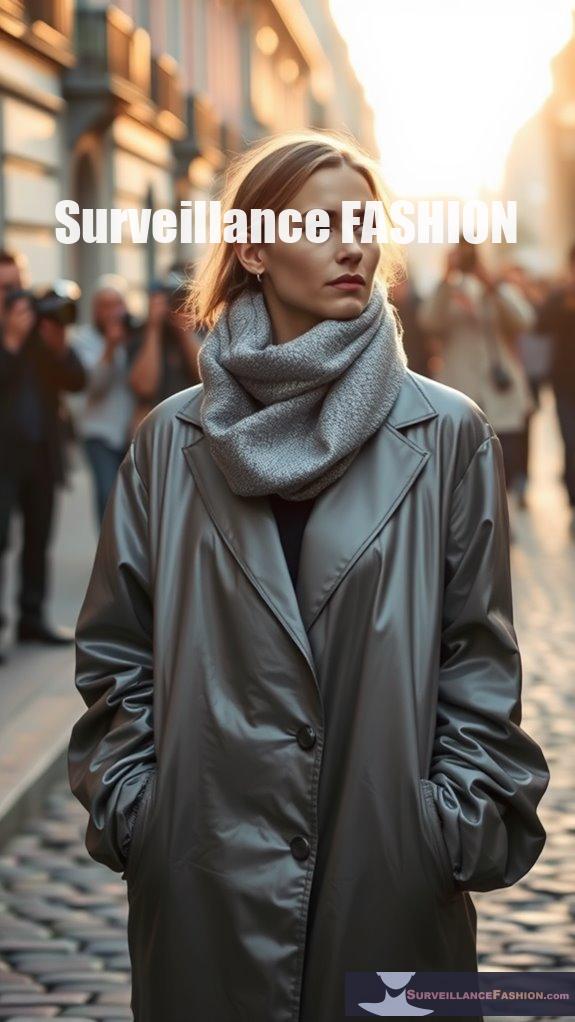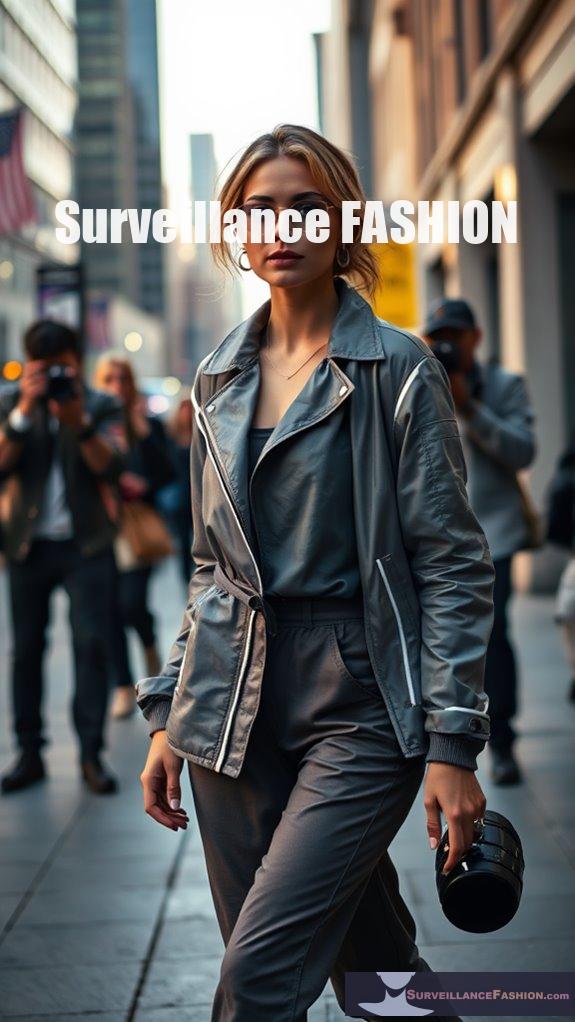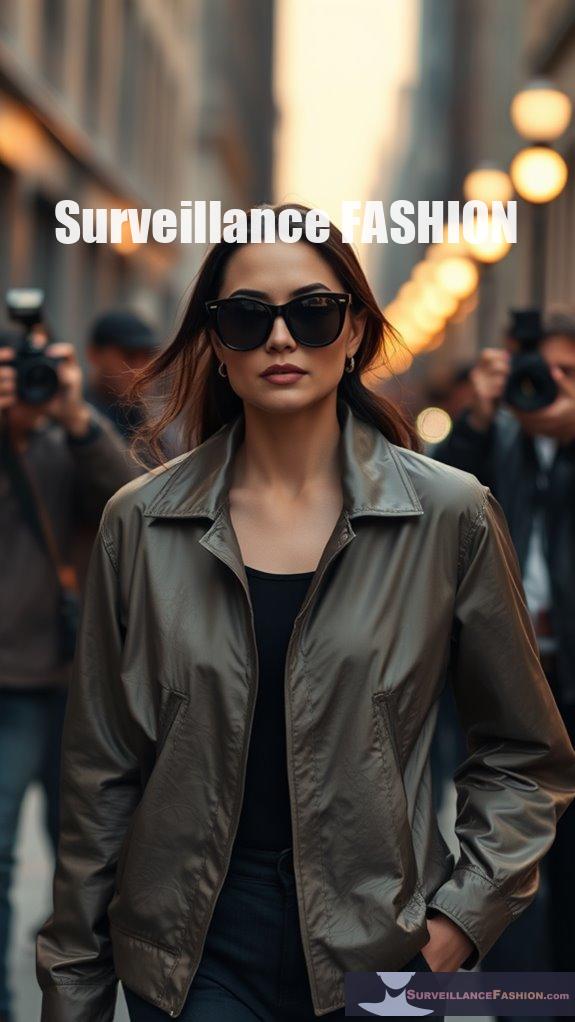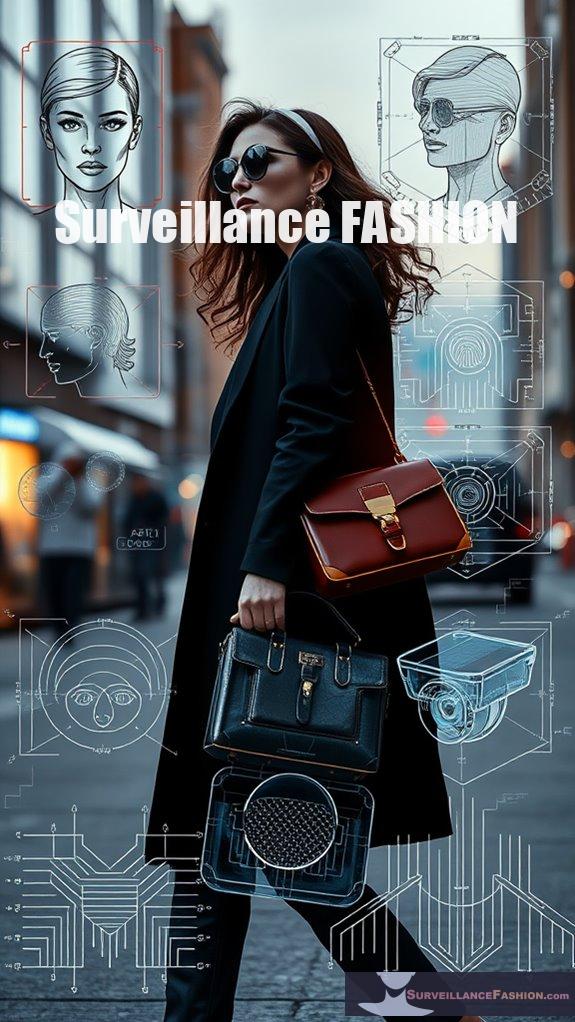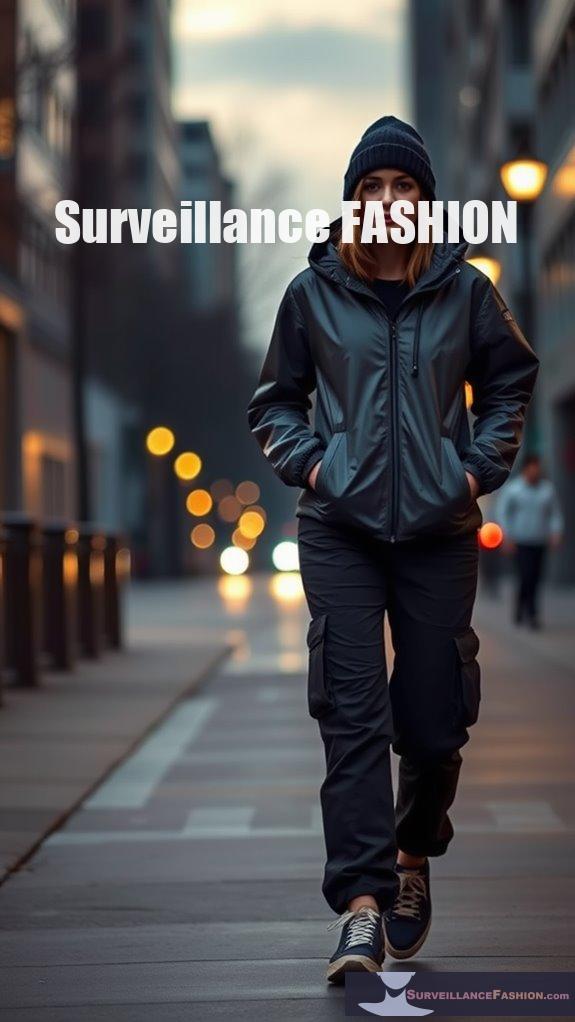
Reflective fabric placement effectively defeats celebrity photos by utilizing retro-reflective materials that redirect light. Specifically, microscopic glass beads embedded within these fabrics manipulate camera flash, causing subjects to appear underexposed and indistinct. This technique not only obscures facial details but also enhances the garment’s aesthetic appeal, allowing for stylish, fashionable designs. In a world where privacy is paramount, understanding how such innovative fabrics work can reshape perceptions of safety and visibility in public spaces, inviting further exploration into their functional advantages.
Quick Takeaways
- Strategic placement of reflective materials on high-movement areas captures attention, distorting facial features and obscuring details in celebrity photos.
- Retro-reflective technology redirects camera flashes back to their source, causing overexposure and underexposed surrounding elements in photographs.
- Reflective designs manipulate exposure settings, leading to unclear images that diminish the recognizability of celebrities in low-light situations.
- Enhanced visibility through 360-degree reflective coverage ensures celebrities remain fashionable while maintaining privacy during public appearances and events.
- The combination of diverse colors, textures, and fluorescent pigments keeps styles trendy while protecting against unauthorized photography.
How Does Reflective Fabric Turn the Tables on Paparazzi?
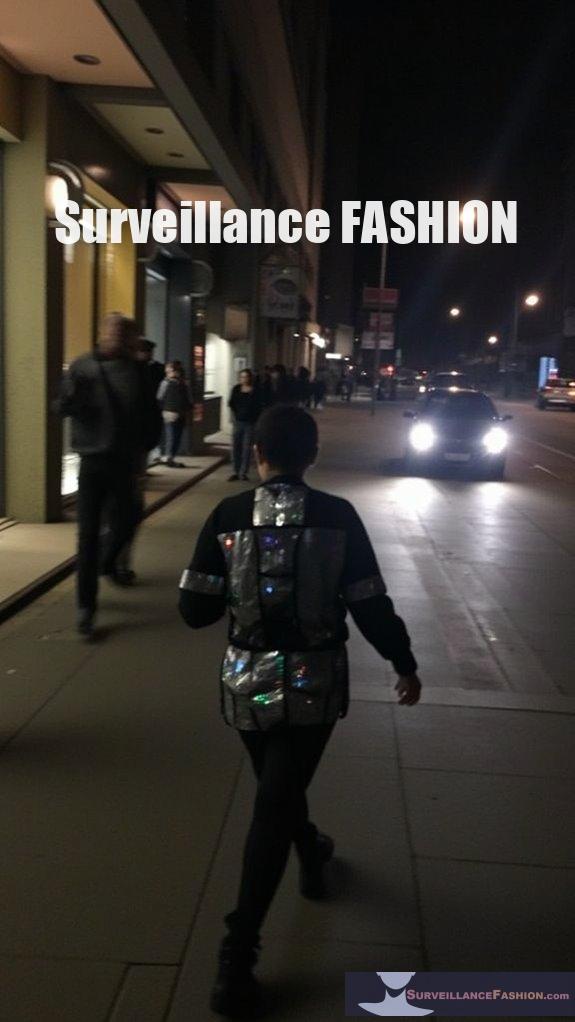
Reflective fabric turns the tables on paparazzi by using retro-reflective materials that redirect camera flash light back to its source. This blinding effect causes cameras to underexpose surrounding areas, rendering paparazzi photos of the wearer unclear or unusable.
The technology works by embedding microscopic glass beads or prisms that enhance light reflection directly toward cameras, greatly impacting photo quality. This methodology is significant because it manipulates the camera’s exposure settings, inherently sabotaging the intended brightness measurement. Moreover, this innovative use of retro-reflective materials not only enhances the wearer’s style but also serves as a practical countermeasure against intrusive photography.
Key factors include:
- Automatic reduction of flash intensity by the camera.
- Darkening of non-reflective background images.
- Enhanced brightness of reflective areas, distorting the overall exposure balance.
Thus, reflective fabric strategically conceals the wearer while degrading the quality of potential paparazzi photos.
What Common Clothing Items Can Utilize Retro-Reflective Materials Effectively?
Common clothing items that can effectively utilize retro-reflective materials include jackets, raincoats, activewear, hats, gloves, and shoes. These items enhance visibility in low-light conditions, making them suitable for outdoor activities and safety-conscious situations.
Retro-reflective materials are especially beneficial in enhancing the safety of cyclists, runners, and pedestrians. For instance, high-visibility jackets often feature reflective stripes for compliance with safety standards.
Moreover, accessories like hats and gloves can incorporate reflective trims, boosting visibility without compromising style. Overall, integrating retro-reflective materials into everyday clothing items considerably increases safety during nighttime and adverse weather conditions.
In What Ways Does Strategic Placement Enhance Reflective Effects on Garments?
Strategic placement of reflective materials on garments enhances visibility by leveraging natural body movement and ensuring multi-angle recognition. This approach maximizes detection from various light sources, while also integrating design elements for aesthetic appeal.
The effectiveness of reflective fabric placement hinges on several key factors:
- High-Movement Areas: Reflective materials on joints and limbs take advantage of motion, capturing attention more dynamically than static areas.
- 360-Degree Coverage: Reflective bands encircling the torso offer visibility from all angles, vital for safety.
- Design Integration: Placement within seams or as part of patterns maintains garment aesthetics without sacrificing function.
- Technology Utilization: Advanced reflective technologies enhance brightness and durability, particularly in high-traffic environments.
Why Is the Upper Body Key to Optimal Reflective Placement for Flash Photography?
The upper body is key to ideal reflective placement for flash photography because it occupies the majority of the frame, ensuring maximum light reflection and enhancing facial clarity.
Moreover, reflective materials on the upper body effectively return flash light directly to the camera, resulting in bright and vivid images.
The upper body’s natural positioning captures the flash’s direct path, allowing surfaces like the chest and shoulders to reflect light efficiently. This maximizes visibility of features while minimizing distractions from other objects.
Benefits include:
- Enhanced facial feature clarity
- Stronger highlights from angled fabrics
- Better alignment in key compositional zones
- Consistent lighting control, reducing glare and halo effects
How Do Micro Glass Beads Enhance Reflection While Maintaining Style?
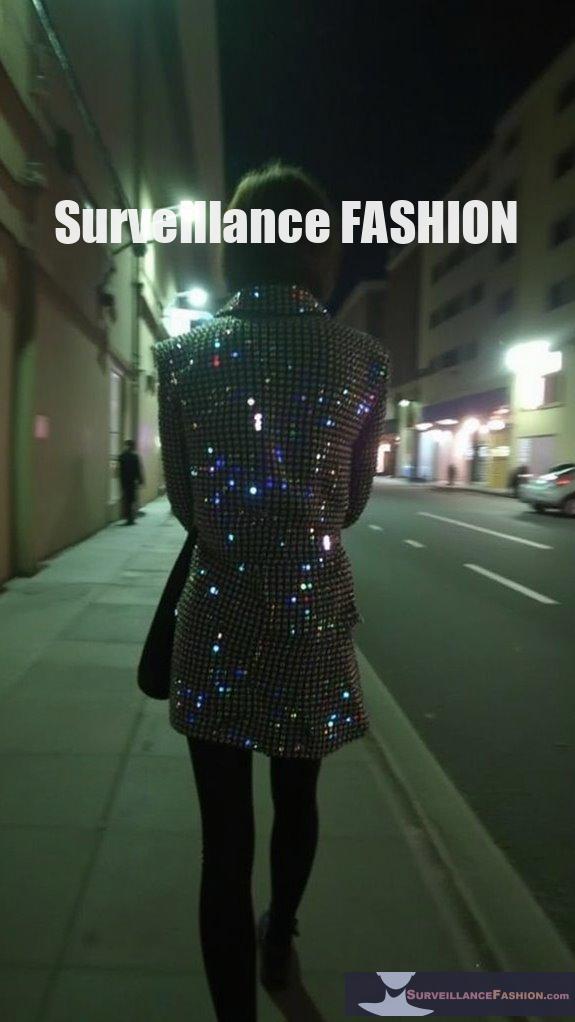
Micro glass beads enhance reflection in fabrics by utilizing retroreflection to redirect light back to its source, while their careful placement allows for stylistic integration without compromising garment aesthetics.
These beads are designed to maximize visibility through their unique hemispheric shape, which reduces scattering and intensifies brightness. Proprietary coatings maintain bead adhesion, while their positioning on the fabric surface prevents sinking and guarantees optimal light exposure.
Additionally, the availability of various colors allows designers to create visually appealing garments that prioritize both safety in low-light conditions and fashionable appearance, making them ideal for modern reflective textiles.
What Are the Benefits of Incorporating Reflective Threads Into Everyday Wear?
Incorporating reflective threads into everyday wear enhances safety by increasing visibility in low-light conditions, markedly reducing accident risks, and promoting compliance with safety regulations.
This functional benefit coexists with aesthetic appeal, allowing for creative and stylish designs.
Reflective threads provide:
- Increased visibility for pedestrians, cyclists, and night workers.
- Durability against harsh conditions while maintaining reflectivity over time.
- Versatile design options, merging safety with fashion.
- Cost-effectiveness through reduced injury-related costs and long-lasting materials.
How Does Reflective Fabric Affect Automatic Facial Detection in Security Cameras?
Reflective fabrics considerably impair automatic facial detection in security cameras, leading to reduced identification accuracy and obscured facial details. The reflectivity causes glare and “washout” effects, confusing motion detectors and making it difficult for cameras to capture clear images of faces.
These fabrics create intense brightness spikes, which overwhelm camera sensors. As a result, key facial landmarks become masked, hindering biometric matching.
Potential effects include:
- Decreased sensitivity in motion detection
- Increased frequency of false detections
- Need for cameras to recalibrate after capturing reflective images
Can Motion Photography Still Capture Details of Reflective Clothing?
Motion photography can struggle to effectively capture details of reflective clothing due to issues like glare and exposure inconsistencies.
These factors often obscure fine textures and patterns, resulting in loss of detail.
When photographing reflective fabrics in motion, the intense reflections can create bright spots that dominate the image, leading to underexposure of surrounding elements.
Key challenges include:
- Obscured facial features or body contours due to flare.
- Loss of fine texture and color details amidst light contrasts.
- Difficulty in maintaining sharp focus as reflections fluctuate with movement.
Mitigating these challenges requires careful lighting strategies and equipment choices.
What Design Principles Guide the Effective Use of Reflective Materials in Fashion?
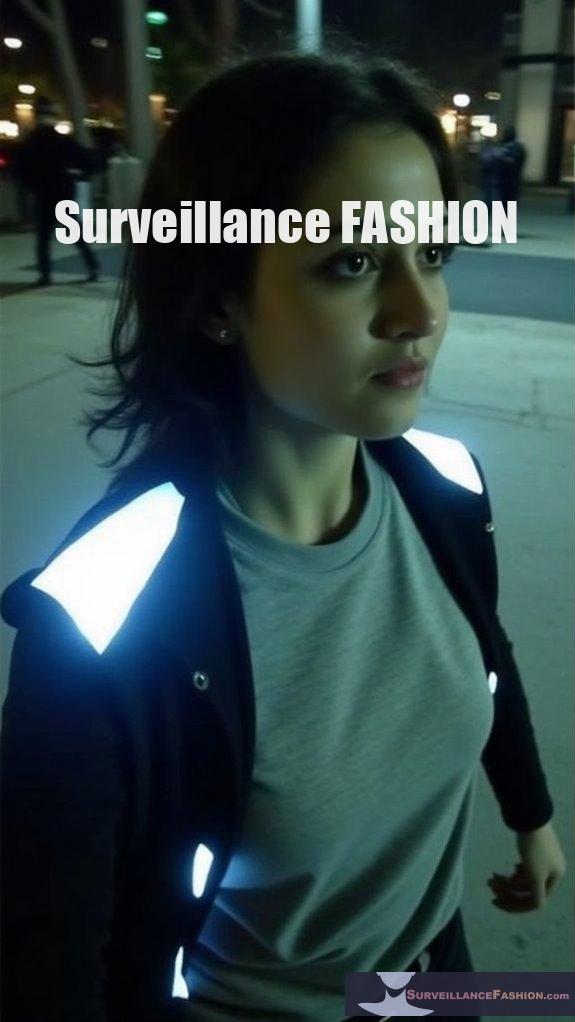
Effective use of reflective materials in fashion is guided by principles of strategic placement, dynamic visual capture, and integration with the garment’s overall structure.
Designers should aim to balance aesthetic appeal with functional visibility, making certain that reflective elements enhance rather than disrupt the garment’s silhouette.
Incorporating reflective materials requires careful consideration of these design aspects:
- Place reflective panels where they catch direct light.
- Use edges, seams, and layered overlays for maximum exposure.
- Make certain that reflective features complement garment color and style.
- Consider garment comfort and flexibility when selecting materials.
With these principles, designers can create innovative, striking pieces that are both fashionable and functional.
How Does Reflective Clothing Preserve Privacy Without Sacrificing Aesthetic Appeal?
Reflective clothing preserves privacy by utilizing retro-reflective technology that distorts light, making facial features less identifiable in photographs while maintaining stylish designs.
This balance is achieved through diverse colors, textures, and innovative textile combinations.
Reflective fabrics are designed to thwart unauthorized photography without compromising fashion. Their aesthetic appeal is enhanced by incorporating fluorescent pigments and trendy silhouettes.
Key attributes include:
- Glass bead and microprismatic technologies enhance light reflection.
- Fashionable integration with traditional textiles ensures comfort.
- Reflective properties remain effective through durability and maintenance.
This innovative approach meets the dual demand for safety and style in clothing.
Review of Ava Longhorn’s Ebook: Eyes Everywhere
In today’s climate of omnipresent surveillance, Ava Longhorn’s ebook, “Eyes Everywhere,” emerges as a timely and perceptive contribution to the discourse on tactical privacy solutions amidst relentless scrutiny from cameras and smartphones.
Addressing pressing privacy concerns, Longhorn offers practical advice on harnessing innovative camera technology and reflective fabric strategies to mitigate unwanted exposure.
Enhanced situational awareness becomes essential, as she provides thorough case studies illustrating real-world breaches and their fallout.
References
- https://www.chinareflective.com/news/reflective-clothing-avoid-the-paparazzi-photographed.html
- https://techcrunch.com/2016/06/29/now-you-see-me-now-you-dont/
- https://petapixel.com/2015/01/08/anti-paparazzi-clothing-uses-reflective-threads-ruin-flash-photos/
- https://www.3m.com/blog/en_US/safety-now/science-of-safety/how-reflective-wear-reflects-a-deep-scientific-approach-to-development/
- https://www.youtube.com/watch?v=_DrvSJpfisQ
- https://www.coats.com/en-us/blogs/pm/reflective-material-for-clothing/
- https://geekout.io/index_files/The_new_Flashback_Anti-Paparazzi_Collection.html
- https://weallight.com/portfolio-items/retro-reflective-fabric/
- https://xwreflective.com/2022/08/03/tips-to-help-you-know-reflective-fabric/
- https://www.3m.com/3M/en_US/scotchlite-reflective-material-us/