Tag: camera privacy

  • What Veil Hats Ensure Daily Camera Privacy?

    What Veil Hats Ensure Daily Camera Privacy?

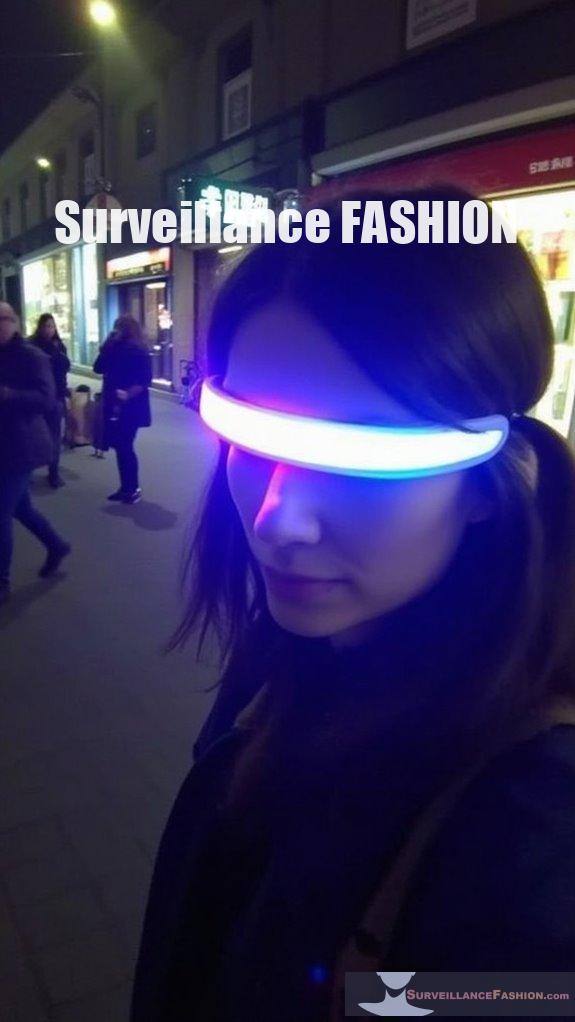
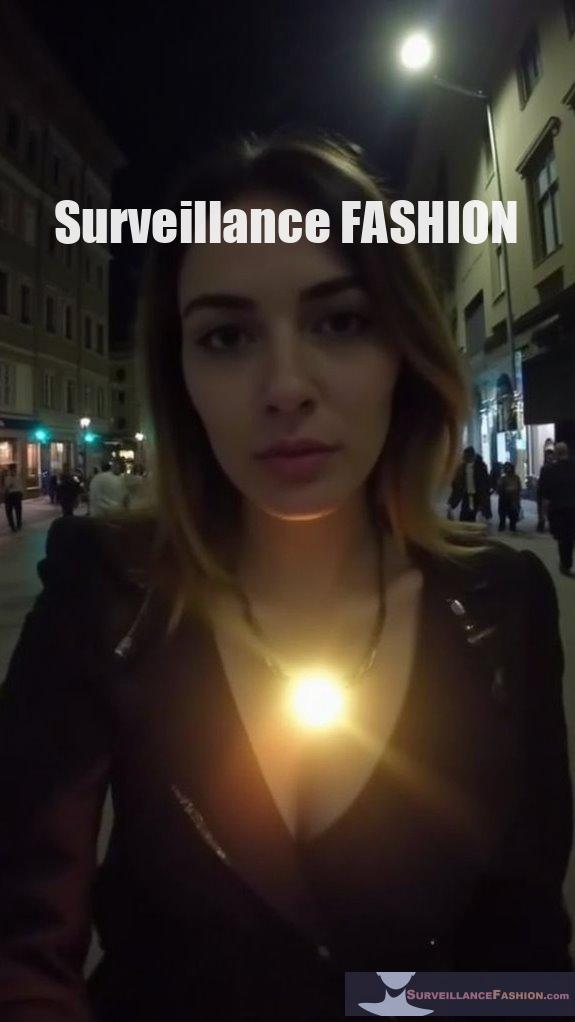
    Veil hats equipped with infrared LEDs are designed to guarantee your daily camera privacy. These innovative hats emit invisible IR light, overwhelming surveillance cameras and disrupting facial recognition, which is particularly effective in urban settings and during nighttime. Their design provides thorough coverage while maintaining a discreet appearance, essential for comfort and wearability. You’ll find that they outperform traditional anti-surveillance methods by targeting camera sensors directly. As surveillance technologies evolve, exploring more advanced privacy solutions becomes increasingly important.

    Quick Takeaways

    • Veil hats use infrared LEDs to disrupt facial recognition by overwhelming camera sensors, enhancing privacy in urban settings.
    • The design creates a halo of IR light, effectively concealing the wearer’s face from surveillance cameras in public spaces.
    • Lightweight and breathable materials ensure comfort while providing adequate coverage for optimal privacy protection.
    • Many veil hats are designed to activate automatically upon detecting cameras, ensuring continuous protection during daily activities.
    • Assess LED brightness and efficiency to guarantee effective disruption of surveillance technologies crucial for ensuring daily camera privacy.

    How Do Veil Hats With Infrared LEDS Work to Ensure Privacy?

    infrared led privacy hats

    Veil hats with infrared LEDs work by emitting invisible IR light that overwhelms camera sensors, leading to image washout and preventing facial recognition. This disruption is accomplished through strategic positioning of the LEDs around the face and automatic activation in response to detected surveillance. The Camera Shy Hoodie is a similar innovation that employs high-powered infrared LEDs to blind surveillance cameras, emphasizing the growing concern over privacy in an increasingly monitored society.

    The infrared light emitted by the LEDs is designed to operate at wavelengths most effective for surveillance cameras, particularly those utilizing night vision technology. When a camera attempts to capture an image of the wearer, the overwhelming IR light distorts facial features and disrupts the auto-exposure settings, which can render faces unrecognizable. Additionally, these clothing items are part of a larger trend in the development of anti-facial recognition clothing aimed at protecting individuals’ privacy.

    Key features include:

    • Discreet sewing of IR LEDs into the hat fabric for complete facial coverage.
    • Activation methods such as manual buttons or automatic triggers based on nearby cameras.
    • Lightweight, breathable materials that allow IR light passage while maintaining camouflage.
    • Integration with compact power sources for portability and ease of use.

    What Are the Advantages of Using Infrared Technology for Camera Evasion?

    Infrared technology offers significant advantages for camera evasion, including enhanced visibility in low-light conditions, non-invasive detection capabilities, robustness against environmental factors, and effective privacy protection without revealing identities. These benefits enable individuals to maintain their privacy in environments monitored by cameras. IR technology captures clear images in darkness, allowing continuous monitoring without dependence on ambient light. Its non-invasive detection prevents physical interference with surveillance systems and identifies cameras by heat signatures rather than visual obstruction. Furthermore, IR imaging excels in adverse weather conditions and protects individuals by obscuring personal identification, making it an ideal choice for privacy-conscious users in both public and private settings. The ability of IR cameras to detect even the faintest heat signatures makes them particularly useful for spotting surveillance devices that may be hidden from plain sight. Notably, the use of infrared fashion creates an additional layer of discretion, allowing users to blend seamlessly into their surroundings while evading detection by traditional surveillance systems.

    In What Situations Are Veil Hats Most Effective Against Surveillance Cameras?

    Veil hats are most effective in environments with high infrared camera deployment, such as urban public spaces and nighttime events where facial recognition is actively used. They work by emitting infrared light that disrupts the operation of facial recognition systems. These hats are particularly useful in areas with continuous surveillance, including government buildings, transit hubs, and shopping centers. The effectiveness of veil hats increases in the following situations:

    • Locations equipped with IR-sensitive cameras.
    • During nighttime events or in low-light conditions.
    • In dynamic environments like protests, where movement can complicate facial recognition.
    • Scenarios where law enforcement or businesses deploy night-vision surveillance.

    In fact, the hats are designed to create a halo of infrared light around the face to prevent monitoring. Additionally, incorporating tracking-prevention fashion accessories can enhance overall anonymity. However, their performance may diminish against standard RGB cameras or in jurisdictions with strict anti-camouflage laws.

    How Do Veil Hats Compare to Traditional Anti-Surveillance Methods?

    Veil hats, using infrared (IR) LED technology, offer a more advanced form of active electronic camouflage against surveillance compared to traditional methods like hats and sunglasses, which passively obstruct facial features.

    While traditional disguises reduce visible facial data and face challenges in changing recognition algorithms, IR veil hats actively disrupt cameras by overwhelming them with IR light. This method can achieve higher effectiveness, as demonstrated by significant drops in facial recognition accuracy.

    However, veil hats are generally more cumbersome and complex than simpler, traditional methods. Their effectiveness includes:

    • Direct targeting of camera sensors with IR light
    • Higher success in privacy protection
    • A need for electronic components, which may impact wearability
    • Adapting better to advancements in facial recognition technology compared to conventional disguises, which may be less effective over time.

    What Types of Surveillance Cameras Are Most Affected by Veil Hats?

    veil hats obstruct infrared surveillance

    These systems can be overwhelmed by the IR light emitted from veil hats, which creates a “whiteout” effect that obscures the wearer’s face.

    The IR saturation is particularly effective in low-light settings, as many public and private surveillance cameras employ IR technology for enhanced visibility.

    However, advanced systems using multi-spectral imaging or 3D depth sensors may be less influenced by such obfuscation.

    Furthermore, cameras relying solely on visible light or those with specific IR filters may not be greatly affected.

    Are There Any Limitations or Drawbacks to Using Veil Hats for Privacy?

    While veil hats can obstruct facial recognition to some extent, their effectiveness is limited against advanced surveillance technologies and they may also pose usability and social challenges for the wearer.

    Veil hats primarily block direct camera views but struggle against sophisticated methods like thermal imaging and AI-enhanced cameras that can reconstruct images.

    Moreover, wearing a veil hat can be uncomfortable in certain climates and may limit peripheral vision, impacting safety and awareness.

    Socially, veils can obscure non-verbal communication and might attract suspicion in public spaces.

    Regular maintenance is necessary to combat wear and tear, and high-quality options can be costly and less accessible.

    How Do Other Privacy-Focused Clothing and Accessories Perform Against Facial Recognition?

    Privacy-focused clothing and accessories can effectively hinder facial recognition by disrupting key biometric markers and confusing algorithms. Their performance relies on material design, pattern complexity, and the sophistication of the camera technology they encounter.

    These garments, such as reflective scarves or specially patterned masks, work by:

    • Reflecting IR and visible light back at cameras
    • Obscuring key facial features needed for recognition
    • Using geometric shapes to distort facial topology
    • Integrating metal elements that confuse detection

    However, effectiveness can vary based on environmental factors like lighting and the specific algorithms used.

    While some anti-recognition designs are in use, many remain conceptual, affecting their practical application.

    What Factors Should Consumers Consider When Purchasing a Veil Hat?

    When selecting a veil hat, evaluate the efficiency and brightness of the infrared (IR) LEDs, as these are vital for disrupting surveillance cameras effectively.

    The hat’s design should provide sufficient coverage for facial obscurity while maintaining a discreet appearance. Lightweight materials enhance wearability, and easily accessible components guarantee practicality for everyday use.

    Furthermore, consider total costs, including battery replacements and potential DIY options.

    How Does the Visibility of Infrared Light Impact the Effectiveness of Veil Hats?

    infrared visibility enhances privacy

    The visibility of infrared light markedly impacts the effectiveness of veil hats by controlling how well they can obscure a person’s facial features from surveillance cameras.

    Veil hats that utilize IR light-emitting technology must balance brightness to avoid detection while maximizing obscuration of identifiable traits.

    Infrared light is invisible to the human eye but detectable by many forms of surveillance equipment. This capability allows veil hats to act as a privacy shield, disrupting facial recognition and photo enforcement systems.

    Key factors influencing effectiveness include:

    • Wavelength Matching: Veil hats must emit IR light at wavelengths that align with camera sensor sensitivities, typically in the near-infrared spectrum (700-900 nm).
    • Material Properties: The fabric’s weave and coatings determine how well IR is absorbed or diffused, affecting the extent of visibility.
    • Light Placement: Strategically positioned IR LEDs enhance blurring over facial areas, ensuring maximum privacy coverage.
    • Automated Systems: Integration with detection sensors allows for adaptive IR illumination, maintaining effectiveness while conserving battery life.

    Privacy Veil Headwear

    In a world increasingly dominated by surveillance, the design and functionality of privacy veil headwear have gained significant attention among individuals seeking to navigate public spaces with a sense of anonymity.

    These innovative accessories not only reflect current fashion trends but also embody cultural significance, merging tradition with modernity.

    Constructed from lightweight, breathable mesh and often featuring non-reflective finishes, these veils effectively obscure facial details, enhancing personal privacy.

    Partial styles or full-face options integrate visually disruptive materials while allowing wearers to maintain sight, balancing anonymity with accessibility.

    As we explore surveillance fashion, these headwear pieces emerge as both practical tools and statements of identity in public life.

    Anti Surveillance Ebook review: Eyes Everywhere

    Surveillance has become a pervasive aspect of modern life, with numerous studies estimating that, as of recent years, there are over 1 billion surveillance cameras actively monitoring public and private spaces globally.

    “Eyes Everywhere,” an incisive eBook on the integration of government and corporate surveillance, elucidates the complex web that entangles citizens, revealing how intense data collection practices not only infringe upon personal privacy but also ultimately shape societal behavior.

    The exploration of surveillance ethics and data privacy speaks to growing concerns—you’re left contemplating the balance between safety and autonomy as you navigate this carefully scrutinized environment.

    Facial Recognition Technology Deployment

    As you navigate the intricacies of modern technological environments, facial recognition technology stands out, profoundly influencing myriad aspects of daily life and raising significant ethical questions about privacy and surveillance.

    With facial recognition advancements, the market is projected to reach USD 8.5 billion by 2025, reflecting strong demand despite concerns about biometric data ethics.

    Nearly 176 million Americans now rely on this technology in consumer applications like device access, while governments increasingly employ it for law enforcement.

    The integration of AI enhances performance, yet the dialogue surrounding privacy remains critical, illuminating the need for conscientious approaches—ultimately, the impetus behind our creation of Surveillance Fashion, exploring solutions for greater privacy.

    Balancing Surveillance With Freedom

    balancing privacy and security

    While balancing the need for security with individual freedoms often seems challenging, adopting privacy-preserving technologies can considerably enhance one’s control over personal visual information.

    You navigate the privacy paradox where surveillance ethics clash with personal autonomy, realizing that solutions like VEIL.AI enable the anonymization of data without sacrificing functionality.

    By implementing advanced anonymization and strict data protocols, organizations can use surveillance data seamlessly while you maintain oversight.

    These privacy measures empower you, ensuring choices about data sharing, enhancing both personal freedom and collective security.

    It’s essential to keep in mind that this balance is vital in today’s rapidly changing digital environment.

    References

  • Why LED Accessories Block Cameras and Protect Privacy

    Why LED Accessories Block Cameras and Protect Privacy

    LED accessories block cameras and protect your privacy by utilizing infrared (IR) LEDs, which emit invisible light that saturates camera sensors. This saturation results in the distortion of facial features, consequently amplifying user anonymity in a highly surveilled environment. High-powered IR LEDs, often made from compound semiconductors like gallium aluminum arsenide, operate most effectively at specific wavelengths, maximizing their efficacy against diverse lighting conditions. To further understand these technologies and make informed choices, consider exploring additional information on this topic.

    Quick Takeaways

    • LED accessories emit infrared light that saturates camera sensors, causing “sensor bloom” to obscure facial details from recognition.
    • The effectiveness of these accessories depends on the wavelength of emitted light and environmental conditions impacting camera performance.
    • High-powered IR LEDs, using compound semiconductors, are engineered for optimal light emission tailored to specific wavelengths for enhanced privacy protection.
    • These accessories primarily protect against visual recording threats but do not safeguard against thermal imaging or audio surveillance methods.
    • Ethical considerations and adherence to safety guidelines are crucial to ensure the responsible use of IR light technology in public settings.

    What Are LED Accessories and How Do They Function to Block Cameras?

    ir led camera blockers

    LED accessories designed to block cameras utilize infrared (IR) LEDs, which emit invisible light that saturates the sensors of security cameras, resulting in obscured images and protected user privacy. These accessories can take the form of wearable items, such as headbands, glasses, or clothing embedded with IR LEDs. The main goal is to direct intense infrared light towards the camera lenses, causing saturation or “sensor bloom” in which facial details become indistinguishable. Notably, the use of mixed reactions regarding surveillance highlights the societal context in which these privacy-enhancing technologies are being developed. Additionally, the growing interest in anti-surveillance fashion has spurred innovation in this field, leading to more aesthetically pleasing designs.

    For effectiveness, these accessories require:

    • Powerful brightness for practical distances
    • Proper LED placement to face camera lenses
    • Adequate battery power for sustained use

    However, their effectiveness is limited by camera quality, power constraints, and the angle or distance from the camera, making complete blocking challenging.

    How Do Infrared (IR) LEDS Interact With Surveillance Cameras?

    Infrared (IR) LEDs interact with surveillance cameras by emitting light in wavelengths typically invisible to the human eye, enabling cameras to capture images in low-light conditions by reflecting this light back to their sensors.

    The effectiveness of this interaction depends on the wavelength of the IR LED, as well as the camera’s sensitivity to that specific wavelength.

    IR LEDs usually emit light around 850 nm or 940 nm. While 850 nm is more detectable and provides better illumination, 940 nm is nearly invisible to humans but less efficient for camera use.

    Cameras rely heavily on this reflected IR light; ideal performance is achieved when the IR illumination is evenly spread across the camera’s field of view.

    Advanced systems adjust the shape and intensity of IR light to improve image clarity while reducing glare. However, excessive IR can saturate the sensors, leading to image washout.

    Factors such as the positioning of LEDs and environmental conditions, like fog or rain, further influence the interaction between IR LED lights and camera systems. Additionally, infrared-resistant fabrics can enhance privacy by reducing the effectiveness of surveillance technologies.

    What Is the Technology Behind High-Powered IR LEDS?

    High-powered IR LEDs utilize compound semiconductors, primarily gallium aluminum arsenide (GaAlAs), refined through thin-film technology, featuring engineered layers for improved electron-hole recombination and efficient IR light emission between 850 nm and 940 nm.

    These LEDs are designed for peak performance with features such as:

    • Tailored bandgap for desired IR wavelengths.
    • Optical lenses managed for specific beam angles.
    • Robust thermal management to dissipate heat and maintain performance.
    • High wall-plug efficiency, achieving up to 50% for near-infrared applications.

    The integration of multiple chips enhances overall output, while precise electrical characteristics guarantee stable operation in demanding conditions.

    How Effective Are LED Accessories in Different Environments?

    LED accessories are highly effective in both indoor and outdoor environments for disrupting camera image capture, though their performance varies based on ambient lighting and environmental conditions.

    Indoor settings allow for more controlled and precise modulation of LED intensity, while outdoor situations require high-intensity designs to combat natural light.

    Indoors, LED accessories can overwhelm camera sensors with strong, consistent illumination. The ability to control lighting conditions enables precise adjustment of LED intensity and flicker, thereby enhancing privacy protection. Proximity to LEDs is essential; closer placement improves disruption efficiency and reduces interference from ambient light.

    Outdoors, LEDs face challenges from natural light, necessitating more robust designs and strategic placement. Weatherproof LEDs retain effectiveness despite rain, snow, or dust. Effective use outdoors often mandates high-intensity or flickered LEDs to maintain privacy.

    Furthermore, environmental elements like fog may mitigate the impact of LED light, underscoring the need for careful deployment strategies.

    What Types of Cameras Are Most Susceptible to LED Blocking?

    Night vision cameras heavily depend on IR LEDs for functionality, making them vulnerable to excess light. Indoor cameras looking through glass may suffer from internal reflections caused by IR light, leading to distorted images.

    Cameras with auto exposure adjustments are particularly sensitive to bright LED light, which can degrade image quality.

    Key aspects include:

    • Short exposure times may fail to capture LED light correctly.
    • Narrow field-of-view cameras can be easily blocked by frontal LEDs.
    • Basic security cameras often lack sufficient processing power and technology to manage LED interference.
    • Older cameras may not have firmware updates, making them less resilient to LED-blocking accessories.

    What Are the Limitations of Using LED Accessories for Privacy Protection?

    led privacy protection limitations

    LED accessories for privacy protection have several limitations, including reduced effectiveness in strong ambient light, dependency on camera characteristics, technical constraints, and a limited scope of protection against various sensing modalities.

    The primary limitations are as follows:

    • Ambient Light Interference: Strong external lighting diminishes the effectiveness of LED privacy solutions, often leading to reliance on embedded barcodes that require additional software support for enforcement.
    • Camera Variability: Different camera sensors may bypass LED blockages due to their exposure settings and advanced image processing capabilities.
    • Technical Barriers: The precise engineering necessary for effective LED modulation poses implementation challenges, including increased costs and limited battery life.
    • Scope of Protection: LEDs only obstruct visual recording within their illuminated area and can’t prevent other types of surveillance such as thermal imaging or audio capture.

    How Do Dynamic Smart IR Technologies Affect the Effectiveness of LED Blinding?

    Dynamic Smart IR technologies notably reduce the effectiveness of LED blinding techniques used against cameras.

    By adjusting infrared emission based on object distance, these systems prevent overexposure, making it harder for fixed-intensity IR LEDs to obscure camera sensors.

    This adaptive adjustment guarantees that cameras equipped with Dynamic Smart IR can maintain image quality even in the presence of strong LED interference.

    Key points include:

    • Reduced saturation of camera sensors from IR glare.
    • Greater detail preservation for facial recognition and object identification.
    • Increased need for more sophisticated LED strategies to effectively disrupt Smart IR.
    • Ongoing advancements in IR technologies and AI could further enhance the resilience of surveillance systems against blinding attempts in the future.

    What Design Considerations Are Important for Fashion Accessories Incorporating IR LEDS?

    Design considerations for fashion accessories incorporating IR LEDs include material compatibility, power management, user comfort, and aesthetic integration. These factors guarantee effective functionality while maintaining fashion appeal.

    To achieve peak performance, it’s essential to select lightweight textiles that support electronic components for durability and comfort. Effective power management is vital, utilizing low consumption IR LEDs and compact rechargeable sources to extend battery life.

    Comfort is enhanced through breathable materials, ergonomic designs, and strategically placed LEDs that avoid skin or eye irritation. Finally, aesthetics mustn’t be compromised; discreet integration of IR LEDs, in conjunction with appealing visual elements, assures that fashion sensibility is preserved.

    How Can Individuals Use Camera-Blocking LED Accessories in Daily Life?

    Individuals can use camera-blocking LED accessories in daily life by integrating them into wearable items like hats, clothing, or jewelry designed to disrupt camera sensors with infrared light. These accessories provide privacy protection in various environments, especially in areas where surveillance cameras are prevalent.

    By incorporating IR LEDs that emit frequencies invisible to the human eye, these accessories effectively prevent unauthorized recording and enhance privacy.

    Practical scenarios include:

    • Urban settings with extensive CCTV coverage.
    • Professional or sensitive environments, safeguarding identity.
    • Nighttime use against infrared-sensitive cameras.
    • Outdoor activities where multiple camera angles are present.

    The design focuses on comfort and aesthetics, ensuring that users are inclined to wear them regularly.

    Moreover, features like battery life, durability, and sensor activation enhance their practicality for everyday use.

    What Are the Safety and Ethical Implications of Using These Accessories?

    Using LED camera-blocking accessories entails safety risks from potential infrared light exposure and raises ethical concerns related to privacy intrusion and trust violations. Users must navigate these implications while guaranteeing compliance with relevant laws.

    The safety considerations primarily focus on the infrared (IR) emissions from these LEDs. While typically low-risk, prolonged or close contact with high-intensity IR can lead to eye and skin damage, necessitating adherence to established exposure guidelines.

    Furthermore, the option for pulsed IR light helps reduce these risks while maintaining effectiveness in blocking surveillance.

    Ethically, the use of such accessories can protect personal privacy but may also infringe upon transparency principles. Affected individuals might remain unaware of camera blockages, eroding trust in public spaces.

    Users should consider:

    • Informed consent from individuals in shared environments.
    • Balancing personal privacy against potential misuse of blocking technology.
    • Understanding legal implications concerning electronic surveillance and interference.

    It is essential for users and developers alike to guarantee their actions align with local regulations and ethical standards to mitigate legal liability and uphold the integrity of privacy efforts.

    How Do LED Camera-Blocking Accessories Compare to Other Privacy Protection Methods?

    led interference vs blockers

    LED camera-blocking accessories offer dynamic light interference, preserving user appearance while competing against passive methods such as physical blockers. However, they’re less effective than software solutions for all-encompassing privacy, as they don’t prevent audio or non-light-based data capture.

    LED accessories use infrared light to disrupt camera functionality without altering device aesthetics, making them non-invasive. In contrast, physical blockers can be tampered with, and while they guarantee blockage, they may harm device appearance.

    Key points include:

    • LED effectiveness diminishes with specialty cameras.
    • High-power LEDs may drain batteries quickly.
    • Unlike software solutions, LED accessories don’t disable audio recording.

    Emerging trends in privacy-protecting fashion technology include the integration of blockchain for decentralized data storage, AI-driven adaptive privacy settings, and robust embedded security features. These innovations address consumer demand for enhanced data privacy while maintaining a focus on sustainability.

    Fashion technology is progressing rapidly, emphasizing user control over sensitive information.

    Key developments involve:

    • Decentralized systems providing resistance to unauthorized access.
    • AI algorithms optimizing encryption and threat detection.
    • Embedded security measures like biometric authentication to guarantee user authorization.
    • Sustainable design practices that promote eco-friendly materials without compromising data protection.

    These advancements cater to privacy-conscious consumers while addressing environmental concerns, making fashion tech both secure and responsible.

    How Can Consumers Choose the Right LED Accessory for Their Privacy Needs?

    To choose the right LED accessory for privacy needs, consumers should assess environmental conditions, select LED types with dense chip distribution, prioritize compatible or integrated diffusers, and consider adjustable brightness and color customization features.

    Consumers can enhance privacy by evaluating specific factors:

    • Determine if warm or cool tones are more effective in minimizing visibility.
    • Opt for COB LED strips for continuous light distribution that reduces sharp points of light.
    • Choose diffusers—opal or textured—to obscure individual light spots, thereby softening glare for camera lenses.
    • Consider smart LED options for personalized control over lighting conditions as needed.

    Anti Surveillance Ebook review: Eyes Everywhere

    “Eyes Everywhere” offers a profound examination of the complex and sometimes alarming web of surveillance that now permeates our daily lives, both online and offline.

    It reveals an integrated surveillance system, likened to a “hydra,” where government and corporations fuse to monitor personal communications and physical movements through omnipresent CCTV and toll systems.

    The book meticulously documents extensive evidence, citing court decisions and whistleblower accounts to expose how state surveillance targets political activism, such as the Occupy movements.

    With pervasive corporate surveillance exemplified by Amazon, the text advocates for regulatory intervention, emphasizing the urgent need to guard civil liberties amidst technological encroachment.

    Camera-Blinding LED Accessories and Jewelry

    In an era where the very fabric of personal privacy is constantly under siege, innovative camera-blinding LED accessories and jewelry have entered the scene as a functional, albeit stylish, solution.

    Consider these transformative designs:

    1. Camera Shy Hoodie – A garment integrating multiple IR LEDs to obscure your presence from surrounding cameras.
    2. Necklaces and Bracelets – Fashion-forward pieces that distort facial recognition inadvertently while remaining chic.
    3. Headbands – Lightweight wearables designed for discreet use in social settings.
    4. Portable LED Devices – Battery-powered solutions that offer flexibility for on-the-go privacy protection.

    Such advancements reflect our ongoing commitment to the principle of Surveillance Fashion.

    Privacy Protecting LED Fashion Accessories

    Fashion no longer simply serves aesthetic purposes; it also acts as a vehicle for privacy protection, where innovative LED technology weaves its way into wearable accessories that confront the pervasive nature of modern surveillance.

    Privacy-focused wearables integrate miniaturized LED modules directly into textiles, allowing for discreet, functional design that remains stylish.

    Such accessories can emit specific light spectra—both visible and infrared—to blind surveillance cameras, particularly effective against facial recognition technology.

    References

  • 7 Best Camera-Blocking Fashion Designs For Privacy

    7 Best Camera-Blocking Fashion Designs For Privacy

    Ever felt like you were being watched?

    Yeah, me too.

    I once wandered into a cafe, feeling all chic in my latest outfit, when I realized the cameras were more interested in my latte art than I was.

    That’s when I discovered anti-surveillance fashion. Picture this: clothing that confuses cameras with wild patterns while keeping my style game strong. It’s like wearing a superhero cape, but more subtle… and way less spandex.

    Sometimes, I wonder if looking good means handing over my privacy. And honestly, ain’t that just a little absurd?

    But hey, at least there’s a silver lining: with these innovative fabrics, nobody will sneak a shot of me spilling my drink again.

    My Encounter with Signal-Blocking Fabrics: A Privacy Tale

    Last summer, feeling particularly paranoid about privacy, I decided to try some signal-blocking threads.

    During a city event crowded with cameras, I sported a jacket that not only had that ‘wow’ factor but also dropped my phone signal like a hot potato.

    I felt like I was in a secret agent movie.

    When folks later asked about my outfit choice, I joked about being “off the grid.” Little did they know, I was blending style with stealth.

    It hit me: fashion can be my shield. Who knew looking good while dodging prying eyes would become the next big trend?

    Quick Takeaways

    • Reflective fabrics scatter light, obscuring visibility and enhancing anonymity against surveillance cameras in fashion designs.
    • Signal-blocking textiles integrate conductive materials to shield against electromagnetic radiation, protecting personal privacy in everyday clothing.
    • AI adversarial pattern technology confuses facial recognition systems, providing basic protection without compromising style.
    • Disguising patterns and optical camouflage create confusion for surveillance systems, making the wearer less recognizable while maintaining trendy aesthetics.
    • Smart textiles with adaptive features allow wearers to adjust privacy levels dynamically, merging functionality with contemporary fashion trends.

    Reflective Yarn and Fabric Innovations

    reflective safety fashion innovations

    Reflective yarn and fabric innovations have markedly transformed the intersection of fashion and functionality, particularly in enhancing visibility and safety. These advancements incorporate microscopic glass beads within polymer films, creating materials like Retroglo® yarn, which blends strength with aesthetics through 3M™ Scotchlite™ technology. Additionally, this high brightness reflective material is ideal for apparel designed to meet safety standards while maintaining stylish appearances. Furthermore, some designs leverage stealth accessories to strategically obscure features from AI detection while ensuring the wearer still stands out. Moreover, metalloplastic reflective yarns introduce color variety, allowing for discreet design without sacrificing safety, while still maintaining retroreflection principles. As you explore the applications of these materials in technical clothing or accessories, consider how reflective fabrics serve others, offering enhanced visibility in low-light conditions—an objective central to our mission at Surveillance Fashion, promoting privacy through innovative design.

    AI Adversarial Pattern Technology

    privacy enhancing fashion technology

    As concerns about personal privacy continue to rise, innovation in fashion technology has led to the emergence of AI adversarial pattern technology, which specifically aims to combat the pervasive nature of digital surveillance systems.

    These elaborately designed patterns, utilizing geometric shapes and contrasts, proactively confuse facial recognition algorithms, creating digital noise that often results in misidentification.

    By seamlessly integrating these disruptive visuals into everyday garments without obscuring one’s face, you empower yourself and others, embodying the ideals of autonomy and control over personal data. Additionally, these patterns are increasingly being recognized for their ability to disrupt facial recognition algorithms, which enhances the effectiveness of privacy-enhancing clothing.

    This accessible approach to fashion facilitates privacy, reflecting our commitment to serving societal needs in an increasingly monitored world.

    Thermal-Blocking Materials for Enhanced Privacy

    thermal camouflage for privacy

    While traversing a world increasingly defined by surveillance technologies, the incorporation of thermal-blocking materials into fashion design emerges as a compelling solution for enhancing personal privacy.

    These specialized fabrics, such as neoprene and silica, function to conceal body heat by either absorbing or scattering infrared radiation, thereby reducing your detectability by modern surveillance systems.

    Multi-layered constructions combine various thermal properties, creating complex patterns that obscure identifiable heat signatures. For instance, advanced graphene-based materials offer programmable thermal camouflage, enabling real-time modulation of thermal emissions. Incorporating chic styles into these designs not only boosts functionality but also ensures that privacy-conscious individuals can express their personal style seamlessly.

    Strategic Reflective Design Elements

    reflective fashion for privacy

    In an era marked by escalating concerns about surveillance, the incorporation of strategic reflective design elements into fashion not only enhances visibility but also bolsters personal privacy in diverse situations.

    Reflective materials, such as trims or prints, serve dual purposes; they provide safety in low-light settings while resisting photographic capture from camera flashes.

    Employing effective placements on garments like jackets, gloves, or accessories, these designs can obscure features and confuse surveillance technology.

    This innovation embodies our mission at Surveillance Fashion, where fashion meets functionality, empowering you to make conscious choices, enhancing awareness, and engaging in meaningful discussions about privacy in today’s interconnected world.

    Signal-Blocking Textiles in Fashion

    fashion meets privacy protection

    Signal-blocking textiles have emerged as an essential innovation in today’s fashion domain, where personal privacy and security are increasingly paramount. These garments and accessories blend standard fibers with conductive materials, effectively absorbing or reflecting electromagnetic radiation, ensuring maximum protection from intrusive signals.

    Material Weave Type Frequency Range
    Polyester + Silver Twill Low MHz to 40 GHz
    Nylon + Copper Jacquard Broad-spectrum protection
    Stainless Steel Plain Military-grade shielding
    Electroconductive Polymer Various RFID and EMF reduction

    Integrating such textiles into everyday fashion fosters a unique balance between style and safeguarding privacy concerns, valuing functionality.

    Streetwear With Anti-Surveillance Features

    anti surveillance streetwear innovation

    As urban environments increasingly become arenas of surveillance, streetwear with anti-surveillance features emerges as a compelling response, allowing individuals to express their personal style while subtly subverting unwanted attention.

    Garments employing glitchy prints or reflective patterns disrupt facial recognition algorithms, creating confusion for surveillance systems. For instance, asymmetrical designs provide visual noise, while thermal imaging evasion materials block infrared detection, enhancing wearer anonymity.

    Such clothing collections appeal to youthful subcultures, merging privacy technology with contemporary style. Ultimately, this innovative fashion serves not only personal aesthetics but also a critical role in protecting individual rights, aligning with the vision of our platform, Surveillance Fashion.

    Sustainable Fashion and Digital Rights Integration

    sustainable fashion meets privacy

    The convergence of sustainable fashion and digital rights integration reflects an urgent response to both environmental challenges and growing concerns over personal privacy.

    By developing eco-friendly privacy-enhancing textiles, designers focus on creating novel fibers and coatings that prioritize comfort and durability while addressing electronic waste issues.

    With blockchain technology, consumers can easily verify sustainability claims, fostering trust in responsible consumption.

    As privacy-preserving algorithms evolve through AI innovations, they enhance sustainability efforts across fashion supply chains.

    This complex interplay is essential for establishing ethical standards within the fashion industry, which is a key motivation behind our website, Surveillance Fashion, aimed at promoting awareness and facilitating responsible practices in this emerging sector.

    Disguising Patterns for Privacy

    disguising patterns for privacy

    Disguising patterns have emerged as an innovative solution in the sphere of privacy protection, especially as concerns regarding facial recognition technology continue to proliferate.

    Utilizing algorithmically generated designs, these patterns can cleverly trick surveillance cameras, prompting misidentification of wearers as animals like giraffes or dogs, with effectiveness ranging from 60% to 90%.

    Optical Camouflage Design Ideas

    innovative optical camouflage concepts

    In a world where visual privacy is increasingly compromised by surveillance technologies, novel optical camouflage design ideas offer intriguing possibilities for protecting personal identity and safety.

    Here are a few remarkable concepts that can inspire innovative approaches:

    • Quantum Stealth Material: Bending light to create near-invisibility, effective in various environments.
    • Self-Adaptive Photochromic Materials: Color-changing fabrics that blend seamlessly with surroundings, mimicking natural camouflage.
    • Reflectin-Based Camouflage: Utilizing squid proteins to provide flexibility and rapid adaptation in concealment.
    privacy enhancing clothing innovations

    As privacy concerns intensify within our technology-driven society, a growing array of trends in privacy-enhancing clothing emerges, reshaping how individuals navigate public spaces.

    Reflective and infrared-blocking fabrics play a vital role by scattering visible light and obstructing infrared detection, rendering wearers less detectable to surveillance cameras.

    Reflective and infrared-blocking fabrics effectively obscure visibility, enhancing wearers’ anonymity against surveillance technologies.

    Patterned prints, such as digital camo and asymmetric designs, confuse facial recognition algorithms, allowing for anonymity amidst advanced detection systems.

    Furthermore, smart textiles with adaptive features, like micro-LEDs, provide dynamic obfuscation. By integrating aesthetics with functionality, these innovations exemplify our mission at Surveillance Fashion: to protect privacy while promoting thoughtful fashion choices in everyday life.

    Questions and Answers

    How Do Camera-Blocking Clothes Wash and Maintain Their Effectiveness?

    To maintain camera-blocking clothes’ effectiveness, wash them gently in cold water using mild detergents. Avoid bleach and fabric softeners. Air dry to protect the unique fibers, ensuring they keep functioning efficiently for privacy.

    Can These Garments Be Stylish and Functionally Effective Simultaneously?

    Yes, you can find garments that blend style and functionality. Many designers create chic pieces that not only look great but also effectively disrupt surveillance, ensuring you remain fashionable while safeguarding your privacy effortlessly.

    Are There Specific Brands Known for Anti-Surveillance Fashion?

    You’re exploring anti-surveillance fashion brands like Adam Harvey’s Stealth Wear, URME Surveillance, and AntiAi Clothing. Each offers stylish solutions that protect privacy while making strong statements about individuality and rights in an increasingly monitored world.

    How Do I Know if Clothing Is Genuinely Surveillance-Resistant?

    To determine if clothing’s genuinely surveillance-resistant, check for peer-reviewed studies and real-world testing. Seek fabrics with thermal masking, hyperface patterns, and guarantee they’re designed to protect you while standing up for everyone’s privacy.

    Wearing anti-surveillance fashion can put you at risk of legal issues, especially in certain areas with strict laws against disguises. You should always stay informed about local regulations regarding privacy and security to avoid complications.

    References

  • 7 Best Light-Blocking Jewelry For Camera Privacy

    7 Best Light-Blocking Jewelry For Camera Privacy

    Ever feel like the world is watching you?

    Yeah, me too.

    I recently discovered light-blocking jewelry for camera privacy, and let me tell you, it's a game-changer.

    I wore this anti-surveillance necklace that supposedly distorts facial recognition. Picture me, wandering through a busy café, feeling like a secret agent.

    But honestly, I felt more like a fashionista with a quirky twist.

    The IR jewelry? It's like wearing invisibility cloaks—totally wild!

    And those light-disrupting bracelets? Stylish yet protective; who knew I could look good while dodging the digital peepers?

    My Encounter with Surveillance Fashion

    Last month, I attended a tech conference, a place buzzing with gadgets and eyes everywhere. I decided to sport my favorite anti-surveillance necklace.

    I felt like a superhero, but as I mingled, I realized just how many lenses were aimed my way.

    Between the selfies and the live streams, I joked with a friend, "Is this what it feels like to be a celebrity?"

    But deep down, it was unnerving.

    That experience made me appreciate the blend of fashion and tech in protecting our identities.

    I left feeling empowered yet aware; the lines between privacy and public life are blurrier than ever today.

    Quick Takeaways

    • Anti-Surveillance Necklaces distort facial features to evade surveillance technologies, blending fashion with privacy protection.
    • IR Jewelry emits invisible infrared light to obscure wearers' facial features from IR-sensitive cameras.
    • Light-Disrupting Bracelets utilize low-voltage IR LED technology to combat surveillance discreetly and stylishly.
    • Camera Shy Hoodies feature high-powered IR LEDs, anonymizing wearers from night vision cameras effectively.
    • Creep Blocker Stickers provide reusable, aesthetic options to block unauthorized camera lenses, enhancing personal privacy.

    Camera Shy Hoodie

    shy hoodie for cameras

    In an era where surveillance technologies pervade our daily lives, the Camera Shy Hoodie emerges as an innovative solution for those concerned about their privacy, especially when they find themselves in monitored environments.

    This unique hoodie design incorporates 12 high-powered IR LEDs, effectively anonymizing wearers from night vision cameras by overexposing the camera's sensor. This garment utilizes infrared light ideal for low-light settings, its functionality relies on strobing LEDs that interfere with auto-exposure mechanisms. Additionally, the use of anti-surveillance techniques highlights the garment's role in a broader movement towards personal privacy in a world increasingly dominated by surveillance.

    As part of the growing trend in camera shy fashion, this hoodie serves as a practical approach to countering surveillance, promoting awareness around privacy issues, which inspired our mission at Surveillance Fashion.

    Anti-Surveillance Necklaces

    privacy enhancing jewelry accessories

    Anti-surveillance necklaces represent a significant innovation in the domain of personal privacy, with designers crafting these accessories to counteract the pervasive reach of surveillance technologies that increasingly monitor our daily lives.

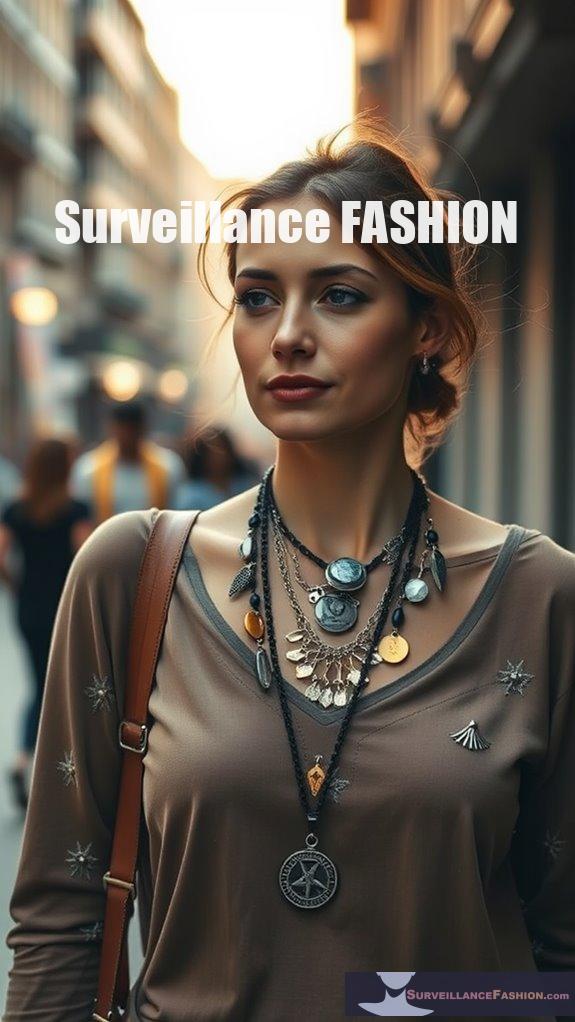
    Utilizing materials that distort facial features or create glare, these anti-surveillance necklaces serve as tools for facial recognition evasion. For instance, Ewa Nowak's designs incorporate metallic elements to obscure features, while Sara Sallam's reflective styles disrupt facial symmetry. Jewelry designed to block facial recognition technology is a growing trend among creators aiming to protect individual anonymity in public spaces. These necklaces are part of a broader movement to challenge facial recognition technology and reclaim personal privacy in an increasingly monitored world.

    As privacy concerns rise globally, such jewelry not only enhances personal security but also fosters a culture of awareness. This website, Surveillance Fashion, aims to connect individuals with these pivotal advancements in privacy fashion.

    IR Jewelry Concept

    innovative radiant jewelry design

    As concerns about surveillance proliferate, the concept of IR jewelry emerges as a compelling solution for those seeking to maintain their privacy in an increasingly monitored world. Utilizing infrared technology, these innovative pieces emit infrared LEDs, typically operating at 940nm, a wavelength invisible to the human eye. By overwhelming IR-sensitive camera sensors, this wearable security effectively obscures facial features, particularly during nighttime. Reflecting infrared light allows these pieces to create an additional layer of protection against facial recognition technology. Furthermore, infrared-reflecting materials can be integrated into various designs, enhancing their effectiveness in thwarting surveillance. Embedding these LEDs in clothing or accessories allows for discreet daily protection without significant interference. While not infallible, IR jewelry reflects a growing awareness of privacy issues, contributing to broader efforts in countering invasive surveillance technologies.

    Creep Blocker Stickers

    anti intrusion adhesive labels

    Creep Blocker stickers offer a practical solution, combining aesthetic appeal and functionality. These reusable decals adhere effortlessly to camera lenses, ensuring no damage while effectively blocking unauthorized access. With various Creep Blocker designs, you can express your personal style while protecting your devices from potential hackers. Their residue-free application allows for easy removal, making them ideal for public settings where privacy is paramount. Additionally, camera-blocking stickers have gained popularity at exclusive events as a means to enhance privacy for high-profile guests.

    Light-Disrupting Bracelets

    bracelets that block light

    Light-disrupting bracelets represent a significant evolution in personal privacy technology, offering a discreet yet effective means to counteract pervasive surveillance. These innovative wearable technology pieces incorporate:

    1. IR LED Integration: They harness infrared LEDs to combat surveillance without visible effects. This technology is similar to the high-efficiency IR LED used in security cameras.
    2. Battery Life: Low-voltage emitters powered by standard batteries guarantee practicality for extended wear.
    3. Design Variations: From simple designs to complex wearables, they cater to various aesthetics while prioritizing functionality.

    Reflective Accessories for Privacy

    privacy enhancing reflective accessories

    Reflective accessories have emerged as an innovative solution in the quest for personal privacy, complementing the functionality of light-disrupting bracelets by providing an alternative approach to thwarting surveillance.

    Consider reflective sunglasses and privacy scarves; these items utilize advanced materials that scatter light, making facial recognition challenging for AI-powered cameras. Writers often struggle with how much personal information to share, and this technology proves valuable not only for individuals seeking privacy but also for those engaged in protecting others from intrusive photography.

    By integrating glass nanospheres, they blur images captured by camera flashes, effectively disrupting visibility. This technology proves valuable not only for individuals seeking privacy but also for those engaged in protecting others from intrusive photography.

    Our website, Surveillance Fashion, aims to highlight such innovative solutions, merging style with essential personal security.

    Privacy-Enhancing Rings

    privacy focused wearable technology

    As the prevalence of surveillance technologies continues to escalate, individuals increasingly seek innovative means to protect their privacy, making privacy-enhancing rings a compelling option. These rings offer a blend of fashionable designs and high-tech functionality, addressing emerging consumer trends. Key features include:

    1. Light-blocking technology: Disrupts camera visibility using advanced materials.
    2. RFID protection: Safeguards personal data against unauthorized scanning.
    3. Built-in alerts: Activates when cameras are nearby, enhancing awareness. Additionally, it is crucial to be aware of the legal implications of interfering with surveillance devices to ensure responsible use of privacy-enhancing technologies.

    Trendy Anti-Camera Accessories

    stylish photography gear essentials

    In today's digital environment, where surveillance is increasingly woven into the fabric of everyday life, trendy anti-camera accessories have emerged as essential tools for those seeking to safeguard their privacy.

    In an era of pervasive surveillance, stylish anti-camera accessories have become vital for protecting personal privacy.

    These items blend fashion tech with functionality, utilizing advanced light-blocking technology for effective protection.

    Consider smartphone cases equipped with camera blockers or anti-camera glasses designed to obscure facial recognition.

    Additionally, clothing incorporating privacy-enhancing materials showcases how privacy fashion can be both stylish and practical.

    Jewelry That Reflects Light

    shimmering radiant light jewelry

    Jewelry that captures and reflects light possesses an inherent allure, yet it also presents unique challenges, particularly in the domain of photography.

    To mitigate these challenges, consider incorporating essential light reflection techniques and jewelry photography tips:

    1. Use side lighting to minimize unwanted reflections, especially with metallic surfaces.
    2. Employ diffusion materials like softboxes to soften harsh light, effectively reducing glare.
    3. Adjust camera settings, including aperture and white balance, to enhance clarity and control reflections.

    Definition of Privacy-Enhancing Wearables

    wearables for data protection

    Privacy-enhancing wearables represent a transformative leap in technology, combining innovation with an urgent necessity for personal data protection.

    These devices embody privacy technology, focusing on wearable security to mitigate risks associated with unauthorized data access, breaches, and misuse.

    For example, smart clothing embedded with RFID systems offers secure authentication and controlled data exchange, while augmented reality glasses necessitate robust privacy measures due to their data-collecting capabilities.

    By emphasizing user control over data sharing and employing advanced encryption practices, we can foster an environment where social interaction thrives without compromising personal privacy.

    This aligns with our mission at Surveillance Fashion to promote informed choices in wearable technology.

    References