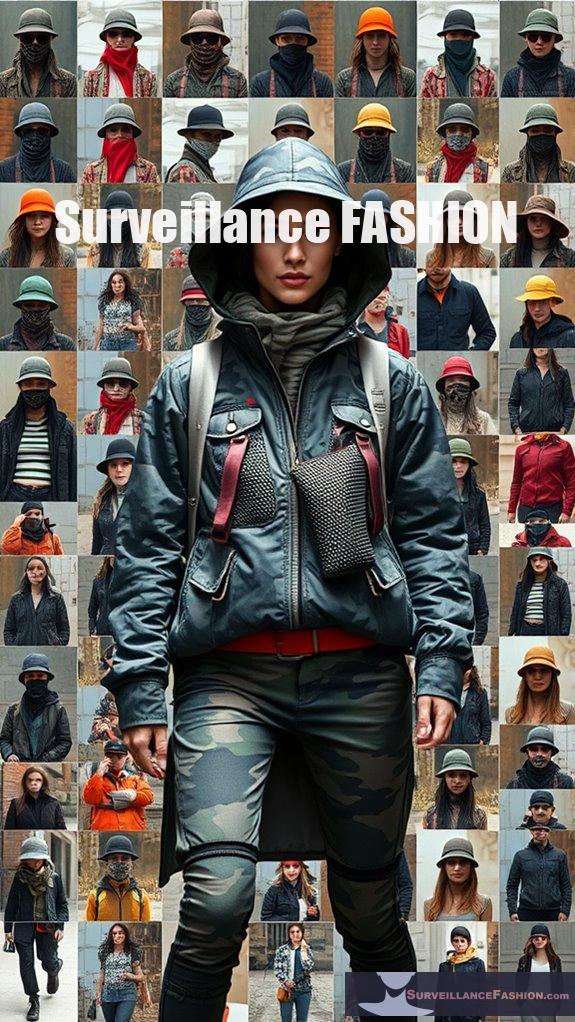
Ever feel like the world's watching you? I know I do.
When I stumbled upon DIY infrared-blocking clothing patterns, it felt like finding a secret shield against prying eyes.
I've tried some wild designs—urban camo that totally obscures my silhouette. It's like I'm a ninja in my own city!
Layering high-cotton fabrics for thermal concealment? Genius. It's not just practical; it's stylish too.
Honestly, who knew hiding from surveillance could look this good?
But let's face it, sometimes it feels like a game of hide and seek with technology. Am I winning?
—
Embracing Minimalism: My Path to IR-Blocking Fashion
Living minimally has been a game changer for me. Last summer, I decided to declutter my closet—goodbye to fast fashion and hello to quality pieces.
I incorporated IR-blocking fabrics into my wardrobe, focusing on versatility and style. Each piece serves a purpose, and I feel a sense of freedom.
With fewer distractions, I can now fully embrace my individuality while staying off the grid.
It's about more than clothes; it's a lifestyle shift towards sustainability, creativity, and, yes, a bit of privacy. Plus, who doesn't love the thrill of dodging unwanted attention?
Quick Takeaways
- Utilize layered mesh designs to enhance thermal insulation while ensuring breathability in DIY infrared-blocking clothing.
- Incorporate dynamic camouflage patterns that adapt to various environments for effective concealment.
- Experiment with fabric blends like Nylon-Cotton that enhance near-infrared performance while maintaining a low thermal signature.
- Integrate IR-absorbing coatings into natural and synthetic fibers for improved effectiveness against thermal detection.
- Craft RFID-blocking components using fabrics with copper and nickel fibers for added security and privacy in your designs.
Disruptive Urban Patterns
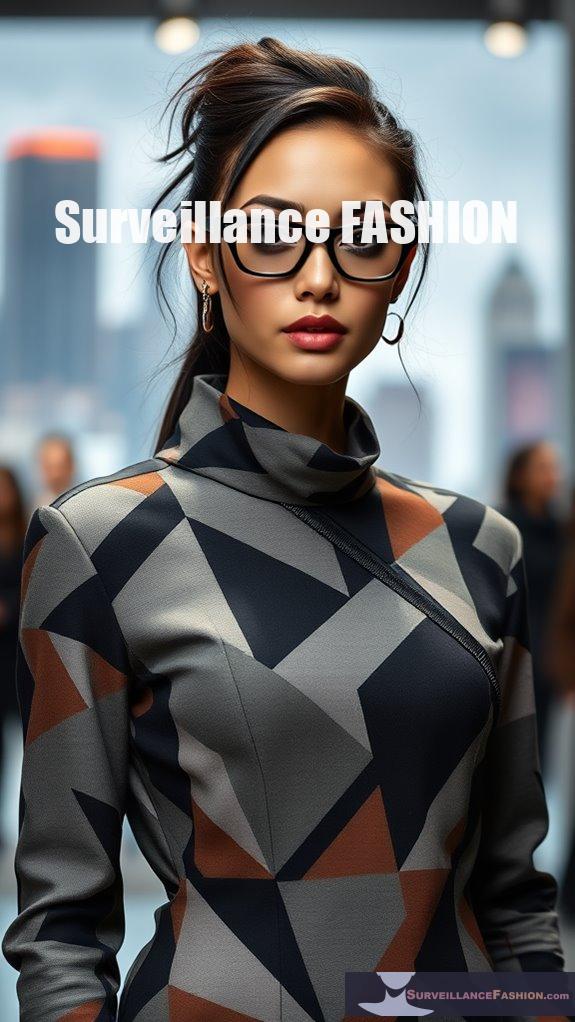
Disruptive urban patterns are designed not only to obscure the human silhouette within the complexities of city environments but also to provide practical applications for individuals seeking to navigate these spaces discreetly. By employing geometric shapes and a color palette of grays, blacks, and earth tones, these patterns enhance camouflage effectiveness against the backdrop of concrete and steel. Materials like cotton blends and synthetic fibers, often treated for near-infrared compliance, contribute to evasion strategies. As you explore DIY options, consider how these design elements can empower your movements, aligning with the ethos of Surveillance Fashion and the freedom it represents in urban settings. Additionally, incorporating effective blocking techniques can ensure that your garments maintain their shape and functionality during use. The use of infrared-blocking fabrics is crucial for achieving optimal stealth in environments where thermal cameras are prevalent.
Layered Thermal Evasion Techniques
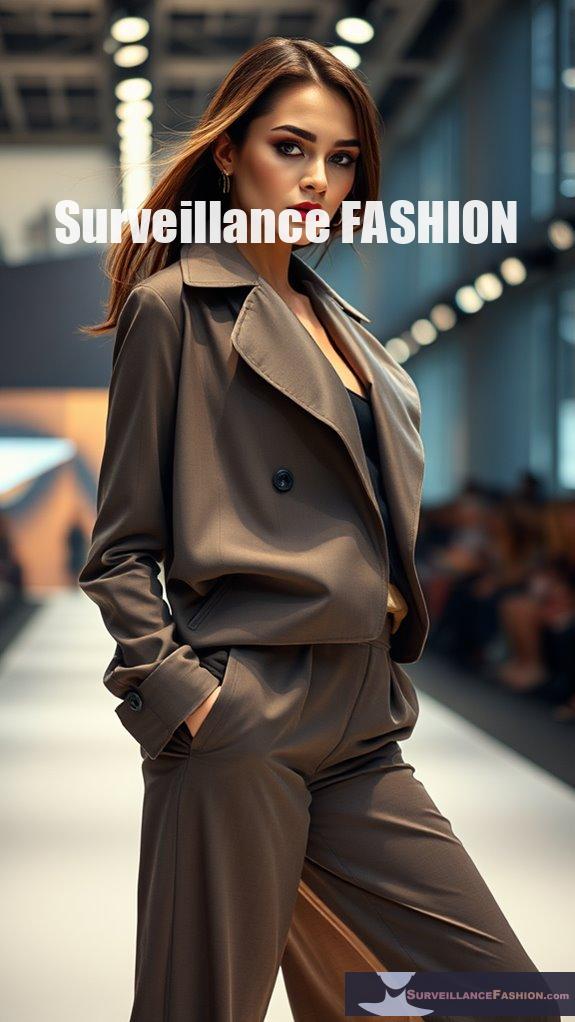
While traditional clothing may offer limited protection against thermal detection, employing layered thermal evasion techniques can greatly enhance your stealth capabilities in various environments. NIR performance can be significantly improved by utilizing fabrics with high cotton content, which naturally has better infrared characteristics. Additionally, incorporating infrared-reflective materials can further augment the effectiveness of your layered approach.
Abstract Art-Inspired Designs
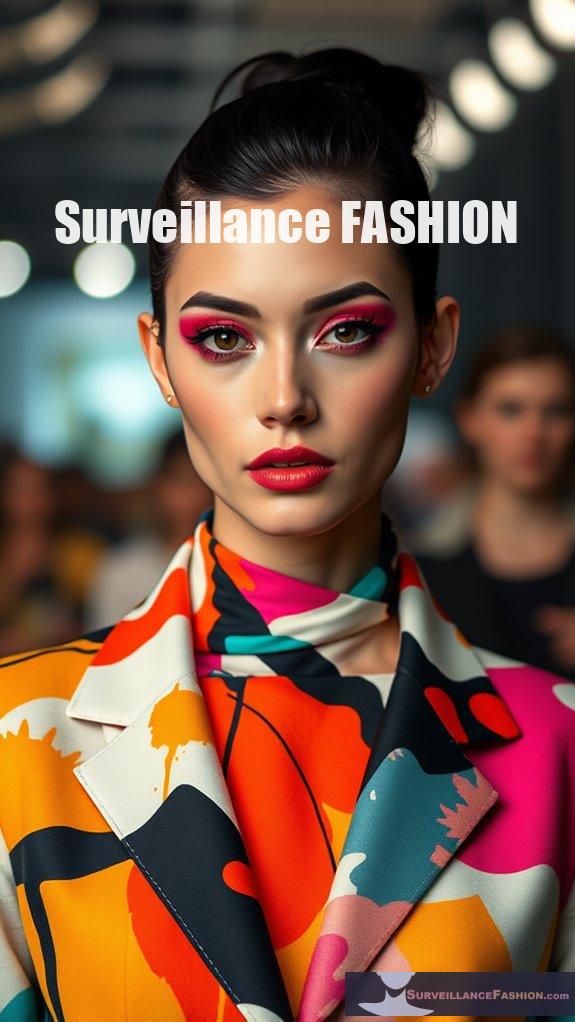
The integration of abstract art-inspired designs into anti-surveillance fashion represents a fascinating intersection of creativity and technology, offering innovative approaches to concealment in an age increasingly defined by pervasive surveillance. This approach resonates with the key themes of fashion studies, particularly the exploration of identity and self-presentation through dress and its cultural significance. By incorporating ir-blocking fabrics, designers can enhance both the aesthetic appeal and functional effectiveness of their creations, ensuring a stylish yet secure wardrobe choice.
RFID-Blocking Fabric Strategies
When you explore the domain of RFID-blocking fabric strategies, it becomes evident that understanding the intricacies of material composition and application is paramount for effective utilization in anti-surveillance fashion.
These fabrics, incorporating copper and nickel fibers within a durable polyester base, achieve shielding efficiencies of 99.99%, safeguarding your personal data from unauthorized RFID applications.
Incorporating copper and nickel fibers, these fabrics ensure 99.99% shielding efficiency against unauthorized RFID access.
For RFID crafting, consider self-adhesive options for seamless integration into wallets or bags.
Additionally, layering these fabrics within other materials enhances both security and aesthetic appeal, allowing you to create stylish yet protective accessories.
Embrace the freedom of crafting your own RFID-safe items, ensuring privacy in an increasingly monitored world.
Natural Fiber Camouflage
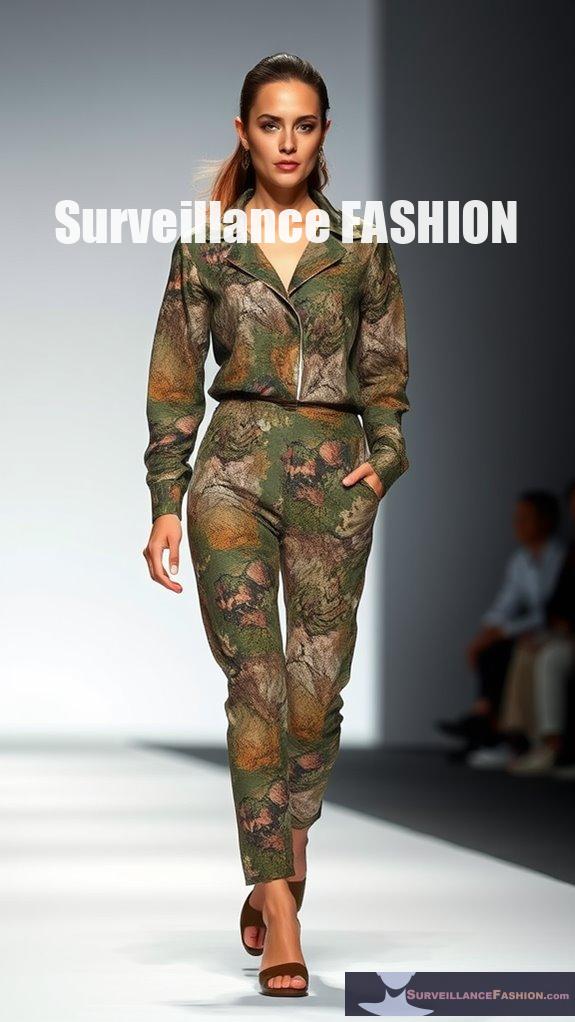
Natural fiber camouflage techniques play a crucial role in enhancing concealment within various environments, especially for those who engage in outdoor activities or survival practices.
To maximize camouflage effectiveness, consider these strategies:
- Background Matching: Utilize natural materials like mud and leaves to blend seamlessly with your surroundings.
- Disruptive Patterns: Employ bold stripes or pixelated designs to break up your silhouette, mimicking natural elements.
- Mimicry Techniques: Imitate textures like tree bark or moss for seamless integration.
IR-Absorbing Coating Applications
While many may overlook the significance of infrared (IR) absorption in clothing, understanding the intricacies of IR-absorbing coatings can greatly enhance your outdoor experience, especially in environments where stealth is paramount.
IR coating applications are essential for reducing fabric reflectance, thereby enhancing camouflage. Effective fabric adhesion determines how well these coatings bond, impacting longevity.
For instance, natural fibers like cotton offer better dye retention compared to synthetic ones. Furthermore, applying specific pigments can optimize IR absorption, ensuring your attire remains discreet in various conditions.
This knowledge can elevate your camouflage strategy, aligning with our mission at Surveillance Fashion to empower individuals through innovative textile technologies.
Synthetic Blend Innovations
Synthetic blends represent a significant advancement in the domain of fabric technology, particularly for those seeking to optimize infrared (IR) performance without sacrificing comfort or durability.
Synthetic blends mark a pivotal evolution in fabric technology, enhancing infrared performance while ensuring comfort and durability.
Their advantages stem from the combination of materials, enhancing functionality while maintaining affordability.
- Material Selection: Polyester, nylon, and cotton each provide unique properties.
- Synthetic Dyeing Techniques: Specialized dyes improve near-infrared (NIR) performance.
- Blended Material Advantages: Better durability and dye retention.
Trendy Infrared-Blocking Fabric Choices
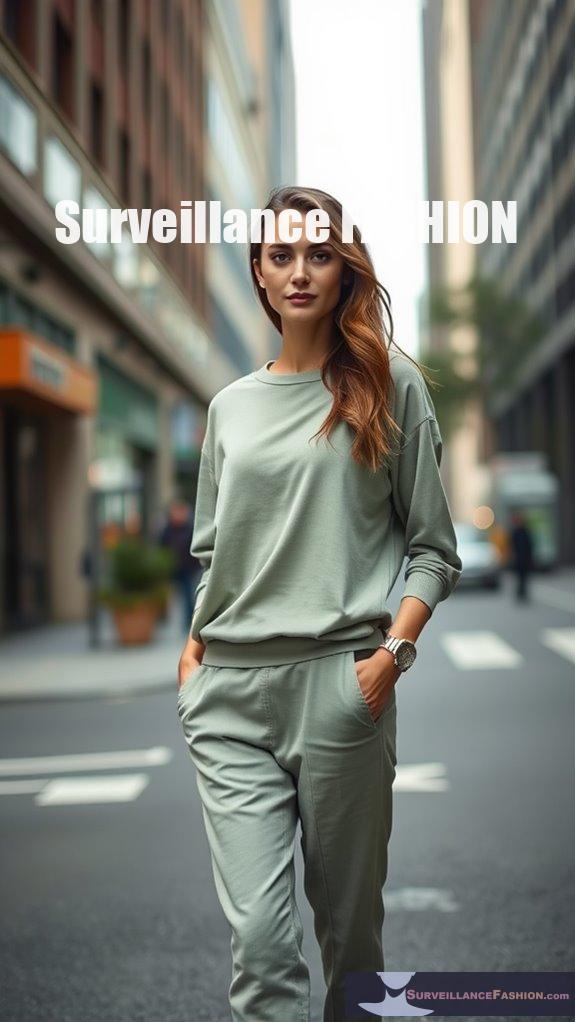
As the demand for functional and stylish clothing continues to rise, the exploration of trendy infrared-blocking fabric choices has become increasingly relevant, particularly for those individuals looking to balance aesthetics with advanced protective features.
Incorporating sustainable materials like cotton blends and spandex enhances both comfort and durability, while innovative polyester options offer resilience and effortless maintenance.
Textile innovations, such as silver-plated fabrics, provide exceptional infrared shielding, catering to diverse applications, from outdoor gear to tactical apparel.
As you navigate these choices, keep in mind that eco-friendly selections not only serve your needs but also align with a broader commitment to sustainability—an ethos we've embraced at Surveillance Fashion.
Creative Pattern Ideas
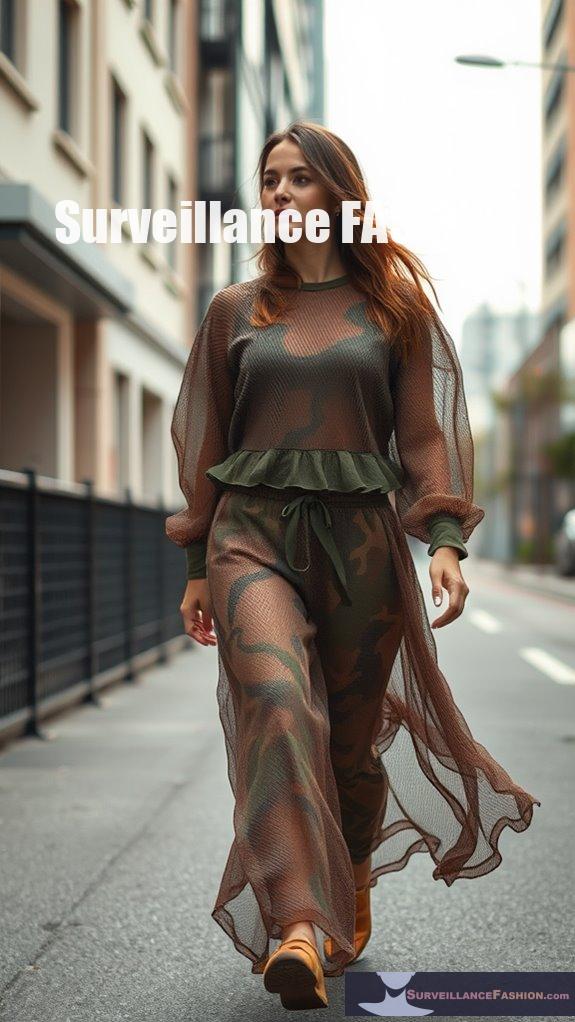
In the domain of DIY infrared-blocking clothing, the integration of creative pattern ideas plays an essential part in enhancing both functionality and aesthetic appeal.
Consider these innovative concepts:
Explore innovative concepts to elevate your DIY infrared-blocking clothing with creative patterns and designs.
- Layered Mesh Design: Enhance thermal insulation while maintaining breathability.
- Dynamic Camouflage: Adapt patterns for different environments, ensuring ideal concealment.
- Insulating Fabric Combinations: Merge insulating materials with IR-blocking fabrics for maximized effectiveness.
Fashion for Privacy Protection
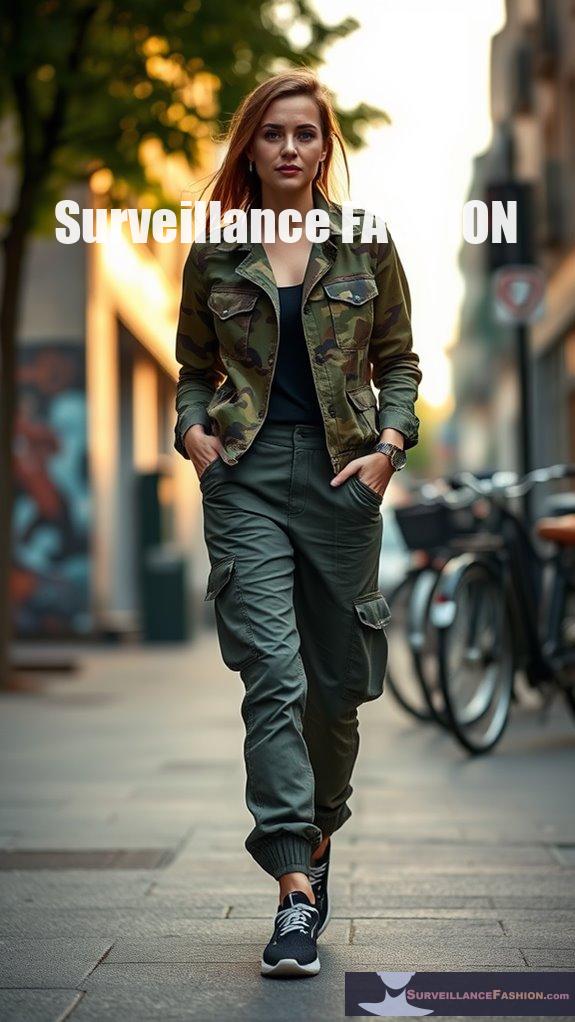
Fashion for privacy protection has emerged as an essential response to the increasing ubiquity of surveillance technologies, compelling designers to innovate with infrared-blocking materials that offer both concealment and style.
Utilizing urban camouflage patterns, these garments incorporate natural and synthetic fibers, enhanced by IR-absorbing coatings to achieve effective thermal privacy. Blends like Nylon-Cotton improve NIR performance, allowing for vibrancy while maintaining a low thermal signature.
Incorporating layered mesh techniques, these designs not only block infrared detection but also guarantee mobility, offering a practical solution for those who value personal freedom, which aligns with the vision behind our website, Surveillance Fashion.
References
- https://pinesurvey.com/camouflage-and-night-vision-expectations-vs-reality-part-2/
- https://pmc.ncbi.nlm.nih.gov/articles/PMC8041175/
- https://nordvpn.com/blog/anti-surveillance-fashion/
- https://nexosarquisucr.files.wordpress.com/2016/03/architecturalresearchmethods-groat_wang.pdf
- https://www.youtube.com/watch?v=wVzWNxsTCVo
- https://knitty.com/ISSUEwinter02/FEATdiyknitter.html
- https://ripperkon.de/en/using-spray-paint-to-make-equipment-ir-safe/
- https://ufpro.com/us/blog/nir-compliant-clothing
- https://dokumen.pub/fashion-studies-research-methods-sites-and-practices-9781472583178-9781472583161-9781474220163-9781472583185.html
- https://www.thejealouscurator.com/blog/about/
Leave a Reply