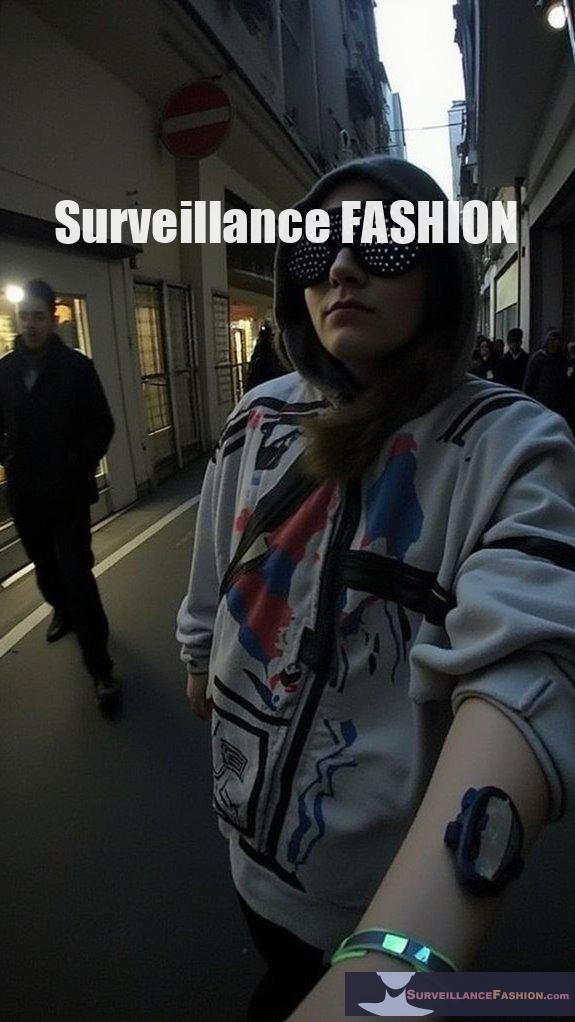
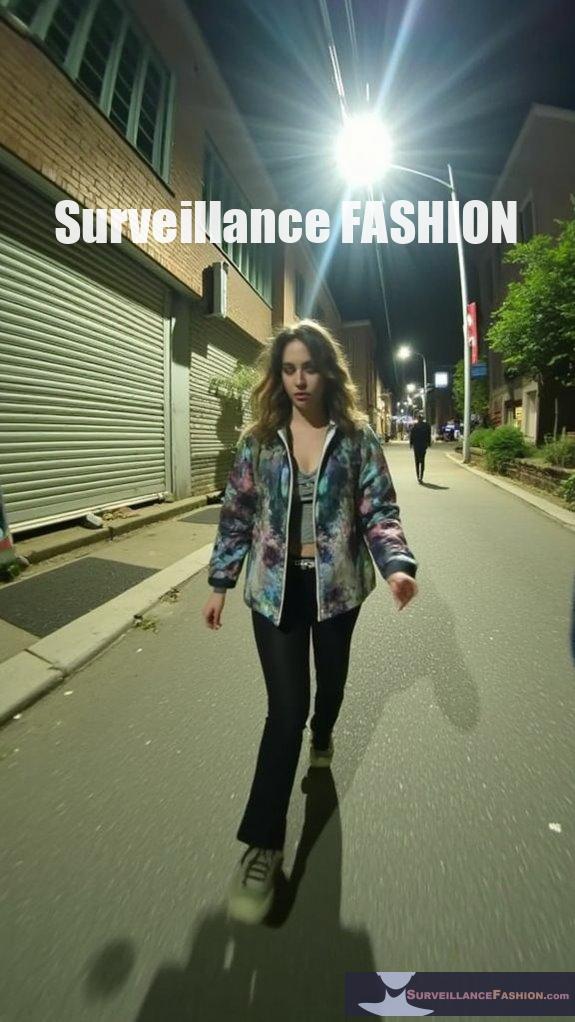
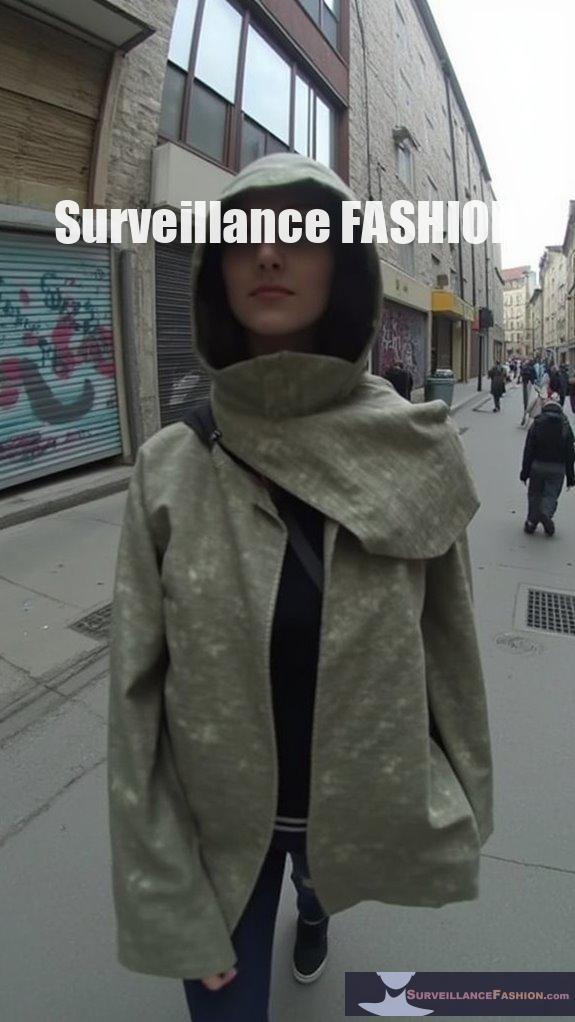
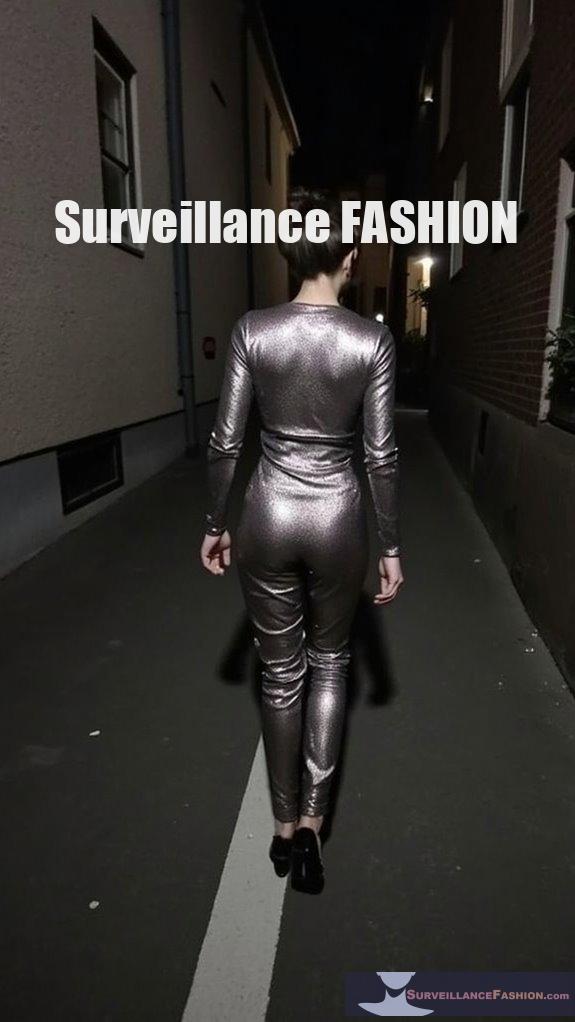
Category: Surveillance-Resistant Fabrics

  • What Makes Clothes Invisible To Cameras?

    What Makes Clothes Invisible To Cameras?

    Ever felt like your outfit is screaming for attention when all you want is to blend in?

    Well, I discovered a fascinating world of clothes that can vanish before your very eyes.

    Imagine wrapping yourself in fabric that traps light or reflects it away. Creepy or cool?

    I tried a jacket lined with micro-mirrors at a crowded event. I felt like a ninja – slightly paranoid yet utterly fabulous.

    It’s wild how these tech-savvy fabrics challenge our constant exposure. I mean, who hasn’t wished to be a ghost sometimes, right?

    But there’s always a catch – safety and ethics hang in the balance.

    Think about it: What if privacy becomes a luxury, or gets sold to the highest bidder?

    H2: My Covert Encounter with Anti-Surveillance Fashion

    I had an unforgettable experience at a protest—dressed in my stealthy jacket. It was a gathering to address privacy rights amidst growing surveillance.

    Surrounded by cameras, I felt untouchable. My outfit melded with the shadows, and for once, I wasn’t just another face in the crowd.

    But then, an activist friend went missing while wearing a similar outfit. It made me ponder: are we outsmarting the watchful eye, or courting trouble?

    This blend of fashion and tech offers hope, yet raises profound questions about safety and freedom. In this ever-watching world, can we really find solace in style?

    Quick Takeaways

    • Material Properties: Using reflective fabrics with micro-mirrors can redirect light, making garments less detectable by cameras.
    • Infrared Reflection: Fabrics that reflect infrared wavelengths enhance invisibility, particularly against cameras sensitive to visible light but not infrared.
    • Light Absorption: Darker colors and light-absorbing materials convert light into heat, reducing visibility and detectability.
    • Optical Camouflage: Techniques that manipulate light create optical illusions, allowing clothes to blend seamlessly into their surroundings.
    • Adaptive Materials: Innovative materials that refract light can trick both the human eye and digital cameras, enhancing invisibility.

    Understanding Light and Camera Technology

    light interaction with cameras

    When you consider how light interacts with our environment, it’s essential to understand that cameras rely on specific wavelengths to capture images, effectively turning these wavelengths into visual representations.

    Each camera possesses different levels of camera sensitivity, influencing its ability to discern various elements within the light spectrum. For instance, conventional cameras may excel in visible light, often failing to register infrared wavelengths.

    This limitation becomes particularly vital when examining innovative technologies, such as those explored on our website, Surveillance Fashion, where the interplay between light and visual perception invites engagement with groundbreaking concepts in aesthetic and practical applications. Understanding the role of infrared-reflecting materials can significantly enhance the effectiveness of anti-facial recognition clothing.

    The Science Behind Optical Camouflage

    optical camouflage harnesses light

    Optical camouflage employs sophisticated techniques to manipulate light in ways that render objects nearly invisible to the human eye and, importantly, to various types of cameras.

    This innovative technology exploits phenomena such as optical illusion and camera sensitivity, enabling the seamless blending of garments with their surroundings.

    By employing adaptive materials that refract or bend light, these garments create a dynamic interface with environmental cues, effectively fooling the visual systems of both humans and machines.

    Adaptive materials that manipulate light enable garments to blend seamlessly with surroundings, tricking both human eyes and cameras alike.

    You might wonder how advancements in this field align with the ethos of Surveillance Fashion; after all, the interplay of visibility and invisibility underscores our exploration of modern aesthetics. Additionally, current trends highlight the emergence of ir-blocking fashion that takes privacy protection to a whole new level.

    Materials That Reflect or Absorb Light

    optical invisibility in fashion

    The materials employed in garments designed to reflect or absorb light play a crucial role in achieving optical invisibility, a fascinating concept that invites us to reconsider our perception of visibility in fashion.

    Reflective fabrics, often incorporating micro-mirrors or specialized coatings, can bounce light away, rendering the wearer less detectable to cameras and surveillance systems.

    Conversely, materials engineered for light absorption can transform wavelengths into heat rather than reflectance, further enhancing invisibility.

    The Role of Color and Temperature in Visibility

    color temperature affects visibility

    Color and temperature markedly influence the perception of visibility, affecting how garments interact with light and thereby determining their detectability by both the human eye and monitoring technologies.

    When considering color perception, darker hues absorb more light, which can diminish visibility under specific lighting conditions, while lighter shades reflect light, enhancing detectability.

    Temperature effects also play an essential role; warmer colors can appear more vibrant and prominent against cooler backgrounds.

    Warmer colors enhance vibrancy, standing out against cooler backgrounds and shaping our perceptions of visibility.

    As we explore fabric innovations, understanding how these elements interact allows for groundbreaking designs in “invisibility,” a fundamental focus of our website, Surveillance Fashion, where we challenge conventional viewpoints.

    Innovations in Textile Design for Disguise

    innovative camouflage textile technology

    Innovative advancements in textile design are redefining how we approach the concept of disguise, utilizing sophisticated fabric technologies to create garments that appear nearly invisible to various forms of surveillance.

    Through techniques like pattern manipulation, designers cleverly alter visual perceptions, making it challenging for cameras to capture details.

    Furthermore, texture layering enhances this effect, as varying surfaces interact with light, further obscuring shapes.

    These innovations resonate with our mission at Surveillance Fashion, aiming to explore the intersection of technology and clothing.

    Practical Applications in Everyday Fashion

    surveillance fashion integration techniques

    How can we seamlessly integrate the advancements in disguise technology into our everyday wardrobe?

    By incorporating invisible patterns and innovative fashion technology, you can enhance your style while ensuring personal privacy. Envision a sleek jacket adorned with fabric designed to obscure your image from surveillance cameras, effortlessly merging functional design with aesthetic appeal.

    Seek out clothing lines prioritizing such advancements, where cutting-edge materials not only redefine conventional fashion but also provide a new sense of autonomy in public spaces.

    As you explore these options, recall, our interest in creating Surveillance Fashion stems from enabling individuals to navigate the modern environment with confidence.

    Ethical Considerations for Anti-Surveillance Clothing

    ethics of anti surveillance clothing

    What implications arise when we consider the ethical dimensions of anti-surveillance clothing? Addressing privacy concerns leads to a multifaceted dialogue on surveillance ethics, where innovation meets morality.

    You may ponder if such garments empower individuals or foster a culture of evasion. While some argue that they protect personal freedom, others highlight the potential misuse of these technologies, where general public trust diminishes.

    Additionally, the underlying technology could inadvertently blur the lines between reasonable privacy and outright anonymity, raising questions of accountability and social responsibility.

    These conversations form the foundation of Surveillance Fashion, intended to engage with ethical implications inherent in innovative fashion design.

    Innovative Stealth Fabric Designs

    stealth fabrics and camouflage

    In an era where surveillance is pervasive, have you ever wondered how fabric manufacturers are pushing the boundaries of textile engineering to create stealth materials that can effectively render wearers invisible to cameras?

    Innovative designs featuring stealth patterns utilize complex algorithms that mimic environmental textures, blending seamlessly into surroundings.

    Innovative stealth patterns leverage advanced algorithms to seamlessly integrate with their environments, pushing the limits of textile engineering.

    These fabrics, often enhanced with active camouflage technology, dynamically adjust their appearance based on the viewer’s viewpoint, cleverly thwarting detection.

    For example, researchers have developed fabrics that rapidly change colors and patterns, making them ideal for both military applications and privacy-focused fashion, underscoring the importance of exploring new boundaries in the world of Surveillance Fashion.

    DIY Reflective Material Techniques

    diy reflective fashion techniques

    Reflective materials, often utilized in a variety of applications from safety gear to avant-garde fashion, present a compelling opportunity for those looking to harness their properties in a DIY scenario.

    To create innovative pieces, consider using reflective tape alongside fabric blends, which allow for increased flexibility and comfort. For instance, applying reflective tape along seams or strategic patterns elevates visibility without compromising style.

    Furthermore, experimenting with different fabric blends can enhance the reflective effect, yielding garments that are both functional and fashionable. Engaging in these methods not only fosters creativity but aligns with our purpose at Surveillance Fashion: to explore the intersection of visibility and invisibility in contemporary design.

    Fashion That Evades Cameras

    privacy focused fashion innovations

    While traditional fashion typically embraces visibility, recent innovations have led to the emergence of clothing designed to evade surveillance technologies, offering an intriguing counter-narrative in our visually dominated society.

    In this changing environment of clothing trends, privacy fashion incorporates advanced materials and designs that disrupt camera capabilities, thereby safeguarding personal identity.

    For instance, garments featuring infrared-reflective fabrics or pixelation patterns can obscure images captured by various optical devices. Consequently, these innovations not only redefine practical aesthetics but also articulate a profound commentary on privacy in our digital age, a central theme explored on our platform, Surveillance Fashion, which unpacks the intersection between style and security.

  • Why Fashion Now Fights Back Against Surveillance?

    Why Fashion Now Fights Back Against Surveillance?

    Ever felt like you’re being watched?

    Well, I have. Last week, I strolled through the city, and every camera seemed to wink at me.

    In response to that unsettling paranoia, I decided to try out some anti-surveillance fashion. Lucky me, I discovered designs with metallic fibers. These textiles not only looked chic but also scrambled facial recognition.

    Who knew my wardrobe could be my personal bodyguard?

    Finding brands like Cap_able made me feel empowered. Do clothes really make me invisible?

    Maybe it’s not just paranoia— it’s also self-love stitched into fabric.

    My Encounter with Anti-Surveillance Fashion

    Once, I wore a stylish jacket made of that same privacy-enhancing fabric. I was at a music festival when I overheard a group chatting about how their phones tracked their every move.

    With a sly smile, I realized my jacket was battling the tech giants on my behalf. My friends laughed when I proudly said, “This is my ‘no more snooping’ armor!”

    That moment struck me— fashion isn’t just an aesthetic; it’s evolving into an act of resistance. Anti-surveillance clothing is a statement against invasive tech. Keep an eye out; your closet can be your shield against unwarranted eyes!

    Quick Takeaways

    • Rising consumer concern over privacy drives designers to create fashion that integrates surveillance-resistant technology.
    • Adversarial fashion emerges as a response to societal fears of digital tracking and surveillance.
    • Innovations in textiles, such as metallic fibers and camera-jamming accessories, enhance personal security in clothing.
    • Ethical considerations prompt brands to engage consumers in dialogue about privacy and personal expression.
    • Fashion is evolving into a platform for activism, advocating awareness and resistance against surveillance practices.

    The Rise of Adversarial Fashion in a Surveillance Society

    adversarial fashion for privacy

    As society increasingly navigates an environment saturated with surveillance technologies, the emergence of adversarial fashion offers a compelling response that directly confronts these challenges. You’ll find that this innovative movement intertwines artistic expression with practical privacy protection, using carefully designed patterns and visual strategies to disrupt facial recognition systems. For example, garments featuring dazzle camouflage distort shapes, confusing monitoring algorithms, while makeup strategically alters facial landmarks, rendering identification nearly impossible. Additionally, these clothing items often incorporate patterns that leverage anti-surveillance techniques to further enhance their effectiveness. This new wave of adversarial fashion serves not only as a protective measure but also as a form of self-advocacy against intrusive surveillance practices.

    Understanding Privacy-Enhancing Textiles

    privacy enhancing fashionable textiles

    The intersection of fashion and technology has given rise to a fascinating category of textiles designed with privacy in mind, addressing the growing concerns surrounding surveillance and data security. These innovative materials, such as fabrics infused with metallic fibers like silver or copper, effectively disrupt facial recognition technology by scattering light. Additionally, some designs incorporate camera-jamming accessories that amplify the protective capabilities of these textiles and further enhance privacy. Features such as microcapsules to block electromagnetic signals or conductive yarns that generate interference are also included. Moreover, the incorporation of electronic inks allows textiles to emit patterns that confuse image sensors, offering layers of protection. Through these developments, designers endeavor to empower you, promoting both style and security in an increasingly monitored world. Furthermore, these textiles embody principles of privacy-preserving data processing, enabling users to maintain confidentiality while expressing their personal style.

    Innovative Techniques for Disrupting Recognition Algorithms

    disrupting surveillance through fashion

    Recognizing the urgency of privacy in our increasingly surveilled environment, designers and technologists have begun exploring innovative techniques aimed at disrupting recognition algorithms, a critical step in the fight against invasive surveillance.

    Incorporating reflective strips and retro-reflective materials in clothing confounds facial recognition, creating unexpected light reflections. Patterns printed with adversarial designs introduce ambiguity that algorithms struggle to decipher, while temporary face markings disrupt facial continuity.

    Specialized eyewear obscures biometric scanning, enhancing personal anonymity. By blending artistry and technology, these approaches not only embody the spirit of anti-surveillance fashion but also align with the goals of our platform, Surveillance Fashion, in promoting privacy-conscious design. Moreover, the development of digital identity-protecting fashion statements represents a bold response to ubiquitous monitoring, illustrating the power of creativity in safeguarding personal privacy.

    The Ethical Dimensions of Anti-Surveillance Fashion

    ethics of anti surveillance fashion

    While traversing through a world increasingly dominated by surveillance, you may find it essential to examine the ethical dimensions of anti-surveillance fashion, which blur the lines between personal expression and collective resistance.

    These garments challenge identity fixation and question dignity, but they often prioritize individual evasion over collective confrontation, marginalizing vulnerable groups.

    For instance, designs aimed at confusing automated systems highlight legal rights, yet risk reducing systemic issues to aesthetic choices.

    While celebrating resistance, we must remain mindful of how fashion can perpetuate structural inequalities, urging discourse that recognizes deeper implications of privacy and autonomy amidst rising surveillance technologies.

    Mainstream Adoption and Cultural Impact of Surveillance-Resistant Apparel

    surveillance resistant fashion movement

    As anti-surveillance fashion continues to garner attention, its integration into mainstream culture raises questions about the intersection of style and privacy in contemporary settings.

    You’re witnessing a growing market of surveillance-resistant apparel, where designs blend seamlessly into everyday wear, shifting from niche activism to global trends.

    Brands like Cap_able and Adam Harvey offer garments featuring adversarial patterns that confuse AI recognition, embodying an aesthetic that feels both personal and revolutionary.

    These clothes not only reflect your values but symbolize a broader resistance against digital tracking, showcasing how fashion can transform into a statement about privacy, enhanced by ongoing conversations about our biometric data.

    Dynamic Privacy-Textile Design Concepts

    dynamic privacy focused smart textiles

    Dynamic privacy-textile design concepts exemplify a profound evolution in the intersection of fashion and technology, where innovation extends beyond mere aesthetics to address urgent societal concerns about surveillance and personal privacy.

    Imagine fabrics that shift colors or textures in response to temperature, equipped with embedded LEDs for interactive effects. These smart textiles enable individualized experiences, allowing you to customize patterns and styles in real-time.

    As we created this website, Surveillance Fashion, we recognized the necessity for garments that not only express but also protect. By employing advanced materials and methodologies, designers are crafting pieces that empower wearers against intrusive technologies, ultimately transforming your relationship with clothing.

    Innovative Camouflage Fabric Techniques

    advanced camouflage textile innovations

    Innovative camouflage fabric techniques are redefining our understanding of concealment in both military and civilian applications, illustrating how advanced textile engineering can directly combat modern surveillance challenges.

    Take, for instance, fabrics incorporating infrared reflectance control, which seamlessly match their thermal signature to surroundings, effectively eluding thermal imaging in low-visibility conditions.

    The future promises even more advanced capabilities, enabling dynamic alterations in reflectance based on environmental shifts. Moreover, the integration of nanomaterials enhances near-infrared camouflage performance, while advanced printing techniques guarantee durability and precise pattern customization, vital for adapting to diverse environments.

    As we explore these innovations, they reveal not just military applications but also the potential for civilian use in an increasingly monitored world.

    Fashion’s Role in Privacy Protection

    fashion for privacy protection

    The emergence of fashion as a medium for privacy protection marks a significant shift in how individuals can navigate an increasingly surveilled environment. This evolution reflects your desire for garments that prioritize personal safety amidst external scrutiny.

    • Integration of reflective patterns to confuse recognition.
    • Adoption of smart textiles that block surveillance technologies.
    • Use of blockchain for secure ownership and data integrity.
    • Wearable tech designed to alert you to surveillance devices.

    This newfound relationship between fashion and privacy isn’t merely a trend; it embodies a movement towards thoughtful consumerism, emphasizing personal privacy as a fundamental right.

    A vision we’re dedicated to at Surveillance Fashion.

    Questions and Answers

    What Are the Best Brands Known for Anti-Surveillance Fashion?

    When it comes to anti-surveillance fashion, you’ll want to keep an eye on brands like Balenciaga, Diesel, and Rick Owens, known for their disruptive designs that cleverly obscure identity.

    For instance, Balenciaga’s oversized hoods and face coverings provide anonymity, while Rick Owens’ unconventional eyewear thwarts facial recognition.

    Furthermore, Adam Harvey’s Stealth Wear merges ordinary aesthetics with high-tech materials to mask thermal signatures, exemplifying how fashion can effectively combat surveillance without sacrificing style.

    How Can Consumers Identify Privacy-Enhancing Clothing?

    To identify privacy-enhancing clothing, look for garments featuring digital product passports, often accessible via QR codes or NFC technology.

    These passports provide clear information on the materials and privacy features embedded in the garment.

    Moreover, seek certifications tied to sustainable practices and privacy technologies, which validate the manufacturer’s commitment to your data protection.

    This awareness creates an informed consumer, empowering choices that align with your desire for privacy and ethical fashion, a principle we advocate on our website.

    Did you know that over 90% of law enforcement agencies rely on facial recognition technology?

    Legal concerns regarding adversarial fashion are intricate, as designs intended to disrupt surveillance aren’t explicitly prohibited in many jurisdictions. However, they may raise scrutiny under privacy laws protecting biometric data.

    As you explore this changing environment, consider how the intersection of fashion and expression reflects broader societal debates, which is part of what inspired our journey at Surveillance Fashion.

    What Events or Protests Popularize Anti-Surveillance Fashion?

    Events like political protests and fashion weeks have considerably popularized anti-surveillance fashion.

    During protests, you’ve seen participants adopt clothing designed to obscure their identities, such as hoodies and face masks.

    At fashion weeks, designers showcase garments with thermal masking properties and reflective materials that disrupt recognition technologies.

    What Are the Environmental Impacts of Producing Surveillance-Resistant Textiles?

    Producing surveillance-resistant textiles reveals a stark juxtaposition: while they offer protection against prying eyes, their environmental costs are profound.

    These fabrics often utilize PFAS, which, while effective, are persistent pollutants that can contaminate water and ecosystems. The production process demands immense resources, consuming significant water and energy, contributing to pollution, especially from dyeing.

    As you consider these choices, reflect on the balance between privacy and environmental sustainability that we aim to explore through our website, Surveillance Fashion.

    References

  • RFID-Proof Fashion: 7 Wearable Tech Fabrics

    RFID-Proof Fashion: 7 Wearable Tech Fabrics

    Ever felt like you were being watched? I sure have!

    Imagine me at the mall, surrounded by a sea of shoppers, and I can almost hear tech giants whispering my secrets. That’s when I discovered RFID-proof fashion.

    These cool, high-tech fabrics can protect our personal data from prying eyes while keeping us comfy. Seriously, I wear a cotton-based shield that feels like a gentle hug, all while fending off sneaky scans.

    I mean, who knew I could wear both style and security? It’s like having a fashionable cloak of invisibility—minus the dark magic.

    But honestly, is there a perfect solution? Sometimes, I wonder if I’m overthinking it. Do you feel me?

    Surreal Encounters in Anti-Surveillance Fashion

    Last summer, I slipped on my RFID-blocking jacket before heading to a crowded art festival. As I navigated through throngs of people, I overheard conversations about the latest privacy breaches.

    Suddenly, I felt empowered, like a secret agent, blending in but completely shielded. I chatted with artists, all while giggling at the absurdity of being both a fashionista and a stealth mode operative.

    That day reaffirmed my belief in anti-surveillance wear, as it made a dull day a bit more adventurous. Wearing tech-enabled clothing can be a covert operation in disguise! Plus, who doesn’t want their RFID chips sabotaged while snagging a trendy latte?

    Quick Takeaways

    • RFID-blocking fabrics use thin mesh or conductive metal fibers to protect sensitive data from unauthorized scans and ensure lightweight comfort.
    • Cotton-based shielding merges natural fibers with RFID protection, offering antimicrobial properties and comfort for everyday wear like privacy wallets.
    • Advanced EMF shielding solutions utilize MXene coatings and silver-finished fabrics to provide high-level protection against electromagnetic interference in fashionable designs.
    • Innovative multitasking textiles integrate printed electronics, enabling health monitoring and real-time data processing within everyday clothing for enhanced user experiences.
    • Strong encryption in smart fashion helps secure personal information, fostering public trust and promoting a safer experience in wearable technology.

    Thin Fabric Mesh for Seamless Integration

    seamless tech fashion integration solutions

    In today’s world, as you embrace the convenience of wearable technology, integrating thin fabric meshes into your wardrobe offers a seamless solution to maintaining privacy without compromising style.

    These ultra-thin mesh designs, typically about 0.1 mm thick, effortlessly disrupt RFID signals while remaining lightweight and flexible, ideal for clothing or accessories. The fabric’s thickness ensures that it adds no bulk while providing essential protection. Sizes commonly come in customizable panels, enhancing layering possibilities. With self-adhesive backings, these meshes merge effortlessly with leather or fabric, minimizing manufacturing complexity, while embedded coatings like nickel-copper bolster durability. Additionally, these protective measures are vital for garments designed with covert RFID protection, safeguarding your personal information in style.

    Such innovative designs, as presented on Surveillance Fashion, allow you to achieve a sophisticated balance between technology, fashion, and privacy.

    Conductive Metal Fiber Fabrics

    conductive fabrics for privacy

    Conductive metal fiber fabrics represent a significant step forward in the pursuit of effective privacy and protection against electromagnetic interference, complementing the innovative thin fabric meshes previously discussed. These fabrics, often woven with silver, copper, or nickel alloys, achieve remarkable shielding effectiveness—up to 90 dB—against RFID signals and high-frequency electromagnetic radiation. With surface resistance as low as ≤0.05Ω, they allow for excellent static dissipation while remaining lightweight and flexible. This high level of shielding makes them particularly valuable in preventing unauthorized access to sensitive information in a digitally connected world. Additionally, these fabrics can be utilized in creating stylish RFID pouches, ensuring that fashion and functionality go hand in hand. Whether used in RFID-blocking wallets or urban apparel, they serve an essential role in ensuring both privacy and protection, aligning seamlessly with our mission at Surveillance Fashion to empower you in a digitally connected world.

    Comfortable Cotton-Based Shielding

    comfortable protective stylish fabrics

    Comfortable cotton-based shielding fabrics merge the luxurious feel of natural fibers with the advanced technology of electromagnetic protection, offering a compelling solution for those seeking both comfort and security in their daily attire.

    These innovative blends incorporate conductive materials like silver or copper, maintaining cotton’s famed breathability while effectively blocking a vast spectrum of RF emissions, including RFID signals.

    Their antimicrobial, anti-static, and machine washable properties enhance both hygiene and wearability.

    When sewn into various garments and accessories, such as privacy wallets or maternity dresses, these fabrics not only protect but also deliver an unmatched level of comfort, seamlessly blending security and style. Additionally, stylish RFID-blocking wallets complement these garments, reinforcing the importance of fashionable protection in today’s tech-centric world.

    High-Grade Multitasking Textiles

    wearable technology textile innovations

    While the world of textiles often conjures images of fabric and thread, recent advancements have positioned high-grade multitasking textiles at the forefront of wearable technology.

    Envision fabrics that integrate printed electronics with conductive inks, allowing for flexibility without compromise.

    These textiles can incorporate thin, lightweight batteries and stretchable OLED displays that relay information seamlessly.

    Moreover, Bluetooth Low Energy facilitates smooth connections to various devices, enhancing user interaction.

    As cloud platforms process real-time data from wearable fabrics, you’ve got garments that not only adapt but also personalize, bringing you a step closer to the future of interconnected, intelligent clothing—precisely why our website, Surveillance Fashion, was born.

    Wearable UHF-RFID Sensors

    wearable uhf rfid technology integration

    As the demand for innovative wearable technology escalates, manufacturers have turned their attention to the enchanting potential of UHF-RFID sensors, which seamlessly integrate into clothing and textiles.

    These sensors hold the promise of personalized experiences in fashion.

    1. Fabrication via additive manufacturing allows for complex designs tailored to individual needs.
    2. Embedded sensing elements monitor essential signs, enhancing health awareness.
    3. Antenna customization optimizes functionality while maintaining comfort and washability.

    Together, these advancements empower a new era in fashion technology, marrying utility with personal style, something we aim to explore through our platform, Surveillance Fashion, fostering a deeper understanding of this fascinating intersection.

    Stylish and Flexible RFID Blocking Accessories

    stylish rfid blocking accessories designed

    The integration of RFID technology into fashion extends beyond mere wearables, moving towards accessories designed specifically to combat the growing threat of digital theft.

    These stylish RFID-blocking accessories utilize premium materials like leather and aluminum, ensuring both durability and aesthetic appeal. With sleek designs, such as bifold wallets and crossbody purses, you won’t have to sacrifice style for security.

    Moreover, advanced features like self-locking closures and organized compartments enhance functionality while preventing unauthorized scans of your personal data.

    As a reflection of modern consumer needs, these innovative designs emphasize both form and function, a core principle behind our mission at Surveillance Fashion.

    Advanced EMF Shielding Solutions

    advanced protective textile solutions

    Incorporating advanced EMF shielding solutions into textiles signals a pivotal shift in how we approach personal protection against electromagnetic interference.

    This enhanced safeguarding isn’t just about comfort; it’s about smartly engineered fabrics designed to keep you safe.

    1. MXene coatings allow for effective EMI blocking without extra weight, making them ideal for daily wear.
    2. Silver-finished fabrics achieve remarkable shielding effectiveness, blocking up to 99.99% of magnetic radiation.
    3. Flexible composites combine multiple functionalities, offering wearability alongside protection.

    Innovative Rfid-Resistant Clothing Designs

    rfid blocking stylish clothing designs

    In a world where personal data can be effortlessly extracted through unauthorized RFID scanning, innovative RFID-resistant clothing designs emerge as practical solutions for safeguarding your privacy.

    By weaving conductive metals like silver or copper into fabrics, designers create a formidable barrier against RFID signals, thwarting unauthorized access to your information.

    Moreover, techniques such as layering metallized yarns and incorporating flexible RFID-blocking patches offer personalized protection without sacrificing comfort.

    Daily essentials—jackets, pants, accessories—are now imbued with discreet, stylish shielding, ensuring your data remains private.

    At Surveillance Fashion, we celebrate this convergence of technology and design, demonstrating that safety can harmoniously intertwine with your wardrobe.

    Fashion Meets Security Innovation

    fashion and security innovations

    While steering through the ever-evolving terrain of fashion and technology, you’re likely to encounter innovations that not only enhance aesthetic appeal but also redefine personal security.

    Consider these key advancements:

    1. Health Monitoring: Wearable tech can track crucial signs, providing alerts for potential health issues.
    2. Cybersecurity Measures: Robust encryption protects sensitive user data from cyberattacks, essential for smart fashion.
    3. AI Integration: Personalized health recommendations emerge from intelligent wearables, adapting to your needs.

    As we explore these innovations, it’s crucial for brands to prioritize security, which is why we at Surveillance Fashion made this convergence a focus for informed consumers.

    Understanding Fashion’s Privacy Measures

    privacy focused fashion innovation

    Fashion today doesn’t merely cater to aesthetic sensibilities or personal expression; it increasingly encompasses a robust framework for privacy and security.

    Incorporating RFID-blocking fabrics, designers craft garments that seamlessly integrate metals like nickel and copper, woven into lightweight materials to shield against unauthorized scans.

    Such textiles employ mechanisms of absorption and reflection, ensuring your sensitive data remains discreetly protected.

    As you don pockets lined with these revolutionary fabrics, you engage in a silent dialogue of personal security.

    This thoughtful blend of style and function marks a significant shift, echoing our mission at Surveillance Fashion to awaken awareness about privacy in attire, reflecting both innovation and necessity.

    Questions and Answers

    How Do I Care for Rfid-Blocking Fabrics?

    Caring for RFID-blocking fabrics requires delicate handling to maintain their effectiveness.

    Hand wash these materials with cool water, or use a gentle machine cycle if allowed. Avoid harsh chemicals and bleach, as they can degrade the shielding properties.

    Hang dry instead of using a dryer to prevent heat damage. After washing, promptly remove the fabric to reduce creasing, and store it in a dry place to prevent metal oxidation, ensuring ongoing performance.

    Are Rfid-Blocking Textiles Safe for Skin Contact?

    When considering skin contact safety with RFID-blocking textiles, you’ll find that most materials, such as metal fiber meshes, generally remain inert and pose minimal irritation risks.

    Thin fabrics, often a mere 0.1 mm thick, mitigate friction concerns.

    While long-term studies are scarce, the absence of documented allergic reactions suggests these textiles are likely harmless for most users.

    However, it’s wise to observe your skin’s response during prolonged wear, particularly under varying environmental conditions.

    Can I Wash Rfid-Blocking Clothing in a Washing Machine?

    Yes, you can wash RFID-blocking clothing in a washing machine, but take care to follow specific guidelines.

    Utilize a gentle cycle with cold or warm water, since high temperatures may damage the embedded components.

    Avoid harsh detergents, opting for those designed for textile protection instead.

    Regularly inspecting your garments post-wash guarantees the fabric maintains its shielding effectiveness.

    This attention to detail reflects our commitment at Surveillance Fashion to merging technology and practicality in daily wear.

    What Is the Lifespan of Rfid-Blocking Fabrics?

    Envision your RFID-blocking fabric as a guardian, standing vigilant against unwanted signals.

    Its lifespan typically spans 5 to 15 years, primarily dictated by material quality and application.

    For instance, exposure to harsh environments—like moisture or UV rays—can accelerate deterioration.

    Additionally, frequent usage leads to mechanical stress, shortening life.

    Regular care, including gentle washing, helps preserve its integrity, maintaining an effective barrier as long as the fabric remains intact, ensuring continued performance in a world increasingly embracing surveillance.

    Do RFID-Blocking Materials Work on All RFID Frequencies?

    RFID-blocking materials don’t universally shield all RFID frequencies, as their effectiveness varies greatly.

    For instance, while metals like aluminum effectively reflect HF and UHF signals, they struggle with LF frequencies where near-field coupling complicates shielding.

    Utilizing specialized materials, like ferrite-laden fabrics for LF or conductive textiles for higher frequencies, enhances protection.

    Therefore, understanding frequency differences is essential; one must tailor shielding approaches to the specific RFID band to achieve ideal performance.

    References