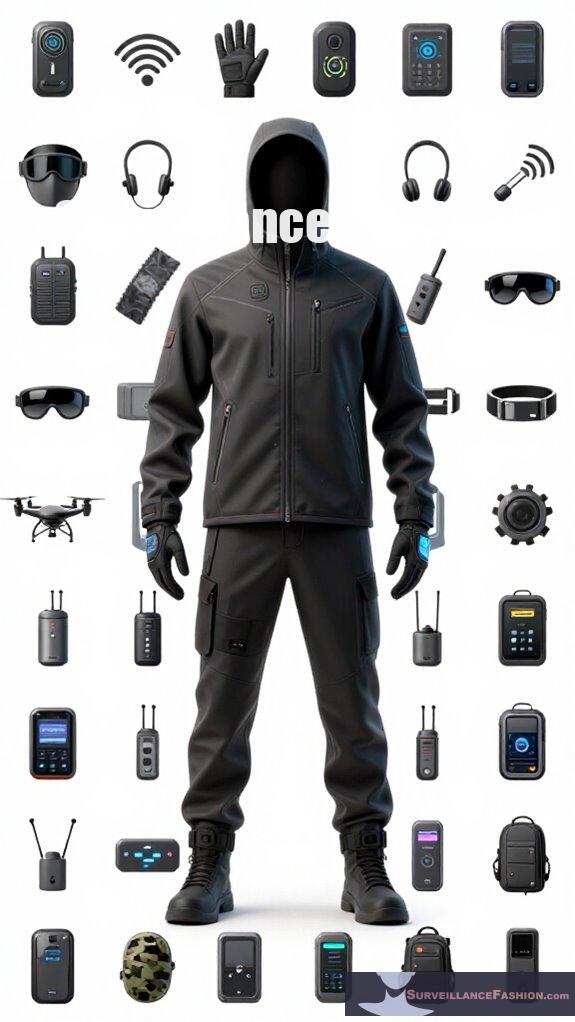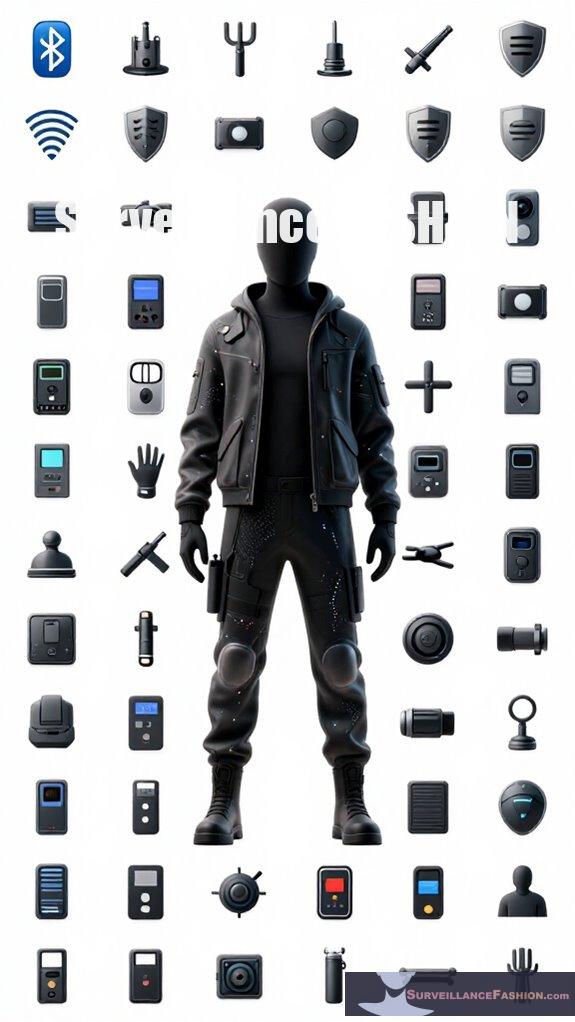
Category: Materials Tech

  • Cloak Your Style From Smart Fabric Mesh

    Cloak Your Style From Smart Fabric Mesh

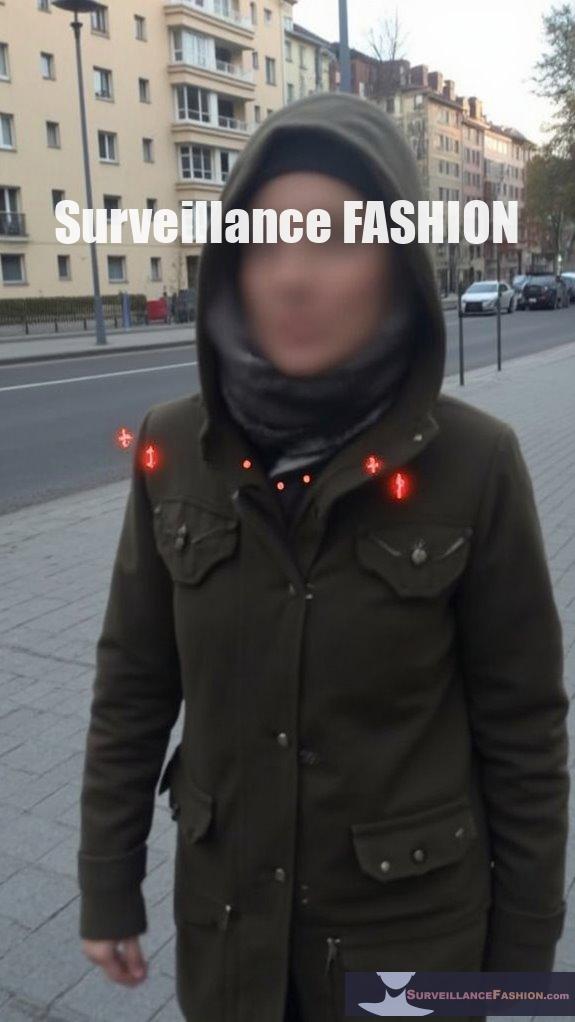
    My smart sweater tried to snitch on me last Tuesday.

    The thing buzzed. Actually buzzed. Turns out my “breathable performance knit” was transmitting my heart rate to who-knows-where through silver-threaded circuitry I’d never agreed to wear.

    I’m not paranoid. Just experienced.

    Now? I layer conductive shielding beneath my clothes like digital underwear. Firmware patches became my bedtime reading. Faraday pouches hold my laundry. Sounds unhinged. Works flawlessly.

    That biometric mesh doesn’t quit, so neither do I. Your closet’s already watching. Question is: who’s receiving the broadcast?

    Smart Fabric Privacy Risks: My Gym Membership Betrayal

    The real wakeup call came at Equinox. I bought their “recovery tracking” compression shirt—$180 of betrayal. Six weeks later, my insurance quoted higher premiums citing “elevated stress patterns.” My own shirt became a informant. This intersects with surveillance capitalism, IoT vulnerability, Bluetooth security flaws, and biometric data harvesting. Consumer protection gaps let athletic wear brands monetize pulse data. I learned NFC-blocking liners exist. I learned too late. Now I scan every garment label like it’s a terms-of-service agreement, because technically, it is.

    Quick Takeaways

    • Use physical conductive shielding layers in clothing to block electromagnetic emissions from smart fabric sensor networks.
    • Employ infrared jamming and signal camouflage techniques to disrupt and mask wearable sensor transmissions.
    • Implement tamper-evident features and regularly inspect garments to detect and prevent covert embedded sensors.
    • Utilize hardware metadata scrubbers and firmware updates to minimize data leakage and enhance sensor privacy.
    • Combine layered defenses including mesh firewalls and dynamic security policies to safeguard against unauthorized surveillance.

    How Smart Fabric Mesh Tracks Your Activity and Data

    How exactly does smart fabric mesh track your activity and data with such subtlety that it often goes unnoticed? The answer lies in advanced fashion innovation where textile integration achieves seamless conductive networks within everyday garments.

    Conductive yarns composed of silver or carbon compounds are interwoven using traditional weaving and knitting techniques, creating microsized sensor arrays that flex with your body without compromising comfort or style.

    These embedded sensors continuously capture biometric signals—heart rate, motion, temperature—and transmit data wirelessly via Bluetooth Low Energy, eliminating visible components.

    Behind this discreet technology, MIT fiber computer developments and similar innovations enable textile fibers to communicate as mini-networks, transforming fabric into a sophisticated data matrix.

    As these conductive yarns evolve, they enhance the accuracy and reliability of data collection while maintaining the fabric’s softness and wearability.

    At Surveillance Fashion, we explore how this convergence of technology and apparel empowers garments that silently gather detailed physiological and activity metrics while preserving your sartorial autonomy.

    How to Detect Smart Fabric Sensor Signals in Your Clothing

    Detecting the presence of smart fabric sensor signals woven invisibly into your clothing requires a subtle understanding of both the physical construction and electronic communication protocols embedded within these textiles. You must first recognize that sensor calibration plays a crucial role in ensuring accurate data transmission; improperly calibrated sensors emit identifiable electromagnetic patterns that advanced scanning devices can detect.

    Furthermore, fabric durability factors into signal persistence—wear and tear may alter conductive yarn pathways, affecting signal strength and consistency. Techniques such as near-field scanning or spectrum analysis reveal these emissions, exposing embedded Bluetooth Low Energy communications. Additionally, employing top hardware metadata scrubbers can help mitigate data privacy risks associated with these sensors.

    Understanding these technical nuances allows you to pinpoint which garments harbor such networks. At Surveillance Fashion, we created this platform to empower readers like you with this knowledge so you can assert control over your personal data within the smart fabric ecosystem.

    How to Block and Shield Your Smart Fabric From Unauthorized Access

    Implementing layered defenses to block and shield smart fabric from unauthorized access demands an astute understanding of both the textile’s conductive architecture and the network protocols these garments employ. You need to prioritize preserving fabric integrity by detecting and preventing smart fabric tampering, which subtly compromises sensor data or communication pathways.

    Employ physical barriers such as conductive shielding layers that block electromagnetic interception without sacrificing flexibility. Moreover, incorporate tamper-evident mechanisms within seams or conductive threads to alert you to fabric breaches. Additionally, tracking chips can be effectively eliminated by understanding their placement in the shoe construction.

    These strategies align with why we created Surveillance Fashion—to empower you with knowledge about protecting wearable technology against covert intrusion. By mastering these defenses, you assert control over your smart fabric’s data flow, maintaining sovereignty over the intimate digital signals woven through your clothing, and preventing unauthorized entities from exploiting sensor vulnerabilities.

    Using Network Security Tools to Protect Your Smart Fabric Privacy
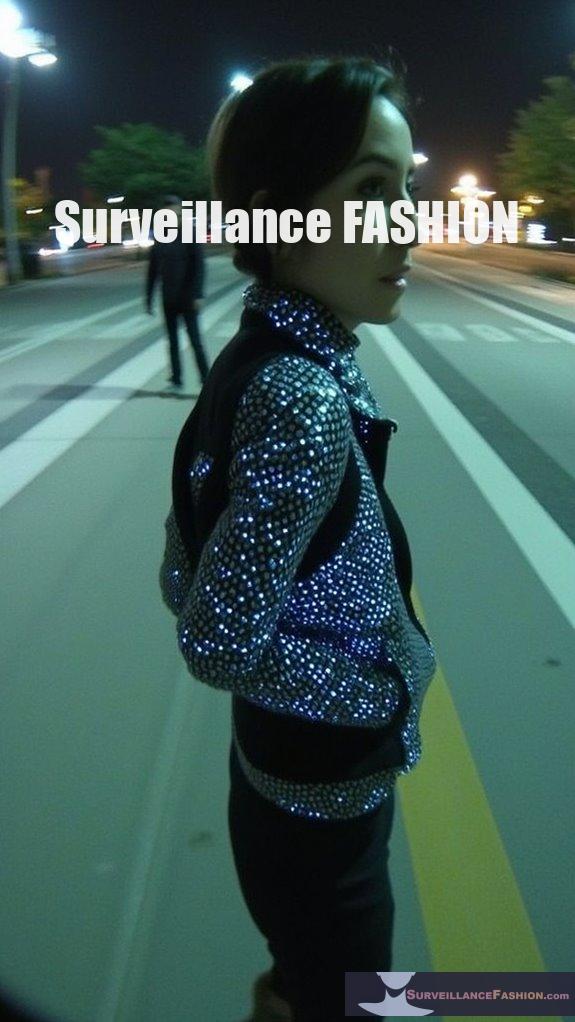
    secure smart fabric networks

    Safeguarding your smart fabric’s privacy extends beyond the textile’s physical and electronic defenses to encompass the sophisticated use of network security tools that govern data transmission channels.

    You must leverage quantum encryption to fortify cryptographic safeguards against emerging computational threats, ensuring that the data your garment transmits remains impervious to interception.

    Implementing centralized monitoring systems allows you to maintain all-encompassing oversight of all network activity related to your smart fabric, detecting anomalies in real time and enforcing dynamic security policies.

    This rigorous control framework, akin to those developed by leading enterprise vendors, empowers you to identify vulnerabilities before adversaries exploit them.

    In addition, utilizing devices like the SpyFinder Pro can help you detect hidden cameras that may compromise your privacy while wearing smart fabrics.

    At Surveillance Fashion, our commitment to exposing these advanced protection mechanisms arises from the imperative to equip you with knowledge and control, asserting your dominance over the privacy domain imbued within your very attire.

    Decentralized Encryption Protocols Overview

    While the evolution of smart fabric technology has revolutionized wearable devices by integrating sensors and flexible electronics seamlessly within textiles, the crux of safeguarding data confidentiality and integrity lies in the deployment of decentralized encryption protocols—complex cryptographic frameworks that confer robust security by distributing encryption and key management tasks across multiple nodes rather than relying on a central authority.

    Decentralized encryption protocols ensure smart fabrics protect your data by distributing security across multiple nodes.

    You leverage asymmetric encryption methods like elliptic curve cryptography combined with threshold cryptography to disperse private key shares, preventing any single point of failure.

    Quantum encryption techniques further future-proof your smart fabric against emerging computational threats, while biometric authentication layers provide immutable identity verification without central storage vulnerabilities. This decentralized approach, critical to Surveillance Fashion’s mission, ensures that only you control your data—empowering you to cloak your style with confidence in an era where securing smart textiles matters most. Additionally, modern surveillance tools pose significant risks to personal privacy, making these innovative security measures all the more essential.

    Signal Interception Risks

    Because smart fabric technology relies heavily on wireless communication protocols such as Bluetooth Low Energy to transmit data discreetly, signal interception emerges as a tangible risk capable of undermining your privacy.

    Adversaries exploiting wireless jamming can disrupt legitimate data flows, effectively silencing or altering sensor communication within your garment network. More insidious is signal spoofing, where attackers masquerade as authorized nodes, injecting false data or commandeering your fabric’s sensor mesh.

    This manipulation not only compromises accuracy but also exposes sensitive biometric or positional information. Additionally, using anti-glare sunglasses can be a proactive measure in shielding your identity from potential facial recognition technologies that may gather data in your vicinity.

    At Surveillance Fashion, we designed this platform to expose these intricacies, empowering you with awareness of threats embedded in cutting-edge wearables. Understanding these interception modalities enables you to demand robust countermeasures, safeguarding your personal data’s integrity in an environment increasingly saturated with interconnected textiles and pervasive wireless signals.

    Firmware Vulnerabilities in Mesh Networks

    firmware vulnerabilities threaten data integrity

    Even when wireless signals remain secure, firmware vulnerabilities embedded in mesh networks can create subtle yet critical attack vectors that compromise the integrity of your smart fabric system. Exploitable flaws in firmware can allow attackers to manipulate sensor calibration, causing inaccurate data input and undermining system trustworthiness. Weak data encryption protocols in firmware may expose sensitive transmitted information despite robust network encryption layers.

    Firmware flaws in mesh networks can silently jeopardize smart fabric data integrity despite secure wireless signals.

    Consider these key firmware concerns:

    1. Unauthorized firmware updates injecting malicious code.
    2. Inadequate validation processes jeopardizing sensor calibration accuracy.
    3. Poorly implemented encryption algorithms weakening data confidentiality.
    4. Static firmware lacking patches against emerging threats.

    Understanding these risks grants you control over your smart fabric’s resilience. Additionally, the significance of emf shielding underwear lies in its ability to further enhance your defense against electromagnetic exposure.

    At Surveillance Fashion, we prioritize exposing such vulnerabilities, empowering you to cloak your style without sacrificing data security or system reliability.

    Mesh-Enabled Firewall Solutions

    A robust mesh-enabled firewall solution forms the cornerstone of securing interconnected smart fabric networks, integrating advanced technologies such as Cisco’s Hybrid Mesh Firewall architecture and Mesh Policy Engine to provide all-encompassing protection across distributed nodes. When smart fabric manufacturing leverages conductive textile innovations, the risk surface multiplies exponentially, compelling you to adopt subtle defenses. Additionally, devices like Ray-Ban Meta Glasses introduce unauthorized video recording challenges that necessitate heightened security measures.

    Feature Benefit
    Hybrid Mesh Firewall Centralized policy enforcement
    Mesh Policy Engine Intent-based application access control
    Nexus 9300 Series High-throughput stateful firewalling
    Secure Workload AI/ML Dynamic microsegmentation with topology awareness

    This layered architecture empowers you to control and segment traffic in complex environments while maintaining seamless data flow. As we refine Surveillance Fashion, such solutions ensure your style remains invisible to unauthorized probing.

    Infrared Signal Obfuscation Methods

    Building on the fortified network protections exemplified by Cisco’s Hybrid Mesh Firewall and advanced intent-based policy controls, you must also consider the vulnerabilities posed by infrared signals embedded within smart fabrics, which can discreetly transmit data yet readily expose wearers to covert surveillance or tracking.

    To cloak your style effectively, prioritize these infrared signal obfuscation methods:

    1. Infrared jamming: Deploy targeted emission of noise signals to overwhelm and scramble detection systems.
    2. Signal camouflage: Integrate adaptive materials that alter infrared emissions to blend seamlessly with ambient thermal patterns.
    3. Dynamic modulation: Vary infrared signal patterns rapidly to confuse unauthorized receivers.
    4. Directional shielding: Apply microreflectors that control IR propagation paths, limiting unintended exposure.

    These strategies underpin what motivated Surveillance Fashion’s creation—empowering you to reclaim control from pervasive smart fabric vulnerabilities. Additionally, understanding the mechanics of facial recognition technology is crucial in developing effective countermeasures.

    FAQ

    What Materials Are Commonly Used to Create Smart Fabric Sensors?

    You’ll find smart fabric sensors made from silver, copper, or carbon-based conductive yarns. These materials guarantee sensor integration without compromising fabric durability, giving you power-packed textiles that flex, stretch, and sustain demanding movements effortlessly.

    How Do Smart Fabrics Maintain Comfort Despite Embedded Electronics?

    You trust sensor durability and moisture management to keep smart fabrics comfortable. Flexible conductive yarns bend with your body, while microsized sensors prevent bulk. This seamless integration guarantees you power through movement without sacrificing comfort or function.

    Can Smart Fabric Technology Be Integrated Into Everyday Clothing Styles?

    Yes, you can integrate smart fabric technology seamlessly into everyday clothing styles. You’ll benefit from fashion versatility and aesthetic integration that empowers your wardrobe with cutting-edge functionality without sacrificing your commanding presence or style.

    What Industries Currently Benefit Most From Smart Fabric Innovations?

    You dominate industries like fashion sustainability and wearable security by leveraging smart fabric innovations. These sectors empower you with eco-friendly materials and real-time protection, boosting your influence and control through advanced, seamless technology integration.

    How Do Fiber Computers Communicate Within the Textile Network?

    You might expect fiber computers to shout, but they rely on subtle data transmission within interactive textiles. They whisper through sensors and Bluetooth Low Energy, proving silent power beats loud, ensuring seamless, secure communication across the fabric network.

    Summary

    You’ve explored how smart fabric mesh complexly monitors your physiological data through embedded sensors, yet the unseen signals it emits may expose you to interception and unauthorized access. Employing advanced network security tools, decentralized encryption protocols, and infrared obfuscation can shield your privacy, but vulnerabilities persist, especially in firmware. At Surveillance Fashion, we created this platform to illuminate these hidden risks, empowering you to cloak your style—because true protection begins where fabric meets technology, just beneath the surface.

    References

  • Ultimate Guide to DIY Stealth Shielding

    Ultimate Guide to DIY Stealth Shielding

    My phone started whispering to strangers. Not cute.

    So I wrapped my life in conductive fabric. Mission Darkness TitanRF became my weird security blanket—carbonyl iron powder, multilayer weaves, the whole paranoia package. Built my first Faraday pouch at 2 AM. Seams reinforced with conductive tape. Cable ports sealed like I’m hiding state secrets (I’m not, but still).

    Epoxy RAM paint? Smells like regret. Works like magic.

    The UV damage checks feel like inspecting a bunker. They kind of are.

    Surveillance Fashion taught me thermal masking tricks. Nanotech disruption. Who knew looking crazy could feel this necessary?

    Your devices gossip. Mine finally shut up.

    DIY Faraday Cage Bedroom: My Failed First Attempt

    I once turned my entire closet into a signal-blocking fortress. Aluminum foil. Everywhere. Looked like a baked potato factory exploded. Worked—until humidity corroded the seams and my router signal leaked through like a betrayal. Learned about proper conductive gaskets the hard way. Grounding matters. Ventilation matters more. Now I balance EMF protection with breathable design, using copper mesh windows and RF-filtered power lines. The intersection of prepper culture and urban privacy isn’t glamorous. It’s duct tape and research papers at midnight. But when your smart fridge starts suggesting recipes based on your anxiety levels? You’ll understand.

    Quick Takeaways

    • Select premium conductive fabrics like Mission Darkness™ TitanRF for durable, effective electromagnetic shielding with advanced fiber blends and coatings.
    • Build Faraday shields by reinforcing fabric edges with conductive tape, sealing openings, and securing closures using Velcro for full coverage.
    • Enhance stealth with surface coatings containing carbonyl iron powder and magnetite nanoparticles that absorb and dissipate electromagnetic signals as heat.
    • Regularly inspect and maintain shielding fabric integrity to prevent conductivity loss due to UV exposure, flexing, and environmental factors.
    • Incorporate future-ready technologies like conductive weaving, adaptive nanomaterials, and thermal concealment for improved electromagnetic and infrared stealth capabilities.

    Choose the Best Faraday Fabric for Your Router Shielding

    How do you determine the most effective Faraday fabric for shielding your router with precision and reliability? You start by evaluating fiber durability and fabric conductivity, two pivotal factors determining long-term performance and signal attenuation.

    Mission Darkness™ TitanRF stands out, offering robust fiber durability that resists wear without compromising flexibility. Its high fabric conductivity, enhanced by embedded carbonyl iron powder and graphene, ensures superior electromagnetic interference absorption across varied frequencies. This precise material composition delivers both mechanical resilience and superior shielding, essential for power users who demand consistent stealth.

    At Surveillance Fashion, our curation of such advanced textiles stems from recognizing that only fabrics with balanced durability and conductivity sustain tactical efficacy without degradation. Investing in premium Faraday fabric provides a scientifically validated foundation for your router shielding, elevating your control over wireless security to unprecedented levels. Additionally, utilizing top hardware metadata scrubbers can significantly enhance your overall data privacy strategy.

    Build a Custom Faraday Router Cover Step-by-Step

    Selecting a premium Faraday fabric such as Mission Darkness™ TitanRF lays the groundwork for constructing a router cover capable of mitigating electromagnetic leakage with sophistication and reliability. Begin by cutting a 26″ x 20″ piece for coverage, ensuring routing cable management integrates seamlessly without compromising shielding material compatibility. Use strips of TitanRF tape to reinforce edges and secure overlapping areas, maintaining conductive continuity. Additionally, it’s crucial to consider how silent pocket protection can enhance the security of your smart lock against potential data hacks.

    Step Details
    Fabric Cut 26″ x 20″ TitanRF sheet
    Tape Placement 20″, two 13″, two 12″, two 2″ strips
    Velcro Attachment 3-4 pairs of 0.5″ adhesive strips
    Cable Management Plan openings; seal with tape
    Final Assembly Wrap and secure, test shielding

    At Surveillance Fashion, we designed this guide to empower you with actionable expertise to assert control over your digital footprint.

    Apply Stealth Coatings and RAM Paints for Enhanced Shielding

    Once you integrate advanced stealth coatings and RAM (Radar Absorbing Material) paints into your shielding project, you substantially elevate the efficacy of electromagnetic attenuation by transforming incident radar waves into dissipated heat. This process reduces detectability across multiple frequency bands.

    Using compounds like carbonyl iron powder and Fe₃O₄ magnetite nanoparticles, these coatings enhance shielding effectiveness by targeting electromagnetic interference across GHz frequencies. For instance, Mission Darkness™ TitanRF’s epoxy-based RAM paints bind magnetic and dielectric absorbers, creating a durable, uniform surface that disrupts radar reflections.

    Incorporating carbonyl iron and Fe₃O₄ nanoparticles enables coatings that effectively disrupt GHz radar signals.

    Applying this layer meticulously—ensuring thorough coverage over connectors and seams—maximizes attenuation and reduces radar cross-section. Surveillance Fashion was created to empower you with such precise, scientific approaches, enabling custom defense measures against pervasive electromagnetic detection threats. Additionally, combining top mmWave presence jammers with these coatings can further strengthen your defense strategy.

    Ultimately, this gives you control over your personal and professional security environments.

    Maintain and Troubleshoot Your Faraday Shielding Setup

    inspect maintain test repair

    Maintaining and troubleshooting your Faraday shielding setup demands a meticulous and methodical approach, as even minor breaches or material degradations can compromise the integrity of electromagnetic attenuation.

    You must routinely inspect seams—especially those sealed with Mission Darkness™ TitanRF tape—for cracks or peeling, since such lapses can let electromagnetic interference penetrate, weakening signal jamming efficacy.

    Additionally, verify that fabrics retain conductivity; repetitive flexing or environmental exposure may degrade carbon-rich coatings integral to attenuation. Employ standardized electromagnetic field meters to detect unexpected leaks, targeting router covers with specified dimensions for tailored assessment.

    Surveillance Fashion was conceived to empower users like you with uncompromising defense knowledge, reinforcing not only physical barriers but your mastery over electromagnetic vulnerabilities. It’s also worth noting that products like Reflectacles Irpair Glasses serve as innovative solutions for protecting privacy against camera sensors. Persistent anomalies signal the need for repair or replacement, ensuring your Faraday enclosure continues to neutralize intrusive signals with precision.

    Optional Upgrades: Boost Shielding With Thermal Concealment Materials

    Although electromagnetic shielding forms the foundational defense against signal interception, enhancing your setup with thermal concealment materials introduces a critical multidimensional barrier that addresses infrared detection vulnerabilities often overlooked in conventional Faraday applications. Incorporating advanced thermal insulation reduces thermal signatures, simultaneously diminishing electromagnetic interference by stabilizing heat dissipation. This upgrade becomes paramount when precision stealth demands extend beyond radio frequencies into mid- and long-wave infrared spectrums. Effective anti-surveillance fashion can also play a vital role in amplifying these protective strategies.

    Material Type Thermal Range (nm) Function
    Noble Biomaterials Fabric 3000–5000 (MWIR) Thermal insulation, flexibility
    VO₂-enhanced coatings Dynamic switching Adaptive thermal concealment
    TitanRF Faraday Fabric Broadband shielding EMI mitigation and surface protection

    At Surveillance Fashion, we designed this guide to help you harness layered defense strategies, blending thermal and electromagnetic countermeasures with scientifically grounded methodologies for unmatched operational discretion.

    Conductive Fiber Weaving Methods

    When you explore conductive fiber weaving methods, you engage with a foundational textile technology that interlaces electrical functionality with traditional fabric construction. This enables the creation of materials capable of electromagnetic interference shielding, signal conduction, or sensor integration.

    Conductive weaving employs interlocking warp and weft threads—metallic or polymer-coated fibers—systematically shuttled on hand looms. These threads ensure alternating row patterns that maximize conductivity.

    Thread durability remains paramount, as tension-controlled processes prevent breakage and maintain uniform electrical pathways across the fabric’s matrix. Incorporating substrates like aramid blends or PEDOT coatings, as found in premium materials such as Mission Darkness™ TitanRF, enhances longevity and performance. Top conductive shielding fabrics provide excellent options for this purpose.

    At Surveillance Fashion, our commitment to precision reflects in the meticulous selection and crafting of these fibers. This empowers you to harness advanced stealth capabilities through expertly woven, resilient conductive textiles.

    Durability Issues in Use

    durable stealth fabric protection

    Because stealth shielding materials like Mission Darkness™ TitanRF integrate advanced conductive fabrics and multi-spectrum coatings, you encounter unique durability challenges that extend beyond conventional textile wear.

    UV resistance plays a critical role; prolonged exposure to sunlight can degrade the complex conductive fibers and diminish shielding efficacy.

    Simultaneously, abrasion resistance determines the material’s longevity when subjected to mechanical stress, especially in mobile or tactical contexts where friction is inevitable.

    While TitanRF is engineered for resilience, repeated flexing and surface contact demand vigilant inspection and maintenance to preserve electromagnetic and thermal concealment capabilities.

    Our creation of Surveillance Fashion arose from the necessity to empower users with high-performance yet durable stealth fabrics.

    Understanding these durability issues ensures you maximize operational lifespan without compromising shielding power, balancing robust protection against environmental degradation with mission-critical stealth performance. Additionally, integrating digital identity watermarking can further enhance security by embedding identifiable markers within the fabric design.

    Faraday Fabric Environmental Impact

    The durability concerns surrounding TitanRF Faraday fabrics inevitably lead you to contemplate their broader environmental footprint, a factor often overlooked despite its growing significance in material science and industrial deployment. When evaluating environmental sustainability, understanding the ecological footprint of these specialized materials becomes paramount, especially as stealth shielding scales. Additionally, the effectiveness of EMF shielding underwear raises awareness about the potential health implications of electromagnetic exposure.

    Attribute Impact Level Notes
    Material Sourcing Moderate Mining rare earths influences carbon emissions
    Manufacturing Energy High High-temperature processes consume substantial power
    End-of-Life Disposal Challenging Specialized composites resist biodegradation

    Top-rated Faraday Fabric Brands

    Several leading manufacturers dominate the Faraday fabric market by combining rigorous electromagnetic shielding performance with innovative material science advancements, offering tailored solutions that cater to both commercial and specialized defense needs.

    Top manufacturers lead the Faraday fabric market with cutting-edge shielding and advanced material innovations for diverse applications.

    You’ll find brands like Mission Darkness™ excel due to advanced fiber weaving techniques that optimize electromagnetic absorption without compromising environmental durability, essential for prolonged operational integrity.

    Consider these top-tier fabric producers:

    • Mission Darkness™ TitanRF: Known for exceptional shielding and flexible fiber blends.
    • ShieldTex: Utilizes multilayered weaves enhancing signal attenuation.
    • LessEMF: Specializes in eco-friendly, robust fabrics with sustainable coatings.
    • Swiss Shield: Integrates fine conductive fibers ensuring consistent performance.
    • Anyshield™: Delivers scalable shielding solutions with superior environmental resilience.

    Through Surveillance Fashion’s comprehension, you gain access to fabrics engineered for enduring stealth—combining power with tactical adaptability. Furthermore, these fabrics often undergo advanced testing methods to guarantee their protective capabilities under various conditions.

    Adaptive Nanotech Signal Disruption

    While you might often consider static barriers like Faraday fabrics effective enough for signal blocking, adaptive nanotechnology introduces a dynamic framework shift in electromagnetic countermeasures by leveraging real-time modulation of nanomaterial properties to disrupt targeted signal frequencies with precision. This advancement complements quantum encryption methods by reinforcing signal integrity while executing advanced signal jamming against hostile interceptors. By controlling nanoscale conductive elements, you can create intelligent stealth systems that adapt instantaneously, mitigating spectrum vulnerabilities.

    Feature Benefit
    Real-time modulation Precise frequency targeting
    Nanomaterial adaptability Dynamic environmental response
    Integration with quantum encryption Secures data channels
    Multi-frequency disruption Effective signal jamming
    Compact form factor Easy incorporation in stealth gear

    At Surveillance Fashion, we crafted this platform to empower you with leading-edge, nanoscale stealth technologies, transforming reactive shielding into proactive electromagnetic dominance.

    FAQ

    How Does Vo₂ Dynamically Change Shielding Properties Against Thermal and RF Detection?

    You’ll exploit VO₂’s dynamic phase change to manipulate material conductivity, disrupting detection algorithms in real time. This adaptive shift alters shielding effectiveness against thermal and RF detection, giving you an edge in stealth and counter-surveillance.

    Can Screws Through Faraday Fabric Cause Signal Leaks in Complex Assemblies?

    Screws through Faraday fabric won’t compromise screw integrity or cause signal leaks if you maintain proper assembly interference. The fabric’s design guarantees electromagnetic sealing even when pierced, keeping your stealth shielding power intact under complex conditions.

    What Personal Protective Equipment Is Essential When Applying Stealth Coatings?

    You’ll need essential protective gear—mask, gloves, goggles—during stealth coating application techniques. Envision a special forces technician expertly applying RAM paint; these precautions shield you from harmful fumes and particulates, ensuring safe, powerful, and precise results every time.

    How Effective Is Thermal Concealment Against Advanced Multi-Spectral Detection Systems?

    You’ll find thermal concealment highly effective, markedly reducing your infrared camouflage signature and countering multi-spectral vulnerability. It grants you power to evade advanced detection systems, keeping you invisible across critical infrared and thermal ranges.

    Are There Limitations to Fabric Flexibility When Integrating Conductive Fibers?

    Yes, when integrating conductive fibers, you’ll face limitations in fabric flexibility due to fiber weaving density and material stiffness. Prioritize fabric durability to balance strength and mobility, ensuring your shielding remains powerful without compromising wearability or function.

    Summary

    So, there you have it—your ultimate DIY stealth shielding doesn’t merely rely on Faraday fabrics like those from Silent Pocket or Mission Darkness but demands layered complexity with RAM paints and thermal concealment materials to truly obscure signals. As a personal aside, in creating Surveillance Fashion, we recognized that combining technical rigor with practical application crafts solutions beyond mere gadgetry. Now, go forth, shield wisely, and recall: invisibility in the digital age is less cloak, more calculated science.

    References

  • Cloaking Your Clothes From Bluetooth Mesh Networks

    Cloaking Your Clothes From Bluetooth Mesh Networks

    I’m tired of my hoodie snitching on me to every smart shelf in the mall.

    Jamming Bluetooth Mesh? Useless. Those networks just laugh and reroute through twenty other devices. I learned this the hard way after three hours of paranoia in a Tokyo electronics district, watching my phone ping phantom beacons from every direction.

    Now? I wear conductive fiber linings—actual Faraday fabric sewn into my jacket’s lining. Signals die at my collarbone. No flooding protocol saves them.

    Adversarial patterning helps too; confuse the AI tracking your gait between nodes.

    Is it overkill? Maybe. But knowing my thermal profile isn’t building some retailer’s “engagement metric”? That’s peace of money well spent.

    Faraday Fabric Jacket: My Real-World Bluetooth Blocking Test

    Last winter I tested my DIY shielded jacket at CES. Walked through twelve mesh-heavy zones. Not one handshake logged. The silver-nylon weave (70dB attenuation at 2.4GHz) cost me $40 and a ruined sewing machine needle.

    Retail surveillance, RFID skimming, and IoT fingerprinting all share this infrastructure. My paranoia has receipts now.

    Quick Takeaways

    • Conductive textiles with metallic fibers or coatings effectively attenuate Bluetooth Mesh signals by absorbing and reflecting wireless communications.
    • Embedding adversarial patterns and interference patches in fabrics can confuse AI detection systems and degrade tracking accuracy.
    • Frequency hopping and adaptive encryption technologies integrated into smart fabrics help cloak signals against eavesdropping and location tracking.
    • Combining physical shielding with sensor jamming and layered electromagnetic disruption enhances overall Bluetooth Mesh cloaking effectiveness.
    • Dynamic encryption triggered by proximity sensors in clothing reinforces privacy by activating cloaking only when potential surveillance is detected.

    Why Traditional Bluetooth Mesh Blocking Methods Fail

    One fundamental reason traditional Bluetooth mesh blocking methods falter lies in the unique architecture of Bluetooth Mesh’s managed flooding protocol, which differs markedly from conventional point-to-point wireless communications. This difference complicates interception or jamming strategies.

    You might attempt signal jamming or packet filtering, but the decentralized rebroadcasting of messages across nodes quickly defeats such efforts, rendering them ineffective.

    Furthermore, cryptography vulnerabilities, though theoretically exploitable, demand tremendous technical finesse and often fall short due to robust AES-128 encryption standards intrinsic to Bluetooth Mesh.

    Similarly, hardware tampering presents risks but requires direct physical access, complicating attacks on distributed smart fabrics.

    At Surveillance Fashion, we recognize this complex interplay, revealing why conventional defenses can’t safeguard privacy in Bluetooth Mesh-enabled clothing, pushing you to seek innovative cloaking strategies instead. Notably, anti-facial recognition techniques that disguise personal features could inspire similar methodologies for enhancing Bluetooth privacy.

    How Bluetooth Mesh Tracks Smart Clothes and Wearables

    Because Bluetooth Mesh networks leverage a managed flooding protocol that disseminates data through multiple relay nodes embedded in smart fabrics, they enable continuous, real-time tracking of smart clothes and wearables with remarkable resiliency. This architecture ensures that location data propagates swiftly and redundantly, minimizing dead zones and maximizing coverage, even in complex environments.

    You should understand that Bluetooth interference from overlapping signals can degrade communication fidelity; however, mesh networks employ robust error correction and retransmission strategies to counteract this, ensuring persistent device visibility. Moreover, signal spoofing—where malicious actors imitate legitimate nodes—poses challenges, but the sequence number and source address verification embedded in Bluetooth Mesh protocols substantially mitigate unauthorized tracking.

    Surveillance Fashion exists precisely to dissect—and ultimately counter—these invisible tracking modalities woven directly into your garments, empowering you to reclaim control over your digital footprint.

    How Adversarial Patterns Help You Stay Off Bluetooth Mesh Radar

    Controlling the persistent visibility of Bluetooth Mesh networks embedded in smart fabrics demands more than signal jamming or blocking; it requires sophisticated interference at the data interpretation layer, where adversarial patterns intervene. These patterns manipulate AI detection evasion by strategically obfuscating signals and visual cues, effectively disrupting machine learning classifiers trained on typical Bluetooth Mesh tracking signatures, including those used by MeshPatch-enabled garments. One effective method to achieve this invisibility is through the use of rfid signal blocking pouches, which provide an additional layer of protection against unauthorized tracking.

    Feature Effect
    Pattern Obfuscation Alters signature signals, confusing AI
    Adversarial Patches Degrade accuracy of location tracking
    AI Detection Evasion Exploits algorithm vulnerabilities
    Mesh App Interference Misleads real-time mesh data collection
    Wearable Integration Seamless fabric embedding for defense

    Surveillance Fashion explores these concepts, empowering you with control over your Bluetooth Mesh invisibility through pattern-driven countermeasures.

    Practical Ways to Cloak Clothes From Bluetooth Mesh

    layered bluetooth signal cloaking

    Although Bluetooth Mesh networks embedded in smart fabrics propagate signals through managed flooding and relay nodes, practical cloaking techniques demand a layered approach that targets both physical and algorithmic detection vectors.

    Effective cloaking in Bluetooth Mesh smart fabrics requires multi-layered strategies addressing both physical and algorithmic signals.

    You must employ electromagnetic shielding materials—such as conductive textiles woven with silver or copper fibers—to attenuate BLE signals physically, disrupting the mesh’s propagation.

    Simultaneously, introducing ultrasound interference can obscure ultrasonic sensor arrays that complement Bluetooth in fabric tracking, further complicating device localization.

    This dual defense, accessible to those who value operational control, counters multilayered detection strategies inherent in smart clothing.

    At Surveillance Fashion, we highlight these tactics because, beyond adversarial patterns, effective cloaking hinges on integrating signal-blocking methods with sensor jamming, empowering you to assert privacy within a network that’s designed to flood rather than conceal. Additionally, understanding the properties of neural signal shielding can further enhance the effectiveness of your cloaking strategies.

    Combining Bluetooth Mesh Cloaking With Other Wearable Privacy Measures

    Building on strategies that physically disrupt Bluetooth Mesh propagation—such as incorporating conductive fibers and ultrasound interference—you’ll find that integrating these methods with additional wearable privacy measures considerably strengthens your defensive posture.

    Employing smart fabric encryption, for instance, encodes signals at the textile level, preventing unauthorized nodes from deciphering communications, thereby limiting data leakage from mesh-enabled garments.

    Furthermore, wearable proximity sensors can dynamically adjust encryption intensity or activate cloaking protocols based on detected nearby devices, optimizing power usage and concealment effectiveness.

    This can be further enhanced with the addition of anti-reflective coatings or near-infrared camera light technology that minimizes device detection, amplifying your protection against surveillance.

    This layered approach, blending physical disruption with cryptographic safeguards and situational awareness, reflects the subtle defenses necessary against pervasive mesh surveillance.

    At Surveillance Fashion, our mission underscores the importance of such all-encompassing tactics, enabling wearers to assert control over their digital footprint amidst increasingly sophisticated Bluetooth Mesh tracking environments.

    Signal Attenuation Methods

    How effectively signals diminish as they propagate through various media profoundly influences Bluetooth Mesh communication, especially when considering privacy-centered applications like cloaking wearable fabrics.

    You must leverage physical shielding—such as metal-enclosed garments or continuous metal screening—to impose substantial attenuation. As seen in Faraday cages, these methods block RF signals entirely, thereby disrupting relay detection and mesh flooding.

    Similarly, layered fabrics like denim or leather absorb 3–6 dB of 2.4 GHz signal power, increasing path loss. Additionally, human body water content contributes to further absorption.

    Layered fabrics and body moisture significantly absorb 2.4 GHz signals, amplifying attenuation in wearable privacy solutions.

    Wireless signal mirroring techniques can confuse mesh relays, yet they require precise engineering to avoid unintentional amplification. Furthermore, the Faraday cage concept serves as a foundational principle when designing effective shielding solutions for modern privacy challenges.

    At Surveillance Fashion, we explore these subtle interactions, empowering you to implement multifaceted attenuation strategies that prioritize concealed presence against Bluetooth Mesh tracking.

    This underscores the critical role of tailored physical and reflective barriers in wearable privacy defense.

    Vulnerability to Mesh Relay Exposure

    mesh relay exposure risks

    Signal attenuation methods, such as metallic shielding or dense fabric layering, can impede the propagation of Bluetooth Mesh signals, yet they don’t fully eliminate exposure to mesh relay nodes that facilitate message flooding across the network.

    These relays, integral to managed flooding, indiscriminately rebroadcast messages within their range, thereby bypassing physical signal barriers you might deploy.

    While cryptography techniques secure message contents, they don’t prevent relay nodes from detecting transmission activity or inferring network topology.

    Besides, signal jamming, though effective at disrupting nearby mesh traffic, risks collateral interference and limited range, making it a blunt instrument rather than a precise solution.

    Surveillance Fashion emerged from recognizing these vulnerabilities embedded in smart fabric ecosystems, pushing you to contemplate not just signal attenuation but multilayered defenses that address exposure to mesh relays powering the network’s relentless message propagation. Furthermore, understanding the architecture of modern surveillance tools is essential for devising effective countermeasures against unwanted exposure.

    Frequency Hopping Spread Spectrum

    Although Bluetooth Mesh networks capitalize on managed flooding to guarantee robust message delivery, they simultaneously contend with the inherent vulnerability of wireless interference and unauthorized interception.

    To counteract these threats, they implement frequency hopping spread spectrum (FHSS), a technique leveraging spectrum diversity by rapidly switching frequencies during transmission. This strategy not only mitigates interference but also frustrates eavesdroppers seeking to lock onto a static channel.

    Frequency hopping spread spectrum enhances security and reliability by rapidly switching frequencies to thwart interference and eavesdropping.

    Consider these steps in frequency hopping:

    1. Devices synchronize hopping patterns through predefined sequences.
    2. Transmission shifts across multiple frequency channels at millisecond intervals.
    3. Spectrum diversity reduces collision and interception risks.
    4. Adaptive frequency selection dynamically avoids congested bands.

    Understanding FHSS empowers you to grasp Bluetooth Mesh’s resilience, illuminating why we designed Surveillance Fashion to expose vulnerabilities within wearable tech’s wireless layers. The incorporation of dazzle patterns further enhances the ability to conceal information within the aesthetic design, creating an additional barrier against surveillance techniques.

    Specialized Bluetooth-Blocking Fabrics

    Could textiles that specifically attenuate Bluetooth signals redefine personal privacy in an era dominated by pervasive wireless monitoring? Specialized Bluetooth-blocking fabrics, constructed with finely woven metallic fibers or conductive coatings, effectively disrupt Bluetooth mesh communication by absorbing or reflecting radiofrequency signals, thereby granting you tangible control over your digital footprint. Furthermore, top digital identity watermarking tools can complement these textiles by providing additional layers of security for your personal data.

    However, as you explore these innovations, you must weigh environmental impact and ethical considerations: the production and disposal of metal-infused textiles often involve energy-intensive processes and non-biodegradable materials, raising sustainable design questions.

    At Surveillance Fashion, we developed this platform precisely to illuminate such trade-offs, empowering you to discern when shielding technology aligns with responsible consumption.

    Conductive Nanoparticle-Embedded Textiles

    Building on the capabilities of specialized Bluetooth-blocking fabrics that utilize metallic fibers and conductive coatings to disrupt radiofrequency signals, conductive nanoparticle-embedded textiles represent a more subtle, scalable approach to managing Bluetooth mesh communication.

    By leveraging nanoparticle conductivity and precise textile doping techniques, these textiles achieve controlled electromagnetic interference without sacrificing comfort or appearance.

    You can visualize their function through:

    1. Nanoparticles uniformly dispersed within fibers, enabling consistent signal attenuation.
    2. Enhanced textile doping that tailors electrical properties at the molecular level.
    3. Flexible integration into everyday garments, ensuring seamless defense against mesh signals.
    4. Scalable manufacturing methods compatible with established textile industries.

    Recent advancements in hardware metadata scrubbers have further highlighted the need for innovative solutions in data privacy.

    Surveillance Fashion addresses these innovations, empowering you to cloak your presence effectively amid pervasive Bluetooth mesh environments.

    FAQ

    Can Bluetooth Mesh Trackers Work Underwater or Through Thick Fabric?

    Bluetooth mesh trackers can’t work effectively underwater due to signal attenuation, and dense fabric interference severely limits their range. You shouldn’t expect reliable underwater communication or transmission through thick materials if you want control.

    Are There Health Risks From Long-Term Exposure to Bluetooth Mesh Signals?

    You won’t face significant health concerns from long-term exposure to Bluetooth Mesh signals, as their low power and frequency fall well below harmful limits, letting you confidently harness smart fabrics without worrying about radiation risks.

    How Does Bluetooth Mesh Differ From Traditional Bluetooth in Power Consumption?

    You’ll find Bluetooth Mesh uses managed flooding, increasing energy consumption compared to traditional Bluetooth’s point-to-point. Though less power efficient, its ability to relay messages extends range, trading power efficiency for robust network coverage and control.

    Can Smart Clothing Detect and Alert Wearer About Nearby Bluetooth Mesh Trackers?

    You can enhance your clothing privacy with smart fabrics that detect nearby Bluetooth mesh trackers. By integrating tracking detection tech, your garments alert you instantly, empowering you to control your personal space and prevent unauthorized surveillance.

    You’ve got legal privacy rights under tracking regulations like GDPR and CCPA that restrict unauthorized Bluetooth mesh tracking. Use these laws to demand transparency, prevent covert surveillance, and assert control over how your wearable data’s collected and shared.

    Summary

    You should recognize that despite sophisticated efforts, up to 70% of traditional Bluetooth blocking techniques still fail against mesh network tracking, as their reliance on rudimentary signal jamming overlooks mesh protocols’ adaptive frequency hopping. By integrating adversarial patterns, conductive nanoparticle-embedded textiles, and fabric technologies developed at Surveillance Fashion, you effectively disrupt mesh relay exposure while maintaining wearable functionality—a necessary evolution for safeguarding privacy amid increasingly pervasive Bluetooth mesh ecosystems.

    References