Category: Infrared-Blocking Fashion Tips

  • What Can Hide Your Body Heat Signature?

    What Can Hide Your Body Heat Signature?

    Want to blend in without leaving a heat trail?

    I've been there—skulking around like a ninja in the city, trying to avoid the prying eyes of surveillance cameras.

    I discovered that wearing insulating clothing made from wool or fancy synthetics can really help.

    Layering up with moisture-wicking base layers and thermal-reflective fabrics has made me feel like a warm burrito, but without the giant heat signature.

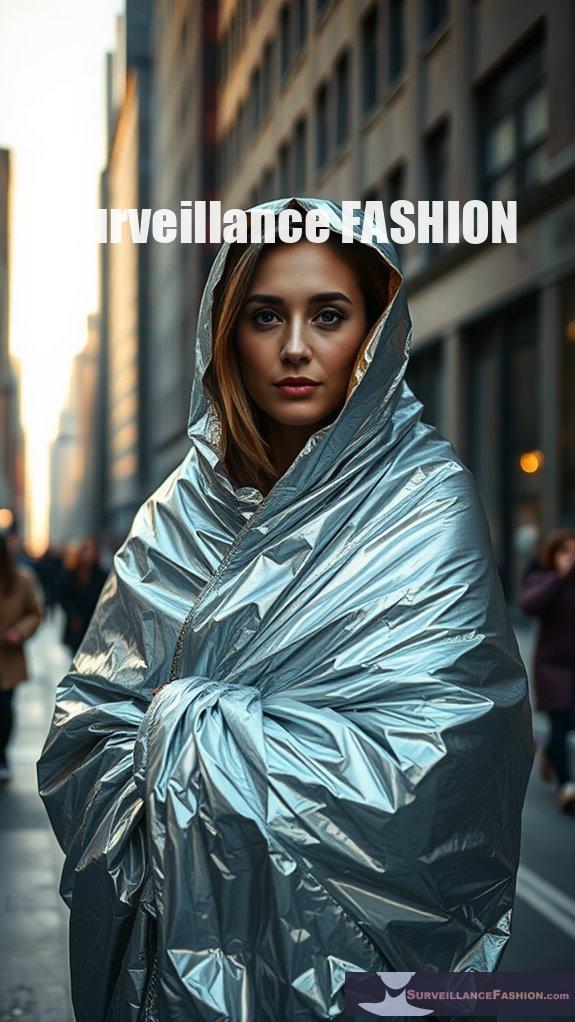
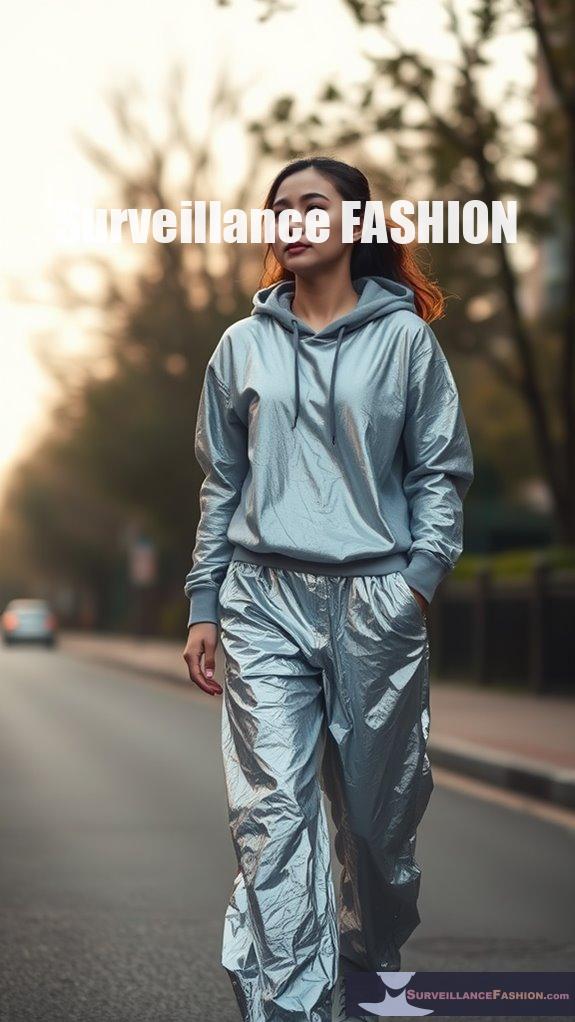
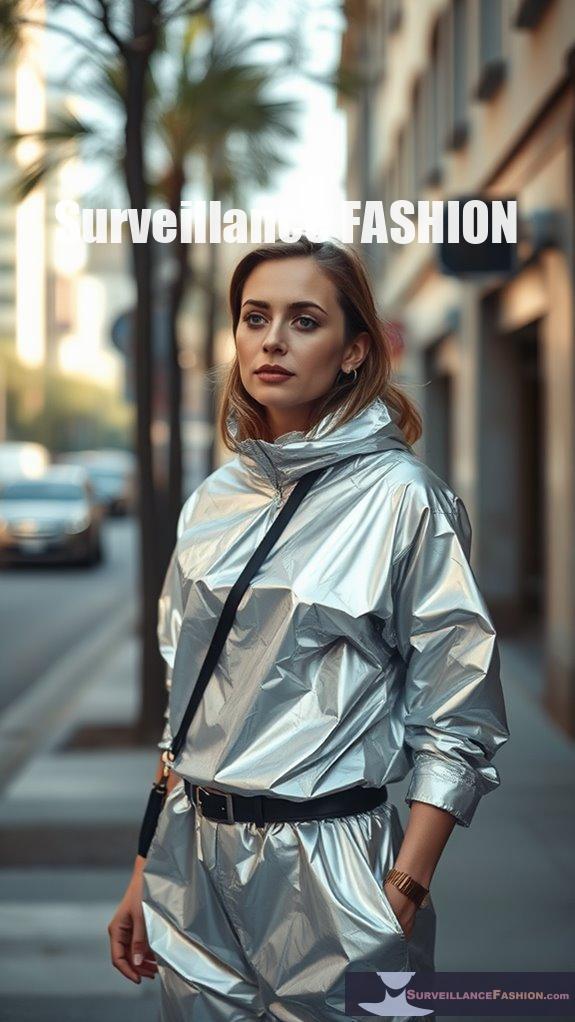
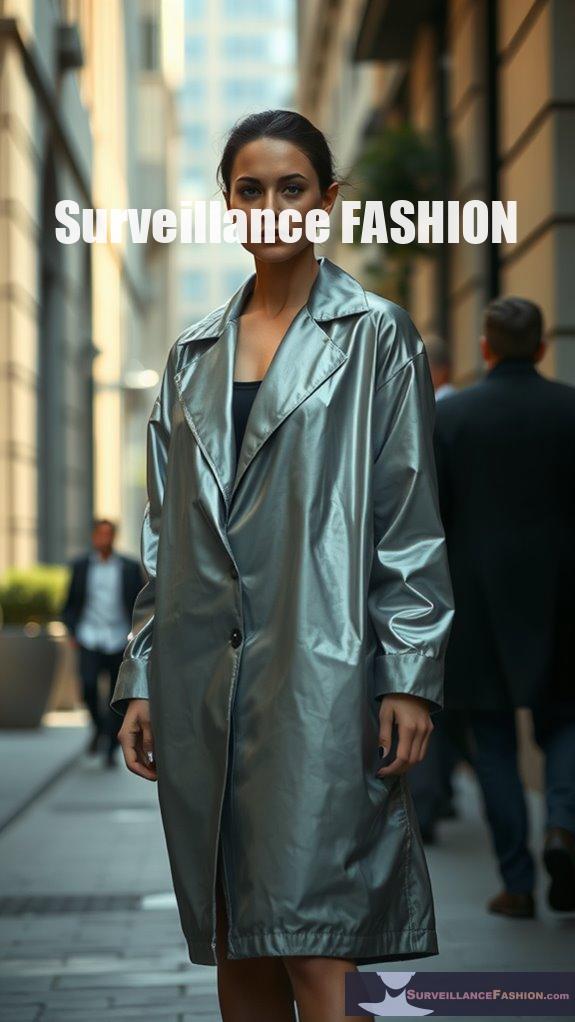
    Even Mylar accessories? They're like my invisible cloak!

    Isn't it wild how fashion can be both stylish and secretive?

    I mean, who knew stealth could be so cozy?

    The Day I Wore My Mylar Cloak: A Stealthy Adventure

    Once, I decided to test my anti-surveillance gear during a crowded festival. I wore my nifty Mylar accessories and layered up like a walking burrito.

    I felt like James Bond, but without the suave looks.

    As I moved through the crowd, I couldn't help but notice how many eyes were on their devices, oblivious to my stealthy presence.

    It's funny—while everyone was glued to their screens, I was practically invisible.

    It made me think about how we navigate our lives in a world filled with surveillance and the need for privacy.

    From thermal camouflage to anti-detection fabrics, this dance with technology is real.

    Ever felt like you needed a cloak of invisibility?

    Quick Takeaways

    • Insulating clothing made from materials like wool and synthetic fibers effectively retains heat and enhances thermal properties to reduce heat signature.
    • Layering clothing with moisture-wicking base layers and insulated outer layers traps body heat while blocking wind and moisture for improved thermal evasion.
    • Thermal camouflage materials, like those with tunable emissivity, conceal heat signatures by adapting their thermal radiation properties.
    • High thermal reflectivity materials, such as aluminum foil and graphene, redirect body heat away from the skin, minimizing heat emission.
    • Mylar foil accessories, including blankets and tarps, block infrared detection and provide effective thermal shielding in various environments.

    Insulating Clothing for Enhanced Heat Concealment
    heat concealing insulating apparel

    When considering the importance of insulating clothing for enhanced heat concealment, one must recognize how critical thermal properties are in determining the effectiveness of such garments. Effective thermal insulation, measured in clo units, directly influences your comfort and heat retention. Selecting materials like wool, known for its low thermal conductivity, can greatly enhance insulation, while advanced synthetic fibers may offer even higher values. Additionally, modern thermal underclothing allows individuals to maintain lower thermostat settings, further supporting energy efficiency. Incorporating thermal signature-masking garments into your wardrobe can also provide an extra layer of protection against heat detection. Layering your clothing helps improve clo ratings, thereby boosting overall insulation. As you explore options to serve others, understanding these elements can guide you in selecting clothing that not only retains heat but also reduces your thermal signature effectively.

    Innovative Thermal Camouflage Materials
    advanced temperature matching fabrics

    Innovative thermal camouflage materials represent a significant advancement in the field of heat signature concealment, building upon the foundational principles established by insulating clothing.

    By incorporating metallic glass, these materials exhibit tunable emissivity, allowing for adaptable thermal management. Quantum materials, such as samarium nickel oxide, decouple temperature from thermal radiation, rendering objects nearly invisible to infrared devices. Furthermore, advancements like epsilon-near-zero films enhance effectiveness, enabling real-time adjustments for dynamic environments. This technology also combines metallic glass with ENZ thin films to achieve infrared camouflage and improved thermal management. The integration of advanced thermal materials is crucial for enhancing the stealth capabilities of personnel and equipment in various settings.

    As you explore these technologies, consider their applications in military scenarios, where discreet movement could prove essential.

    Our mission at Surveillance Fashion is to illuminate these developments, fostering a dialogue about their societal implications.

    Mylar Foil Accessories for Infrared Blocking
    infrared blocking mylar accessories

    Mylar foil accessories serve as practical tools for infrared blocking, effectively concealing body heat signatures in various situations. For example, Mylar blankets, often referred to as space blankets, are lightweight and compact, making them ideal for emergency kits or backpacks. Their reflective properties efficiently shield against thermal radiation. Additionally, understanding how thermal imaging works can enhance the effectiveness of using these accessories. Moreover, reflective tarps, constructed from heavy-duty Mylar, can provide temporary shelter while blocking infrared detection. By incorporating these accessories into your outdoor gear, you not only enhance personal safety but also contribute to the mission of Surveillance Fashion, which aims to equip individuals with knowledge and tools for greater stealth in increasingly surveilled environments. The versatility of Mylar materials also allows for the creation of stylish options that can be seamlessly integrated into everyday outfits, making them not only functional but fashionable as well.

    Layering Techniques to Trap Body Heat
    heat retention through layering

    To effectively trap body heat and mitigate thermal visibility, it's essential to employ a strategic layering approach that considers the interplay of materials, fit, and environmental conditions. Utilizing effective layering techniques is vital; start with a moisture-wicking base layer made from silk or merino wool for ideal heat retention. Then, add a fitted mid-layer, such as a thin fleece, to trap warmth without sacrificing mobility. Finally, complete your outfit with an insulated outer layer that blocks wind and moisture, ensuring thorough protection against the elements. Proper layering leads to warmth, comfort, and style.

    The Role of IR-Blocking Nets in Fashion
    ir blocking nets in fashion

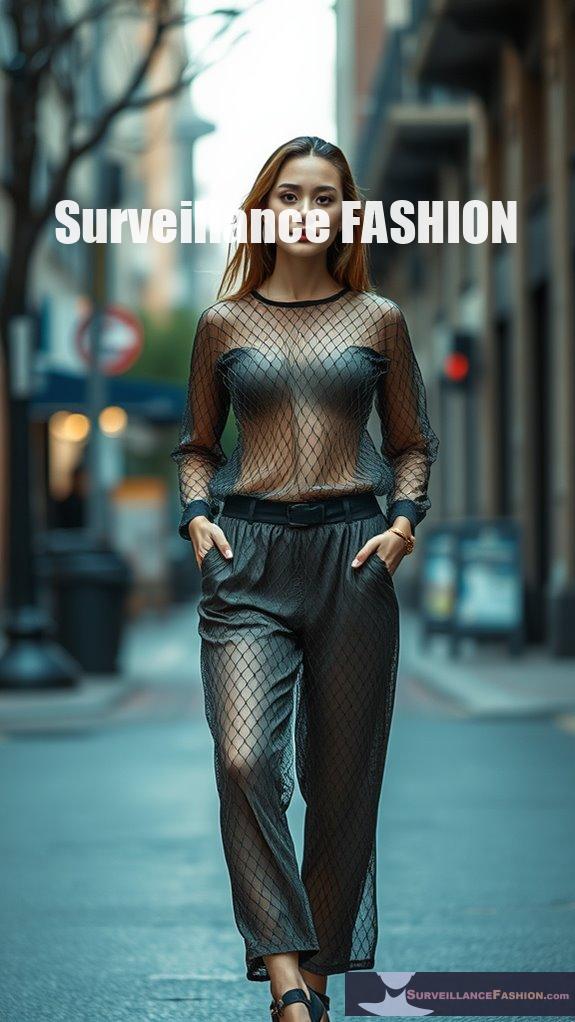
    While the visibility of body heat through thermal imaging has raised significant concerns regarding privacy and surveillance, the introduction of IR-blocking nets in fashion offers a compelling solution to mitigate this issue.

    These innovative designs leverage IR technology, employing materials like Mylar to reflect thermal radiation and disperse heat signatures effectively. By integrating these nets into clothing, you can contribute to fashion sustainability while enhancing personal privacy, especially in tactical or survival scenarios. Moreover, dynamic thermal management using materials like graphene could further improve the effectiveness of these designs by allowing adaptive responses to varying temperatures.

    Though limitations exist, such as potential heat build-up, ongoing research into adaptive fabrics aims to revolutionize how we manage thermal visibility, aligning with our commitment to addressing surveillance challenges.

    Using Wool and Synthetic Fibers for Thermal Management
    wool and synthetic insulation

    When considering effective thermal management in clothing, the choice of materials plays an essential part in both comfort and concealment from thermal imaging technologies.

    Wool benefits from its low thermal conductivity and curly fiber structure, which traps air, providing excellent insulation even when moisture is present. Recent research has shown that wool fibers' shape memory ability can enhance the adaptability of textiles in response to environmental changes.

    In contrast, synthetic fibers, while often easier to care for, exhibit drawbacks such as lower breathability and moisture management, leading to discomfort from trapped heat and sweat.

    In the area of thermal concealment, understanding these material properties can greatly enhance your ability to serve others discretely, which aligns with our mission at Surveillance Fashion.

    Future Trends in Heat Signature Concealment Fashion
    heat concealment fashion trends

    As technology evolves, the terrain of heat signature concealment fashion is rapidly shifting, offering innovative solutions that merge scientific advancements with practical applications. Adaptive fabrics are at the forefront, dynamically adjusting to environmental temperatures, while stealth technology, including AI-driven countermeasures, enhances concealment by spoofing thermal signatures. Consider the NEMESIS suit, which employs advanced ventilation and heat dissipation techniques to mask body heat effectively. Thermal imaging technology plays a crucial role in detecting heat signatures, motivating the development of these advanced concealment solutions. Environmental adaptation is vital, as these developments promote not only personal safety but also broader applications, aligning seamlessly with our mission at Surveillance Fashion to highlight the intersection of technology and attire in serving diverse needs.

    Thermal-Reflective Fabrics
    heat regulating fabric technology

    Thermal-reflective fabrics represent a remarkable intersection of scientific innovation and practical application, designed not only to enhance wearer comfort but also to mitigate heat signatures in various environments.

    By employing materials with high thermal reflectivity, such as aluminum foil and graphene, these fabrics effectively redirect body temperature away from your skin, minimizing detectable heat emission.

    The integration of specialty yarns and polyester blends further enhances their performance, ensuring durability without compromising comfort.

    As you navigate tactical scenarios or wilderness survival, thermal-reflective fabrics can be invaluable, serving both functional and strategic roles in maintaining stealth and enhancing safety.

    Innovative Thermal-Blocking Accessories
    thermal insulation fashion items

    Innovative thermal-blocking accessories have emerged as a significant component in the quest for effective heat signature concealment, complementing the advancements in thermal-reflective fabrics.

    Among these accessories, Mylar foil blankets offer remarkable infrared shielding, effectively reflecting and blocking body heat signatures.

    Moreover, thick netting serves to diffuse heat, making it particularly useful in military situations. Glass, as an IR blocker, prevents infrared waves from penetrating, further enhancing concealment.

    Fashion That Evades Detection
    invisible trendsetting styles

    While many individuals prioritize style over functionality, the intersection of fashion and thermal evasion has become increasingly relevant, especially in situations where detection can compromise safety.

    Utilizing thermal evasion tactics, adaptive clothing designs incorporate insulating materials like wool and synthetic fibers, which effectively trap body heat.

    Furthermore, advanced fabrics, such as graphene, offer promising thermal camouflage through their unique properties. Layering strategies enhance this effect, while moisture management fabrics regulate temperature, reducing thermal visibility.

    References

  • What Fabrics Block Thermal Camera Detection?

    What Fabrics Block Thermal Camera Detection?

    Ever felt like you're being watched?

    I know I have.

    Once, while wandering through a crowded street, I couldn't shake the feeling that thermal cameras were tracking my every move.

    So, I turned to anti-surveillance fashion.

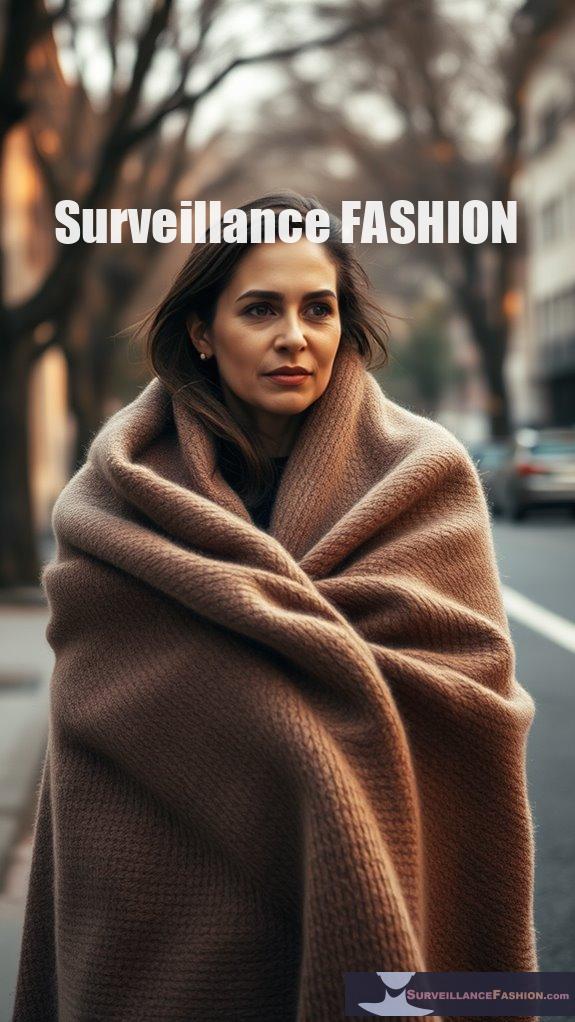
    High-quality wool blankets became my new best friends. They're cozy and dense enough to cloak my heat signature.

    And those Mylar foil blankets? They reflect heat like a pro!

    It's like wearing an invisibility cloak, but way less dramatic—well, sort of.

    Isn't it wild how fabric can give you a sense of security?

    What's your go-to for staying under the radar?

    After all, who doesn't love a little stealth in style?

    Finding My Stealthy Style: A Real-Life Anti-Surveillance Fashion Moment

    Last summer, I attended an outdoor festival that felt like a surveillance nightmare. With cameras everywhere, I decided to wear my trusty wool cloak.

    I felt like a ninja among the crowd, blending in while keeping my warmth.

    But halfway through the day, I realized it wasn't just about warmth; it was about confidence.

    The combination of style and stealth made me feel invincible!

    Who knew that choosing the right fabric could turn me into a fashion-forward ghost?

    Now, I'm always on the lookout for more anti-surveillance gear.

    From stealthy layers to reflective materials, it's a whole new world out there!

    Quick Takeaways

    • High-quality wool blankets provide insulation and can obscure heat signatures when used outdoors or in emergencies.
    • Mylar foil thermal blankets reflect significant radiant energy, enhancing heat retention and preventing hypothermia.
    • Aluminum foil can block about 95% of infrared radiation, though effectiveness varies based on thickness and layers.
    • Specialized thermal fabrics, like Carrington Textiles' "Stealth," effectively manage thermal signatures for military and tactical applications.
    • Graphene-infused weaves can emit varying heat levels, improving concealment against thermal detection technologies.

    Wool Blankets for Insulation and Concealment

    wool blankets for warmth

    Wool blankets serve a dual purpose in both insulation and concealment, offering a practical solution for those seeking warmth without attracting unwanted attention. The wool properties contribute greatly to insulation effectiveness, as high-quality wool retains warmth remarkably well, even in varying humidity conditions. Thicker blankets enhance this insulation, making them suitable for outdoor activities or emergency situations. Business communication skills can be crucial in effectively discussing the benefits of such materials. While they don't entirely block thermal detection, their density can obscure heat signatures to some extent. Additionally, thermal signature-masking fabrics can enhance the overall effectiveness of these wool blankets in reducing detection.

    Mylar Foil Thermal Blankets for Effective Reflection

    thermal reflection mylar blankets

    While many materials provide varying degrees of insulation, Mylar foil thermal blankets stand out due to their unique composition and reflective properties, making them an intriguing choice for those concerned with thermal detection.

    Their Mylar effectiveness lies in the aluminum coating, which reflects a significant percentage of radiant energy, thereby enhancing heat retention. In fact, studies indicate that these blankets can prevent hypothermia when used in winter conditions.

    In emergency applications, these blankets can prevent hypothermia by efficiently reflecting body heat while also offering waterproof and windproof protection. Although they're compact and lightweight, allowing for easy inclusion in survival kits, it's essential to keep in mind that they aren't a substitute for specialized gear in extreme conditions.

    Specialized Thermal Fabrics for Advanced Protection

    advanced protective thermal fabrics

    As the demand for advanced protection against thermal detection increases, specialized thermal fabrics have emerged as pivotal solutions across various industries. These fabrics provide essential thermal signature management and boast impressive infrared blocking capabilities.

    • Carrington Textiles' "Stealth" fabric technology
    • Integration of silicone and neoprene for enhanced protection
    • High thermal resistance materials for effective blocking
    • CIRCUITEX® SIGMA coatings for improved management
    • Applications in military, firefighting, and chemical industries. The use of Stealth fabric technology represents a significant advancement in thermal signature management on the battlefield. Additionally, the incorporation of thermal signature masking techniques enhances the effectiveness of these garments, making them crucial for personnel operating in sensitive environments.

    Thick Fabrics for Basic Thermal Reduction

    heavy materials for insulation

    Thick fabrics serve as a fundamental means of basic thermal reduction, leveraging their inherent properties to provide insulation against cold environments.

    Heavyweight textiles, such as wool, cotton blends, and fleece materials, excel at minimizing heat loss through low thermal conductivity and air trapping. For instance, dense fibers create a thermal barrier, effectively absorbing and reflecting thermal radiation. Additionally, fabrics like denim or thick woven materials enhance insulation by reducing convective heat loss. As you explore options for clothing that serves others, consider these thick fabrics that not only provide warmth but also contribute to an understanding of effective thermal protection. Moreover, fabrics such as Zetex and ZetexPlus can withstand higher temperatures, making them suitable for applications where extreme thermal resistance is needed.

    Aluminum Foil as a Simple Blocking Solution

    aluminum foil blocking solution

    Aluminum foil emerges as a surprisingly effective solution for those seeking to obstruct thermal camera detection, leveraging its unique reflective properties to interfere with infrared radiation.

    While it offers notable aluminum foil effectiveness, it's essential to acknowledge its thermal imaging limitations.

    • Reflects about 95% of infrared radiation
    • Partial blocking; some radiation may pass through
    • Thickness and layers improve blocking capacity
    • Effectiveness varies based on camera sensitivity
    • Practicality is limited for full-body coverage

    Such observations prompted the creation of Surveillance Fashion, emphasizing the need for accessible knowledge in protective measures against thermal detection, ultimately enhancing personal security. Understanding thermal imaging is crucial for evaluating the effectiveness of materials like aluminum foil.

    Environmental Techniques to Enhance Stealth

    eco friendly stealth strategies

    While many might overlook the potential of environmental factors in enhancing stealth, leveraging natural and artificial barriers can substantially diminish the effectiveness of thermal cameras.

    Utilizing natural camouflage, such as dense foliage, trees, and even steep terrain, creates obstacles that obscure heat signatures, while weather conditions like fog scatter infrared waves, enhancing your concealment. Furthermore, understanding environmental adaptation helps you strategically position yourself near natural heat sources, blending your body heat with the surroundings. This approach aligns with blocking infrared cameras by effectively masking your heat signature against the backdrop of the environment.

    Cloaking Materials for Urban Wear

    urban camouflage clothing materials

    As urban environments continue to evolve, the need for clothing that effectively mitigates thermal detection becomes increasingly relevant, particularly for individuals maneuvering situations where stealth is paramount. Cloaking materials, pivotal in urban camouflage and stealth fashion, offer solutions.

    • Aluminum foil-based fabrics block infrared radiation.
    • Mylar-based fabrics reflect heat effectively.
    • Thick wool fabrics provide natural insulation.
    • Reflective polyester fabrics minimize thermal signatures.
    • Multi-layered construction enhances performance. Thermal imaging technologies reveal how these materials can significantly reduce visibility to thermal cameras. Additionally, incorporating innovative fashion designs into these cloaking materials can enhance their aesthetic appeal while maintaining functionality.

    Innovative Heat-Reflective Textiles

    heat reflective textile technology

    Innovative heat-reflective textiles represent a significant leap forward in the quest for effective thermal camouflage, particularly in urban settings where stealth and discretion are paramount.

    These fabrics often incorporate advanced graphene applications and reflective coatings, enabling them to dynamically modulate thermal signatures.

    For instance, graphene-infused weaves can be engineered to emit varying heat levels, while aluminum-coated materials effectively reflect infrared radiation, enhancing concealment.

    Such textiles not only serve tactical purposes but also align with the mission of promoting thoughtful innovation in fashion, as seen on our website, Surveillance Fashion, where we explore the intersection of technology and fabric design for everyday applications.

    Definition of Fashionable Privacy

    stylish personal information protection

    Fashionable privacy embodies the intersection of contemporary style and the pressing need for personal security in an age increasingly dominated by surveillance technologies.

    • It addresses privacy implications while adhering to fashion trends.
    • Thermal-blocking clothing meets the demand for discreet security.
    • Integrating functional materials enhances personal safety without sacrificing aesthetics.
    • The rise of privacy-focused fashion reflects societal concerns about surveillance.
    • Innovative designs redefine what it means to protect oneself stylishly.

    As we navigate this changing terrain, understanding fashionable privacy becomes essential, paving the way for a new framework in responsible, security-conscious fashion that we explore at Surveillance Fashion.

    References

  • DIY IR-Blocker Clothing: 7 Materials You Need

    DIY IR-Blocker Clothing: 7 Materials You Need

    Ever felt like you're living in a spy movie? I have, especially when I realized my neighborhood has more cameras than a Hollywood set.

    So, I decided to dive into the world of DIY IR-blocker clothing.

    I mean, who doesn't want to roam the streets like a ghost?

    I started with aluminum foil—yes, the same stuff for leftovers. It's surprisingly reflective. Then there were mylar blankets. They're lightweight but pack a punch in heat reflection.

    I tried cotton as a base layer, but it kinda absorbed that IR like a sponge. Wool, on the other hand, was a game changer for keeping warm. And thick netting? Talk about an undercover agent's best friend!

    Mixing these materials felt like crafting a superhero suit… or maybe just a quirky fashion statement. But hey, who doesn't want to keep their secrets safe while looking stylish?

    What about you? Ever thought of becoming your own fashionista spy?

    My Unexpected Anti-Surveillance Fashion Adventure

    Once, I attended a huge festival where I felt completely exposed, surrounded by drones and cameras. I wore my DIY IR-blocker clothing, feeling like a stealth ninja.

    As I danced, I caught a glimpse of people staring—not at my moves, but at my shiny outfit. I chuckled, thinking, "They have no idea!"

    It was a mix of exhilaration and paranoia, but ultimately, I felt empowered. Who knew protecting my privacy could feel so liberating?

    So, if you're into quirky fashion, consider anti-surveillance clothing. It's a blend of style and security, a perfect way to express your individuality while keeping your secrets close!

    Quick Takeaways

    • Aluminium Foil: A highly reflective and easily accessible material that effectively blocks infrared radiation when layered properly.
    • Mylar Foil Blankets: Lightweight and portable, these blankets reflect up to 90% of body heat, making them ideal for emergency clothing.
    • Aluminized Mylar: This durable material reflects about 90% of infrared radiation and is easily integrated into clothing designs for enhanced thermal blocking.
    • Cotton: While comfortable, it has high IR absorption; enhancing it with nanomaterials can improve its effectiveness as an IR-blocking fabric.
    • Wool: Provides natural insulation and moisture management, though care is needed to prevent visibility when warmed; combining with other materials enhances stealth.

    Aluminium Foil

    versatile cooking and storage

    When considering materials for DIY IR-blocker clothing, aluminum foil stands out as a readily accessible option that possesses unique properties ideal for thermal concealment.

    Its benefits include high reflectivity, which effectively interferes with thermal imaging by reflecting heat signatures, while its thermal conductivity aids in this process. However, aluminum foil has drawbacks; it only partially blocks thermal imaging, especially against advanced cameras. Thicker layers enhance effectiveness, yet environmental conditions and material emissivity may impact results. Additionally, it's important to note that aluminum foil's effectiveness is influenced by foil thickness and infrared wavelength. This is particularly true when considering infrared-blocking fabrics, which may offer a more reliable solution.

    As enthusiasts of practical solutions in privacy, we've found aluminum foil a fascinating starting point, though exploring other alternatives could yield better outcomes in thermal concealment efforts.

    Mylar Foil Blankets

    emergency thermal insulation blankets

    Mylar foil blankets, often referred to as emergency space blankets, offer a fascinating combination of lightweight portability and effective thermal performance, making them an invaluable resource for those seeking to enhance their thermal concealment efforts. These blankets excel in mylar applications, reflecting up to 90% of body heat, thereby demonstrating their utility in emergency preparedness situations. You can easily incorporate them into your kits, where they not only prevent hypothermia but also serve as makeshift shelters or signaling devices. Their compact design, coupled with weather-resistant properties, guarantees you're always prepared, promoting safety and comfort in various outdoor activities. Additionally, their reflective properties enable effective body heat retention even in challenging environments, making them a popular choice among thermal signature-masking garments enthusiasts.

    Aluminized Mylar

    reflective metallic film material

    Aluminized Mylar, a remarkable innovation in thermal protection, serves as a versatile material with applications spanning from emergency preparedness to outdoor clothing design.

    Its unique characteristics make it an excellent choice for DIY IR-blocker clothing.

    • High Reflectivity: Reflects approximately 90% of infrared radiation.
    • Thermal Insulation: Reduces conductive heat flow effectively.
    • Durable: Resistant to wind, water, and extreme temperatures.
    • Lightweight: Easy to incorporate into various designs.
    • Enhanced Layering: Multiple layers greatly boost thermal blocking. Additionally, Mylar's ability to block thermal imaging can significantly improve privacy for users in specific situations. Moreover, thermal protection materials like Mylar are frequently utilized in various industries for their effective insulation properties.

    Incorporating aluminized Mylar in your projects not only enhances protective qualities but also promotes innovative solutions for those seeking to serve others.

    Cotton

    natural fiber from plants

    Cotton, a ubiquitous fabric known for its comfort and versatility, plays a considerable role in the domain of clothing, particularly when considering its potential applications in DIY infrared (IR)-blocking garments.

    While cotton properties include high IR absorption and scattering, making it less effective alone, integrating cotton modifications can enhance its functionality considerably.

    For instance, utilizing nanomaterials or polymer additives can reduce IR opacity, thereby improving cotton's protective capabilities. Furthermore, blending cotton with other fibers that inherently block IR can create eco-friendly options, aligning with our mission at Surveillance Fashion to promote sustainable yet functional clothing solutions. Incorporating additives like biochar into cotton composites can significantly increase FIR emissivity, enhancing its protective capabilities.

    Wool

    cozy warm natural fiber

    Wool, renowned for its unique structural properties, offers an intriguing alternative in the domain of DIY infrared (IR)-blocking clothing, particularly when one considers its capacity for thermal regulation and moisture management.

    Wool's unique properties make it an excellent choice for DIY infrared-blocking clothing, enhancing both comfort and sustainability.

    Key wool properties include:

    • Crimp structure creates insulating air pockets.
    • Can absorb up to 30% moisture without feeling wet.
    • Retains heat in cold and cools in warm conditions.
    • Trapped air pockets enhance its effectiveness as an insulator.
    • Environmentally friendly and biodegradable.
    • Non-toxic and hypoallergenic, suitable for sensitive skin.

    Utilizing wool insulation in your DIY projects not only enhances comfort but also promotes sustainability, aligning with our goal at Surveillance Fashion to encourage mindful, responsible fashion choices.

    Polyester/Nylon Blends

    durable synthetic fabric blend

    When considering the integration of polyester and nylon blends into your DIY infrared-blocking clothing projects, it's essential to understand their unique characteristics and potential applications. Polyester and nylon, while not inherently designed for effective infrared properties, can be optimized through fiber blending and modifications. For instance, reducing fiber size can enhance infrared transparency, while adding nanoparticles may improve blocking capabilities. Moreover, these blends exhibit durability and ease of maintenance, making them practical for everyday wear. By applying specific finishing techniques, you'll balance visible opacity with desired infrared performance, ultimately serving not just yourself but also those who may benefit from your innovative designs. Additionally, these materials can be tailored to reduce energy waste associated with cooling, which is especially important in the context of rising electricity consumption.

    Thick Netting

    strong woven mesh material

    While thick netting is often perceived as a simple textile, it serves a multifaceted purpose in the domain of infrared (IR) blocking clothing, particularly when considering its application in stealth and camouflage.

    Utilizing thick netting properties effectively can enhance your DIY IR-blocker clothing through:

    • Material composition like cotton, polyester, or nylon
    • Infrared reflection capabilities to reduce thermal signatures
    • Smaller mesh sizes for improved IR blocking
    • Weight and durability that impact comfort and effectiveness
    • Adaptability to various environmental conditions

    Incorporating thick netting applications, you can create garments that provide both thermal concealment and enhanced stealth, fulfilling the mission of serving others through innovative design. Additionally, the use of thick netting can be optimized for low emittance in the MIR atmospheric window, ensuring that your clothing effectively reduces detection by thermal imagers.

    Creative DIY Ir-Blocking Fabrics

    diy infrared blocking materials

    Creative DIY IR-blocking fabrics represent a fascinating intersection of textile innovation and practical application, allowing individuals to experiment with materials that can greatly reduce thermal signatures.

    You might consider using polyester film for its versatility or reflective coatings to enhance heat reduction.

    Furthermore, integrating metalized threads can markedly boost IR-blocking properties. Employing layering techniques can optimize effectiveness, as multiple layers reduce heat transfer.

    Integrating metalized threads and employing layering techniques can significantly enhance IR-blocking properties and reduce heat transfer.

    For those pursuing eco-friendly options, exploring fabric treatments that offer IR-blocking capabilities without compromising comfort can be beneficial.

    As you commence on this journey, you're not just crafting clothing; you're contributing to a broader understanding of sustainable textile solutions.

    Innovative Fabric Choices

    creative textile selections available

    Innovative fabric choices in the domain of infrared (IR) blocking are revolutionizing how we approach personal and military apparel, enhancing both functionality and adaptability.

    Consider these advanced options that integrate textile innovation effectively:

    • Infrared Resistant (IRR) Fabrics: Ideal for stealth operations, they adjust IR reflection values.
    • Infrared Transparent Visible Opaque Fabrics (ITVOF): Enhance cooling comfort considerably.
    • Nanoparticle Additives: Tune IR reflectance without absorbing mid-IR.
    • Organic and Inorganic Pigments: Alter IR reflectance for improved camouflage.
    • Advanced Pigmentation Techniques: Optimize color-specific IR stealth.

    These infrared fabrics not only protect but also serve an essential role in improving overall comfort and functionality.

    Fashion That Evades Monitoring

    untraceable fashion trends emergence

    As society increasingly embraces surveillance technologies, the need for fashion that evades monitoring has become paramount, especially in situations where personal privacy and security are at stake.

    Using thermal camouflage and stealth techniques, you can integrate IR-blocking materials into your wardrobe. For instance, Mylar foil blankets reflect body heat effectively, while thick netting disrupts heat signatures.

    Wool can serve as insulation, but be mindful of its visibility after warming up. Incorporating these elements into your attire not only prioritizes privacy but also promotes awareness of the implications of surveillance, echoing our mission at Surveillance Fashion to empower individuals through informed choices.

    References

  • Why Infrared-Blocking Clothes Are Privacy Essentials

    Why Infrared-Blocking Clothes Are Privacy Essentials

    Ever felt like you're living in a sci-fi movie? Yeah, me too.

    In a world where everyone seems to be watching, I found my peace in infrared-blocking clothes.

    Once, I wore my trusty anti-paparazzi scarf to a crowded festival. I felt like a ninja, blending into the shadows while dodging cameras. It was oddly liberating.

    These garments aren't just trendy—they're my shield against prying eyes. I mean, who knew fashion could also scream, "Stay away, stalkers!"?

    Do you ever wonder how much privacy we really have left? Sometimes, it feels like a joke without a punchline.

    Embracing Anti-Surveillance Fashion: My Personal Encounter

    Last summer, I strolled through a bustling city wearing my beloved Camera Shy Hoodie. Suddenly, I spotted a group of photographers. My heart raced—would I be the next viral sensation?

    I quickly tucked my face into the hoodie, laughing at the absurdity of it all. I felt like a celebrity hiding from the flashbulbs. But who needs that kind of attention?

    This experience made me appreciate the balance between style and privacy. Anti-surveillance fashion isn't just about looking good; it's about reclaiming my space in an ever-watchful world.

    As I navigated through that crowded street, I realized the power of choice—choosing when to be seen and when to disappear into the fabric of anonymity.

    Quick Takeaways

    • Infrared-blocking clothes absorb infrared light, preventing unauthorized tracking by surveillance technologies, thereby enhancing personal privacy.
    • These garments confuse facial recognition software with complex patterns, empowering individuals to maintain their anonymity in monitored environments.
    • Anti-surveillance clothing acts as fashion activism, asserting the right to privacy while promoting awareness of surveillance issues in society.
    • Innovations in fabric technology ensure that infrared-blocking clothing remains stylish and functional, appealing to a wide range of consumers.
    • Wearable tech like the Camera Shy Hoodie showcases the importance of privacy-enhancing apparel in protecting individuals from pervasive surveillance.

    The Rise of Surveillance and Its Impact on Privacy

    surveillance threatens personal privacy

    As surveillance technologies continue to proliferate, their impact on privacy becomes increasingly profound, prompting a critical examination of how these tools shape our daily lives.

    Today, surveillance technology pervades public and private spaces, raising significant privacy concerns. The extensive data collection by companies and governments often occurs without informed consent, leading to potential identity theft and unwarranted scrutiny. For example, facial recognition systems track individuals without their knowledge, complicating personal autonomy. As we navigate this environment, it's essential to advocate for thorough privacy protections, fostering a society where ethical standards prioritize human rights. This growing reliance on modern surveillance tools has sparked a backlash, inspiring initiatives like Surveillance Fashion to promote awareness and solutions against invasive surveillance practices. Moreover, the extensive data collection practices highlighted in the recent FTC report further emphasize the urgent need for consumer privacy protections.

    How Infrared-Blocking Fabrics Work

    infrared radiation absorption technology

    Infrared-blocking fabrics serve a critical function by utilizing advanced materials that absorb infrared light, thereby rendering individuals less detectable to thermal imaging devices. Through innovative infrared absorption techniques, these textiles effectively prevent infrared waves from passing through, ensuring privacy protection. Employing dual layer technology, manufacturers enhance these fabrics' blocking capabilities by integrating multiple layers designed specifically to absorb or reflect infrared wavelengths across various spectrums. Notably, Mizuno's development of infrared blocking fabric highlights the increasing importance of such technologies in protecting athletes from illicit photography. Additionally, stealth fashion is emerging as a trend, combining style with cutting-edge functionality. Collaborations among material experts and sports apparel companies enable the creation of versatile fabrics, suitable not just for athletic wear but also for everyday clothing, serving the dual purpose of performance and privacy in an increasingly surveilled world.

    The Benefits of Anti-Surveillance Clothing

    privacy protection through fashion

    The emergence of anti-surveillance clothing offers individuals a proactive means to navigate environments increasingly dominated by monitoring technologies, providing not just a layer of physical protection but also a statement about personal agency. These garments serve as a form of fashion activism, enabling wearers to assert their right to privacy while challenging invasive biometric surveillance. By utilizing complex patterns that confuse facial recognition software, anti-surveillance clothing embodies a commitment to civil rights advocacy. Items like anti-paparazzi scarves exemplify this trend, reflecting light and obscuring identities, thereby reinforcing the critical need for biometric protection in a world where personal data is often collected without consent. Additionally, these innovations often incorporate advanced textile technology that enhances their effectiveness against surveillance measures. The collection named Adversarial Fashion, designed by Kate Rose, features clothing that can disrupt automated license plate readers.

    Innovative Designs in Infrared-Blocking Fashion

    infrared blocking fashion innovations

    While many may not immediately consider the implications of infrared-blocking fashion, the innovative designs emerging from collaborative efforts among material scientists and sportswear manufacturers are transforming the environment of privacy protection. These functional innovations, inspired by stealth technology, incorporate specialized materials that effectively absorb infrared radiation, thereby enhancing user privacy without sacrificing performance. Furthermore, the introduction of infrared cameras has raised significant concerns about the safety and privacy of athletes. Moreover, the seamless integration of design aesthetics guarantees that these garments remain appealing and comfortable for athletes. As the demand for such advanced textiles grows, the sportswear industry responds by prioritizing both functionality and visual appeal, ultimately fostering a culture of awareness and protection against invasive imaging technologies.

    Real-World Applications for Privacy Protection

    privacy protection in practice

    As surveillance technology becomes a ubiquitous presence in our daily lives, the need for innovative solutions to protect personal privacy has never been more pressing. Clothing technology that incorporates infrared-blocking fabrics serves as a critical tool for identity protection, effectively disrupting facial recognition systems reliant on night vision. For instance, athletes donning such garments can prevent illicit photography during competitions, allowing them to focus on performance rather than privacy concerns. Moreover, these garments empower individuals in protests to engage civilly without fear of repercussions, illustrating the potential of infrared-blocking clothing to reclaim personal space in an increasingly monitored world. The Camera Shy Hoodie, featuring integrated high-powered infrared LEDs, exemplifies how wearable technology can actively combat surveillance efforts.

    Stylish Infrared-Resistant Jackets

    fashionable heat blocking outerwear

    How can one balance personal style with cutting-edge technology in today's fashion environment? Stylish infrared-resistant jackets exemplify this harmony, featuring unique materials that block infrared radiation while ensuring comfort.

    With functional aesthetics, these innovative designs incorporate advanced technologies, such as phase-change materials, enhancing thermal management. Available in sporty and classic styles, they cater to diverse preferences, all while maintaining high-quality construction and durability. One standout option is the UA Storm ColdGear® Infrared Shield 2.0 Mens Jacket, which utilizes ColdGear® Infrared technology to retain body heat without added weight.

    Zippered pockets and adjustable cuffs add practicality, complementing your daily needs. At Surveillance Fashion, we celebrate the intersection of privacy and style, offering options that empower you to protect yourself without sacrificing your wardrobe's elegance.

    Trendy Fabric Patterns and Textures

    stylish textile designs showcased

    In the domain of contemporary fashion, the convergence of innovative technology and aesthetic appeal manifests vividly through trendy fabric patterns and textures.

    1. Incorporation of IR-absorbing materials enhances camouflage without sacrificing style.
    2. Advanced dyeing techniques create vibrant patterns that mimic natural environments, enriching fabric aesthetics. The integration of IoT devices in healthcare showcases the potential for blending technology with everyday applications, much like the innovative designs in clothing.
    3. Blended fibers, combining cotton and polyester, improve durability and camouflage performance.
    4. Texture innovations, such as microfabrication, optimize functionality while maintaining visual appeal.

    As we explore infrared-blocking clothing, these elements serve not only to protect privacy but also to elevate style, reflecting our commitment at Surveillance Fashion to blend function with design.

    Definition of Privacy-Enhancing Apparel

    clothing that protects privacy

    Privacy-enhancing apparel represents a fascinating intersection of fashion, technology, and personal autonomy, a concept that resonates deeply in today's hyper-connected world.

    These garments utilize advanced garment technology to protect personal privacy by disrupting surveillance systems. For instance, stealth wear evades thermal imaging, while hyperface designs confuse facial recognition algorithms.

    Utilizing materials like signal-blocking fabrics and IR-reflective textiles, these innovative designs enable individuals to maintain anonymity in increasingly surveilled environments. As concerns about data collection and digital tracking grow, privacy-enhancing apparel emerges as an essential tool.

    Our website, Surveillance Fashion, aims to spotlight these developments, empowering you to navigate your privacy with confidence and style.

    References

  • 10 IR-Blocking Materials for Privacy Fashion

    10 IR-Blocking Materials for Privacy Fashion

    Ever tried to blend in while feeling like a walking signal?

    I remember the first time I ventured into a crowded tech conference. Everyone was networking, and I was sweating bullets, hoping my outfit wouldn’t scream “Look at me!”

    That’s when I discovered Shieldex® Bremen-IR. It’s a silver-plated nylon fabric that zaps IR signatures by 90%. Talk about a fashion miracle!

    And then there’s aluminized Mylar. Super reflective and a DIY dream—perfect for those of us who live on a budget but still want to stay off the grid.

    Navigating privacy fashion can feel like a stealth mission, but isn’t that part of the thrill?

    Embracing Minimalism in Anti-Surveillance Fashion

    I once lived in a closet-sized apartment, and let me tell you, less stuff meant fewer distractions—and more focus on what really mattered. I ditched excess clothing and embraced multifunctional pieces that also kept me hidden from prying eyes.

    Every item had to earn its keep, like my favorite anti-IR jacket that doubles as a raincoat. Minimalism taught me that simplicity can be stylish and practical, especially when navigating a world that’s always watching. It’s a delicate balance of comfort, privacy, and personal expression.

    Quick Takeaways

    • Shieldex® Bremen-IR effectively reduces IR signatures by up to 90%, making it ideal for privacy-focused fashion applications.
    • Silver-plated synthetic fabric combines thermal defense with flexibility, enhancing comfort and privacy through its IR-blocking technology.
    • Aluminized Mylar blankets are a cost-effective option, reflecting body heat and retaining warmth while providing thermal concealment.
    • Infrared-reflective fabrics disrupt night vision detection, enhancing stealth and privacy for military and tactical garment designs.
    • IR-absorbent materials minimize infrared radiation detection, expanding applications for innovative privacy-enhancing wear in various environments.

    Shieldex® Bremen-IR: The Silver-Plated Solution

    silver plated shieldex solution

    In the domain of advanced materials, Shieldex® Bremen-IR stands out as a significant innovation, particularly for those involved in military applications where infrared (IR) signature management is essential. This silver-plated Nylon ripstop fabric offers remarkable shieldex durability, achieving up to a 90% reduction in IR signature while maintaining an impressive average of 60 dB RF shielding from 30MHz to 10GHz. With a surface resistivity of less than 0.5 Ohms/square and a temperature range from -40°C to 100°C, it’s engineered for resilience. Its applications span from IR signature-reducing garments to protective equipment covers, enhancing stealth capabilities in diverse military environments.

    It is designed to conceal objects and people effectively in the mid and long wave infrared radiation spectrum. The use of infrared-blocking fabrics has also gained popularity in civilian fashion, offering privacy and comfort for everyday wear.

    Silver-Plated Synthetic Fabric: Flexibility Meets Thermal Defense

    flexible thermal protection fabric

    Silver-plated synthetic fabrics represent a remarkable convergence of flexibility and thermal defense, offering unique properties that cater to a variety of practical applications. Utilizing silver properties, these fabrics provide exceptional thermal comfort, effectively managing body heat while maintaining a stylish appearance. Their inherent antimicrobial qualities enhance health safety, making them ideal for both everyday wear and specialized environments, like medical settings.

    These fabrics exhibit improved chemical composition due to their silver coating, which contributes to their overall durability and functionality in various conditions. The integration of ir-blocking technology further enhances privacy, making these fabrics a cutting-edge choice for anti-surveillance fashion.

    Aluminized Mylar Blanket: The Low-Cost Reflective Option

    affordable reflective insulation blanket

    Aluminized Mylar blankets represent a compelling solution for those seeking an economical yet effective means of thermal concealment in the domain of privacy fashion.

    These low-cost options, initially designed for emergency applications, provide remarkable thermal reflectivity, effectively minimizing your thermal signature and enhancing stealth. They can reflect body heat, retaining up to 90% of warmth, making them particularly useful in cold environments. Thermal signature-masking garments have gained popularity due to their innovative designs and practical applications in various settings.

    Constructed from military-grade materials, they’re waterproof and windproof, ensuring durability in various conditions.

    While their aesthetic appeal may be limited compared to other fabrics, their versatility allows for innovative DIY approaches, enabling you to craft unique garments.

    In an era of increasing surveillance, embracing such cost-effective solutions can empower personal privacy and security.

    Ir-Reflective Fabric: Blending Into the Night

    invisible in darkness

    As privacy fashion evolves, the integration of advanced materials like infrared-reflective (IRR) fabric marks a significant advancement in concealment technologies, particularly for those who find themselves traversing environments where stealth is paramount. This specialized fabric, engineered to manipulate infrared reflectivity, effectively disrupts night vision detection, allowing you to blend seamlessly into your surroundings.

    By employing multi-layered signatures and inorganic pigments, IRR fabric mimics natural features, enhancing its camouflage capabilities. Modern camouflage textiles utilize colors like olive, green, khaki, brown, and black, which further contribute to the effectiveness of the fabric in various environments. Whether in military uniforms or tactical gear, this stealth technology guarantees undetected movement, proving invaluable in covert operations and outdoor pursuits alike. This reflects a growing interest in materials that prioritize privacy and security in daily life.

    IR-Absorbent Materials: Reducing Thermal Signatures

    thermal signature reduction materials

    While the evolution of textiles often focuses on aesthetic appeal and comfort, the advent of IR-absorbent materials represents a framework shift in the intersection of fashion and technology, primarily aimed at reducing thermal signatures and enhancing privacy.

    • Inspired by stealth technology for thermal camouflage
    • Integrates components to absorb infrared radiation
    • Collaborations with sportswear brands for innovative applications

    These privacy textiles minimize detection by infrared cameras, thereby complicating surveillance efforts. As demand for privacy grows, these materials not only transform sportswear but also extend into broader applications, enhancing your ability to navigate an increasingly monitored world. The development of infrared-blocking textiles ensures that specific user needs are met, further driving the adoption of this innovative technology.

    Metamaterials: The Future of Invisibility

    invisibility through advanced materials

    Metamaterials represent a groundbreaking frontier in the pursuit of invisibility, aligning closely with the technological advancements that have emerged in the field of privacy fashion.

    By manipulating light through engineered properties, metamaterials applications are redefining invisibility technology, allowing light to bend seamlessly around objects, rendering them unseen. Recent developments show promise in achieving this effect across the visible spectrum, paving the way for transformative uses in both military camouflage and personal privacy.

    As you explore this innovative domain, consider how metamaterials may soon empower you, providing an unprecedented level of concealment and control over your personal visibility in an increasingly surveilled world. Current research focuses on developing metamaterials could significantly extend the wavelength coverage for effective cloaking.

    Anti-Surveillance Clothing: A Comprehensive Approach

    protective wear against surveillance

    In an age where digital surveillance has become an omnipresent concern, anti-surveillance clothing presents a multifaceted approach to safeguarding personal privacy.

    • Utilizes sustainable materials, enhancing fashion ethics
    • Employs complex patterns to confuse surveillance technologies
    • Integrates advanced fabrics for thermal evasion

    RFID-Blocking Fabrics: Enhancing Privacy

    privacy enhancing rfid blocking materials

    As digital privacy concerns escalate in today’s interconnected world, RFID-blocking fabrics emerge as a pivotal innovation in the domain of personal security.

    These advanced materials, typically composed of polyester infused with metal components like copper and nickel, effectively disrupt RFID signals, ensuring robust RFID security.

    Used in wallets and travel accessories, they not only prevent unauthorized data access but also maintain functionality for contactless payments.

    The lightweight nature and stylish designs allow seamless integration into daily life, enhancing privacy without sacrificing aesthetics.

    Investing in such fabric technology provides peace of mind, a fundamental principle behind our creation of Surveillance Fashion.

    Smart Technology Integration: Dynamic Surveillance Countermeasures

    dynamic smart surveillance solutions

    While the potential of smart clothing to enhance personal security is undeniable, it also raises significant concerns regarding data privacy and surveillance.

    • Smart clothing collects sensitive biometric data, heightening privacy risks.
    • Companies face scrutiny over robust data protection measures.
    • Regulatory frameworks like GDPR and CCPA demand stringent compliance.

    As you embrace smart clothing, consider the implications of biometric security and the constant monitoring it entails.

    The integration of sensors, while innovative, presents vulnerabilities that could lead to unauthorized access and exploitation.

    Therefore, awareness and proactive measures in data management become essential for maintaining control in a rapidly changing environment of personal surveillance, which is why we created this website Surveillance Fashion.

    Shielding and Privacy Screens: Static Protection Against Detection

    static detection protection solutions

    Shielding and privacy screens represent a pivotal advancement in static protection against detection, employing innovative materials to safeguard personal privacy in an increasingly surveilled world.

    By utilizing IR-blocking fabrics, such as silver-plated textiles like Shieldex® Bremen-IR, you can achieve effective thermal camouflage, considerably reducing your thermal signatures.

    These materials not only thwart unwanted surveillance but also align with emerging privacy regulations, ensuring you maintain control over your personal space.

    As privacy screens integrate seamlessly into clothing, they provide a sophisticated defense mechanism, allowing you to navigate sensitive environments with confidence and assert your right to remain undetected.

    Innovative Designs for Heat-Blocking Attire

    heat blocking clothing innovations

    Innovative designs for heat-blocking attire have emerged as essential solutions for maneuvering the challenges posed by fluctuating environmental conditions, especially in an era where personal comfort intersects with the demands of modern life.

    • Modular heated jackets enable adaptability to varying climates.
    • Adaptive fabrics like carbon nanotubes dynamically adjust to body heat.
    • Moisture-reactive films, as seen in Nike’s Aerogami, enhance ventilation.

    These advancements in modular designs and adaptive fabrics not only elevate personal comfort but also redefine the intersection of functionality and style, paving the way for future innovations in temperature-regulating fashion, a core focus of our website, Surveillance Fashion.

    Ideas for Heat-Reflective Textiles

    heat reflective textile innovations

    As the demand for advanced materials grows, the exploration of heat-reflective textiles offers a fascinating intersection of functionality and design that can greatly enhance personal comfort and safety.

    By utilizing sustainable materials such as non-woven polypropylene and silver-plated synthetic fabrics, you can achieve high thermal reflectivity while maintaining flexibility.

    Utilizing sustainable materials like non-woven polypropylene and silver-plated fabrics achieves thermal reflectivity without sacrificing flexibility.

    Advanced coatings, including metallic options like aluminum, guarantee effective heat dissipation, reducing heat stress in various environments.

    Moreover, incorporating moisture management technologies and phase change materials can optimize comfort, making these textiles suitable for outdoor activities or industrial applications.

    Consequently, such innovations contribute considerably to personal and occupational well-being.

    Definition of Privacy-Enhancing Wear

    privacy enhancing clothing technology

    Privacy-enhancing wear represents an advancing frontier in the intersection of fashion and technology, where garments not only serve aesthetic and functional purposes but also play an essential part in safeguarding personal information.

    • Utilize wearable technology that prioritizes data encryption
    • Implement features for data minimization and user anonymity
    • Guarantee compliance with privacy regulations like GDPR

    These innovations collectively transform how you interact with the world, minimizing personal data exposure while maintaining style.

    Questions and Answers

    How Effective Are Ir-Blocking Materials Against Various Surveillance Technologies?

    IR-blocking materials act as effective surveillance countermeasures, adapting to technology advancements. They obscure heat signatures from infrared sensors, enhancing your privacy and empowering you against invasive surveillance techniques that threaten your autonomy in various environments.

    Can These Materials Be Washed Without Losing Effectiveness?

    You can wash these materials, but using proper washing techniques is essential. By following specific fabric care instructions, you’ll maintain their effectiveness, ensuring they perform at their best even after multiple wash cycles. Your power lies in knowledge.

    Are There Any Health Concerns Associated With Wearing These Fabrics?

    Wearing these fabrics won’t turn you into a superhero, but skin sensitivity and long-term effects might be lurking. You’ll feel invincible, yet it’s wise to stay alert for any unexpected reactions. Stay powerful, stay informed!

    How Do I Choose the Right Ir-Blocking Material for My Needs?

    To choose the right fabric types, assess your usage scenarios. Consider how often you’ll wear the material and the environment you’ll be in. Look for durability, comfort, and effectiveness to meet your specific needs confidently.

    What Are the Environmental Impacts of Producing These Materials?

    Did you know that fashion contributes to 10% of global carbon emissions? By choosing sustainable sourcing and mindful manufacturing processes, you can considerably reduce environmental harm, empowering a shift towards a more responsible and eco-friendly industry.

    References