Category: Digital Privacy Fashion

  • Streetwear That Shields You From Digital Tracking

    Streetwear That Shields You From Digital Tracking

    Ever felt like you're being watched? Yeah, me too.

    I remember this one time at a crowded festival. I was wearing my favorite anti-surveillance hoodie, complete with those wild facial disruption patterns. I felt like a secret agent, dodging the watchful eyes of cameras everywhere.

    It was oddly empowering. I mean, who knew fashion could give me a shield against digital prying? That RFID-blocking fabric really makes me feel like I'm winning the privacy game, even if it's just a little.

    But let's be real—can we ever truly escape the digital eye?

    Embracing Minimalism: A Journey to Freedom from Clutter

    A few months back, I decided to embrace a minimalist lifestyle. I got rid of half my wardrobe, including those old clothes that screamed "please track me." I was left with only essential pieces, including my stylish anti-surveillance gear.

    Imagine the relief of knowing that each item I own serves a purpose and keeps me off the radar.

    Living simply has taught me to value function over fashion, but with a stylish twist. It's about reclaiming my space, both physically and digitally.

    Who knew that shedding material things could lead to a more profound sense of freedom?

    Quick Takeaways

    • Look for streetwear brands that use RFID-blocking fabrics to prevent unauthorized scanning of personal information.
    • Choose garments made from IR-reflective materials to obscure visibility from surveillance cameras.
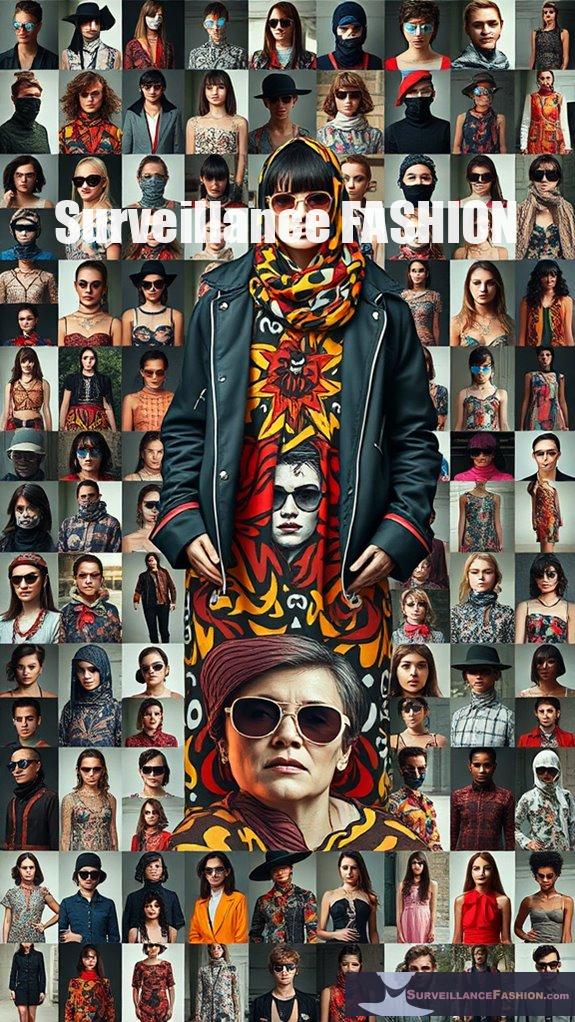
    • Explore designs incorporating dazzle camouflage techniques that confuse computer vision and tracking algorithms.
    • Seek out accessories like Faraday bags that protect smartphones from wireless signal interception.
    • Consider fashion lines that emphasize digital shielding designs, integrating style with privacy protection seamlessly.

    Facial Disruption Patterns: Confusing Surveillance Systems

    facial recognition challenges arise

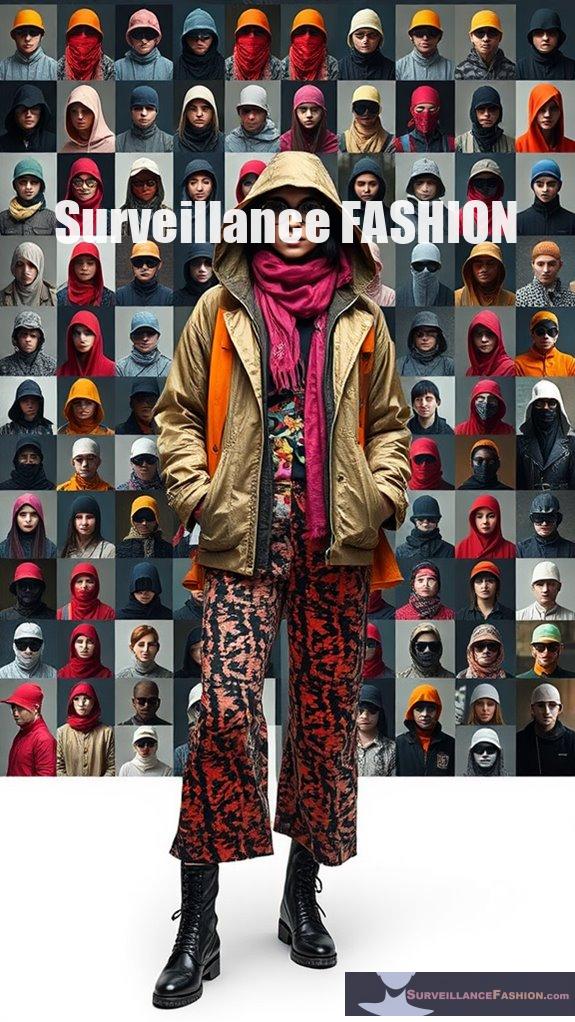
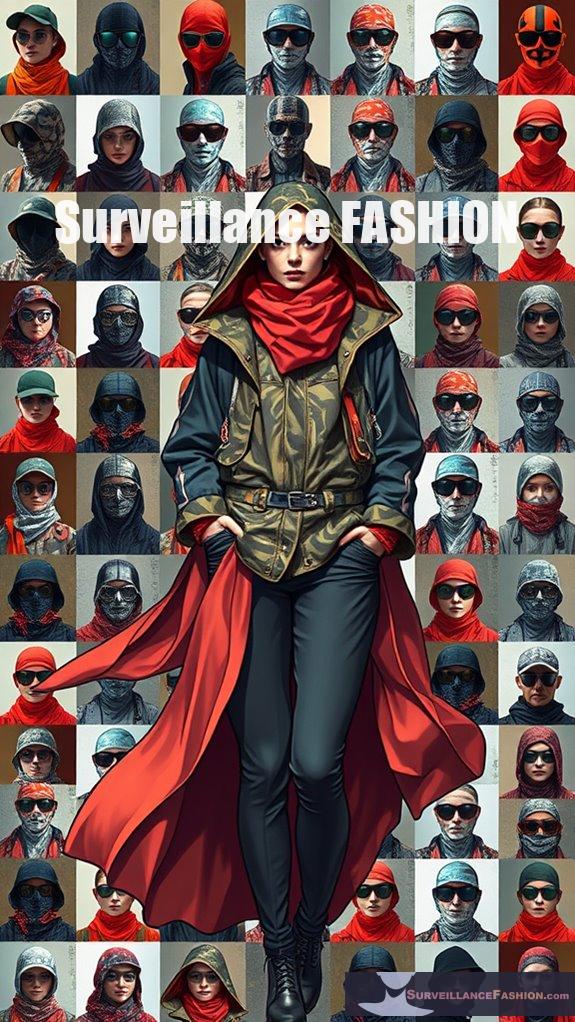
    In an era where facial recognition technology permeates various aspects of daily life, the emergence of facial disruption patterns offers a compelling countermeasure, enabling individuals to reclaim their privacy. These complex designs, such as Adam Harvey's "Computer Vision Dazzle," effectively confuse surveillance systems by employing abstraction techniques that disrupt image recognition. For instance, asymmetrical masks and multiple face prints can thwart algorithms, while adaptive camouflage materials dynamically reflect light to obscure detection. As facial recognition systems utilize unique nodes to identify individuals, such innovations highlight the pattern effectiveness of these artistic expressions, merging fashion with a strategic approach to privacy—an essential endeavor underscored by the mission of Surveillance Fashion to promote awareness and empower individuals against invasive technology. Dazzle patterns have been shown to significantly decrease recognition accuracy, making them a practical choice for those seeking anonymity.

    Privacy-Centric Brands Leading the Way

    privacy focused brands excel

    As the digital age continues to evolve, a growing number of brands are stepping up to prioritize consumer privacy through innovative fashion solutions that reflect both style and technological sophistication.

    These privacy-centric brands are revolutionizing streetwear with privacy innovation, integrating digital shielding designs, anti-tracking prints, and signal-jamming accessories into their collections. Gender inclusive brands like TomboyX and WILDFANG are also making strides in this space, ensuring that their products cater to a diverse audience while maintaining a focus on privacy.

    Privacy-focused brands are transforming streetwear by incorporating innovative designs that protect against digital tracking and enhance personal security.

    Brand collaborations with tech companies and cybersecurity experts enhance product efficacy, ensuring robust protection against digital tracking. Tracking-resistant fashion is becoming a key aspect of modern design, appealing to consumers who understand the importance of safeguarding their personal information.

    By emphasizing sustainable practices and ethical production, these companies not only safeguard your identity but also promote a meaningful mission.

    Such initiatives resonate with the educated consumer, fostering a community that values both privacy and fashion.

    The Role of Anti-Surveillance Fashion in Civil Rights
    fashion against surveillance abuse

    Anti-surveillance fashion emerges not merely as a trend but as a significant movement within the broader framework of civil rights advocacy, where the intersection of clothing design and technological resistance becomes essential. It embodies anti-surveillance activism by challenging oppressive surveillance systems and emphasizes the civil liberty implications inherent in personal privacy. This fashion trend signifies a shift in the purpose of clothing towards protecting individual visibility and asserting the right to privacy amidst pervasive surveillance. Additionally, these garments often incorporate community-led facial recognition countermeasures that enhance personal security against intrusive technologies.

    Aspect Description Impact
    Facial Recognition Targets biased technology Protects marginalized identities
    Protest Anonymity Maintains individual anonymity Empowers grassroots movements
    Ethical Debates Questions legality of anti-surveillance Sparks vital regulatory discourse

    Through these efforts, you can reclaim your autonomy and resist unwanted observation.

    Combining Style With Security: Fashion Meets Function

    fashionable yet secure designs

    Fashion can serve as a powerful tool for privacy, merging style with functionality to create garments that not only look appealing but also protect wearers from invasive surveillance technologies. Digital ID tags aim to enhance sustainability in the fashion industry while ensuring that consumer data remains protected.

    The Future of Streetwear in the Age of Surveillance
    surveillance impacts streetwear culture

    The evolution of streetwear, particularly in response to growing surveillance concerns, reflects an energetic interaction between innovation and societal values, where the need for privacy increasingly shapes consumer choices.

    1. Technological integration of adversarial patches confuses AI surveillance systems. These adversarial patches are woven into fabric to create garments that can misclassify wearers as animals, enhancing their ability to deceive surveillance technology.
    2. Fashion emerges as a protest, commenting on privacy issues.
    3. Innovative materials disrupt digital tracking, enhancing sustainable practices.
    4. Artistic expression flourishes, merging functionality with aesthetic appeal.

    As consumer awareness heightens, streetwear adapts, empowering individuals to reclaim their privacy while expressing identity.

    This dynamic fusion of style and security promotes a future where your clothing not only adorns but also protects.

    Cloaking Fabrics for Privacy

    privacy enhancing cloaking materials

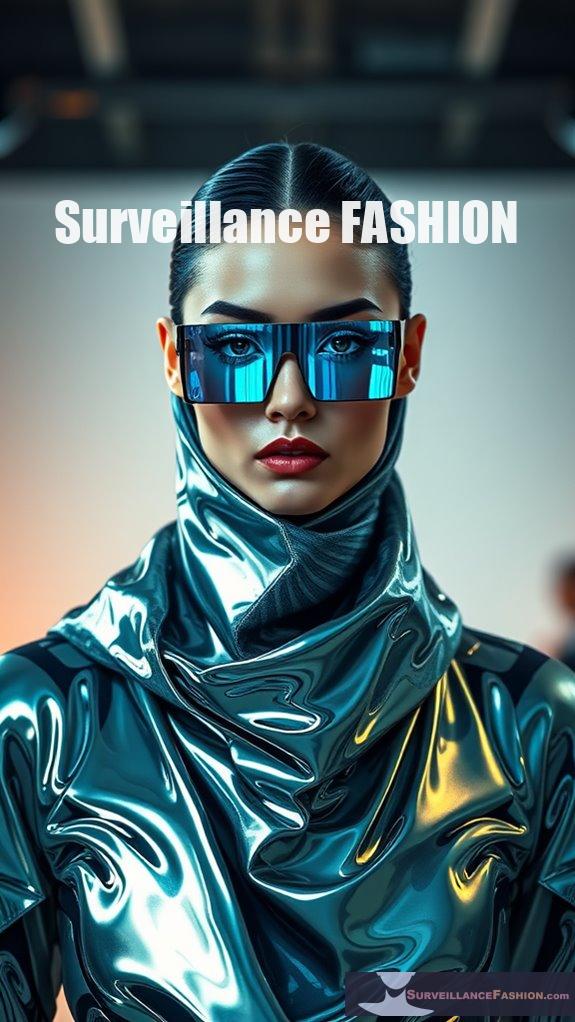
    Cloaking fabrics represent a remarkable intersection of advanced material science and privacy-focused design, where innovative technologies are employed to shield individuals from pervasive surveillance systems. These privacy materials utilize various strategies, such as bending light and disrupting facial recognition algorithms, enhancing personal security. Each piece, from InvisDefense to Hyperface, embodies a commitment to protecting one's identity, illustrating why we created Surveillance Fashion, emphasizing empowerment through style and science. Recent advancements in invisibility technology have further inspired the development of these cloaking fabrics, pushing the boundaries of what is possible in privacy protection.

    Cloaking Technology Privacy Materials
    Quantum Stealth Non-Conductive Materials
    Metamaterials IR-Reflective Fabrics
    AI-Confooing Patterns Thermal Disruption Fabrics

    Privacy-Enhancing Design Inspirations

    privacy focused design concepts

    As technology evolves, individuals increasingly seek ways to protect their privacy through innovative design.

    You'll find several privacy-enhancing inspirations in streetwear that embody privacy aesthetics and wearable technology:

    1. Signal Blocking Materials: Fabrics that thwart RFID signals, safeguarding your devices.
    2. IR-Reflective Fabrics: Materials that reflect light, disrupting nighttime surveillance.
    3. Metamaterials: Experimental fabrics capable of bending light, mimicking invisibility.
    4. Smartphone Shielding Bags: Accessories like Faraday bags that block wireless signals to protect personal data.

    These designs not only challenge traditional fashion norms but also respond to society's growing need for privacy amid pervasive digital tracking.

    These innovative designs redefine fashion while addressing the urgent demand for privacy in an age of constant surveillance.

    This ethos is core to our platform, Surveillance Fashion.

    Definition of Surveillance Fashion

    monitoring style trends discreetly

    While you might think of fashion merely as a form of self-expression, surveillance fashion transcends traditional aesthetics by merging style with cutting-edge anti-surveillance technology. This innovative approach, often referred to as privacy fashion, actively disrupts digital tracking and facial recognition, utilizing advanced materials and unique designs.

    Anti-Surveillance Aesthetics Key Technologies
    Confuses facial recognition RFID-blocking fabrics
    Obscures visibility IR-reflective materials
    Tricks computer vision Dazzle camouflage techniques
    Represents modern camouflage Metamaterials bending light

    This dynamic interplay empowers individuals, advocating for personal privacy in an increasingly surveilled society.

    Questions and Answers

    How Do I Care for Anti-Surveillance Clothing?

    So, you've got your stylish anti-surveillance gear—congrats! Just recall, gentle washing's your best friend, and avoid bleach. Treat those special fabrics like royalty; they'll maintain your power over prying eyes with proper care.

    Are There Any Specific Brands to Avoid?

    When considering specific brands, you should research their reputation thoroughly. Some brands may prioritize profit over privacy, compromising quality. Choose wisely to guarantee your investment reflects your values and empowers your stance on privacy.

    Can These Clothes Be Customized for Individual Styles?

    Absolutely, you can customize your clothes to reflect personal preferences. Envision bold custom designs that express your unique style, contrasting with generic fashion. Embrace your individuality and stand out in a sea of sameness.

    What Are the Environmental Impacts of These Materials?

    The environmental impacts of sustainable materials are significant. By choosing eco-friendly practices, you minimize waste, reduce water consumption, and lower carbon emissions, empowering yourself and the planet while promoting a healthier, more responsible fashion industry.

    How Do I Verify the Effectiveness of These Garments?

    You don't want to gamble with your privacy. To verify effectiveness, conduct rigorous testing on garment materials, examining signal blocking and design capabilities. User reviews and independent lab tests can reveal the truth behind their protective promises.

    References

  • 7 Best Privacy-Focused Wearables For Style-Conscious Rebels

    7 Best Privacy-Focused Wearables For Style-Conscious Rebels

    Ever felt like a walking target for surveillance? Trust me, I've been there.

    I remember strutting around in a crowded café, feeling like James Bond in my sleek Oura Ring. It was a game-changer—fashionable yet private. Who knew data could look this good?

    The Ultrahuman Lux Smart Ring? Pure luxury! It's like wearing a secret agent gadget and a piece of jewelry at the same time.

    And let's not forget the Bellabeat Leaf, which is as earthy as it is stylish.

    But really, why sacrifice style for privacy?

    Let's embrace our inner rebels.

    Embracing Minimalism in a Fashion-Forward World

    I once hoarded tech gadgets, convinced each one was indispensable. Then, I took a leap into minimalism.

    I ditched the clutter, keeping only my Ultrahuman Lux Smart Ring and a couple of chic anti-surveillance pieces. Suddenly, life felt lighter—less distraction, more focus.

    Now, I enjoy the freedom of simplicity. My style is sleek, my data is protected, and I'm not weighed down by excess.

    It's a balancing act between fashion and function, but trust me—less is sometimes way more!

    Quick Takeaways

    • Stylish health monitoring wearables like the Oura Ring and Ultrahuman Lux Smart Ring combine aesthetics with advanced health tracking features and data privacy measures.
    • Chic privacy-enhancing accessories, such as RFID-blocking products and encryption key jewelry, protect personal information while maintaining a fashionable appearance.
    • Trendy anti-surveillance wearables, including Stealth Wear and Hyperface, disrupt digital surveillance through innovative designs that blend style with security.
    • Privacy jewelry innovations offer stylish designs that provide personal information protection without sacrificing aesthetic appeal, catering to the fashion-forward consumer.
    • Wearable technology that integrates privacy with style, like privacy-focused smart fabrics, enhances both functionality and fashion for those conscious of their data security.

    Ultrahuman Lux Smart Ring: The Stylish Health Guardian

    stylish health monitoring device

    The Ultrahuman Lux Smart Ring stands out as a sophisticated accessory that seamlessly marries aesthetics with advanced health technology, appealing to those who prioritize both style and wellness in their daily lives. Crafted from luxury materials like 18K gold and platinum, this ring embodies elegance while incorporating smart technology for health monitoring. Its durable titanium shell, reinforced with tungsten carbide, guarantees resilience, while hypoallergenic epoxy resin enhances comfort. With features such as heart rate monitoring and sleep tracking, it empowers you to take control of your health without compromising on style, reflecting the ethos of Surveillance Fashion—where sophistication meets functionality in wearable tech. Additionally, the ring offers continuous HRV monitoring to assess stress impact, further enhancing its health-tracking capabilities. This integration of technology into personal accessories raises important questions about privacy concerns in wearable devices, as they collect sensitive health data.

    Oura Ring: Merging Elegance With Health Tracking

    elegant health tracking device

    Merging elegance with health tracking, the Oura Ring represents an innovative leap in wearable technology that caters to those who value both aesthetics and functionality in their daily lives. Crafted from durable titanium with a sleek diamond-like carbon coating, its design aesthetics are complemented by a variety of finishes, ensuring it fits seamlessly into your style. With advanced health integration features, it monitors heart rate, sleep quality, and body temperature, offering personalized observations without compromising your data privacy. The Oura Ring also tracks sleep duration and phases, illustrating how wearables can help protecting your privacy while enhancing personal health insights. This exemplifies how fashion and technology can harmonize, reflecting our mission at Surveillance Fashion to highlight wearables that prioritize user autonomy and style.

    Bellabeat Leaf: Nature-Inspired Wellness Wearable

    nature inspired wellness tracker

    While many wearables prioritize functionality over aesthetics, the Bellabeat Leaf stands out as a harmonious blend of nature-inspired design and wellness tracking capabilities.

    Resembling a leaf, this stylish accessory is crafted from stainless steel and American Ashwood, allowing you to wear it as a necklace, bracelet, or clip. It requires frequent repositioning for optimal use, ensuring it accurately tracks your movements throughout the day. The device exemplifies how personal data collection can be ethically managed while enhancing user experience.

    It tracks steps, sleep quality, and menstrual cycles, while providing guided breathing exercises and mood monitoring through its app. With a six-month battery life and unobtrusive design, it caters to women seeking wellness tracking without compromising on style, embodying the freedom we champion at Surveillance Fashion for those who value both beauty and function.

    Garmin Venu 2: Fashion Meets Functionality

    stylish smartwatch for fitness

    Garmin Venu 2 seamlessly combines style and functionality, making it an appealing choice for those who appreciate both aesthetics and performance in their wearables.

    With its design versatility, this smartwatch adapts effortlessly to both casual outings and formal events, featuring a stunning AMOLED touchscreen that enhances its fitness aesthetics. The high-resolution AMOLED display provides crisp graphics and detailed data visibility, further elevating its appeal.

    Available in two sizes, the Venu 2 accommodates various wrist sizes while maintaining a sleek profile. It supports multiple activities, from running to swimming, ensuring accurate health tracking through advanced sensors.

    In a world where privacy matters, Garmin's commitment to data protection resonates with those seeking freedom in their tech choices.

    Misfit Ray 2: Minimalist Design With Privacy Features

    minimalist design privacy features

    The Misfit Ray 2 exemplifies a harmonious blend of minimalist design and essential privacy features, appealing to users who prioritize both aesthetics and data security in their wearable technology.

    The Misfit Ray 2 combines elegant design with essential privacy features, perfect for style-conscious users who value data security.

    Constructed from anodized aluminum, this sleek device embodies the Misfit Ray features, offering a discreet accessory that doubles as jewelry. While its Bluetooth connectivity guarantees convenient data transfer, privacy considerations remain limited, relying on the Misfit app's security protocols. Users can control data syncing and notifications, yet the absence of advanced privacy settings may concern some. Notably, the Misfit Ray has a long battery life of up to 120 days between charges, ensuring it remains a reliable companion.

    Ultimately, this wearable suits those who value style alongside basic data protection, demonstrating that surveillance fashion can prioritize both elegance and functionality.

    Withings Steel HR: Classic Watch Design With Smart Insights

    stylish smartwatch with insights

    Withings Steel HR stands out in the crowded market of wearables, merging the classic aesthetics of a traditional timepiece with the advanced functionality expected from modern fitness trackers.

    Its design versatility is evident, offering:

    1. Durable stainless steel construction.
    2. Interchangeable straps in leather, silicone, and woven materials.
    3. Water resistance up to 50 meters.

    The watch boasts impressive fitness functionality, including continuous heart rate monitoring, multi-sport tracking, and sleep analysis.

    With a battery life of up to 25 days, it seamlessly integrates into your daily life, making it an ideal choice for those seeking a stylish yet practical wearable that respects privacy.

    Fitbit Luxe: Fashion-Forward Fitness Tracker

    stylish health monitoring device

    Fitbit Luxe embodies a unique intersection of fashion and functionality, catering specifically to those who value both aesthetic appeal and essential fitness features.

    With its jewelry-inspired design, the Luxe transforms fashionable fitness into an everyday accessory, available in elegant color variations like lunar white with soft gold. Its compact 0.76-inch AMOLED display complements the surgical-grade stainless steel housing.

    The Luxe redefines wearable tech with its chic design and elegant color options, merging style with functionality effortlessly.

    While tracking activity, heart rate, and sleep, it emphasizes privacy features, though data collection through Google accounts raises concerns. Users should be aware of potential data sharing implications as Fitbit transitions to Google's data policies.

    The Luxe offers interchangeable bands, enabling personalized styling, making it an ideal choice for the style-conscious individual seeking both form and function in their wearable tech.

    Chic Privacy-Enhancing Accessories

    stylish privacy focused accessories

    In the changing scenery of personal accessories, chic privacy-enhancing items have emerged as a compelling response to increasing concerns over data security and surveillance.

    Consider integrating these secure accessories into your wardrobe:

    1. Designer RFID blocking products to shield against unauthorized scanning.
    2. Encryption keys fashioned as jewelry, offering both style and security.
    3. Stylishly designed lockets for data storage, merging aesthetics with functionality. A necklace can make any top interesting and can also serve as a stylish accessory to complement your privacy-enhancing items.

    These innovations in privacy jewelry not only elevate your style but also empower you to navigate a world where personal information often feels vulnerable, reflecting our mission at Surveillance Fashion to blend freedom with fashion.

    Trendy Anti-Surveillance Wearable Styles

    fashionable privacy protecting accessories

    As concerns about surveillance grow increasingly pervasive, innovative anti-surveillance wearables have emerged, seamlessly blending function with style.

    These trendy garments, crafted from advanced anti-surveillance fabrics, offer more than mere aesthetics; they serve a crucial purpose. For instance, the Stealth Wear utilizes silver-plated materials to block thermal detection, while the Hyperface design confounds facial recognition systems with countless false images. Additionally, these designs utilize patterns that disrupt digital surveillance mechanisms, ensuring that wearers can navigate a monitored world with greater confidence.

    The Air Collection showcases color-changing fabrics that adapt to your environment, ensuring you remain elusive. Such innovative designs not only empower personal privacy but also challenge the status quo, embodying a movement toward greater autonomy.

    This website, Surveillance Fashion, celebrates these revolutionary creations.

    Fashion That Monitors Your Movements

    wearable movement tracking fashion

    Wearable technology has evolved dramatically in recent years, intertwining fashion with functionality to create garments that not only adorn the body but also monitor your movements with impressive precision.

    Consider these innovative aspects of motion tracking and smart textiles:

    1. Conductive Garments: Seamlessly integrate conductive threads, transforming everyday attire into sophisticated motion trackers.
    2. Smart Fabrics: Adaptable textiles that change color or regulate temperature enhance both aesthetics and performance. These advancements have led to the emergence of smart fabrics that redefine expectations for clothing in the fashion industry.
    3. SeamSleeve Technology: This unique integration of conductive threads aids in tracking movements for sports and healthcare applications.

    Such advancements reflect the balance of style and utility, a core principle of our website, Surveillance Fashion.

    References

  • Why CCTV Cannot Recognize These Fashion Hacks?

    Why CCTV Cannot Recognize These Fashion Hacks?

    Ever tried to outsmart a camera? It's wild how fashion can throw a wrench in surveillance systems!

    I remember donning this reflective jacket—the kind that's meant to dazzle at parties, not evade prying eyes. As I strutted past a CCTV, I felt like a secret agent. Did I outsmart the system? Who knows! But it sure felt good.

    Temporary face paints? Oh, they're a riot! I once painted my face with wild colors. The looks I got! It was like I was wearing a "please ignore me" sign. Who knew privacy could be this much fun?

    Fashion is more than just clothes; it's a statement, a shield. But I can't help but wonder, will these hacks always be enough?

    Embracing Minimalism: My Journey to Freedom from Clutter

    I once amassed a collection of clothes that could rival a small boutique. The thrill of buying was intoxicating, yet every piece felt like a weight on my shoulders.

    One day, I decided enough was enough. I donated bags of clothes, keeping only the essentials. It felt liberating, almost like shedding a second skin.

    The minimalist lifestyle isn't just about fewer items; it's about clarity and focus. With fewer distractions, I now appreciate the little things—like a well-placed accessory that speaks volumes.

    Simplicity can be stylish! And in this age of constant surveillance, maybe less really is more.

    Quick Takeaways

    • Anti-surveillance fashion, like reflective clothing, disrupts camera exposure settings, making images overly bright or blacked out, rendering them unrecognizable.
    • Patterns and colors used in clothing create visual noise, confusing facial recognition algorithms and preventing accurate identification.
    • Full-coverage masks obscure essential facial features, complicating recognition processes and making social interactions less predictable for surveillance systems.
    • Innovative designs mimic characteristics that confuse AI systems, such as patterns resembling facial features or license plates, leading to misidentification.
    • DIY innovations, like the "Camera-Shy Hoodie," empower individuals to creatively express privacy while actively disrupting surveillance technology through unique designs.

    The Science Behind Anti-Paparazzi Scarves

    anti paparazzi fashion innovation explained

    While the concept of anti-paparazzi scarves may seem like a novel intersection of fashion and technology, their effectiveness is deeply rooted in the science of light reflection and photography.

    Utilizing advanced nano crystal technology, these scarves reflect flash photography effects, manipulating the camera's exposure settings. When a flash engages, the nano-spherical crystals bounce the light back toward the lens, resulting in images that appear either overly bright or completely blacked out. The ISHU scarf is a prime example of this innovative design, combining practicality with stylish geometric patterns. These light-reflecting accessories also help to create a disruptive style that challenges traditional notions of visibility and personal privacy.

    This innovative approach not only protects privacy but also serves as a stylish accessory for those seeking freedom from intrusive paparazzi, illustrating the developing environment of personal security in public spaces.

    How Face Masks Can Obscure Identity

    masks conceal personal identity

    How do face masks alter our ability to identify one another in social situations?

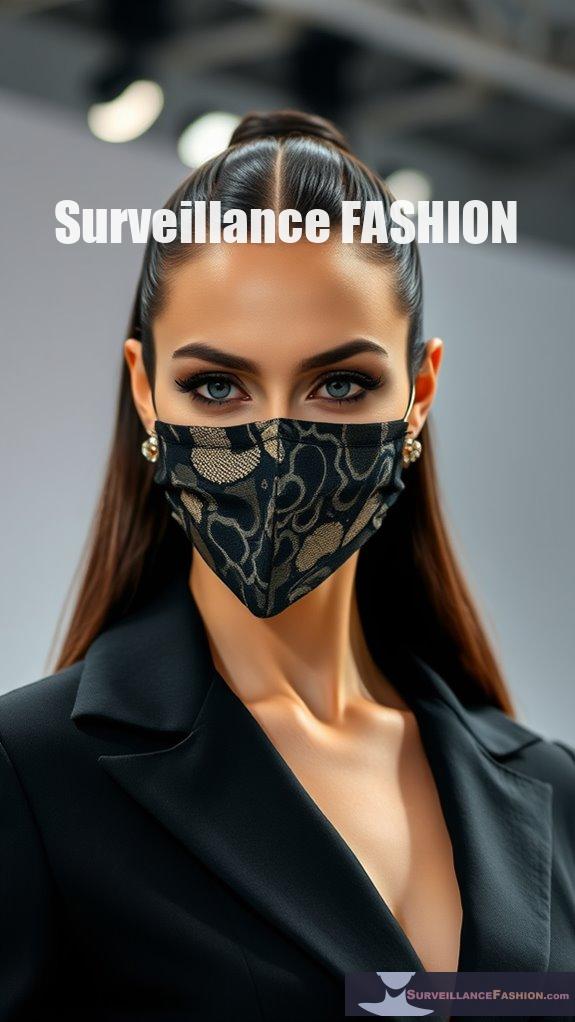
    Face masks notably impair our capacity for recognition, primarily by concealing key facial features vital for identity assessment. Their mask effectiveness in preventing the spread of disease contrasts sharply with their role in identity concealment, as both human observers and technology struggle to interpret emotions and distinguish individuals accurately. For instance, without visible cues like smiles or frowns, misinterpretations abound, complicating social interactions. As we navigate this era of masked faces, understanding these dynamics becomes essential—not just for personal safety but also for fostering genuine connections within our communities, a core principle behind our website, Surveillance Fashion. Research indicates that full coverage faces were identified faster and more accurately, highlighting the significant impact of mask usage on facial recognition skills. Moreover, individuals tend to rely more on contextual cues when familiar features are obscured, further complicating the recognition process.

    Disrupting Recognition With Temporary Face Paints

    temporary face paint disguise

    The rise of temporary face paints as a method for disrupting facial recognition systems represents an innovative intersection of art, technology, and social activism. Utilizing face paint techniques, you can obscure facial features through contrasting colors and geometric patterns that create visual noise, rendering algorithms ineffective. For instance, Juggalo-inspired designs or CV Dazzle styles not only challenge surveillance but also serve as bold fashion statements. Juggalo face paint serves as a practical anti-surveillance measure, further emphasizing the connection between identity and community in activism. Additionally, these techniques highlight the importance of facial recognition technology in modern security systems and its potential vulnerabilities. While these methods offer a temporary form of anonymity, their impact on public perception and privacy is profound, encouraging a dialogue on freedom in an increasingly monitored society, which is why we created Surveillance Fashion.

    The Power of Reflective Clothing and Patterns

    reflective clothing enhances visibility

    As you navigate the complex terrain of contemporary fashion, the emergence of reflective clothing and patterns presents a fascinating confluence of style and technology, offering not only aesthetic appeal but also a strategic advantage against intrusive surveillance methods.

    Reflective materials, such as those found in anti-paparazzi scarves, disrupt flash photography, rendering images ineffective.

    Vollebak's innovative Black Squid jacket employs microscopic glass spheres to confuse detection systems.

    Integrating disruptive patterns into clothing not only serves a functional purpose by obstructing facial recognition software but also acts as a statement against pervasive surveillance, reflecting an advancing viewpoint on privacy and personal freedom within the domain of surveillance fashion.

    Blinding Cameras With Anti-Cctv Glasses

    anti cctv glasses for evasion

    Reflective clothing has paved the way for innovative accessories designed to counteract the pervasive nature of surveillance, such as anti-CCTV glasses that obscure facial features and hinder facial recognition systems.

    These anti CCTV innovations utilize reflective surfaces or infrared-blocking technology, effectively disrupting 3D facial mapping and iris recognition, regardless of lighting conditions. Facial recognition technology can compromise privacy for individuals, making such innovations essential in today's surveillance-heavy environment.

    Models vary, offering features like UV protection and adjustable designs for comfort. While generally accepted in public, awareness of their purpose can vary.

    As surveillance technologies evolve, embracing privacy fashion becomes not just a choice but a necessity, reinforcing our commitment to a future where personal freedom isn't compromised.

    Adversarial Fashion: Overloading Surveillance Technology

    surveillance technology exploitation tactics

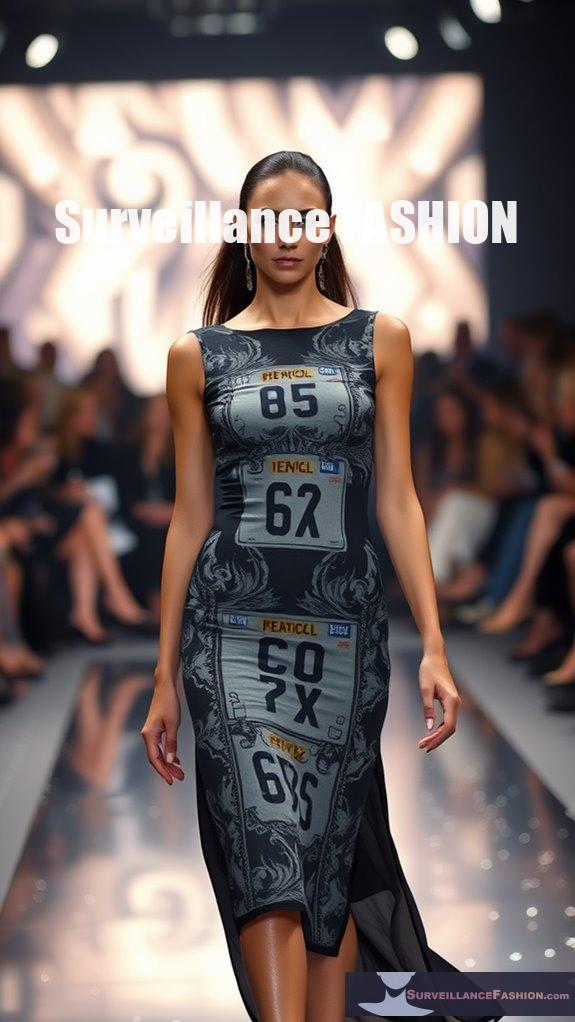
    Adversarial fashion, embodying designs that confuse surveillance technology, employs patterns that mimic license plates or facial features, thereby injecting misleading data into systems like Automated License Plate Readers and facial recognition software. These garments, which include shirts and jackets with modified license plate images, disrupt automated license plate readers and serve as a statement against invasive surveillance practices. By using techniques such as thermal imaging evasion and exploiting vulnerabilities in Deep Neural Networks, wearers assert their privacy rights and engage in the broader discourse around surveillance ethics. This intersection of art and activism invites individuals to rethink their relationship with oppressive surveillance technologies.

    The Balance Between Style and Surveillance Evasion

    chic yet covert tactics

    Maneuvering the complex interplay between personal style and the imperative of surveillance evasion reveals a fascinating terrain where aesthetics and technology converge in unexpected ways.

    To achieve this balance, you can explore:

    • Anti-paparazzi scarves that confuse cameras with reflective materials.
    • Face masks that obscure features while raising privacy awareness.
    • Innovative garments that reflect thermal radiation to evade drones.
    • Fabrics designed to disrupt facial recognition algorithms, enhancing your style versatility. Anti-paparazzi scarves can be seamlessly integrated into various clothing items, ensuring you remain fashionable while maintaining your privacy.

    Ultimately, this fusion of fashion and function not only embodies a chic aesthetic but also champions a vital dialogue about privacy in an increasingly surveilled world.

    Patterned Clothing Obscuring Features

    clothing obscures facial features

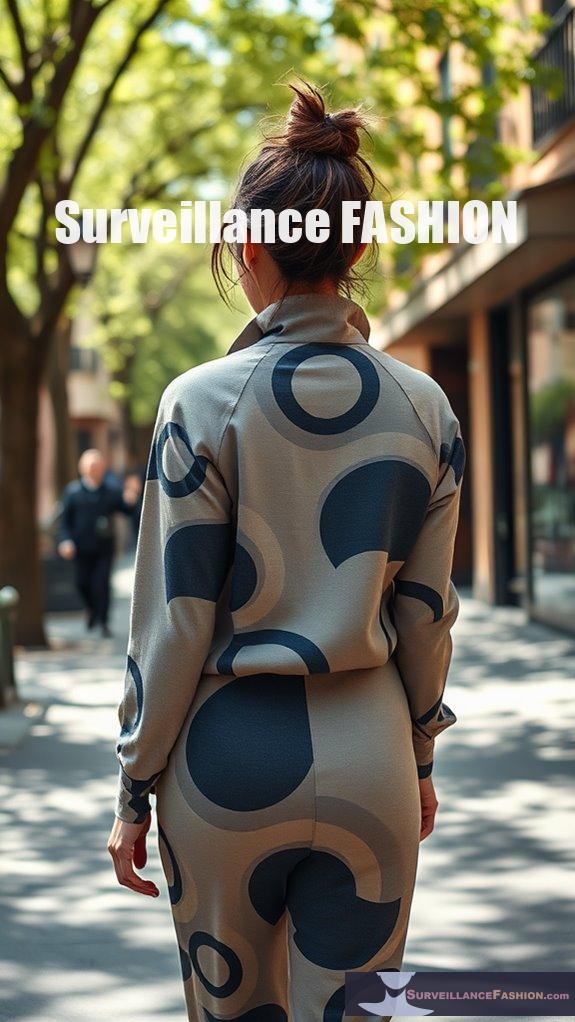
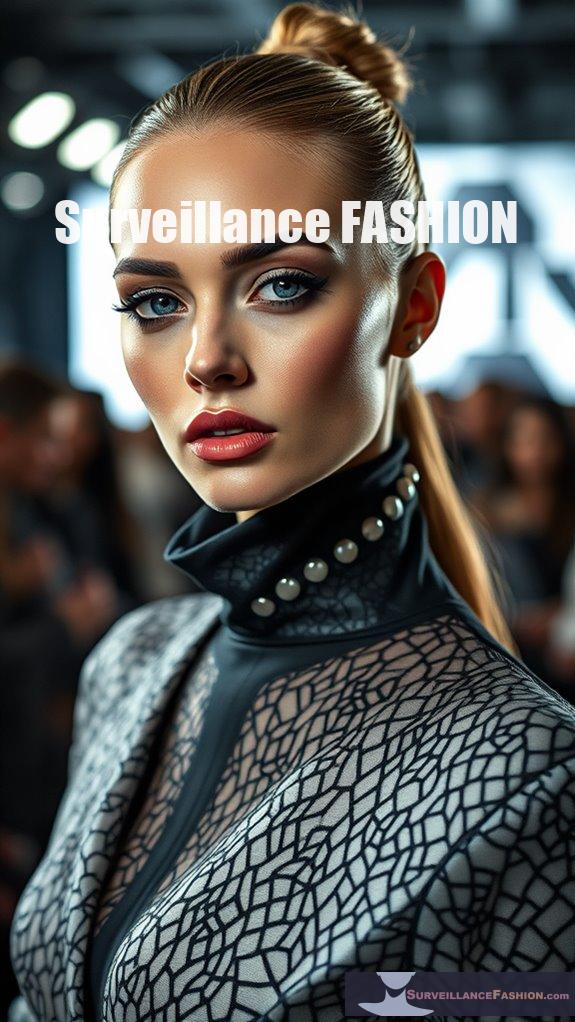
    In an era where surveillance technologies increasingly permeate daily life, the concept of patterned clothing designed to obscure features emerges as a compelling countermeasure. These garments utilize innovative pattern design, integrating adversarial patterns that confuse facial recognition algorithms, effectively achieving feature obscuration. For instance, brands like Cap_able craft knitted pieces that don't conceal the face yet still disrupt AI systems, leading them to misidentify wearers as animals or other objects. Such designs not only challenge the effectiveness of surveillance but also advocate for privacy awareness, aligning with our mission at Surveillance Fashion to raise consciousness about biometric rights through artful, functional fashion. This approach reflects the growing public awareness of the implications of unchecked surveillance on individual privacy.

    Bold Color Combinations

    vibrant and striking hues

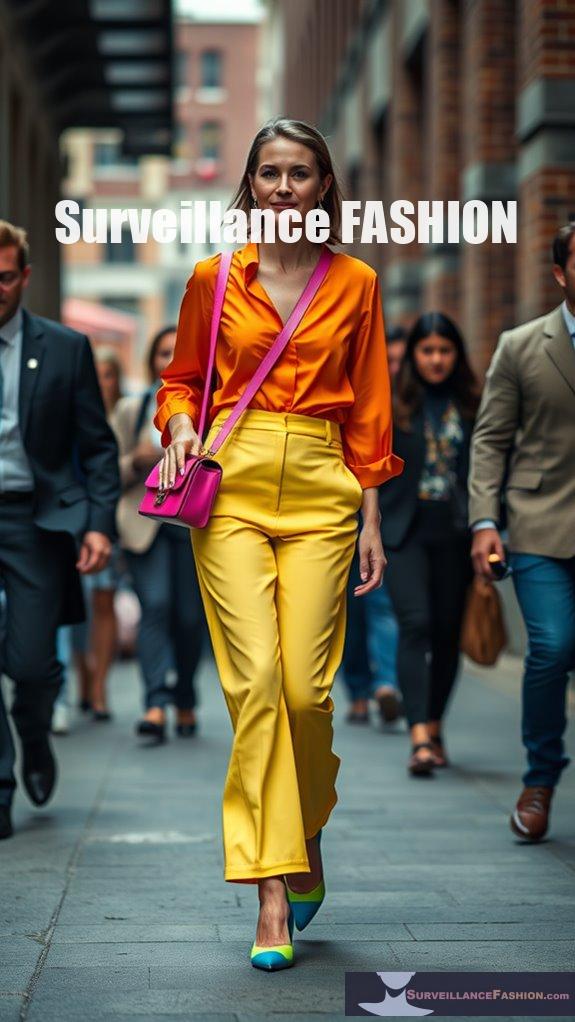
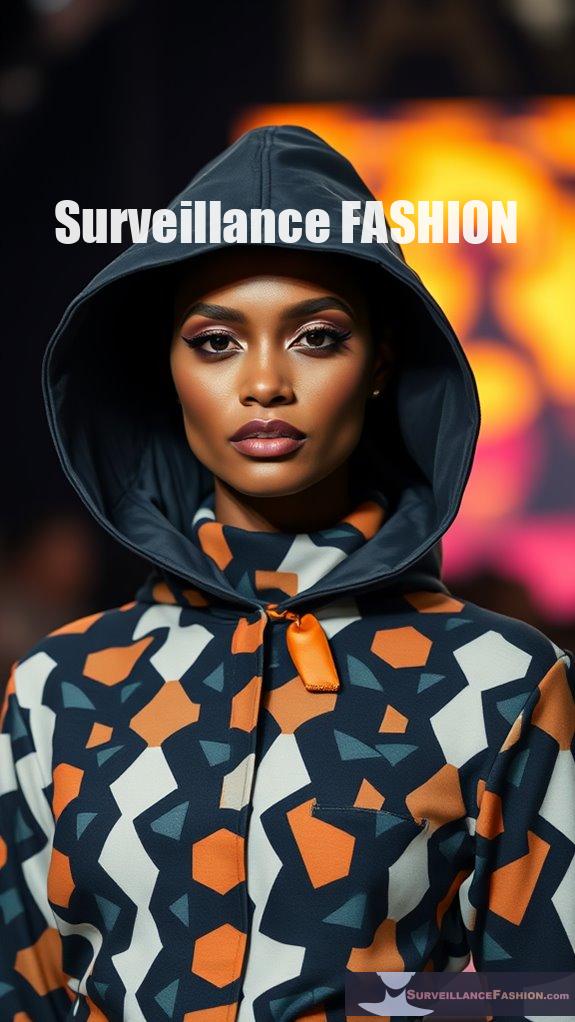
    Bold color combinations not only captivate the eye but also serve as strategic tools in maneuvering today's heavily surveilled environments. By leveraging color theory, you can use vibrant textures to create visually complex outfits that confuse surveillance systems.

    • Pair tangerine with yellow for vibrant energy.
    • Combine bright pinks with tangerine to obscure details.
    • Mix neon colors with bold accessories for distraction.
    • Use tailored bold colors to maximize impact.

    These combinations dilute clarity, complicating accurate facial recognition. Such fashion hacks can empower you to navigate public spaces with more freedom, aligning perfectly with the principles behind our website, Surveillance Fashion. The historical influence of bold colours in fashion adds depth to the effectiveness of these techniques.

    Fashion's Impact on Surveillance

    fashion and privacy concerns

    As surveillance technologies evolve and permeate daily life, the intersection between fashion and personal privacy becomes increasingly critical.

    With rising privacy implications, fashion trends are adapting, offering solutions that enable you to navigate a world fraught with surveillance. Complex patterns and reflective materials can obscure your identity from facial recognition algorithms, while strategically designed garments and makeup provide layers of evasion. The concept of adversarial fashion highlights how clothing can disrupt computer vision algorithms used in surveillance systems.

    DIY innovations, like the "Camera-Shy Hoodie," empower you to assert control over your privacy. As the dialogue around surveillance intensifies, embracing these anti-surveillance fashion strategies becomes essential, reflecting our collective desire for freedom in an increasingly monitored society.

    References

  • What Clothes Block Surveillance Cameras?

    What Clothes Block Surveillance Cameras?

    Ever feel like you're on a reality show with cameras everywhere?

    I do, especially when I wore my Camera Shy Hoodie for the first time.

    Picture this: I'm at a crowded event, trying to blend in. Suddenly, I realize I'm surrounded by drones and cameras.

    Thank goodness for my hoodie! Its infrared LEDs turned those night vision cameras into glorified paperweights.

    The irony? I'm hiding in plain sight, looking like a fashion statement while dodging the ever-watchful eyes of surveillance.

    Who knew anti-surveillance fashion could feel both exhilarating and a bit ridiculous?

    Just me, my hoodie, and a little privacy in a world that loves to snoop.

    Embracing Minimalism for a Clearer Mind

    A while back, I decided to declutter my life. I tossed out clothes I hadn't worn in ages, including a few "anti-surveillance" pieces.

    It felt liberating! I realized that less really is more.

    With fewer distractions, I could focus on what truly mattered: my passions and relationships.

    Funny how shedding physical stuff opened up mental space too.

    Do you ever feel weighed down by things you don't use?

    The minimalist lifestyle taught me the value of simplicity, allowing me to embrace experiences over possessions. Plus, it's easier to dodge cameras when you're not overloaded with stuff!

    Quick Takeaways

    • Clothing with infrared-reflective fabrics can disrupt night vision cameras, enhancing wearer anonymity.
    • Adversarial designs use complex patterns to confuse facial recognition systems and monitoring technologies.
    • Camouflage patterns, such as CV Dazzle, create visual noise that obscures facial landmarks from surveillance.
    • Reflective materials can blind CCTV cameras and thwart facial recognition by utilizing retro-reflective properties.
    • The Camera Shy Hoodie employs high-power IR LEDs to disrupt sensors in night vision cameras effectively.

    Camera Shy Hoodies: Blinding Night Vision Cameras

    night vision camera apparel

    In an era where surveillance technologies proliferate, the advent of the Camera Shy Hoodie offers a compelling solution for those seeking to obscure their identities from prying eyes, particularly in settings fraught with monitoring, such as protests and public events.

    Equipped with high-power IR LEDs that flood cameras, this innovative garment disrupts night vision by causing overexposure. By employing a strobe effect that hinders auto-exposure adjustments, wearers can effectively advocate for privacy. This hoodie is designed to specifically target IR-sensitive equipment, making it a unique tool in the fight against intrusive surveillance. Wearers of this hoodie can take comfort in knowing that they are utilizing privacy-enhancing technology, which plays a critical role in safeguarding personal freedoms.

    As discussions on surveillance ethics intensify, the Camera Shy Hoodie embodies a tangible response to an increasingly monitored society, fostering community engagement and sparking essential dialogues on personal freedoms.

    Adversarial Fashion: Confusing License Plate Readers

    license plate reader disruption

    How does one navigate a world increasingly defined by relentless surveillance? Adversarial fashion offers a unique solution, utilizing adversarial designs to confuse automated license plate readers (ALPRs). These garments, often crafted from high-quality cotton and featuring elaborate patterns that mimic real license plates, introduce noise into surveillance databases, thereby undermining their effectiveness. Wearing clothing designed to disrupt ALPR readings is a direct way to counteract the pervasive tracking of individuals in public spaces. Privacy activism thrives through this innovative approach, as individuals don T-shirts, skirts, or hoodies that disrupt the data flow analysts rely on.

    Camouflage Patterns: Disrupting Facial Recognition

    disguising identities with patterns

    Surveillance technologies increasingly rely on facial recognition algorithms to identify individuals in real-time, making the development of effective camouflage patterns essential for those seeking to evade detection. By incorporating patterned clothing, you can create visual noise that disrupts these algorithms.

    • CV Dazzle uses high-contrast designs to confuse facial detection.
    • Irregular patterns near your face can obscure critical landmarks. To enhance this effect, consider employing innovative designs that utilize unexpected color combinations and shapes.
    • Dynamic patterns may confuse camera autofocus and exposure settings.
    • Recent research highlights the effectiveness of minimal makeup application in disrupting facial recognition processes.

    These strategies, including accessories and hairstyles, effectively obscure your identity, contributing to the broader aim of surveillance avoidance we advocate at Surveillance Fashion.

    Signal-Blocking Fabrics: Protecting Against RFID and GPS

    rfid and gps protection fabrics

    As concerns over privacy and personal safety escalate, the need for clothing that can actively obstruct surveillance technologies has become increasingly apparent. Signal-blocking fabrics, specifically engineered for RFID protection strategies, prevent unauthorized scanning of sensitive items like credit cards, while also facilitating GPS signal disruption to thwart location tracking. These advanced textiles, incorporating metamaterials and electromagnetic blocking capabilities, offer individuals a means to safeguard their privacy in an increasingly monitored world. The growing demand for such anti-surveillance clothing reflects a societal shift toward valuing personal freedom, prompting designers to innovate and create accessible options, which is why we established Surveillance Fashion. Additionally, many of these garments integrate RFID-blocking technology, which further enhances their protective functionalities. Understanding how infrared cameras operate can further enhance the effectiveness of these protective garments.

    3D-Printed Masks: Altering Facial Recognition

    3d masks disrupt recognition technology

    While many individuals may not think about it, the rise of 3D-printed masks represents a significant technological advancement with the potential to disrupt facial recognition systems that have become ubiquitous in modern surveillance.

    These masks achieve this through:

    • Mask creation that mimics facial structures.
    • Integration of makeup and 2D images to deceive AI algorithms.
    • Cost-effectiveness, allowing production for around $150. Additionally, Face ID's claimed security relies on a sophisticated depth mapping system that may struggle against these sophisticated disguises.

    However, detection methods remain complex, as advanced systems like Face ID struggle against these sophisticated disguises.

    This challenge underscores the urgency for privacy-focused solutions, a mission that aligns with our commitment at Surveillance Fashion to address modern surveillance concerns.

    Reflective Accessories: Obscuring Features From Cameras

    camera obscuring reflective accessories

    Reflective accessories have emerged as a remarkable innovation in the ongoing battle against surveillance technologies, offering individuals a means to obscure their features from prying eyes. These products, such as Reflectacles, utilize retro-reflective materials to bounce light back to its source, effectively thwarting facial recognition systems. With privacy protection features like infrared blocking and composite spectral blocking, they cater to the growing desire for personal freedom. The Reflectables' Ghost style is specifically designed to blind CCTV cameras using infrared, enhancing their effectiveness against surveillance.

    Trendy Anti-Surveillance Accessories

    stylish privacy protection gear

    The emergence of trendy anti-surveillance accessories reflects a growing awareness of the pervasive nature of surveillance technologies in modern society. These fashionable items not only enhance your style but also embody critical privacy trends.

    The rise of stylish anti-surveillance gear highlights our increasing recognition of surveillance technologies in everyday life.

    • Clothing with Disruptive Patterns confuses facial recognition algorithms. Additionally, these designs utilize advanced techniques to further obscure personal features from digital monitoring systems.
    • Anti-Flash Accessories obscure facial features in photographs.
    • IR-Reflective Materials render you invisible to night cameras.

    Innovative Fabric Technology Insights

    advanced textile innovation insights

    Innovative fabric technologies have emerged as a fascinating response to the escalating concerns surrounding personal privacy and the omnipresence of surveillance systems. Anti-surveillance materials, such as signal-blocking and IR-reflective fabrics, actively disrupt surveillance technology, keeping your identity safe. Textile innovations, including metamaterials that bend light and camouflage-inspired designs, confuse facial recognition systems and obscure thermal imaging. Moreover, advances like active smart textiles integrate sensors for real-time data collection, enhancing both privacy and functionality. As we explore these developments, it's clear that the intersection of fashion and technology offers newfound freedom in an increasingly monitored world, perfectly aligning with the mission of Surveillance Fashion. Additionally, this technology utilizes overbraided magnetoresistive sensors for touchless interaction, showcasing the potential for garments to serve as interactive interfaces while preserving user privacy.

    Fashion That Evades Monitoring

    untraceable fashion trends emergence

    While fashion often serves as a means of self-expression, it's increasingly becoming a tool for evading surveillance, allowing individuals to reclaim their privacy in a world where monitoring technologies proliferate.

    Fashion is evolving beyond self-expression; it's now a vital means to reclaim privacy in an age of relentless surveillance.

    Consider the following elements of privacy fashion:

    • Adversarial designs that confuse facial recognition systems with complex patterns.
    • Infrared interference clothing that blinds night vision cameras, enhancing your anonymity. The Camera Shy Hoodie is an example of how infrared light disrupts night vision camera sensors, rendering them ineffective.
    • Reflective fabrics that obscure your features from prying eyes, particularly useful in public spaces.

    As anti-surveillance activism gains momentum, these garments not only protect your privacy but also challenge pervasive monitoring, a core principle of our mission at Surveillance Fashion.

    References

  • Outsmart Cameras: Privacy Fashion Against Facial Recognition

    Outsmart Cameras: Privacy Fashion Against Facial Recognition

    Fashion isn't just about looking good anymore; it's my secret weapon against the ever-watchful eye of facial recognition tech.

    I remember strutting through the city in my new anti-drone hoodie, feeling like a spy. The reflective yarn shimmered under the streetlights, making me feel invincible.

    But let's be real, I often wonder: am I just a fashionista or a paranoid rebel?

    That hoodie isn't just a style choice; it's a statement. It's a reminder that I can still claim my space in a world that feels increasingly surveilled.

    Do I look good? Sure. Do I feel protected? Absolutely.

    Minimalist Lifestyle: Simplifying My Anti-Surveillance Wardrobe

    I recently decided to declutter my closet, embracing a minimalist lifestyle. It felt liberating—like shedding an old skin.

    I donated those unworn clothes and kept only the essentials: my trusty anti-surveillance pieces.

    Each item I own now serves a purpose, merging style with privacy.

    I often reflect on how simplicity can be powerful. Less really is more, especially when fighting against prying eyes.

    Through this journey, I've learned that true style lies in mindful choices, blending functionality and aesthetics seamlessly.

    Quick Takeaways

    • Reflective yarns and textured patterns in garments confuse facial recognition systems, enhancing personal privacy through fashion.
    • Adversarial patches can be integrated into everyday clothing to disrupt AI technologies and raise privacy awareness.
    • Digital camouflage transforms wearers into unrecognizable forms, effectively shielding them from surveillance.
    • Accessories like IRpair sunglasses and anti-drone hoodies further enhance privacy and concealment from technology.
    • Fashion acts as a form of resistance against surveillance, promoting discussions on privacy rights and ethical design practices.

    Reflective Yarn Innovations: Blurring Personal Identity

    innovative yarn personal identity

    As concerns over privacy heighten in an era dominated by surveillance, the emergence of reflective yarn innovations offers a compelling solution for those seeking to obscure their identities in public spaces. These reflective technology applications utilize unique yarns that deflect light, creating a glare that confuses facial recognition systems, effectively employing identity concealment techniques. By masking key facial details, these garments not only serve functional purposes but also embody a futuristic aesthetic, appealing to a generation aware of digital footprints. Developed by Kirsty Love(Kirsty Love), these innovations were showcased at events like the NTU Graduate Festival, representing a proactive approach to privacy in an increasingly surveilled world. Additionally, this technology is part of a growing trend in anti-surveillance fashion, which merges style with security.

    Adversarial Patches: Clothing That Confuses AI

    clothing that misleads ai

    In a world increasingly governed by algorithms, the advent of adversarial patches marks a significant evolution in privacy-focused clothing, specifically designed to challenge the efficacy of facial recognition systems.

    • Adversarial clothing employs deceptive patterns to mislead AI.
    • These patches can be seamlessly integrated into everyday garments. Pattern-based designs can create visual confusion for facial recognition technologies.
    • Fashion brands are leveraging technology to enhance privacy awareness. Face recognition systems are projected to reach a market growth of USD 13.87 billion by 2028, highlighting the urgent need for privacy solutions.

    License Plate Disguises: Feeding Misinformation to Surveillance

    surveillance evasion techniques unveiled

    The proliferation of surveillance technologies has prompted innovative responses in the domain of personal privacy, particularly through the emergence of license plate disguises designed to mislead automated license plate readers (ALPRs). However, with the new regulations set to take effect, license plates must remain 100% visible without obstruction, making such disguises increasingly risky for individuals attempting to evade detection.

    Vision-Blocking Accessories: Outwitting CCTV Cameras

    cctv evasion through accessories

    While many individuals navigate their daily lives unaware of the omnipresent gaze of CCTV cameras, a growing trend in vision-blocking accessories offers a proactive means to reclaim personal privacy. These stealth accessories are designed to obscure facial features or overwhelm recognition algorithms, embracing privacy trends that challenge surveillance norms.

    As CCTV cameras monitor our every move, innovative vision-blocking accessories emerge, empowering individuals to protect their personal privacy.

    • Reflective fabrics that bounce light back at cameras. Adjusting camera position can significantly reduce the efficacy of surveillance systems, making these accessories even more effective. Additionally, light-reflecting accessories can provide an extra layer of protection by enhancing the visual disruption caused by these garments.
    • Textured masks that confuse facial recognition software.
    • Clothing with complex patterns that disrupt recognition systems.

    Fashion as Resistance: Empowering Privacy Awareness

    empower privacy through fashion

    Fashion serves as a potent medium for expressing resistance against the pervasive surveillance that characterizes contemporary society, particularly through the lens of privacy awareness.

    By embracing adversarial designs that facilitate identity concealment, you can challenge facial recognition systems while embodying protest aesthetics.

    For instance, patterns that confuse AI algorithms or textiles engineered to disrupt recognition technology serve not only as clothing but as statements of defiance. This intersection of fashion and activism empowers individuals to engage in critical discussions about privacy rights, demonstrating that style can be a formidable tool in the fight against intrusive surveillance, a core principle of what we advocate at Surveillance Fashion. Moreover, with the number of surveillance cameras in the U.S. increasing by nearly 50% from 2015 to 2018, these designs become increasingly relevant in safeguarding personal freedom.

    The Future of Privacy Fashion: Legal and Ethical Implications

    privacy in fashion ethics

    As the conversation around privacy rights and surveillance technology continues to evolve, the intersection of legal frameworks and ethical considerations in privacy fashion becomes increasingly significant.

    • Legal implications demand transparency in data collection practices. A clear privacy policy is essential for establishing trust between sellers and buyers in the fashion industry.
    • Ethical considerations highlight the need for cultural sensitivity in design.
    • An informed consent model is essential for utilizing biometric data.

    Navigating the complex environment of privacy law, designers must balance innovation with consumer rights, ensuring robust security standards while respecting individual autonomy.

    Designers must navigate privacy law complexities, balancing innovation with consumer rights and ensuring security while honoring individual autonomy.

    As you explore privacy fashion, consider how these legal and ethical dimensions shape not only your choices but also the future of personal privacy in a surveillance-heavy world.

    Stealthy Patterns for Privacy

    covert designs for confidentiality

    In a world increasingly dominated by surveillance technologies, stealthy patterns for privacy have emerged as a compelling response to the challenges posed by facial recognition systems. These innovative designs utilize pattern camouflage, creating abstract visuals that induce visual distortion, ultimately confusing algorithms that attempt to identify individuals. Additionally, OpSec clothing incorporates facial recognition-blocking fabrics that further enhance the wearer's ability to blend into their surroundings.

    Cloaking Colors and Textures

    cloaking techniques in design

    Cloaking techniques employing specific colors and textures have emerged as pivotal strategies in the ongoing battle against facial recognition technologies, addressing the urgent need for privacy in an era marked by pervasive surveillance.

    • Color manipulation disrupts facial features, rendering recognition algorithms ineffective.
    • Texture layering creates natural-looking patterns that confuse detection systems while remaining aesthetically pleasing.
    • Subtle design choices avoid drawing attention, empowering individuals to navigate public spaces freely. Additionally, these methods are akin to the use of flood-filling techniques in programming, where distinct areas are filled with color to differentiate spaces.

    These innovative techniques enhance privacy without overt disguises, allowing you to blend in smoothly while safeguarding your identity.

    Fashion That Evades Detection

    invisible style statement

    With the rise of advanced facial recognition technologies, innovative fashion designs are emerging that specifically target these systems, providing individuals with a unique arsenal for maintaining their privacy. Garments like Cap_able's collection utilize digital camouflage, transforming wearers into unrecognizable forms. Meanwhile, Harvey's Hyperface employs privacy textiles that mimic facial features, diverting AI focus. The Italian clothing line Cap_able exemplifies this trend, as it aims to provide privacy in an era of invasive biometric recognition. Accessories such as IRpair sunglasses and anti-drone hoodies, designed to obscure thermal signatures, further enhance privacy. These creations reflect a growing trend in stealth fashion, embodying a proactive approach to counter surveillance culture—a personal expression of freedom in an era where technology often invades the private sphere.

    References