Category: Democratic Oversight of Surveillance

  • 5 Tips: Navigating Smart City Surveillance Concerns

    5 Tips: Navigating Smart City Surveillance Concerns

    Surveillance is a wild ride, right?

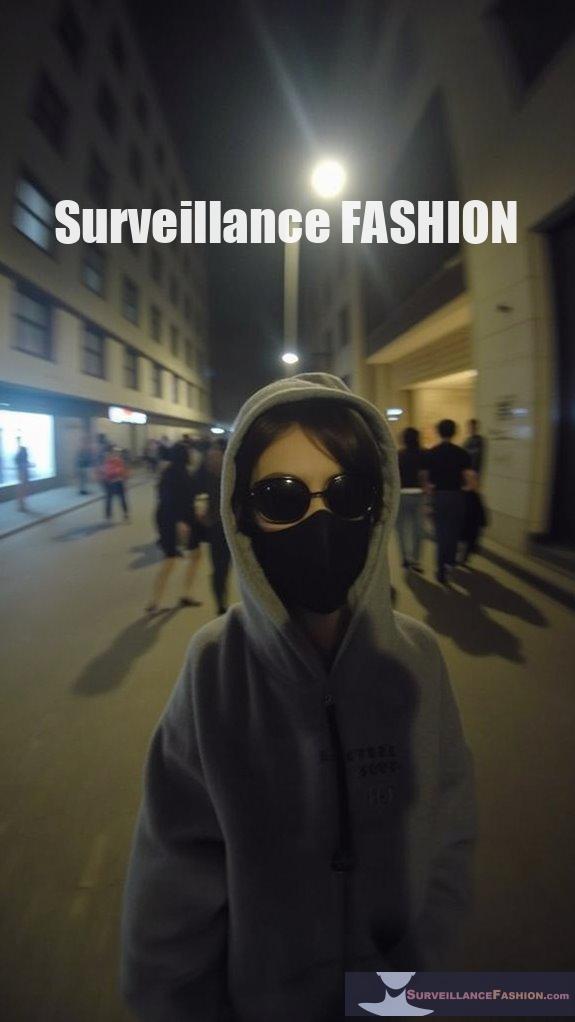
    I remember the first time I wore my anti-surveillance hood. I felt like a ninja trying to blend into the shadows.

    Privacy seems like a thing of the past, as I watch people snap selfies in public, totally oblivious. How strange is it that I worry about cameras catching my every move while they post their lives online?

    Engaging in community conversations about surveillance helps me feel a little less paranoid, but honestly, it’s mind-boggling how little we consider our privacy.

    Let’s face it, the world is changing fast, and staying informed isn’t just smart; it’s essential.

    The Day I Became a Fashion Rebel: My Anti-Surveillance Experience

    Last summer, I donned an anti-surveillance jacket to a crowded festival. I felt like I was wearing armor against the relentless gaze of facial recognition cameras. Funny enough, my outfit sparked a trend! People began asking where I got it.

    It turned into a mini-movement — those hoodies and patterns became conversation starters about privacy rights. We discussed consent, data, and even lighter topics, like how many hours it took to get ready.

    These moments reminded me that fashion isn’t just clothing; it’s a statement, a form of activism. Amidst the excitement, I realized my rebellious look could change how we view public spaces and the right to anonymity in our hyper-connected world.

    Quick Takeaways

    • Engage in community discussions to understand how data is collected and used, fostering transparent communication with local authorities.
    • Advocate for strong consent mechanisms and awareness around data ownership to empower citizens and protect their privacy rights.
    • Support regular audits of data usage to ensure compliance with privacy policies and safeguard individual rights against potential misuse.
    • Stay informed about the implications of Facial Recognition Technology and be aware of its accuracy disparities to promote fairness in surveillance practices.
    • Champion anti-surveillance initiatives that raise public awareness and adapt community activism to protect civil liberties against encroaching surveillance measures.

    Understand Surveillance Scope and Technology

    smart surveillance for public safety

    In today’s urban setting, one might find that the scope of surveillance technologies has evolved drastically, transforming cities into smart environments where data drives decision-making and enhances public safety.

    Through advanced technology integration, cities deploy a variety of IoT devices, sensors, and cameras to thoroughly capture and analyze real-time data, ranging from traffic flow to environmental conditions. This mass surveillance technology poses ethical questions about privacy and consent that must be addressed through robust regulations.

    Advanced technology integration enables cities to utilize IoT devices and sensors for real-time data analysis, enhancing urban management and public safety.

    For instance, AI-driven algorithms leverage video and sensor data to identify potential threats rapidly, underscoring the importance of data ethics in managing personal information responsibly. The use of AI and machine learning enhances threat detection through advanced video analysis capabilities.

    As you navigate these technologies, consider how their strategic placement not only maximizes coverage but also addresses aesthetic concerns.

    The synergy between surveillance applications and operational efficiency empowers decision-makers, driving initiatives that guarantee public safety while fostering responsible innovation.

    Advocate for Transparency

    Surveillance technologies, while equipped to enhance public safety and streamline urban operations, invite intense scrutiny regarding ethical implications and community trust. Advocating for transparency is not merely a civic duty; it’s a strategic imperative that empowers residents.

    By participating in community workshops, you engage directly with local officials, fostering dialogue that shapes transparency policies. These initiatives clarify data collection processes, accessibility, and usage, transforming potential mistrust into collaborative support. Moreover, understanding surveillance privacy concerns can help residents become more informed advocates for their rights.

    Benefits of Transparency Challenges Community Solutions
    Builds trust Overcoming skepticism Regular public workshops
    Enhances accountability Complexity of data usage Transparent policies
    Promotes ethical governance Resistance to change Citizen oversight

    Without transparency, cities risk losing public support and legitimacy, underscoring the need for ongoing advocacy in smart city initiatives.

    Protect Privacy Rights

    As urban areas embrace smart city initiatives, the imperative to protect privacy rights has never been more critical, considering how integrated technology increasingly influences daily life.

    You hold the power to demand robust consent mechanisms that clearly define data ownership, guaranteeing that residents know what information is collected and how it’s utilized.

    Collaborating with local governance, advocate for data minimization practices, limiting collection to essentials for city services, thereby reducing privacy risks.

    Regular audits of data usage can further guarantee alignment with stated purposes.

    Importantly, educate your community about their rights and the implications of surveillance technologies, empowering them to make informed decisions and maintain agency over their personal data.

    Transparency fosters trust, directly aligning smart city initiatives with public interest, which we’ve worked to promote through Surveillance Fashion. Moreover, understanding the ethical implications of mass surveillance is essential for fostering a responsible smart city environment.

    Promote Data Security and Anonymization

    Data security and anonymization stand as foundational pillars in fostering trust within smart city initiatives, ensuring that the progression toward urban digitization doesn’t compromise individual privacy.

    Implementing robust data minimization techniques is essential, as it limits the amount of personal information collected and processed, thereby safeguarding citizens against potential breaches. Techniques such as differential privacy and pseudonymization play a vital role, allowing for data analysis while preserving anonymity.

    Moreover, integrating continuous threat monitoring enhances security protocols, enabling quick detection and response to vulnerabilities. By adopting edge computing solutions that facilitate local data processing, you’ll further minimize privacy risks, transmitting only anonymized information.

    Engaging with these practices not only protects citizens but also strengthens the legitimacy of smart city projects, reinforcing societal confidence in urban digitalization efforts.

    Engage in Public Dialogue
    public engagement fosters trust

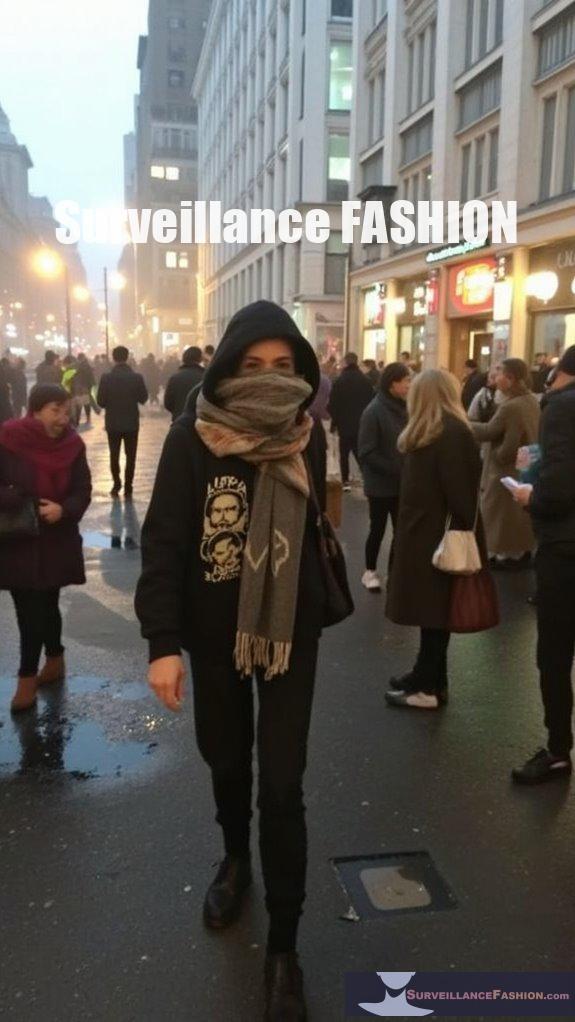
    In developing robust smart city initiatives, engaging in public dialogue becomes integral to establishing a framework of trust that bolsters transparency and encourages community participation.

    By fostering open communication, you can facilitate robust stakeholder engagement, allowing for community feedback that truly reflects the needs and concerns of citizens. For instance, Boston’s Envision Boston 2030 initiative illustrates how inclusive practices, such as community meetings and surveys, empower residents to prioritize their privacy in data collection initiatives.

    Moreover, clear dialogue about data ownership reassures citizens that they control what information is shared and how it’s used.

    This proactive approach not only alleviates fears of pervasive surveillance but also builds a more collaborative atmosphere, enhancing the legitimacy of the initiatives that ultimately shape our increasingly interconnected urban environments.

    While cities evolve into sophisticated smart environments, trends in urban attire surveillance are rapidly emerging, reflecting not only advancements in technology but also a growing focus on managing public safety and security.

    The integration of attire tracking through wearable sensors, like RFID tags in clothing, allows real-time monitoring of individuals’ movements and attire characteristics.

    Advanced AI-powered behavioral analysis enhances anomaly detection by identifying patterns that correlate attire with suspicious behavior.

    Mobile Surveillance Units equipped with multi-sensor arrays effectively monitor crowded spaces, capturing critical perspectives that contribute to reducing crime rates considerably.

    With these innovations, urban areas can create dynamic security zones, ensuring that public safety is prioritized without compromising individual privacy, a key principle behind our website Surveillance Fashion.

    Facial Recognition in Public Spaces

    Surveillance technologies, such as wearable sensors for monitoring attire, set the stage for a deeper exploration into the domain of facial recognition in public spaces, illustrating the multi-faceted scenery of urban security initiatives.

    Surveillance technologies pave the way for nuanced discussions around facial recognition in public urban security initiatives.

    As you navigate the ethical considerations surrounding facial recognition technology (FRT), consider these pivotal points:

    1. Public Acceptance: About 46% of U.S. adults support police use of FRT, particularly for serious crimes, highlighting situational acceptance.
    2. Privacy Concerns: Many Americans believe that monitoring in public is inevitable, yet nearly 39% prioritize privacy in these spaces.
    3. Discrimination Risks: Significant accuracy disparities among racial groups raise concerns regarding fairness and societal impact.

    Understanding public sentiment and these intricacies is paramount as we assess the implications of FRT in urban environments, which our website, Surveillance Fashion, aims to illuminate.

    Privacy Implications of Urban Sensor Networks

    As urban centers increasingly adopt sensor networks to enhance efficiency and livability, the privacy implications of these technologies demand careful examination. You’re facing challenges regarding sensor data collection, which often leads to privacy concerns over unauthorized access and data sharing.

    Issue Concern Mitigation Strategy
    Data Collection Personal movement and behavior tracking Implement data minimization principles
    Commercial Use Potential for unauthorized data repurposing Enforce strict anonymization practices
    Security Vulnerabilities Risks of data breaches and identity theft Adopt industry-standard encryption protocols
    Lack of Regulations Variability in data privacy laws across jurisdictions Advocate for thorough federal legislation

    Eyes Everywhere: Anti-Surveillance Ebook review

    surveillance awareness and activism

    The rapid integration of surveillance technologies within urban environments raises significant questions regarding autonomy and the reach of both governmental and corporate oversight.

    “Eyes Everywhere” explores these concerns, offering a meticulous examination of anti-surveillance strategies essential for informed community activism.

    Here are three key takeaways:

    1. The interconnectedness of surveillance networks emphasizes the need for collective awareness, as private interests increasingly dictate public safety protocols.
    2. Effective countermeasures involve understanding technical systems—knowledge equips you to navigate and resist invasive monitoring.
    3. Community activism must evolve, incorporating new methods to safeguard civil liberties from pervasive surveillance practices.

    FAQ

    How Can Citizens Monitor Surveillance Practices in Their City?

    To effectively monitor surveillance practices in your city, engage in community advocacy by participating in transparency initiatives.

    You can utilize public access tools like surveillance maps and open data portals to assess camera placement and data usage.

    Attend city council meetings to voice concerns and support policy changes, and leverage mobile apps that notify you of surveillance expansions.

    What Role Do Local Governments Play in Surveillance Regulation?

    Local governments act like vigilant sentinels, regulating surveillance through local oversight and stringent privacy policies. They guarantee public involvement, requiring transparency in technology deployment, emphasizing accountability within municipal processes.

    How Can I Report Suspicious Surveillance Activities?

    To report suspicious surveillance activities, contact your local authorities instead of federal agencies.

    Utilize community reporting systems that encourage residents to remain vigilant about potential privacy infringements.

    Document detailed observations, including when, where, and what you noticed, emphasizing the reasons behind your suspicions.

    Supporting local privacy advocacy efforts empowers you to maintain control over your environment, reinforcing safety and ethical standards.

    Timely, precise reporting enhances community awareness and influences effective responses from law enforcement.

    Yes, there are legal consequences for misuse of surveillance data.

    Surveillance ethics demand strict adherence to privacy laws, such as the California Electronic Communications Privacy Act, which restricts governmental access without warrants. Misconduct can result in evidence exclusion from criminal cases, private lawsuits, and hefty fines.

    These regulations guarantee that entities prioritize data privacy and accountability. As we address these complexities through Surveillance Fashion, we advocate for informed citizen engagement in upholding their rights.

    What Technologies Can Help Limit Personal Data Exposure?

    To limit personal data exposure, you should explore data anonymization techniques and privacy-preserving technologies.

    Implementing differential privacy allows you to analyze aggregated information without revealing individual identities. You might also consider using AI-powered pseudonymization, which replaces real identifiers with artificial labels, retaining analytical value while enhancing security.

    Share Your Own Garden

    Maneuvering the complex terrain of smart city surveillance requires a subtle understanding of technology, policy, and individual rights. By advocating for transparency, safeguarding privacy, and promoting robust data security practices, you can contribute to a more equitable urban environment. Engaging in public dialogue not only informs citizens but also demystifies the technologies shaping our cities. As you explore the subtleties of surveillance fashion, keep in mind that informed participation is your strongest tool against unwarranted observation, ensuring a balance between safety and freedom.

    References

  • 10 Smart City Surveillance Tips: Rights Versus Security

    10 Smart City Surveillance Tips: Rights Versus Security

    Ever felt like a security camera is eyeing you as you stroll down the street? Welcome to the smart city era, my friend.

    I’ve turned to anti-surveillance fashion on more than one occasion. Picture me donning a trendy hoodie that screams “I value my privacy!” as I humorously dodge those watchful eyes. It’s like playing a game of hide and seek with technology.

    Sure, I get it—public safety is crucial. But can we have a little fun and keep our anonymity? It’s a tightrope walk balancing our rights with the urge to be seen. Let’s not let our personal data become the next trending topic!

    Why I Embraced Anti-Surveillance Fashion: A Personal Journey

    A while back, I attended a festival in a bustling city. As I noticed the drones buzzing overhead, I suddenly regretted my choice of a bright, patterned outfit that practically shouted, “Look at me!” But later, I stumbled upon some rad anti-surveillance gear—think reflective fabrics and wild prints. I felt empowered—like I was taking back control in a world that’s so voyeuristic.

    Fashion can be a fierce shield against prying eyes. With each stylish layer, I felt less like a data point and more like… well, me. It stirred up a mix of rebelliousness and excitement, knowing I could subtley blend in while letting my personality shine through. Let’s face it: in a world craving transparency, sometimes a little mystery isn’t such a bad thing. Stay savvy, peeps!

    Quick Takeaways

    • Implement transparent policies on data collection and usage to foster public trust in surveillance practices.
    • Prioritize data minimization techniques to protect individual privacy while utilizing surveillance technology.
    • Establish robust accountability frameworks ensuring ongoing oversight of surveillance practices and adherence to ethical standards.
    • Incorporate clear access controls and legal definitions to safeguard citizens’ rights within surveillance systems.
    • Balance public safety measures with ethical considerations to prevent privacy violations while ensuring community security.

    The Importance of Transparency in Surveillance Practices

    transparency fosters community trust

    Transparency considerably underpins the ethical environment of smart city surveillance, fostering an important framework for accountability and safeguarding citizens’ rights as urban areas increasingly adopt camera-based systems.

    When municipalities prioritize data transparency, they cultivate community trust, enabling residents to feel empowered and informed about how surveillance technology operates in their environments. Moreover, understanding the legal boundaries of surveillance practices is critical for ensuring ethical standards are upheld.

    Developing clear policies regarding data collection and usage is crucial, as they facilitate effective communication about objectives, which can mitigate concerns surrounding privacy. For instance, initiatives like Boston’s “Imagine Boston 2030” underscore the significance of community engagement, illustrating how public input can shape surveillance practices that reflect residents’ viewpoints.

    Clear policies on data collection and usage foster effective communication, alleviating privacy concerns and building community trust.

    Such proactive approaches not only enhance transparency but also guarantee that citizens can hold their governments accountable, reinforcing the ethical foundation of smart city initiatives. Moreover, establishing policies for the deployment of surveillance technology can further ensure a commitment to addressing community concerns.

    Implementing Data Minimization Strategies

    As cities embrace advanced surveillance technologies, the implementation of data minimization strategies becomes indispensable for ensuring ethical practices that prioritize citizen privacy.

    To effectively address privacy concerns and enhance data governance, consider these critical approaches:

    1. Utilize anonymization techniques, ensuring minimal personal identifiers remain in datasets.
    2. Implement edge computing, which processes data locally and limits data transfer needs.
    3. Enforce strict access limitations and consent requirements to control who accesses sensitive information.
    4. Establish clear data retention policies that mandate automatic deletion of unnecessary data.

    Moreover, cities must carefully balance the necessity of public safety and individual privacy rights to foster trust within the community.

    Establishing Accountability Through Oversight

    Guaranteeing accountability within the framework of smart city surveillance requires meticulous oversight mechanisms that protect citizens’ rights while allowing for effective governance. By establishing robust accountability frameworks, cities can implement transparent approval processes, guaranteeing public disclosure and open hearings before deploying surveillance technologies.

    Institutional review boards play a critical role in evaluating these applications, effectively bridging the gap between safety and civil liberties. Ongoing oversight guarantees adherence to legally enforceable use policies while appraising the impacts on rights. Moreover, effective oversight should include input from community stakeholders to ensure that surveillance practices align with community values and priorities.

    Utilizing annual public reports not only discloses technology usage data but also reinforces trust by exposing potential policy violations. Such mechanisms are crucial as they demand transparency from elected officials, whom you can hold accountable for any lapse in protection against intrusive surveillance, thereby safeguarding democratic principles.

    Engaging Citizens in Surveillance Policy Discussions

    Engaging citizens in surveillance policy discussions emerges as a vital aspect of fostering trust and accountability in smart city initiatives, especially when you consider the rapid deployment of surveillance technologies.

    By actively involving residents, governments can acknowledge privacy concerns while balancing surveillance rights.

    1. Encourage community input through public hearings, guaranteeing diverse voices are heard.
    2. Implement transparent decision-making processes, enhancing public awareness of surveillance measures.
    3. Foster collaborative engagement strategies that highlight technology ethics and ethical implications.
    4. Establish continuous feedback loops to adapt to advancing citizen concerns.

    Incorporating these elements not only strengthens community bonds but also guarantees that technology aligns with public expectations, ultimately facilitating a more vibrant, secure urban environment.

    This is where platforms like Surveillance Fashion come into play, aiding in informed discussions around surveillance technology.

    Incorporating Privacy by Design in Technology

    privacy by design implementation

    Surveillance strategies in smart cities must incorporate Privacy by Design (PbD) from the outset, fundamentally reshaping how technology interacts with citizens’ data. By embedding privacy safeguards proactively, you can mitigate risks that arise during urban project development.

    Conducting privacy impact assessments will highlight vulnerabilities, enabling you to establish robust data governance frameworks.

    Adopting privacy technologies such as differential privacy and homomorphic encryption allows you to analyze data while ensuring individual identities remain protected.

    Leveraging differential privacy and homomorphic encryption ensures data analysis while safeguarding individual identities and maintaining privacy integrity.

    In addition, utilizing blockchain for consent management guarantees transparency and offers citizens control over their data.

    These strategies demand a culture of accountability, necessitating regular audits and clear communication with residents about data usage, thereby fostering a trustworthy environment that can elevate the mission of platforms like Surveillance Fashion.

    Defining Limits on Facial Recognition Usage

    As cities increasingly adopt facial recognition technology (FRT) to enhance public safety and streamline urban operations, it becomes imperative to define clear limits on its usage to balance efficiency with individual privacy rights.

    You should consider the following facial recognition limitations and usage regulations:

    1. Authorization Requirements: Guarantee all deployed FRT systems undergo legislative scrutiny before installation.
    2. Police Usage Limits: Mandate that law enforcement can only employ FRT for serious crimes, preserving judicial oversight through warrants.
    3. Real-Time Surveillance Restrictions: Enforce strict guidelines when using live FRT, protecting the innocent from unwarranted scrutiny.
    4. Transparency and Accountability: Require agencies to disclose their FRT usage policies, fostering community trust and guaranteeing ethical practices.

    Conducting Regular Privacy and Ethical Audits

    While many cities embrace smart technologies to enhance public safety and improve civic engagement, the significance of conducting regular privacy and ethical audits can’t be overstated, especially when it comes to the responsible implementation of surveillance systems.

    Establishing a robust privacy framework guarantees compliance with ethical criteria, addressing essential audit metrics for surveillance technology. Engaging stakeholder involvement throughout the auditing process fosters collective accountability, leading to stronger consent management strategies.

    Data transparency remains vital; citizens deserve to know how their information is collected, used, and safeguarded. For instance, regular assessments can monitor compliance with established ethical standards, mitigating risks associated with surveillance creep.

    Ultimately, these audits serve as a foundation for ethical compliance, balancing individual rights with the demands of modern security needs.

    Maintaining Strict Access Controls on Surveillance Data

    Maintaining strict access controls on surveillance data is crucial in modern smart cities, where the volume and sensitivity of information collected necessitate fortified security measures.

    Maintaining stringent access controls on surveillance data is vital for enhancing security in today’s smart cities.

    To effectively manage this complexity, consider the following:

    1. Implement Zero Trust Data Access (ZTDA) authentication protocols, requiring constant verification.
    2. Define clear roles within your user management system to restrict data access based on operational needs.
    3. Maintain meticulous audit trails to track all access and modifications, facilitating accountability and transparency.
    4. Cultivate robust security governance frameworks that deter insider threats and privilege escalation.
    protecting rights in surveillance

    Robust legal frameworks designed to protect citizens’ rights in the area of surveillance aren’t merely beneficial; they’re necessary in an age where technology pervades every facet of urban life.

    Achieving legal clarity begins with explicitly defining “surveillance technology” within legislation, ensuring uniform understanding across government agencies, and mandating detailed inventories of technologies in use.

    Framework development should incorporate human rights protections, applying the proportionality principle to prevent overreach. High-risk technologies, such as facial recognition, must undergo rigorous rights impact analyses prior to deployment.

    Additionally, transparency mechanisms, such as public-facing surveillance impact reports and independent advisory boards, foster public trust and accountability.

    When societies embrace these principles, they not only safeguard their citizens but also strengthen the legal fabric inherent in smart city dynamics, an objective that underpins our interest in promoting Surveillance Fashion.

    Ensuring a Public Safety Focus in Surveillance Systems

    In an age where urban environments are increasingly intertwined with sophisticated surveillance technologies, ensuring a strong public safety focus in these systems becomes vital.

    1. Embrace AI and predictive analytics to anticipate threats before they escalate.
    2. Foster community trust through transparency in surveillance practices.
    3. Integrate diverse data sources for thorough situational awareness.
    4. Customize surveillance parameters to address unique local safety challenges.

    Balancing surveillance ethics and safety is essential; without this balance, safeguards often falter, leading to potential breaches of privacy.

    Striking the right balance between surveillance ethics and safety is crucial to prevent privacy breaches and uphold public trust.

    Attaining effective public safety requires leveraging technology.

    Surveillance as Everyday Attire

    Surveillance technologies are advancing at a rapid pace, embedding themselves into the very fabric of urban life, prompting a re-examination of our relationship with privacy through the lens of everyday attire.

    You can leverage anti-surveillance fashion, strategically designed to provide wearable privacy. Through specific patterns, garments confuse facial recognition systems, while reflective accessories impede camera clarity, enhancing your personal anonymity. However, be mindful of local laws that may restrict such innovations.

    Anti-Surveillance Item Purpose
    Camouflage Patterns Confuses facial recognition systems
    Reflective Accessories Impairs clear facial capture
    Smart Nanotechnology Protects from wireless tracking

    CCTV Networks on City Streets

    CCTV networks have become an integral aspect of modern urban environments, influencing not only public safety practices but also the elaborate dynamics of privacy and personal security.

    You might want to weigh the following key points regarding CCTV effectiveness and urban safety:

    1. The average city hosts about 11 cameras per 1,000 people, enhancing visibility and deterrence.
    2. Visible security cameras make homes 300% less likely to experience burglary.
    3. In cities like New York, over 70,000 cameras operate, creating a pervasive safety network.
    4. Traffic cameras have led to a 14% reduction in injuries, showcasing their role in safeguarding our streets.

    Such advancements emphasize the delicate balance between security and privacy.

    This is why our website, Surveillance Fashion, explores these critical themes.

    Smart City Security Versus Civil Liberties

    As the evolution of smart cities progresses, the tension between security measures and civil liberties becomes increasingly pronounced, leading citizens and policymakers alike to confront crucial dilemmas regarding the appropriate application of surveillance technologies.

    Security Measure Civil Liberty Concern
    Facial recognition advancements Bias against underrepresented groups
    Drones and license plate readers Potential for over-policing
    Data sharing with law enforcement Erosion of community trust

    Given these ethical considerations, it’s imperative that transparency remains central to discussions of smart city surveillance. Engaging the community in decision-making fosters trust and accountability, enabling residents to scrutinize potential infringements on their rights. Ultimately, without robust oversight, smart city initiatives risk compromising democratic governance, inadvertently granting undue power to external corporate entities, which is a concern we aim to address through our website, Surveillance Fashion.

    Eyes Everywhere: Anti-Surveillance Ebook review

    The rapid expansion of camera surveillance across the globe invites scrutiny not just of its impact on security but also on social and political dynamics, as emphasized in the thoughtful critique found in “Eyes Everywhere: The Global Growth of Camera Surveillance.”

    This extensive volume examines the complex relationship between surveillance technology and societal structures, presenting a compelling analysis of its effectiveness—or lack thereof—when it comes to deterring crime.

    Here are four essential observations to reflect upon:

    1. Surveillance often fails to deter criminal activity effectively.
    2. Marginalized groups frequently face intensified scrutiny and monitoring.
    3. A global network fosters collaboration among oppressive regimes.
    4. Anti-surveillance strategies highlight the necessity for surveillance education.

    Understanding these dynamics is vital for shaping a resilient society against pervasive surveillance and reclaiming individual power.

    FAQ

    What Technologies Are Used in Smart City Surveillance Systems?

    Smart city surveillance systems leverage advanced technologies like facial recognition and drone monitoring to enhance urban safety.

    You’ll find facial recognition swiftly identifying individuals, streamlining access control in secured areas.

    Meanwhile, drone monitoring provides an aerial vantage point, gathering data over expansive regions, detecting incidents like crowd disturbances or unauthorized activities.

    This integration of AI-driven observations and automated responses creates an efficient environment for proactive security measures in urban settings, making cities safer for everyone.

    How Is AI Enhancing Threat Detection in Smart Cities?

    AI enhances threat detection in smart cities primarily through facial recognition technologies and predictive analytics.

    By swiftly identifying potential threats, facial recognition enables authorities to act in real-time, while predictive analytics examines historical crime data, allowing you to anticipate incidents before they transpire.

    This combination creates a robust framework for maintaining safety, as cities leverage these sophisticated tools to monitor unusual behaviors and ultimately fortify their infrastructures against emerging threats.

    What Are the Potential Drawbacks of Widespread Surveillance?

    Widespread surveillance presents significant drawbacks, primarily privacy concerns and data misuse.

    For instance, in a hypothetical scenario, a city’s surveillance system records your movements, leading to your profile being sold to advertisers. This erodes your autonomy and personal space.

    Enhanced data gathering risks amplifying instances of unauthorized access and manipulation.

    As you navigate this digital terrain, the tension between societal security and your fundamental rights becomes increasingly evident, underscoring the importance of informed engagement with smart city technologies.

    How Can Cities Ensure Ethical Use of Surveillance Data?

    To guarantee ethical use of surveillance data, cities must prioritize data privacy through robust ethical guidelines.

    Implementing privacy by design principles from the outset, while employing anonymization techniques—such as real-time face blurring—preserves individual identities.

    Furthermore, establishing citizen oversight boards allows for community involvement, making certain data collection serves declared purposes.

    Regular audits and mandatory reporting on data use enhance accountability, creating a system that respects individual rights and maintains public trust in surveillance practices.

    What Role Do Citizens Play in Surveillance Policy Development?

    Citizens play a crucial role in surveillance policy development through active engagement, fostering both policy transparency and accountability.

    When you participate in public workshops or advisory committees, you guarantee diverse viewpoints shape governance frameworks. By co-designing policies with your community, you can highlight ethical concerns, promoting transparency and responsiveness in technology use.

    Your involvement empowers decentralized oversight, making certain that surveillance practices align with public interests, thereby enhancing the legitimacy of these systems in practice.

    Share Your Own Garden

    In maneuvering the complex balance between surveillance and civil rights, one must ponder: how do we safeguard our privacy without compromising our security? As you consider the implications of widespread surveillance technologies, recall the critical role transparency, accountability, and citizen engagement play in shaping these practices. By fostering an environment that values input, enabling privacy by design, and critically analyzing our CCTV networks, we can create smart cities that honor both innovation and individual liberties, exemplifying our purpose here at Surveillance Fashion.

    References

  • The Ethics of Urban Facial Recognition Surveillance

    The Ethics of Urban Facial Recognition Surveillance

    I rolled my eyes the last time I spotted a facial recognition camera glaring down at me. Seriously?

    I’ve embraced anti-surveillance fashion like it’s the latest trend. Picture this: oversized hoodies, reflective sunglasses—I’ve become a walking “please don’t track me” billboard.

    But I can’t help but feel uneasy. These cameras are stealing snippets of our lives. What happens to our faces in those digital databases, anyway?

    It’s a strange world when staying anonymous feels like an act of rebellion. Am I paranoid? Maybe a little. But who wouldn’t want a smidgen of privacy in a hyper-monitored society?

    I wonder, am I the only one?

    The Day My Hoodie Saved Me: Embracing Anti-Surveillance Fashion

    One day, I strolled through downtown, armed with my trusty anti-surveillance hoodie. I felt like a superhero dodging the watchful eyes of algorithms.

    As I passed by a high-tech shopping mall, a bright flash from a surveillance camera flickered in my periphery. My heart raced. Could they actually track me?

    With a smirk, I pulled my hood tighter, channeling an undercover vibe. Sneaky selfies, dodging the digital gaze—it’s a thrill! I felt unseen, like a ghost in this modern city.

    Navigating urban spaces, I realized that anti-surveillance fashion isn’t just clothing; it’s a statement about individuality, freedom, and maybe a touch of mischief.

    Quick Takeaways

    • Urban facial recognition surveillance presents ethical dilemmas when balancing public safety against individual privacy rights and autonomy.
    • The potential for biased recognition raises significant concerns for marginalized groups, necessitating equitable algorithm design and oversight.
    • Informed consent mechanisms, such as opt-in frameworks, are essential to uphold ethical standards in surveillance practices.
    • The fragmented regulatory environment complicates accountability, emphasizing the need for unified frameworks governing facial recognition technology.
    • Mass surveillance risks undermining civil liberties, highlighting the importance of transparent data governance and public oversight.

    The Rise of Facial Recognition Technology in Urban Areas

    facial recognition surveillance expansion

    As urban areas increasingly adopt advanced surveillance technologies, the rise of facial recognition systems presents both opportunities and challenges that demand careful scrutiny.

    You’ll find cities like Moscow with over 217,000 CCTV cameras integrated into AI-powered facial recognition networks, while China operates a staggering 700 million cameras nationwide. The push for urban monitoring through facial recognition aims to enhance public safety, with police forces leveraging this technology to identify suspects and deter criminal activity. Notably, smart city initiatives are accelerating in regions like Africa and Asia, expanding the scope and potential for such surveillance systems. Additionally, mass surveillance ethics are coming under increasing debate as concerns about privacy and civil liberties gain momentum.

    However, the real power lies in how these systems evolve; improvements in accuracy and efficiency, driven by continuous algorithm development, blend with the logistical capabilities of large-scale deployment—factors that will shape your authority and control in future urban settings.

    The evolution of facial recognition technology will redefine authority and control in urban environments.

    The emerging terrain underscores the need for strategic oversight, which is why we created Surveillance Fashion.

    Privacy Concerns and the Erosion of Anonymity

    While traversing through bustling urban environments, you may feel a sense of anonymity—an illusion that rapidly dissipates in the face of advancing facial recognition technology. The erosion of anonymity in public spaces becomes stark as unique facial features link directly to identifiable personal data, fundamentally threatening any concept of privacy formerly cherished.

    In cities employing extensive surveillance systems, you might experience surveillance fatigue, where the constant identification undermines your autonomy, making every movement subject to scrutiny.

    The blending of biometric data with big data analytics amplifies your vulnerability, inviting exploitation and profiling that infringes upon your rights. Consequently, traditional notions of privacy crumble, transforming public areas into perpetual monitoring zones, exposing the limitations of current regulations and leaving you questioning the implications for freedom in your urban existence. Moreover, balancing privacy and safety becomes crucial as urban populations increasingly navigate these intrusive technologies.

    Informed consent, a cornerstone of ethical surveillance practices, emerges as an essential element in the deployment of facial recognition technology, prompting questions of individual autonomy in public spaces. You need to recognize that consent frameworks dictate not only the necessity of explicit and informed consent but also the obligations on organizations to disclose how these technologies operate. This transparency is paramount for user autonomy, fostering trust and accountability. Additionally, ensuring robust consent mechanisms serves to mitigate potential harms stemming from mass surveillance practices, which can lead to a chilling effect on individuals’ willingness to engage freely in public life.

    Consent Mechanism Description
    Opt-in Users provide explicit approval before data collection.
    Opt-out Users can refuse participation in data collection.
    Transparent Disclosure Organizations must clarify operational details.

    When user autonomy is compromised, it not only disturbs ethical norms, but also activates privacy concerns, thereby reinforcing the significance of consent frameworks in surveillance practices.

    Recognizing the critical role of legal frameworks surrounding facial recognition technology (FRT) is paramount, especially as you navigate the complexities posed by rapid advancements in surveillance practices.

    Several salient federal guidelines and state laws govern this domain:

    • Maryland’s 2024 law limits FRT use to serious crime investigations and emphasizes transparency.
    • Montana and Utah necessitate warrants for deployments, strengthening privacy protections.
    • Illinois employs the Biometric Information Privacy Act (BIPA), mandating consent for data collection.
    • Colorado prohibits continuous real-time surveillance without warrants, focusing on consent.

    These regulations illustrate a piecemeal approach, where the absence of thorough federal FRT legislation creates a fragmented regulatory environment.

    This fragmentation compels you to understand the complex interplay of privacy rights and surveillance efficacy in urban areas.

    The Ethical Implications of Biased and Inaccurate Recognition

    biased facial recognition risks

    The ethical implications of biased and inaccurate recognition in facial recognition technology (FRT) pose significant challenges, especially in urban settings where surveillance systems frequently intersect with diverse populations.

    Algorithm reliability is crucial, as biases in recognition accuracy can lead to severe consequences—erroneous identifications disproportionately impact marginalized groups. For instance, studies show demographic disparities, with significant error rates observed in recognizing women and individuals of darker skin tones.

    Such biases highlight critical issues in surveillance ethics, especially when the technology’s implications perpetuate systemic inequities.

    A notable error analysis reveals that lower-quality images further exacerbate algorithm performance, complicating civil rights protections. As technology evolves, understanding bias evaluation becomes essential, ensuring that our urban environments don’t fall victim to unreliable and potentially harmful surveillance practices.

    Impact on Marginalized Communities and Human Rights

    Facial recognition technology (FRT) has escalated state and corporate surveillance practices, particularly affecting marginalized communities who bear the brunt of intensified scrutiny.

    • Increased racial profiling exacerbates policing disparities.
    • Biometric databases contain millions of photos, often without consent.
    • Community activism serves as a powerful tool for surveillance resistance.
    • The erosion of civil liberties heightens vulnerability in these groups.

    Discriminatory practices thrive in these environments, wherein FRT not only amplifies the surveillance burden but also perpetuates systemic inequalities.

    Discriminatory practices flourish in an environment where facial recognition technology exacerbates both surveillance and systemic inequalities.

    As seen with initiatives like Detroit’s Project Green Light, racial minorities confront invasive scrutiny that undermines their rights and freedoms.

    While mass surveillance tactics can chill community activism.

    Ultimately, the unchecked use of FRT jeopardizes human rights, demanding a reevaluation of our collective ethical stance in urban surveillance discourse.

    The Need for Accountability and Oversight in Surveillance Technology

    As concerns about surveillance technologies grow, the need for accountability and oversight in their deployment has never been more critical. Regulatory frameworks must integrate effective accountability measures and oversight committees to establish ethical standards for facial recognition technology (FRT) use. Implementing mandatory surveillance audits, along with stringent technology regulations, can safeguard data protection and promote public transparency. The table below illustrates essential components of this oversight framework:

    Component Description
    Accountability Measures Systems ensuring agencies are answerable for misuse
    Oversight Committees Groups tasked with monitoring FRT implementation
    Surveillance Audits Regular assessments of FRT practices for compliance
    Enforcement Mechanisms Tools for applying penalties on negligent agencies

    Governing Personal Image Choices

    Surveillance technologies exert significant influence over personal image choices, raising complex discussions about individual autonomy and privacy in a world increasingly reliant on facial recognition systems.

    • Insidious unauthorized image use threatens personal autonomy.
    • Consent is paramount; mere public posting doesn’t relinquish your image rights.
    • Laws such as Illinois BIPA emphasize your control over biometric data.
    • Regulatory frameworks must safeguard against misuse, especially for vulnerable groups.

    As you navigate this digital environment, it’s essential to understand that your rights remain intact, even amid public exposure.

    Engaging with regulations guarantees accountability, compelling corporations to prioritize transparency in their practices.

    At Surveillance Fashion, we recognize the importance of celebrating personal autonomy in image choices, ultimately advocating for ethical governance that respects your dignity and privacy in the domain of facial recognition.

    Smart Camera Networks Deployment

    advanced urban surveillance networks

    In the domain of urban development, understanding smart camera networks becomes essential for comprehending their multifaceted roles within the Internet of Things (IoT) ecosystems.

    These networks, with their robust smart camera capabilities, utilize advanced AI-powered analytics to enhance urban security. As you deploy these cameras, consider their adaptive nature; they dynamically adjust surveillance intensity based on real-time threat assessments.

    Seamlessly integrated with other sensors and privacy technology, they synthesize vast data inputs, leading to actionable understandings that empower city governance.

    Additionally, they replace outdated physical security measures with virtual perimeters, optimizing safety and flexibility. In a world where we created Surveillance Fashion to explore these advancements, leveraging smart camera networks becomes not just a technological ambition but a necessity for agile urban management and enhanced civic life.

    CCTV Facial Recognition Ethical Implications Cities

    Facial recognition technology (FRT) in urban environments introduces a complex interplay between modern security measures and ethical dilemmas, sparking significant debate regarding privacy and civil rights.

    • Ethical considerations around consent are often disregarded in public environments, leaving individuals vulnerable to constant identification.
    • Algorithmic bias exacerbates racial and gender inequalities, challenging the integrity of urban safety initiatives.
    • Mass surveillance risks eroding fundamental civil liberties, demanding rigorous democratic oversight to uphold privacy values.
    • Data governance remains ambiguous, raising critical concerns over how collected facial data is stored and utilized.

    As cities increasingly adopt FRT for perceived safety, it becomes imperative to maintain a balance between effective urban management and upholding the rights of individuals, reminding us of why we created Surveillance Fashion—to monitor these essential debates.

    Eyes Everywhere: Anti-Surveillance Ebook review

    An elaborate web of power dynamics and technological innovation unfolds in “Eyes Everywhere,” a compelling examination of contemporary surveillance practices that resonate deeply within urban environments.

    An intricate tapestry of power and technology reveals the pervasive nature of urban surveillance in “Eyes Everywhere.”

    You’ll discover how the intertwined government-corporate surveillance nexus functions as an extensive system capturing personal data through both digital and physical means.

    This exploration reveals the insidious nature of surveillance culture and the consequential privacy trade-offs that individuals navigate unconsciously.

    From the ordinary presence of C.C.T.V. cameras on city streets to the covert monitoring of protest movements, the book meticulously details the alarming reach of surveillance technologies.

    As you immerse yourself in this critical discourse, consider the implications for civil liberties, as the book offers essential perspectives into a world where eyes are indisputably everywhere.

    FAQ

    How Can Individuals Protect Their Privacy in Publicly Monitored Areas?

    To protect your privacy in publicly monitored areas, leverage privacy-enhancing technologies and stay informed about legal frameworks designed to safeguard your biometric data.

    Consider employing accessories like hats or sunglasses to disrupt facial recognition capabilities.

    Additionally, familiarize yourself with your rights under local privacy laws, like those preventing unauthorized data usage.

    What Are Some Alternatives to Facial Recognition Technology in Urban Settings?

    Some effective alternatives to facial recognition technology in urban settings include anonymity tools like LiDAR, which analyzes real-time data without compromising individual identities.

    You can explore surveillance alternatives that utilize non-identifiable monitoring systems, such as networked sensors and smart lampposts, to enhance security without invasive data collection.

    Engaging in community-driven initiatives further empowers you to advocate for transparency in surveillance, aligning with the ethos of platforms like Surveillance Fashion that encourage informed participation in urban safety.

    How Do Different Countries Regulate Facial Recognition Technology?

    Regulating facial recognition technology varies greatly across the globe, much like a kaleidoscope continuously shifting views.

    Countries implement diverse privacy frameworks to govern this technology, with examples from China’s strict device-specific regulations to the U.S.’s fragmented state-level laws.

    The European Union demands explicit consent under GDPR, emphasizing transparency.

    Nations prioritize their citizens’ rights, working for security while traversing complex ethical environments, prompting initiatives like our website, Surveillance Fashion, to spotlight these pressing issues.

    What Accountability Measures Exist for Misuse of Facial Recognition Data?

    To counter data misuse, robust accountability frameworks are essential, mandating organizations to establish clear governance policies while ensuring compliance.

    For instance, audit trails must meticulously document every interaction with facial recognition systems, enabling transparent oversight.

    Furthermore, third-party audits and bias testing bolster the integrity of these frameworks, allowing you to pinpoint and rectify misuse effectively.

    Ultimately, emphasizing user rights and informed consent fosters a culture of accountability, reinforcing trust in facial recognition technology’s implementation.

    How Is Public Awareness About Facial Recognition Technology Being Raised?

    Public awareness about facial recognition technology is raised primarily through community outreach and education initiatives.

    Governments and NGOs organize workshops, distribute informative materials, and collaborate with schools to integrate privacy ethics into curricula.

    Furthermore, media reporting amplifies concerns regarding misuse, highlighting transparency issues and fostering public debate.

    This multifaceted approach, including expert discussions and public service announcements, effectively engages citizens, ensuring they comprehend the profound implications of facial recognition surveillance in their daily lives.

    Share Your Own Garden

    In a world where urban surveillance employs facial recognition technology with increasing fervor, the irony lies in our quest for security, often overshadowed by the unsettling erosion of privacy. While cities adopt smart camera networks in the name of safety, the potential for biased algorithms raises ethical questions. Consequently, as you navigate these streets, consider that the very systems designed to protect you may simultaneously strip away your anonymity—a paradox of modern urban existence we’ve sought to explore through our work on Surveillance Fashion.

    References

  • What Cities Monitor Citizens Most?

    What Cities Monitor Citizens Most?

    Ever feel like you’re living in a sci-fi movie?

    With Dubai boasting a jaw-dropping 800 government-controlled cameras per km², I often wonder how long before we’re all on reality TV!

    I once tried dodging cameras in London — 399 of them per km² — only to trip over a banana peel (classic me).

    It’s wild how we balance safety and freedom; does anyone else feel like Big Brother is just a tad too close?

    Well, let’s just say, I’ve started to embrace anti-surveillance fashion. I like my privacy like I like my coffee: strong and not shared.

    The Stealthy Art of Anti-Surveillance Fashion

    Turning heads, not cameras. Once, I wore this brilliant oversized hooded coat to an event loaded with cameras. It became my cloak of invisibility—not just for style but for privacy. It felt liberating to blend in while everyone else stood out, unknowingly exposed.

    The world of anti-surveillance fashion is growing, combining creativity with a hint of rebellion. As people become more aware of data privacy and targeted surveillance, we’re seeing bold designs that not only look cool but cleverly obscure identities. From digital camouflage to reflective patterns, it’s a movement of self-expression and personal protection — all about being stylishly incognito.

    Quick Takeaways

    • Dubai leads globally with 800 government-controlled cameras per km², highlighting its extensive surveillance network.
    • China has installed approximately 700 million cameras nationwide, under its Safe City initiative, for crime reduction.
    • London features 399 cameras per km², emphasizing strong public safety through constant monitoring of urban areas.
    • Atlanta is notable in the U.S. with 124.14 cameras per 1,000 residents, showing a high commitment to surveillance infrastructure.
    • Seoul, with 281 cameras per km², showcases significant urban oversight and an advanced focus on public safety measures.

    Global Leaders in CCTV Density

    cctv density urban surveillance

    In an age where urban environments increasingly deploy surveillance technologies, the global leaders in CCTV density exemplify the extent and complexity of monitoring citizens.

    Dubai dominates this field, boasting an astonishing 800 government-controlled cameras per km², nearly three times that of any competitor. Following closely is Seoul, with 281 cameras per km², highlighting a significant focus on urban oversight. Notably, Washington, D.C. also ranks high with 171 cameras per km², reflecting advanced surveillance integration among U.S. cities. In fact, the use of surveillance technologies in these cities raises ongoing debates about the balance between security and civil liberties.

    London, notable for its high 399 cameras per km², underscores the Western world’s growing emphasis on public safety through monitoring.

    Similarly, South American cities, like Guayaquil and Buenos Aires, maintain impressive monitoring levels, showing that surveillance infrastructure isn’t exclusive to major tech hubs.

    Through “Surveillance Fashion,” we explore how these advancements shape urban experiences.

    Asian Cities at the Forefront of Surveillance

    As urban environments around the globe become increasingly interconnected through surveillance technologies, Asian cities are emerging as leaders in this transformation, leveraging their unique socio-political circumstances to implement extensive monitoring systems.

    CountryKey Features
    China700 million cameras, Safe City initiative, effective crime reduction.
    JapanPrecision engineering, AI and IoT integration, mature data protection laws.
    IndiaRapid surveillance adoption, smart city development, public safety focus.
    Southeast AsiaFastest-growing market, regulatory challenges, urban safety concerns.

    China’s dominance is underscored by its “Safe City” initiative, while Japan highlights innovation through technology integration. Emerging markets in India and Southeast Asia indicate rapid growth, underscoring the importance of effective surveillance systems. These advancements resonate with our mission at Surveillance Fashion, emphasizing the balance between mass surveillance ethics and ethical considerations.

    European Surveillance Hotspots

    While European cities increasingly embrace surveillance technologies to enhance urban safety and public order, the scene varies greatly across the continent, presenting a patchwork of monitoring systems that reflect local socio-political dynamics and regulatory environments.

    London stands out with a staggering 68.4 cameras per 1,000 inhabitants, greatly outpacing Berlin’s 11.2. This discrepancy prompts questions about the efficacy of surveillance, as cities like Paris, with a lower ratio of 3.1, have expanded monitoring for public safety, particularly post-terror attacks.

    Expanding smart-city initiatives incorporate AI, enhancing both traffic flow and emergency responses, while GDPR compliance assists in maintaining individual privacy rights. In contrast, Istanbul’s notable 7.2 cameras per 1,000 residents exemplifies a blend of both innovative surveillance and localized security responses, aligning with our interest in how technology shapes urban living, hence the inception of Surveillance Fashion.

    U.S. Cities With the Highest Camera Counts

    urban surveillance network growth

    Across the United States, cities are rapidly integrating vast surveillance networks that often serve as critical components of urban security strategies.

    Atlanta, for instance, leads with an impressive 60,864 cameras, giving it a staggering 124.14 cameras per 1,000 residents. This showcases a model for high-density surveillance infrastructure designed to monitor urban activities effectively.

    Following closely is Washington, D.C., with 35,082 cameras, where innovative integration with criminal justice systems facilitates responsive policing.

    Philadelphia, San Francisco, and Denver also maintain substantial camera counts, reflecting a national trend toward adopting advanced surveillance as a means to enhance public safety.

    This website, Surveillance Fashion, aims to illuminate these developments, providing understanding into the advancing environment of urban monitoring systems across the country.

    The Impact of Surveillance on Society and Safety

    The proliferation of surveillance technologies substantially impacts societal norms and individual safety perceptions, fundamentally reshaping how you navigate public spaces.

    With each camera installed, the boundary of personal privacy blurs, prompting you to reconsider your everyday actions.

    You’re often unaware that data collection is happening without your explicit consent; government and private surveillance can overlap, creating an extensive tracking network that monitors movements and behaviors.

    Interestingly, while cameras aim to deter crime, their effectiveness varies; studies indicate that high surveillance doesn’t necessarily translate into heightened safety, and a false sense of security may arise.

    As societal expectations shift, public spaces evolve into controlled environments, silencing spontaneous interactions and subtly eroding trust, which necessarily demands your attention amidst these technological advancements—we created Surveillance Fashion to address these emerging privacy concerns.

    Fashion’s Role in Privacy Invasion

    Given the rapid integration of technology into daily attire, fashion increasingly acts as a channel for the invasion of personal privacy, manifesting in ways that mightn’t be immediately visible to you in the fabric of your life.

    Smart textiles embedded with sensors collect biometric data, tracking metrics such as heart rate and movement. Fashion brands utilize this data, enabling them to analyze consumer behavior without explicit consent.

    Additionally, security features like facial recognition can be paired with stylish accessories, broadening the scope of surveillance. These innovations not only enhance commercial understanding but also raise significant ethical concerns.

    The need for policies addressing privacy in fashion has never been more important, as our data becomes more entangled with the garments we choose to wear, which is why we created this website, Surveillance Fashion, to raise awareness.

    FAQ

    How Are CCTV Camera Locations Selected in Urban Areas?

    CCTV camera locations in urban areas are selected by evaluating high-risk zones, such as entrances and crime hotspots, focusing on potential vulnerabilities and overlapping coverage.

    Engaging community stakeholders guarantees compliance with legalities while mitigating privacy concerns. For instance, mounting cameras at ideal heights between 8 to 10 feet maximizes image clarity.

    Regular evaluations of environmental changes, like foliage growth, also inform effective placements, enhancing surveillance capacity while maintaining a balance between security and privacy.

    What Technologies Enhance CCTV Camera Effectiveness?

    To enhance CCTV effectiveness, you’ll find AI-powered video analytics automatically analyzing footage for real-time threats, thereby providing rapid alerts that considerably cut response times.

    Facial recognition systems, utilizing biometric data, offer swift identity verification, integrating seamlessly into various security infrastructures.

    Moreover, sensor networks equipped with IoT technology create dynamic surveillance, adapting to real-time data.

    All these innovations underscore our aim at Surveillance Fashion to explore the convergence of technology and personal security seamlessly.

    Do CCTV Cameras Reduce Crime Rates?

    Yes, CCTV cameras do reduce crime rates, particularly in vehicle and property crimes.

    For instance, car parks with surveillance saw a staggering 51% drop in criminal activity, while downtown areas experienced around 10%.

    Active monitoring systems greatly enhance effectiveness, leveraging deterrence; visible cameras discourage potential offenders substantially.

    Studies reveal that integrating CCTV into broader crime prevention strategies yields even greater reductions, ultimately highlighting its role as a critical tool in urban safety advancements.

    How Is Citizen Privacy Protected in Surveillance Zones?

    In surveillance zones, your privacy is protected through rigorous data minimization and strict retention policies.

    Surveillance systems employ anonymization techniques, where identifiable information is masked, ensuring that even in the digital age’s environment, your individuality isn’t easily compromised.

    Transparency comes into play as agencies actively publish privacy policies, elucidating data collection purposes.

    Moreover, citizen involvement in policy-making fosters a robust oversight mechanism, making it clearer how their data is managed and safeguarded.

    What Are the Costs Associated With Installing Surveillance Cameras?

    Installing surveillance cameras involves various costs.

    Equipment prices range from $50 to $500 per camera, depending on features, while installation may add $80 to $200 per unit, presenting an opportunity to save by opting for DIY setups.

    Expect additional recurring expenses such as cloud storage, ranging from $3 to $30 monthly.

    References