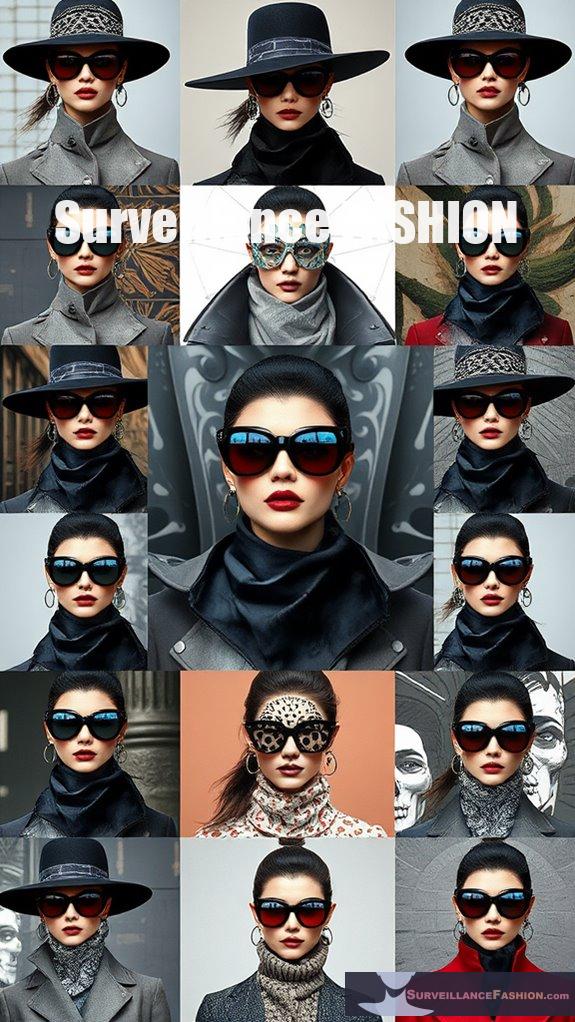
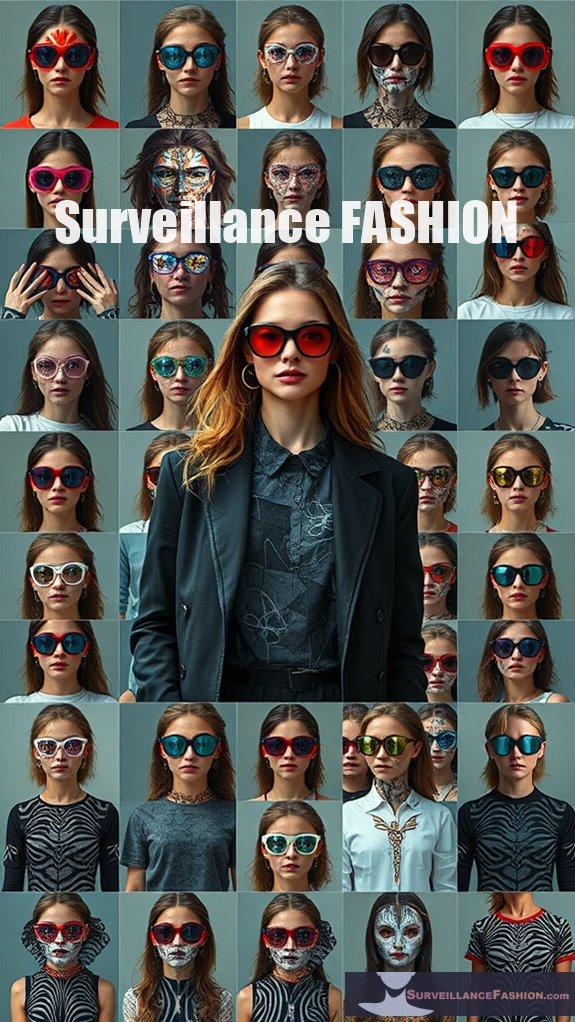
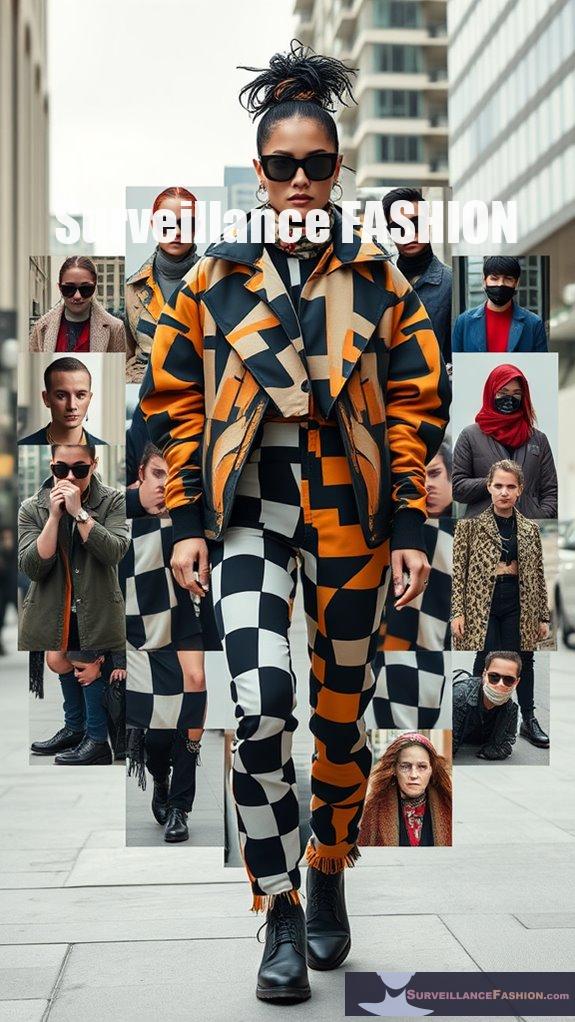
Category: Analog Disguise Techniques

  • Why Surveillance Cameras Can’t See You Farther

    Why Surveillance Cameras Can’t See You Farther

    Surveillance cameras struggle to see you at distances due to their inherent resolution limitations, environmental factors, and technological constraints. Most cameras have a finite pixel count; low-resolution models produce blurred or pixelated images, making identification difficult. Moreover, poor lighting conditions exacerbate these issues. PTZ cameras, despite their versatility, can't cover expansive areas effectively without compromising image quality. Innovations in personal camouflage, like distance-obscuring clothing, can enhance your privacy by blending into various environments, inviting further exploration of this fascinating intersection.

    Quick Takeaways

    • Surveillance cameras have limited resolution, making it difficult to capture clear images at greater distances.
    • Low-light conditions significantly reduce camera visibility, affecting their ability to see far away.
    • The effectiveness of PTZ cameras diminishes with distance, limiting their coverage range.
    • Multiple cameras may be necessary to cover larger areas, increasing both costs and maintenance efforts.
    • Environmental factors and obstructions can further hinder the ability of cameras to detect subjects at a distance.

    Limitations and Challenges of Surveillance Cameras

    surveillance camera effectiveness issues

    As technology continues to advance, the limitations of surveillance cameras remain an essential topic of discussion, particularly as these devices become ubiquitous in both public and private spaces. You might've noticed that while many cameras boast impressive specifications, their actual effectiveness can vary greatly depending on several key factors, one of which is camera resolution. The resolution of a camera dictates the clarity of the images it captures, determining how far it can effectively see.

    Digital cameras, for instance, offer higher resolutions compared to their analog counterparts, but even the best cameras struggle to maintain clarity over long distances. Imagine a surveillance camera positioned to monitor a parking lot. If the resolution is low, even a person standing just a few dozen feet away may appear as little more than a pixelated blur. Consequently, the ability to identify faces or license plates diminishes, raising questions about the reliability of such systems. This becomes particularly concerning in the realm of legal implications, as blurry images may not hold up in court when determining culpability. You might find yourself pondering the implications of such limitations: how can we trust footage that fails to capture crucial details?

    Even the best digital cameras can falter in clarity, raising doubts about the reliability of surveillance footage in critical situations.

    Moreover, the technological constraints of these systems extend beyond resolution. Coverage and reliability issues can greatly hinder a camera's performance, especially in low-light conditions. While modern PTZ (pan-tilt-zoom) cameras offer some enhancements, they still face challenges, particularly in areas that require extensive monitoring. This reality leads to the necessity of deploying multiple cameras to cover blind spots, which complicates the overall system and often results in higher maintenance costs. Additionally, surveillance cameras are often installed in public spaces specifically to enhance public safety and crime prevention, but their effectiveness can be limited by these technical issues. The modern surveillance tools can provide valuable insights, but they are not infallible and must be managed wisely.

    Then, there are the concerns related to data management. Large surveillance systems require substantial storage capacity, and without proper infrastructure, you may encounter recurring costs that can add up quickly. The complexity of maintaining these systems, coupled with potential technical failures, such as power outages or connectivity issues, can render them ineffective when you need them the most.

    Furthermore, ethical considerations play an essential part in this discussion. The risk of misuse and abuse is ever-present; continuous recording can lead to unauthorized access to personal information and invasion of privacy. It's a delicate balance, one that requires constant reassessment of both security needs and privacy rights.

    As you navigate this environment, it becomes evident that clear legal frameworks must be implemented to guarantee that surveillance footage is used appropriately and ethically. In a world where surveillance cameras are woven into the fabric of daily life, understanding their limitations can empower you. You become more aware of the nuances that govern their effectiveness, from camera resolution to legal implications.

    It's this awareness that led us to create our website, Surveillance Fashion, where we aim to explore these complexities further, helping you navigate the ever-evolving domain of surveillance technology.

    Camouflage Patterns for Privacy

    disguised designs for seclusion

    While the rise of surveillance technology has raised significant privacy concerns, the development of effective camouflage patterns offers a fascinating solution for those seeking to obscure their presence in an increasingly monitored world.

    By understanding the principles behind camouflage effectiveness, including resemblance to surroundings and disruptive coloration, you can adapt to your environment more seamlessly. Additionally, understanding the role of environmental adaptation in camouflage can further enhance your ability to blend in.

    For example, complex patterns that mimic the geometric shapes found in nature can confuse the observer's brain, making it harder to detect you.

    Moreover, accurately replicating colors specific to various terrains enhances your ability to blend in.

    Recent innovations in texture analysis and analytical design approaches have further refined these patterns, ensuring that you can achieve the best concealment through environmental adaptation. Additionally, utilizing urban camouflage clothing patterns can enhance your ability to remain unnoticed in city environments.

    At Surveillance Fashion, we aim to explore these advancements, providing perspectives that empower you to navigate the complexities of privacy and visibility in a world dominated by surveillance.

    Distance-Obscuring Clothing Designs

    fashion that conceals distance

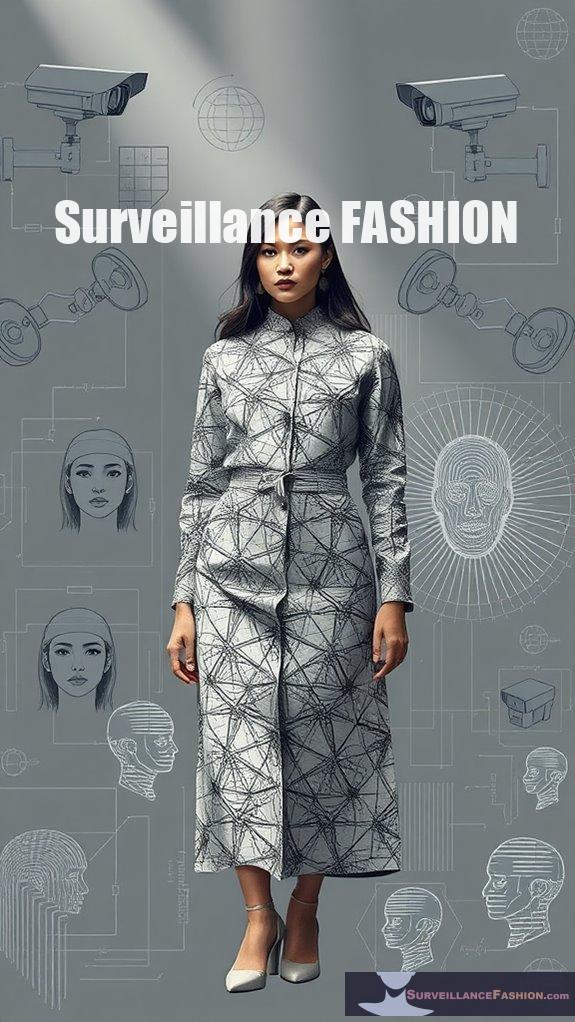
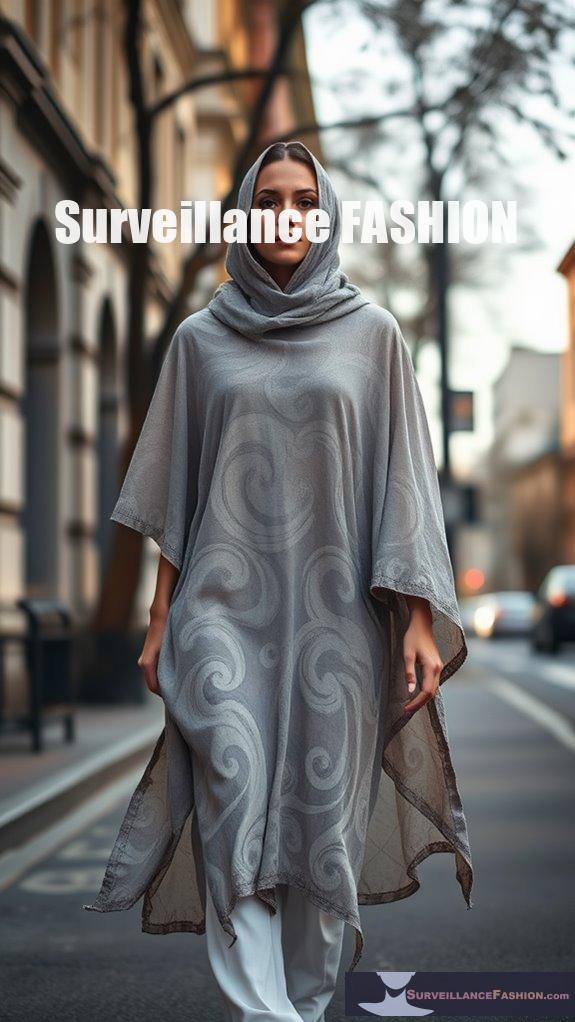
    Distance-obscuring clothing designs have emerged as a critical innovation in the domain of privacy protection, especially in response to the omnipresence of surveillance technologies. These garments, often classified under adversarial fashion, disrupt the capabilities of modern surveillance systems through various methods. Additionally, these designs often incorporate anti-surveillance method techniques that enhance their effectiveness against advanced monitoring systems. These innovations are part of a broader movement in fashion to embrace identity-masking technology that prioritizes individual privacy.

    Feature Description
    Visual Disruption Patterns confuse facial recognition algorithms
    Signal-Blocking Fabrics Prevent scanning of personal devices
    IR-Reflective Materials Reflect light, reducing visibility in low-light conditions
    Dynamic Testing Patterns are continually assessed against recognition software

    References

  • Why Walking Patterns Thwart AI Surveillance Systems?

    Why Walking Patterns Thwart AI Surveillance Systems?

    Walking patterns thwart AI surveillance systems primarily due to the inherent complexity and variability of human gait. When movements alter, whether through body language or environmental interactions—like traversing crowded spaces—the algorithms struggle to maintain accuracy. For instance, carrying large bags or adapting your gait can confuse surveillance systems, making identification difficult. Advances in stealthy footwear further facilitate this evasion. Explore these concepts further, and you'll discover innovative techniques that enhance your ability to remain undetected in various scenarios.

    Quick Takeaways

    • Human walking patterns are complex, making it difficult for AI to accurately identify individuals in real-world environments.
    • Gait modification techniques, such as altering stride and body language, can effectively confuse AI surveillance systems.
    • AI surveillance relies on body tracking algorithms that struggle with variations caused by lighting and camera angles.
    • Crowded spaces introduce additional challenges, as increased foot traffic complicates accurate gait recognition.
    • Subtle movement irregularities can evade detection, exploiting gaps in traditional surveillance technology.

    The Challenges of Gait Recognition in Surveillance

    gait recognition surveillance difficulties

    As surveillance technology evolves, it becomes increasingly evident that walking patterns can greatly undermine the effectiveness of AI surveillance systems, particularly in dynamic environments where detection capabilities are often challenged. The intricacies of human movement, specifically how you walk, present significant hurdles for systems designed to identify and track individuals. Despite the impressive accuracy rates of gait recognition software, which can reach up to 98.4% in controlled settings, the reality of real-world environments complicates matters considerably.

    Walking patterns significantly challenge AI surveillance systems, revealing the complexities of human movement in real-world environments.

    Consider the bustling atmosphere of a crowded shopping mall. In such a space, the AI surveillance systems may struggle to keep up with the sheer volume of foot traffic, making it difficult to detect subtle forms of evasion. When you walk around a metal detector or alter your gait—perhaps due to carrying a large bag or maneuvering around obstacles—these seemingly minor adjustments can confuse the AI. This phenomenon is known as gait modification, and it's a powerful evasion strategy that people may unconsciously employ to slip past surveillance without detection. The ability to adapt movement patterns in a crowded space further enhances this evasion strategy. Moreover, the impact of body language modification can significantly alter how individuals are perceived by surveillance systems.

    AI surveillance systems, like those developed by Athena Security, aim to address these evasion tactics through the integration of advanced technologies such as body tracking algorithms and Lidar sensors. These systems aim to provide thorough monitoring, alerting security personnel to potential breaches. However, while they enhance operational reliability, they still face challenges in accurately identifying individuals when walking patterns shift. The truth is that no technology is foolproof, and the limitations of traditional surveillance may leave gaps that savvy individuals can exploit.

    Moreover, the accuracy of gait recognition can vary widely based on various factors, including lighting, camera angles, and the conditions of the environment. For instance, if you're walking in a dimly lit area or from an unusual viewpoint, the likelihood of the system misidentifying or failing to recognize you increases. This is particularly concerning when one considers the implications for privacy and security. The mere act of walking can become a double-edged sword; while it enables identification, it also opens avenues for evasion that can undermine the very systems designed to protect us. This challenge is further compounded by the integration of human gait DNA with video surveillance for enhanced security.

    In our exploration of these themes, we created the website Surveillance Fashion to investigate deeper into the intersection of technology and human behavior. By examining how gait modification and evasion strategies impact surveillance effectiveness, we hope to foster a more robust dialogue around privacy concerns and the ethical implications of advanced monitoring systems.

    Ultimately, as surveillance technologies continue to evolve, the ongoing dance between innovation and human ingenuity will remain a significant area of focus. Understanding how your walking patterns can thwart AI surveillance not only enriches your awareness but also highlights the broader conversation about security in an increasingly monitored world.

    Footwear Designs for Stealthy Movement

    silent and agile footwear

    Footwear designs tailored for stealthy movement incorporate a variety of advanced materials and technologies, aiming to enhance both the functionality and adaptability of the shoe.

    Incorporating stealth technology, these shoes feature flexible soles that allow for a natural gait, reducing noise during movement. For instance, the Siberian Contact 3.0 utilizes silent outsole materials to guarantee discreet footfalls, while its water-resistant properties adapt to various environments, further enhancing its utility.

    Additionally, barefoot-style designs, such as moccasins, mimic natural foot movement, providing an intimate connection to the ground beneath you, fostering both awareness and control.

    Lightweight cushioning systems found in modern hunting boots not only enhance comfort but also minimize sound, allowing you to navigate silently.

    As we explore this intersection of style and functionality, our website, Surveillance Fashion, reveals how these innovations cater to your desire for stealth in everyday life, guaranteeing you remain unnoticed, yet stylish.

    Subtle Hip Movement Techniques

    hip movement mastery techniques

    Subtle hip movement techniques play an essential part in confusing AI surveillance systems, which heavily rely on visual cues to track individuals through established walking patterns. By integrating slight alterations in your hip movement, you can create a deceptive gait that disrupts the predictive models trained to recognize patterns. This technique effectively neutralizes AI's ability to monitor your movements, especially in crowded environments where subtlety thrives. For instance, by imperceptibly shifting your hips, you introduce irregularities that even human operators might miss, given their focus fatigue. Moreover, these nuances can psychologically disrupt human surveillants, causing them to misinterpret your intentions. Additionally, using anti-surveillance methods can further enhance your ability to evade detection in various situations.

    Understanding how recognition avoidance works can significantly improve your effectiveness in employing these techniques. To truly understand these techniques, consider how they can be enhanced through environmental integration—using corners or shadows to further mask your movements. These strategies, while seemingly simple, form the foundation of what we explore on Surveillance Fashion, helping you navigate through a world increasingly dominated by surveillance.

    References

  • What Face Patterns Defeat Recognition Systems Effectively?

    What Face Patterns Defeat Recognition Systems Effectively?

    To effectively defeat facial recognition systems, consider employing makeup patterns that disrupt facial symmetry. Utilizing camouflaging techniques, such as layering earthy shades and incorporating dynamic designs, enhances your disguise. For instance, breaking up outlines with unexpected colors or shapes can confuse algorithms. Furthermore, strategic highlighting directs attention away from identifiable features, bolstering your concealment. Through the developing intersection of style and privacy, as explored on the Surveillance Fashion platform, innovative approaches to personal security continue to emerge.

    Quick Takeaways

    • Digitally generated makeup patterns can evade facial recognition with up to 98% success rates, especially when customized for specific algorithms.
    • Camo patterns that break facial symmetry and mimic environmental colors enhance disguise and disrupt recognition systems effectively.
    • Layering tones and highlighting techniques create depth, making it harder for facial recognition algorithms to identify features accurately.
    • Simple face patterns can exploit vulnerabilities in advanced facial recognition models, leading to significantly reduced detection rates.
    • Dynamic and real-time modifications in expression can further enhance camouflage effectiveness against recognition systems.

    Evasive Makeup Techniques Against Facial Recognition

    disguise methods for privacy

    In today's technologically advanced society, many individuals may not realize just how vulnerable facial recognition systems are to innovative evasion techniques. One of the most fascinating developments in this domain involves the application of makeup technology, which has emerged as a surprisingly effective means to bypass these systems. Researchers have demonstrated that by utilizing digitally generated makeup patterns, individuals can achieve success rates of up to 98% in evading facial recognition systems during experimental trials. This effectiveness translates remarkably well when the patterns are applied physically, considerably lowering detection rates in real-world scenarios.

    The artistry of makeup isn't merely for enhancing beauty; it can also serve as a formidable tool against surveillance technologies. Makeup artists have skillfully applied natural-looking makeup to match these digitally generated patterns, ensuring that the disguise isn't overly conspicuous. Drawing inspiration from Adam Harvey's CV Dazzle project, which employs avant-garde hairstyling and makeup to disrupt facial recognition models, this method shows that creativity can indeed be a powerful weapon against technology. The beauty of this approach lies in its versatility, as both digitally applied and physically applied makeup have proven effective in thwarting recognition efforts.

    Advanced facial recognition models, particularly those based on deep learning, possess inherent vulnerabilities. Researchers have exploited these weaknesses through adversarial attacks, crafting universal masks that can deceive multiple systems by producing false classifications. This adaptability is essential, as different facial recognition models—like FaceNet and LResNet—can be targeted with tailored patterns, maximizing the chances of evasion. The realization that simple face patterns can undermine sophisticated technology is both alarming and enlightening. In fact, this study led by Nitzan Guettan demonstrated that makeup applied to identifiable facial parts led to recognition in only 1.2% of frames.

    Moreover, the concept of variability in patterns highlights the potential for customization, allowing individuals to develop unique disguises that align with specific facial recognition algorithms. This strategic approach not only reflects a deep understanding of how these systems operate but also underscores the ongoing arms race between surveillance technologies and evasion techniques. For those invested in the intersection of fashion and privacy, this knowledge is particularly relevant, as it aligns with the ethos behind our website, Surveillance Fashion, which aims to explore and promote innovative methods of maneuvering the complexities of modern surveillance.

    While common methods like wearing sunglasses or hats may obscure facial features, they often lack effectiveness, as their reliance on simple obscuration techniques can be easily circumvented. In contrast, using makeup to disrupt facial continuity serves as a more sophisticated method of hindering recognition. By breaking up facial symmetry through unconventional designs, individuals can enhance their chances of remaining undetected, a fact that should resonate with anyone concerned about privacy in an era of pervasive surveillance.

    As new technologies continue to evolve, the dynamic between facial recognition systems and evasion techniques remains a vital area of exploration. With gradient-based optimization and generative adversarial networks (GANs) paving the way for further advancements, the real-world applications of evasive techniques are bound to expand, inviting ongoing dialogue about privacy, identity, and the future of surveillance.

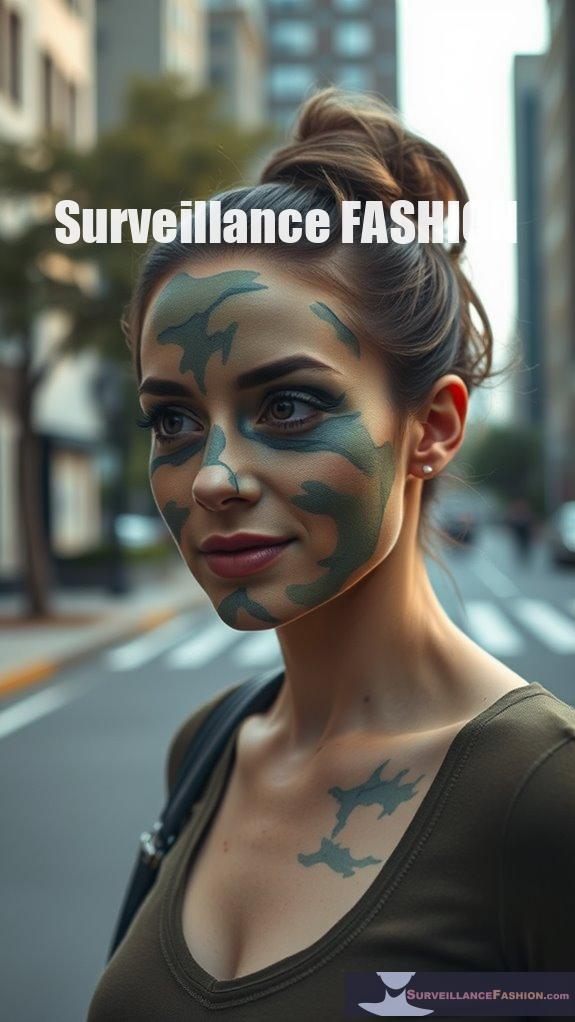
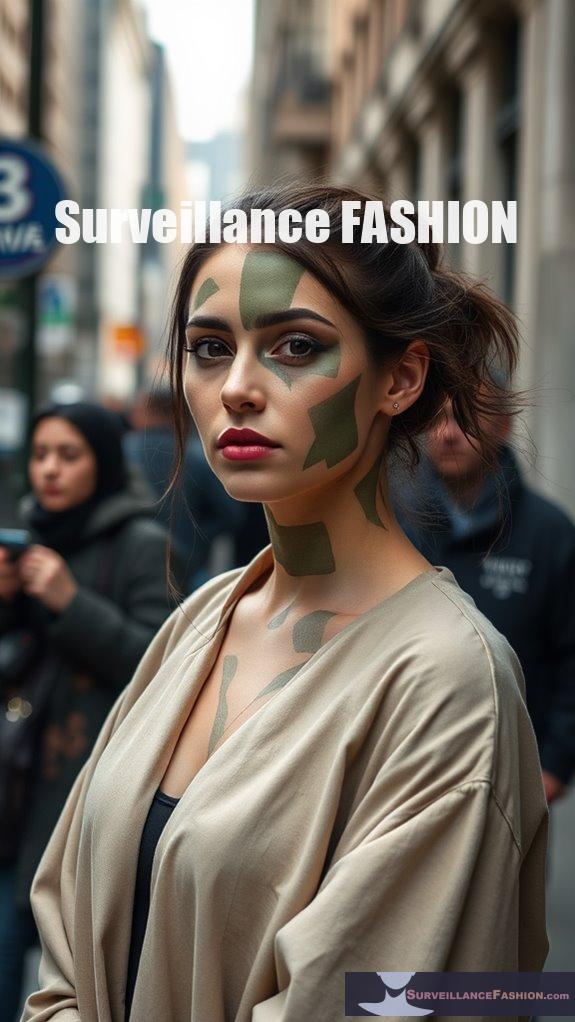
    Camo Patterns for Facial Disguise

    facial camouflage pattern techniques

    Camo patterns for facial disguise represent a sophisticated development in the quest for privacy and anonymity, particularly in an age where surveillance is omnipresent.

    These innovative designs employ facial distortion techniques, allowing the wearer to dynamically alter their appearance through color and shape variations. Inspired by nature, such as the adaptive abilities of chameleons, these masks can effectively evade facial recognition systems by breaking up facial outlines and mimicking environmental colors. Additionally, these patterns are designed to counteract facial recognition technology, which has become increasingly advanced in identifying individuals.

    Innovative facial distortion designs mimic chameleons, evading recognition through dynamic color and shape alterations.

    Dynamic patterns further enhance their effectiveness, allowing for real-time modifications in expression, an essential factor in maintaining realism. For example, countershading techniques strategically apply darker hues to prominent features, creating a natural shadow effect that disrupts recognition.

    As we explore these advancements, it's clear that the technology behind camo patterns not only aids in personal security but also invites ethical discussions about privacy, a core interest of Surveillance Fashion, where we aim to analyze these developing disguises critically and thoughtfully. Furthermore, the use of anti-CCTV patterns in everyday clothing designs showcases a growing trend towards fashionable privacy solutions.

    Camo Makeup Inspiration Ideas

    camouflage themed makeup ideas

    There's a growing interest in the innovative domain of camo makeup, where artistry converges with beauty, offering a unique canvas for self-expression and creativity. Additionally, these techniques can serve as a form of anti-surveillance makeup that challenges modern identification methods.

    1. Layering Tones: Experiment with earthy shades like greens and browns, layering them to mimic natural environments while ensuring smooth shifts.
    2. Highlighting Techniques: Use highlights strategically to create depth, illuminating parts of your face that you wish to stand out.
    3. Gel Liners for Definition: Incorporate gel or liquid liners for crisp edges and complex patterns that enhance your camouflage effect.
    4. Social Media Exploration: Explore platforms like Pinterest and YouTube for tutorials and community inspiration, discovering diverse interpretations of camo makeup.

    Additionally, consider that facial recognition systems are increasingly sophisticated, making these makeup techniques even more relevant for those who seek to obscure their identity.

    References

  • Anti-Surveillance Fashion Tricks That Work

    Anti-Surveillance Fashion Tricks That Work

    To effectively navigate the domain of anti-surveillance fashion, consider employing techniques that alter facial recognition capabilities. Use darker makeup to obscure prominent features while adding highlighting contrasts to disrupt algorithmic detection. Innovative accessories—like hoods with infrared technology—blind night-vision cameras. Accessories such as hats and sunglasses further obscure vital facial elements, complicating biometric recognition. These methods not only enhance personal privacy but also spark important discussions about autonomy in the digital age. Explore more perspectives and strategies for your journey.

    Quick Takeaways

    • Utilize clothing with patented fabrics and adversarial patterns to confuse facial recognition algorithms effectively.
    • Incorporate hoods or hats to obscure key facial features from surveillance cameras.
    • Apply contrasting foundation and concealer to mask unique facial markings and characteristics.
    • Use infrared technology in garments, such as hoodies, to blind night-vision cameras.
    • Experiment with creative face paint designs to disguise facial features and express individuality.

    Anti-Surveillance Fashion as a Statement of Privacy

    privacy defending fashion statement

    As surveillance technologies proliferate, it becomes increasingly essential to contemplate how fashion can serve as a countermeasure against these encroachments on personal privacy. With mass surveillance systems, including facial recognition, becoming a standard fixture in modern society, the need for protective clothing has emerged, offering individuals a tangible way to assert control over their personal space. Anti-surveillance fashion, within this framework, isn't just a trend; it's a form of resistance against the unauthorized collection of biometric data, and it encourages a dialogue about privacy rights.

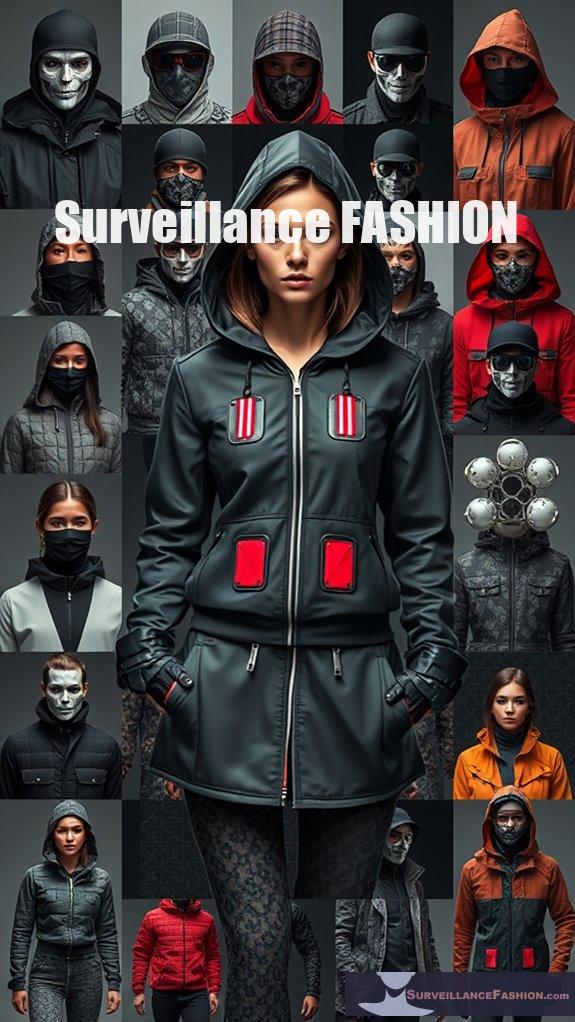
    One of the most fascinating aspects of anti-surveillance fashion lies in its innovative use of masking techniques. By incorporating elements that confuse facial recognition algorithms, these garments allow you to navigate public spaces with a degree of anonymity. High-end designs often feature patented fabrics that disrupt the algorithms, while adversarial patterns—think of complex designs resembling non-human objects—are crafted to mislead the technology that seeks to identify you. This pattern selection plays a crucial part, as the right visual distractions can render the data collected by surveillance systems virtually useless. Additionally, tactical innovations such as 3D-printed accessories can further enhance the effectiveness of these garments in thwarting surveillance efforts. The integration of ir-blocking fabrics ensures that wearers can benefit from both style and security.

    The innovative masking techniques in anti-surveillance fashion confuse algorithms, empowering you with anonymity in public spaces.

    For example, consider clothing that employs infrared technology, such as hoodies embedded with infrared LEDs. These garments can effectively blind night-vision cameras, a clever tactical move when traversing areas heavily monitored by security systems. This approach not only serves practical purposes but also serves as an assertion of your autonomy against an ever-watchful eye. While these innovations may seem futuristic, they're already manifesting in the marketplace, with brands increasingly investing in these cutting-edge designs that confuse facial recognition software.

    It's important to recognize that anti-surveillance fashion is also a protest against mass surveillance itself. By choosing to wear these garments, you're making a statement about your right to privacy and your desire for control over your image. The very act of donning such clothing can serve as a conversation starter, raising awareness among those who mightn't fully grasp the implications of biometric data collection. This growing popularity reflects a societal shift; as more people become aware of privacy issues, the demand for protective clothing rises.

    However, a critical balance must be struck between aesthetic appeal and functional efficacy when it comes to anti-surveillance fashion. The challenge lies not only in making these garments desirable but also in ensuring they're effective against the increasingly sophisticated surveillance technologies. Some designs, while innovative, may not provide foolproof protection against multi-camera setups or the rapid advancements in AI algorithms. This is where the question of scalability becomes pertinent—how can we make these protective measures accessible to a broader audience?

    Amid these discussions, we created Surveillance Fashion to provide a space where such ideas could flourish, connecting consumers with the latest advancements in this advancing field. The intersection of technology and fashion offers a unique viewpoint on personal privacy, and as you explore these innovative designs, you engage in a larger dialogue about the future of personal autonomy in a world increasingly dominated by surveillance.

    Ultimately, as you select your garments, keep in mind that each choice can be a deliberate act of resistance, an embrace of identity amid the chaos of the digital age.

    Disguising Facial Recognition Features

    facial recognition feature concealment

    Disguising facial recognition features has become an essential strategy for those seeking to navigate a world increasingly dominated by surveillance technologies. By mastering certain makeup techniques and accessory choices, you can markedly reduce the likelihood of being recognized by automated systems.

    • Darken prominent features while lightening shadows to confuse algorithms.
    • Use foundation that contrasts with your skin tone to obscure defining characteristics.
    • Apply concealer to mask unique markings such as scars or moles.
    • Wear hats or hoods to obscure key facial elements from cameras.
    • Opt for sunglasses that confuse infrared detection systems.

    Additionally, incorporating anti-surveillance makeup patterns into your routine can further enhance your disguise. These methods not only enhance your privacy but also allow you to express individuality amid pervasive surveillance. In a world where personal data is constantly at risk, adopting these strategies can empower you, fostering a sense of control. Understanding computer vision confusion is crucial for effectively implementing these makeup techniques.

    After all, the mission behind Surveillance Fashion is to reclaim your right to anonymity without sacrificing style.

    Creative Face Paint Ideas

    colorful artistic facial designs

    Creative face paint transcends mere decoration; it serves as a medium for self-expression and cultural commentary, inviting individuals to explore their identities in vibrant and imaginative ways. Incorporating whimsical designs, such as unicorns or rainbow skulls, not only showcases artistic flair but also allows for personal storytelling. For instance, a butterfly effect design, with its colorful patterns, can evoke a sense of freedom and creativity, appealing to both children and those young at heart. Furthermore, these creative designs can disguise facial features, making it harder for facial recognition technology to identify individuals.

    Seasonal themes further enhance this artistic expression; consider a Grinch face paint for Christmas or a playful zombie rendition for Halloween. These themes not only celebrate the seasons but also provide opportunities for social engagement, making them ideal for gatherings or events. Ultimately, as we examine creative face paint ideas, we find a unique intersection of art and identity, reinforcing the purpose behind our exploration of anti-surveillance fashion—encouraging personal expression in a world increasingly focused on observation. Additionally, utilizing anti-surveillance makeup techniques can further enhance one's ability to remain unrecognized in public spaces.

    References

  • Why Surveillance Cameras Can’t Track These Clothes

    Why Surveillance Cameras Can’t Track These Clothes

    Surveillance cameras can't track certain clothing designs because they utilize adversarial fashion principles, which incorporate patterns and textiles that intentionally disrupt facial recognition algorithms. For instance, optical illusion prints can confuse AI systems, making it difficult to identify individuals. Techniques like light manipulation through advanced materials create optical transparency and camouflage, enhancing invisibility from both visible and infrared detection. This intersection of privacy and fashion is explored through platforms like Surveillance Fashion, where you'll discover more about these innovations.

    Quick Takeaways

    • Clothing with disruptive patterns misleads facial recognition algorithms, making identification difficult for surveillance cameras.
    • Advanced materials like cloaking fabrics manipulate light, rendering wearers less detectable to infrared and visible light surveillance.
    • Optical illusion prints create confusion for AI systems, obstructing accurate recognition and tracking capabilities.
    • Certain fabrics, such as RFID shielding materials, protect personal devices from being scanned and tracked by surveillance technologies.
    • The effectiveness of these designs relies on continuously evolving knowledge of surveillance technology and algorithms.

    Adversarial Fashion: Defending Privacy Through Design

    privacy defending fashion design

    As surveillance cameras proliferate in urban environments, you may find yourself contemplating the implications of these technologies on personal privacy and identity. The rise of surveillance technology, especially those equipped with sophisticated facial recognition systems, poses a unique challenge for individuals who wish to traverse public spaces without being constantly monitored. These systems, enhanced by artificial intelligence, capture images and analyze them through neural networks, aiming to identify individuals with varying degrees of accuracy.

    However, the effectiveness of these technologies can be considerably undermined by the strategic use of certain clothing patterns. Adversarial fashion, for instance, is a burgeoning domain where clothing is intentionally designed to confuse and mislead facial recognition software. By employing patterns that suggest multiple faces or even non-human features, designers create garments that can disrupt the identification process. In 2024, innovative designs such as optical illusion prints are emerging, captivating both the eye and the algorithms meant to track individuals.

    Adversarial fashion ingeniously disrupts facial recognition, using clever patterns to mislead surveillance technology and protect personal privacy.

    Envision wearing a shirt adorned with a chaotic print that, at first glance, seems like an abstract art piece but, upon closer inspection, cleverly plays tricks on the algorithms employed by surveillance cameras. This approach is particularly relevant in a world where the lines between public and private surveillance blur, often leading to concerns about data collection practices that occur without consent.

    Moreover, it's essential to recognize that while adversarial fashion can be effective, it isn't universally applicable. The precision with which these designs can thwart surveillance technology hinges on a thorough understanding of the targeted systems. For example, if you wear clothing that features patterns specifically engineered to exploit the weaknesses of a particular facial recognition algorithm, you may find that your anonymity is preserved, at least temporarily.

    However, as surveillance technology evolves, so too will the algorithms, potentially rendering certain designs obsolete. Surveillance cameras have increased significantly in number, which further complicates this environment, as it employs advanced image processing to track individuals based on their attire. These systems utilize key features like color histograms and texture elements, making it possible for them to categorize clothing types with varying accuracy.

    Yet, this technology isn't infallible; factors such as poor lighting, occlusions, or even deliberate obfuscation through clothing patterns can hinder its functionality. As you consider your own wardrobe choices, you might realize that selecting garments with elaborate designs can serve a dual purpose: personal expression and a form of passive resistance against intrusive surveillance practices.

    The implications of these developments extend beyond individual choices; they reflect a broader societal shift in how we interact in public spaces. As more people become aware of the presence of surveillance cameras, the dynamic of public engagement transforms, prompting individuals to rethink their clothing patterns and, by extension, their identities.

    This awareness is one of the many reasons we created this website, Surveillance Fashion, to explore the intersection of fashion and privacy in an increasingly monitored world. Ultimately, while surveillance cameras may seem omnipresent, there's a growing movement towards clothing that challenges their effectiveness.

    Cloaking Fabric Techniques

    cloaking fabric construction methods

    Cloaking fabric techniques represent a remarkable intersection of material science and privacy enhancement, emerging as a response to the growing sophistication of surveillance technologies.

    These innovative methods employ light manipulation to redirect photons around objects, achieving optical transparency and enabling thermal invisibility to infrared detectors.

    • Light bending creates an illusion of absence, allowing you to blend into your surroundings.
    • Advanced materials, like quantum stealth, manipulate both visible and infrared light.
    • Thermal control materials mask heat signatures, offering a new level of security.
    • Camouflage patterns disrupt AI algorithms while remaining undetectable to the human eye.
    • Cost-effective solutions, such as the InvisDefense coat, make these technologies accessible.
    • Recent developments in infrared-blocking fabrics are enhancing the effectiveness of these anti-surveillance techniques.

    Creative Fabric Choices

    innovative textile selection options

    In a world increasingly dominated by surveillance technologies, your choice of fabric can greatly influence your personal privacy. Selecting clothing with disruptive patterns, which mimic the complexities of animal prints, can effectively confuse facial recognition systems. These innovative designs aren't merely aesthetic; they serve a critical purpose in shielding your identity in public spaces. Moreover, fabrics featuring RFID shielding prevent the scanning of your personal devices, ensuring that sensitive information remains secure. As you navigate crowded areas, consider the power of IR-reflective materials, which obscure your presence from night vision surveillance. These materials work by reflecting infrared light, making it difficult for surveillance cameras to capture clear images of your face. Additionally, the incorporation of digital identity-protecting fashion into mainstream clothing lines highlights a growing awareness of surveillance issues. The growing popularity of these creative fabric choices reflects a cultural shift toward valuing privacy, a principle we champion at Surveillance Fashion.

    References

  • What Patterns Fool Surveillance Cameras?

    What Patterns Fool Surveillance Cameras?

    Patterns like bold geometric designs and abstract color combinations effectively mislead surveillance cameras by creating visual noise that complicates facial recognition. Geometric distortions target essential facial features, while vibrant, random hues scatter light, confounding detection systems. For instance, clothing that mimics multiple human forms introduces chaos, further obscuring identity. This innovative approach to fashion promotes privacy, illustrating a growing demand for anonymity in public spheres. Discover more about these trends and other strategies as you explore further.

    Quick Takeaways

    • Abstract designs and visual noise complicate detection systems, making it difficult for algorithms to identify individuals accurately.
    • Geometric distortions manipulate light and shadow, effectively disrupting facial recognition technology targeting key facial features.
    • Temporary face paintings can confuse algorithms by altering recognizable facial contours and features.
    • Clothing that mimics multiple human forms creates chaos for surveillance systems, hindering identification efforts.
    • LED-enhanced visors project distractions that obscure facial features, providing an extra layer of anonymity in monitored environments.

    Innovative Fashion Strategies for Privacy Protection

    fashion meets privacy innovation

    In an era where surveillance technology continuously evolves, the intersection of fashion and privacy has become increasingly captivating, as inventive individuals seek ways to navigate a world dominated by cameras and facial recognition systems. You may find yourself wondering how to maintain your privacy in this environment, and the answer lies in a blend of creativity and technology.

    Temporary face paintings, for instance, serve as a fascinating tool to disrupt the ability of facial recognition systems to accurately identify you. By applying unique markers or designs on your face, you can easily confuse algorithms designed to analyze and recognize facial features, granting you a fleeting layer of anonymity. Makeup techniques that alter facial contours can also enhance this effect, providing additional layers of disguise.

    Temporary face paintings offer a creative way to confuse facial recognition systems, granting you a momentary veil of anonymity.

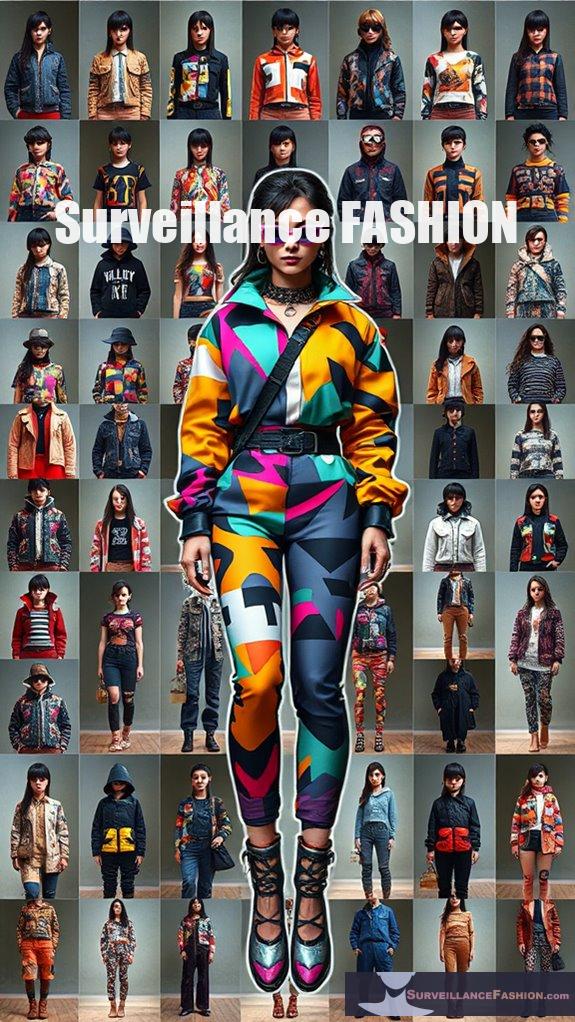
    Adversarial clothing patterns, too, have emerged as a clever strategy against surveillance. Envision donning a t-shirt adorned with abstract designs, specifically created to mislead AI algorithms. These patterns introduce visual noise that confuses detection systems, making it challenging for them to pinpoint your actual identity. Facial recognition technology has been widely used in various sectors, further emphasizing the importance of these innovative methods.

    You might also consider clothing that mimics multiple human forms or, even more intriguingly, garments that feature fake license plates. By feeding surveillance systems with this false data, you contribute to a chaotic environment for the technology, disrupting its ability to function effectively.

    The innovations don't stop there. T-shirts with printed faces or mock-up faces can distract facial recognition systems, creating an illusion of multiple identities in the same space. This deliberate obfuscation isn't just a creative endeavor; it's a calculated method to reclaim agency over your own image in a world that often feels like it's watching your every move.

    Perhaps you've seen anti-CCTV glasses that reflect UV light—these can blind the cameras, rendering them ineffective at capturing your likeness.

    Moreover, advancements in LED technology have led to the development of privacy visors that project a noise pattern obscuring facial features from the camera's view. This technology, while still in its prototype phase and perhaps not the most aesthetically pleasing, denotes a growing recognition of the need for privacy in public spaces. Activating these LEDs in the presence of cameras can add an additional layer of visual distraction, further complicating the algorithm's ability to accurately identify you.

    Animal-inspired patterns have also garnered attention for their effectiveness in fooling surveillance systems. By wearing clothing designed with zebra or giraffe-like patterns, you might confuse cameras into identifying you as an animal rather than a human being.

    This playful yet strategic approach to fashion represents a novel intersection between identity and technology, where the garments you choose to wear can greatly impact how you're perceived by smart systems.

    As you explore these various methods of evasion, you may find yourself reflecting on the broader implications of surveillance and privacy. At Surveillance Fashion, we've created this platform to explore such topics, empowering individuals to rethink their relationship with technology and their own identities in an increasingly monitored world.

    Bold Geometric Designs Mislead Cameras

    geometric designs confuse cameras

    Bold geometric designs serve as a compelling strategy in the ongoing battle against facial recognition technology, creating a visual disruption that challenges the accuracy of surveillance systems. By employing geometric distortions, these designs manipulate light and shadow, effectively altering how algorithms perceive facial features.

    The essence of this method lies in its ability to exploit the vulnerabilities within computer vision systems, specifically targeting key areas such as the eyes and nose, which are essential for detection. For instance, using patterns reminiscent of juggalo face paint can confuse algorithms, leading to algorithmic deception that misidentifies individuals. Additionally, incorporating dynamic patterns that change with movement can further enhance the confusion for surveillance technologies.

    Moreover, customizing these patterns to fit the wearer and the specific targeted algorithm enhances effectiveness considerably. As we navigate an era increasingly dominated by surveillance, understanding these techniques becomes critical, not only for privacy but for engaging in conversations about our digital identities, a core reason behind Surveillance Fashion's inception. Additionally, designers are constantly innovating to create surveillance-resistant patterns that further challenge detection technologies.

    Abstract Color Combinations Disorient Cameras

    cameras struggle with abstraction

    While many people might assume that facial recognition technology relies solely on sharp images, the reality is that abstract color combinations can greatly disrupt these systems, creating a form of visual noise that hinders accurate detection.

    By employing patterns that evoke color chaos, you can effectively confuse surveillance cameras, preventing them from accurately recognizing faces or tracking objects. These designs often draw inspiration from nature or abstract art, carefully crafted to disrupt the camera's processing algorithms. Moreover, the use of infrared-reflecting materials can add an additional layer of protection against facial recognition technology.

    For instance, clothing made from special fabrics with random hues can scatter light, making it difficult for cameras to capture clear images. Additionally, patterns that feature dynamic color shifts can further enhance the effectiveness of these designs by introducing continuous change that confuses image processing systems.

    As technology advances, so does the sophistication of these anti-surveillance techniques. At Surveillance Fashion, we explore and highlight these innovative designs, showcasing how the right choice of fabric and color can protect your anonymity in an increasingly monitored world.

    Ultimately, understanding these principles helps you navigate public spaces with greater confidence.

    References

  • What Is CV Dazzle Makeup? Privacy Beyond Recognition

    What Is CV Dazzle Makeup? Privacy Beyond Recognition

    CV Dazzle Makeup is an innovative convergence of artistic expression and personal privacy advocacy, deliberately designed to disrupt facial recognition algorithms. By utilizing contrasting colors, angular shapes, and strategic hairstyling, it confounds detection systems rather than providing outright concealment. This approach echoes historical military camouflage concepts and addresses contemporary surveillance concerns. As you explore this unique intersection of fashion and digital privacy, you may uncover deeper understandings into the implications of our increasingly monitored society.

    Quick Takeaways

    • CV Dazzle Makeup merges art and privacy advocacy, inspired by World War I dazzle camouflage to obscure identities from surveillance systems.
    • It uses contrasting colors and angular shapes in makeup and hairstyling to disrupt facial recognition algorithms.
    • The technique adapts to advancements in technology, requiring continuous updates to maintain effectiveness against evolving detection systems.
    • Dazzle makeup encourages self-expression and raises awareness about the societal implications of surveillance technologies through innovative fashion.
    • It has gained media attention, fostering discussions about resistance to surveillance and ethical concerns in modern society.

    Exploring CV Dazzle: Art Meets Privacy

    artistic privacy through disguise

    In an era where facial recognition technology increasingly permeates daily life, CV Dazzle Makeup emerges as a compelling intersection of art and privacy advocacy, specifically designed to counteract the pervasive surveillance culture that shapes our environments. Drawing inspiration from the dazzle camouflage utilized during World War I to obscure warships, CV Dazzle adopts an innovative approach to disguise one’s facial features, aiming to evade detection by complex computer vision systems.

    At its core, CV Dazzle Makeup is an artistic expression that blends the domains of fashion and privacy protection. By employing strategic techniques in makeup application and hairstyling, this method disrupts the algorithms that underpin facial recognition technology. Initially successful against the Viola-Jones face detection algorithm, this practice has progressed in response to advancements in facial recognition systems, adapting its aesthetic to counteract increasingly sophisticated convolutional neural networks (CNNs). This creative endeavor echoes the historical context of dazzle camouflage, which was designed to confuse the human eye regarding the direction of moving ships. The effectiveness of CV Dazzle is further enhanced by its ability to influence public perception of surveillance.

    CV Dazzle Makeup merges fashion and privacy, using innovative techniques to disrupt facial recognition algorithms and adapt to evolving technologies.

    It’s a fascinating dance between creativity and technology, where the artist becomes both a creator and a protector, wielding beauty tools as shields against intrusive surveillance.

    As you engage with this artistic form, it’s essential to recognize its limitations in practical scenarios. While CV Dazzle Makeup raises awareness about surveillance concerns, its effectiveness can be fleeting, as facial recognition technology continuously advances. The makeup’s design requires ongoing updates to remain relevant against advancing algorithms, emphasizing the need for a dynamic approach to privacy advocacy.

    In a world where human monitoring often accompanies technological surveillance, the visibility of this makeup to human observers can render it less effective, highlighting the paradox inherent in this innovative solution.

    Moreover, the impact of CV Dazzle extends beyond individual use; it has captured the attention of the fashion and media worlds, finding its way into esteemed publications such as *Vogue* and *The New Yorker*. This cultural significance allows for a broader conversation about resistance to surveillance through artistic means.

    The practice invites collaborations with various artists, who engage in performances and interventions that challenge societal norms, using fashion as a medium for protest. Herein lies the duality of CV Dazzle: it’s a stylish means of addressing pressing privacy concerns while simultaneously prompting discussions about the ethical implications of surveillance technologies.

    Ultimately, engaging with CV Dazzle Makeup not only transforms your appearance but also positions you within a larger narrative about personal privacy and societal oversight. As you explore this intersection of artistic expression and technological resistance, consider how such innovations can shape our understanding of surveillance culture.

    This website, Surveillance Fashion, was created to foster this dialogue, offering a platform for exploring the myriad ways in which fashion can serve as a form of protest against an increasingly surveilled existence. By embracing CV Dazzle, you’re not just wearing a makeup style; you’re participating in a movement that challenges the status quo and promotes a discussion about the right to privacy in an ever-watching world.

    Dazzle Patterns for Privacy

    eye catching privacy solutions

    Dazzle patterns serve as a fascinating method for enhancing privacy in an era dominated by surveillance technology, especially as individuals seek ways to evade increasingly sophisticated face detection systems.

    These patterns, while originating from military strategy, have evolved into a creative approach to personal privacy. The dazzle effectiveness hinges on several key elements:

    1. Confusion Over Concealment: Unlike traditional camouflage, dazzle patterns confuse detection algorithms rather than hiding the face entirely.
    2. Artistic Integration: By fusing artistic styles with privacy needs, individuals can express themselves while safeguarding their identities.
    3. Customization: Makeup and hairstyle adjustments allow for personal flair while disrupting face recognition systems.
    4. Social Implications: Engaging in CV Dazzle discussions fosters awareness about surveillance technology’s broader privacy implications and societal impact.

    As we created this website, Surveillance Fashion, to explore these innovative intersections, it’s imperative to understand how these patterns can revolutionize personal privacy in public spaces. Additionally, the use of UV makeup techniques can enhance the effectiveness of dazzle patterns by further confusing surveillance systems.

    Dazzle Makeup Techniques Unveiled

    makeup techniques for brilliance

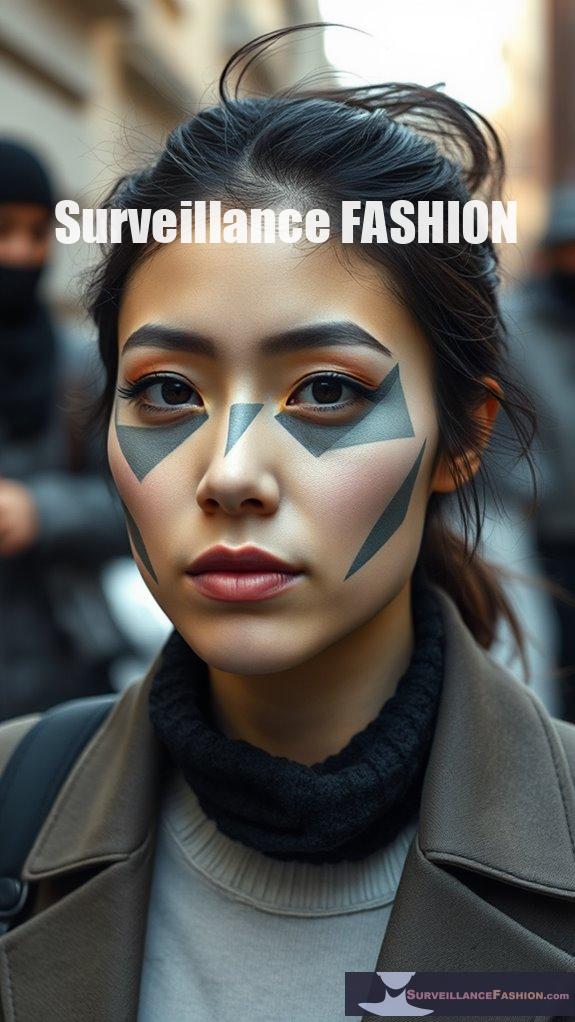
    Dazzle makeup techniques, inspired by historical camouflage, utilize contrasting colors and angular shapes to disrupt facial symmetry effectively. By employing specific makeup styles that obscure the nose bridge and eyes, you can confuse detection algorithms, minimizing the chances of recognition.

    Consider using bold hues that starkly contrast with your skin tone, breaking up familiar facial patterns. Asymmetry plays an essential role; applying makeup in a non-uniform manner can further decrease detectability.

    Incorporating strategic hairstyles and accessories enhances your camouflage, creating a multifaceted approach to privacy. Experimenting with computer vision confusion techniques can further enhance your ability to evade recognition in various environments.

    Questions and Answers

    Can CV Dazzle Makeup Be Used for Everyday Wear?

    You can definitely incorporate CV Dazzle makeup into your daily routines for a casual application, but be prepared for extra attention. Its unique style might make you stand out more than you’d like in everyday settings.

    Is CV Dazzle Effective Against Facial Recognition Technology?

    CV Dazzle can help with privacy concerns by complicating facial recognition systems, but its effectiveness varies. You’ll find it less practical for everyday use, as its striking appearance may attract more attention than it deflects.

    How Long Does CV Dazzle Makeup Last?

    The longevity of CV Dazzle makeup depends on your application techniques and various factors like weather and crowd interactions. You’ll likely need touch-ups to keep your design effective and looking fresh throughout the day.

    Are There Specific Products Recommended for CV Dazzle?

    There aren’t specific product types for CV Dazzle; it’s all about application techniques. Experiment with bold colors and patterns that obscure your features, using accessories and hair styling to enhance your unique look.

    Can CV Dazzle Be Customized for Different Face Shapes?

    Absolutely, you can customize CV Dazzle for your unique face shape. By employing various customization techniques, you’ll adapt designs to obscure features effectively, ensuring you create a look that’s both personal and functional.

    References

  • Anti-Surveillance Makeup Tricks That Work

    Anti-Surveillance Makeup Tricks That Work

    To effectively disrupt facial recognition, consider these ten anti-surveillance makeup tricks. Implement asymmetrical patterns and high-contrast designs to confuse identification algorithms, as demonstrated by CV Dazzle principles. Customize your makeup to reflect your unique features, while maintaining subtlety to avoid drawing attention. Use disruptive patterns on key areas of your face, and enhance obscurity with accessories like hats or scarves. By embracing these innovative techniques, you’ll navigate monitored spaces with greater anonymity, revealing further strategies ahead.

    Quick Takeaways

    • Use asymmetrical patterns in your makeup to disrupt facial recognition algorithms and create visual confusion.
    • Incorporate high-contrast markings on the cheeks and forehead to enhance the effectiveness of anti-surveillance techniques.
    • Experiment with UV-enhanced makeup patterns to further confuse facial recognition systems and improve disguise.
    • Blend hair and accessories into your look to obscure facial outlines and add an extra layer of disguise.
    • Make subtle adjustments to your makeup to lower recognition rates without drawing unwanted attention.

    Innovative Techniques for Disrupting Facial Recognition

    disruptive facial recognition methods

    In a world increasingly dominated by surveillance technologies, where your every movement can be tracked and analyzed, the concept of anti-surveillance makeup emerges as a compelling intersection of art and science, inviting you to rethink not just your appearance, but how you traverse public spaces. This innovative approach focuses on using specific makeup patterns to disrupt facial recognition systems, effectively altering your facial features in a way that confounds algorithms designed to identify you.

    The foundation of anti-surveillance makeup lies in an understanding of how these facial recognition systems operate. Most systems rely on deep learning models that analyze key facial features, such as the bridge of your nose or the contours of your cheeks. By employing contrasting patterns and asymmetrical designs, you can obscure these vital areas, effectively creating a visual puzzle that confuses the technology attempting to recognize you. Projects like CV Dazzle, which began in 2010, have explored these concepts, revealing that makeup strategies can exploit the vulnerabilities of algorithms, particularly those using Haar cascades to detect faces. Additionally, a recent study demonstrated that adversarial makeup could significantly reduce identification rates, showcasing the potential impact of intentional makeup application. This computer vision confusion can be achieved by incorporating unconventional color palettes and textures into your look. Studies have found that even slight alterations to facial features can help disrupt recognition algorithms, enhancing the overall effectiveness of your makeup strategy.

    To achieve this, it’s essential to customize your makeup patterns to not just your unique facial features but also the specific algorithms you’re trying to evade. For instance, if you know a particular system is likely to focus on the symmetry of your face, applying asymmetrical designs can disorient the recognition process. This requires careful planning and experimentation, as the effectiveness of your makeup also depends on environmental conditions—lighting, angle, and even background can all play a role in how well your anti-surveillance tactics work.

    Customizing your makeup patterns to evade specific algorithms is crucial; asymmetry can disrupt facial recognition, but environmental factors also play a key role.

    While the allure of anti-surveillance makeup is undeniable, there are practical challenges to reflect on. Bold patterns may draw unwanted human attention, compromising the very stealth you aim to achieve. Striking a balance between artistry and subtlety is essential. Research has shown that subtle makeup adjustments can effectively lower recognition rates without attracting additional scrutiny, which is why many advocate for a more sophisticated approach rather than overtly disruptive designs.

    Furthermore, it’s important to recognize the limitations of makeup alone in evading extensive surveillance systems. Facial recognition is only one aspect of the larger surveillance environment, and other tools can still pinpoint your identity. Therefore, while makeup patterns can provide a temporary shield, they should be viewed as part of a broader strategy for traversing an increasingly monitored society.

    As facial recognition algorithms evolve, so too must the strategies behind anti-surveillance makeup. Continued research and experimentation are necessary to refine these techniques, ensuring they remain effective in thwarting advancing technologies. The exploration of this intersection between fashion and surveillance is a reflection of our times, prompting a deeper inquiry into how we present ourselves in public spaces and the implications that follow.

    It’s this very curiosity that inspired the creation of Surveillance Fashion, a resource aimed at empowering individuals to reclaim their anonymity amidst a sea of watchful eyes.

    Disguise Techniques for Facial Recognition

    facial recognition disguise methods

    Disguise techniques for facial recognition offer a fascinating glimpse into the intersection of technology, art, and personal agency, revealing how individuals can navigate a terrain increasingly dominated by surveillance.

    To effectively employ camouflage makeup and address growing privacy concerns, consider these methods:

    1. CV Dazzle: Utilize stylized, asymmetrical patterns that disrupt facial recognition algorithms.
    2. Asymmetrical Designs: Draw inspiration from historical dazzle camouflage, applying high-contrast makeup to obscure facial features. This technique can be further enhanced by incorporating color contrast strategies, which help in breaking the symmetry of the face.
    3. Subtle Alterations: Recent studies highlight that discreet tweaks in makeup can considerably hinder identification without attracting undue attention.
    4. Juggalo Style: While striking, this bold makeup may not be ideal for those seeking a more inconspicuous approach.

    Additionally, understanding dazzle makeup techniques is crucial for maximizing the effectiveness of these methods.

    As we explore ways to reclaim our privacy, Surveillance Fashion aims to illuminate these innovative techniques, helping you navigate an ever-watchful world with confidence and creativity.

    Inspo for Defeat Facial Recognition Cosmetic Guide

    facial recognition defeat techniques

    How can you effectively employ anti-surveillance makeup to evade facial recognition systems while maintaining an aesthetically pleasing appearance?

    Begin by embracing the CV Dazzle concept, which utilizes bold makeup patterns to disrupt facial symmetry—an essential feature that facial recognition algorithms rely upon. High-contrast markings, such as vivid colors strategically placed on your cheeks and forehead, can considerably distort expected features, rendering recognition systems less effective. Implementing disruptive patterns can further enhance this technique.

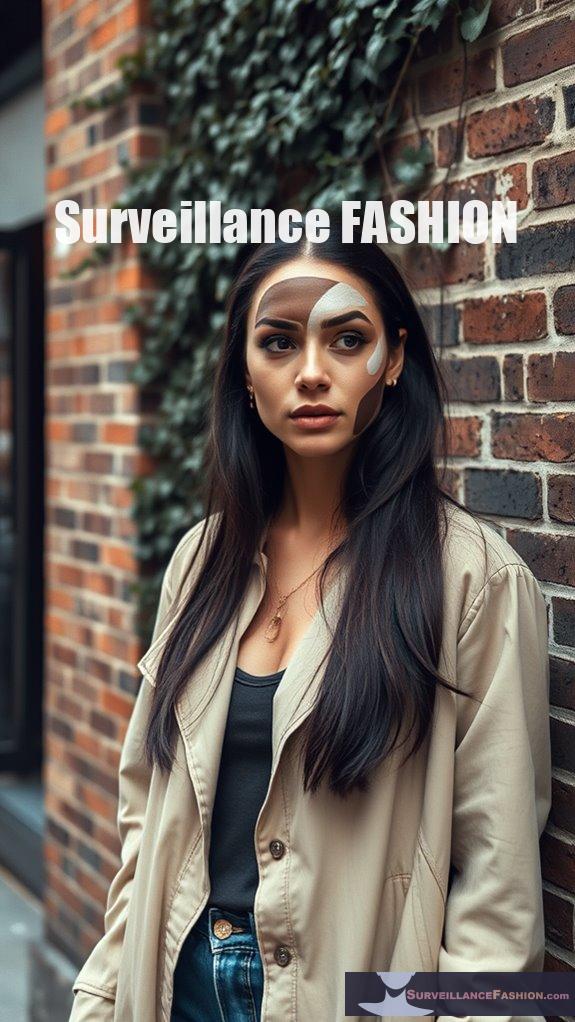
    Consider asymmetrical looks; by intentionally creating imbalance, you can enhance the makeup’s efficacy in confusing algorithms. Subtle modifications, like darkening specific areas, also help without drawing excessive attention.

    Utilizing hair and accessories to obscure facial outlines adds another layer of evasion. This thorough approach not only protects your privacy but also allows for an artistic expression that can be integrated into everyday beauty routines, aligning with our mission at Surveillance Fashion to merge style with subversion. Additionally, experimenting with UV-enhanced patterns in your makeup can further confuse algorithms and enhance your disguise.

    Questions and Answers

    Are There Specific Brands Known for Anti-Surveillance Makeup Products?

    You might explore anti-surveillance brands like REALFACE and URME, which focus on innovative makeup technology designed to confuse facial recognition systems. Experimenting with their products can empower your efforts to enhance personal privacy and expression.

    How Long Do Anti-Surveillance Makeup Techniques Last?

    Anti-surveillance makeup techniques have temporary effects, often lasting as long as your makeup stays intact. You’ll find that makeup longevity varies based on application and environmental factors, so consider reapplying for maximum effectiveness.

    Can These Makeup Tricks Be Used Daily?

    You might find that using these makeup tricks for daily wear isn’t practical. The durability often falls short, and the attention they draw could overshadow your intent, making it less effective for everyday situations.

    Are There Any Skin Sensitivities to Consider?

    When considering skin sensitivities, always prioritize ingredient safety. You might have skin allergies to common irritants like fragrance or mica, so opting for hypoallergenic and fragrance-free products can help keep your skin happy and healthy.

    How Can I Remove Anti-Surveillance Makeup Effectively?

    When it comes to makeup removal, start your skincare routine with warm water and an oil-based cleanser. Gently massage, then follow with micellar water and moisturizer for a fresh, revitalized face. Your skin deserves it!

    References

  • DIY Anti-Surveillance Makeup: Defeat Facial Recognition

    DIY Anti-Surveillance Makeup: Defeat Facial Recognition

    To defeat facial recognition, you should employ asymmetrical makeup techniques that disrupt facial symmetry, utilizing contouring to redefine features. Apply high-contrast colors strategically on key areas like the nose bridge and lips, while experimenting with different eyeliner styles to alter eye symmetry. Coupling these makeup choices with loose, camouflaging clothing and accessories can further obscure your identity, creating a layered effect that confounds recognition technologies. Explore these methods and enhance your understanding of effective anti-surveillance strategies.

    Quick Takeaways

    • Use asymmetrical makeup techniques, such as uneven eyeliner and varied contouring, to disrupt facial symmetry and confuse recognition systems.
    • Apply bold, high-contrast colors on key features like lips and cheekbones to complicate identification and leverage color psychology.
    • Incorporate camo patterns and textures in your makeup design to further obscure facial features and enhance visual disruption.
    • Pair makeup with accessories like bangs or scarves to conceal identity and obscure facial recognition from cameras.
    • Experiment with geometric shapes using makeup tools to create straight lines and patterns that confuse algorithmic detection.

    Effective Asymmetrical Makeup Techniques

    asymmetrical makeup application tips

    In a world increasingly dominated by surveillance technologies, understanding effective asymmetrical makeup techniques can empower you to navigate public spaces with a degree of anonymity. These asymmetry techniques disrupt facial recognition systems by intentionally breaking facial symmetry, rendering identification more challenging. For instance, you can strategically apply contouring to minimize asymmetry, enhancing your facial structure while creating visual illusions. Use shadow placement to mask uneven cheekbones, and experiment with different eyeliner styles to alter the perceived symmetry of your eyes.

    Concealing key features, such as the jawline or brow, can complicate recognition. facial recognition systems are particularly sensitive to symmetrical features, so pairing makeup with accessories—like bangs or face coverings—further enhances your ability to obscure identity. Contouring the nose can also help in creating a more balanced appearance, making it harder for facial recognition systems to pinpoint your features. These methods reflect a growing movement against invasive surveillance technologies, which is why we created Surveillance Fashion. Incorporating makeup techniques that create visual distortion can further enhance your disguise and thwart surveillance efforts.

    Utilizing Contrast and Targeted Application

    effective differentiation strategies applied

    While you may not always be aware of it, the strategic application of contrast and targeted makeup can greatly alter your appearance, thereby complicating facial recognition systems. By employing high-contrast patterns, you can disrupt facial symmetry, making it challenging for algorithms to accurately identify you. This is particularly effective given that makeup presentation attacks M-PA utilize artifacts to change facial features. Research shows that utilizing techniques such as high-contrast patterns can enhance the effectiveness of your makeup in blocking recognition. Utilize bold colors that starkly contrast with your skin tone, leveraging color psychology to enhance visual disruption. Focusing your application on key facial landmarks—like the nose bridge and lips—using makeup tools such as tape to create straight lines and geometric shapes can significantly heighten the effectiveness of these techniques.

    This targeted approach not only confuses recognition systems but also illustrates an understanding of their weaknesses. Incorporate both physical and digital makeup methods, ensuring that your techniques are easily reversible. This adaptability not only offers you control over your appearance but also aligns with the underlying mission of Surveillance Fashion: empowering individuals to navigate and challenge pervasive surveillance in everyday life.

    Fashion That Conceals Identity

    identity hiding fashion trends

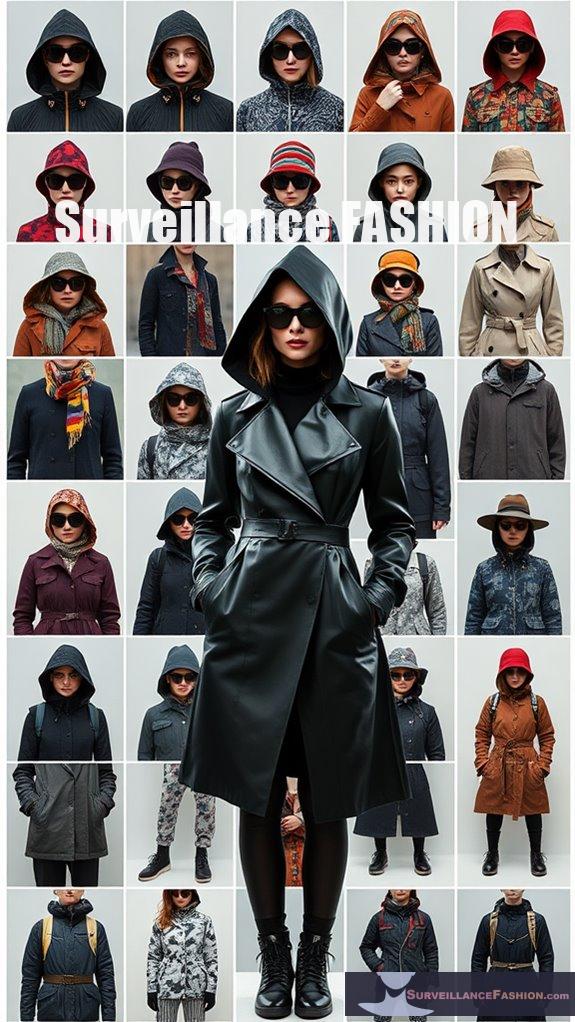
    Fashion that conceals identity operates on the principle that one’s clothing choices can markedly alter how one is perceived, particularly in environments dominated by surveillance technologies. To effectively achieve identity camouflage, consider implementing fashion innovations designed for this purpose.

    Clothing TypePurpose
    Loose, Neutral ClothingBlends into surroundings, reducing recognition.
    Head AccessoriesObscures facial features from recognition.
    Anti-Paparazzi ScarvesDisrupts camera functionalities with reflective materials.
    Special FabricsBlocks RFID signals to protect personal data.

    In addition to choosing the right clothing, versatility in clothing choices is essential to adapt to various environments and activities. Utilizing infrared-blocking fabrics can further enhance your disguise by preventing surveillance technologies from capturing your image accurately.

    Camo Patterns and Textures

    camo designs and fabrics

    Camo patterns and textures serve as a foundational element in the development of anti-surveillance makeup, as they adeptly disrupt the visual recognition capabilities of advanced facial recognition systems.

    Drawing on camo inspiration from historical techniques like WWI dazzle camouflage, you can create designs that break up facial symmetry.

    Inspired by WWI dazzle camouflage, innovative designs can disrupt facial symmetry and enhance anti-surveillance efforts.

    The evolution of these patterns incorporates asymmetry and high-contrast markings, which confuse algorithmic detection. For instance, bold, pigment-rich shapes can effectively obscure your features, making it difficult for systems to identify you accurately.

    However, it’s essential to understand that while these methods can evade certain algorithms, they aren’t foolproof due to the rapid advancements in recognition technology.

    Incorporating textures that enhance skin tonal contrast, such as black on white or vice versa, further amplifies effectiveness.

    As you experiment with these elements, keep in mind that ongoing research aims to refine these techniques, ensuring you maintain control over your privacy in an increasingly surveilled world.

    References

  • 7 Face Infrared Tricks Against Recognition Cameras

    7 Face Infrared Tricks Against Recognition Cameras

    To evade recognition cameras, consider seven infrared strategies that effectively obscure your identity. Utilize infrared LED tools that generate disruptive noise for surveillance systems, while shielding clothing with infrared-blocking materials enhances privacy. Implement dynamic lighting techniques to shadow essential facial features, confounding algorithms. Employ anti-CCTV glasses designed with reflective coatings to scatter infrared light. Furthermore, fashion garments with adversarial designs mislead facial recognition systems. By synthesizing these approaches, you can gain considerable protection against advancing surveillance technologies. Explore further to uncover more understanding.

    Quick Takeaways

    • Wear infrared-blocking clothing materials to obscure your identity from recognition cameras effectively.
    • Utilize infrared LEDs to disrupt facial recognition software and enhance your digital evasion efforts.
    • Adopt thermal camouflage to reflect thermal radiation and mask your heat signature from surveillance.
    • Combine adversarial patterns in clothing designs to confuse facial recognition algorithms and misidentify you.
    • Employ reflective coatings in glasses to disrupt camera functionality by reflecting infrared light, enhancing your privacy.

    Utilizing Infrared LED Tools for Enhanced Privacy

    infrared led privacy enhancement

    In an era where personal privacy increasingly comes under threat from advancing surveillance technologies, utilizing infrared LED tools offers a compelling solution to enhance individual anonymity in public spaces.

    By strategically employing infrared frequencies, you can obscure your identity from recognition cameras that typically rely on visible light. Incorporating infrared-blocking clothing materials into your outfit can provide an additional layer of protection against these technologies. LED positioning plays an essential role in this process, as ideal placement can create a barrier against facial recognition software. For instance, integrating infrared LEDs into wearable devices can effectively generate noise that disrupts the accuracy of surveillance systems. Additionally, using infrared-reflecting materials can further enhance the effectiveness of your DIY solutions.

    This approach not only empowers you to reclaim your privacy but also highlights the innovative ways technology can be harnessed for personal protection.

    Through initiatives like Surveillance Fashion, we aim to provide practical solutions that facilitate your control in an increasingly monitored world.

    Manipulating Lighting Environments to Disrupt Recognition

    disrupting recognition through lighting

    While many may underestimate the influence of lighting on facial recognition systems, manipulating these environments serves as an essential strategy for evading surveillance.

    By understanding the nuances of lighting manipulation, you can greatly enhance your ability to disrupt recognition systems. Consider these strategies:

    1. Shadow Play: Use shadows to obscure key facial features, creating false contours that confuse recognition algorithms.
    2. Highlight Control: Avoid excessive lighting that can flatten facial features, causing overexposure and reducing accuracy. The correct lighting environment can drastically alter the effectiveness of facial recognition technologies.
    3. Environmental Disruption: Change your surroundings to create inconsistent lighting that hinders the system’s performance, making face detection increasingly challenging.
    4. employing dynamic lighting techniques can significantly increase your chances of successfully evading surveillance.

    These techniques not only enhance personal privacy but embody the foundational principles behind our mission at Surveillance Fashion, where we aim to reclaim control in an increasingly monitored world.

    The Power of Invisible Masks in Facial Evasion

    invisible masks for evasion

    Invisible masks represent a revolutionary approach to evading facial recognition systems, as they leverage advanced technologies that obscure facial features from detection algorithms. These masks utilize invisible technology, such as infrared signals, which disrupt the functioning of facial recognition systems, rendering them ineffective.

    FeatureTechnologyFunction
    Infrared LEDEmits light to obscure facesAids in digital evasion
    Thermal CamouflageReflects thermal radiationMasks thermal signatures
    CV Dazzle PatternsCreates visual noiseDisrupts facial recognition

    Through these innovative methods, you gain a sense of control over your privacy, as emerging challenges in facial recognition are met with equally advanced evasion techniques. This pursuit of privacy and freedom is a major motivation behind the development of platforms like Surveillance Fashion. Additionally, these anti-surveillance clothing innovations enhance personal security by incorporating infrared-blocking fabrics, which further complicate detection efforts.

    Reflecting UV and IR Light With Anti-Cctv Glasses

    anti cctv reflective eyewear technology

    Anti-CCTV glasses offer a compelling solution for those who wish to protect their identity from prying surveillance cameras, particularly in an age where facial recognition technology has become increasingly sophisticated.

    These glasses utilize advanced technologies that include:

    1. Reflective Coatings: Designed to reflect infrared light, these coatings appear matte to the human eye but disrupt camera functionality.
    2. Infrared Absorption: Films applied to the lenses absorb infrared light, further blocking recognition capabilities.
    3. Multispectral Blocking: They effectively block a wide range of wavelengths, including both visible and infrared light.

    With these features, anti-CCTV glasses fulfill a growing need for privacy in public spaces, a critical concern that inspired the creation of this website, Surveillance Fashion, aimed at exploring innovative ways to maintain personal anonymity.

    Fashion Design Elements That Confuse Facial Recognition

    fashion elements hinder recognition

    As the prevalence of facial recognition technology continues to escalate, fashion designers have begun to explore innovative elements that not only enhance personal style but also confuse and mislead surveillance systems.

    Hyperface designs, for instance, strategically incorporate fake facial features that disrupt the algorithms intended to identify human faces.

    Similarly, garments adorned with animal patterns can deceive facial recognition software, often misclassifying wearers as animals rather than humans.

    By weaving adversarial images into jacquard fabrics, designers create adversarial fabrics that add another layer of confusion, further thwarting detection efforts.

    These developments not only provide a means of personal expression but also empower individuals to reclaim control over their privacy in an increasingly surveilled world, a central theme of our website, Surveillance Fashion.

    Combining Multiple Techniques for Better Protection

    enhanced security through integration

    While many individuals seek to navigate an increasingly surveilled world, the fusion of various protective techniques emerges as a compelling strategy for enhancing privacy and evading facial recognition systems.

    By combining advanced disguises with innovative technology, you can create a formidable barrier against surveillance.

    Combining cutting-edge disguises with technology offers a powerful defense against modern surveillance methods.

    1. Infrared LED Masks: These can obscure your features while enhancing anonymity when paired with traditional disguises like wigs or hats.
    2. Reflective Clothing: This bounces back camera light, creating glare that disrupts recognition, especially when integrated with infrared-emitting devices.
    3. Strategic Makeup and Hairstyles: Altering your facial contours can confuse algorithms, but combining these with infrared elements can greatly boost your privacy enhancements.

    Ultimately, utilizing a combination of these techniques empowers you to reclaim control over your personal privacy in public spaces.

    Staying Ahead of Evolving Facial Recognition Technologies

    adapting to facial recognition

    Understanding the intricacies of developing facial recognition technologies is essential for anyone seeking to navigate the complexities of modern surveillance. As advancements in AI and deep learning bolster the accuracy and speed of these systems, you’re faced with significant privacy implications.

    Furthermore, the rise of 3D facial recognition and real-time processing raises ethical considerations regarding consent and bias. To stay ahead, you need to understand countermeasures like liveness detection and presentation attack detection, which are pivotal in combating spoofing attempts and deepfake threats.

    By integrating these technologies responsibly, you can guarantee that privacy and fairness remain at the forefront.

    At Surveillance Fashion, we explore how innovative clothing can counteract these advancing threats, empowering you to maintain control over your personal identity.

    Clothing That Disrupts Facial Recognition

    face blocking fashion apparel

    Innovative clothing designed to disrupt facial recognition systems offers a fascinating intersection of fashion and technology, where aesthetics meet privacy protection in an increasingly surveilled world.

    These garments employ adversarial patterns to confuse recognition algorithms, ensuring your biometric data remains protected.

    Here are three key features of this emerging trend:

    1. Knitted Garments: Utilizing AI-generated designs, these clothes can trick recognition software into misidentifying wearers as animals, like zebras or giraffes.
    2. Biometric Camouflage: Fashion serves as a shield against intrusive surveillance, raising awareness about digital privacy rights.
    3. Material Quality: High-quality fabrics, such as 100% Egyptian cotton, enhance durability while retaining the effectiveness of adversarial patterns.

    As surveillance technology evolves, clothing like this represents a proactive step toward reclaiming control over personal privacy.

    Lighting Techniques for Disguise

    lighting for concealment strategies

    As facial recognition technology becomes increasingly sophisticated, employing lighting techniques for disguise offers a compelling avenue for protecting one’s identity in public spaces.

    Utilizing light manipulation, you can obscure critical facial features like the eyes and mouth, considerably diminishing disguise effectiveness against surveillance systems. Devices such as specialized glasses or hats equipped with infrared LEDs can generate near-infrared light, rendering your features less recognizable to cameras while remaining invisible to the human eye.

    However, be mindful that some cameras utilize IR block filters, potentially neutralizing these efforts.

    Integrating these lighting strategies with other disguise methods, such as reflective clothing, can enhance your overall protection.

    In this way, understanding the nuances of these techniques can empower you in a shifting environment of surveillance, guiding your choices in daily life.

    References