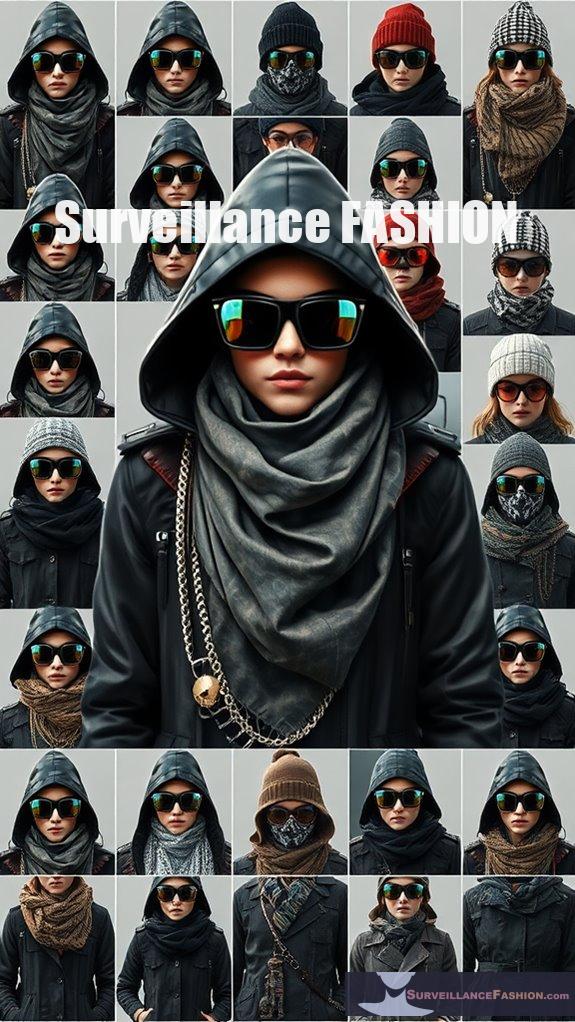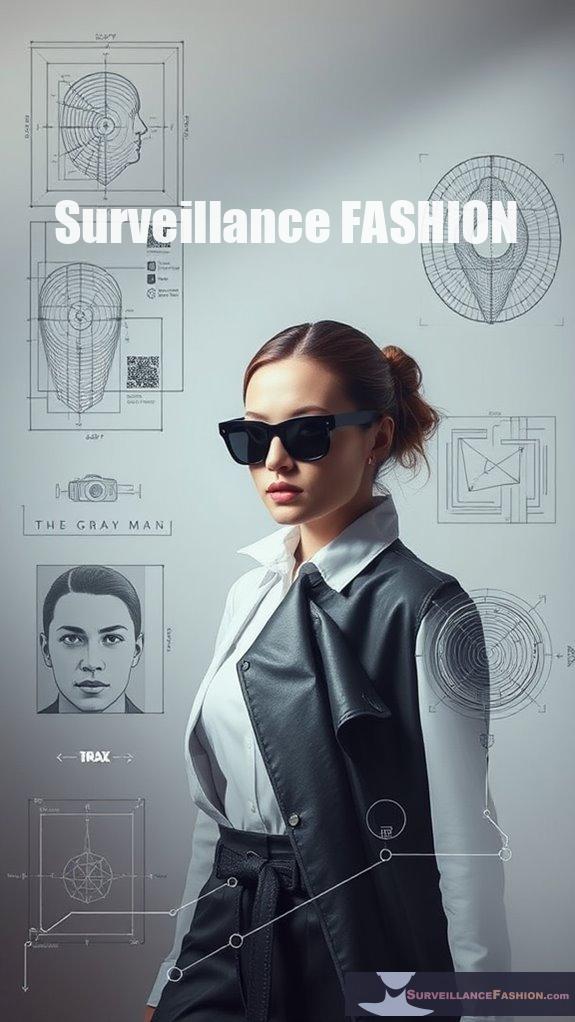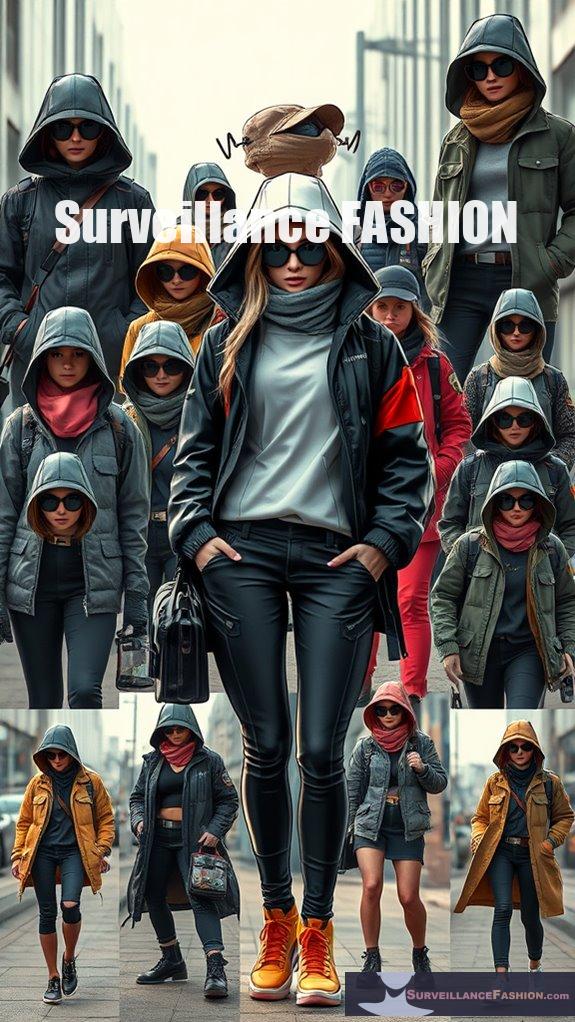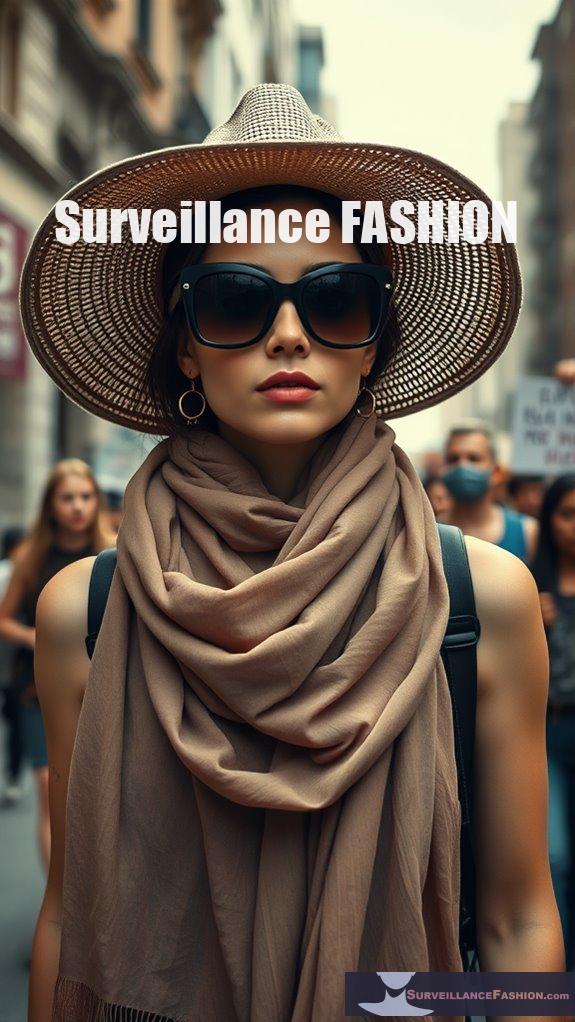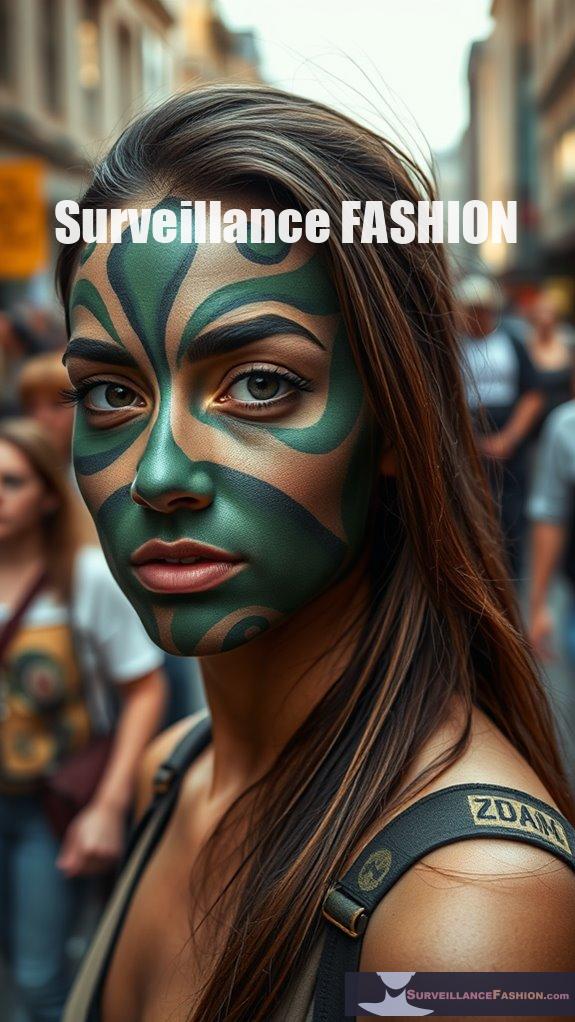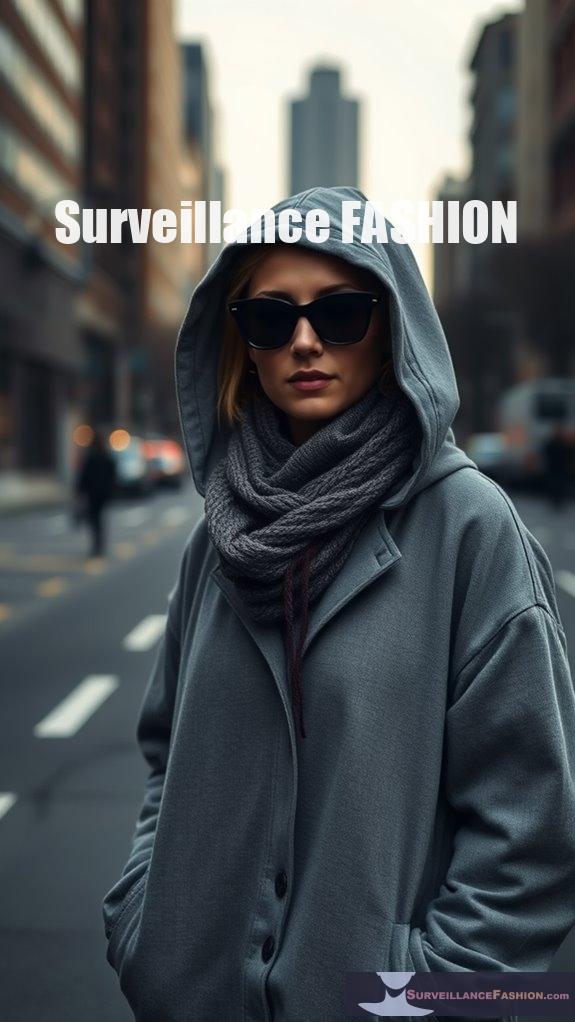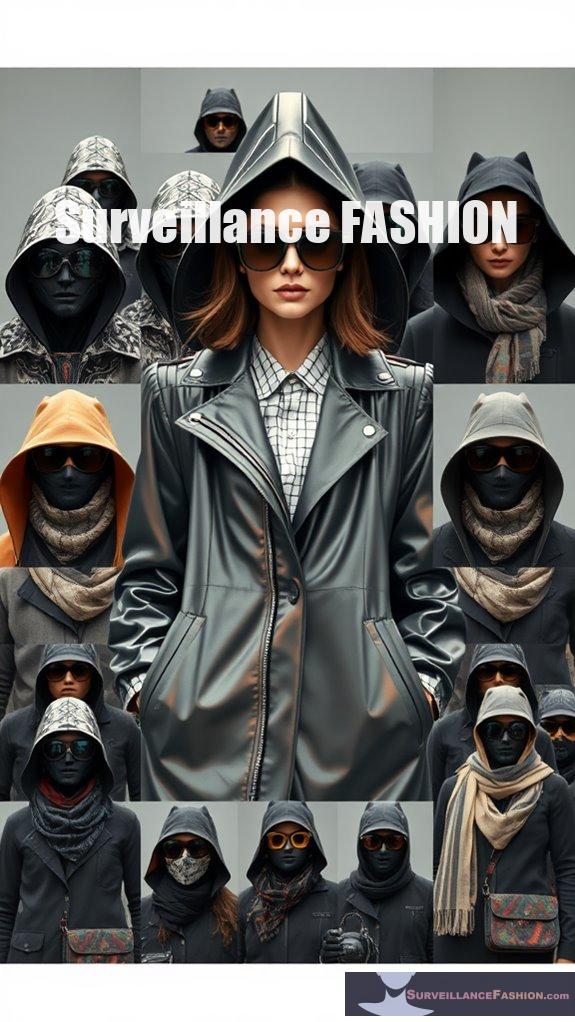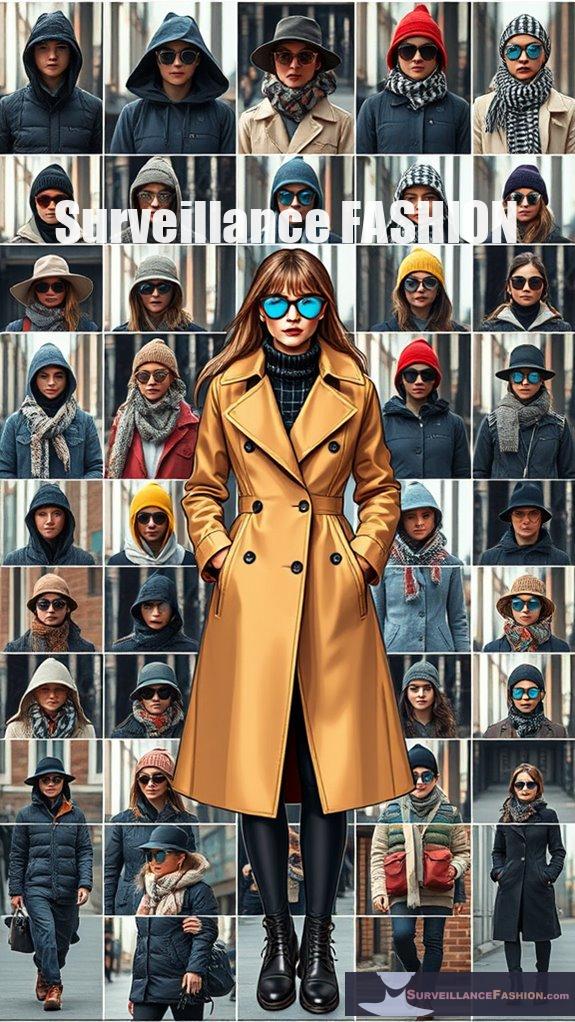
Category: Analog Disguise Techniques

  • Why Shadows Confuse Facial Recognition Systems?

    Why Shadows Confuse Facial Recognition Systems?

    Shadows confuse facial recognition systems because they obscure key features and distort facial contours, which can lead to misinterpretation during identification tasks. When light varies, shadows mask critical elements, making it nearly impossible for algorithms to differentiate unique characteristics effectively. For instance, harsh shadows or uneven illumination may lead to false contours and recognition errors, thereby complicating the identification process. Understanding these challenges serves as a foundation for innovative approaches, like those discussed at Surveillance Fashion, where artistic solutions are explored.

    Quick Takeaways

    • Shadows obscure key facial features, making it difficult for recognition algorithms to identify distinct elements of a face.
    • Uneven illumination creates false contours, leading to misinterpretation of facial structures and characteristics.
    • The direction of light affects visibility; horizontal lighting emphasizes width, while vertical lighting highlights height, complicating recognition.
    • Harsh shadows mask critical edges and high-contrast regions necessary for accurate facial identification.
    • Low-light conditions degrade image quality, challenging recognition algorithms to extract usable data effectively.

    The Impact of Shadows on Facial Recognition Accuracy

    shadows affect recognition performance

    In a world increasingly reliant on technology, understanding the interplay between shadows and facial recognition systems becomes essential, especially when you consider how lighting conditions can dramatically alter the accuracy of these complex tools. As you explore the elaborate details of how facial recognition works, you may find yourself surprised at how something as seemingly innocuous as a shadow can derail an entire identification process.

    Shadows and highlights can distort facial features markedly, creating what experts describe as "shadow distortion." When a face is illuminated unevenly, shadows obscure key elements, altering contours and ultimately making identification challenging. Envision standing under a harsh overhead light; the shadows that fall on your face might create false contours, leading a recognition system to misinterpret your features. In practical terms, this means that even the slightest variation in lighting conditions can have profound impacts on how well a system performs. Consistent lighting is essential for reliable identification and can significantly improve algorithm performance. Additionally, light projection methods can be utilized to intentionally obscure faces, further complicating recognition efforts. Research has shown that dynamic lighting techniques can also be employed to adaptively manipulate shadows, enhancing the ability to evade surveillance.

    Shadows can significantly distort facial features, complicating recognition accuracy by obscuring key elements and altering contours.

    The direction from which light hits a face is fundamental. If you consider the way shadows fall, you can appreciate that certain angles might enhance or hinder the visibility of distinct facial characteristics. For example, horizontal lighting may emphasize the width of a face, while vertical lighting might highlight its height. This interplay can either aid in face detection or create confusion, as shadows might obscure critical identifying features. Consequently, achieving uniform illumination becomes necessary for improving recognition accuracy.

    In environments where lighting conditions fluctuate—such as outdoor settings or poorly lit rooms—recognition systems face substantial hurdles. Low-light scenarios often lead to image quality deterioration, complicating the algorithms' ability to extract usable data from facial images. These challenges aren't trivial; they require advanced solutions, including infrared technology that detects heat signatures, thereby bypassing the need for visible light altogether.

    Further complicating matters, shadows can cause distortion that masks the very edges and high-contrast regions that recognition algorithms rely upon for effective identification. When you think about how recognition systems analyze images, it becomes clear that phase components, which provide structural information, are often compromised by the presence of harsh shadows. This is where innovative compensation methods come into play, such as Fourier analysis, which helps to restore images by accounting for shadows, enhancing the reliability of the overall system.

    At Surveillance Fashion, we recognize these challenges and the importance of enhancing facial recognition accuracy. By developing techniques that address shadow compensation, we aim to improve the adaptability of these systems across various lighting conditions. For instance, methods like the Weighted Average Difference (SCWAD) estimate light direction to mitigate the impact of shadows, thereby facilitating more accurate face detection.

    Disruptive Color Blocking Techniques
    bold contrasting color combinations

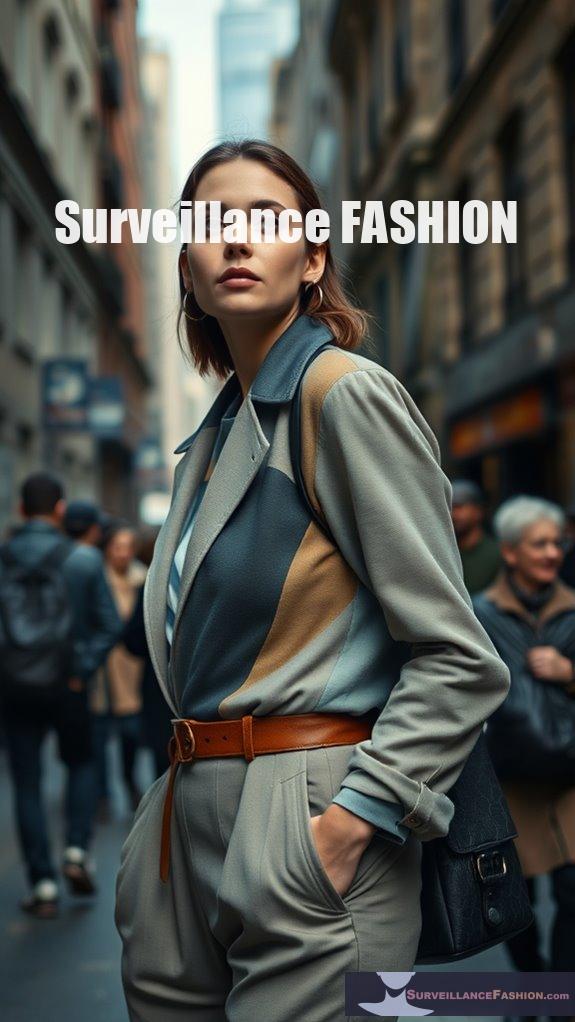
    Shadows may obscure facial features, but disruptive color blocking techniques actively counteract the efficacy of facial recognition systems by manipulating visual perceptions. Techniques like CV Dazzle employ bold color patterns and high-contrast makeup to create visual asymmetry, effectively confusing algorithms that rely on expected facial structures. Additionally, CV Dazzle was designed to exploit vulnerabilities in algorithms, showcasing the innovative potential of these disruptive techniques. By darkening specific regions, such as brow lines, you can subtly disrupt recognition without attracting undue attention. Furthermore, traditional defenses like masks remain one of the most effective evasion methods against facial recognition systems, highlighting the importance of combining various strategies for optimal results.

    Moreover, adversarial attacks introduce noise or patterns that challenge machine learning models while remaining imperceptible to the human eye. This innovative approach serves not only as a means of resistance against surveillance but also as a form of artistic expression, pushing the boundaries of personal identity. As facial recognition technology evolves, so must your strategies. Tools like Camera Adversaria exemplify the intersection of privacy and design, emphasizing the critical need to adapt in a digital society increasingly defined by surveillance. Additionally, incorporating anti-surveillance fashion can further enhance your ability to evade detection while making a bold statement. The use of disruptive color blocking can be particularly effective, transforming your makeup into a strategic tool against these technologies.

    Reflective Materials Usage

    reflective materials applications guide

    Reflective materials serve as a compelling tool in the ongoing effort to counteract facial recognition systems, effectively manipulating light and shadow to obscure identifiable features. By altering the grayscale balance critical for detection, these materials disrupt the algorithms facial recognition systems rely on. Interestingly, research indicates that shape is more critical for grayscale faces, highlighting how these reflective materials may further complicate detection by affecting the structural features of the face. In a similar way, feature films can enhance critical media literacy and foster a deeper understanding of visual culture. You might encounter various forms of reflective fashion, including hoodies and scarves, which can confuse these systems. For instance, reflective glasses, like Reflectacles, manipulate light in low-light conditions, demonstrating their versatility. The use of anti-surveillance fashion has been gaining traction as a method to creatively reclaim personal privacy in public spaces. Additionally, the integration of infrared-reflecting materials into clothing designs can further enhance the effectiveness of these anti-facial recognition strategies.

    Artists such as Adam Harvey exemplify innovation through projects like CV Dazzle, where dramatic hairstyles and makeup create face distortion, enhancing privacy while pushing artistic boundaries.

    However, while these materials present intriguing solutions to privacy concerns, their effectiveness often fluctuates based on lighting and algorithmic sensitivities. As you explore these advancements, consider how initiatives like Surveillance Fashion aim to raise awareness and advocate for privacy in an increasingly surveilled world.

    Questions and Answers

    How Do Shadows Specifically Affect Facial Recognition Algorithms?

    Shadows complicate facial recognition by distorting features, requiring you to implement shadow analysis and algorithm adjustments. By enhancing training datasets and employing shadow removal techniques, you can boost accuracy in diverse lighting conditions and improve performance.

    Are Certain Facial Features More Affected by Shadows Than Others?

    Like a painter's brush, shadow intensity alters your facial symmetry. Features like noses and cheekbones suffer most, as shadows obscure details and create depth illusions, challenging recognition technologies to accurately interpret your unique expressions and characteristics.

    Can Lighting Conditions Improve Facial Recognition Accuracy Despite Shadows?

    Yes, lighting adjustments can enhance facial recognition accuracy despite shadows. Implementing shadow reduction techniques and optimizing light conditions allows systems to better identify features, improving overall performance and fostering innovative advancements in facial recognition technology.

    What Technologies Are Being Developed to Counter Shadow Effects?

    You might think shadow removal is impossible, but adaptive algorithms are revolutionizing facial recognition. These innovative technologies analyze shadows, enhancing accuracy and ensuring systems can effectively identify faces in challenging lighting conditions. Exciting advancements await!

    How Do Different Environments Influence Shadow Impact on Recognition Systems?

    In urban environments, shadows from buildings can disrupt facial recognition, while rural settings often provide consistent natural lighting. Adapting technology to these diverse conditions enhances accuracy, driving innovation in recognition systems for real-world applications.

    References

  • Stealth Walking Patterns to Avoid Surveillance

    Stealth Walking Patterns to Avoid Surveillance

    To effectively avoid surveillance, you must master stealth walking patterns that focus on minimizing audio and visual detection. Utilize techniques such as striking the ground with the outside edge of your toes while maintaining weight on your back leg for smoother shifts. Opt for discreet footwear like leather or suede, blending seamlessly into your environment. Furthermore, engage in route analysis to select less-traveled paths, enhancing your concealment. Continue exploring these methods for improved stealth walking practices.

    Quick Takeaways

    • Choose less-traveled routes and backroads to minimize exposure to surveillance and detection.
    • Utilize natural obstacles like dense vegetation for concealment during movement.
    • Maintain relaxed body alignment and controlled breathing to enhance stealth and calmness.
    • Opt for discreet footwear materials, like leather or suede, to reduce noise while walking.
    • Pre-plan multiple paths to adapt quickly to changing surveillance conditions.

    Mastering Stealth Walking Techniques

    stealth walking mastery skills

    Stealth walking patterns are vital for anyone looking to navigate their environment with an acute awareness of sound and sight, particularly in situations where discretion is paramount. The ability to master these patterns not only enhances your physical presence in a space but also cultivates a heightened sense of observation, which can be invaluable in avoiding unwanted attention or surveillance. Engaging in stealth training exercises will equip you with the silent movement techniques necessary for effective navigation, allowing you to blend seamlessly into your surroundings.

    At the core of stealth walking lies the objective to minimize audio and visual detection through controlled movement. This begins with the foot strike method, where you should consciously strike the ground with the outside edge of your toes, allowing your foot to glide gracefully across the surface rather than thumping down. By keeping your weight on the back leg as you place your foot down, you create a smoother shift that notably reduces noise. This principle is fundamental to successful stealth techniques, harmonizing weight distribution and muscle control to create a more fluid movement. Visual detection is more accurate and immediate than auditory detection, making it essential to prioritize remaining unseen. Mastering movement is also crucial in developing effective stealth techniques. To further enhance your abilities, familiarize yourself with recognition evasion techniques, which can provide additional strategies for remaining undetected in various environments.

    Visualization plays an essential role in this process. Envision your leg as a tree root, flexing your leg muscles for stability while you move. This mental image not only aids in physical execution but also enhances your connection to the ground, fostering an intuitive understanding of your surroundings. Incorporating the slight crouch technique can further diminish your visibility, although it may occasionally draw attention. As a result, balance is key; you must maintain a low profile while ensuring that your movements remain discreet.

    Body alignment and posture are equally important in stealth walking. Keeping your arms relaxed and your body aligned with synchronized breathing creates a sense of harmony that allows for better control over your movements. If you find yourself in an environment with creaky floorboards or distracting obstacles, adaptability becomes critical. Each surface demands different techniques, so being mindful of your surroundings and planning your path can greatly enhance your stealth capabilities.

    As you practice these techniques, keep in mind that patience and concentration are essential. Stealth walking isn't merely about movement; it's a state of mind. Quiet diaphragmatic breathing can help you maintain calmness, enabling you to execute precise movements while remaining aware of potential surveillance points.

    The historical and cultural significance of stealth walking, particularly its roots in ninjutsu, highlights its value in modern applications, from espionage to covert reconnaissance missions. As you refine your skills through practice phases—starting with the basics and gradually incorporating complexity—you'll discover the nuances that make stealth walking not just a technique but an art form.

    At Surveillance Fashion, we believe in the importance of mastering these skills, empowering individuals to navigate their environments with confidence. By understanding and implementing stealth walking patterns, you not only enhance your ability to move undetected but also develop a deeper connection with the world around you, fostering a sense of security and awareness that's invaluable in today's complex environment.

    Discreet Footwear Choices

    subtle and stylish shoes

    Choosing the right footwear can greatly impact your ability to navigate environments discreetly, especially when the goal is to avoid unwanted attention.

    Opt for shoe materials like leather or suede, which are far less noticeable than synthetic options or brightly colored styles that could attract the eye.

    Moreover, blending with local styles is essential; wear shoes typical for the area to integrate seamlessly into your surroundings. For instance, in urban settings, casual loafers or understated sneakers may allow you to remain inconspicuous.

    Avoid tactical gear, as this type of footwear can raise suspicion and draw unwanted scrutiny.

    Prioritize comfort, too, since it helps maintain consistent walking patterns, lessening the likelihood of detection.

    By thoughtfully considering your footwear choices, you can enhance your stealth capabilities, making it easier to navigate various environments discreetly.

    At Surveillance Fashion, we recognize the nuances of these choices and aim to inform your decisions for ideal stealth.

    Unexpected Route Selection

    unexpected travel path chosen

    How can one navigate unexpected environments without attracting unwanted attention?

    Engaging in route analysis is essential; you should identify less-traveled paths that minimize exposure during your journey. Utilizing backroads to avoid surveillance can significantly reduce the likelihood of being monitored.

    Terrain navigation becomes your ally, as selecting routes through dense vegetation or rocky outcrops offers natural concealment.

    Consider avoiding heavily surveilled areas while focusing on obstacles like rivers or forests to enhance your stealth.

    Adaptability is vital; be prepared to alter your route based on the situational awareness of potential surveillance.

    Pre-planning multiple routes creates flexibility, allowing you to respond to unexpected challenges seamlessly.

    Additionally, understanding physical surveillance blind spots allows for better planning and execution of your stealth strategies.

    In the framework of our website, Surveillance Fashion, we aim to provide understanding that empower individuals to traverse their environments discreetly, blending seamlessly with their surroundings while maintaining control over their movements.

    References

  • The Gray Man: Avoiding Facial Recognition Detection

    The Gray Man: Avoiding Facial Recognition Detection

    To effectively evade facial recognition, utilize techniques like bold makeup, unconventional hairstyles, and strategic clothing choices that present confusing patterns. For instance, wearing high-contrast colors and asymmetrical designs can bewilder detection algorithms by obscuring essential facial features. In addition, employing light-sensitive glasses or masks can further disrupt recognition efforts, ensuring your privacy is maintained. By understanding the intricacies of these methods, you can navigate a world increasingly saturated with surveillance, and you’ll uncover more effective strategies along the way.

    Quick Takeaways

    • Use light-sensitive glasses that create patterns invisible to the human eye, disrupting facial recognition technology under certain lighting conditions.
    • Employ bold makeup and asymmetrical hairstyles to obscure key facial landmarks and confuse recognition algorithms.
    • Consider wearing masks or strategically placed accessories to occlude parts of your face, misleading facial recognition systems.
    • Engage in strategic movement patterns to avoid detection, making it harder for cameras to track your movements.
    • Maintain a low online presence to prevent the sharing of identifiable images, enhancing your digital anonymity.

    Techniques for Evading Facial Recognition

    facial recognition evasion techniques

    In an era where facial recognition technology permeates everyday life, understanding how to maneuver and evade these systems has become increasingly pertinent, especially for individuals seeking privacy and autonomy. The rise of biometric systems has led many to explore various disguise techniques, which can serve as effective tools in safeguarding one’s identity against invasive surveillance practices.

    To begin with, comprehending the mechanics of the Viola-Jones face detector is essential. This algorithm identifies facial features through specific patterns, making it vital for you to manipulate those features to remain undetected. By employing makeup and altering your hairstyle, you can create subtle shifts in your appearance that may confuse the system, complicating its ability to classify you correctly. For instance, a bold lip color or a different hairstyle can obscure key facial landmarks, providing a layer of protection against recognition. The operation of facial recognition systems relies heavily on accurate feature extraction, which means that any alterations you make can significantly impact the system’s effectiveness. Understanding biometric data collection can enhance your strategies for evasion, employing creative methods like light projection techniques can obscure your face in real-time, making it even harder for recognition systems to pinpoint your identity.

    Understanding the Viola-Jones face detector allows you to cleverly manipulate your features, enhancing your ability to evade recognition.

    Another intriguing method involves the use of light-sensitive glasses. These glasses create patterns that are invisible to the human eye but can disrupt how cameras perceive your face, rendering you unrecognizable in certain lighting conditions. While this may sound like science fiction, the technology exists and showcases the lengths individuals can go to in pursuit of biometric privacy.

    Occlusion techniques, such as wearing masks or strategically placed glasses, can also be effective. By covering parts of your face, you can mislead facial recognition models, which rely on full facial data to make accurate identifications. The effectiveness of this approach, however, is contingent on the specific systems in use, as advanced algorithms may still detect certain patterns or features. Consequently, understanding the limitations and capabilities of the facial recognition technology in your environment is paramount.

    Dodging attacks represent another fascinating aspect of evading facial recognition, as they aim to misclassify your face entirely. This technique is particularly pertinent for those who wish to maintain their privacy without engaging in overly elaborate disguises. The idea is to present a face that the system interprets as someone entirely different, thereby bypassing identification altogether.

    As you consider these methods, it’s also important to recognize the ongoing advancements in security measures against evasion tactics. Liveness detection, for instance, can discern whether a system is interacting with a real person or a mere prop, enhancing the security protocols in place. Moreover, motion-based anti-spoofing methods can identify static presentations, underscoring the need for dynamic behavior to reinforce authenticity.

    Engaging with these techniques, while potentially effective, also reveals the complexities of maneuvering a world increasingly dominated by surveillance. The delicate balance between utilizing disguise techniques and understanding the shifting terrain of biometric privacy is essential for anyone wishing to reclaim their autonomy in this digital age.

    This journey toward privacy is precisely why we created Surveillance Fashion, to empower individuals like you with the knowledge and tools necessary to protect oneself against the encroaching gaze of technology. By mastering these evasion techniques, you stand a better chance of maintaining your individuality amidst a sea of digital observation.

    Style Tips for Evasion

    discreet fashion for avoidance

    While steering through a world increasingly dominated by facial recognition technology, employing strategic style choices can greatly enhance your ability to evade detection.

    Consider these four effective style tips:

    1. Invisible Patterns: Incorporate designs that confuse algorithms, creating non-human shapes that disrupt recognition. These patterns can include geometric illusions that further obscure your true form.
    2. High-Contrast Makeup: Use bold colors that stand out against your skin tone, thereby complicating the system’s ability to identify your features accurately.
    3. Asymmetrical Looks: Covering one eye or opting for asymmetrical hairstyles can create facial irregularities, further complicating detection.
    4. Clothing with Faces: Outfitting yourself in garments that display multiple faces can overload detection systems, making your true identity hard to ascertain.

    Additionally, utilizing anti-facial recognition techniques can further enhance your camouflage by incorporating unconventional makeup styles that mask your identity.

    Recognition Evasion Strategy Guide

    avoiding detection techniques explained

    A thorough understanding of recognition evasion strategies is essential for traversing a territory increasingly defined by facial recognition technologies.

    With privacy laws often lagging behind advancements in this field, individuals must adopt proactive measures to guarantee digital anonymity. Strategic movement patterns can significantly enhance your ability to evade detection.

    Begin by manipulating your appearance through complex patterns or makeup to disrupt recognition algorithms.

    For instance, using specialized accessories like infrared LED glasses can confuse facial detection systems, rendering you less identifiable.

    Controlling your online presence is critical; avoid sharing identifiable images on social media, which can feed into recognition databases.

    Engaging in discussions about the ethical implications of surveillance fosters public awareness, potentially leading to stronger privacy protections.

    Practicing physical distancing from surveillance points can significantly reduce the likelihood of being captured by facial recognition systems.

    Ultimately, as we navigate this transforming environment, recognizing the limitations of existing technologies and advocating for meaningful legal reforms can empower us to reclaim our privacy, an endeavor that inspired the creation of Surveillance Fashion.

    References

  • Best Non-Technical Ways To Thwart Facial Surveillance

    Best Non-Technical Ways To Thwart Facial Surveillance

    To thwart facial surveillance non-technically, consider employing distinct makeup strategies, such as bold lip colors or asymmetrical application, which distract from identifiable features. Accessorize thoughtfully with wide-brimmed hats and oversized sunglasses, while incorporating reflective fabrics. Stylize your outfits using complex designs or patterns that confuse recognition algorithms. Innovate with face paint and hairstyles that obscure key facial markers; these methods collectively contribute to a growing movement on privacy rights, revealing further revelations on protecting identity.

    Quick Takeaways

    • Utilize asymmetrical makeup techniques to create visual confusion and obscure identifiable features.
    • Wear wide-brimmed hats and oversized sunglasses to shield your face from surveillance cameras.
    • Choose clothing with complex patterns or infrared reflective fabrics to disrupt facial recognition algorithms.
    • Incorporate reflective accessories, like scarves or hats, to alter how your identity is perceived.
    • Engage in the privacy movement by adopting fashion choices that promote anonymity and reclaim personal autonomy.

    Non-Technical Strategies for Facial Anonymity

    facial recognition avoidance techniques

    In an age where facial surveillance technologies permeate public and private life, the quest for personal anonymity has garnered significant attention, prompting individuals to seek non-technical methods to evade the prying eyes of cameras. You might find yourself pondering how to navigate this terrain of constant observation, where even a casual outing can feel fraught with the potential for misidentification or data breaches.

    Fortunately, there are makeup strategies and accessory choices that can enhance your ability to remain under the radar. When considering makeup, think beyond the conventional application. You can use strategically placed cosmetics to alter your facial features subtly, making it challenging for facial recognition systems to identify you. For instance, contouring your jawline or cheekbones can create shadows that confuse these systems, while a bold lipstick can draw attention away from your eyes, which are often the primary focus for identification. Additionally, the use of innovative techniques like privacy preservation by birth can inspire new ways to think about how we can maintain our anonymity. Moreover, makeup for privacy protection can include unconventional patterns that further obscure your identity. Adding to this, disguise techniques can be an essential aspect of your overall strategy to avoid detection.

    You might also experiment with unconventional colors or patterns; vibrant hues or unique designs can disrupt the standard visual cues that cameras rely on for recognition. As you weigh your options, accessory choices become equally critical. Wide-brimmed hats can shield your face from view, offering a simple yet effective way to obscure key features. Pairing these with oversized sunglasses can further enhance your disguise, providing a double layer of defense against prying lenses.

    Anti-surveillance goggles, designed specifically to deflect light, can also serve as an innovative solution for individuals concerned about their privacy. These accessories not only contribute to a fashionable look but also work to frustrate the algorithms that power facial recognition technology. Moreover, reflective and metalliferous fabrics have emerged as intriguing options for clothing.

    These materials disrupt camera imaging by reflecting various wavelengths of light, making it difficult for systems to capture a clear image of your face. Consider incorporating such textiles into your wardrobe, perhaps as a stylish shirt or jacket, to embrace an avant-garde approach to privacy. Even a simple scarf made from a reflective fabric can act as a clever shield, subtly enhancing your anonymity while contributing to your overall aesthetic.

    With the increasing awareness surrounding data security concerns, it's essential to recognize the broader implications of facial recognition technologies. Misidentification risks can lead to serious legal issues, and the loss of anonymity in public spaces can erode personal privacy. By employing these non-technical methods, you not only protect yourself but also contribute to a growing movement that champions the right to privacy.

    As you explore these makeup strategies and accessory choices, keep in mind that each decision you make is a step toward reclaiming your autonomy in a world that often prioritizes surveillance over individuality. Engaging with these ideas through our website, Surveillance Fashion, can help you navigate the complexities of modern life, allowing you to express yourself while safeguarding your privacy.

    Stylish Anti-Surveillance Outfit Tips

    fashionable privacy protection attire

    How can you blend style with functionality when it comes to thwarting facial surveillance?

    By selecting fashion patterns that confuse facial recognition algorithms, you can create an effective yet stylish wardrobe. Opt for garments featuring complex designs or asymmetrical cuts, which disrupt symmetry and challenge detection systems. In 2024, many designers are experimenting with patterned fashion that confuses the eye, making their pieces not only visually striking but also practical for anti-surveillance purposes.

    Consider incorporating metamaterials or infrared reflective fabrics, as they not only enhance your invisibility but also make for chic outfits. Additionally, clothing featuring camera-confusing patterns can significantly improve your chances of remaining undetected in public spaces.

    Accessorize with trendy items like anti-paparazzi scarves or stealth headgear, which cleverly disguise your features while keeping you fashionable. Face masks, now a staple in many wardrobes, can obscure your identity while providing a unique fashion statement.

    As you explore accessory trends, keep in mind that the balance between practicality and aesthetics is essential for an effective anti-surveillance strategy.

    This website, Surveillance Fashion, aims to inspire you to embrace innovative textiles while making bold fashion choices that protect your privacy.

    Creative Disguise Ideas

    inventive costume transformation concepts

    Creative disguise ideas offer a unique opportunity to blend aesthetics with functionality, allowing individuals to navigate environments laden with surveillance while maintaining a sense of personal style and identity.

    Consider employing innovative makeup techniques, such as using contrasting tones to obscure facial features and disrupt algorithms. For instance, apply dark colors on light skin or vice versa, creating visual confusion. You might also partially obscure your nose and eyes, utilizing asymmetrical hair styling or makeup to enhance unpredictability. Techniques like anti-surveillance makeup patterns can be particularly effective in thwarting recognition.

    Complement your look with accessory ideas like asymmetrical headgear or stylish face paint that distracts from key facial markers. A reflective hat or a vibrant scarf can alter the perception of your identity, making recognition challenging. Additionally, incorporating anti-surveillance makeup techniques can further enhance your ability to evade detection.

    These creative strategies resonate with our mission at Surveillance Fashion, which seeks to empower individuals through stylish yet practical means to resist invasive technologies.

    References

  • Everyday Tactics to Dodge Facial Recognition Systems

    Everyday Tactics to Dodge Facial Recognition Systems

    To effectively dodge facial recognition systems, consider utilizing physical disguises and digital tools. Wearing wide-brimmed hats or infrared LED glasses can obscure critical facial features, while strategic movements exploit algorithmic weaknesses. Moreover, employing CV Dazzle-inspired patterns or reflective fabrics disrupts recognition algorithms. Digital tools, like Fawkes, alter your image to prevent unauthorized recognition online. Understanding these varied strategies not only enhances personal privacy but informs you of technological vulnerabilities—exploring these connections reveals further essential perspectives.

    Quick Takeaways

    • Wear wide-brimmed hats or hoodies to obscure facial features from cameras.
    • Use CV Dazzle-inspired patterns on clothing to disrupt facial recognition algorithms.
    • Employ infrared LED glasses to confuse cameras and protect your identity.
    • Alter your appearance with strategic makeup or 3D-printed prosthetics to change facial contours.
    • Utilize digital tools like Fawkes to modify images and prevent unauthorized recognition online.

    Everyday Strategies for Evading Facial Recognition

    facial recognition evasion techniques

    In a world increasingly dominated by digital surveillance, understanding how to evade facial recognition systems has become not just a matter of personal privacy but also an exploration of technological vulnerabilities. As you maneuver through this maze of algorithms and cameras, you might consider how your daily choices can help shield you from invasive tracking. The art of digital cloaking, which involves employing various tactics to obscure your identity from recognition systems, has gained importance in an era where algorithm evasion is essential for maintaining privacy.

    One significant vulnerability of facial recognition technology lies in its susceptibility to physical disguises. You might think about simply donning a wide-brimmed hat or oversized sunglasses. These simple accessories can effectively obscure key facial features, rendering the system unable to recognize you. The power of such disguises is amplified in environments where they blend seamlessly with the norm, such as public transport or city streets. By choosing the right time and place, you can exploit the limited viewing angles that these systems often rely on. Additionally, facial recognition systems often struggle with technical limitations like poor lighting and camera angles, which can further aid in your evasion efforts. Exploiting these weaknesses can significantly increase your chances of remaining undetected by surveillance technology. Recent studies highlight that these systems often fail to recognize individuals when they utilize strategic movement patterns, thus enhancing your evasion techniques.

    Facial recognition systems falter against simple disguises like hats and sunglasses, blending seamlessly into everyday life.

    Moreover, consider the potential of altering your facial features temporarily. A little makeup or even prosthetics can create a barrier between you and the watchful eyes of surveillance cameras. Envision the surprise of a recognition system when faced with a face it can’t quite pinpoint, thanks to your clever modifications. This approach not only aids in algorithm evasion but also provides a sense of agency over your image in a digital world that often feels out of control.

    The rise of deepfake technology adds another layer of complexity to this discussion. Deepfakes can manipulate images so convincingly that they confuse recognition algorithms. By utilizing these digital tools, you can craft a virtual persona that allows you to slip through the cracks of surveillance systems. However, it’s essential to tread lightly, as the same technology that aids in evasion can also be exploited for impersonation and misinformation. The balance between privacy and ethics is a delicate one, and maneuvering it requires awareness and caution.

    Additionally, if you find yourself in crowded places, you might consider using unconventional methods to obscure your identity. Things like LED privacy visors emit light that disrupts camera functionality, effectively cloaking your features without hindering your vision. As technology progresses, innovative solutions emerge that empower individuals to reclaim their privacy. These advancements reflect a broader movement towards questioning the balance of power in societal surveillance.

    Ultimately, opting out of facial scans wherever possible serves as a proactive measure against data collection. The less information that can be harvested from you, the safer you remain from unwanted scrutiny. Tools that enable digital cloaking of your online presence, like Fawkes, allow you to step back from the digital footprint you leave behind. As you experiment with these methods, consider how they promote not just your privacy but a collective urge to challenge intrusive surveillance practices.

    Disguised Accessories for Privacy

    privacy focused disguised accessories

    Surveillance technology’s pervasive reach has prompted individuals to explore a variety of disguised accessories for privacy, enhancing their ability to navigate public spaces without being recognized.

    Consider these effective options:

    • Disguised headgear: Wide-brimmed hats and hoodies can obscure vital facial features, while CV Dazzle-inspired patterns disrupt recognition algorithms. Makeup techniques can also complement these accessories by adding further layers of disguise.
    • Specialized eyewear: Infrared LED glasses emit light that confuses cameras, while large sunglasses and anti-surveillance goggles shield your identity.
    • Facial enhancements: Strategic makeup can alter contours, and 3D-printed prosthetics can mimic different faces entirely.

    Incorporating these accessories into your daily attire not only fortifies your privacy but also allows for a creative expression of individuality. Additionally, Chic Styles for Privacy-Enhancing Eyewear highlight fashionable options that blend seamlessly into your wardrobe.

    As we continue to navigate a world increasingly governed by surveillance, understanding and utilizing these tools becomes essential.

    That’s precisely why we created Surveillance Fashion—to empower you with knowledge and options in this complex environment.

    Creative Masking Techniques

    innovative disguise methods explained

    How can creative masking techniques effectively shield your identity in an era dominated by facial recognition technology?

    Employing innovative mask design strategies can greatly enhance your digital privacy. For instance, artists have begun crafting masks that utilize reflective fabrics, effectively thwarting thermal tracking. Furthermore, the Facial Weaponization Suite presents masks generated from aggregated facial data, illuminating the plight of marginalized communities through performance activism. Consider utilizing asymmetrical hairstyles or makeup to obscure facial features, or even experimenting with three-dimensional metal masks that mimic cages—these can provide a striking visual while protecting your identity.

    The use of ir-reflective materials can significantly improve the effectiveness of these masks by blinding infrared cameras. In addition, digital privacy tools like Fawkes alter images to prevent unauthorized recognition online, further demonstrating the synergy between technology and creative design. Incorporating face-obscuring accessories such as stylish veils and unique headwear can enhance personal expression while ensuring greater privacy in public spaces.

    References

  • Ways to Protect Your Identity at Protests

    Ways to Protect Your Identity at Protests

    To protect your identity during protests, employ discreet digital practices like using VPNs and encrypted messaging, alongside physical disguises such as oversized clothing and creative face paint techniques. For instance, wear masks or oversized hats to obscure identifiable features while utilizing angular makeup designs to disrupt facial recognition systems. Engaging in community coordination further enhances collective privacy. As you continue exploring strategies, you'll uncover even more innovative methods for maintaining anonymity amidst rising surveillance challenges.

    Quick Takeaways

    • Use secure messaging apps like Signal or WhatsApp to communicate without risking interception.
    • Wear masks and oversized clothing to obscure your identity from surveillance cameras.
    • Avoid posting identifiable photos or check-ins on social media during protests.
    • Utilize creative face paint techniques to disrupt facial recognition technology.
    • Keep your devices and sensitive data secure and backed up before attending protests.

    Protecting Your Identity During Protests

    safeguarding personal information publicly

    How can you navigate the complexities of identity protection while actively participating in protests? In a world where digital anonymity often feels elusive, taking proactive steps to safeguard your identity becomes essential, especially in the situation of mass gatherings where surveillance is prevalent.

    You can start by utilizing secure communication tools to verify that your conversations remain private and encrypted. Apps like Signal or WhatsApp provide end-to-end encryption, making it far more difficult for unauthorized parties to intercept your messages. Additionally, anti-surveillance methods can help ensure that your communication remains confidential during protests. Grassroots movements often employ community coordination to share these methods effectively.

    Furthermore, implementing digital security measures such as full-disk encryption on your devices can protect your data from prying eyes. When you're preparing to attend a protest, consider using a Virtual Private Network (VPN) or the Tor Browser, which helps conceal your IP address and browsing activity, further enhancing your digital anonymity. This way, you can engage in discussions and coordinate actions without fear of being tracked online. Protecting identity is crucial, particularly for those who rely on their devices for organizing protests.

    It's vital to think about the physical aspects of identity protection as well. Wearing masks or headgear can obscure your face from surveillance cameras, but always be mindful of local laws regarding face concealment. Moreover, avoiding identifiable clothing or accessories—such as branded items or distinct tattoos—can help you blend into the crowd.

    When posting about the protest on social media, refrain from check-ins or sharing images that might reveal your location or identity. This helps create an extra layer of protection for you and your fellow protesters.

    Managing your online presence is another significant step. If you're involved in organizing or participating in protests, consider creating new social media accounts dedicated solely to these activities. This allows you to maintain a clear boundary between your personal life and your activism.

    Keep in mind to keep these accounts private and avoid tagging others in your posts to protect their identities as well. Keeping event pages private can limit surveillance by authorities, allowing you to focus on the cause without the added stress of unwanted attention.

    Before heading out, take some time to prepare your devices for potential confiscation by backing up data and confirming that any sensitive information is secured. Familiarizing yourself with common surveillance methods can empower you to navigate the protest environment more safely.

    Carry emergency contact information on paper, as this can be invaluable in unexpected situations.

    Ultimately, the key to successfully protecting your identity at protests lies in a blend of awareness and preparation. By understanding the risks and implementing these digital security measures alongside physical identity protection strategies, you can actively participate in meaningful social change while minimizing your exposure to surveillance.

    At Surveillance Fashion, we emphasize the importance of being informed and equipped to navigate these challenges, fostering a sense of community among those who seek to advocate for their beliefs without compromising their privacy.

    Disguising With Oversized Accessories

    oversized accessories for disguise

    Oversized accessories play a significant role in enhancing your anonymity at protests, serving as practical tools for evading surveillance while allowing you to participate actively in social movements.

    Consider these effective strategies:

    • Opt for oversized clothing that conceals identifying features like birthmarks or tattoos, effectively reducing the visibility of your body shape. This approach aligns with the trend of anonymous silhouette-altering clothing that prioritizes discretion.
    • Incorporate oversized headwear styles, such as hats or scarves, to obscure facial features and distinctive hairstyles.
    • Use oversized sunglasses to obscure your eyes, making it more challenging for surveillance technology to recognize you.
    • Avoid recognizable logos or vibrant colors, as neutral tones help you blend into the crowd seamlessly.
    • Employing fashion ideas for cctv-defeating wearable technology can further enhance your ability to remain unnoticed in urban environments.

    Masking With Creative Face Paint

    artistic facial disguise techniques

    Creative face paint offers a unique and effective method for masking one's identity during protests, providing participants with an innovative approach to evade surveillance technology. By employing various masking techniques, such as CV Dazzle Makeup, which utilizes angular shapes and contrasting colors, you can obscure your facial features, making it harder for recognition algorithms to identify you. The use of dazzle makeup techniques can further enhance the effectiveness of your disguise.

    Creative face paint is a powerful tool for obscuring identity and evading surveillance during protests.

    Asymmetrical designs disrupt familiar patterns, while bright, bold colors draw attention away from your actual features. Techniques like nose bridge obscuration—covering the area where the nose, eyes, and forehead meet—further enhance your disguise. Additionally, incorporating unconventional hairstyles or thick black lines can amplify your creative expression, creating a striking visual statement against surveillance.

    It's essential to remember that anti-facial recognition makeup techniques can vary in effectiveness depending on the technology used, so experimenting with different styles can yield better protection. While these methods may not fool advanced technology entirely, they serve as a powerful form of protest, and our website, Surveillance Fashion, aims to explore such innovative strategies, encouraging community involvement in identity protection.

    References

  • What Privacy Tools Keep Protesters Safe Today?

    What Privacy Tools Keep Protesters Safe Today?

    To safeguard your privacy during protests, leverage encrypted messaging apps like Signal, which provide end-to-end encryption and features such as disappearing messages that give you control over your data. Engage decentralized communication platforms like Bridgefy and Session for anonymous interactions, enhancing your safety. Furthermore, consider disguised clothing to obscure your identity and reduce tracking, utilizing layers and face coverings while maneuvering through the complexities of public presence. Explore advanced tools and strategies for maintaining your anonymity and safety during demonstrations.

    Quick Takeaways

    • Use encrypted messaging apps like Signal for secure, private communication that protects your conversations from surveillance.
    • Disable location services and utilize offline maps to prevent tracking during protests.
    • Employ disguised clothing and face coverings to obscure your identity and enhance anonymity.
    • Back up sensitive data before protests and delete it afterward to mitigate risks of unauthorized access.
    • Explore decentralized communication platforms like Bridgefy and Session for resilient, private messaging options.

    Protecting Privacy During Protests

    safeguarding personal information during protests

    How can you effectively protect your privacy while participating in protests, where the convergence of political expression and digital surveillance creates a precarious environment? The answer lies in utilizing a combination of encrypted messaging and robust data protection strategies. In an era where your digital footprint can be scrutinized at any moment, the tools you choose to communicate can make all the difference.

    First and foremost, opting for encrypted messaging apps like Signal can greatly enhance your privacy. Signal’s end-to-end encryption guarantees that your conversations remain confidential, shielding them from unwarranted access. Additionally, the disappearing messages feature adds an extra layer of security, allowing you to control what’s stored, or not stored, on your device. This is particularly critical as many communities are empowering themselves against surveillance with various countermeasures, including collective anti-surveillance organizing strategies.

    While other platforms like WhatsApp and iMessage offer some encryption, they come with caveats such as corporate ownership and potential data backups in cloud services, which can compromise your privacy. On the contrary, Signal prioritizes user anonymity, making it a reliable choice for sensitive discussions.

    When participating in protests, the risk of surveillance is ever-present, particularly from tools like IMSI catchers that can intercept unencrypted communications. To mitigate this risk, using encrypted messaging is imperative. Tools like Safety Numbers in Signal or Security Codes in WhatsApp provide a way to verify that your messages are securely exchanged, confirming that you’re communicating with trusted individuals. This level of data protection is essential, especially in crowded environments where anonymity becomes increasingly challenging.

    Additionally, it’s important to adopt further data protection strategies that can safeguard your personal information. For instance, consider disabling location services or using offline maps to navigate the area without leaving a digital trail. Engaging airplane mode not only limits network connections but also prevents unintended data collection by your phone’s service provider. Furthermore, being aware of local laws regarding photography can ensure you do not accidentally violate regulations while documenting events.

    If you find yourself in a situation where your device might be confiscated, disabling biometric authentication can prevent forced access, a tactic that many overlook.

    Before you head out, keep in mind to back up sensitive data. This prudent step guarantees that you retain important information, even if your device is compromised. After the protest, promptly delete any sensitive data related to the event. This practice can greatly reduce risks associated with potential surveillance or unauthorized access.

    With the advent of advanced surveillance technologies, including facial recognition, the need for privacy tools has never been more essential. As we created this website, Surveillance Fashion, to empower individuals with knowledge about protecting their identities, we recognize the importance of informed choices in the digital age.

    The blend of encrypted messaging with strategic data protection not only fortifies your privacy during protests but also cultivates a culture of awareness and vigilance.

    Disguised Clothing for Anonymity

    anonymous fashion choices

    Amid the pressing need for privacy tools in protests, the strategic selection of disguised clothing emerges as an essential tactic for maintaining anonymity. By utilizing clothing layers, you can obscure your identity effectively, making it difficult for authorities to track your movements.

    Face coverings, such as masks or bandanas, play a significant role in this approach, embodying mask symbolism that unifies participants under a shared cause. The historical backdrop of disguises, like those worn during the Boston Tea Party, illustrates how clothing not only serves practical purposes but also conveys powerful messages. anti-surveillance fashion promotes creativity and self-expression, allowing individuals to challenge oppressive systems.

    Face coverings symbolize unity in protest, echoing the historical power of disguises to convey shared messages and purpose.

    Layering your clothing allows for quick alterations to your appearance, thereby complicating surveillance efforts that may rely on gait analysis or other identification techniques. Incorporating anti-surveillance clothing into your outfit can further enhance your ability to evade detection and protect your privacy.

    This art of disguise not only enhances personal safety but also contributes to a collective identity, as seen in movements where anonymity fosters a sense of unity among protesters.

    Decentralized Communication Platforms

    decentralized communication network solutions

    As the terrain of digital communication evolves, activists increasingly turn to decentralized communication platforms to safeguard their interactions and organizational efforts from pervasive surveillance and censorship.

    These platforms, employing decentralized messaging, offer a lifeline for activist networks, providing a space where your conversations remain private and resilient against government interference.

    For instance, Bridgefy enables offline communication through Bluetooth mesh networks, allowing you to connect even when internet access is restricted. Similarly, Session guarantees your messaging remains anonymous, while Matrix Protocol empowers you with full control over your communications.

    The reliance on blockchain technology enhances privacy, adding an additional layer of security that’s essential for those maneuvering sensitive issues.

    Though challenges remain, such as user adoption complexities, the growing shift toward decentralized solutions reflects a broader desire for empowerment and autonomy in activism.

    This shift resonates with our mission at Surveillance Fashion to promote innovative protective measures for individuals engaged in social movements.

    References

  • Privacy Clothing Tips Against Facial Recognition

    Privacy Clothing Tips Against Facial Recognition

    To effectively combat facial recognition, consider wearing loose-fitting clothing in bold patterns and contrasting colors, which can disrupt surveillance algorithms. Incorporating layers creates visual complexity, making it difficult for cameras to capture clear images. Reflective materials and animal-inspired prints can obscure your identity. Furthermore, employing cloaking fabrics that manipulate light can enhance invisibility. By choosing privacy-conscious fashion, you reclaim control over your visibility—a vital aspect of personal expression in modern society. Explore further to uncover additional strategies.

    Quick Takeaways

    • Opt for bold patterns and contrasting colors to confuse facial recognition algorithms and disrupt visual identification.
    • Wear loose-fitting clothing to provide better coverage and hinder identification by surveillance systems.
    • Incorporate layering techniques using mixed fabrics and textures to enhance visual complexity and evade detection.
    • Choose clothing made from cloaking fabrics that manipulate light or absorb infrared, making it harder for cameras to recognize you.
    • Accessorize with scarves and hats to add additional layers of disguise, further obscuring your identity from surveillance.

    Fashion Strategies for Privacy Protection

    privacy focused fashion approaches

    In a world increasingly dominated by surveillance technologies, you may find yourself seeking ways to protect your privacy without sacrificing style. The rise of facial recognition systems and other intrusive measures necessitate that you explore innovative approaches to clothing that not only reflect your personal aesthetic but also enhance your anonymity. One effective method is to contemplate the strategic use of color choices and layering techniques in your wardrobe.

    When selecting garments, recall that certain colors can disrupt the efficiency of facial recognition algorithms. For instance, highly contrasting colors or bold patterns can confuse these systems, making it challenging for them to accurately identify you. The innovative designs from Cap_able, such as their Manifesto Collection, embody this principle, featuring complex patterns that deliberately confuse surveillance technology. You might opt for hoodies or dresses that incorporate these principles and stimulate conversations about privacy rights and the misuse of biometric data. The Manifesto Collection showcases how fashion can serve as a statement for the right to privacy. Additionally, the use of disruptive patterns in clothing design has gained traction as a way to enhance privacy.

    Layering techniques also play a critical role in your anti-surveillance strategy. By mixing different fabrics and textures, you create a visual complexity that can hinder image recognition software. Choose to wear a combination of reflective and absorbent materials, which not only serve the functional purpose of disrupting infrared light detection during nighttime surveillance but also elevate your fashion game. For example, pairing a reflective jacket with a patterned top can serve both as a statement piece and a shield against unwanted attention.

    Layering different fabrics and textures creates visual complexity, enhancing your style while disrupting image recognition systems.

    Think about the silhouette of your outfits as well. Loose-fitting clothing often provides better coverage, making it more difficult for facial recognition systems to accurately gauge body shape and structure. A well-placed scarf or hat can act as an additional layer of disguise, further enhancing your anonymity while allowing for personal expression. This approach complements the privacy-conscious design philosophy that has gained traction among those aware of their digital footprints.

    Incorporating new materials into your wardrobe, such as those developed with adversarial patches woven into the fabric, can also provide an added layer of protection. These patches are designed to mislead AI cameras, often causing them to misidentify you as an animal or another object entirely. Such technological innovations aren't just functional; they also serve as a conversation starter, enabling you to engage others in meaningful discussions about privacy and surveillance.

    As you navigate this growing niche market for privacy-conscious fashion, reflect that your choices matter. Each garment you wear can reflect your values while also providing protection against increasingly sophisticated surveillance methods. The anti-surveillance clothing movement, once regarded as fringe, has become a mainstream appeal, offering you stylish options that align with your desire for privacy.

    Ultimately, as you build your wardrobe, keep in mind that it's about more than just fashion; it's about reclaiming control over your visibility in a world that often seeks to strip it away. By embracing color choices, layering techniques, and innovative materials, you can craft a personal style that not only looks good but also protects your anonymity in an increasingly surveilled society.

    Disguising Patterns and Textures

    concealing designs and surfaces

    The careful selection of disguising patterns and textures can greatly enhance your ability to evade facial recognition technologies, particularly as these systems become increasingly sophisticated. Incorporating adversarial patches into your clothing can confuse algorithms, sometimes making you appear as an animal rather than a human. Likewise, animal-inspired prints can further obscure your identity, ensuring misidentification. Reflective materials, like yarns that shine under light, create an invisible barrier against detection, while garments featuring blurred human faces complicate AI recognition, rendering you less identifiable. Additionally, the use of disguise techniques such as layering different textures can further enhance your ability to confuse these surveillance systems.

    Moreover, consider wearing jacquard fabric, with its three-dimensional textures that disrupt the clarity of your silhouette. By targeting specific algorithms, such as OpenCV's frontalface profile, you can enhance your effectiveness in evading surveillance. Additionally, the use of patterned fashion designs can play a vital role in confusing visual recognition systems and enhancing your privacy.

    We created this website to explore these innovations, emphasizing the importance of such designs in our increasingly monitored environments, enabling you to navigate the world with a bit more privacy.

    Cloaking Fabrics and Designs

    invisible textile innovations revealed

    Cloaking fabrics represent a significant advancement in the domain of privacy clothing, utilizing innovative materials that can manipulate light and electromagnetic waves, consequently rendering the wearer less visible to surveillance technologies. These metamaterial innovations allow garments to reflect or absorb infrared light, effectively evading nighttime scrutiny, while others incorporate RFID signal blocking to safeguard personal devices from clandestine scanning. Additionally, some fabrics are designed to disrupt facial recognition algorithms, further enhancing privacy for the wearer. Adversarial designs, like those from Cap_Able, weave jacquard knit patterns that confuse AI cameras, making faces appear as indistinct shapes or even animals. This clever integration of technology into fashion not only elevates style but also champions privacy rights in an increasingly monitored world. Data-resistant outerwear collections are becoming essential for those wishing to navigate urban environments without compromising their personal privacy. Through this blend of functionality and aesthetic appeal, such clothing raises awareness about the implications of surveillance, resonating with a generation keen to reclaim their autonomy. This is why we created this website, Surveillance Fashion, to showcase these pivotal innovations.

    References

  • Why Physical Distance Defeats Facial Recognition Systems?

    Why Physical Distance Defeats Facial Recognition Systems?

    Physical distance undermines facial recognition systems primarily due to image quality deterioration, which results from various environmental factors. As you move further away, the details required for accurate identification blur, alongside challenges like poor lighting and occlusions that can mislead detection algorithms. Additionally, training datasets often lack examples that reflect these distant scenarios, leaving systems ill-equipped to handle real-world complexities. If you seek further understanding into solutions for enhancing anonymity in public spaces, you’ll find more intriguing information here.

    Quick Takeaways

    • Increased physical distance from the camera leads to lower image quality, making accurate facial recognition challenging.
    • Environmental factors, such as lighting and occlusions, further degrade image clarity at greater distances.
    • Most facial recognition algorithms are trained on close-range images, limiting their effectiveness in distant scenarios.
    • Misidentifications are more common as distance increases, often due to downsampled or distorted images.
    • Surveillance technology struggles to balance effectiveness and privacy concerns, especially with distant recognition challenges.

    Challenges of Distance in Facial Recognition

    distance impacts facial recognition

    As facial recognition technology continues to progress, it’s vital to recognize that physical distance poses significant challenges to its effectiveness. When you’re trying to identify someone from afar, the limitations of the algorithm become glaringly apparent. The effectiveness of facial recognition systems diminishes dramatically as distance increases, a phenomenon rooted in the fundamental need for high-quality images. You might think that modern technology could easily overcome these hurdles, but the degradation of image quality due to distance and environmental challenges can severely impair performance, often leading to misidentifications or complete failures in recognition.

    Imagine standing across a busy street, a bustling crowd between you and the person you’re trying to identify. The resolution of the camera may not be sufficient to capture the level of detail required for accurate recognition, and factors like lighting conditions and occlusions—those pesky shadows or objects that obscure a face—only compound the issue. As you move further away, the distance reduces the clarity of facial features, making it increasingly difficult for the algorithm to extract vital data points such as eye distance or facial geometry. The subtleties that the algorithm relies on to differentiate one face from another become lost in the pixelation that occurs at greater distances. COVID-19 pandemic resulted in the implementation of safety measures that further complicate identification in crowded spaces. Furthermore, the growing use of modern surveillance tools has raised privacy concerns that intersect with the limitations of facial recognition technology. The increase in urban CCTV systems also highlights the tension between security measures and individual privacy rights.

    The environmental factors surrounding you at that moment play a significant role in the system’s efficacy. Variations in daylight or the artificial lighting of an indoor space can dramatically impact image quality. If you’re in a poorly lit area or if the sunlight is glaring, the camera’s ability to capture a clear image diminishes, leading to frustrating inaccuracies. The interplay of distance and these environmental challenges illustrates a key aspect of facial recognition technology that often gets overlooked: it’s not just about having advanced algorithms; it’s about the situation in which those algorithms operate.

    To truly grasp these limitations, consider the datasets available for training these algorithms. Most datasets focus on close-range recognition, and only a few address the complexities of identifying faces at significant distances. As a result, when you attempt to apply these systems in real-world scenarios, the lack of specialized datasets means that the algorithms are often ill-equipped to handle the subtle challenges posed by distance. This gap in training data leads to a reliance on downsampled images, which only exacerbate the problems associated with distance.

    As you explore deeper into the intricacies of facial recognition, it becomes clear that while deep learning models have the potential to enhance accuracy, the fundamental barriers imposed by physical distance remain a significant hurdle. Even with advanced techniques designed to compensate for lost detail, the inherent limitations of the algorithms combined with environmental challenges create a complex terrain that’s not easily navigated.

    In a world increasingly focused on surveillance and security, understanding these limitations is vital. Websites like Surveillance Fashion aim to shed light on these important issues, offering perspectives into how technology interfaces with our daily lives. Recognizing the complexities of facial recognition systems, especially at a distance, is essential as we navigate the changing environment of technology and privacy.

    Stylish Oversized Hats and Scarves

    trendy large headwear accessories

    The increasing efficacy of facial recognition systems raises significant concerns about personal privacy, making stylish oversized hats and scarves more than mere fashion accessories; they become strategic tools for anonymity in public spaces.

    As facial recognition technology evolves, oversized hats and scarves transform into essential tools for maintaining anonymity in public.

    When you don a wide-brimmed hat or an oversized scarf, you’re not just elevating your style—you’re creating fashionable disguises that disrupt recognition algorithms. Brimmed hats obscure important facial features like your forehead and eyebrows, while scarves introduce visual noise that confuses detection systems. This accessory effectiveness guarantees that your identity remains shielded, even in crowded environments. Additionally, the use of disruptive patterns in your choice of accessories can significantly enhance your ability to remain unrecognized.

    Patterned designs, such as those inspired by CV Dazzle camouflage, specifically target facial symmetry, enhancing your anonymity. Incorporating anti-CCTV patterns into your daily wardrobe can further amplify your ability to evade surveillance.

    As privacy concerns mount, these stylish accessories have emerged as socially accepted methods of evasion, proving that functionality and fashion can indeed coexist seamlessly.

    In a world where surveillance looms, the choices you make in accessorizing reflect a deeper desire for personal security, a core motivation behind our website, Surveillance Fashion.

    Reflective Sunglasses for Anonymity

    shades for concealed identity

    Reflective sunglasses offer a unique blend of style and functionality, especially when considering their role in enhancing personal anonymity in a surveillance-heavy environment.

    These innovative accessories utilize reflective technology to provide significant privacy enhancement, allowing you to navigate crowded spaces with greater confidence. Additionally, their design can incorporate chic styles that complement various outfits, making them a fashionable choice for privacy-conscious individuals.

    Here are some key features:

    • Blocking Infrared Light: Prevents facial recognition systems from mapping your features.
    • Reflective Frames: Distorts facial data, making identification challenging.
    • Effective Against 3D Systems: Thwarts advanced recognition technologies like Apple’s FaceID.
    • Discreet Concealment: Offers a socially acceptable way to protect your identity.

    While you may find it inconvenient that accessing your phone becomes a challenge, the benefits of these sunglasses far outweigh the drawbacks. Additionally, the incorporation of privacy-enhancing eyewear into your wardrobe can not only elevate your fashion game but also safeguard your identity in public spaces.

    As we created this website, Surveillance Fashion, to explore such protective measures, it’s clear that reflective sunglasses represent an essential tool in the fight for privacy in an increasingly monitored world.

    References

  • Surveillance Blind Spots: Physical Evasion Techniques

    Surveillance Blind Spots: Physical Evasion Techniques

    To effectively navigate surveillance blind spots, you can employ various evasion techniques. Dress in attire that mimics local fashion trends to blend seamlessly into your environment. Use high-quality disguises, such as facial prosthetics and wig alterations, to considerably modify your appearance. Understand camera angles and their coverage, allowing you to utilize blind spots to your advantage. Integrate social behaviors and local dialects to remain inconspicuous. By mastering these strategies, you’ll improve your ability to move undetected, with more perspectives available ahead.

    Quick Takeaways

    • Use clothing disguises that align with local fashion to blend into the environment and evade detection.
    • Alter appearance with wig changes and facial prosthetics for significant modification and reduced recognition.
    • Integrate into local behaviors and dialects to create a sense of familiarity and lower suspicion.
    • Be aware of camera placement and field coverage to navigate effectively through blind spots.
    • Utilize high-quality disguise equipment to enhance realism and improve concealment of identity.

    Understanding and Mitigating Surveillance Blind Spots

    surveillance coverage improvement strategies

    In an increasingly interconnected world, where security concerns dominate both personal and commercial environments, understanding surveillance blind spots becomes fundamental for safeguarding assets and guaranteeing safety. Blind spots, defined as areas not covered by security cameras, present notable risks, as they can be exploited by intruders seeking to avoid detection. This is particularly pertinent when considering the role of effective camera positioning; strategic placement is essential for thorough coverage.

    To effectively mitigate blind spots, one must first engage in diligent blind spot identification. This process often reveals common locations that are prone to oversight, such as corners where camera views converge, areas directly beneath cameras, or spaces obscured by large objects or vehicles. For instance, if you’ve positioned your cameras to monitor a parking lot, it’s imperative to recognize that high-sided vehicles, like delivery trucks, can block the view of smaller cars parked behind them. Such obstructions can create dead zones that are ripe for exploitation, underscoring the importance of a detailed assessment of your surveillance setup.

    Effective blind spot identification reveals vulnerable areas, such as corners and obstructions, crucial for enhancing surveillance coverage.

    Moreover, camera range limitations can exacerbate blind spots; even high-quality cameras possess finite fields of view, often leaving narrow gaps that can be easily overlooked. For example, fixed cameras may be unable to capture movement near their base, necessitating the use of additional cameras or sensor technology to cover these areas. A practical solution might involve integrating presence sensors that trigger nearby cameras when activity is detected, thereby enhancing your overall surveillance framework. Additionally, navigating surveillance-free zones can provide insights into areas where awareness of environmental factors is crucial for security.

    Environmental factors, too, markedly impact the effectiveness of your surveillance system. Weather conditions, such as rain or fog, can obscure camera lenses, while poor lighting can render even the most advanced cameras ineffective. Consequently, conducting regular maintenance checks not only guarantees that your cameras are functioning effectively but also allows you to identify and rectify any obstructions or malfunctions that may arise over time.

    By employing various techniques to identify and address blind spots, you can strengthen your security posture. Utilizing trial runs with actors to simulate potential intruders can reveal vulnerabilities in your camera coverage, while overlapping camera views through multiple camera systems can help affirm that one camera’s blind spot is covered by another. In doing so, you create a robust monitoring environment that minimizes risk.

    As you contemplate the complex balance of surveillance technology, consider the advantages of wide-angle or PTZ (pan-tilt-zoom) cameras. These devices offer flexibility and broader coverage, which can markedly reduce the number of blind spots in your surveillance strategy. The thoughtful integration of these technologies, alongside automated alert systems that provide real-time notifications, can facilitate a proactive approach to security.

    Ultimately, understanding surveillance blind spots not only protects your assets but also fosters a safer environment for all. By remaining vigilant and continuously evaluating your surveillance setup, you can create a thorough monitoring solution that addresses potential risks effectively, guaranteeing that both personal and commercial spaces remain secure. This ethos resonates with our mission at Surveillance Fashion, where we aim to blend fashion and function in security solutions.

    Disguises for Evasion Techniques

    evasion through clever disguises

    While effective surveillance systems are designed to detect and deter unwanted activities, the techniques employed by individuals seeking to evade detection have become increasingly sophisticated.

    In your quest for evasion, consider wig alterations and facial prosthetics to considerably modify your appearance. A well-chosen wig can transform you instantly, while removable facial pieces can enhance and obscure your natural features, guaranteeing your identity concealment remains intact. Additionally, utilizing advanced disguise technology can significantly improve the effectiveness of your alterations.

    Clothing disguises play an essential role in environmental blending; attire that mimics local fashion trends helps you fit seamlessly into your surroundings, while layers allow for quick changes.

    Social integration is equally important—mimicking local behaviors, dialects, and customs can dispel suspicion. Additionally, using analog disguise techniques can effectively confuse digital surveillance systems, making it harder for them to accurately identify individuals.

    Investing in professional disguise equipment enhances realism, as high-quality materials guarantee a convincing appearance.

    Surveillance Angle Awareness Tips

    stay alert stay safe

    Understanding the intricacies of surveillance angle awareness is essential for anyone looking to maneuver environments where detection is a possibility. To effectively evade surveillance, consider the implications of camera placement and field coverage. Cameras are often mounted at ideal heights, ensuring broad visibility while capturing necessary detail.

    When maneuvering spaces, observe camera positioning—especially at corners, where inward angles minimize blind spots. Additionally, being aware of the importance of camera height can help you better assess your surroundings and the likelihood of being detected.

    Employing wide-angle lenses may provide expansive coverage but can compromise detail, making it vital to understand the trade-offs involved. As you move through high-traffic areas, be aware that focused surveillance might necessitate additional cameras for clarity, particularly at entry and exit points. Additionally, recognizing CCTV blind spots can help you navigate areas with reduced visibility and enhance your evasion strategy.

    References