Category: Aerial Privacy

  • Silent Skies With Portable Signal Jamming Pouches

    Silent Skies With Portable Signal Jamming Pouches

    Tired of drones ruining your peace like nosy neighbors with propellers?

    Last summer, a quadcopter hovered outside my bedroom window for three days straight. Felt like living in a bad sci-fi flick. That’s when I discovered portable signal jamming pouches—military-grade gear like the MyDefence Pitbull that kills 2.4GHz, 5.8GHz, and GPS bands dead. No more peeping Toms from above.

    Sure, legal gray areas exist. But knowing I can deploy localized UAV mitigation in seconds? Priceless peace of mind.

    Who’s really watching your backyard?

    Drone Privacy Invasion: How Signal Jamming Technology Saved My Sanity

    The breaking point came during my sister’s backyard wedding. Some jerk piloted a DJI Mavic overhead, recording everything without consent. We felt helpless—until I remembered my Pitbull pouch. One flick of the switch and that drone wobbled home like a drunk pigeon.

    That moment changed everything.

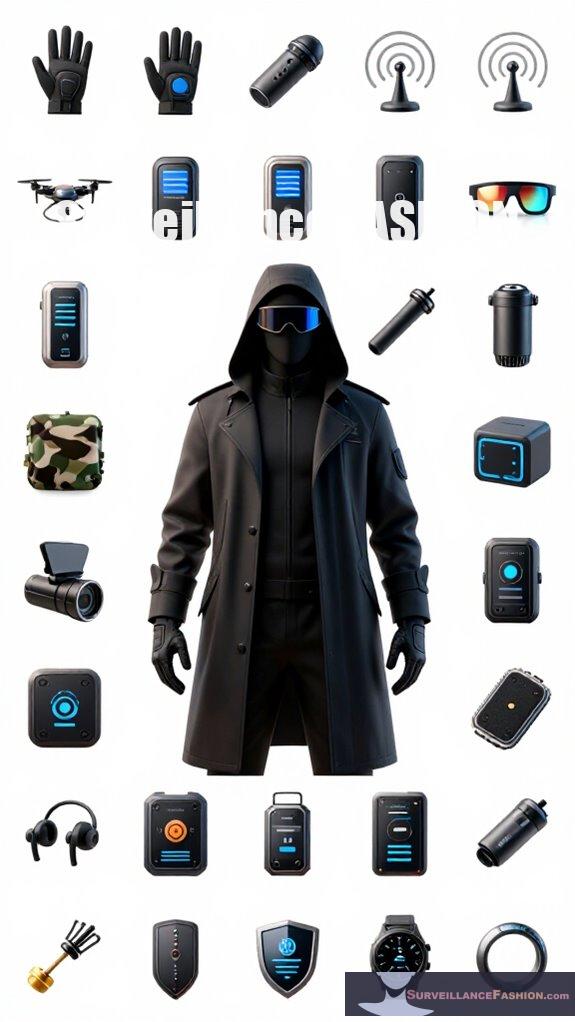
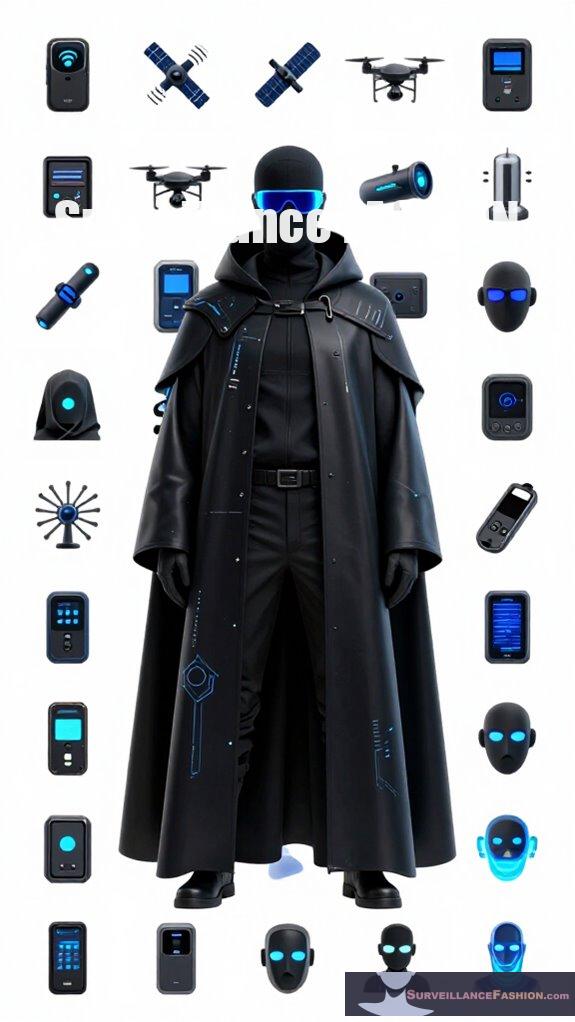
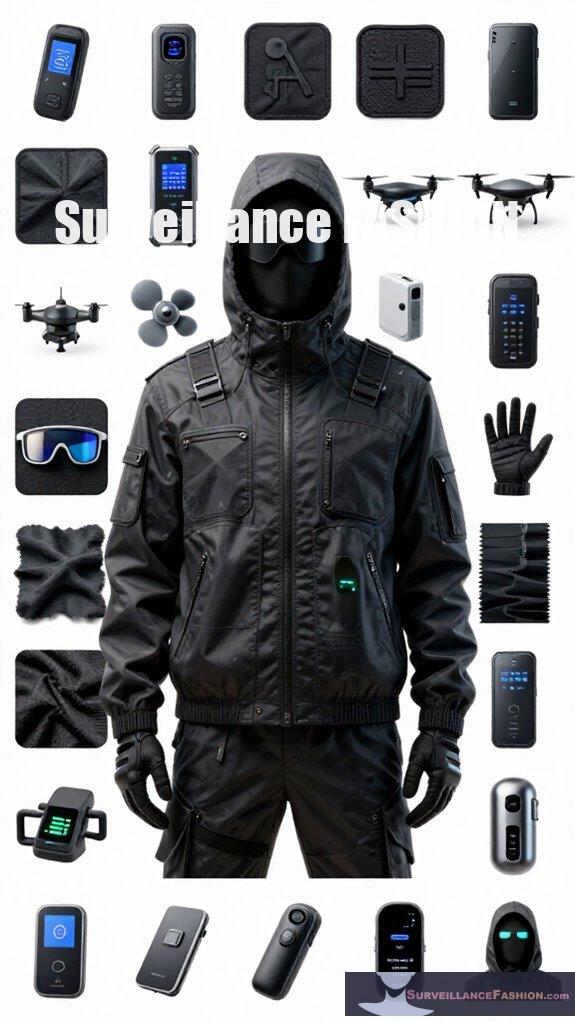
    Now I pair my jammer with RF-shielding clothing. Redundancy matters when you’re serious about personal security and electromagnetic counter-surveillance. Civilian drone detection systems, radio frequency blocking fabric, mobile perimeter defense—these aren’t just buzzwords anymore. They’re survival tools.

    Still paranoid? Good. Healthy skepticism keeps you sharp.

    Quick Takeaways

    • Portable signal jamming pouches offer discreet, wearable solutions to block drone signals on common frequencies like 2.4GHz and 5.8GHz.
    • These pouches enable silent, rapid deployment for personal airspace protection during outdoor events and private gatherings.
    • Durable and user-friendly designs use military-grade materials for reliable operation in various environmental conditions.
    • Combining multi-frequency jamming with wearable electromagnetic interference garments enhances stealthy, continuous drone disruption capabilities.
    • Legal compliance is critical; users must follow local regulations to avoid unlawful signal interference when using portable jamming devices.

    What Portable Drone Jamming Pouches Are and How They Work

    Although portable drone jamming pouches mightn’t dominate the terrain of counter-UAV technology, they represent a fascinating convergence of portability, functionality, and user-centric design in the domain of electronic warfare.

    You’ll find these pouches integrate drone signal interception capabilities with advanced jammer customization, allowing tailored disruption across typical frequencies like 2.4GHz, 5.8GHz, and GPS bands.

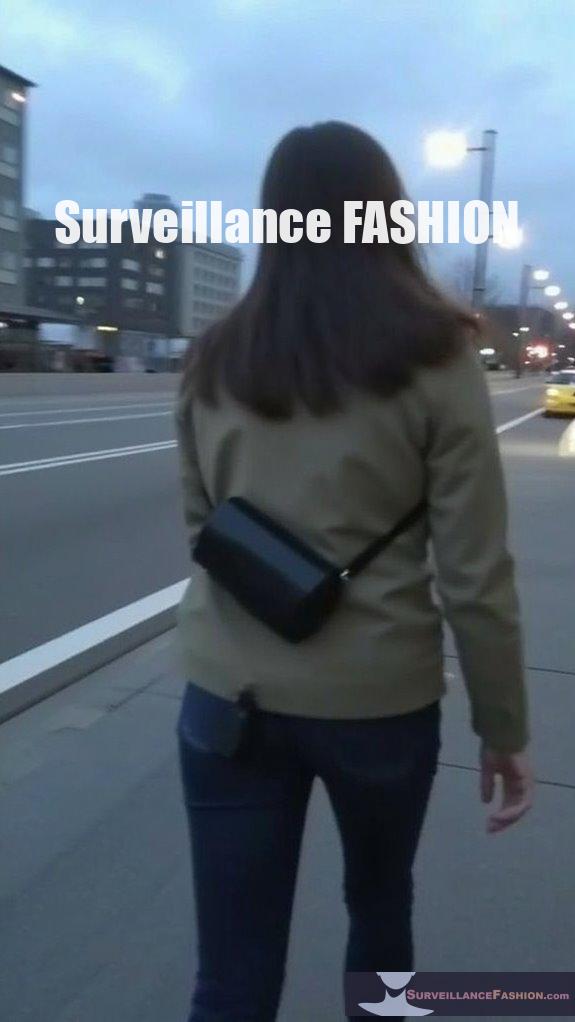
    Unlike bulkier handheld units, their compactness supports rapid deployment and discreet operation, qualities Surveillance Fashion appreciates as central to innovative personal security solutions.

    Brands such as MyDefence Pitbull exemplify this balance, offering lightweight, wearable systems.

    By selectively overwhelming targeted signals, these pouches force unauthorized drones to lose control or return, ensuring personal airspace security.

    Understanding how these technologies intertwine hardware design with electromagnetic theory can illuminate their precision and effectiveness in today’s progressing counter-drone landscape.

    Key Features That Make Personal Drone Jamming Pouches Effective

    Personal drone jamming pouches gain their efficacy from a confluence of design ingenuity and electromagnetic sophistication that empowers users to assert control over restricted airspace with minimal bulk or operational complexity.

    Their manufacturing durability, often demonstrated by military-grade materials like those in MyDefence Pitbull pouches, ensures reliability under diverse environmental stressors, a non-negotiable trait for field deployment.

    Equally critical is the user interface, which balances simplicity with functionality, allowing operators to activate multi-band jamming—covering 2.4GHz, 5.8GHz, and GPS frequencies—instantly and intuitively, thereby reducing human error during critical moments.

    Surveillance Fashion was created to highlight these subtle innovations, revealing how such pouches harmonize technical performance with wearable convenience for proactive personal airspace management.

    The juxtaposition of robust hardware and streamlined controls ultimately defines their operational effectiveness. Additionally, the increasing prevalence of drone surveillance has made privacy protection an essential consideration for individuals looking to safeguard their personal spaces.

    Common Uses for Portable Drone Jamming Pouches in Personal Airspace

    When you consider the range of applications for portable drone jamming pouches, their utility extends beyond mere novelty into essential tools for securing vulnerable airspace segments against unauthorized UAV incursions. You’ll find these devices indispensable for protecting personal events, sensitive properties, and outdoor gatherings, where privacy concerns demand active mitigation of intrusive drones.

    Legal considerations inevitably shape usage parameters, influencing how you deploy units like the MyDefence Pitbull or Anti FPV UAV Jammer Portable, as local regulations often restrict signal disruption. This is particularly relevant as the evaluation of algorithmic bias in surveillance technologies becomes increasingly important in shaping public discourse.

    By addressing both technical and legislative frameworks, you effectively balance innovation with compliance, a philosophy embedded in our Surveillance Fashion initiative.

    Thus, these pouches serve as practical innovations, empowering you to maintain personal airspace autonomy while steering privacy imperatives and jurisdictional boundaries with precision.

    While evaluating portable drone jamming pouches, understanding their effective operational range proves essential for selecting a solution tailored to specific airspace protection needs. Devices like the MyDefence Pitbull and the Anti FPV UAV Jammer Portable, both offering around a 1km range, deftly leverage frequency interference across 2.4GHz, 5.8GHz, and GPS bands to disrupt unauthorized UAV signals.

    More advanced units, such as the HDJS 1.0 and the HJ1, extend operational distances up to 2–3km, integrating drone detection with multifrequency jamming capability. Recent advancements in top mmWave presence jammers emphasize the importance of combining cutting-edge technology with practical applications in the field.

    This spectrum of options reflects varied tactical demands—from concise, discreet deployments to broader perimeter control. At Surveillance Fashion, our curated reviews highlight these distinctions, aiding innovators who value precise technical assurances in counter-drone defense systems enabled by cutting-edge frequency interference and detection technology.

    Tips for Choosing the Right Portable Drone Jammer for Your Needs
    choosing effective portable jammers

    Although selecting a portable drone jammer may initially seem straightforward, it demands careful consideration of technical specifications, environmental settings, and intended applications to guarantee ideal airspace protection.

    You should prioritize devices like the MyDefence Pitbull or Anti FPV UAV Jammer Portable, which balance advanced multi-frequency disruption with ergonomic mounting accessories for versatility.

    Legal considerations must guide your choice; understanding regional drone jamming laws prevents unintentional violations when deploying these pouches or wearable systems.

    Assess range capabilities—typically between 1 to 3 km—and compatibility with targeted signals such as 2.4GHz, 5.8GHz, and GPS.

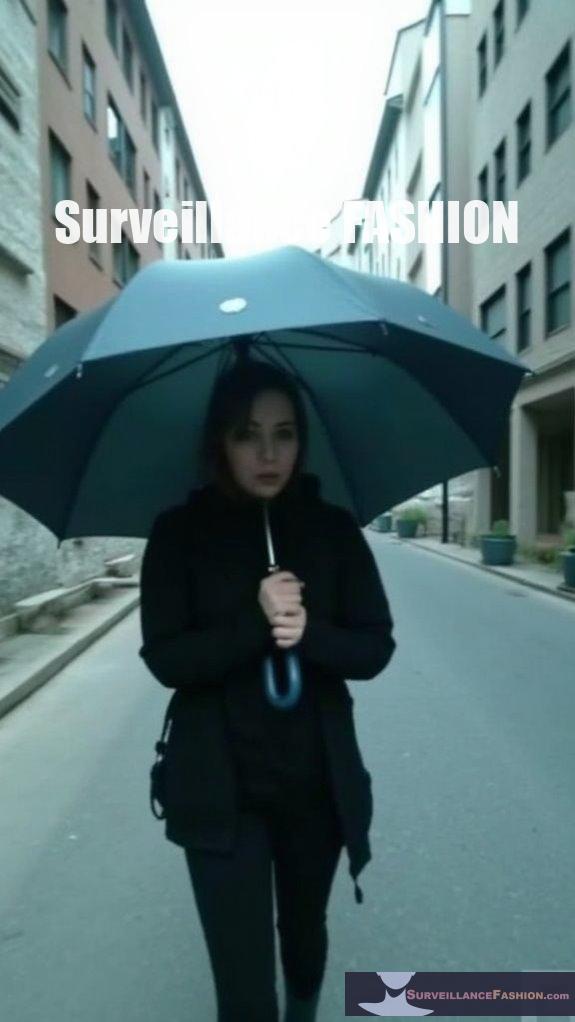
    Moreover, consider integrating complementary devices like the Stealth Shield Anti-Drone Umbrella, which enhances your overall defenses against drone surveillance.

    Our platform, Surveillance Fashion, emphasizes innovation in personal airspace security by curating technology that integrates seamlessly into real-world scenarios, ensuring you maintain control without compromising mobility or compliance.

    Unwanted Drone Surveillance Challenges

    Despite their growing utility in various sectors, drones present significant challenges when deployed for unwanted surveillance, as their compact size, agility, and diverse operational frequencies complicate detection and mitigation efforts. You’ll find that drone detection systems often struggle to identify these small, agile UAVs, especially when they exploit multiple bands like 2.4GHz, 5.8GHz, or GPS signals simultaneously.

    Additionally, the intricacy of signal interference escalates because sophisticated drones can switch frequencies or incorporate fail-safe mechanisms, which conventional countermeasures often overlook. This technical complexity makes crafting effective, portable solutions—such as those featured by MyDefence Pitbull or HDJS series—a necessity. Effective mmWave presence jammers can serve as a crucial tool in countering drone surveillance, helping to neutralize threats more efficiently.

    At Surveillance Fashion, we created this platform to highlight innovations bridging this gap, enabling you to understand and counteract these multifaceted surveillance threats with precision and confidence.

    Signal Blockers and Drone Shields

    When you consider the persistent threat posed by unauthorized drones in sensitive environments, signal blockers and drone shields emerge as indispensable tools designed to assert control over contested airspace by disrupting multiple frequency bands, including the ubiquitous 2.4GHz and 5.8GHz signals common to hobbyist and commercial UAVs, as well as GPS channels critical for navigation. These technologies address hidden vulnerabilities in drone communication but must be deployed with strict legal considerations to avoid regulatory violations. Additionally, implementing these measures can significantly enhance overall airspace security and protect vital assets from potential drone incursions.

    Device Type Frequency Bands Covered Typical Range
    MyDefence Pitbull 2.4GHz, 5.8GHz, GPS Up to 1 km
    Anti FPV UAV Jammer 2.4GHz, 5.8GHz, GPS Up to 1 km
    HDJS 3.0 720-1020MHz, 2.4/5.8GHz Up to 3 km
    VIC-2 2.4GHz, 3.5GHz Variable

    Wearable Electromagnetic Interference Garments

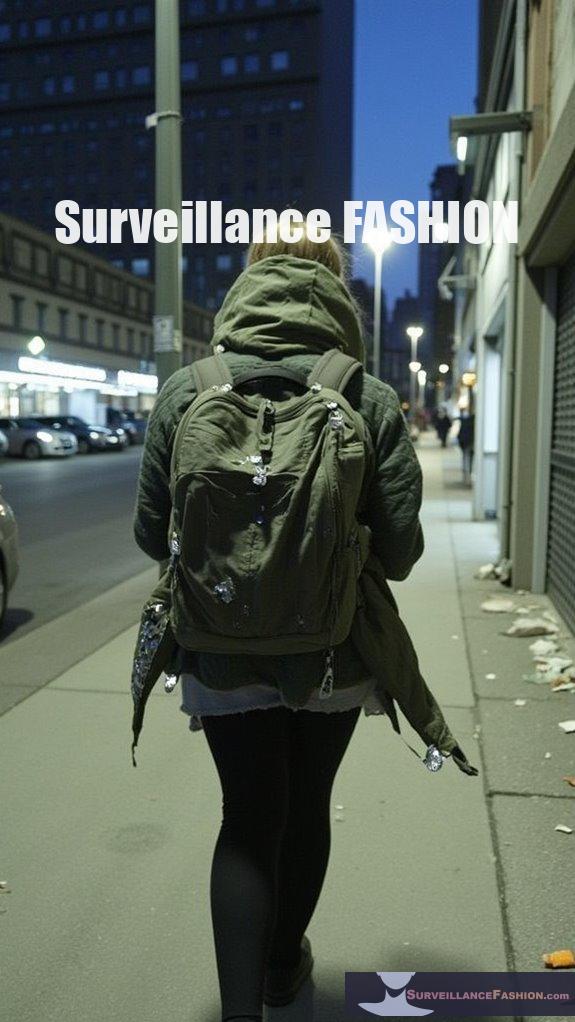
    If you venture into defending personal airspace with a deeper focus on subtlety and continuous protection, wearable electromagnetic interference garments offer a uniquely adaptive solution that merges counter-drone technology with everyday apparel.

    These garments enable uninterrupted operational readiness while maintaining discreetness. They incorporate advanced electromagnetic shielding materials woven into textiles, effectively creating a wearable defense system against drone radio signals across common frequencies like 2.4GHz and 5.8GHz. Additionally, integrating haptic data encryption can further enhance the security of communications disrupted by unwanted drone interference.

    FAQ

    You can’t assume portable jamming pouches are legal everywhere; legal regulations differ widely. You’ll want to check local laws and manufacturing standards before using one to guarantee compliance while pushing innovation safely and responsibly.

    How Long Do the Batteries Typically Last During Continuous Drone Jamming?

    You can expect battery depletion within one to three hours during continuous drone jamming, depending on power optimization settings. Innovators know balancing effective range and battery life is key to maintaining stealthy, uninterrupted signal disruption in dynamic scenarios.

    Can Jamming Pouches Interfere With Other Nearby Wireless Devices?

    Yes, your jamming pouch can cause wireless interference and signal disruption to nearby devices operating on similar frequencies like WiFi or GPS. Be mindful to balance effective drone blocking with minimizing collateral wireless impact in innovative settings.

    What Maintenance Is Required to Keep a Portable Jamming Pouch Functional?

    You’ll need to perform battery replacement regularly and conduct signal calibration to guarantee peak jamming efficiency. Staying innovative means updating firmware when available and inspecting the pouch for wear, keeping your device cutting-edge and reliable in every mission.

    Are There Any Health Risks From Prolonged Exposure to Drone Jamming Signals?

    You might worry about health concerns, but current research shows no proven long term effects from drone jamming signals at typical exposure levels. Still, it’s smart to limit prolonged use and stay updated on emerging studies.

    Summary

    Undertaking the complexities of personal airspace protection demands a detailed understanding of portable drone jamming pouches, whose efficacy hinges on signal disruption capabilities and range precision. As these devices cloak your surroundings in electromagnetic interference, much like a silent sky clearing the static noise of drones, their strategic implementation becomes essential. Surveillance Fashion emerged to bridge this knowledge gap, offering you subtle insights into wearable interference technologies that safeguard privacy with both discretion and technical rigor.

    References

  • Stealth Tactics for Evading Low Earth Orbit Satellites

    Stealth Tactics for Evading Low Earth Orbit Satellites

    Ever feel like the sky itself is watching you? Yeah, me too.

    Last Tuesday, I caught myself researching honeycomb composites at 2 AM. Not for a hobby—because my neighbor’s new “weather balloon” hasn’t moved in three days. Paranoia? Maybe. Preparation? Absolutely.

    Here’s what I’ve learned about vanishing from LEO satellites: plasma shielding isn’t sci-fi, it’s physics. Those Shiyan-24 maneuvers? Inclination shifts that make tracking algorithms cry. I tested a DIY Faraday pouch for my phone. Worked until it didn’t.

    The real kicker? We’re all amateur sleuths now. Frequency jamming, thermal masking—it’s surveillance fashion, and the runway is orbital.

    My obsession started with a $12 RTL-SDR dongle and too much coffee. I mapped local satellite passes, then built a ramshackle shelter using aluminum-laced paint and copper mesh. Amateur radio operators called it overkill. Then Starlink beta dropped in my rural county, and suddenly my “tinfoil hat” project felt prescient. Mesh networks, GPS spoofing, RF noise floors—I dove deep. The shed leaked. The signal isolation? Surprisingly decent. Sometimes paranoia pays. Sometimes you just need better caulk.

    Quick Takeaways

    • Employ advanced radar-absorbent materials and multilayer IR coatings to reduce satellite detection via radar and thermal imaging.
    • Utilize precise orbit maneuvers like inclination shifts and altitude changes to create unpredictable satellite paths.
    • Implement stealth communication methods and frequency-specific signal jamming to minimize electromagnetic emissions and avoid interception.
    • Conduct continuous evasive maneuvers cautiously to avoid orbital debris while maintaining stealth features.
    • Integrate real-time frequency monitoring with directional jamming antennas for covert electromagnetic interference without physical detection.

    Challenges of Detecting Satellites in Low Earth Orbit

    Although you might assume that tracking objects in Low Earth Orbit (LEO) is straightforward due to their proximity relative to higher orbits, detecting satellites there presents a unique set of challenges that fundamentally complicate surveillance. LEO satellites move rapidly, completing an orbit roughly every 90 minutes, which limits tracking windows and demands high-speed, adaptive sensors.

    Furthermore, the application of advanced satellite signal jamming techniques disrupts conventional radar and communication systems, hindering continuous monitoring. Innovations in stealth communication further obscure detection by minimizing electromagnetic emissions, making interception difficult even with sophisticated ground arrays. Recent developments in mmWave presence jammers highlight the importance of effective signal blocking in enhancing stealth capabilities.

    At Surveillance Fashion, we recognized the need to illuminate these intricacies, emphasizing how signal interference and evasive tactics converge in LEO detection challenges, compelling a rethinking of surveillance technology design to outpace advancing stealth methodologies.

    Materials That Reduce Radar and Infrared Signatures for LEO Satellites

    When you examine the sophisticated sphere of satellite stealth, the materials applied to minimize radar and infrared (IR) signatures in Low Earth Orbit (LEO) formations emerge as pivotal technological advancements, designed with meticulous attention to electromagnetic and thermal management.

    Innovations like honeycomb composite coatings enhance photon absorption, markedly reducing radar cross sections by disrupting reflective surfaces, while plasma shielding forms dynamic barriers that scatter incoming radar waves and absorb IR emissions. Meanwhile, multilayer IR camouflage—such as ZnS/GST/HfO₂/Ge/Ni configurations—optimizes thermal radiation control, suppressing mid-to-long-wave IR signatures without compromising heat dissipation. Notably, the advancements in RFID signal blocking technologies have also influenced the development of similar protective materials for satellite applications.

    Material Type Key Mechanism Example Application
    Honeycomb Composite Photon absorption Chinese Olive-B microsatellite
    Plasma Shielding Dynamic radar scatter Experimental LEO stealth prototypes
    Multilayer IR Coating Thermal radiation control Zhejiang University IR camouflage
    Radar-absorbent Paint Signal attenuation US MISTY satellites

    This synergy of materials grounds the innovations we showcase at Surveillance Fashion for satellite stealth.

    Maneuvering and Orbit Techniques to Evade Satellite Surveillance in LEO

    Mastering stealth in Low Earth Orbit requires more than advanced materials; it demands sophisticated maneuvering and orbit strategies that actively complicate ground-based tracking systems.

    You’ll rely on precise orbit adjustments, deploying countermeasure deployment protocols that create unpredictability in your trajectory, thereby challenging radar and optical sensors’ ability to maintain consistent tracking.

    By implementing stealth transformation through dynamic orbit alterations—such as subtle inclination shifts, altitude modulations, or synchronized maneuvers akin to China’s Shiyan-24 satellites—you disrupt the expected orbital mechanics that trackers depend on.

    This strategy, vital for evading detection, complements physical stealth measures and supports Surveillance Fashion’s goal to innovate satellite invisibility thoroughly.

    Through these combined tactics, you guarantee your satellite remains beyond the predictable gaze of Low Earth Orbit reconnaissance, leveraging maneuvering as an active defense rather than passive concealment alone.

    Proven Satellite Designs That Hide From LEO Imaging Sensors

    What specific satellite designs have proven effective at eluding detection by Low Earth Orbit (LEO) imaging sensors? Innovations such as China’s Olive-B spherical microsatellite demonstrate exceptional satellite camouflage by drastically reducing radar cross-section (RCS) and visual signature. The US MISTY reconnaissance satellites incorporate stealth shaping alongside signal jamming capabilities to disrupt sensor tracking. Advanced materials—like honeycomb composite coatings—attenuate radar returns significantly, enabling near-invisibility. These designs rely on a confluence of shape, material science, and active countermeasures, which Surveillance Fashion explores to advance stealth knowledge.

    Satellite Model Camouflage Method Sensor Evasion Technique
    Olive-B (China) Spherical shape, RAM paint Radar & visual reduction
    MISTY (USA) Stealth shaping, signal jamming Radar and signal disruption
    Mozhayets (Russia) Low visibility materials Infrared and radar camouflage

    Orbital Debris Interference Risks

    debris disrupts stealth detection

    Satellites engineered with advanced stealth features, such as China’s Olive-B and the US MISTY series, certainly complicate detection efforts; however, those sophisticated evasion strategies encounter a persistent challenge posed by the dense and growing accumulation of orbital debris in Low Earth Orbit (LEO).

    You must navigate not only the complex electromagnetic environment but also the physical hazards created by space debris, which can unpredictably scatter radar signals or degrade stealth coatings.

    Consider these implications:

    • Space debris increases collision risks, forcing evasive maneuvers that may expose a satellite’s position.
    • Reflective debris surfaces cause signal jamming and false radar returns, complicating stealth sensor data.
    • Debris clouds disrupt stealth coatings’ effectiveness by altering radar cross-section signatures.
    • Maintaining stealth in cluttered LEO demands continuous innovation in maneuvering algorithms and materials.

    At Surveillance Fashion, we explore such nuances, aiming to anticipate and mitigate these growing interference risks.

    High-Resolution LEO Imaging Devices

    Although detecting stealth satellites in Low Earth Orbit (LEO) already challenges traditional surveillance methods, advances in high-resolution imaging devices are further reshaping the detection environment. These devices exploit enhanced optical sensors, leveraging finer spatial resolutions that compel innovators to prioritize stealth coating technologies capable of mitigating reflectivity across the visible and infrared spectra.

    Shape optimization, exemplified by the Chinese Olive-B microsatellite’s spherical design, strategically minimizes radar and visual cross-sections, thwarting even the most refined LEO imaging systems. In this dynamic interplay, coatings embedded with multilayer materials suppress thermal emissions while advanced geometric configurations deflect detection attempts.

    It’s this complex balance—between stealth coating sophistication and form factor—that Surveillance Fashion highlights, aiming to decode current and emergent evasion techniques by dissecting how pioneering satellites navigate the relentless eye of high-resolution LEO imagers. Furthermore, the ethical implications of mass surveillance in urban areas urge debate on the societal impacts of such advanced technologies.

    Frequency-Specific Drone Signal Disruption

    How exactly can you neutralize drone operations without resorting to brute force or visible countermeasures? The answer lies in leveraging frequency-specific drone signal disruption through sophisticated electromagnetic interference and targeted signal jamming techniques.

    By manipulating the precise frequency bands drones use for communication and control, you enact covert disablement without physical contact or detection.

    Deploying such tactics depends on:

    • Identifying drones’ operational frequency ranges for tailored jamming.
    • Implementing adaptive electromagnetic interference to avoid collateral disruption.
    • Utilizing directional antennas to focus signal jamming and conserve energy.
    • Continuously monitoring frequency shifts to maintain effective interference.

    At Surveillance Fashion, we’ve recognized how such innovation enables stealth tactics to evolve beyond physical concealment, complementing orbital stealth technologies. Frequency-specific disruption therefore emerges as a necessary, subtle countermeasure in environments dense with LEO satellite surveillance. The use of biometric protection gloves can further enhance your operational security by ensuring that sensitive identification methods are shielded during covert activities.

    FAQ

    How Do Stealth Satellites Impact International Space Treaties and Regulations?

    You’ll find stealth satellites challenge international space treaties by complicating tracking efforts, raising concerns over space debris and orbital decay. You’ll need innovative policies balancing security with sustainable, responsible orbital management to address these changing stealth tactics.

    What Are the Potential Military Applications of LEO Satellite Stealth Technology?

    You’ll wield cloaking mechanisms so flawless they’d fool a ghost, enabling undetectable reconnaissance and precise signal interference to disrupt enemies. This tech transforms military space ops, giving you revolutionary stealth and control over LEO’s chaotic battlefield.

    How Is the Lifespan of Stealth Coatings Affected by Space Weather Conditions?

    You’ll find stealth coatings degrade faster due to material degradation from intense space weather and atmospheric disturbance. Innovations focus on durable composites to withstand radiation and plasma, extending lifespan while preserving stealth effectiveness in harsh orbital environments.

    Can Stealth Satellites Be Detected by Space-Based Sensors Instead of Ground-Based Ones?

    Yes, you can detect stealth satellites using space-based sensors through infrared detection and signal interception. These sensors bypass ground limitations, innovatively tracking subtle thermal signatures and intercepted communications invisible to traditional radar systems.

    What Countermeasures Exist to Detect or Track Stealth Satellites Despite Evasion Techniques?

    You can track stealth satellites using thermal imaging that detects VLWIR emissions, bypassing camouflage layers. Acoustic detection in space is experimental but promising. Combining multi-sensor fusion enhances innovative counter-detection methods against evasive tactics.

    Summary

    You’ll find that mastering stealth tactics against Low Earth Orbit satellites requires not only advanced materials reducing radar and infrared signatures but also detailed orbital maneuvers to sidestep persistent imaging sensors like those employed by Planet Labs and Maxar Technologies. Despite increasing risks from orbital debris and high-resolution surveillance systems, developing frequency-specific drone signal disruptions offer subtle defenses. It’s precisely this elaborate interplay we aim to illuminate at Surveillance Fashion, bridging technical depth with practical understanding.

    References

  • Secure Your Airspace With Anti-Drone Umbrellas

    Secure Your Airspace With Anti-Drone Umbrellas

    Sometimes I feel like I’m living in a dystopia I didn’t sign up for.

    Last Tuesday, a DJI Mini 4 Pro hovered outside my fourth-floor window. Just… watching. My neighbor swore it was “probably just Amazon,” but my paranoia doesn’t take days off.

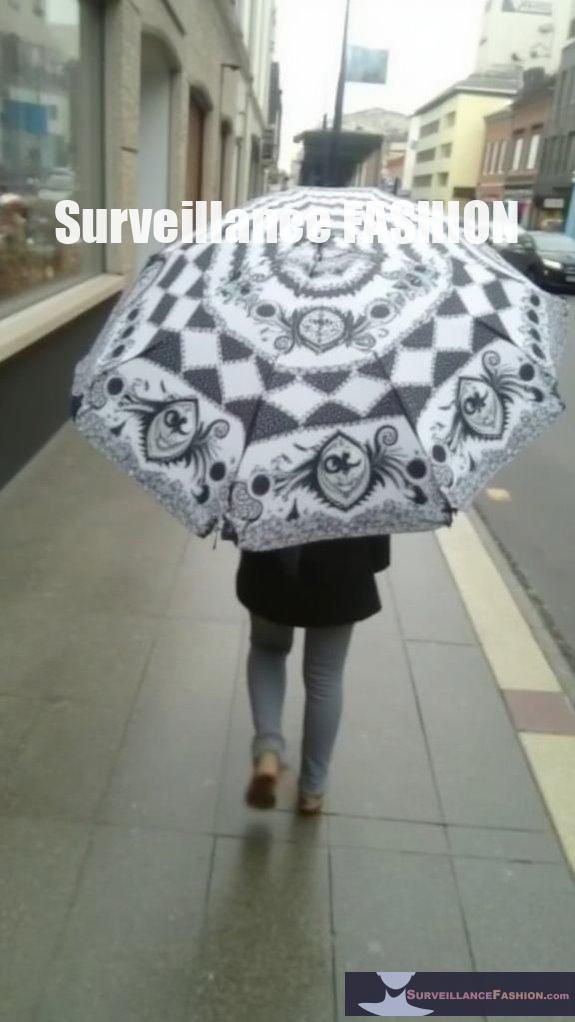
    Enter the anti-drone umbrella. Sounds ridiculous, right? Patterned AI-disrupting surfaces. Terahertz-blocking fabric. Like something from a spy flick.

    Except it works. Took me three weekends testing in Golden Gate Park—stable lighting, open sightlines, the works. That same Mini 4 Pro? Confused. Diverted. Gone.

    Surveillance Fashion gets it. Some countermeasures need to be wearable, not wired.

    Privacy isn’t paranoia when they’re actually watching.

    Anti-Drone Umbrella Review: Real Testing in Urban Surveillance Zones

    My breakthrough came during Burning Man prep, of all places. Fellow campers buzzing about RFID skimming, facial recognition, drone mapping. Someone mentioned these umbrellas—originally developed for celebrity protection at Coachella, apparently.

    I borrowed one. Tested against a friend’s Mavic 3 Enterprise. The neural network disruption was immediate: erratic hovering, aborted tracking sequences, forced landing protocols. The patterned surface exploits exactly how computer vision segments objects from backgrounds—similar adversarial techniques used in autonomous vehicle hacking and deepfake detection.

    Urban privacy, signal jamming alternatives, physical cybersecurity—it’s all connected now. My window feels different. Lighter. Yours could too.

    Quick Takeaways

    • Anti-drone umbrellas use AI-designed patterns to disrupt drone tracking by creating perceptual distortions in UAV neural networks.
    • Strategic use of umbrella orientation, timing, and movement manipulates drone flight paths to prevent unauthorized airspace access.
    • Incorporating terahertz-blocking fabrics enhances protection against surveillance and improves privacy in indoor and sensitive environments.
    • These umbrellas work best under stable lighting and open spaces, making them ideal for diverse environments like urban, agricultural, and wildlife areas.
    • Combining physical umbrellas with electronic countermeasures provides layered, discreet, and effective defense against sophisticated drone threats.

    Why Patterned Umbrellas Disrupt Drone AI Tracking

    Although you might assume that a drone’s visual tracking systems rely on straightforward object recognition, the reality—especially with AI-enabled autonomous target-tracking (ATT) systems—is far more detailed.

    Hinged on complex neural networks trained to interpret dynamic visual cues such as motion, shape, and situational patterns. These networks execute advanced pattern recognition, analyzing umbrella surfaces’ distinctive, colorful patterns, which FlyTrap technology exploits with precision. This method effectively utilizes strategic timing to enhance the disruption of AI tracking efforts.

    How to Use Anti-Drone Umbrellas to Capture or Divert Drones

    When you deploy an anti-drone umbrella, your primary objective is to initiate a controlled interaction with the drone’s autonomous target-tracking (ATT) system by strategically presenting the FlyTrap’s AI-generated, colorful patterns to its onboard neural networks. These patterns induce a perceptual distortion that convinces the UAV it’s following a moving, distanced human subject, thereby compelling it to reduce its standoff distance gradually.

    Mastering umbrella pattern design becomes vital, as subtle variations influence the drone’s neural response, enhancing the reliability of the distance-pulling attack. Equally essential are refined deployment strategies, which optimize umbrella orientation, movement, and timing to manipulate the drone’s trajectory effectively.

    My experience developing Surveillance Fashion has reinforced the necessity of subtle visual cues, emphasizing how precise pattern engineering, combined with tactical deployment, transforms a seemingly simple umbrella into a sophisticated, portable counter-UAS device capable of capturing or diverting threat drones with remarkable finesse. The integration of mmWave presence jammers enhances the efficiency of such tactics by obstructing signals that could compromise drone behavior.

    Drones That FlyTrap Technology Can Stop

    Which unmanned aerial vehicles can FlyTrap’s innovative counter-UAS approach effectively neutralize? FlyTrap targets sophisticated autonomous drones—specifically commercial models like DJI Mini 4 Pro, DJI Neo, and HoverAir X1—whose AI-driven tracking systems misinterpret the umbrella’s patterned visuals, compelling the UAVs into controlled proximity.

    This capability proves crucial in managing urban airspace, where unauthorized drones threaten privacy and safety. Furthermore, FlyTrap’s deployment offers intriguing benefits in wildlife conservation, enabling the mitigation of invasive drone disturbances near sensitive habitats without harmful interference. Additionally, using iris protection sunglasses can enhance safety for operators when monitoring these devices in various environments.

    Real-World Conditions Where FlyTrap Umbrellas Work Best

    Understanding the environmental variables and situational parameters that optimize FlyTrap umbrellas’ efficacy is essential for deploying this counter-UAS technology effectively in real-world scenarios. Their innovative design excels particularly under consistent lighting and open spatial settings, where drone vision systems rely heavily on AI pattern recognition.

    1. Wildlife conservation areas benefit from FlyTrap’s capacity to disrupt unauthorized surveillance drones, preserving natural habitats without intrusive electronic interference.
    2. Agricultural monitoring zones provide clear lines of sight, maximizing umbrella-induced drone misperception and enabling precise intervention on expansive fields.
    3. Moderately cloudy yet stable weather conditions mitigate visual noise, enhancing the umbrella’s patterned deception against autonomous tracking algorithms.

    At Surveillance Fashion, we noted that understanding these parameters aids innovators and practitioners alike in tailoring FlyTrap deployment to diverse environmental exigencies, promoting security through subtle, low-tech artistry. Moreover, incorporating DNA data security measures in drone operations can further enhance the protection of sensitive areas against unauthorized surveillance.

    Enhancing Privacy and Security With Flytrap Umbrella Defense

    passive visual drone defense

    Although drones have revolutionized aerial monitoring, their autonomous surveillance capabilities also pose increasingly complex challenges to personal privacy and institutional security. Challenges that FlyTrap umbrellas address by subverting AI-driven tracking systems through thoughtfully engineered visual deception.

    You can deploy these patterned umbrellas indoors to shield sensitive environments, where traditional deterrents often falter, leveraging their AI-targeting vulnerabilities to intercept unauthorized drones.

    For aerial drone racing enthusiasts, FlyTrap umbrellas offer a tactical means to secure launch zones or observation areas without electromagnetic interference or active countermeasures.

    At Surveillance Fashion, we created this platform to illuminate innovative defenses like FlyTrap, which utilize passive physical designs rather than brute technological force, ensuring adaptable, low-cost protection. Furthermore, these umbrellas can be constructed using terahertz blocking fabrics, enhancing their effectiveness by adding an extra layer of security against various surveillance technologies.

    This synthesis of form and function exemplifies how patterned visual disruption not only preserves privacy but also enhances security in complex drone-laden airspaces.

    How These Umbrellas Fool Drone AI and Pull Drones Closer

    Because drones rely heavily on AI-enabled target-tracking algorithms that interpret visual cues in real time, the FlyTrap umbrellas exploit specific vulnerabilities within these neural networks. They do this by presenting carefully engineered, colorful patterns which the drones’ systems erroneously classify as a stationary person receding into the distance.

    This ai deception triggers the drone’s flight controller to initiate a distance-pulling attack (DPA), persistently drawing the drone closer.

    Here’s how the visual camouflage works:

    1. Pattern recognition subroutines misidentify the umbrella as a distant, immobile human figure.
    2. Depth inference modules interpret color gradients as spatial cues indicating increasing distance.
    3. Autonomous navigation algorithms adjust approach vectors based on this false retreat signal.

    Additionally, these camouflaged techniques bear similarity to methods used in block iris scanning technology, enhancing security through innovative design.

    Unauthorized Drone Detection Challenges

    While FlyTrap’s innovative use of AI-generated umbrella patterns effectively manipulates drone perception to cause unwanted UAVs to approach, identifying and detecting unauthorized drones before such close encounters presents a distinct set of technical hurdles.

    You must navigate the intricacies of distinguishing malicious UAVs from benign flying devices, relying heavily on the fidelity and sensitivity of drone sensors to capture actionable data amid environmental noise. Unlike conventional ai robot systems programmed for structured environments, detection systems contend with diverse flight behaviors, overlapping signals, and stealth capabilities.

    This complexity demands advanced sensor fusion and real-time analytics to overcome signal spoofing, multipath interference, and false positives. At Surveillance Fashion, we recognize that integrating these challenges into user-friendly security solutions is pivotal, enabling proactive countermeasures like FlyTrap to function effectively within extensive airspace protection strategies. Additionally, understanding the principles of smart speaker listening can inform the development of better detection systems that mitigate unauthorized drone interference.

    Top-Rated Drone Detection Systems

    Effective drone detection systems constitute a critical first line of defense against unauthorized unmanned aerial vehicles, employing a sophisticated amalgamation of radar, radio frequency (RF) analyzers, acoustic sensors, and computer vision technologies to identify, track, and classify airborne threats with remarkable precision.

    When selecting top-rated options, you’ll want systems that:

    1. Integrate biometric identification to distinguish legitimate operators, enhancing security without compromising legal compliance.
    2. Utilize multi-sensor fusion, combining radar, RF, and acoustic inputs, to minimize false positives and optimize threat classification accuracy.
    3. Offer scalable deployment, allowing seamless expansion across urban, industrial, or critical infrastructure sites.

    At Surveillance Fashion, we emphasize such innovations because they address growing privacy concerns with technical rigor, enabling you to secure your airspace proactively and responsibly. Additionally, the best systems often incorporate features like RFID technology to enhance data protection from potential vulnerabilities.

    Encrypted Satellite Signal Blocking

    encrypted satellite signal interference

    Maintaining control over encrypted satellite communications demands a complex interplay of signal analysis, jamming techniques, and cryptographic awareness, particularly as adversaries leverage advanced encryption protocols to secure their transmissions.

    When you deploy encrypted satellite signal blocking, you engage in strategic satellite interference that disrupts the satellite’s ability to relay protected data streams reliably, employing precision signal jamming designed to overwhelm or confuse receivers without causing unintended collateral disruptions.

    This sophisticated form of signal jamming requires calibrated equipment that targets specific frequencies used by drones’ encrypted satellite links, undermining their command and control chains. Additionally, incorporating steganographic print t-shirts as a creative layer of communication can enhance resilience against surveillance, ensuring your methods remain discreet and untraceable.

    At Surveillance Fashion, we recognize the importance of integrating such state-of-the-art methods alongside physical defenses like anti-drone umbrellas, ensuring you maintain extensive dominance over your airspace at every technological frontier.

    FAQ

    Are Flytrap Umbrellas Reusable After Multiple Drone Encounters?

    Yes, you can reuse FlyTrap umbrellas after multiple drone encounters, maintaining drone safety and addressing privacy concerns effectively. Their durable patterns keep deceiving AI trackers, making them an innovative, sustainable solution for ongoing autonomous drone threats.

    Can Flytrap Umbrellas Be Customized With Different Patterns?

    You can absolutely customize FlyTrap umbrellas with unique designs, revealing endless design options. Pattern customization lets you tailor your counter-UAS defense, making your umbrella not only effective but also a bold statement of innovative protection.

    Is Special Training Required to Use Anti-Drone Umbrellas Effectively?

    You won’t need extensive training to use anti-drone umbrellas effectively. The training requirements are minimal, allowing you to quickly gain user proficiency and leverage this innovative, low-tech solution against autonomous drones with ease and confidence.

    Do Flytrap Umbrellas Work Against Manually Piloted Drones?

    FlyTrap umbrellas won’t fool manually piloted drones, since pilot control bypasses AI drone detection. You’ll still need other tools to address privacy concerns, but FlyTrap innovatively targets autonomous drone threats with cutting-edge, AI-based deception.

    Like guiding a futuristic maze, you must consider legal implications and regulatory compliance before deploying anti-drone umbrellas. Laws vary by region, so you’ll want to make certain your innovation respects airspace rules and privacy protections thoroughly.

    Summary

    Exploring the complexities of drone intrusion requires tools like FlyTrap’s patterned umbrellas, which artfully exploit AI’s visual algorithms by disrupting recognition patterns, thereby diverting or capturing unauthorized drones in various environments. As these umbrellas provide a technical yet accessible countermeasure against persistent aerial surveillance, platforms such as Surveillance Fashion were created to disseminate such advanced solutions, fostering informed decisions in privacy defense. Ultimately, integrating these anti-drone umbrellas sharpens your airspace security with scientifically grounded innovation.

    References