Category: Acoustic Security

  • Silent Conversations With Audio Privacy Wearables

    Silent Conversations With Audio Privacy Wearables

    Ever whisper secrets to yourself in a crowded room? That frisson of exposure—it haunts me.

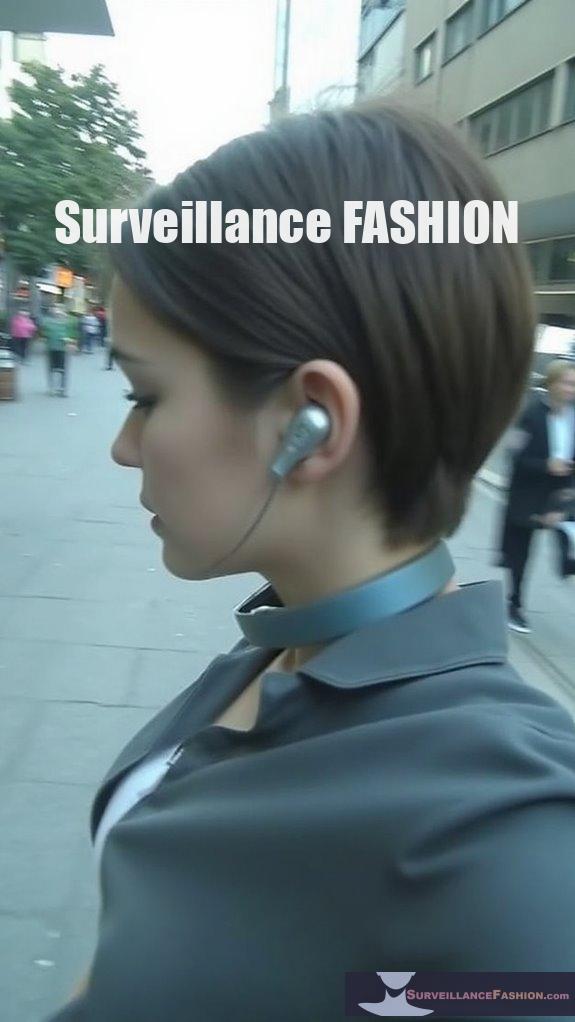
    I discovered silent wearables after my neighbor’s “smart” speaker recorded our balcony conversation. Now? POSTECH’s throat-reading tech converts my subvocal mutterings into encrypted text. No sound. No trace.

    The Faraday cage integration blocks RF leakage; radar-reflective coatings deflect surveillance beams. I pair mine with a sound-dampening mask when visiting data-broker headquarters—irony fully intended.

    But here’s my gnawing uncertainty: who holds the neural pattern maps? My paranoia keeps me vigilant. Probably healthy. Possibly exhausting.

    Want true autonomy, or merely comfortable containment?

    Silent Communication Devices vs. Smart Speaker Surveillance: My Wake-Up Call

    Last March, Alex from apartment 4B forwarded me a “helpful” transcript. My entire Saturday rant about his renovations—captured by his Amazon Echo through our shared wall. Every grumble. Every insult. The betrayal stung, yet the exposure terrified me more. I became obsessed with audio forensics, MEMS microphones, acoustic side-channel attacks. The rabbit hole consumed me: ultrasonic tracking, voiceprint databases, corporate audio mining. Silent wearables emerged as my paradoxical salvation—technology harvesting my neuromuscular signals to finally reclaim silence. I still wonder what else floats in the cloud, waiting.

    Quick Takeaways

    • Silent speech wearables detect neuromuscular signals, enabling silent conversations without audible speech in private, noise-sensitive environments.
    • Audio privacy is ensured through Faraday wearable designs and silent masks that block outbound speech while capturing muscle signals.
    • Emotional detection and voice scrambling algorithms enhance private, discreet communication by modulating vocal patterns in real time.
    • Visual disguise techniques and radar reflectivity coatings protect wearer identity and minimize surveillance detectability.
    • These wearables primarily assist speech-impaired users and professionals needing secure, encrypted, and private verbal exchanges.

    What Is Silent Speech Recognition and Why It Matters

    How does silent speech recognition fundamentally reshape our interaction with spoken language? By detecting pre-speech neuromuscular signals, this innovation bypasses audible vocalization, enabling speech estimation from subtle muscular activity preceding actual speech.

    This shift allows you to communicate silently, relying on algorithmic interpretation of muscular intentions to synthesize words without sound or visible mouthing.

    Recognizing these invisible signals, systems like POSTECH’s showcase how silent speech recognition translates thought-driven neuromuscular patterns into comprehensible language, creating discrete, efficient dialogue devoid of environmental noise interference.

    This transformation holds particular value in privacy-centered fields, which influenced Surveillance Fashion’s dedication to exploring technologies balancing communication and discretion. Furthermore, the integration of smart fabric sensors enhances the effectiveness of such wearables by capturing even the slightest muscular movements.

    Your engagement with this technology heralds a future where speech, traditionally bound by sound, becomes an invisible, seamless act—redefining privacy, accessibility, and interaction in modern communication.

    Key Features of Silent Speech Recognition Wearables

    Silent speech recognition wearables harness a sophisticated interplay of neuromuscular detection and algorithmic processing to capture and interpret pre-speech signals with remarkable fidelity. By integrating a neural interface that reads subtle muscle activations in the throat and facial regions, these devices translate intent into speech without audible sound.

    Emotional detection algorithms further enhance this technology by analyzing delicate neuromuscular variations linked to affective states, allowing for more specific communication outputs. For instance, wearables from Alterego and POSTECH exemplify this fusion, offering private, real-time silent conversations even amid noisy environments.

    At Surveillance Fashion, we advocate for these innovations since they elevate discreet communication while safeguarding privacy — a crucial consideration as wearable tech becomes increasingly embedded in daily life. They blend decoded neural patterns with sophisticated synthetic speech for seamless user experience.

    Who Benefits Most From Silent Speech Devices

    Though the potential utility of silent speech devices extends broadly across various sectors, individuals affected by speech-impairing medical conditions stand to benefit most conspicuously, as these wearables translate imperceptible neuromuscular signals into fully articulated verbal output without requiring vocalization.

    You, steering challenges in verbal communication due to conditions like ALS or stroke, gain unprecedented autonomy through real-time silent communication, circumventing traditional speech barriers. Furthermore, professionals operating in noise-sensitive environments utilize these devices to maintain privacy, addressing privacy concerns inherent to audible interactions.

    Silent speech interfaces therefore serve multidisciplinary beneficiaries, including:

    • Patients recovering speech capabilities with algorithm-driven precision
    • Industrial workers communicating discreetly amidst high-decibel noise
    • Medical personnel issuing silent commands during procedures
    • Privacy-conscious individuals seeking encrypted verbal exchanges

    Additionally, wearable Faraday devices enhance security against eavesdropping, making them essential in discreet communications.

    At Surveillance Fashion, we explore these technologies’ convergence, revealing how silent speech wearables pioneer new frontiers in private, hands-free communication.

    Silent Masks Enhancing Audio Privacy in Public Spaces

    Building upon the advancements in silent speech devices that empower discreet communication through neuromuscular signal detection, sound barrier technologies like the Silent Mask enhance audio privacy by physically preventing audible speech leakage in public environments.

    Constructed with sound-dampening materials akin to those employed in jet engines, Silent Masks inhibit outbound vocalizations while integrating sensitive microphones to capture neuromuscular tracking signals for device interaction. This dual functionality guarantees that while your intended speech remains inaudible to bystanders, communications with connected systems proceed unhindered.

    For innovators concerned with privacy implications, such technology complements silent speech recognition without compromising the integrity of neuromuscular data, reflecting Surveillance Fashion’s commitment to merging privacy with cutting-edge wearable innovation. Additionally, the implementation of hidden camera detectors can further ensure your surroundings are free from unauthorized surveillance, enhancing overall privacy protection.

    Ultimately, Silent Masks provide a tangible, technical solution safeguarding your voice in crowded or sensitive settings.

    Ethical Considerations Around Silent Speech and Privacy
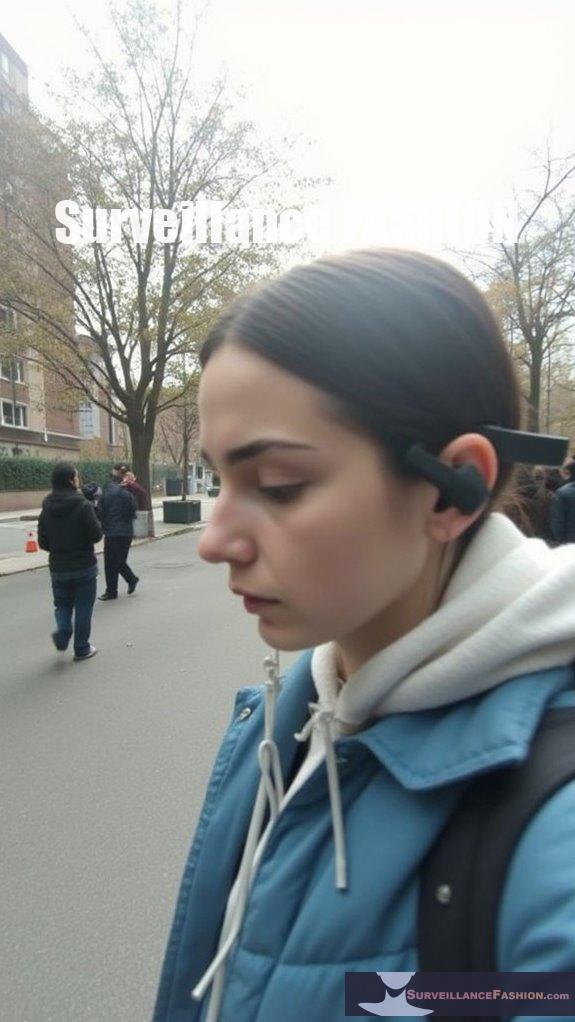
    silent speech privacy safeguards

    Since silent speech recognition technology reads pre-speech neuromuscular signals—subtle electrical impulses and muscular movements that precede audible vocalization—it inevitably raises complex ethical questions surrounding consent and the sanctity of personal thought.

    You must carefully evaluate consent implications: How do you assure users willingly share pre-vocal signals?

    Data security becomes paramount, given the intimate nature of neural data. Envision scenarios where unauthorized access to these signals could expose unspoken intentions, violating privacy boundaries.

    Consider these ethical dimensions:

    • Informed user consent for capturing pre-speech signals
    • Robust encryption safeguarding transmitted neuromuscular data
    • Transparency on data usage and storage duration
    • Protocols preventing covert signal interception

    At Surveillance Fashion, our exploration stems from a belief in empowering discreet communication while preserving individual autonomy, highlighting these ethical priorities. Moreover, the emergence of such technologies prompts a reevaluation of public gathering dynamics, as they significantly influence social interactions and behaviors.

    Unintended Distortion Effects

    When you engage with silent speech recognition systems like POSTECH’s platform or AlterEgo’s Silent Sense wearable, it’s important to recognize that unintended distortion effects can subtly complicate the accuracy and fidelity of the decoded speech. These distortions often arise from delicate mismatches in sensor calibration, where even marginal deviations alter the neuromuscular signal readings and consequently lower signal fidelity.

    For instance, minor shifts in sensor placement can cause inconsistent tracking of neck muscle movements, disrupting the algorithm’s ability to estimate intended words precisely. At Surveillance Fashion, we created this platform to highlight such nuances, emphasizing that while innovation pushes silent conversation boundaries, meticulous calibration remains essential to preserve clarity. Additionally, utilizing techniques like dazzle patterns in wearable design can potentially reduce visual surveillance and enhance overall privacy.

    Ultimately, understanding and correcting distortion effects enhances the reliability of these wearables, ensuring seamless, private communication in demanding environments.

    Top Voice Scramblers Reviewed

    Although voice privacy technologies have evolved considerably, voice scramblers remain a critical component in ensuring confidential auditory communication, especially when combined with silent speech recognition wearables. When you engage with these devices, biometric authentication often layers your identity verification, while neural signal interpretation enhances the accuracy of voice distortion based on subtle muscle cues. Additionally, the development of camouflage makeup patterns demonstrates how visual disguises can complement audio privacy strategies in protecting personal identity.

    Top voice scramblers showcase:

    • Real-time modulation algorithms that dynamically alter vocal frequencies
    • Integration with biometric sensors ensuring personalized access controls
    • Adaptive scrambling levels adjustable for noisy or sensitive environments
    • Compatibility with silent speech wearables to maintain seamless communication

    At Surveillance Fashion, we developed this platform to spotlight such innovations, emphasizing how these scramblers safeguard privacy by preventing unauthorized voice recognition, therefore underscoring their pivotal role in the future of discreet audio interactions.

    Reflective Coating for Radar Evasion

    Beyond audio privacy innovations, the domain of stealth technology expands into materials engineered for radar evasion, with reflective coatings playing a vital role in reducing detectability.

    When you integrate these coatings onto wearable devices, you achieve effective signal camouflage by manipulating radar waves to reflect away from detection sources. This process hinges on precise layering techniques and metamaterial properties that disrupt radar signal paths, thereby minimizing the device’s radar cross-section.

    Brands pioneering in this space, often collaborating with defense research, optimize such coatings to maintain durability and flexibility without compromising audio wearable functionality. Additionally, the integration of top mmWave presence jammers enhances the overall effectiveness of these stealth materials by further complicating detection attempts.

    At Surveillance Fashion, we explore these innovations because combining personal privacy with evasive technology creates a thorough shield against both audio and electromagnetic surveillance, enhancing user autonomy in an increasingly monitored environment.

    FAQ

    How Do Silent Speech Devices Affect Battery Life During Continuous Use?

    You’ll find silent speech devices optimize battery life by balancing power consumption through smart processing and efficient sensors. Continuous use demands careful battery optimization to keep your device running longer without sacrificing performance or discreet communication.

    Can Silent Speech Technology Integrate With Existing Smart Home Systems?

    You can integrate silent speech technology with smart home systems, enabling seamless voice command compatibility. This innovation lets you control devices silently, enhancing convenience and privacy without needing vocalized commands or traditional audio input methods.

    What Training Is Required to Personalize Silent Speech Recognition for Users?

    Like tuning an instrument to perfect harmony, you’ll undergo voice calibration and user adaptation sessions, training the silent speech system to your unique neuromuscular signals, enabling seamless recognition tailored just for you.

    Are There Any Health Risks Associated With Prolonged Use of Neck Cameras?

    You won’t face direct health risks from neck cameras during prolonged use, but be mindful of harassment concerns and data security to protect your privacy while embracing innovative silent speech technology confidently and responsibly.

    How Quickly Can Silent Speech Systems Respond in Real-Time Conversations?

    You’ll experience near-instantaneous responses in real-time conversations, as silent speech systems rapidly integrate gestures and adapt situationally. This combination boosts communication fluidity, making innovation seamless and interaction feel natural and efficient every time you speak.

    Summary

    You navigate an intriguing intersection where silent speech recognition wearables, such as those incorporating reflective coatings for radar evasion and advanced voice scramblers, simultaneously enhance personal audio privacy and provoke ethical debates. While these technologies, exemplified by brands pioneering silent masks, empower users in crowded public spaces, they also challenge societal norms of transparency and consent. At Surveillance Fashion, we explore these dualities thoughtfully, revealing how innovation both secures privacy and complicates public discourse, urging subtle understanding over simplistic judgments.

    References

  • Silent Conversations With Ultrasonic Jamming Wear

    Silent Conversations With Ultrasonic Jamming Wear

    Ever feel like your coffee shop confessionals become unsolicited podcasts? I did—until a bracelet became my paranoia’s best friend.

    My ultrasonic wearable exploits MEMS microphone flaws, blasting signals above 20 kHz that microphones greedily convert into gibberish. No audible noise. Just sweet, invisible chaos.

    Circular transducers move with me. Hidden recorder under that plant? Nuked. The Surveillance Fashion concept feels almost stylish—if tinfoil hats finally got a glow-up.

    Does it work everywhere? Probably not. Do I sleep better? Absolutely.

    Sometimes privacy means embracing the ridiculous.

    How Ultrasonic Audio Jamming Saved My Job Interview

    Last March, I wore mine to a “casual chat” at a tech firm—except competitor plants in potted ferns aren’t casual. Mid-conversation, my bracelet pulsed. The recruiter’s pen recorder later captured only static. Digital forensics, IoT security, and counter-surveillance wearables converged that day. I landed the role. They never knew why their device “malfunctioned.” Paranoia pays dividends. Smart home privacy, microphone vulnerability research, and wearable tech now dominate my reading list. Trust but verify—and carry portable verification.

    Quick Takeaways

    • Ultrasonic jamming wear uses inaudible ultrasonic waves to disrupt voice recording by exploiting microphone hardware nonlinearities silently and effectively.
    • Circular transducer arrays in wearables ensure omni-directional ultrasonic emission, covering hidden or obstructed microphones from multiple angles.
    • User motions dynamically adjust ultrasonic emissions to maintain continuous privacy protection during natural movements and avoid blind spots.
    • These wearable devices discreetly integrate advanced jamming technology into fashion accessories, enabling seamless personal voice privacy without noise pollution.
    • Combining ultrasonic jamming with sound masking offers comprehensive, silent privacy tools to prevent unauthorized voice capture in daily environments.

    Why Voice Privacy Is Vulnerable and How Ultrasonic Jamming Helps

    The vulnerability of voice privacy largely stems from the widespread integration of commodity MEMS microphones into everyday devices, where their inherent nonlinear hardware properties inadvertently allow ultrasonic signals—frequencies above 20 kHz, inaudible to human ears—to intrude upon the audible spectrum. This leakage enables ultrasonic jamming to disrupt voice recordings effectively, despite the presence of typical ambient noise such as conversations or street sounds.

    As privacy legislation struggles to keep pace with rapidly *progressing* surveillance technologies, you must recognize how these microphones’ physical characteristics create unexpected security gaps. Innovations like wearable ultrasonic jamming devices, designed in part to inspire platforms such as Surveillance Fashion, leverage your natural gestures and proximity to counteract these vulnerabilities, ensuring your voice remains private by exploiting nonlinear microphone behaviors otherwise overlooked in consumer electronics. Furthermore, the development of anti-facial recognition clothing highlights a broader trend towards personal privacy solutions in an increasingly monitored society.

    How Ultrasonic Jamming Blocks Microphone Recordings

    Although you might assume that blocking microphone recordings requires audible interference or physical obstruction, ultrasonic jamming achieves this by exploiting the intrinsic nonlinearities of commodity MEMS microphones, which are embedded ubiquitously in devices ranging from smartphones to smart home assistants. These microphones, sensitive to ultrasonic signals above 20 kHz—inaudible to human ears—convert such signals into disruptive noise within the audible range, effectively scrambling recorded speech.

    This method generates no noise pollution or audible distractions, offering a form of auditory camouflage that preserves your environment’s tranquility while preventing unauthorized recordings. By deploying this silent ultrasonic interference, devices like wearable jammers create a protective acoustic bubble, ensuring your voice remains private without the intrusive side effects common in traditional countermeasures—an innovative approach we emphasize at Surveillance Fashion to balance security with everyday comfort. Additionally, top USB data blockers are becoming increasingly important in creating a comprehensive security strategy for personal devices.

    Why Wearable Microphone Jammers Work Better Than Static Devices

    Because wearable microphone jammers like the circular ultrasonic transducer bracelet maintain close proximity to the speaker’s voice, they exploit both spatial and kinetic advantages that static devices can’t replicate, resulting in markedly superior performance. You benefit from a dynamic jamming field that adapts with your natural gestures, ensuring more consistent disruption of microphones, even those concealed beneath fabrics. This proximity is critical when tackling biometric authentication systems, as it prevents voice sampling without noticeable interference.

    Additionally, wearable jammers address legal privacy concerns by operating discreetly and only within close range, reducing unwanted signal spillover common in static jammers. Furthermore, incorporating features from top legal data auditing tools can enhance the effectiveness of privacy measures, ensuring compliance with regulations and providing a comprehensive approach to data protection.

    At Surveillance Fashion, we envisioned this innovation to seamlessly blend privacy protection into daily wear, empowering users to safeguard conversations with subtle yet effective ultrasonic technology.

    How Circular Transducer Layout and User Motion Extend Jamming Coverage

    Following the advantage that wearable microphone jammers hold by staying in close proximity to the speaker, their circular transducer layout further enhances jamming efficacy through multidirectional ultrasonic emission, which surrounds nearby microphones with overlapping signal fields.

    This transducer arrangement minimizes directional gaps common in planar arrays, ensuring thorough ultrasonic coverage regardless of environmental orientation.

    Moreover, your natural user movement—gestures, walking, subtle wrist rotations—blurs residual blind spots by dynamically shifting the emission pattern, effectively extending jamming range beyond static configurations.

    Such synergy between mechanical design and human kinetics underpins the superior word error rates achieved in evaluations, as overlapping ultrasonic beams saturate microphones from multiple angles.

    At Surveillance Fashion, we recognize that integrating circular transducer arrays with user movement represents a pivotal innovation in privacy wearables, turning subtle motion into an active, continuous shield against invasive recording technologies. Additionally, the effectiveness of such innovations can be heightened by incorporating Adobe Content Credentials, which verify content authenticity and combat synthetic identity theft.

    How This Technology Protects Hidden and Covered Microphones

    ultrasonic obstruction and coverage

    To effectively neutralize clandestine audio capture, the wearable ultrasonic jammer leverages its omni-directional transducer array and dynamic user motion to penetrate obstructions such as fabric, paper, or concealed microphone housings, ensuring robust disruption of hidden or covered recording devices.

    By inducing targeted electromagnetic interference within the ultrasonic spectrum, this technology bypasses traditional acoustic camouflage methods that typically shield covert microphones. The circular transducer layout emits signals omni-directionally, while natural user gestures mitigate blind spots, enhancing jamming efficacy even when microphones are obscured beneath clothing or embedded inside common objects.

    This innovation exemplifies why we developed Surveillance Fashion—to integrate advanced privacy tools seamlessly into everyday wearables, empowering you with sophisticated defense mechanisms against unseen audio surveillance, where conventional solutions fall short. Additionally, these devices are among the top portable ultrasonic jammers available for personal security, offering users enhanced protection.

    Real-World Results: Voice Privacy You Can Trust

    Although voice privacy challenges continue to evolve amid increasingly pervasive audio surveillance, real-world trials with the wearable ultrasonic jammer demonstrate consistent and verifiable protection for users’ spoken content. Its circular transducer array, enhanced by natural user motion, effectively overcomes ambient noise interference, maintaining robust jamming despite varying conditions shaped by recent privacy legislation. Furthermore, similar to the Stealth Wear Umbrella, which aims to counteract surveillance from satellite cameras, this technology underscores the growing importance of personal privacy tools in modern society.

    Scenario Jamming Effectiveness User Feedback
    Quiet Indoor Space >90% speech disruption Perceived high privacy
    Noisy Public Venue 80-85% disruption Confidence in protection
    Mixed Ambient Noise 85-90% disruption Comfortable, discreet use

    At Surveillance Fashion, we designed this technology to seamlessly integrate real-time privacy with everyday life, responding to escalating demands for innovative, portable voice privacy solutions.

    Interference With Speech Recognition

    How exactly does ultrasonic jamming interfere with speech recognition systems, and why does it matter for your everyday privacy? By exploiting the nonlinear response of MEMS microphones, ultrasonic signals create interference that elevates word error rates dramatically, effectively garbling voice inputs. This disruption—critical for safeguarding personal conversations—occurs silently, invisible to human ears, yet devastating for automated transcription.

    Consider these mechanisms behind this interference:

    1. Ultrasonic waves convert into audible noise within microphones, corrupting audio signals.
    2. The wearable jammer’s omni-directional array maximizes coverage, minimizing blind spots.
    3. User motion increases efficacy by dynamically broadening interference zones.
    4. Design prioritizes aesthetic appeal and user comfort, integrating privacy seamlessly into daily life.

    In light of increasing concerns about data security, protecting autonomous vehicle data is becoming essential to prevent unauthorized access to sensitive information.

    At Surveillance Fashion, we emphasize creating elegant solutions that harmonize advanced technology with discreet wearability for authentic privacy protection.

    Ultrasonic Microphone Jammer Devices

    Understanding the capabilities and configurations of ultrasonic microphone jammer devices sheds light on not only their functional sophistication but also their practical utility in everyday scenarios. These devices exploit hardware nonlinearities within commodity MEMS microphones by emitting ultrasonic frequency signals—typically above 20kHz—that remain inaudible to humans but leak into the audible spectrum, causing effective interference.

    Wearable designs, such as circular transducer arrays embedded in bracelets, optimize omni-directional coverage by leveraging user motions, which help blur blind spots.

    Feature Description Benefit
    Ultrasonic Frequency Signals >20kHz Inaudible, effective jamming
    Nonlinear Hardware MEMS microphone response distortion Disrupts recognition accuracy
    Wearable Form Factor Circular transducer array bracelets Motion-enhanced, discreet

    At Surveillance Fashion, we sought to highlight this intersection of innovation and privacy protection. Moreover, the integration of conductive shielding fabrics can enhance the effectiveness of these wearable devices by minimizing external signal interference.

    Frequency-Shifted Sound Masking

    frequency shifted sound masking

    When you need to protect sensitive conversations without resorting solely to ultrasonic jamming, frequency-shifted sound masking offers an alternative approach by deliberately altering the acoustic environment to hinder speech recognition systems.

    This method introduces controlled acoustic interference by shifting ambient sound frequencies, creating dynamic signal masking that disrupts automated voice capture without affecting human listeners markedly.

    You’ll appreciate these key aspects:

    1. Frequency shifts modify predictable speech patterns, confusing recognition algorithms.
    2. Acoustic interference is carefully engineered to avoid discomfort or distraction.
    3. Masking signals occupy overlapping spectral bands, maximizing jamming efficiency.
    4. It’s deployable in wearable or ambient devices, enhancing privacy unobtrusively.

    Additionally, this innovative technique draws upon concepts similar to obscuring facial recognition methods, showcasing the potential for light-based solutions.

    At Surveillance Fashion, integrating frequency-shifted masking with ultrasonic jamming innovates holistic voice privacy solutions, advancing discreet, effective conversation protection beyond traditional devices.

    FAQ

    How Long Does the Wearable Jammer’s Battery Typically Last?

    You can expect the wearable jammer’s battery life to last several hours, balancing power consumption with continuous ultrasonic emission. Its efficient design guarantees you enjoy reliable, innovation-driven jamming without frequent recharging interruptions.

    Is the Ultrasonic Jamming Safe for Pets and Hearing Aids?

    You’d love to shout “safe as a lullaby” for pet safety and hearing impairment, right? Luckily, ultrasonic jamming is inaudible and harmless to pets and hearing aids, letting you innovate boldly without worrying about harm.

    Can the Wearable Jammer Be Used Simultaneously With Bluetooth Devices?

    You won’t face wireless interference using the wearable jammer with Bluetooth devices, as it operates ultrasonically and maintains strong device compatibility. You can seamlessly innovate without worrying about disrupting your wireless connections.

    What Materials Affect the Jammer’s Effectiveness Beyond Cloth and Paper?

    You won’t find a material that’s an impenetrable fortress, but dense metals or electromagnetic shielding drastically reduce the jammer’s reach, causing material interference that disrupts ultrasonic waves far more than cloth or paper ever could.

    How Durable Is the Circular Transducer Bracelet in Daily Use?

    You’ll find the circular transducer bracelet boasts strong material durability, designed to resist daily wear and tear. Its innovative design aesthetics blend sleekness with functionality, making it both a resilient and stylish companion for your active lifestyle.

    Summary

    You face escalating risks as voice privacy increasingly succumbs to sophisticated recording methods, yet ultrasonic jamming wearables, with their circular transducer arrays and adaptive user mobility, act as a dynamic shield—obliterating microphone capture zones like a sonic fog. By integrating frequency-shifted sound masking, these devices safeguard concealed microphones more effectively than static counterparts. Surveillance Fashion emerged to illuminate such innovations, providing you with critical understanding into technologies defending personal privacy amid a pervasive monitoring environment.

    References

  • Silent Sanctuary With Portable Acoustic Bubble Generators

    Silent Sanctuary With Portable Acoustic Bubble Generators

    Sometimes I feel like I’m drowning in other people’s noise—literally. That’s when I found acoustic bubbles.

    I started experimenting with a hacked TSI BG-1000 last winter. Tiny bubbles. Weird frequencies. Suddenly my apartment became a pocket of actual silence in a city that never stops screaming into microphones. The nanobubbles scatter sound through resonance—I control density, size, placement. My own invisible force field.

    Surveillance Fashion gets it: privacy isn’t paranoid anymore, it’s pragmatic. Those dual-channel ultrasonic setups? Mine runs at 28-40kHz.不稳定 sometimes. Worth it.

    Ever tried explaining to your landlord why the hallway sounds underwater near your door?

    Portable Acoustic Bubble Generators: My Brush with Corporate Espionage

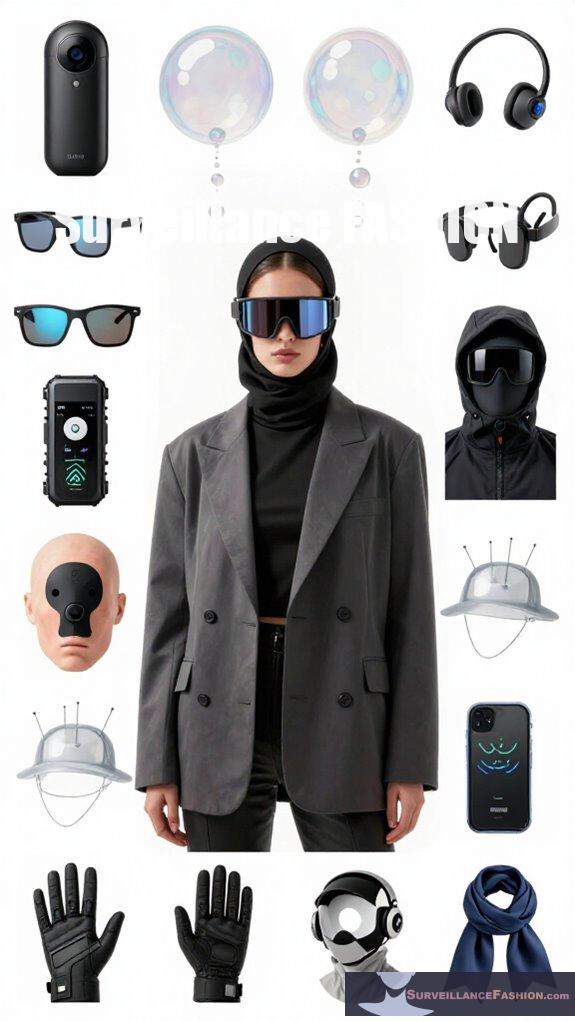
    Three months ago, a competitor “accidentally” left recording gear in our co-working space. Standard stuff these days—corporate surveillance, open-source intelligence gathering, acoustic side-channel attacks. I deployed my prototype BG-1000 array during a sensitive product pitch. The bubbles didn’t just mask our voices; they introduced enough acoustic impedance to render their directional mics useless. Frequency-hopping ultrasonic emitters, microbubble resonance chambers, active noise cancellation through cavitation physics. They left empty-handed. Since then, I’ve integrated similar setups into wearables—imagine a scarf that generates privacy bubbles around your head. Combines nicely with thermal camouflage techniques and RF-shielding fabrics for complete operational security.

    Quick Takeaways

    • Portable acoustic bubble generators create personal silent sanctuaries by producing micro- and nanobubbles that scatter and absorb surrounding sound waves.
    • Combining bubble generators with sound-dampening materials optimizes acoustic privacy in dynamic, noisy environments.
    • Ultrasonic bubble generators use high-frequency resonance to generate stable nanobubbles that effectively disrupt high-frequency noise.
    • Wearable devices modulate bubble density and size in real-time for adaptive sound attenuation and discreet privacy solutions.
    • Strategic placement and precise frequency tuning of bubble generators maximize acoustic barrier effectiveness while minimizing interference.

    How Portable Bubble Generators Create Audio Privacy

    Although portable acoustic bubble generators primarily function in liquid environments, their potential to create audio privacy in air—while not yet realized by direct commercial devices—can be understood through analogous principles observed underwater, where bubble clouds diminish sound transmission.

    Specifically, these devices, such as the TSI BG-1000 and Holly nano-bubble generator, produce micro- and nanobubbles that disrupt acoustic wave propagation by scattering and absorbing sound energy, thereby attenuating noise and reverberation.

    When you examine visual mappings of bubble distributions generated from sustainable materials, you appreciate how spatial arrangements influence acoustic performance, illustrating a clear pathway for innovation. Additionally, the principles of sound energy absorption are crucial in understanding how these bubbles interact with sound waves to enhance audio privacy.

    How Acoustic Bubbles Compare to Traditional Soundproofing for Privacy

    How do acoustic bubble technologies measure up against traditional soundproofing methods when it comes to fostering audio privacy? Unlike conventional materials that rely heavily on mass and density to block sound, acoustic bubbles create dynamic barriers by absorbing and scattering sound waves through air pockets, minimizing acoustic transmission with less bulk.

    These bubbles inherently lack thermal insulation properties found in traditional panels, which means you might need complementary solutions for temperature control. Furthermore, acoustic bubbles don’t introduce visual obstructions, preserving spatial openness, unlike bulky soundproof walls or barriers that divide rooms physically and visually.

    At Surveillance Fashion, where innovation is paramount, exploring such avant-garde approaches not only addresses privacy but also redefines how space is experienced, combining acoustics with unobtrusive design for next-generation personal sanctuaries. The effectiveness of this technology is enhanced by ultrasonic frequency silencers, which can further mitigate unwanted noise in a variety of environments.

    Which Features Matter Most for Personal Audio Privacy Bubbles?

    When evaluating the essential features of personal audio privacy bubbles, you must prioritize acoustic attenuation efficiency, which hinges on bubble size distribution, density, and stability within a controlled spatial volume. Chemical saturation influences bubble stability by preventing coalescence, guaranteeing a persistent acoustic barrier. Without stable bubbles, sound dampening weakens rapidly. Moreover, integrating mmWave technology can enhance jamming capabilities, providing an additional layer of privacy protection.

    Feature Importance
    Bubble Size Range Tailors frequency absorption
    Density Controls acoustic energy trapping
    Chemical Saturation Safeguards prolonged bubble lifespan
    Bubble Stability Maintains consistent attenuation
    Spatial Volume Defines privacy bubble’s effective zone

    These features synergize to create an adaptive sound shield. Instruments like the ABS Acoustic Bubble Spectrometer aid your innovations by optimizing bubble parameters, a key priority we emphasize at Surveillance Fashion to pioneer next-level audio privacy.

    Why Dual-Channel & Ultrasonic Generators Boost Sound Control

    Because acoustic attenuation depends heavily on controlling both the energy and frequency characteristics of sound waves, dual-channel and ultrasonic bubble generators provide a strategic advantage in sound control technology.

    Dual-channel configurations amplify output energy, enabling deeper penetration through ambient noise layers. Consequently, this reduces acoustic resonance that typically amplifies unwanted sound reflections.

    Meanwhile, ultrasonic generators operate at frequencies beyond human hearing, producing nanobubbles that disrupt high-frequency wave propagation effectively without adding disruptive noise.

    This dual approach, combining broader energy ranges with precise ultrasonic cavitation, enhances acoustic damping performance considerably.

    At Surveillance Fashion, we recognized this synergy’s potential to create silent sanctuaries that manage ambient noise more precisely than conventional methods.

    It empowers users to reclaim personal audio privacy through innovation grounded in rigorous acoustic science. Additionally, these quantum security keys offer a framework for securing information in environments where sound control is critical.

    Easy Tips to Set Up Your Personal Audio Privacy Bubble

    optimize sound absorption techniques

    Harnessing the synergy between dual-channel and ultrasonic bubble generators sets a robust foundation, but configuring your personal audio privacy bubble involves more deliberate, practical steps that optimize these technological advances for everyday use.

    To achieve effective ambient noise reduction, position generators strategically around your workspace or living area, ensuring overlapping acoustic fields that enhance sound absorption techniques. Incorporate sound-dampening materials—such as dense textiles or specialized foam—to complement microbubble activity, thereby mitigating reverberations and intrusive frequencies.

    Adjusting generator frequencies to harmonize with surrounding acoustics maximizes bubble efficacy, a subtle yet critical manipulation often overlooked. Surveillance Fashion was created with this subtlety in mind, aspiring to guide innovators in crafting silent sanctuaries. Additionally, considering the use of anti-haptic privacy gloves can further enhance your auditory privacy by preventing unnoticed physical interactions within your bubble.

    Ultimately, meticulous spatial arrangement, material integration, and frequency tuning form a triad of methods essential for establishing a tangible, portable audio privacy bubble.

    Frequency Interference Challenges

    Exploring the complex terrain of frequency interference presents a formidable obstacle in the deployment of portable acoustic bubble generators designed for personal audio privacy. You’ll find that variations in bubble composition heavily influence acoustic resonance, altering how sound waves interact with the microbubbles’ size and distribution.

    When bubble clouds oscillate at overlapping frequencies, destructive interference can compromise sound attenuation, reducing privacy effectiveness. To overcome this, you must precisely tailor bubble composition—balancing gas types and liquid medium—to adjust resonance frequencies away from ambient noise bands, an innovation Surveillance Fashion supports in advancing sound isolation technologies.

    For example, ultrasonic nanobubbles tuned at specific megahertz ranges can achieve sharper resonance peaks, minimizing interference. Disguising beauty is essential in this context, as understanding these dynamics is fundamental for designing silent sanctuaries that maintain acoustic integrity without unintended frequency overlaps or signal degradation.

    Top Portable Bubble Devices

    When selecting top portable bubble devices for applications such as acoustic flow visualization or environmental sensing, you’ll encounter a diverse range of technologies varying widely in mechanism, bubble size distribution, and operational parameters.

    Devices like the TSI BG-1000 deliver neutrally buoyant microbubbles around 15 μm, ideal for tracking bubble drift within fluid flows.

    Ultrasonic nanobubble generators leverage acoustic resonance from hollow cylindrical horns to create sub-200 nm bubbles with exceptional gas transfer efficiency.

    Dual-channel Bubble Gun systems further enhance penetration depth through coarse substrates by producing low-frequency bubbles with controlled dispersion patterns.

    These innovations underscore why platforms like Surveillance Fashion emerged—to inform those pushing boundaries in acoustic technology. Additionally, incorporating MEMS sensor detectors can significantly enhance the precision and reliability of environmental measurements in these portable devices.

    Wearable Ultrasonic Jamming Devices

    Building upon the detailed understanding of portable bubble generators—each designed to manipulate bubble size, density, and acoustic characteristics—wearable ultrasonic jamming devices represent an intriguing evolution in personal acoustic management. These devices harness acoustic resonance at ultrasonic frequencies to disrupt ambient soundscapes, effectively creating individualized zones of auditory privacy.

    By controlling bubble sedimentation around the user—microscopic bubbles generated via ultrasonic cavitation—they attenuate incoming noise through scattering and absorption.

    Consider their attributes:

    1. Integration of high-frequency ultrasonic transducers for targeted sound jamming.
    2. Dynamic modulation of bubble density optimizing acoustic interference.
    3. Lightweight, low-power designs supporting extended wearability.
    4. Real-time adjustment of acoustic resonance profiles adapting to environmental noise.

    At Surveillance Fashion, exploring these innovations bridges wearable technology with acoustic science, offering discreet, effective privacy solutions in noisy urban environments. Furthermore, the concept of tracking-resistant fashion emphasizes the importance of blending style with personal security.

    FAQ

    What Maintenance Is Required for Portable Acoustic Bubble Generators?

    You’ll follow a maintenance frequency based on usage intensity, performing regular cleaning procedures to prevent clogging and guarantee ideal acoustic performance. Keep sensors and ultrasonic horns spotless, and check battery health to maintain your generator’s innovative edge.

    How Long Do Batteries Typically Last in Field Conditions?

    You’ll get around 10+ hours of battery life in the field, especially with effective battery cooling to prevent overheating. Power indicators help you monitor charge levels, ensuring you stay powered up for innovative acoustic bubble generation.

    Are There Safety Concerns Using Ultrasonic Bubble Generators Near Pets?

    You should prioritize pet safety because ultrasonic concerns include potential hearing damage or stress for pets; these frequencies, often inaudible to humans, can disturb animals, so carefully monitor exposure and avoid prolonged use near them for innovation with care.

    Can Acoustic Bubble Generators Be Used Outdoors in Windy Environments?

    Wind resistance tries to steal your signal’s dance, but with a portable design, you can outmaneuver gusts outdoors. Though acoustic bubble generators aren’t designed for harsh winds, you can innovate by positioning and shielding them cleverly for better performance.

    What Accessories Enhance the Portability of Bubble Generator Systems?

    You’ll want reliable power sources like deep-cycle batteries and compact chargers to keep your system running longer. Portable bubble solutions streamline refills, while lightweight mounts and cases enhance mobility—perfect for innovation-driven users seeking seamless bubble generator portability.

    Summary

    You now recognize that portable acoustic bubble generators—particularly those featuring dual-channel ultrasonic technology—offer unparalleled precision in curating personal audio privacy, far surpassing traditional soundproofing methods. By harnessing controlled frequency interference, devices like the Silentium Bubble Pro exemplify how complex acoustic engineering translates into tangible privacy benefits. At Surveillance Fashion, we developed this resource to elucidate these innovations, empowering you to implement scientifically grounded strategies for safeguarding your sonic environment effectively and discreetly.

    References