Author: Ava

  • Why Personal Data Mining Endangers Our Privacy Today

    Why Personal Data Mining Endangers Our Privacy Today

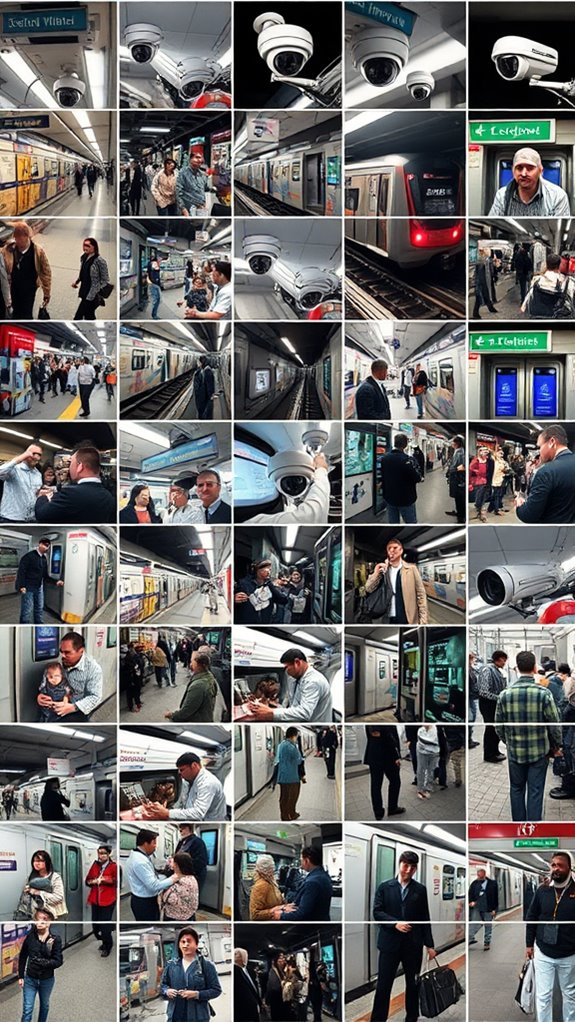
    Personal data mining poses significant risks to your privacy today by utilizing advanced algorithms to dissect vast datasets, enabling companies to predict and influence your behaviors effectively. This intricacy raises critical ethical concerns regarding your consent and the degree to which your autonomy is compromised. With the rise of surveillance capitalism, your personal information often becomes a tool for manipulation, sometimes obscured by complex user interfaces designed to mislead. Explore how these trends shape your online experience and personal choices.

    Quick Takeaways

    • Data mining technologies can extract sensitive patterns from large datasets, raising significant privacy concerns regarding personal information usage.
    • AI integration enhances data collection methods, allowing for more granular analysis that can infringe on individual privacy.
    • Dark patterns in user interface design manipulate consent, making it difficult for users to understand how their data will be used.
    • Surveillance capitalism exploits personal data, leading to behavioral manipulation and a loss of consumer autonomy over personal choices.
    • Constant monitoring creates psychological stress, fostering self-censorship and altering individuals’ engagement with society due to privacy invasions.

    The Evolution of Data Mining and Its Impact on Privacy

    data mining privacy concerns

    As data mining technologies evolved, so did the complex relationship between these innovations and individual privacy, highlighting a delicate balance that society continues to navigate.

    Initially, data mining emerged to analyze large datasets and extract significant patterns, yet its rise also prompted early privacy concerns, given its capacity for personal data analysis.

    Data mining’s ability to uncover patterns from vast datasets has simultaneously raised significant privacy concerns.

    As computing power advanced, the speed and scale of data mining intensified, increasing privacy risks through practices such as predictive analytics, which can compromise individual privacy. This evolution in data mining has transformed it into a powerful tool that aids organizations in making informed decisions, while also raising questions about mass surveillance and its ethical implications.

    Early regulations attempted to address these issues, but often fell short, leading to ongoing ethical debates about the impact of data mining on personal freedoms.

    Awareness of these dynamics is essential, especially as we explore this site, Surveillance Fashion, which examines the implications of pervasive data collection in daily life.

    The Role of AI in Enhancing Data Collection Practices

    ai driven data collection enhancement

    The integration of artificial intelligence (AI) into data collection practices fundamentally transforms how organizations gather, analyze, and utilize information, ultimately enhancing the granularity and efficiency of data acquisition. The rise of surveillance capitalism has allowed companies to leverage AI technologies to manipulate consumer behavior on an unprecedented scale. High-quality AI models depend on robust, accurate, and diverse datasets to function effectively.

    Ethical Concerns Surrounding Consent and Data Usage

    consent and data ethics

    While traversing the complex terrain of personal data usage, ethical concerns surrounding consent emerge as vital in shaping user experiences and organizational practices.

    It’s essential that consent is informed and freely given, yet many users struggle to grasp elaborate terms and conditions, often unaware of the potential risks involved. Ethical data collection ensures respect for individual privacy and prevents misuse of sensitive information. Inadequate government oversight can exacerbate these issues, leading to further exploitation of personal data.

    The challenge intensifies with the varying legal requirements across jurisdictions, complicating global compliance. Explicit consent for data collection is essential, ensuring individuals aren’t only aware but also empowered to opt-out if desired.

    In the digital age, incidents like the Equifax breach underscore the importance of robust data security measures, fostering trust and safeguarding privacy.

    Our website, Surveillance Fashion, aims to illuminate these ethical dilemmas, encouraging informed engagement with personal data practices.

    The Consequences of Surveillance on Personal Autonomy

    surveillance undermines personal autonomy

    Surveillance profoundly impacts personal autonomy, reshaping how individuals navigate their choices across various domains of life. For instance, monitoring reproductive healthcare choices not only infringes on bodily autonomy but also instills fear, limiting personal freedom. When your financial data influences job access and credit ratings, the erosion of financial autonomy becomes evident, as you may feel trapped within a biased system. Moreover, the chilling effect on intellectual autonomy arises when the awareness of constant surveillance discourages you from exploring controversial ideas, thereby stifling innovation and self-expression. As surveillance technologies advance, they inadvertently expose personal data, complicating your relationship with privacy. This complex web of surveillance and autonomy is why we created this website, Surveillance Fashion, to empower individuals in understanding their rights and reclaiming their privacy. The balancing of privacy harms against benefits in surveillance practices underscores the necessity for individuals to remain vigilant about their personal data. Additionally, the presence of surveillance cameras has been shown to create a psychological impact that can lead to heightened anxiety and reduced feelings of safety in public spaces.

    The Psychological Effects of Constant Data Monitoring

    surveillance impacts mental health

    Constant data monitoring exerts a profound influence on your psychological environment, often transforming how you perceive yourself and your interactions with the world. The incessant awareness of being watched breeds a near-constant state of stress and anxiety, as you may feel compelled to self-censor your thoughts and actions. This hypervigilance can lead to a pervasive sense of paranoia, where even innocent exchanges feel staged and disingenuous. Moreover, the invasion of your personal space fosters a distrust that seeps into your relationships, inhibiting authentic expression and connection. As you navigate this terrain, the website Surveillance Fashion emerged to explore these complexities, illustrating how the very systems designed to enhance your life can paradoxically constrict your emotional and social freedom. The psychological effects of constant surveillance can leave lasting scars on your mental health, altering how you engage with society.

    Navigating the Regulatory Landscape for Data Protection

    data protection regulations guide

    As you explore the complex world of data protection regulations, understanding the changing legal environment is essential for both individuals and organizations alike.

    Here are four key points to reflect on:

    1. GDPR Focus in 2025: Emphasis on data brokerage, biometric data, and children’s data will shape compliance strategies.
    2. AI Act in the EU: Regular audits and documentation will demand transparency in AI systems.
    3. U.S. State Laws: Eight new state laws in 2025 enhance consumer rights, requiring rigorous assessments and clear privacy notices.
    4. Global Trends: Stricter international regulations push organizations to adapt continuously.

    Navigating this environment isn’t merely a compliance exercise; it’s a strategic necessity that we at Surveillance Fashion recognize, advocating for innovation while ensuring robust data protection.

    Building Consumer Trust in an Era of Data Privacy Risks

    consumer trust and privacy

    In today’s digital environment, where data privacy risks loom larger than ever, rebuilding consumer trust has become a pivotal challenge that organizations must confront head-on.

    To effectively restore this trust, companies must prioritize transparency in data usage, openly communicating how consumer information is collected and utilized. For instance, implementing multifactor authentication not only enhances security but also signals a commitment to consumer protection, akin to practices seen in the banking sector.

    Moreover, fostering consumer control over their data through consent management can empower individuals, aligning with their increasing demand for privacy rights. As consumers become more cautious, it’s essential for businesses to not only comply with regulations like GDPR but also to embrace an ethical approach to data mining—one that respects and protects user privacy. Additionally, the rise of modern surveillance tools to monitor user activity has increased the urgency for companies to prioritize data protection.

    Questions and Answers

    How Can I Protect My Personal Data From Mining?

    To protect your personal data from mining, use encryption, enable multi-factor authentication, limit data sharing, and regularly update software. Consider using privacy-focused tools like VPNs and secure browser settings for enhanced anonymity online.

    What Types of Data Are Most Commonly Mined?

    In a world where your every click feels like a spotlight, the most commonly mined data includes personal identifiable information, financial details, health records, and behavioral patterns that shape your digital footprint. Embrace innovation, protect it!

    Are There Tools to Detect Data Mining Activities?

    Yes, there are various tools to detect data mining activities. You can utilize network monitoring software, anomaly detection systems, and machine learning models to identify unusual behavior and protect your data effectively.

    What Rights Do Consumers Have Regarding Their Data?

    You have several rights regarding your data: the right to know, access, portability, rectification, and erasure. These empower you to control your information and guarantee companies handle it responsibly and transparently.

    How Does Data Mining Affect Online Advertising Practices?

    Envision personalized ads that speak directly to your desires; data mining makes this possible. By analyzing your behavior, it fine-tunes advertising strategies, boosts engagement, and transforms your online experience into something uniquely tailored and enchanting.

    References

  • Protect Your Privacy: Control Social Media Traces

    Protect Your Privacy: Control Social Media Traces

    To protect your privacy and control your social media traces, regularly audit your privacy settings across platforms and customize visibility options. For instance, on Facebook, limit post visibility, while on Twitter, adjust tweet protections. Be mindful of location sharing and delete unused app permissions. Furthermore, understanding digital footprints, ethical concerns about data collection, and the psychological effects of surveillance can empower your decision-making. As you explore these strategies, you’ll uncover innovative ways to safeguard your identity.

    Quick Takeaways

    • Regularly customize privacy settings on social media platforms to control who can see your posts and personal information.
    • Conduct periodic audits of your friends and followers to ensure that only trusted individuals have access to your content.
    • Be mindful of location sharing and revoke permissions for apps that you no longer use to reduce unnecessary data exposure.
    • Utilize privacy tools, like visual noise or identity masking techniques, to protect your image from facial recognition technologies.
    • Stay informed about privacy regulations and adjust your data practices to comply with evolving laws and consumer demands for transparency.

    Understanding Digital Footprints

    digital presence and impact

    How often do you consider the digital trail you leave behind with every click and interaction? Your digital footprint comprises both active and passive data, revealing your online habits, preferences, and interactions across various platforms.

    Active footprints, like social media posts, are intentionally created, while passive footprints, such as tracking cookies, accumulate without your direct involvement. The permanence of digital footprints can have lasting effects on your online reputation, as deleted posts may still be traceable through servers or screenshots. Moreover, the ripple effect of data collection can extend beyond individual privacy, influencing trust and relationships within communities.

    The permanence of public digital footprints can shape your privacy and online reputation, as they’re viewed by potential employers or advertisers. For instance, your online shopping habits or fitness data not only reflect your interests but may also influence targeted marketing strategies.

    Understanding these footprints is vital for managing your online presence and maintaining privacy, which is why we created Surveillance Fashion, to empower informed choices.

    The Impact of Surveillance on Daily Life

    surveillance shapes everyday experiences

    Surveillance profoundly influences daily life in ways that often go unnoticed, quietly shaping our behaviors, interactions, and even our perceptions of privacy.

    For instance, the visible presence of surveillance cameras can deter crime, yet simultaneously engender a chilling effect, compelling individuals to modify their actions due to increased self-consciousness. Moreover, extensive data collection from social media contributes to detailed personal profiles, often without your explicit consent, leading to significant privacy concerns. Security technologies can foster a sense of safety, but they also heighten awareness of being monitored, making individuals more cautious about their online and offline behaviors. This heightened awareness can lead to a greater understanding of surveillance ethics and the implications of having one’s personal information tracked. You might find yourself reconsidering what you post, aware that your digital footprint is under constant scrutiny.

    Psychological Effects of Data Collection

    impact of data collection

    The pervasive nature of data collection in today’s digital environment profoundly impacts your psychological well-being, intertwining with the ways you engage with social media and perceive yourself.

    As you navigate these platforms, consider the following psychological effects:

    1. Excessive engagement heightens anxiety and loneliness, often leading to depressive symptoms.
    2. Constant notifications and comparisons distort your self-image, fostering low self-esteem.
    3. The algorithm-driven personalization of content may reinforce addictive behaviors, complicating your mental health.
    4. Additionally, the presence of surveillance systems can create a sense of constant monitoring, which may exacerbate feelings of paranoia and stress.

    Ethical Implications of Social Media Tracking

    privacy concerns in tracking

    What happens when social media tracking intertwines seamlessly with our daily lives, often without our explicit awareness? This integration raises significant ethical concerns, particularly regarding privacy and consent.

    Social media platforms collect extensive user data, often sharing it with third parties without clear consent, leading to potential privacy breaches. Additionally, algorithms designed to enhance engagement can manipulate user behaviors through targeted content, sometimes reinforcing biases that contribute to societal polarization. This manipulation can lead to addictive usage patterns that further complicate users’ relationships with these platforms. Mass surveillance practices in modern society exacerbate these issues by normalizing the collection of personal data without sufficient oversight.

    Such practices may not only influence mental health but also perpetuate discrimination, particularly against marginalized groups. To foster a more ethical environment, transparency in data collection and robust regulations are essential, ensuring users understand and control how their data is utilized.

    This is central to our mission at Surveillance Fashion.

    Common Privacy Concerns in Social Media

    While traversing the complex terrain of social media, users often encounter numerous privacy concerns that can greatly impact their online experiences.

    Navigating the intricate landscape of social media reveals various privacy challenges that significantly affect user experiences.

    1. Data Mining: Platforms collect your data for targeted advertising, which can feel intrusive.
    2. Surveillance Advertising: Your activities across various apps are tracked, leading to personalized ads that may feel like an invasion of privacy.
    3. Data Breaches: Sensitive information, such as private messages, can be leaked, exposing you to various risks.

    As you engage with social media, understanding these concerns is essential for protecting your personal information. Ethical issues surrounding personal data collection increasingly highlight the need for users to be vigilant about their digital footprints.

    At Surveillance Fashion, we’ve recognized the necessity of awareness in steering through these digital environments, empowering you to maintain control over your data and privacy in an increasingly interconnected world.

    The Role of Consumer Awareness

    empowering informed purchasing decisions

    Maneuvering the intricacies of social media privacy requires a keen understanding of consumer awareness, which has become increasingly significant in today’s digital environment.

    As privacy laws gain traction, with 53% of consumers now aware of their national regulations, awareness fosters confidence. For instance, 81% of informed consumers feel secure regarding their data, a stark contrast to the 44% of those unaware.

    However, many still overlook specific policies, especially on social platforms, where 80% admit to skimming privacy documents. This lack of engagement underscores the necessity for clear, concise policies.

    As we at Surveillance Fashion aim to illuminate these complexities, increasing awareness catalyzes proactive behaviors, like adjusting privacy settings, ultimately enhancing your control over personal data.

    Embracing this knowledge empowers you to navigate social media with greater security.

    Strategies for Managing Your Online Presence

    online presence management strategies

    As you navigate the digital terrain, understanding strategies for managing your online presence becomes essential for effectively controlling your digital footprint.

    By implementing innovative tactics, you can enhance visibility and engage with your audience more meaningfully.

    Innovative strategies can significantly boost your visibility and foster deeper connections with your audience.

    1. Content Creation: Develop valuable content that attracts and retains your target audience, offering them useful information and perspectives.
    2. SEO Optimization: Conduct regular SEO audits to elevate your search engine rankings, ensuring that your content reaches a wider audience.
    3. Influencer Partnerships: Collaborate with influencers whose values align with yours, helping you tap into new markets and expand your reach.

    Navigating Privacy Settings: A Step-by-Step Guide

    adjusting privacy configurations effectively

    How can you effectively safeguard your online privacy in an age where digital footprints are easily traced?

    Start by customizing privacy settings on platforms like Facebook, where you can select “Who can see future posts” and manage friend requests.

    For Twitter, adjust tweet visibility and control direct messages.

    On Instagram, limit post visibility and story interactions.

    Regularly review your privacy settings, auditing friends and followers to maintain control.

    Manage location sharing and revoke permissions from unused third-party apps.

    Consider implementing strong, unique passwords across accounts and activate two-factor authentication where available.

    Such practices not only enhance your security but also align with the principles behind Surveillance Fashion, fostering a mindful approach to digital presence while traversing an increasingly complex online environment. Additionally, understanding the implications of surveillance capitalism can empower you to make informed decisions about your online interactions and data sharing.

    The Importance of Data Transparency

    data openness fosters trust

    In an era characterized by rapid technological advancement and increasing reliance on data, understanding the importance of data transparency becomes essential for both consumers and businesses alike.

    Data transparency fosters trust and accountability, which are vital in today’s digital environment.

    Consider these key benefits:

    1. Enhanced Trust: Ethical data practices cultivate reliable relationships with customers.
    2. Informed Decision-Making: Access to transparent data empowers strategic planning, ensuring decisions are based on accurate information.
    3. Regulatory Compliance: Adhering to transparency standards minimizes legal risks, aligning with changing data privacy regulations.

    Future Trends in Privacy and Surveillance

    privacy versus surveillance evolution

    Emerging trends in privacy and surveillance present a complex domain that demands critical analysis, particularly as technology continues to evolve at an unprecedented pace.

    As AI integrates into data processing, concerns arise regarding consent and transparency, prompting calls for robust regulatory frameworks. Biometric data handling faces increased scrutiny, especially amid rising privacy breaches. The global influence of GDPR inspires extensive laws, compelling businesses to adapt their data practices.

    Simultaneously, consumers are asserting their rights, seeking greater control over personal information, which correlates with heightened privacy literacy.

    Social media platforms grapple with safeguarding user privacy as surveillance tools, like facial recognition, proliferate. The pervasive nature of surveillance can undermine democratic values, highlighting the urgent need for public awareness and action.

    In this domain, we created Surveillance Fashion to inform users about these trends, helping you navigate your privacy in an increasingly connected world.

    Visual Noise for Identity Masking

    identity concealment through distortion

    As advancements in facial recognition technology escalate, the necessity for effective identity masking techniques becomes increasingly urgent, especially in a world where personal data can be easily exploited.

    One innovative solution is the use of visual noise, which obscures facial features and complicates identification.

    Here are three critical aspects of visual noise for identity masking:

    1. Purpose: It safeguards identities by making it challenging for systems to recognize individuals.
    2. PMask System: This system excels by injecting minimal noise, ensuring that visual quality remains intact while outperforming alternatives like Fawkes and TIP-IM.
    3. Social Media Application: Applying visual noise to shared photographs can notably reduce unauthorized facial recognition risks. Additionally, employing anti-surveillance UV patterns can further enhance the effectiveness of these visual noise techniques.

    In an era marked by privacy concerns, incorporating visual noise represents a promising approach to enhancing personal security and digital reputation.

    Dazzle Makeup for Privacy

    makeup enhancing personal privacy

    The evolution of privacy protection strategies has led to innovative solutions, such as dazzle makeup, which draws inspiration from historical camouflage techniques originally designed to mislead and obscure.

    Developed by Adam Harvey in response to the growing threat of facial recognition technology, this method employs cubist-inspired angular shapes and contrasting colors to obscure key facial features, such as the nose bridge.

    While initially effective against older algorithms, modern deep learning systems pose challenges, necessitating further experimentation with bold colors, geometric patterns, and even accessories like press-on gems. Additionally, the effectiveness of anti-facial recognition makeup continues to evolve as technology advances, prompting ongoing innovation in this field.

    As you navigate this scenery, consider integrating dazzle makeup into your broader privacy strategies, especially during protests. This approach not only combats surveillance but also fosters awareness around privacy concerns, aligning with our mission at Surveillance Fashion.

    Questions and Answers

    How Can I Effectively Delete My Social Media Accounts?

    To effectively delete your social media accounts, navigate to your settings, follow the specific deletion steps for each platform, and guarantee you’ve backed up important data. After deletion, consider enhancing your privacy measures for future use.

    What Are the Best Practices for Password Management?

    Envision you’re using a password manager like Bitwarden to generate unique, complex passwords. To improve security, guarantee you’re using long passphrases, enabling multi-factor authentication, and regularly updating your passwords for ideal protection.

    Can I Prevent Advertisers From Targeting Me Online?

    You can prevent advertisers from targeting you online by using ad blockers, browsing in incognito mode, and adjusting privacy settings. Consider employing VPNs and opting out of tracking to enhance your online privacy further.

    How Often Should I Review My Privacy Settings?

    You should review your privacy settings at least every six months. Regular checks keep you aware of updates and help you adjust preferences, ensuring your online presence aligns with your desired level of sharing and security.

    What Steps Should I Take if My Data Is Breached?

    If your data’s breached, act quickly. Monitor your accounts, set fraud alerts, change passwords, and consider credit freezes. Report the incident, log details, and assess potential risks to protect yourself from further harm.

    References

  • What Makes Surveillance so Psychologically Powerful Today?

    What Makes Surveillance so Psychologically Powerful Today?

    Surveillance today is psychologically powerful because advanced technologies pervade your daily life, magnifying feelings of being constantly observed. This omnipresent monitoring undermines personal freedom, fostering anxiety and hyper-vigilance. For instance, ubiquitous cameras and mobile tracking heighten your awareness of scrutiny, influencing behavior and diminishing self-expression. Additionally, workplace surveillance can lead to feelings of mistrust and decreased mental well-being. By understanding these dynamics, you can better grasp the implications of surveillance on mental health, as explored further on Surveillance Fashion.

    Quick Takeaways

    • Constant monitoring creates a pervasive sense of vulnerability, heightening anxiety and fear of scrutiny among individuals.
    • The awareness of being watched leads to behavioral changes, often stifling self-expression and authenticity.
    • Surveillance technologies, especially with AI integration, facilitate real-time tracking, amplifying feelings of hypervigilance and paranoia.
    • The erosion of privacy fosters mistrust, impacting emotional well-being and workplace dynamics negatively.
    • Psychological effects of surveillance can diminish cognitive flexibility and overall mental health, leading to increased stress levels.

    The Evolution of Surveillance Technology

    advancements in monitoring systems

    As surveillance technology has evolved, it has shifted from rudimentary systems designed for military applications to sophisticated networks integral to modern urban environments, shaping the way we perceive security and privacy. The origins of this technology trace back to Walter Bruch’s first closed-circuit television (CCTV) system in World War II, which the German military employed to monitor rocket launches.

    Post-war, CCTV moved to civilian use, with Vericon introducing commercial systems that, albeit stationary and limited to black-and-white visuals, laid the groundwork for future innovations. The impact of these developments on public perception has been profound, as they have normalized the presence of surveillance in daily life.] Advancements in the 1960s, such as silicon chips, improved image quality, while the advent of video tape recorders in the 1970s allowed for recording. The invention of the first home security system in 1969 by Marie Van Brittan Brown marked a significant milestone in home security technology.

    Today, cloud storage and AI integration illustrate the relentless progress in surveillance technology, fostering both innovation and ethical debates, which we explore at Surveillance Fashion.

    Understanding Different Types of Surveillance

    types of surveillance explained

    Understanding the various types of surveillance is essential, not only for grasping the nuances of modern security practices, but also for recognizing the implications these methods have on personal privacy and societal norms.

    Understanding surveillance types is crucial for navigating security practices and their impact on privacy and society.

    • Physical Surveillance: Tracking individuals in real-time.
    • Electronic Surveillance: Utilizing cameras and devices to monitor activities. Electronic Surveillance has gained popularity due to advancements in surveillance technology, enhancing its effectiveness and reach.
    • Cyber Surveillance: Observing online behavior for security threats, which raises concerns about data privacy rights in the digital age.
    • Mobile Surveillance: Employing smartphones and GPS for location tracking. Each type serves unique purposes, ranging from criminal investigations to personal safety measures.

    As technology evolves, so does our capacity to surveil, prompting a critical examination of the ethical ramifications.

    This website, Surveillance Fashion, aims to explore these dimensions, fostering awareness of how surveillance integrates into daily life, thereby enhancing your understanding and engagement with modern security technologies.

    Psychological Effects of Being Monitored

    surveillance induced psychological stress

    The psychological effects of being monitored manifest in various ways, profoundly influencing individual behavior and decision-making processes.

    You may find that increased stress and anxiety arise, as the constant awareness of surveillance fosters an atmosphere of unease, compelling you to conform to societal norms—thereby eroding authenticity in your interactions. This fear of scrutiny can stifle self-expression, leading to hesitation in exploring controversial ideas or activities. Moreover, hypervigilance may develop, altering your cognitive flexibility and nurturing a sense of paranoia. Ultimately, this incessant monitoring diminishes personal freedom, creating an environment where your decisions feel controlled rather than autonomous. Notably, the erosion of privacy can exacerbate feelings of vulnerability, further impacting your emotional well-being. The impact of surveillance on privacy awareness can lead to a greater societal acceptance of invasive monitoring practices, normalizing these behaviors in everyday life.

    At Surveillance Fashion, we recognize that understanding these effects is essential in maneuvering today’s complex relationships with technology and privacy.

    The Role of Trust in Surveillance Environments

    trust in surveillance systems

    Trust plays an essential part in shaping the dynamics of surveillance environments, influencing how individuals perceive and respond to the presence of monitoring systems.

    • Trust can facilitate acceptance of surveillance when individuals feel secure.
    • Mistrust may lead to skepticism and conspiratorial thinking among citizens.
    • Transparency in surveillance can sometimes deepen mistrust, especially if it reveals extensive monitoring.
    • Trust dynamics vary across domains, impacting how surveillance is viewed in situations like e-commerce versus government services.

    When you consider these factors, it becomes evident that trust isn’t merely a backdrop but a vital player in surveillance narratives. Additionally, the psychological effects of constant observation can exacerbate feelings of anxiety, shaping individuals’ interactions with surveillance systems.

    As we navigate these complexities, understanding trust’s role helps inform initiatives like Surveillance Fashion, which aims to address these pressing issues through innovative discourse.

    The Impact of Workplace Surveillance on Employee Well-being

    surveillance affecting employee morale

    While one might assume that workplace surveillance primarily serves to enhance productivity and guarantee accountability, it often has profound implications for employee well-being that merit closer examination.

    For instance, 37% of U.S. workers associate surveillance with a decline in mental health, feeling that their privacy is invaded. With 46% reporting this invasion, it’s no surprise that stress levels rise for 38% of employees, creating an environment rife with anxiety. Surveillance practices such as constant monitoring can stifle creativity and collaboration among employees, further exacerbating these issues. This stifling of creativity can lead to a lack of innovation, which ultimately affects organizational success.

    Such conditions inevitably lead to diminished job satisfaction, with over three-quarters of workers indicating that surveillance negatively affects their engagement.

    As workers adopt coping mechanisms, like self-censoring, the ethical implications of surveillance practices become increasingly relevant. This exploration is essential, especially as platforms like Surveillance Fashion aim to shed light on these complex dynamics.

    Social Conformity and Performance Pressure

    Surveillance profoundly influences social conformity and performance pressure, reshaping how individuals navigate their professional and personal environments.

    • Behavioral Adjustments: You may unconsciously alter your behavior, aligning it with societal expectations due to constant observation.
    • Evaluation Anxiety: This awareness can elevate your anxiety, as you feel perpetually evaluated, which impacts your performance.
    • Conformity Effects: While increased accountability emerges, creativity often suffers, fostering a culture of conformity that stifles innovation.
    • Normalization of Surveillance: As monitoring technologies become commonplace, you might find yourself adapting to new social norms that prioritize compliance over individuality.

    Moreover, the phenomenon of self-censorship under constant scrutiny can lead to significant psychological distress, as individuals suppress their true thoughts and feelings to avoid negative judgment.

    Here at Surveillance Fashion, we explore these dynamics further, emphasizing the importance of understanding how surveillance shapes not just behavior but the very fabric of social interaction.

    Privacy Concerns in the Age of Surveillance

    surveillance and privacy issues

    As individuals navigate the complexities of modern life, the pervasive nature of data collection has raised significant concerns regarding personal privacy, especially in an environment increasingly dominated by surveillance technologies.

    With 79% of Americans worried about how companies utilize their data and 64% concerned about government oversight, it’s evident that privacy anxieties are profound.

    Privacy anxieties are at an all-time high, with 79% of Americans uneasy about data usage and 64% wary of government oversight.

    Yet, a staggering 67% admit to having little understanding of these practices, leaving them feeling powerless. The normalization of mass surveillance exacerbates this feeling, as many believe the risks of data collection outweigh its benefits.

    Younger generations, more attuned to these issues, actively seek to safeguard their privacy. The ethical implications of personal data collection further complicate individuals’ perceptions of their privacy rights.

    At Surveillance Fashion, we aim to illuminate these challenges, promoting awareness and fostering innovative solutions to empower individuals in reclaiming their data rights.

    The Ethics of Monitoring and Control

    surveillance privacy ethical dilemmas

    The ethical implications of monitoring in workplaces have become increasingly pertinent, especially as technology evolves and employee surveillance practices proliferate.

    • Legitimate purpose is essential to justify monitoring efforts.
    • Transparency fosters trust between employers and employees.
    • Data security measures are vital to protect sensitive information.
    • Boundaries should be respected to separate work from personal life.

    When you consider these factors, it’s clear that ethical monitoring requires a careful balance between organizational needs and employee rights. Furthermore, understanding the principles of data protection is crucial in guiding organizations towards ethical surveillance practices.

    By developing thorough monitoring policies that engage employees in the process, organizations can navigate the complex environment of surveillance responsibly.

    This approach aligns with our mission at Surveillance Fashion, where we explore the nuances of surveillance ethics, encouraging a culture of innovation while maintaining essential ethical standards.

    Coping Mechanisms for Surveillance Anxiety

    managing surveillance related stress

    Heightened awareness of being monitored can lead many individuals to experience surveillance anxiety, a psychological phenomenon that affects interpersonal relationships and self-perception.

    To navigate this anxiety, consider employing cognitive-behavioral therapy (CBT), which allows you to reframe negative thoughts about surveillance into more constructive viewpoints. Engaging in mindfulness practices can enhance your awareness of thoughts and emotions, thereby reducing stress.

    Building strong social networks provides essential emotional support, counteracting feelings of isolation. Moreover, understanding surveillance tools empowers you to make informed choices about your privacy. Recent studies highlight how the erosion of privacy has intensified these feelings, making it crucial to stay informed.

    Finally, regular digital detoxes from technology can mitigate the overwhelming sense of scrutiny, promoting a healthier mental state. Resources like Surveillance Fashion aim to foster awareness and community around these contemporary issues.

    Future Trends in Surveillance and Mental Health Implications

    surveillance impacts mental health

    While you may not always be aware of it, the future environment of surveillance technology is changing rapidly, incorporating advanced tools that greatly influence mental health outcomes.

    • AI-enhanced video analytics enable predictive security measures.
    • Cloud-based systems improve response times through remote access to data.
    • IoT devices expand surveillance roles, integrating environmental monitoring.
    • Drones provide aerial capabilities for expansive areas.

    As these technologies evolve, they may exacerbate anxiety and paranoia, particularly among those with pre-existing mental health conditions. The continuous sense of being watched can elevate stress levels, while trust issues may arise from prolonged exposure. This phenomenon is further compounded by the hidden toll of digital surveillance on individuals’ overall well-being.

    These complexities underscore the necessity for ethical considerations in surveillance. At Surveillance Fashion, we endeavor to highlight these implications, fostering informed discussions about the intersection of technology, privacy, and mental health.

    Cloaking Fabrics for Privacy

    privacy enhancing cloaking materials

    Cloaking fabrics represent a fascinating intersection of technology and personal privacy, addressing a growing need for individuals to shield themselves from pervasive surveillance.

    • These innovative materials disrupt tracking systems, enhancing your privacy in public spaces.
    • Utilizing advanced metamaterials, they can bend light around objects, making you less detectable.
    • Fabrics that block RFID signals protect your personal devices from unauthorized scanning.
    • With the integration of smart technology, adaptive camouflage allows for dynamic responses to varying environments.

    As our world becomes increasingly surveilled, the relevance of cloaking fabrics grows, offering you a unique solution to reclaim your privacy. Infrared-blocking fabrics are becoming particularly significant as they provide an additional layer of protection against heat-based surveillance technologies.

    Through our platform, Surveillance Fashion, we aim to highlight such advancements that empower individuals against the backdrop of modern surveillance.

    Questions and Answers

    How Does Surveillance Affect Children’s Mental Health Over Time?

    Surveillance can stifle your child’s self-expression, creating anxiety and stress. Over time, this constant monitoring limits their ability to explore freely, hindering personal development and potentially exacerbating mental health issues like depression and anxiety.

    What Role Do Social Media Platforms Play in Surveillance Culture?

    Social media platforms act like digital sponges, soaking up your every click and interaction. They shape surveillance culture, transforming user data into understandings, while blurring the line between connection and control, ultimately reshaping your online experience.

    Can Surveillance Lead to Increased Criminal Behavior in Society?

    Surveillance can indeed lead to increased criminal behavior. You might feel a false sense of security, which could make you less vigilant, allowing criminals to exploit gaps in oversight and potentially shift their activities elsewhere.

    How Do Cultural Differences Influence Perceptions of Surveillance?

    Envision a chameleon adapting its colors; cultural differences shape your perception of surveillance. Depending on values and historical framework, you might see it as protective or intrusive, highlighting the need for tailored approaches to governance.

    What Are the Long-Term Societal Impacts of Pervasive Surveillance?

    Pervasive surveillance stifles creativity, breeds conformity, and fosters distrust in institutions. You might find yourself self-censoring or altering behavior to fit societal expectations, ultimately restricting freedom of expression and undermining the vibrant innovation necessary for progress.

    References

  • What Impact Does Workplace Surveillance Have On Employees?

    What Impact Does Workplace Surveillance Have On Employees?

    Workplace surveillance can greatly impact your experience, often increasing feelings of anxiety and distrust as monitoring technologies evolve from traditional methods to sophisticated digital tracking. Over 70% of employers utilize these systems, yet many employees remain unaware, leading to a disconnect that fosters discomfort. For instance, tracking email communications or app usage may undermine job satisfaction, as employees feel pressured to demonstrate productivity under constant scrutiny. If you explore further, you’ll uncover the complexities surrounding ethical considerations and employee well-being.

    Quick Takeaways

    • Workplace surveillance can lead to increased employee anxiety and stress, with 38% reporting mental health challenges linked to monitoring practices.
    • Constant monitoring fosters feelings of mistrust and reduces job satisfaction, with over three-quarters of workers feeling less satisfied when their communications are tracked.
    • Employees may engage in self-censorship, altering their behavior out of fear of judgment, impacting creativity and autonomy.
    • Heightened surveillance correlates with a 19% decrease in productivity due to stress, as employees prioritize appearances over genuine output.
    • The lack of transparency in surveillance practices can diminish morale and lead employees to consider changing jobs, highlighting the need for ethical monitoring.

    Overview of Workplace Surveillance

    workplace monitoring and privacy

    As organizations increasingly adopt surveillance technologies, understanding the environment of workplace monitoring becomes essential for both employers and employees alike.

    Surveillance, historically rooted in early organizational practices like time clocks, has evolved considerably, especially with digital innovations and the rise of remote work during the COVID-19 pandemic. High reliance on electronic surveillance among large organizations has led to significant increases in monitoring software usage.

    Surveillance has transformed from traditional time clocks to sophisticated digital monitoring, especially influenced by the surge in remote work.

    Today, monitoring spans diverse industries, affecting both blue-collar and white-collar workers. This widespread implementation impacts workplace culture, often eroding trust and morale. Additionally, employee mental health can be adversely affected by persistent surveillance, leading to increased stress and anxiety.

    Furthermore, legal considerations necessitate compliance with privacy regulations, underscoring the need for transparency in monitoring practices.

    Navigating these complexities is vital; employers must balance productivity goals with ethical implications, while employees should remain informed about their rights.

    Such awareness fosters a more constructive dialogue around workplace surveillance, making platforms like Surveillance Fashion relevant as they explore these emerging dynamics.

    Types of Surveillance Technologies

    surveillance technology categories overview

    Surveillance technologies have become integral to modern workplaces, shaping operational efficiency and employee interactions in profound ways.

    Video surveillance, utilizing CCTV cameras, enhances security by preventing misconduct, while often integrating AI for behavior detection. This can lead to surveillance self-censorship, where employees alter their behaviors due to the awareness of being monitored.

    Biometric technologies, employing facial recognition and fingerprints, provide robust access control but can raise privacy concerns. Employee monitoring can lead to feelings of invasion of privacy among employees.

    Network and email monitoring safeguards company data, identifying insider threats and promoting productivity through website restrictions. However, this can also create a culture of distrust that impacts team collaboration and communication.

    Employee monitoring software tracks work hours and app usage, fostering self-accountability, although it necessitates employee consent to mitigate legal risks.

    Lastly, keycards and biometric terminals streamline attendance tracking, curbing buddy punching, yet they primarily focus on physical presence rather than productivity.

    At Surveillance Fashion, we explore these innovations to empower informed discussions about workplace dynamics.

    Employee Awareness and Perception

    employee perception and awareness

    How aware are you of the surveillance practices in your workplace? Surprisingly, over 70% of employers monitor staff, yet only about 39% of employees recognize this oversight.

    This knowledge gap creates mistrust and anxiety, as many workers remain uninformed about the extent of surveillance outlined in employment contracts or company policies. Without clear communication from management, employees may perceive surveillance as invasive, leading to decreased job satisfaction and heightened stress levels. Moreover, some might resort to counterproductive behaviors, such as faking productivity, as a means of coping. Monitoring tactics include time and attendance oversight, which can further exacerbate feelings of being constantly watched. Additionally, the constant monitoring can lead to mental health challenges as employees feel pressure to perform under scrutiny.

    At Surveillance Fashion, we aim to foster a more transparent dialogue around these practices, encouraging organizations to adopt ethical monitoring strategies that respect employee privacy while enhancing productivity.

    Psychological Effects of Monitoring

    surveillance impacts mental health

    While many employees may not realize it, workplace monitoring can considerably affect their psychological well-being, often manifesting in stress, anxiety, and feelings of reduced autonomy. The constant surveillance creates an environment where personal space feels invaded, leading to privacy violations and increased stress levels—38% of U.S. workers report heightened anxiety due to being monitored. Furthermore, research indicates that surveillance cameras contribute to the psychological impact of constant monitoring, which can exacerbate feelings of discomfort among employees. Moreover, this invasive oversight can contribute to mental health declines, as 37% link it directly to such issues.

    Employees frequently experience a loss of autonomy, fueling distrust and resentment toward management. For instance, prolonged observation may compel individuals to engage in counterproductive behaviors, ultimately exacerbating psychological distress. Many employees express a desire for transparency in monitoring practices, highlighting the need for understanding these effects, a sentiment echoed in our initiative, Surveillance Fashion, aimed at promoting ethical monitoring practices.

    Impact on Job Satisfaction

    job satisfaction influences performance

    Job satisfaction often diminishes when employees feel that their every move is scrutinized, as heightened monitoring can lead to perceptions of mistrust and invasion of privacy.

    When organizations track email and chat communications, over three-quarters of workers report lower job satisfaction. This widespread sentiment indicates a significant disconnect between surveillance practices and employee morale.

    Additionally, only about half of employees perceive transparency regarding these monitoring methods, further eroding trust. Such distrust can compel individuals to contemplate leaving their jobs, seeking environments that respect their autonomy.

    A lack of transparency in monitoring erodes trust, prompting employees to seek workplaces that honor their autonomy.

    In balancing productivity with morale, companies must navigate the ethical implications of surveillance, ensuring that monitoring practices enhance employee engagement rather than diminish it.

    Here at Surveillance Fashion, we advocate for innovative approaches that prioritize both performance and privacy.

    Stress Levels and Employee Well-being

    employee stress and wellness

    As workplace surveillance becomes increasingly prevalent, it inadvertently contributes to rising stress levels and deteriorating employee well-being, creating a complex interplay of psychological factors that warrant careful examination.

    The constant monitoring you experience can lead to an 18% increase in stress and anxiety, with many of your peers reporting feelings of invasion and distrust. This environment fosters secondary stressors, such as diminished autonomy and perceived privacy violations, compromising your mental health.

    For instance, 37% of workers link surveillance to declines in well-being, while burnout rises by 13% due to ongoing scrutiny. Furthermore, the phenomenon of self-censorship in a watched world highlights how employees may alter their behavior and communication due to fear of judgment or backlash.

    Ultimately, as you seek transparency and clearer guidelines on surveillance practices, it’s essential to recognize how these dynamics affect your emotional environment, underscoring the need for innovative workplace solutions that prioritize well-being.

    Productivity and Efficiency Challenges

    maximizing output and performance

    Surveillance in the workplace, though often justified as a means to enhance productivity, paradoxically presents numerous challenges that can undermine efficiency.

    Consider the following aspects:

    1. Productivity Bias: The mere awareness of being monitored can lead to employees prioritizing appearances over genuine productivity.
    2. Avoidance Behaviors: Some workers may engage in avoidance tactics, diverting their focus from core tasks, which adversely impacts efficiency.
    3. Stress Levels: Increased stress from surveillance can hinder performance, with 19% of employees reporting decreased productivity.

    While monitoring tools can potentially boost output, striking a balance between oversight and autonomy is essential for fostering a healthy work environment. Moreover, employee privacy rights are a crucial consideration in maintaining trust and morale among staff.

    At Surveillance Fashion, we recognize the complex dynamics of surveillance, aiming to provide understanding into optimizing workplace practices without compromising employee morale.

    Ethical Considerations in Surveillance Practices

    surveillance ethics and implications

    While ethical considerations surrounding workplace surveillance often receive limited attention, they play an essential role in shaping the dynamics between employers and employees.

    The absence of thorough federal laws in the U.S. permits employers significant leeway in monitoring, raising ethical dilemmas regarding privacy infringement and employee dignity.

    For instance, excessive surveillance may decrease morale, heightening stress and diminishing job satisfaction, which in turn threatens retention and performance levels.

    To foster a culture of trust, employers must prioritize transparency by clearly communicating surveillance practices and obtaining informed consent. Additionally, the psychological effects of surveillance can lead to increased awareness of privacy infringement, prompting employees to feel more vulnerable and less secure in their work environment.

    Wearable Tech for Privacy

    wearable devices enhance privacy

    As wearable technology continues to permeate various sectors, the challenge of balancing privacy with the benefits of data collection becomes increasingly pronounced.

    Wearables, while enhancing productivity, collect extensive personal data—health metrics, location tracking—inviting scrutiny regarding privacy implications. Employers often gain access to this data, even if employees wear devices voluntarily, leading to potential misuse or violations of trust.

    Although participation may seem optional, subtle pressures can coerce employees into compliance, raising ethical concerns.

    In light of regulatory frameworks, such as the Australian Privacy Act 1988, informed consent remains paramount, yet gaps in federal laws exacerbate the risk of privacy infringements. The potential for the ripple effect of data collection can further strain social bonds within the workplace environment.

    Transparent data practices foster employee trust, essential for maintaining healthy workplace dynamics, a core tenet of our initiative at Surveillance Fashion.

    Questions and Answers

    How Can Employees Protect Their Privacy From Workplace Surveillance?

    You might think workplace surveillance is unavoidable, but you can protect your privacy by understanding your rights, advocating for clear monitoring policies, and ensuring informed consent. Stay informed and engage in transparent discussions with your employer.

    What Legal Rights Do Employees Have Regarding Surveillance?

    You’ve got legal rights regarding workplace surveillance. You can expect privacy in certain areas, and employers must justify monitoring. If you feel your rights are violated, you can seek legal recourse to protect your interests.

    Are There Alternatives to Surveillance for Improving Productivity?

    Consider a team using project management software; you set deadlines and track progress without constant oversight. By empowering yourself and your colleagues, you’ll boost productivity, enhance autonomy, and foster a collaborative work environment.

    How Does Surveillance Affect Team Dynamics and Collaboration?

    Surveillance stifles collaboration by eroding trust and open communication. You might find yourself more cautious, reducing spontaneous interactions. This loss of autonomy can demotivate you and your team, ultimately hindering effective teamwork and innovation.

    What Steps Can Companies Take to Ethically Implement Surveillance?

    Envision a clear sky guiding a ship; clear policies on surveillance direct your company’s course. Engage employees in crafting these policies, guarantee transparency, and foster trust to navigate the ethical waters of workplace monitoring successfully.

    References

  • How Modern Surveillance Tools Impact Personal Privacy

    How Modern Surveillance Tools Impact Personal Privacy

    Modern surveillance tools, such as pervasive CCTV, drones, and facial recognition software, considerably impact personal privacy by closely monitoring individuals in both public and private domains. This constant observation often breeds anxiety and alters behaviors, as people may adjust their actions to align with perceived societal expectations. The ethical implications of such surveillance extend to issues of consent and data management, which are vital for maintaining autonomy. If you continue exploring this topic, you’ll uncover deeper understandings into these complex dynamics.

    Quick Takeaways

    • Modern surveillance tools, such as CCTV and drones, significantly infringe on personal privacy by constantly monitoring individuals in various settings.
    • The use of facial recognition and license plate readers raises concerns about data collection without consent and potential misuse of personal information.
    • Surveillance practices can lead to self-censorship, causing individuals to alter their behavior and suppress authentic self-expression due to fear of being watched.
    • The psychological impact of being monitored contributes to increased anxiety, hypervigilance, and feelings of distrust within communities.
    • Legal frameworks often lag behind technological advancements, resulting in insufficient protection of individual privacy rights against invasive surveillance practices.

    Understanding Different Types of Surveillance Tools

    types of surveillance tools

    When you consider the terrain of modern surveillance, it’s essential to recognize the myriad tools employed for monitoring individuals and environments, tools that have evolved considerably over the years.

    Surveillance technology encompasses a variety of monitoring devices, from electronic systems like CCTV cameras equipped with night vision to drones that conduct aerial assessments for law enforcement. Electronic surveillance techniques such as GPS trackers are increasingly being utilized to enhance monitoring capabilities. The proliferation of these tools has sparked a debate over mass surveillance and its implications for civil liberties.

    Surveillance technology includes diverse monitoring devices, from night-vision CCTV cameras to drones used in law enforcement assessments.

    In addition, computer surveillance tracks digital interactions, while social media surveillance gathers understandings from online behaviors. Financial surveillance meticulously examines transactions for anomalies, adding layers to our comprehension of security.

    As we navigate these advancements, the integration of these tools into daily life raises crucial questions about privacy and ethics, which is part of why we created Surveillance Fashion—to explore these intersections thoughtfully.

    The Psychological Impact of Constant Monitoring

    surveillance effects on mental health

    As you navigate through the complexities of modern society, the omnipresence of surveillance can markedly shape your psychological environment.

    The constant awareness of being watched may heighten your anxiety, fostering hypervigilance that alters your behavior. You might find yourself modifying actions to align with perceived societal norms, leading to self-censorship and a loss of authenticity in interactions. This pervasive monitoring not only amplifies stress but can also trigger underlying trauma, particularly for those predisposed to anxiety disorders. In fact, the psychological impact of constant monitoring fundamentally cultivates a sense of vulnerability and powerlessness, eroding your privacy boundaries. Research indicates that the effects of surveillance on mental health can lead to increased feelings of distrust and isolation among individuals.

    Hence, recognizing these psychological impacts becomes vital for effective anxiety management and fostering genuine connections in an increasingly surveilled world, which is why we created Surveillance Fashion.

    Social Implications of Public Space Surveillance

    Surveillance in public spaces, while often justified under the guise of enhancing safety and crime prevention, fundamentally alters the dynamics of social interaction and personal freedom.

    When you walk through areas densely populated with cameras, you might feel an increased self-consciousness, prompting you to modify your behavior and limiting genuine community engagement. This chilling effect not only stifles spontaneous interactions but also skews public perception, creating an illusion of safety that doesn’t necessarily correlate with reduced crime rates. increased surveillance can lead to a decline in the perceived value of public and commercial spaces, making them less inviting for social gatherings. Studies have shown that social anxiety can intensify in environments where individuals feel they are constantly monitored.

    Furthermore, the disproportionate focus on specific demographics, particularly in urban settings like New York, exacerbates social tensions and challenges democratic rights. As you navigate these surveilled environments, you may find that the once-vibrant public spaces transform into restrictive zones, ultimately impacting how you and others connect within your community.

    Ethical Concerns Surrounding Surveillance Technologies

    surveillance technology ethical issues

    While ethical considerations surrounding surveillance technologies might initially appear to be secondary to their practical applications, they are, in fact, fundamental to the discourse on privacy and individual rights.

    You’re likely aware of the privacy implications inherent in tools like facial recognition and automatic license plate readers. These technologies often present ethical dilemmas, especially when deployed without sufficient oversight, risking infringement on individual rights. For instance, facial recognition can perpetuate biases if trained on flawed datasets, leading to wrongful identifications. Moreover, government surveillance programs can exacerbate these issues by normalizing invasive practices that undermine democratic principles.

    To mitigate such risks, it’s essential to adopt privacy-by-design approaches, ensuring transparency in data collection and usage policies. Implementing regular ethical audits can also foster responsible use, aligning innovations with societal values, which is a key tenet of our mission at Surveillance Fashion. Furthermore, strong policies and ethical guidelines are crucial for mitigating the risks associated with these technologies.

    Balancing Security Needs With Privacy Rights

    security versus privacy balance

    Balancing security needs with privacy rights presents a complex challenge, particularly in an era where technological advancements outpace the development of ethical standards. You might find it essential to contemplate surveillance ethics as you navigate this environment, where the implications of privacy can’t be ignored.

    Data minimization strategies, for example, limit the information collected to what’s necessary, effectively reducing potential privacy risks. The ripple effect of data collection can significantly impact social bonds, making it imperative to consider how surveillance practices alter interpersonal relationships. Transparency and consent are vital; when organizations clearly communicate data use, individuals can make informed choices. robust security measures like encryption safeguard personal information. As security breaches often compromise personal data, it becomes crucial to implement strong protective measures to maintain trust.

    As you reflect on these factors, keep in mind that fostering a culture of education and awareness can empower you and others to understand the delicate balance between security and privacy, a principal concern at Surveillance Fashion.

    The Role of Data Privacy Laws in Surveillance Practices

    data privacy and surveillance

    Understanding the complex relationship between data privacy laws and surveillance practices is vital, particularly as technology evolves at an unprecedented pace.

    Data privacy laws aim to regulate data collection and guarantee legal compliance, which can directly influence surveillance technologies.

    Key aspects include:

    • Consent: Individuals must be informed and provide agreement before data collection occurs.
    • Purpose Limitation: Data should only be used for explicitly stated purposes, limiting misuse.
    • Data Minimization: Collecting only necessary data helps respect individual privacy.

    As you navigate this environment, it’s important to comprehend how these laws shape the development and implementation of surveillance tools.

    Moreover, understanding the implications of surveillance capitalism is crucial, as it highlights the ways in which consumer behavior is manipulated through the data collected.

    At Surveillance Fashion, we explore how innovations can balance safety with privacy, making sure that technological advancements don’t overshadow your rights.

    Cloaking Fabrics for Disguise?

    invisible materials for concealment

    As concerns about personal privacy escalate, cloaking fabrics have emerged as innovative solutions designed to help you evade detection by advanced surveillance tools.

    These fabrics leverage cutting-edge cloaking technology to obscure your presence in a surveillance-heavy environment, utilizing several sophisticated features:

    • Signal-blocking materials to prevent RFID scanning.
    • IR-reflective or absorbent properties to disrupt night-time surveillance.
    • Camouflage patterns that confuse facial recognition algorithms.

    With ongoing fabric innovations, such as metamaterials that bend light, the potential for cloaking fabrics extends beyond personal use, promising applications in various fields, including military operations. Additionally, advancements in RFID-blocking fabrics are enhancing the effectiveness of these technologies in protecting personal information.

    As you explore these advancements, consider how Surveillance Fashion aims to keep you informed about the intersection of privacy and technology, ultimately empowering you in an increasingly monitored world.

    References

  • 10 Ways Data Collection Reshapes Modern Relationships

    10 Ways Data Collection Reshapes Modern Relationships

    Data collection reshapes modern relationships in various ways, from enhancing communication efficiency to redefining intimacy norms. Increased reliance on digital platforms influences trust dynamics, often leading to surveillance behaviors that can incite jealousy. The prevalence of social media metrics alters perceptions of relationship satisfaction, while invasive data practices can erode privacy. Ethical considerations around consent and privacy are crucial, fostering a balance between connection and autonomy. To understand these implications further, explore how these dynamics manifest in everyday interactions.

    Quick Takeaways

    • Data-driven intimacy enhances communication and expectations between partners, fostering deeper emotional connections through informed interactions.
    • Online dating apps utilize data analytics to influence matchmaking, changing how individuals meet and assess compatibility.
    • Social media metrics shape perceptions of relationship satisfaction, with constant monitoring potentially eroding trust and increasing anxiety.
    • Emotional surveillance can distort self-image and lead to feelings of isolation, impacting mental health and overall relationship quality.
    • Privacy-focused technologies and transparent communication practices help mitigate data exposure, strengthening trust and resilience in relationships.

    The Role of Data Collection in Shaping Relationship Norms

    data influences relationship norms

    As society increasingly integrates technology into daily life, the influence of data collection on relationship norms becomes more pronounced, shaping the dynamics of how individuals connect and interact.

    In this framework, data-driven intimacy emerges, where relationship analytics play an essential role in understanding partners’ behaviors and expectations. For instance, quantitative assessments through surveys reveal norm compliance patterns, while qualitative perceptions explore deeper emotional connections. This duality enhances communication, but it may also foster conformity, potentially restricting personal autonomy. The prevalence of dating and relationship violence (DRV) among adolescents underscores the importance of understanding these dynamics in shaping healthy interactions.

    Utilizing diverse data collection modes, from face-to-face to online platforms, can greatly impact how individuals express intimacy and connection.

    The variety of data collection methods significantly influences the ways individuals convey intimacy and forge connections.

    This changing environment of relationship norms, driven by continuous feedback and digital interactions, highlights the need for innovative solutions, which inspired the creation of Surveillance Fashion.

    Surveillance and Trust: Navigating Privacy in Partnerships

    privacy in partnership dynamics

    Steering through the complicated terrain of surveillance in partnerships, one must recognize that trust is often both fragile and foundational. The practice of monitoring behaviors, while seemingly protective, can lead to significant trust erosion, as it implies a lack of faith in your partner’s intentions. This creates a paradox where privacy negotiation becomes essential; partners must define boundaries and expectations to foster respect and intimacy. Moreover, the constant feeling of being observed can induce anxiety, shifting dynamics towards a parent-child relationship rather than an equal partnership. The illusion of control emphasized by tracking apps can further complicate these dynamics, leading to increased emotional distress for both partners. Ethical considerations arise, emphasizing the need for consent and open dialogue. In this context, understanding the implications of government surveillance programs on personal relationships becomes increasingly important. By navigating these complexities thoughtfully, you can redefine your understanding of privacy and reinforce trust without resorting to invasive measures, a principle we’ve embraced at Surveillance Fashion.

    Social Media Monitoring: Jealousy and Relationship Dynamics

    jealousy impacts relationship dynamics

    Social media monitoring has emerged as a pervasive practice in modern relationships, where the interplay of jealousy and insecurity often shapes dynamics between partners. This phenomenon, known as social media jealousy, can prompt you to engage in partner surveillance, as you seek to alleviate suspicions about your partner’s interactions online. However, this constant monitoring can exacerbate conflicts, leading to a cycle of distrust and further jealousy. For instance, if you notice your partner liking another’s posts, it may trigger feelings of inadequacy or competition, impacting your relationship quality. Research indicates that monitoring social media is linked to heightened interpersonal conflicts, which can further complicate relationship dynamics. Furthermore, studies show that the impact of social media surveillance can lead to increased anxiety and lower relationship satisfaction for both partners. Ultimately, understanding the implications of social media on your connections can foster healthier interactions, prompting the creation of resources like Surveillance Fashion to address these changing dynamics effectively.

    Technoference: The Impact of Constant Connectivity

    constant connectivity effects relationships

    The pervasive influence of technology in daily life, particularly in the form of smartphones and constant connectivity, has significantly transformed how you engage with your relationships, often leading to what researchers term “technoference.”

    While you may find it convenient to stay connected at all times, the interruptions caused by checking notifications or responding to messages during in-person interactions can undermine the quality of your relationships. Research has shown that higher reports of technoference correlate with worse relationship feelings, increased conflict over technology use, and negative mood.

    The technoference effects manifest as feelings of disconnection, reduced intimacy, and frequent conflicts over device usage.

    In romantic and familial situations, constant connectivity alters relationship dynamics, diminishing emotional satisfaction and fostering anxiety.

    Privacy Erosion: The Consequences of Invasive Data Practices

    As you navigate the complexities of modern life, the pervasive collection of personal data often goes unnoticed, yet it profoundly shapes your experiences and interactions.

    The erosion of privacy, driven by invasive data practices, manifests in several concerning ways:

    The invasion of privacy through aggressive data practices raises alarming concerns about autonomy and fairness in our digital lives.

    • Data commodification transforms your personal information into a profitable asset for corporations, often without your consent. Furthermore, the ethical implications of data collection highlight the need for greater accountability among those who handle this information.
    • Algorithmic bias leads to unfair outcomes, as AI systems trained on flawed data can reinforce existing inequalities.
    • Surveillance technologies compromise your autonomy, fueling a sense of powerlessness as you realize your actions are constantly monitored. Furthermore, the growing scope of data mongering amplifies the risks associated with these invasive practices, making it essential for individuals to understand how their data is harvested and used.

    In light of these factors, the urgency for robust regulatory frameworks becomes evident, particularly as we confront the ethical implications of AI’s rapid expansion.

    Our website, Surveillance Fashion, aims to illuminate these critical issues and foster awareness.

    Emotional Health: The Psychological Effects of Digital Oversight

    digital surveillance impacts wellbeing

    While traversing the digital environment, you mightn’t realize how the omnipresent scrutiny of personal data significantly influences emotional health and interpersonal connections.

    This emotional surveillance creates a paradox, where digital intimacy can often foster vulnerability and anxiety instead of genuine connection.

    For instance, excessive screen time, particularly among youth, is linked to heightened feelings of isolation and depression, as the constant exposure to curated identities distorts self-image and fosters comparison.

    Moreover, the anonymity afforded by digital platforms can lead to moral disengagement, resulting in aggressive behaviors and cyberbullying.

    Such factors can exacerbate mental health concerns, making it vital to navigate these complexities mindfully. Understanding these dynamics is essential, which is why we created Surveillance Fashion, to explore the implications of data collection on our lives.

    Additionally, the impact of digital surveillance on mental health can lead to chronic stress and anxiety, further complicating relationships and emotional well-being.

    Communication Breakdown: How Data Collection Affects Interaction

    data impacts communication dynamics

    Communication in the digital age has transformed considerably, influenced by the pervasive collection of data that shapes how individuals interact with one another. This data-driven environment not only enhances communication efficiency but also introduces complexities that can lead to misunderstandings and misinterpretations.

    • Data collection allows for informed decision-making, optimizing communication strategies.
    • By analyzing user preferences, businesses can tailor messages, fostering relationship transparency.
    • Multi-channel engagement illustrates how data shapes interactions across various platforms.

    Yet, while these advancements promise efficiency, they can inadvertently create barriers. The reliance on quantifiable understanding may dilute the authenticity of human connection, leading to a breakdown in genuine communication. Furthermore, the ethical concerns surrounding surveillance capitalism highlight the implications of data practices on personal privacy and consumer behavior.

    At Surveillance Fashion, we explore these dynamics, revealing how data influences modern interactions.

    The Influence of Big Data on Relationship Expectations

    big data shapes relationships

    The advent of big data has fundamentally reshaped relationship expectations, often in ways that are subtle yet profound. By analyzing digital footprints, you can uncover relationship metrics that highlight how interactions on platforms like social media influence perceptions of romantic partnership dynamics.

    For instance, observing a friend’s frequent relationship updates might lead you to reassess your own expectations regarding communication frequency or emotional expression.

    Moreover, big data analytics can reveal patterns in conflict resolution and satisfaction levels, ultimately guiding you in understanding both your partner’s preferences and behaviors.

    As you navigate these digital environments, it’s essential to recognize how these data-driven understandings shape not only your expectations but also the broader narrative of modern relationships, a theme we explore through Surveillance Fashion.

    Ethical Considerations: Balancing Privacy and Connection

    privacy versus connection balance

    Ethical considerations in data collection represent a critical junction where privacy concerns meet the desire for connection in modern relationships.

    To navigate this environment effectively, organizations must prioritize:

    • Consent in Data Collection: Obtain explicit, informed, and revocable consent from individuals.
    • Transparency: Clearly communicate data collection methods and purposes to foster consumer trust.
    • Data Minimization: Collect only what’s necessary to reduce privacy risks.

    Balancing data ethics with the need for engagement is essential, as consumers increasingly demand accountability.

    Adhering to regulations like GDPR not only guarantees compliance but also enhances trust, reinforcing the crucial connection between individuals and organizations.

    As we explore these nuances on Surveillance Fashion, it becomes evident that ethical data practices can shape sustainable relationships in an increasingly data-driven world.

    Building Resilience: Strategies for Healthy Relationships in a Surveillance Era

    healthy relationships in surveillance

    In an era where surveillance permeates daily life, fostering resilience in relationships becomes paramount, especially when external scrutiny threatens to undermine trust.

    To navigate this complex environment, employing data resilience strategies is essential. Start by implementing end-to-end encryption to safeguard your conversations, ensuring that only intended recipients can access your data.

    Employing data resilience strategies, such as end-to-end encryption, is vital for safeguarding intimate conversations in today’s surveillance-laden world.

    Utilize trust-building techniques by fostering transparent communication about surveillance concerns, thereby creating a shared understanding within your relationship.

    Moreover, consider minimizing data exposure by adopting privacy-focused technologies and developing robust communication networks that don’t rely solely on easily surveilled platforms.

    As you cultivate these practices, you not only strengthen your relationship but also contribute to a broader culture of data privacy, a core tenet of our mission at Surveillance Fashion, aimed at protecting intimacy in a digital age. Additionally, understanding the implications of digital footprints can help individuals make more informed choices about their online presence.

    Privacy-Enhancing Face Masks

    masks for enhanced privacy

    While traversing a terrain increasingly dominated by surveillance technologies, you may find yourself grappling with the pervasive implications of facial recognition systems on your privacy.

    Privacy-enhancing face masks have emerged as a cutting-edge solution to combat these challenges, offering you tools to safeguard your digital privacy.

    • Personalized masks effectively obscure facial features, thwarting recognition algorithms.
    • AI-driven models like Chameleon optimize image quality while ensuring anonymity.
    • Physical adversarial patches can confuse sophisticated facial recognition systems.

    These innovations empower you to reclaim control over your identity, greatly reducing unauthorized data collection and misuse. Counter-surveillance masks are becoming essential accessories for those wishing to navigate a world where surveillance is ubiquitous.

    As we created this website, Surveillance Fashion, to explore such protective measures, it’s evident that embracing these technologies can fortify your presence in an increasingly surveilled digital environment.

    Stylish Privacy-Guarding Hoodies

    chic hoodies for privacy

    As you navigate the complexities of modern urban environments, the emergence of stylish privacy-guarding hoodies, such as the Camera Shy Hoodie, represents a significant intersection of fashion and technology, designed specifically to counteract the invasive reach of surveillance systems.

    These innovative garments employ infrared technology to disrupt security cameras, thereby facilitating a form of surveillance resistance. With various style options available, you can choose from fashionable designs that seamlessly integrate with contemporary fashion trends. Additionally, these hoodies align with the growing trend of data-resistant fashion, emphasizing both functionality and style.

    Moreover, the availability of DIY kits encourages civic engagement and personal expression in privacy innovation, allowing you to craft your own protective apparel.

    References

  • Mass Surveillance: Our Privacy and Freedom at Stake

    Mass Surveillance: Our Privacy and Freedom at Stake

    Mass surveillance increasingly threatens your privacy and individual freedoms, employing advanced technologies like metadata collection and facial recognition. Post-9/11, national security frameworks, such as the Patriot Act, have expanded these practices, justifying invasive monitoring under the guise of protection. Marginalized communities, particularly Black, Indigenous, and Muslim populations, often bear the brunt of this scrutiny. As a response, innovative solutions like privacy-enhancing fashion emerge to counteract these encroachments. Explore further to understand the broader implications of this critical issue.

    Quick Takeaways

    • Mass surveillance erodes individual privacy rights, often justified under national security frameworks like the Patriot Act.
    • Targeted communities, especially marginalized groups, face disproportionate scrutiny and psychological impacts from pervasive surveillance practices.
    • The lack of transparency in data collection breeds distrust and fuels concerns about consent validity and individual autonomy.
    • Innovative privacy-enhancing technologies and anti-surveillance fashion are emerging responses to protect personal security and challenge invasive practices.
    • Grassroots advocacy and legal efforts are crucial in resisting overreaching surveillance and preserving constitutional freedoms, such as those outlined in the Fourth Amendment.

    Understanding Mass Surveillance and Its Evolution

    mass surveillance historical progression

    As you explore the concept of mass surveillance, it becomes evident that understanding its evolution isn’t merely an academic exercise but a necessary inquiry into the fabric of modern society.

    The surveillance history reveals a trajectory from early monitoring practices, such as the U.S. Black Chamber during WWI, to contemporary dataveillance, where digital technologies enable extensive data collection. Each phase reflects an ongoing privacy evolution, shaped by societal norms and technological advancements. Post-9/11 surveillance expansion led to unprecedented increases in domestic and international surveillance capabilities, fundamentally changing the landscape of privacy. This transformation is characterized by the rise of surveillance technologies that enable real-time monitoring on an unprecedented scale.

    For instance, post-WWII programs like COINTELPRO exemplified surveillance’s political dimensions, illustrating its role in social control.

    As you engage with these narratives, consider how they inform your viewpoint on innovations in surveillance and their implications for personal freedoms—a focus that drives initiatives like Surveillance Fashion to raise critical awareness.

    The Intersection of Surveillance and National Security

    surveillance impacts national security

    The interplay between surveillance and national security has transformed markedly, especially as technological advancements have redefined the boundaries of both concepts.

    National security agencies, like the NSA, utilize sophisticated tools such as boomerang routing and metadata collection to enhance surveillance capabilities, often justifying these actions under legislative frameworks like the Patriot Act. However, this raises significant surveillance ethics concerns, as the expansion of these powers can erode individual privacy rights, leading to a chilling effect on free expression. While oversight mechanisms exist, such as the PCLOB, they often lack thorough access to operational details, leaving room for potential abuses. Furthermore, the ACLU’s advocacy emphasizes the need for accountability in surveillance practices to protect civil liberties. As modern surveillance tools continue to evolve, the implications for personal privacy become increasingly complex and concerning.

    As we navigate this complex terrain, the balance between protecting national security and safeguarding civil liberties remains a pressing challenge.

    Target Groups: Who Is Most Affected?

    most vulnerable populations impacted

    Who truly bears the brunt of mass surveillance in contemporary society?

    In examining the dynamics of surveillance impact, it becomes evident that targeted communities, such as Black, Indigenous, and immigrant groups, suffer disproportionately. Historical precedents, including colonial surveillance and systemic racism, have led to a legacy of control that persists today. The ripple effect of data collection on social bonds further exacerbates the isolation experienced by these communities.

    For instance, racial profiling practices often subject these communities to heightened scrutiny, resulting in increased arrests and incarceration rates. Furthermore, policies post-9/11 further exacerbate this problem, particularly for Muslim and Arab populations. The integration of advanced technologies, such as facial recognition and data mining, compounds these issues, leading to a pervasive environment of surveillance that undermines privacy and freedom. Mass surveillance enables unchecked state power and control over individuals, which disproportionately affects marginalized communities.

    At Surveillance Fashion, we endeavor to illuminate these inequities through innovative discourse and awareness.

    mental impact of monitoring

    Mass surveillance has far-reaching implications that extend beyond mere privacy concerns; it fundamentally alters the psychological terrain of individuals subjected to constant monitoring.

    You may experience heightened anxiety, a pervasive sense of vulnerability, and stress due to the incessant need for self-censorship. This psychological burden intensifies existing mental health disorders, making anxiety management increasingly challenging. Studies have shown that surveillance impacts mental health by creating a constant state of alertness and fear.

    For instance, the fear of being watched can lead to self-imposed restrictions, altering your behavior and stifling your creativity. The pervasive use of security technologies in public spaces contributes to a heightened sense of surveillance, reinforcing these feelings of vulnerability.

    As you navigate daily life, the impact of constant observation may reshape your interactions, compelling you to filter thoughts and expressions in ways that ultimately hinder authentic connection, a theme we’ve explored through Surveillance Fashion.

    Ethical Concerns Surrounding Data Collection

    data collection ethical issues

    As individuals increasingly integrate digital technologies into their daily lives, ethical concerns surrounding data collection have emerged as one of the foremost dilemmas of our time. The implications of this phenomenon are profound, often raising issues of consent validity and privacy.

    • Intrusion into personal lives can feel overwhelming, as data collection becomes pervasive. Additionally, the consequences of digital footprints can extend beyond immediate concerns, affecting individuals’ futures in unforeseen ways.
    • Lack of transparency regarding data usage breeds distrust, particularly following scandals like Cambridge Analytica.
    • Constant surveillance can stifle behavior, deterring individuals from expressing themselves freely. Ethical practices in data collection contribute to corporate responsibility and customer trust.
    • Informed consent often lacks validity, with users agreeing to complex terms they don’t fully understand.

    These ethical dilemmas highlight the urgent need for a balanced approach to data collection, fostering an environment where innovation thrives without compromising individual rights, a principle we champion at Surveillance Fashion.

    The Role of Technology in Modern Surveillance

    surveillance enhanced by technology

    The pervasive influence of technology in contemporary surveillance can’t be overstated, as advancements in various fields fundamentally reshape how security measures are implemented and experienced.

    Smart technology plays a crucial role in this evolution, with AI integration allowing for thorough data analysis and predictive analytics that enhance proactive security management.

    Smart technology, powered by AI, transforms security through advanced data analysis and predictive analytics for enhanced management.

    Surveillance advancements, such as IoT systems, enable seamless connectivity between devices, integrating video data with motion sensors to guarantee real-time monitoring. High-definition cameras improve image quality, while facial recognition systems bolster access control and threat identification.

    In addition, cloud computing facilitates efficient data storage and retrieval, optimizing response times. These innovations not only enhance security but also inform our approach to modern surveillance, inspiring platforms like Surveillance Fashion to examine the delicate balance between protection and privacy. Furthermore, the psychological effects of surveillance contribute to a heightened privacy awareness that influences how individuals interact with technology and their environment.

    Community Responses to Surveillance Practices

    community reactions to surveillance

    While communities grapple with the implications of surveillance practices, they increasingly recognize the importance of mobilizing collective action to address these challenges.

    Here are some effective community responses:

    • Public Meetings help educate and raise awareness about surveillance implications.
    • Collaboration with Organizations fosters stronger advocacy networks, ensuring broader outreach and impact.
    • Legal Assistance through clinics allows communities to tackle legal challenges, such as filing FOIA requests.
    • Protests Against Surveillance technologies can galvanize public opinion and push for legislative reforms.

    Additionally, communities are employing grassroots surveillance resistance tactics to build stronger networks of support and action against these invasive practices.

    The Impact of Surveillance on Trust in Institutions

    surveillance erodes institutional trust

    Surveillance practices profoundly influence the trust citizens place in public institutions, shaping perceptions and acceptance in subtle ways. When you consider the ramifications of mass surveillance, it becomes evident that trust erosion occurs as institutional suspicion grows among communities.

    Citizens often perceive surveillance as a signal that they’re viewed as potential wrongdoers, fostering an environment of distrust.

    In quantitative studies, you may notice a correlation between institutional trust and acceptance of surveillance; however, qualitative analyses reveal a more complex picture, indicating that while some may accept monitoring, others feel alienated.

    This duality underscores the challenge of maintaining trust in institutions amidst pervasive surveillance, ultimately impacting social cohesion and communal solidarity, concepts that resonate deeply with our mission at Surveillance Fashion. Furthermore, the presence of public space surveillance can stifle dissent and discourage participation in civic activities, further complicating the trust dynamic.

    Advocating for Privacy Protections and Reforms

    privacy protection advocacy reforms

    As trust in public institutions wanes due to pervasive surveillance practices, the necessity for robust privacy protections and reforms becomes increasingly apparent. You can advocate for privacy legislation and surveillance reforms by:

    • Supporting the Fourth Amendment Restoration Act, which mandates warrants for data collection, enhancing personal privacy.
    • Engaging with civil liberties groups, like the ACLU, that challenge overreaching surveillance in courts.
    • Promoting state initiatives, such as the Kansas Fourth Amendment Preservation and Protection Act, that limit NSA cooperation.
    • Encouraging the development of privacy-enhancing technologies to safeguard communication. Additionally, it is crucial to recognize that government surveillance programs can lead to a chilling effect on free expression and participation in democratic processes.

    Face-Covering Hoods and Masks

    In a world where your image can be captured and analyzed in mere seconds, the rise of face-covering hoods and masks represents a significant response to growing concerns about privacy and personal security.

    As facial recognition technology becomes increasingly pervasive, innovative mask designs emerge, aimed not only at providing protest anonymity but also at confusing surveillance systems. Various styles, from elaborate fabric patterns to bold plastic masks, serve to obscure facial features, complicating identification processes.

    Research indicates that certain masks can effectively disrupt facial recognition algorithms, yielding error rates that highlight systemic biases within these technologies. Additionally, the incorporation of anti-surveillance scarves into personal fashion choices has gained popularity as a means of enhancing privacy.

    As the public grapples with the implications of surveillance, the discourse surrounding mask usage intensifies, revealing a complex interplay between individual rights and societal oversight. This changing environment underscores the need for thoughtful dialogue on privacy.

    Adaptive Color-Changing Fabrics

    dynamic hue shifting textiles

    Adaptive color-changing fabrics represent a groundbreaking innovation at the intersection of technology and design, offering a fascinating glimpse into the future of wearable textiles.

    Adaptive color-changing fabrics merge technology and design, revolutionizing the future of wearable textiles with dynamic color capabilities.

    With their unique capabilities, these fabrics embody the essence of fashion technology and color adaptability.

    • ChroMorphous technology uses conductive micro-wires to trigger color changes through temperature variations.
    • The fabric composition integrates synthetic polymers with thermochromic pigments, allowing for dynamic color responses.
    • Users can control patterns and hues via smartphone apps, providing a personalized experience.
    • Future developments will incorporate more complex patterns by integrating fibers in both warp and weft.

    As we explore these advancements through our website, Surveillance Fashion, you’ll appreciate how clothing can become an interactive canvas, fundamentally transforming the way we express ourselves.

    References

  • Why Does Constant Monitoring Shape Our Mental Privacy?

    Why Does Constant Monitoring Shape Our Mental Privacy?

    Constant monitoring shapes your mental privacy by fostering an environment steeped in anxiety and self-censorship. When consistently observed, you may find yourself hesitating to express genuine thoughts, fearing judgment or repercussions. This erosion of personal autonomy often leads to increased stress levels and diminished creativity. For instance, workplace surveillance can stir feelings of mistrust among colleagues, subtly altering interactions. As you navigate these pressures, you might discover more about the innovative solutions designed to reclaim your mental privacy.

    Quick Takeaways

    • Constant monitoring creates a climate of anxiety, leading individuals to alter their behaviors and thoughts to avoid scrutiny.
    • Awareness of surveillance fosters self-censorship, as people become hesitant to express genuine opinions due to fear of judgment.
    • The pervasive nature of monitoring erodes personal autonomy, limiting independent decision-making and freedom of expression.
    • Surveillance breeds paranoia and mistrust, distorting interpersonal relationships and creating suspicion in social interactions.
    • Heightened emotional labor is required to manage feelings in monitored environments, contributing to mental exhaustion and stress.

    The Nature of Constant Monitoring

    ongoing vigilance and observation

    In an era where technology permeates every facet of our lives, the notion of constant monitoring has evolved from a mere concept to a pervasive reality, fundamentally reshaping our understanding of privacy and security.

    With advanced data collection methods, such as log capturing and network analysis, organizations can now create a thorough view of activities, enhancing their threat detection capabilities. Continuous monitoring systems collect data, analyze for security issues, and alert relevant parties, which enhances organizational security but also raises significant ethical concerns. This phenomenon often leads to mass surveillance, which can infringe on individual liberties and create a culture of distrust.

    However, these innovations raise significant ethical concerns. As we integrate AI and machine learning into monitoring processes, ensuring fairness, accountability, and transparency becomes paramount.

    The integration of AI in monitoring necessitates a commitment to fairness, accountability, and transparency in ethical practices.

    For instance, NIST’s Risk Management Framework emphasizes ongoing assessments, but without ethical oversight, the very technologies designed to protect us could inadvertently compromise our mental privacy.

    This delicate balance between security and personal freedom is a critical consideration in our surveillance-driven world.

    Psychological Effects of Surveillance

    impact of constant observation

    While you mightn’t consciously notice it, the omnipresence of surveillance profoundly influences your psychological environment, manifesting in various ways that can affect your mental well-being.

    The constant awareness of being monitored can serve as significant anxiety triggers, heightening stress levels as you navigate daily life. This perpetual vigilance often leads to self-censorship, where you may hesitate to express genuine thoughts or opinions, fearing misinterpretation or judgment. Additionally, the extensive social media usage among individuals means that the pressure to conform can result in social withdrawal, isolating you from authentic connections and fostering distrust in your relationships. Historical practices of surveillance have shown that individuals often modify their behavior when they know they are being watched, demonstrating the profound effects of surveillance psychology.

    As a result, interactions may feel staged or artificial, ultimately stifling your identity and self-expression. Understanding these psychological effects is vital, as it highlights the urgent need for platforms like Surveillance Fashion, which advocate for mental privacy in an increasingly monitored world.

    The Impact on Personal Autonomy

    The erosion of personal autonomy, often exacerbated by surveillance mechanisms, greatly alters your ability to make independent choices and act freely.

    In environments where monitoring effects dominate, such as modern workplaces, the imposition of external control can diminish your freedom, leading to autonomy erosion that stifles creativity and motivation. Research shows that workplace monitoring can significantly impact employee well-being and satisfaction.

    For instance, while monitoring may initially drive compliance, it can also trigger psychological reactance, resulting in resistance and disengagement over time. Research shows that transparency in monitoring can significantly improve employee perception and acceptance, counteracting some of the negative effects of invasive oversight.

    Research shows that employees who experience autonomy report higher job satisfaction and lower turnover intentions.

    Employees who enjoy autonomy tend to experience greater job satisfaction and reduced intentions to leave their positions.

    As a result, fostering an environment that balances monitoring with autonomy-supportive policies is vital. Embracing transparency and involving employees in the process can help mitigate the negative impacts of surveillance, enhancing overall morale and productivity in innovative ways, a principle we explore on Surveillance Fashion.

    Paranoia and Mistrust in Everyday Life

    suspicion in daily interactions

    Surveillance mechanisms can inadvertently cultivate an environment rife with paranoia and mistrust, fundamentally altering how you perceive interactions in everyday life. You might start noticing paranoia triggers—subtle gestures or comments—transforming innocent exchanges into sources of suspicion. As a result, social mistrust permeates your relationships, leading to an overwhelming defensiveness that can strain both personal and professional connections. For instance, colleagues may seem untrustworthy, while friends might feel like potential threats, prompting withdrawal from social engagements. This pervasive atmosphere can even inhibit effective communication, as your desire to shield personal information intensifies. Such dynamics underscore why we created Surveillance Fashion: to address the emerging challenges of mental privacy amidst constant monitoring, fostering a dialogue on trust in an age dominated by scrutiny. chronic paranoia can lead to significant mental health issues, including chronic stress from constant alertness and hypervigilance, which often stems from the psychological effects of being constantly monitored.

    Conformity and Self-Censorship Behaviors

    Conformity and self-censorship behaviors often emerge in environments where individuals perceive heightened scrutiny, leading to a notable shift in personal expression and thought.

    Conformity and self-censorship thrive under scrutiny, altering personal expression and thought in profound ways.

    You may notice that conformity pressure intensifies as awareness of surveillance increases, prompting you to modify your behavior to align with perceived group norms. This adjustment often stems from self-censorship motivation, where the fear of negative social repercussions leads to the suppression of dissenting opinions. For instance, in workplaces where monitoring is prevalent, you might withhold innovative ideas to avoid backlash. Such environments foster a culture of compliance, stifling authentic dialogue and creativity. Research indicates that fear generated by surveillance inhibits activity more than police action, leading individuals to self-police due to the feeling of being watched. The pervasive nature of mass surveillance can create an atmosphere of distrust, further exacerbating the desire to conform.

    At Surveillance Fashion, we explore these dynamics, revealing the complex interplay between societal expectations and individual expression, aiming to empower you in maneuvering this delicate balance.

    Emotional Labor and Stress Management

    Maneuvering the demands of emotional labor can feel overwhelming, especially when you’re expected to project specific feelings in professional settings.

    Such emotional management often leads to heightened levels of emotional exhaustion, stemming from the continuous balancing act between personal feelings and workplace emotional dynamics.

    To combat these pressures, adopting emotional exhaustion coping strategies is essential. For instance, engaging in cognitive reframing can shift your perception of required emotions, while mindful awareness practices help ground you amidst turbulent emotional demands.

    Furthermore, fostering supportive workplace environments can alleviate some burdens associated with emotional labor.

    Strategies for Protecting Mental Privacy

    mental privacy protection strategies

    As concerns about mental privacy grow, understanding how to protect your personal data becomes increasingly vital, especially when using mental health apps that may not prioritize user confidentiality.

    To safeguard your information, start by reading privacy policies carefully; many apps lack transparency regarding data handling practices. Verify the app you choose requires minimal personal information and assesses privacy labels to grasp data collection methods.

    To protect your information, carefully review privacy policies and select apps that prioritize minimal personal data collection.

    Additionally, enable privacy features on your smartphone to restrict app tracking, and consider opting out of mobile advertising IDs.

    Engaging in alternatives, such as books or online therapy, can also circumvent data-sharing risks.

    Ultimately, staying informed about user consent and selecting apps with robust security can greatly enhance your mental privacy, aligning with our mission at Surveillance Fashion to empower individuals in a monitored world.

    Disguising Eyewear and Masks

    fashionable eye and face coverings

    In an age where surveillance permeates daily life, the quest for privacy often leads individuals to explore various methods of disguise, particularly through eyewear and masks designed specifically to thwart identification technologies.

    Disguising eyewear, such as Reflectacles, utilizes infrared reflection to enhance disguise effectiveness, obstructing facial recognition systems that rely on this spectrum of light. The increasing demand for such innovative eyewear aligns with growing privacy concerns and advocacy, particularly among activists.

    Similarly, mask technology has evolved, offering hyper-realistic designs capable of deceiving both recognition systems and human observers. These masks serve as potent tools in the fight for anonymity while also highlighting a historical framework of societal resistance to concealed identities.

    As we navigate this environment, our platform, Surveillance Fashion, aims to explore these innovations further.

    Reflective Fabric Designs

    reflective textile pattern innovations

    Reflective fabric designs represent a fascinating intersection of technology and fashion, where innovation not only enhances aesthetic appeal but also prioritizes safety and functionality.

    These innovative materials have revolutionized the concept of reflective fashion, offering a range of applications, such as:

    1. Enhanced Visibility: Reflective fabrics remarkably improve safety for joggers and cyclists during low-light conditions.
    2. Artistic Versatility: Artists use these materials in dynamic installations, manipulating light for visual impact.
    3. Fashion Integration: High-fashion items now incorporate reflective elements, balancing style with practical safety features.

    Through advanced manufacturing techniques like bead coating and heat transfer applications, reflective fabric designs guarantee comfort, breathability, and durability.

    As we explore the multifaceted world of surveillance fashion, these designs challenge traditional notions of privacy in our everyday lives, merging visibility with personal expression.

    References