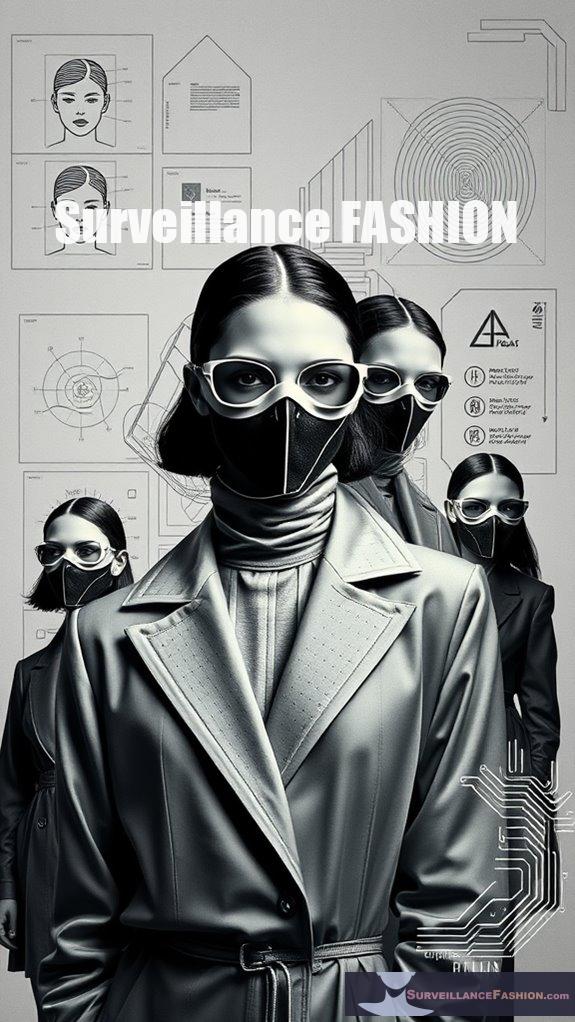
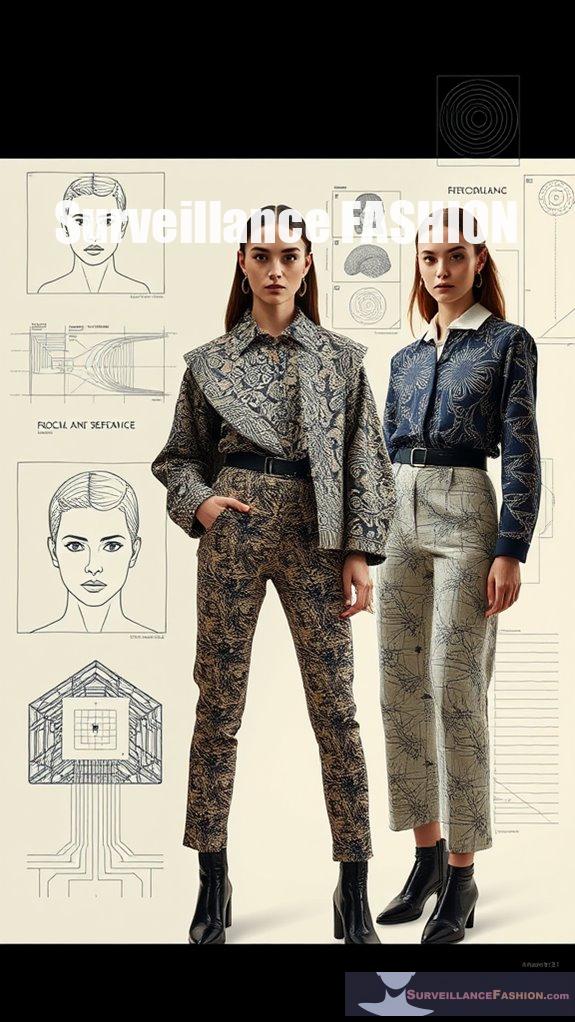
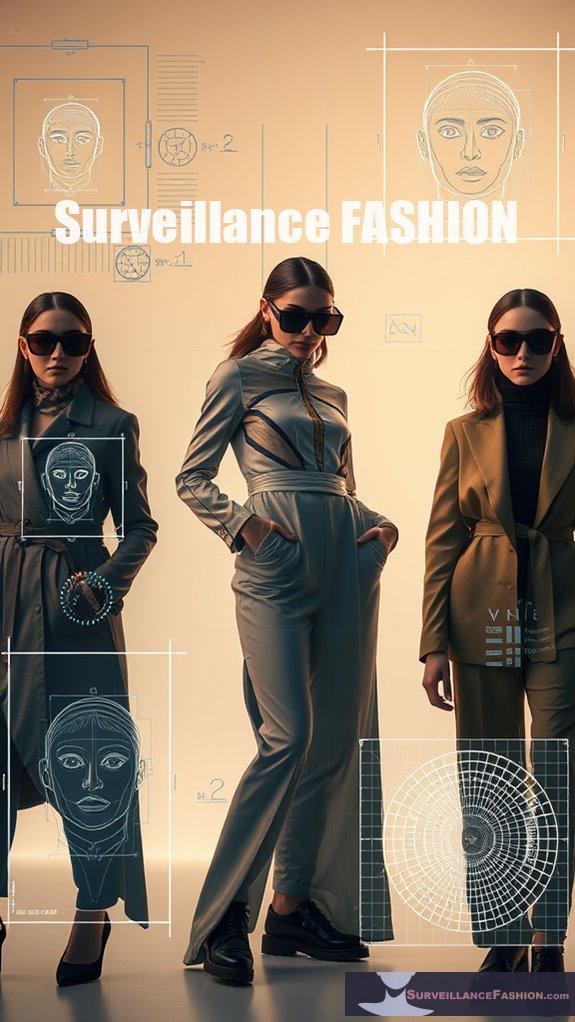
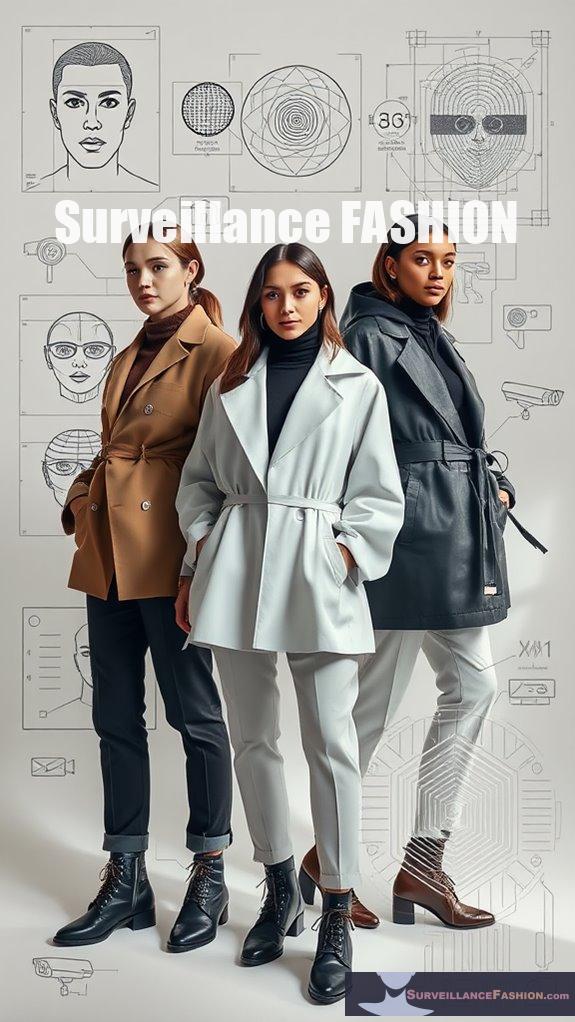
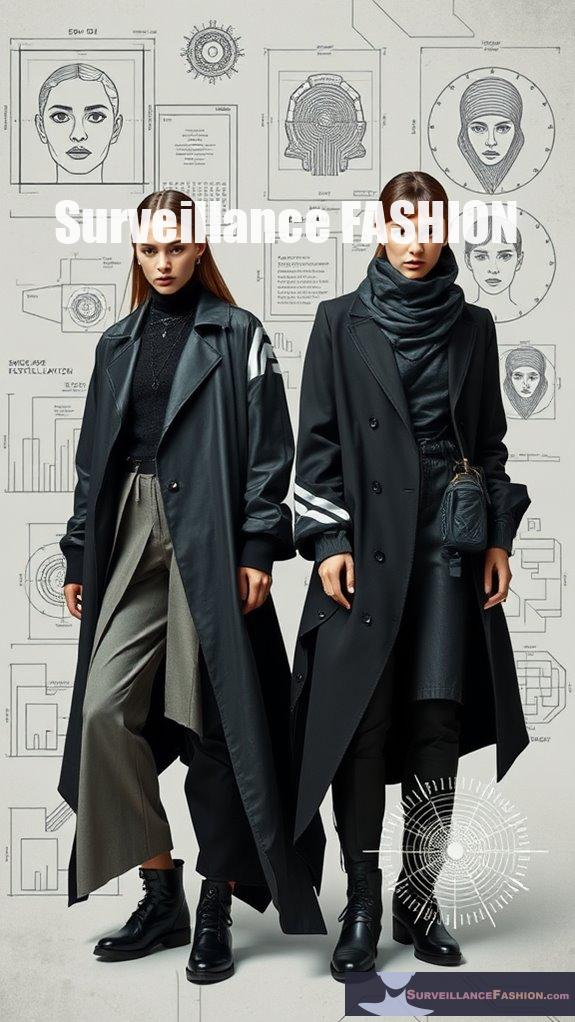
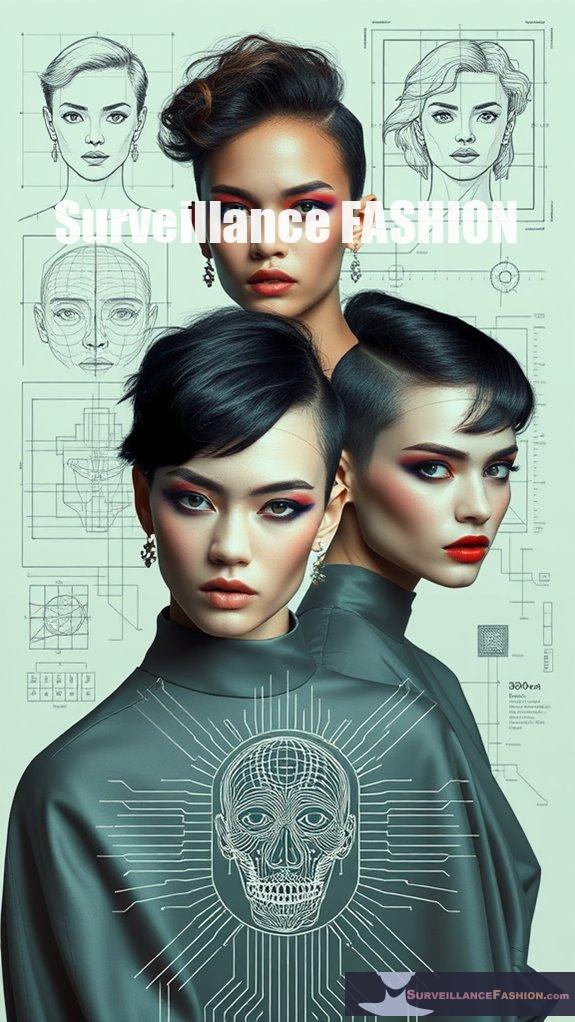
Author: Ava

  • 7 Best Face Concealment Techniques For Public Privacy

    7 Best Face Concealment Techniques For Public Privacy

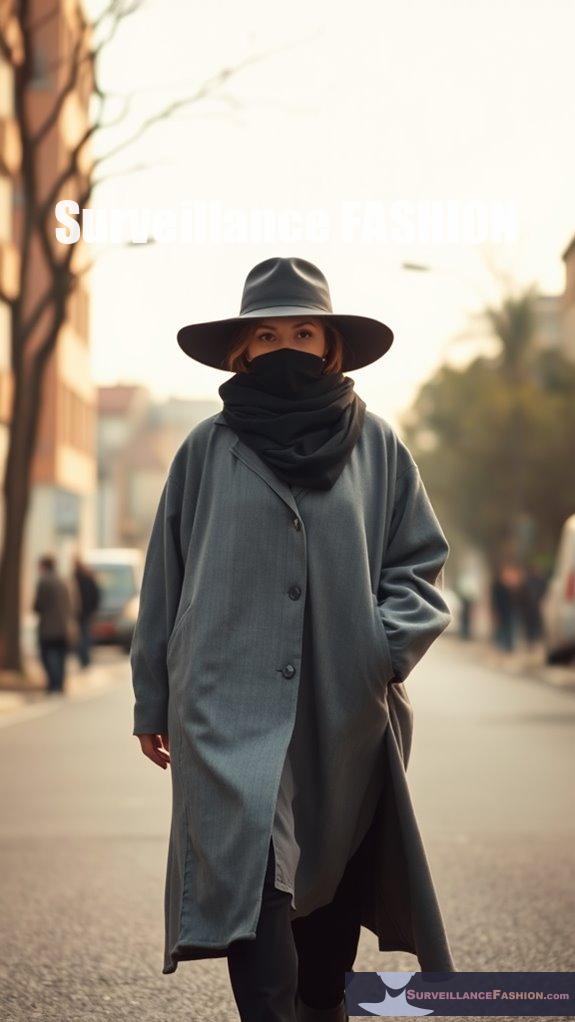
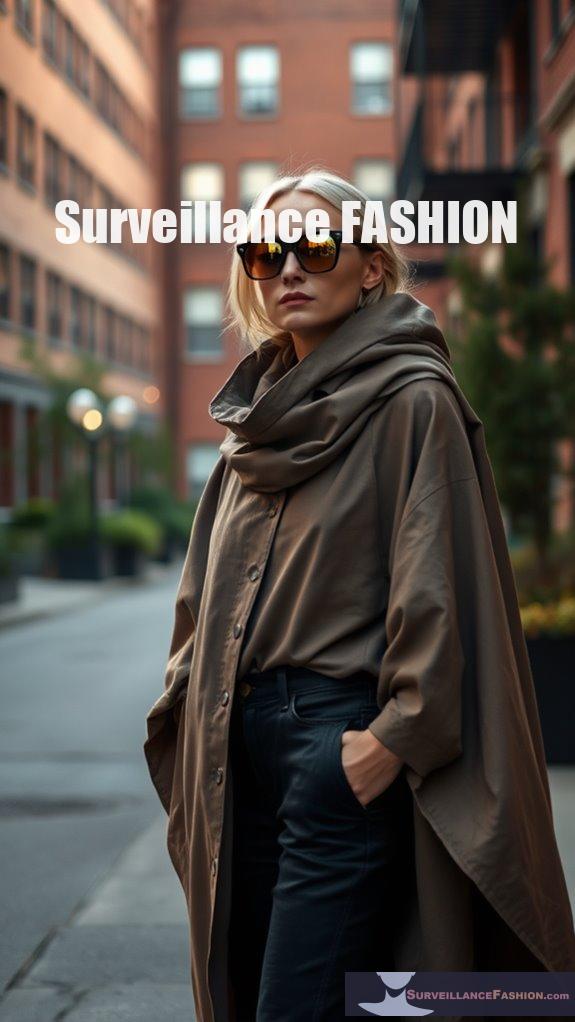
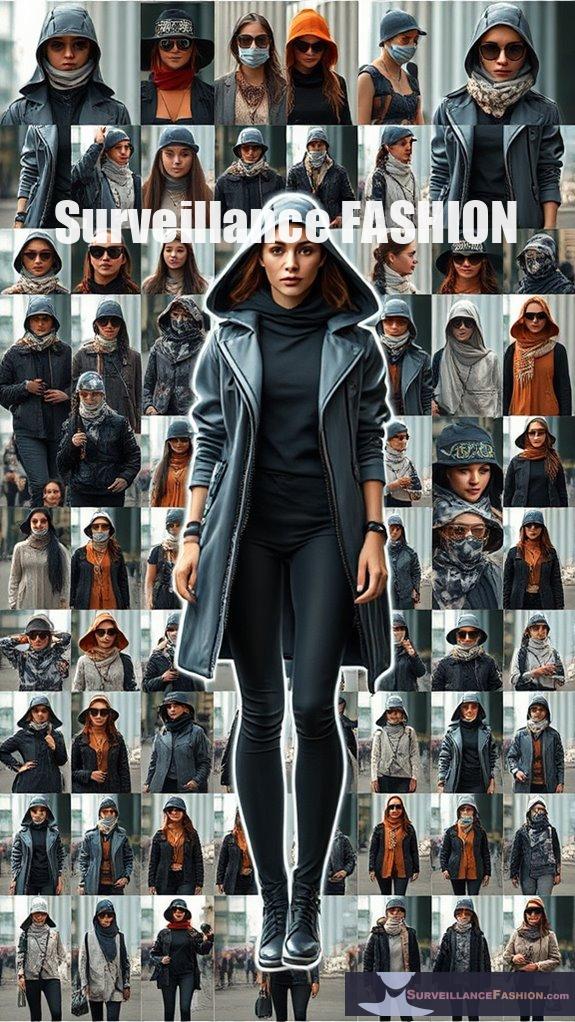
    To enhance your public privacy, consider adopting effective face concealment techniques. Wide-brimmed hats and sunglasses provide immediate coverage from direct view, while masks facilitate anonymity and thwart facial recognition systems. Dynamic makeup techniques, such as contrasting patterns, can visually disrupt your facial symmetry; alternatively, hoodies and scarves offer additional layers of obfuscation. By incorporating fashionable elements designed for privacy, like anti-surveillance accessories, you keep both style and security in mind. Explore further strategies to verify their effectiveness.

    Quick Takeaways

    • Utilize wide-brimmed hats and sunglasses to shield your face from UV rays and enhance privacy in public spaces.
    • Employ masks designed with anti-surveillance technology to conceal your identity and thwart facial recognition systems.
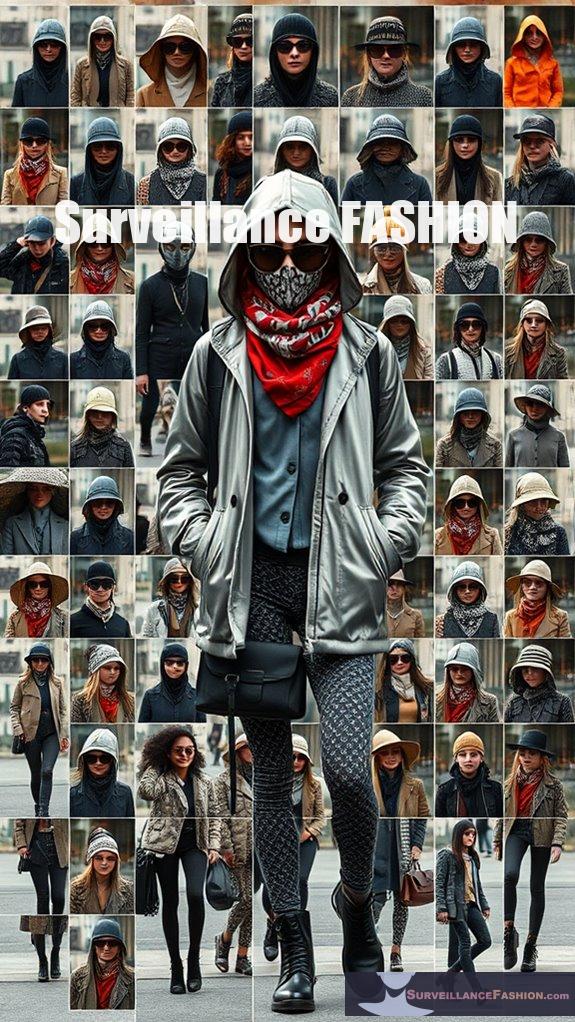
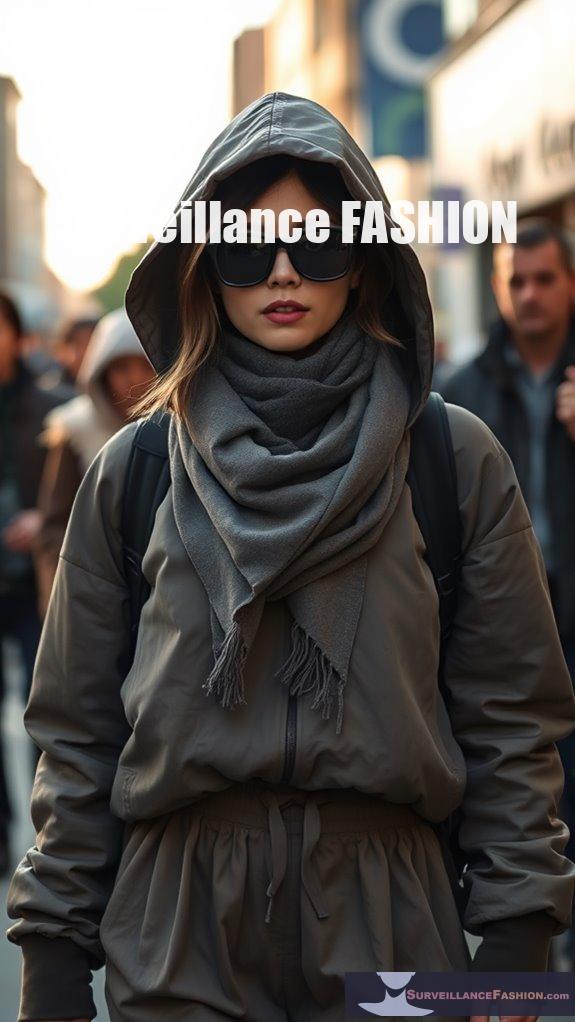
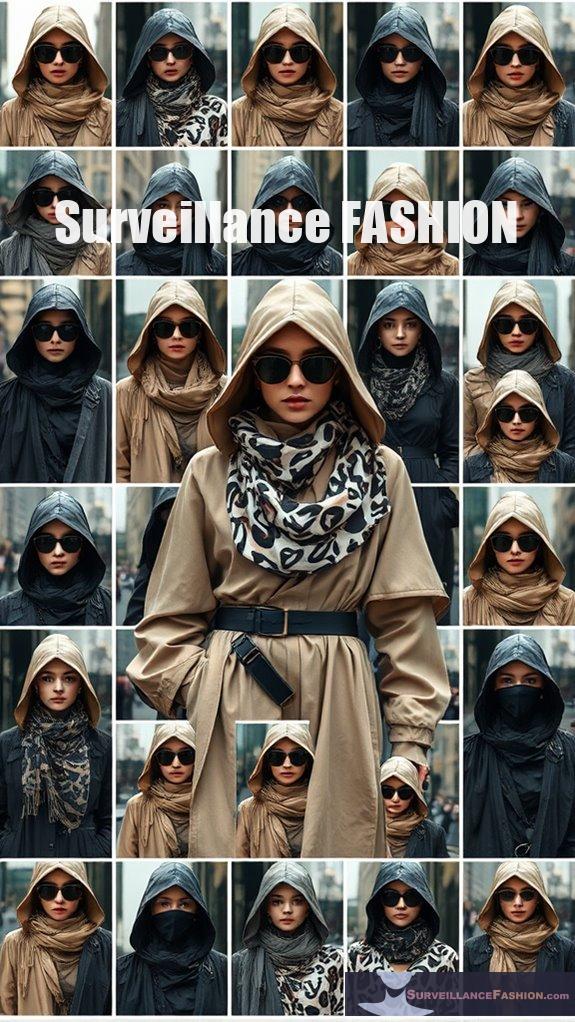
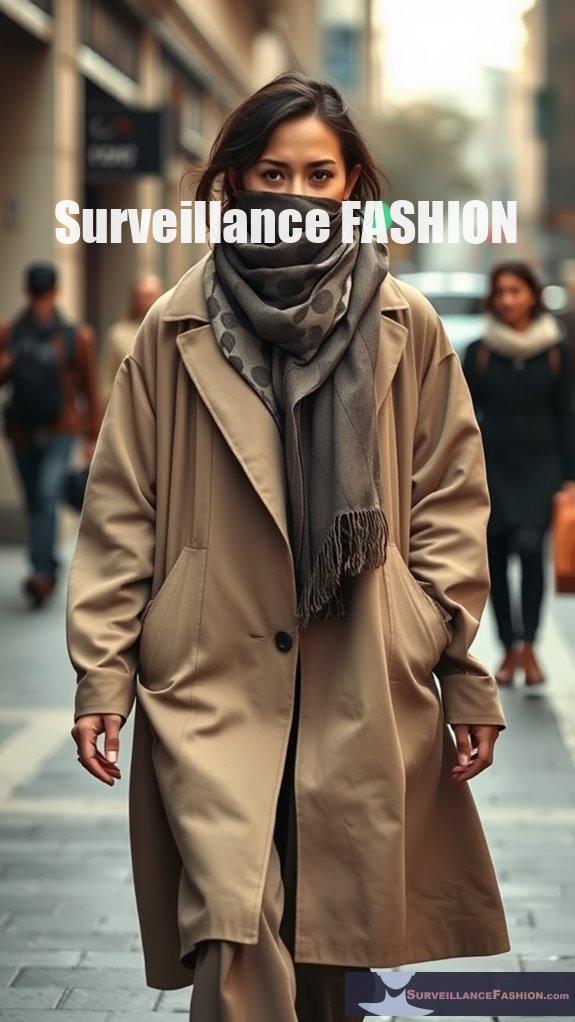
    • Incorporate hoodies and scarves that obscure facial features while providing warmth and style simultaneously.
    • Experiment with contrasting makeup patterns, like CV Dazzle, to disrupt facial symmetry and evade detection.
    • Choose clothing with camouflage patterns or IR-reflective fabrics to protect against surveillance and maintain personal privacy.

    Wide-brimmed Hats and Sunglasses

    stylish sun protection accessories

    When considering effective face concealment techniques, wide-brimmed hats and sunglasses emerge as two prominent allies, each offering distinct advantages for both privacy and protection.

    Wide-brimmed benefits are clear; styles like sun hats and bucket hats provide substantial coverage for your face, neck, and ears, effectively shielding you from harmful UV rays. Their larger brims are vital, especially during midday sun, while UPF 50+ materials enhance protection. In fact, studies show that a wide-brimmed hat can provide up to 76% protection from UV radiation, making it an essential accessory for outdoor activities. Additionally, wearing a wide-brimmed hat can help you stay under the radar in a world filled with anti-surveillance technology, promoting a sense of privacy.

    Wide-brimmed hats offer essential protection from UV rays, shielding your face, neck, and ears while enhancing your style.

    Conversely, the variety of sunglass styles allows you to choose options that not only conceal your eyes but also filter UV radiation, reducing glare and potential eye damage.

    Combining these two elements guarantees you maintain privacy while protecting your skin and eyes, which aligns with the ethos of our website, Surveillance Fashion, where personal safety meets style.

    Masks for Anonymity

    faceless protection through masks

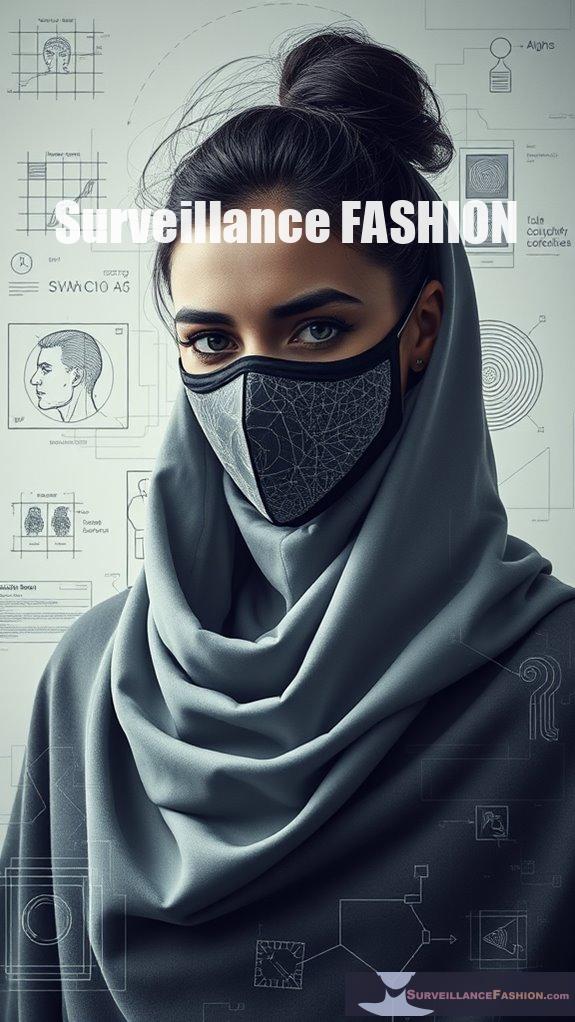
    Masks for anonymity serve as a multifaceted tool in contemporary society, addressing both the desire for privacy and the need for protection against invasive surveillance technologies. The evolution of mask technology has led to designs that not only conceal identity but also complicate facial recognition systems, thereby enhancing personal security. Disguise and deceit are not only coercive but also tactical for the weak, highlighting the strategic use of masks in various contexts. Additionally, certain masks are specifically designed with anti-surveillance technology to thwart AI detection, showcasing the innovative intersection of fashion and security.

    Mask Type Cultural Significance
    Balaclavas Used in protests worldwide
    Guy Fawkes Mask Symbol of anonymity
    Face Tubes Popular in outdoor sports
    Anti-Surveillance Engineered to confuse AI

    The cultural implications of masks are profound, reflecting societal values surrounding privacy. As we navigate increasing surveillance, understanding these tools allows you to reclaim control over your public persona, which is why we created Surveillance Fashion.

    Contrasting Makeup Patterns

    diverse beauty expression techniques

    Contrasting makeup patterns represent a strategic approach to facial concealment, utilizing the interplay of color and texture to enhance anonymity in an increasingly surveilled world.

    By applying principles of color theory, you can manipulate visual perception, effectively obscuring your facial features from detection algorithms.

    For instance, employing CV Dazzle techniques, you might contrast light shades against darker skin or vice versa, thereby disrupting facial symmetry.

    Alternatively, enhancing natural contrasts—such as emphasizing the differences between skin tone, eye color, and hair—enables a more subtle yet effective concealment.

    These customizable designs allow you to target specific algorithms, providing both artistic expression and enhanced privacy.

    Moreover, understanding facial recognition challenges can significantly improve your techniques for evading detection.

    Through thoughtful application, you can achieve a dramatic or intricate look, adapting to your public surroundings with confidence.

    Hoodies and Scarves

    warm winter accessories collection

    As fashion evolves in response to societal changes, the integration of hoodies and scarves into daily attire reflects a growing awareness of personal privacy and identity concealment.

    Hoodie designs, particularly those with built-in face coverings, serve a multi-purpose function; they protect against cold and wind while offering a quick way to obscure your identity. These versatile garments, available in various sizes and colors, can easily be adjusted to suit your environment.

    Scarves, especially those featuring innovative patterns, provide additional layers of concealment. For instance, reflective scarf patterns can disrupt facial recognition technology, allowing you to maintain anonymity in public spaces. Additionally, anti-surveillance scarves are becoming a trendy accessory, blending style with privacy protection.

    Infrared LED Glasses

    infrared vision enhancement glasses

    Innovative technology often shapes our understanding of privacy, and infrared LED glasses exemplify this intersection of fashion and surveillance deterrence.

    These glasses emit infrared light, invisible to the human eye yet detectable by digital cameras, effectively obscuring your facial features from facial recognition systems.

    Positioned strategically around the frame, the infrared LEDs create bright spots in captured footage, providing an unobtrusive means of maintaining anonymity in public areas.

    Unlike masks or wide-brimmed hats, these glasses allow for full peripheral vision while blending seamlessly into social settings.

    As the environment of surveillance evolves, understanding tools like infrared technology is essential. Anti-surveillance clothing has become a significant focus for those seeking privacy in a digitally monitored world.

    At Surveillance Fashion, we aim to empower you with techniques that enhance your control over personal privacy, ensuring you navigate public spaces with confidence.

    Dynamic Makeup Techniques

    innovative cosmetic application methods

    Dynamic Makeup Techniques

    Dynamic makeup techniques have transformed the scenery of personal aesthetics, allowing individuals to manipulate their features with precision and artistry. You can enhance your look through advanced methods that provide full control over your appearance.

    1. Underpainting and Sandwiching: Applying concealer before or between foundation layers enhances coverage while allowing for effective texture blending.
    2. Color Correction: Utilizing color-correcting concealers, like peach for dark circles, provides a seamless finish that balances skin tones.
    3. Contouring with Concealer: Employing darker shades strategically creates depth, sculpting your facial structure for an elevated look.

    These techniques not only enhance your features but also cater to the desire for privacy and concealment, a concept that fuels our purpose at Surveillance Fashion. Additionally, mastering anti-surveillance techniques can empower you to further obscure your facial features from recognition technologies.

    Embrace these dynamic methods to elevate your makeup artistry.

    Blending Makeup With Clothing

    makeup coordinated with outfits

    Blending makeup with clothing represents a subtle approach to personal aesthetics, particularly when one seeks to create a seamless and cohesive look.

    To achieve this, focus on color coordination; selecting makeup shades that harmonize with your clothing's dominant colors can effectively enhance camouflage. For instance, earthy tones in foundation and concealer often meld well with various textures and shades, ensuring minimal visibility.

    Texture matching plays a critical role as well; opting for smooth, matte fabrics helps prevent contrasting distractions. Additionally, employing anti-facial recognition techniques can further enhance your ability to remain unnoticed in public settings.

    Avoid bold patterns, which can disrupt the visual flow, and instead, choose neutral shades that complement your makeup.

    Fashion for Privacy Protection

    stylish clothing for privacy

    As societal concerns about privacy intensify amidst technological advancements, fashion has begun to emerge as a powerful tool for personal protection against surveillance.

    By embracing innovative designs and privacy enhancing textiles, you can assert control over your personal space. Here are three effective options to take into account:

    1. Camouflage Patterns: These complex designs can disrupt facial recognition software, making it difficult for algorithms to identify you.
    2. IR-Reflective Fabrics: Such textiles help reduce detection by night-vision cameras, enhancing your anonymity in dim environments.
    3. Signal-Blocking Fabrics: These materials protect your personal information by blocking RFID signals from devices like credit cards.

    Additionally, many brands are now utilizing pattern-based camera-confusing clothing designs to further enhance their surveillance-resistant offerings.

    Ultimately, anti surveillance clothing offers a proactive approach to safeguarding your privacy in an increasingly monitored world.

    This is a concept we aim to explore through our website, Surveillance Fashion.

    Anonymizing Fashion Accessories

    stylish but discreet accessories

    In an era where surveillance technologies are ubiquitous, the need for effective anonymizing fashion accessories has become increasingly essential. These items not only serve aesthetic purposes but also function as critical tools for privacy protection.

    Consider anti-paparazzi scarves, which utilize reflective materials designed to confuse cameras, rendering you less identifiable. Smart textiles, on the other hand, integrate advanced technology that detects surveillance efforts, enhancing your anonymity.

    Additionally, face masks and patterned clothing can obscure your features, while elaborate designs distract facial recognition algorithms. Furthermore, accessories that incorporate light-reflecting materials can add an extra layer of security by disrupting the effectiveness of surveillance cameras.

    As the demand for privacy-conscious fashion grows, accessories that combine style with protection emerge, reflecting our collective desire for control in an increasingly monitored world.

    This website, Surveillance Fashion, aims to explore these trends and empower your choices in privacy.

    References

  • 7 Community-Driven Ways to Disrupt Facial Surveillance

    7 Community-Driven Ways to Disrupt Facial Surveillance

    To effectively disrupt facial surveillance, consider participating in coordinated clothing campaigns that utilize complex patterns to confuse recognition systems. Engage in community mask-making workshops to collaboratively design masks that obstruct facial data. Attend group anonymization events where participants employ technologies to protect their identities. Explore fashion innovations that incorporate adversarial textiles, or engage in collaborative art projects that raise awareness of surveillance issues. Through these initiatives, you not only combat surveillance but also contribute to a collective movement for privacy advocacy. If you're intrigued, other strategies await your discovery.

    Quick Takeaways

    • Organize group anonymization events to collectively mask faces and thwart facial recognition while promoting community engagement and privacy rights.
    • Host community mask-making workshops to explore creative techniques for obfuscating facial data and encouraging dialogue around privacy and identity.
    • Launch coordinated clothing campaigns that utilize innovative patterns and fabrics designed to confuse surveillance systems and foster a sense of collective identity.
    • Develop collaborative art projects that raise awareness of surveillance implications, using various mediums to confront ethical dilemmas and engage community members.
    • Advocate for advancements in privacy technology that enhance personal data control, including user-friendly tools for altering identity in a surveilled environment.

    Coordinated Clothing Campaigns

    organized apparel donation drives

    As you navigate the developing terrain of personal privacy, you'll find that coordinated clothing campaigns serve as a pivotal strategy in the fight against facial surveillance technologies. These campaigns often involve a coordinated wardrobe that utilizes innovative patterns and fabrics specifically designed to confuse facial recognition systems, thereby fostering a collective identity among participants. By employing anti-surveillance fashion, these initiatives not only enhance personal privacy but also promote awareness of the pervasive nature of surveillance in society. Furthermore, the rise of clothing exchange networks allows community members to share resources and ideas, amplifying the impact of their collective efforts.

    Community Mask-Making Workshops

    community based mask making events

    While exploring the intersection of community engagement and resistance to facial surveillance, community mask-making workshops emerge as an innovative platform for collective action. These workshops not only foster participation but also empower individuals to explore mask making techniques that challenge biometric surveillance systems. By collaborating on mask designs, participants engage in a critical dialogue about privacy and identity while developing masks that obfuscate facial data using advanced fabrication methods. Through the use of 3D modeling and diverse materials, these initiatives exemplify a participatory approach, allowing community members to take control of their representation. Additionally, such workshops align with broader social movements, emphasizing the significant role of art in activism. This is central to the mission we embrace at Surveillance Fashion, blending creativity with resistance. Furthermore, these workshops raise awareness about the mass-scale transparency network that threatens personal privacy and highlight the importance of community facial obfuscation in reclaiming individual identities.

    Fashion Statements Against Surveillance

    style defiance against monitoring

    Fashion can serve as a powerful medium for resistance against the pervasive encroachment of surveillance technologies, offering a canvas for individuals to express their concerns about privacy and autonomy.

    Through fashion activism, you can leverage design innovation to create garments that disrupt facial recognition systems. For instance, adversarial patterns and complex fabrics can mislead detection software, while facial disguises obscure biometric data, rendering you indistinguishable from the crowd.

    Reflective materials, like ISHU's anti-flash scarf, effectively counter paparazzi, ensuring your image remains private. Additionally, incorporating disruptive clothing patterns can enhance the effectiveness of these designs, further complicating the capabilities of facial recognition technology.

    Group Anonymization Events

    anonymizing group event data

    Group anonymization events present a compelling solution to the challenges posed by facial surveillance, especially in an era where privacy is increasingly compromised.

    These gatherings prioritize group anonymity by employing technologies that blur or mask facial features, effectively thwarting facial recognition systems while still maintaining necessary security measures. Additionally, these events foster community engagement and collective action against invasive surveillance practices, empowering individuals to reclaim their privacy rights.

    Patterned Clothing Designs for Disruption

    disruptive patterned clothing designs

    As societal concerns about privacy intensify, innovative solutions emerge that challenge the pervasive nature of facial surveillance. One such approach involves the use of patterned clothing designs that leverage pattern effectiveness to disrupt facial recognition algorithms.

    For instance, designs from Cap_able incorporate AI-generated patterns that confuse systems, rendering the wearer indistinguishable from animals like zebras. Additionally, projects like Hyperface deploy multiple false facial features, distracting AI from the wearer's actual visage. These design innovations not only provide a fashionable statement against mass surveillance but also invite you to participate in a growing movement for privacy awareness.

    Adopting such garments can empower you, serving as both a personal shield and a collective protest against the misuse of biometric data. Moreover, these advancements in surveillance-resistant pattern technology highlight the intersection of fashion and technology in the fight for privacy.

    Collaborative Art Projects for Awareness

    art for social awareness

    While the complexities of facial surveillance technology continue to expand, collaborative art projects emerge as essential platforms for raising awareness and instigating dialogue around its implications. These initiatives blend artistic expression with collective storytelling, fostering community engagement and critical examination of surveillance systems. By harnessing diverse mediums—ranging from digital art to interactive installations—artists confront the ethical dilemmas posed by facial recognition technologies. Additionally, these projects can help mitigate the psychological effects of constant observation, which often lead to heightened social anxiety and discomfort in public spaces.

    Medium Purpose Example
    Digital Art Engage with surveillance critique Interactive online platforms
    Workshops Teach disguise techniques Community makeup sessions
    Public Installations Foster public interaction Events exploring surveillance effects
    Collaborative Projects Enhance collective resistance Community-led art demonstrations
    Exhibitions Educate on cultural implications Curated displays on privacy issues

    These collaborative efforts, including those highlighted on our website, Surveillance Fashion, empower individuals to reclaim their privacy.

    Public Demonstrations in Disguised Attire

    protests in concealed clothing

    Public demonstrations often serve as essential expressions of dissent, particularly when participants don disguises that convey both anonymity and solidarity. Such attire, rich with protest symbolism, not only fosters unity among demonstrators but also serves as a protective barrier against potential retaliation, an increasingly valid concern amid legislative movements like HR 2065, which propose severe penalties for wearing masks.

    The legal implications of disguises in protests are profound; proposed bills often lack clear definitions, rendering them open to subjective interpretation. This ambiguity can impact how the public perceives protests and their narratives. Additionally, community coordination plays a crucial role in organizing these actions effectively and ensuring that participants feel safe and supported.

    Disguising Identity Through Clothing

    clothing conceals personal identity

    Disguising one's identity through clothing represents a powerful strategy in the fight against pervasive facial surveillance, where the interplay between fashion and technology becomes increasingly significant.

    By employing identity concealment techniques, you can effectively disrupt facial recognition systems. Innovative clothing designs utilize complex patterns and textures to confuse algorithms, often transforming your appearance into something unrecognizable, like an animal, through device-confusing patterns.

    Moreover, garments made with special fabrics, such as IR-reflective materials, enhance your invisibility, especially under low-light conditions. Additionally, many of these garments are designed with infrared-blocking technology, which further complicates the ability of surveillance systems to track individuals in various environments.

    Clothing innovation also includes metamaterials, which can bend light, further obscuring your features. As the environment of surveillance evolves, these advancements not only protect individual privacy but also empower communities, underscoring the importance of initiatives like Surveillance Fashion in fostering awareness and control over personal identities.

    Style-Based Privacy Solutions

    privacy protection through design

    As facial recognition technology advances and becomes more integrated into daily life, the need for innovative style-based privacy solutions emerges, highlighting the intersection of fashion and digital security.

    Utilizing adversarial image techniques, tools like StyleAdv employ deep generative models such as StyleGAN to craft high-quality adversarial images that remain imperceptible to the naked eye while effectively evading facial recognition systems.

    Through semantic-aware editing, you can subtly alter your facial features without compromising image quality.

    Furthermore, the user-friendly interface allows for easy manipulation of latent spaces, enabling both targeted and untargeted identity changes.

    These privacy technology advancements not only enhance your control over personal data but also foster a more secure approach to traversing an increasingly surveilled world, reinforcing the mission behind our website, Surveillance Fashion. Additionally, the rise of anti-facial recognition clothing signifies a growing awareness of the need for protective fashion in our digital age.

    References

  • Collective Identity Shielding: Practical Group Defense Strategies

    Collective Identity Shielding: Practical Group Defense Strategies

    Collective identity shielding serves as an effective strategy for groups aiming to enhance their defenses against surveillance. By coordinating community actions, members can collectively manage risk, utilizing visual cohesion through stylized uniforms that promote group solidarity while obfuscating individual identities. Furthermore, implementing data protection practices—such as encryption and routine privacy setting updates—safeguards personal information. This multifaceted approach not only mitigates the chances of detection but also strengthens overall security. To explore more on these strategies, continue your journey with us.

    Quick Takeaways

    • Implement stylized uniforms to create a unified group identity, enhancing cohesion and collective resistance to surveillance.
    • Regularly update privacy settings as a group to strengthen collective security and minimize individual exposure.
    • Employ community-led initiatives to educate members on surveillance tools and effective countermeasures.
    • Coordinate data protection strategies, such as encryption and access control, to safeguard group communications and shared information.
    • Engage in collective identity shielding practices, like using decoy vehicles, to obscure group movements and reduce tracking risks.

    Surveillance Avoidance Techniques

    evasion methods for monitoring

    Surveillance avoidance techniques are vital tools in managing an increasingly monitored world, especially as technology continues to evolve, making personal privacy more challenging to maintain. Community-led initiatives can also play a crucial role in empowering communities to implement effective countermeasures against surveillance.

    To navigate crowded spaces effectively, you can exploit these environments to evade unwanted tracking, leveraging the multitude of people to obscure your movements. Visual modifications, such as altering your appearance—changing clothing or accessories—can greatly confuse potential surveillants, making you less recognizable. Additionally, varying your daily routines and employing diversion techniques, like sending decoy vehicles, enhances your chances of remaining undetected. Evading surveillance involves exploiting moments when surveillants are not looking, allowing for a successful escape.

    Recognizing surveillance tools enables you to identify risks proactively, while maintaining discretion guarantees your protective measures remain inconspicuous. These strategies collectively empower you to regain control in a setting defined by persistent surveillance.

    Data Protection Strategies

    safeguarding sensitive information effectively

    In an era where data breaches and cyber threats loom large, implementing robust data protection strategies is essential for organizations endeavoring to secure sensitive information. Utilizing effective data encryption methods safeguards your data both at rest and in transit, ensuring unauthorized access remains a distant threat. Additionally, focusing on data security solutions can help protect data across multiple environments while meeting privacy regulations effectively.

    Complementing this, employing role-based access control (RBAC) limits user permissions based on their specific roles, fostering a principle of least privilege that reduces risk exposure. This approach aligns with the concept of community coordination to collectively defend against intrusive surveillance.

    Moreover, conducting regular data lifecycle management, from classification to archiving, allows you to prioritize protection efforts effectively. By mapping data flows and maintaining an up-to-date inventory, you can make informed security decisions.

    These strategies not only mitigate risks but also align with compliance standards, reflecting the purpose behind our creation of Surveillance Fashion.

    Disguising Personal Digital Footprints

    concealing online identity traces

    While modern technology has undeniably enriched our lives, it has also rendered personal information increasingly vulnerable to exploitation. To regain control over your digital identity, consider account deletion as a primary strategy; removing unused accounts can markedly reduce your online footprint.

    Additionally, regularly updating privacy settings on social media limits who can access your content, thereby enhancing your anonymity. Furthermore, understanding how personal data collection operates can help you make informed decisions about what information to share online.

    Regularly adjusting your social media privacy settings is essential for protecting your content and maintaining your anonymity online.

    Moreover, engaging with data brokers to request the removal of your personal information is critical in minimizing exposure. Using services like DeleteMe can streamline this process.

    Finally, employing tools such as VPNs or Tor browsers hides your IP address, making tracking more difficult.

    These steps, collectively, create a robust shield against unwanted surveillance, a philosophy at the heart of our website, Surveillance Fashion.

    Stylized Uniforms for Group Cohesion

    cohesive group identity uniforms

    The visual representation of team identity through stylized uniforms plays an essential part in fostering group cohesion, as they not only signify belonging but also mitigate distinctions that often lead to hierarchical divides.

    Element Impact on Cohesion Example
    Shared Identity Promotes camaraderie Sports teams
    Equality Reduces hierarchy Corporate uniforms
    Personalization Maintains uniqueness Custom patches or colors

    Stylized uniforms enhance team identity by fostering a sense of belonging and camaraderie, which motivates members to work toward common goals. By allowing for customization within uniform frameworks, you can balance individuality with the need for unity, thereby reinforcing a cohesive group culture that aligns with your leadership vision. Additionally, these visual cues can serve as a form of facial obfuscation that helps individuals shift their collective identity during group activities.

    References

  • Anti-Recognition Makeup: Group Surveillance Countermeasures Guide

    Anti-Recognition Makeup: Group Surveillance Countermeasures Guide

    To effectively counter surveillance, anti-recognition makeup leverages techniques that obscure your facial features through strategic artistry. By employing bold colors and unconventional patterns, you disrupt facial symmetry, misleading recognition algorithms. Layering products with varying textures adds depth, further complicating accurate mapping. Moreover, complementary disguises such as loose clothing and patterned fabrics enhance anonymity. This website, Surveillance Fashion, aims to offer perspectives on using such techniques for privacy. Further exploration will reveal practical applications and innovative approaches.

    Quick Takeaways

    • Utilize bold colors and unconventional patterns in makeup to disrupt typical facial contours and confuse facial recognition systems.
    • Layer products with varying textures to create depth, enhancing the effectiveness of anti-recognition makeup.
    • Incorporate artifacts like fake facial hair and eye lenses to further complicate recognition algorithms.
    • Achieve a natural look to minimize social scrutiny while maintaining effective obfuscation of identity.
    • Regularly update makeup patterns to stay ahead of evolving facial recognition technologies.

    Effective Techniques for Group Identity Obfuscation

    group identity concealment strategies

    When considering effective techniques for group identity obfuscation, it's essential to acknowledge that makeup serves not merely as a cosmetic enhancement but as a strategic tool for evading facial recognition systems. You can employ specific makeup techniques to alter your facial symmetry, thereby complicating the algorithms that identify you. For instance, employing bold colors or unconventional patterns can disrupt the typical facial contours recognized by these systems. Furthermore, layering products with varying textures creates depth, which may further confuse recognition algorithms. Notably, makeup presentation attacks utilize artifacts like fake facial hair and eye lenses to further alter appearance and enhance evasion efforts. Additionally, using highly contrasting shades can make it difficult for recognition software to accurately map facial features. In essence, by manipulating your appearance through targeted makeup application, you gain a degree of control over your identity in an increasingly surveilled world, a principle that informs our mission at Surveillance Fashion to empower individuals through innovative styling.

    Practical Considerations for Implementing Anti-Recognition Makeup

    effective anti recognition makeup strategies

    Implementing anti-recognition makeup requires a complex understanding of both aesthetic principles and technological limitations. When considering makeup application, achieving a natural look is essential; this minimizes social scrutiny while effectively disrupting facial symmetry, which is vital for evading recognition systems. However, technical challenges remain. You must navigate the delicate balance between creating a convincing appearance and ensuring the makeup fools advanced AI detection methods. One effective strategy is to employ anti-surveillance makeup patterns, which can significantly enhance the overall efficacy of your application. Social settings can further complicate this, as distinctive makeup might inadvertently attract attention rather than conceal identity. Despite the research underway, which aims to provide accessible code for developing such makeup, be aware that no solution offers complete anonymity. Consequently, your approach must be strategic and informed, aligning with the changing environment of surveillance technologies, which is a core focus of Surveillance Fashion. The effectiveness of this makeup is debated among experts, particularly due to its reliance on machine learning principles.

    Disguising Identity Through Clothing

    clothing conceals true identity

    Disguising one's identity through clothing requires a multifaceted approach that balances practicality with creativity, allowing individuals to navigate various environments while minimizing the risk of recognition.

    To achieve effective identity concealment, prioritize clothing versatility; select neutral or muted colors that blend seamlessly into different settings. Opt for loose-fitting garments to obscure body shape and hinder associations with your specific appearance.

    Common footwear, such as nondescript sneakers, alters gait patterns, further aiding anonymity. Incorporate accessories like hats, scarves, or sunglasses to obscure facial features, enhancing your disguise.

    Adopting an entirely different style can also amplify the effectiveness of your disguise, as it creates a stark contrast to your usual look, making it easier to evade detection. Additionally, the rise of anti-surveillance fashion has inspired innovative design choices that prioritize anonymity and self-expression. Through these strategic choices, you can maintain greater control over your identity in public spaces.

    Patterned Fabrics for Unity

    unity through patterned fabrics

    Integrating patterned fabrics into your wardrobe offers a novel approach to identity concealment, enhancing the effectiveness of disguises through visual complexity.

    When you engage in pattern selection, consider geometric patterns and nature-inspired motifs, which can confuse facial recognition software and disrupt visual symmetry. The success of these fabrics often hinges on design collaboration, merging artistic vision with advanced technologies, such as digital printing and machine learning.

    For instance, employing optical illusions can distract observers, while layering effects from quilting can further obscure features. As algorithms evolve, regularly updating your patterns becomes essential for maintaining their effectiveness. Additionally, the incorporation of surveillance-resistant patterns can significantly enhance the ability of these garments to thwart recognition technologies.

    Ultimately, adopting these techniques not only enhances personal security but also reflects a broader understanding of how clothing can serve as a shield against unwarranted surveillance.

    References

  • 10 Collective Tactics to Thwart Facial Recognition Systems

    10 Collective Tactics to Thwart Facial Recognition Systems

    To effectively thwart facial recognition systems, consider adopting tactics like Fawkes' pixel-level protection, which modifies images to obscure identities, or LowKey's adversarial attacks, reducing recognition accuracy considerably. Artistic disguises, utilizing asymmetry and complex patterns, confound algorithms, while stylish masks and wearables discreetly obscure facial features. Coordinated protests can enhance group anonymity, promoting collective strategies. Emphasizing public awareness regarding surveillance allows for informed conversations on privacy. Discovering more methods could reshape your understanding of identity protection in a surveillance-saturated world.

    Quick Takeaways

    • Organize decentralized planning among participants to limit surveillance risks during protests and public gatherings.
    • Utilize uniform disguises with confusing patterns to obscure individual identities from facial recognition systems.
    • Implement coordinated movements and training sessions to educate participants on avoiding detection by surveillance technologies.
    • Create and distribute collective masks designed for biometric obfuscation to enhance anonymity in public spaces.
    • Foster community-led initiatives to strengthen collective resistance against surveillance and promote awareness of privacy rights.

    Fawkes Tool: Pixel-Level Protection

    pixel level security solution

    As concerns over privacy escalate in our increasingly digitized world, tools like Fawkes emerge as pivotal resources for individuals seeking to safeguard their identities from intrusive facial recognition systems. Ir-blocking wearables can complement such digital tools by providing physical barriers against unwanted surveillance. Fawkes employs pixel manipulation to create cloaks that render images unrecognizable to facial recognition algorithms, while remaining imperceptible to human observers. This cloaking effectiveness is evidenced by experiments revealing over 95% protection in ideal scenarios, and at least 80% when mixed with uncloaked images. Additionally, Fawkes achieves 100% success against leading facial recognition services, further demonstrating its efficacy.

    The tool operates through minor, undetectable modifications, effectively acting as data poisoning to disrupt machine learning models. Such robust protection, developed by the SAND Lab at the University of Chicago, showcases Fawkes' adaptability across platforms, enabling users to maintain control over their digital identities in an age where surveillance technology proliferates.

    LowKey Tool: Enhanced Adversarial Attacks

    improved adversarial attack methods

    In a world where facial recognition technology increasingly permeates daily life, LowKey emerges as a formidable ally for social media users aiming to shield their identities from unwarranted surveillance. Employing advanced adversarial techniques, this tool pre-processes images to thwart unauthorized recognition efforts, effectively reducing the accuracy of systems like Amazon Rekognition and Microsoft Azure Face Recognition to below 1%.

    LowKey's adversarial filter intricately manipulates feature space representations, ensuring that gallery faces can't match probe images, thereby preserving user privacy while maintaining image quality. Additionally, users are encouraged to report any issues with the tool, ensuring user feedback is incorporated into future enhancements. This aligns with the broader movement of community coordination against surveillance networks, which emphasizes collective resistance to invasive technologies.

    Designed for versatility, it accommodates various formats and sizes, enhancing its applicability across platforms. As users of Surveillance Fashion, we recognize the critical privacy implications of facial recognition and advocate for tools like LowKey to empower individuals against pervasive surveillance.

    Unlearnable Examples: Training Models to Ignore

    ignoring unlearnable training examples

    Facial recognition systems pose significant threats to privacy, necessitating innovative strategies for mitigating their reach. One approach involves creating unlearnable examples, which are specially crafted data points designed to thwart deep learning models from extracting meaningful information. By incorporating imperceptible noise patterns into images, these examples guarantee that facial recognition systems can't effectively utilize the data, thereby enhancing your data privacy.

    The effectiveness of unlearnable examples lies in their ability to maintain image integrity while rendering the data nearly irrelevant to models. Unlike traditional adversarial attacks, these examples remain robust against training adaptations, providing a consistent barrier against unauthorized exploitation. As we face changing privacy challenges, incorporating such techniques may be essential for maintaining control over personal data in a surveillance-heavy world. Moreover, the ethical implications of mass surveillance highlight the urgent need for protective measures against intrusive technologies.

    Artistic Disguises: Creative Confusion Techniques

    creative identity manipulation strategies

    While traditional methods of protecting personal privacy often focus on technology-based solutions, artistic disguises offer a compelling avenue for evading facial recognition systems through creative confusion techniques.

    By leveraging artistic expression, you can achieve effective identity concealment without relying solely on high-tech gadgets.

    Consider employing CV Dazzle makeup, which disrupts facial symmetry through asymmetrical designs and color manipulation.

    Furthermore, integrating complex, face-printed patterns into your clothing can confuse algorithms, as can wearing reflective materials that distort thermal imaging.

    Temporary tattoos or bold hairstyles further enhance your disguise, creating layers of visual distraction.

    Through initiatives like those promoted by Surveillance Fashion, individuals can reclaim control over their identities while making a statement against invasive surveillance practices. Additionally, using techniques like disruptive makeup styles can further enhance your ability to evade detection by facial recognition systems.

    Masks and Wearables: Fashionable Evasion

    stylish face coverings trend

    As you navigate a world increasingly dominated by surveillance technology, incorporating fashionable masks and wearables into your daily attire can offer a practical means of evading facial recognition systems.

    Consider these elements to enhance your evasion strategy:

    Explore stylish designs and adversarial patterns to effectively enhance your evasion strategy against facial recognition systems.

    • Stylish designs that blend with your wardrobe, ensuring you remain fashionable while protecting your identity.
    • Adversarial patterns on masks that disrupt facial recognition algorithms, greatly increasing your chances of remaining undetected.
    • Wearable technology like hats and sunglasses that, when combined with masks, further obscure your facial features from prying eyes.
    • Additionally, you can explore anti-surveillance scarves that not only provide coverage but also add an extra layer of style to your ensemble.

    Projectors and Decoy Faces: Superimposing Identities

    identity overlap and illusion

    To navigate the intricacies of modern surveillance, employing projectors and decoy faces offers an innovative approach to superimposing identities, thereby complicating facial recognition systems.

    By utilizing projector calibration techniques, you can guarantee that projected images align seamlessly with your features, effectively obfuscating your identity from surveillance cameras.

    Decoy face design plays a vital role, as the projection mustn't only be high-resolution but also adaptable to varying lighting conditions, guaranteeing maximum effectiveness in diverse environments.

    With advancements in technology, including near-infrared projections, you can exploit the limitations of camera sensitivity, further enhancing your evasion tactics. This method leverages light projection techniques that disrupt facial recognition capabilities, making it increasingly challenging for systems to accurately identify individuals.

    Ultimately, mastering these techniques empowers you to reclaim control over your privacy, a core reason for initiatives like Surveillance Fashion, aimed at promoting awareness and strategies against invasive surveillance practices.

    Collective Masks: The Facial Weaponization Suite

    facial disguise for protest

    Collective masks emerge as powerful tools in the ongoing struggle against facial recognition technologies, challenging the pervasive surveillance that increasingly characterizes modern society.

    Through innovative mask-making practices, individuals engage in a profound act of collective identity formation, uniting against oppressive systems.

    Innovative mask-making fosters collective identity, empowering individuals to unite against oppressive systems through shared resistance.

    • Biometric Obfuscation: Masks designed to obscure distinct facial features, rendering recognition systems ineffective.
    • Artistic Activism: A fusion of art and activism, facilitating public workshops to promote awareness.

    • Diverse Narratives: Masks addressing issues like racism, sexuality, and nationalism, offering diverse viewpoints on identity.

    Additionally, the creation of these masks employs coordinated anti-recognition techniques, further enhancing their effectiveness against surveillance systems.

    Uniform Disguises: Blurring Individuality

    loss of personal identity

    While many individuals seek to express their uniqueness through fashion, the rise of facial recognition technologies challenges this very notion of individuality, necessitating a reevaluation of how we present ourselves in public spaces.

    Adopting uniform disguises, such as clothing with uniform patterns or elaborate dazzle designs, can effectively blur personal identity while providing a shield against identity erosion.

    For instance, employing adversarial patches or thermal camouflage can complicate the surveillance systems' ability to identify you, allowing for a more controlled public presence.

    Moreover, integrating accessories like reflective glasses or scarves not only enhances your disguise but also reinforces collective anonymity, emphasizing that individuality doesn't have to be sacrificed for privacy.

    At Surveillance Fashion, we explore these nuances to empower individuals in regaining their autonomy in an increasingly monitored world. Additionally, the use of surveillance-resistant patterns can further enhance the effectiveness of these disguises by confusing facial recognition algorithms.

    Coordinated Protests: Group Strategies for Obscurity

    collective actions for anonymity

    As you navigate the complexities of modern protests, understanding the significance of coordinated group strategies for obscurity becomes essential, especially in an era where surveillance technologies are increasingly pervasive.

    To enhance group anonymity, consider employing the following protest strategies:

    • Coordinated Movements: Organize protests to maximize participant anonymity, ensuring safety while demonstrating.
    • Decentralized Planning: Use decentralized methods to limit centralized control and mitigate surveillance risks.
    • Training Sessions: Conduct training on avoiding facial recognition technologies, empowering participants with knowledge and tactics. Additionally, fostering community-led initiatives can strengthen the collective approach to resisting surveillance.

    Implementing these strategies not only protects individual identities but also fosters a sense of collective strength, reflecting the principles underlying our website, Surveillance Fashion, which aims to educate and empower individuals against intrusive surveillance.

    Public Awareness: Notifying Citizens About Surveillance

    surveillance notification for citizens

    Public awareness about the pervasive use of facial recognition technology has become increasingly important, particularly as this surveillance tool infiltrates everyday life. Many citizens remain unaware of its implications, which fosters confusion and varied public sentiment.

    Aspect Description Importance
    Common Perceptions Limited understanding of surveillance Informed public discourse
    Legal Concerns Lack of knowledge on regulations Protects individual rights
    Surveillance Usage Increasing applications without consent Raises ethical questions
    Acceptance Levels Situation-dependent acceptance Influences policy decisions
    Education and Transparency Need for accessible information Empowers citizens

    Moreover, the psychological effects of constant observation can lead to self-censorship among individuals, further complicating the discourse on surveillance.

    Clothing That Disrupts Surveillance Technology

    anti surveillance clothing innovations

    The emergence of clothing designed to disrupt facial recognition technology represents a novel intersection of fashion and privacy advocacy, as innovative designers create garments that challenge the pervasive surveillance systems increasingly present in our daily lives. In response to the growing concerns over disrupting surveillance, these designs not only embrace aesthetics but also serve as a form of resistance against invasive technologies.

    Examples of this anti-surveillance fashion include:

    • Cap_able's Manifesto Collection, utilizing AI-designed patterns to misidentify wearers as animals.
    • Phantom Glasses that reflect infrared light, effectively confusing 3D face-mapping systems.
    • Adversarial Fashion Lines that provide DIY resources for creating your own anti-surveillance clothing.

    Patterned Outfits for Group Unity

    coordinated attire for togetherness

    While you mightn't think of fashion as a tool for social activism, patterned outfits specifically designed for group unity illustrate how clothing can serve as a potent form of collective resistance against surveillance technologies.

    These garments utilize patterned symbolism to mislead facial recognition systems, integrating adversarial patches that confuse AI algorithms. Wearing similar designs enhances group solidarity, visually signaling a unified stance on privacy concerns.

    For instance, innovative patterns created through AI algorithms optimize deception against object detection systems like YOLO, reinforcing fashion resistance. Additionally, the use of adversarial fashion designs allows wearers to creatively disrupt the effectiveness of surveillance technologies, amplifying their message.

    Such collective expression not only cultivates awareness but also positions wearers as advocates for regulatory changes regarding biometric data. In this way, the act of wearing these outfits transcends mere fashion, becoming a deliberate commentary on privacy rights and technology ethics.

    References

  • Why Communities Must Unite Against Facial Recognition

    Why Communities Must Unite Against Facial Recognition

    Communities must unite against facial recognition technology due to its profound impact on privacy and civil liberties, where misidentification can lead to wrongful arrests, particularly affecting marginalized populations. Collective action can foster informed discussions about the ethical implications and potential biases inherent in these systems. Legislative efforts, such as bans in cities like San Francisco, illustrate the necessity for accountability. Exploring innovative resistance tactics, including fashion's role in evasion, reveals alternative pathways to safeguard individual rights and autonomy, inviting further exploration of emerging solutions.

    Quick Takeaways

    • Communities must unite to raise awareness about the risks and ethical concerns surrounding facial recognition technology and its potential misuse.
    • A collective resistance can amplify efforts for legislation, like the Facial Recognition and Biometric Technology Moratorium Act, to regulate surveillance practices.
    • By working together, communities can share experiences of misidentification and wrongful arrests, emphasizing the urgent need for accountability measures.
    • Collaborative fashion resistance can empower individuals to creatively combat surveillance, promoting privacy rights while fostering a sense of community solidarity.
    • Engaging in community workshops encourages informed conversations that can lead to effective strategies against the pervasive nature of surveillance technologies.

    Building Awareness Through Community Education

    community education for awareness

    As communities grapple with the implications of facial recognition technology, understanding its risks becomes crucial. Community workshops serve as important platforms for education, allowing you to engage directly with experts about the potential misuse of facial recognition, particularly in schools where privacy concerns loom large. These workshops foster informed conversations, empowering you to question the ethical ramifications and biases inherent in such technologies. Additionally, discussions about the SAFR technology implementation at schools like St. Therese highlight the need for careful consideration of security measures versus privacy rights. By building community resistance against surveillance tactics, you can help ensure that technology serves the public interest rather than infringing on individual rights. Public campaigns, like those initiated by organizations such as Fight for the Future, play a fundamental role in disseminating knowledge, helping you and your peers grasp the nuances of surveillance culture.

    Legal and Coordinated Resistance Against Surveillance

    surveillance resistance through coordination

    While many individuals may remain unaware of the extensive implications of surveillance technologies like facial recognition, a growing coalition of communities, legal advocates, and policymakers is actively pushing back against these practices.

    Legislative proposals, such as the Facial Recognition and Biometric Technology Moratorium Act, aim to halt the government's unchecked use of facial recognition until thorough rules are established. Concerns about misidentification leading to wrongful arrests further highlight the urgent need for such measures. Moreover, the risk of surveillance chilling effects on free expression underscores the importance of robust legal protections.

    State-level restrictions further enhance this effort, with numerous jurisdictions enacting laws that mandate accountability measures, including public notifications and warrant requirements for facial recognition use.

    Cities like San Francisco and Oakland have taken decisive steps by banning government application of this technology altogether.

    Through coordinated resistance, communities can assert control over their privacy and challenge the pervasive surveillance state that threatens civil liberties.

    Disguising Identity Through Clothing

    clothing conceals personal identity

    The evolution of anti-surveillance clothing has become a critical countermeasure in the ongoing battle against facial recognition technologies, with a diverse array of innovative designs emerging that aim to obscure one's identity from prying eyes.

    Disguise techniques, such as Harvey's Hyperface, utilize false facial patterns to mislead detection algorithms, while CV Dazzle employs high-contrast makeup to create intentional facial asymmetries that disrupt recognition.

    Moreover, black masks have proven more effective than lighter-toned options, greatly increasing error rates in these systems.

    Fashion innovation doesn't stop there; anti-paparazzi devices like CamoFlash and privacy eyewear such as IRpair sunglasses exemplify the continuous push for effective means of evasion. Pattern-based designs are gaining traction as a notable strategy for confusing surveillance technologies.

    As we created this website, Surveillance Fashion, to highlight these advancements, it's clear that the intertwining of style and security is paramount in cultivating personal autonomy.

    Fashion Resistance Network Collaboration

    fashion collaboration for resistance

    Fashion resistance, rooted in the collaboration between designers, activists, and technologists, serves as a powerful response to the pervasive threat of facial recognition technologies.

    By engaging in fashion activism, you can contribute to a movement that prioritizes privacy rights through innovative design practices. Consider these strategies for effective collaboration:

    1. Community Engagement: Gather perspectives from those affected by surveillance to inform your designs.
    2. Partnerships: Collaborate with diverse experts to fuse creativity with technical know-how.
    3. Awareness Campaigns: Host workshops that educate the public on privacy issues and the role of fashion.
    4. Diverse Design Approaches: Use artistic techniques that mislead facial recognition while maintaining aesthetics.

    Additionally, incorporating surveillance-blocking clothing into your designs can enhance the effectiveness of your fashion resistance efforts. These collaborations highlight the essential need for design innovation in combating surveillance, reinforcing the mission behind our website, Surveillance Fashion.

    References

  • 7 Community Tactics To Resist Facial Recognition

    7 Community Tactics To Resist Facial Recognition

    Communities can employ several tactics to resist facial recognition technology effectively. First, adopt everyday resistance techniques, like wearing clothing that obscures identity. Second, engage in grassroots activism, advocating for bans on biometric surveillance. Third, organize educational workshops to inform locals about privacy rights. Fourth, utilize fashion innovations, such as the Hyperface Project, to confuse detection systems. Fifth, document instances of misuse through reverse surveillance. By fostering collective action, you contribute to a stronger push against invasive technologies. Explore more strategies that empower communities to reclaim privacy.

    Quick Takeaways

    • Organize community workshops to educate residents about facial recognition technology and privacy rights implications.
    • Form coalitions to advocate for local bans on government facial recognition use and raise awareness about civil liberties.
    • Utilize fashion and wearable technology, like Anti-Paparazzi Scarves, to disrupt surveillance systems while promoting privacy rights.
    • Engage in grassroots activism to support legislative initiatives aimed at halting facial recognition technology and promoting digital privacy.
    • Collaborate with NGOs to influence policy changes and mobilize public opinion against invasive surveillance practices.

    Everyday Resistance Techniques

    subtle forms of defiance

    Everyday resistance against facial recognition technology manifests in a variety of techniques that individuals can employ to reclaim their privacy and protect their anonymity.

    To assert your digital anonymity, consider adopting practices that obscure your identity in public spaces, such as wearing masks or using clothing designed to disrupt facial recognition algorithms. These tactics are especially important given that face recognition technology has led to wrongful arrests of individuals, particularly among marginalized communities. Additionally, it's crucial to recognize that privacy-preserving techniques can significantly reduce the effectiveness of surveillance systems.

    Engaging in privacy advocacy, you might also support local initiatives aimed at banning government use of this technology, reflecting a collective desire for autonomy over personal data.

    Furthermore, participating in community discussions about the implications of surveillance can amplify awareness, fostering a culture that prioritizes consent and transparency.

    Exploring artistic expressions that challenge these technologies can contribute to a broader resistance ethos, aligning with the objectives of platforms like Surveillance Fashion, which promote creative countermeasures against invasive surveillance practices.

    Distortion Methods for Evading Surveillance

    surveillance evasion techniques discussed

    While the rise of facial recognition technology has heightened privacy concerns, a variety of distortion methods exist that individuals can employ to evade surveillance effectively.

    Physical disguises, such as hats, glasses, or specially designed masks, can obscure facial features, complicating recognition. You can also use contrasting makeup techniques to alter contours or change skin tone, enhancing your anonymity. Facial recognition systems rely heavily on quality input data, which means that even minor alterations can significantly improve your chances of evading detection. Makeup techniques can be particularly effective when applied strategically to disrupt the facial symmetry that these systems depend on.

    Physical disguises and makeup techniques can effectively obscure your features, enhancing your anonymity in a world of surveillance.

    Digital manipulation plays a crucial role, too; deepfakes can create altered images that confuse algorithms.

    Additionally, innovative accessories like infrared LED glasses disrupt camera functions, ensuring your identity remains concealed.

    As we continue to explore these strategies, our website, Surveillance Fashion, aims to empower individuals with knowledge about personal privacy tactics, enabling you to reclaim control over your image in an increasingly monitored world.

    Blocking Moves: Activism Against Surveillance Infrastructure

    activism against surveillance systems

    As communities become increasingly aware of the pervasive nature of surveillance infrastructure, they're mobilizing to challenge and dismantle facial recognition technologies.

    Through the formation of community coalitions, individuals are uniting to advocate for digital privacy and resist invasive monitoring practices.

    For instance, grassroots activism has led to successful bans on government facial recognition in over twenty U.S. cities, demonstrating the power of collective action.

    Global campaigns, such as Amnesty International's *Ban the Scan*, have amplified these efforts, urging a halt to facial recognition surveillance in public spaces.

    In tandem, legislative initiatives, including the Facial Recognition and Biometric Technology Moratorium Act, are gaining traction, asserting communities' rights to regulate the technologies that impact their lives directly, thereby reclaiming their autonomy. The development of community-led countermeasures is essential in fostering resilience against surveillance technologies.

    Reverse Surveillance: Documenting Misuse

    misuse of surveillance documented

    In an era where surveillance technologies dominate public spaces, documenting the misuse of facial recognition has become an essential countermeasure against the encroachment on civil liberties. This misuse documentation serves not only as a record of civil rights violations but also as a tool for accountability, enabling communities to challenge the unchecked power of law enforcement.

    Establishing robust reporting channels allows individuals to report instances of misuse, fostering a culture of transparency and vigilance. For instance, civil rights commissions can leverage these reports to address systemic issues, while advocacy groups utilize the collected data to push for policy changes. Additionally, communities can adopt strategies for facial obfuscation methods that enhance privacy and protect individual identities from intrusive surveillance practices.

    Organizing Protests for Collective Action

    protests for collective action

    Organizing protests against facial recognition technology becomes a pivotal strategy for communities seeking to reclaim their civil liberties, particularly in a terrain increasingly dominated by surveillance.

    To effectively mobilize, you'll need to focus on protest logistics and coalition building, ensuring diverse groups unite under a common cause. Start by coordinating with local organizations that share your concerns regarding civil liberties, allowing for a more robust turnout.

    Focus on coalition building and logistics to unite diverse groups in a powerful, collective stand for civil liberties.

    Utilizing creative tactics—such as patterned clothing to disrupt recognition systems—can enhance your visibility while minimizing risks.

    Additionally, disseminating information about the implications of facial recognition through social media campaigns can raise public awareness, further galvanizing support for policy reforms. These efforts can include discussions about identity protection techniques, which equip individuals with the knowledge to safeguard their privacy.

    Through your combined efforts, community-driven initiatives like Surveillance Fashion can challenge oppressive surveillance practices and advocate for policy change.

    Community Engagement and Education Initiatives

    community involvement and learning

    Understanding the implications of facial recognition technology requires not just knowledge, but also active community engagement and education initiatives that empower individuals to navigate this complex environment.

    Community workshops can serve as essential platforms for educating participants about how facial recognition works, alongside its potential implications on privacy rights. These workshops not only provide practical strategies for evading surveillance but also foster discussions concerning ethical concerns, which in turn enables informed decision-making.

    Moreover, educational resources, including literature and online platforms, can amplify awareness of privacy violations and the biases inherent in these technologies. Additionally, organizing community coalitions can strengthen collective resistance efforts against surveillance practices and promote a united front in advocating for privacy rights.

    Collaborating With NGOS for Policy Change

    ngo partnership for policy reform

    While the rise of facial recognition technology prompts significant concerns regarding privacy and civil liberties, collaborating with non-governmental organizations (NGOs) offers a strategic avenue for communities seeking policy change.

    Through NGO partnerships, communities can engage in policy advocacy aimed at establishing legal frameworks that protect individuals from invasive surveillance tactics. By mobilizing grassroots support and raising public awareness, NGOs can effectively influence corporate decisions, urging companies to halt their sales of facial recognition technology. Moreover, the impact of surveillance on civil liberties can serve as a powerful motivator for community action.

    Collaboration Strategies Effective Policy Change
    Common Goals Multistakeholder Engagement
    Grassroots Support Evidence-Based Interventions
    Public Awareness Legal Frameworks
    Influencing Corporate Decisions Transparency and Accountability
    Government Lobbying

    These collaborations harness collective power, transforming community concerns into actionable policy initiatives.

    Fashion That Obscures Identity

    concealing personal style choices

    Emerging as an innovative response to the pervasive threat of facial recognition technology, fashion that obscures identity represents a unique intersection of art, activism, and technology. This anti-surveillance fashion not only challenges identity disruption but also empowers you to reclaim your privacy. Consider these options:

    • Cap_able's Manifesto Collection, using AI patterns to mislead facial recognition systems.
    • Hyperface Project textiles, which confuse software by displaying multiple facial features.
    • Anti-Paparazzi Scarves, designed with reflective materials that disrupt camera detection.

    These garments exemplify how fashion can actively resist surveillance, while also serving as a medium for raising awareness about privacy rights. As the demand for digital identity protection grows, designers continue to innovate in this crucial area.

    Collective Style Against Surveillance

    resisting surveillance together collectively

    As communities increasingly confront the encroachment of surveillance technologies, collective style emerges as an essential form of resistance, uniting creativity and activism in a shared effort to protect privacy rights.

    By harnessing community art, groups engage in public displays that challenge facial recognition, often through artistic protests and interactive installations. These projects not only raise awareness but also foster a sense of agency among participants, empowering them to reclaim their narratives through digital storytelling.

    For instance, educational initiatives inform the public about the implications of surveillance, while collaborative actions encourage collective monitoring of these technologies to guarantee ethical use. Additionally, adopting recognition avoidance strategies can significantly bolster community efforts against invasive surveillance practices.

    Such efforts exemplify how art and activism can intertwine, forming an effective front against the pervasive reach of surveillance systems, which we aim to address through our platform, Surveillance Fashion.

    References

  • 7 Community Tactics to Thwart Facial Recognition

    7 Community Tactics to Thwart Facial Recognition

    To effectively thwart facial recognition, you can engage in community tactics such as enforcing local surveillance regulations, creating public forums to discuss ethical implications, and collaborating with civil rights organizations like the ACLU. Furthermore, leveraging technology for anonymization, conducting surveillance impact reports, and fostering grassroots initiatives can empower individuals. Implementing collective resistance strategies not only addresses invasive technologies but also enhances local privacy culture. By exploring these methods, you’ll discover how communities can robustly counter surveillance threats.

    Quick Takeaways

    • Establish Community Control of Police Surveillance (CCOPS) ordinances to ensure local oversight of surveillance technologies and practices.
    • Organize public forums to discuss ethical use of facial recognition and advocate for stronger privacy regulations.
    • Collaborate with organizations like the ACLU to empower legal challenges against invasive surveillance practices.
    • Create surveillance impact reports to raise awareness of facial recognition’s effects on community privacy.
    • Foster grassroots movements that encourage collective action and resistance against facial recognition technologies.

    Fashion and Accessories as Countermeasures

    fashion as protective gear

    As facial recognition technology increasingly permeates public and private spaces, individuals have begun to explore innovative strategies through fashion and accessories to safeguard their privacy and evade surveillance. This burgeoning trend, known as anti-surveillance fashion, incorporates specialized fabrics and designs aimed at confounding facial recognition systems. For instance, CV Dazzle makeup employs historical camouflage principles, transforming facial features to render them unrecognizable to artificial intelligence, while the Hyperface Project utilizes garments adorned with artificial facial attributes to induce false positives in recognition algorithms. Additionally, it is noteworthy that over half of adult Americans’ faces are logged in police databases, highlighting the urgency of these protective measures. Furthermore, anti-surveillance fashion has gained traction as a creative means to resist invasive technologies. Moreover, accessories like Phantom glasses and IR-reflective fabrics enhance this protective layer, challenging invasive surveillance practices.

    As you navigate this setting, a keen awareness of advancing fashion technologies empowers you to reclaim your privacy, which is precisely why we created this website, Surveillance Fashion, to inform and inspire.

    Online Countermeasures

    digital defense strategies implemented

    Online countermeasures against facial recognition technology have emerged as a significant aspect of protecting personal privacy in an increasingly monitored digital environment. Crowd-based anonymization techniques can also play a vital role in enhancing these measures.

    To combat the virality of facial data collection, consider adopting strategies like avoiding personal photo uploads or utilizing apps such as Fawkes, which corrupts images to evade recognition algorithms.

    You can also implement tagging avoidance by refraining from tagging yourself or others in photos, thereby limiting your contribution to vast facial recognition databases.

    Furthermore, creating misleading data, or “data spoiling,” can confuse these systems, while engaging friends and family to refrain from sharing personal images adds another layer of protection.

    At Surveillance Fashion, we aim to empower you with knowledge and tools, enabling you to take proactive steps toward safeguarding your privacy online.

    Community Coordination Against Surveillance Networks

    community action against surveillance

    Understanding the impact of surveillance networks on communities is essential, particularly in an era where technology increasingly infiltrates daily life.

    By implementing Community Control of Police Surveillance (CCOPS) ordinances, you can guarantee that your local government maintains oversight of surveillance technologies, limiting their misuse.

    Implementing CCOPS ordinances ensures local government oversight of surveillance technologies, safeguarding against potential misuse.

    Engaging in public forums fosters dialogue about ethical use, allowing you to advocate for stricter regulations that protect privacy rights.

    Moreover, collaborating with organizations like the ACLU enhances your community’s legal stance against unethical surveillance practices.

    Developing surveillance impact reports equips you with critical information, while open communication between law enforcement and the community promotes transparency.

    Joining forces with advocacy networks further amplifies your voice, creating a powerful coalition for change in the fight against intrusive surveillance systems. Additionally, grassroots efforts to build community resistance can empower individuals to take a stand against invasive technologies.

    Technological Tools for Privacy

    privacy enhancing technological solutions

    In a world increasingly dominated by digital interactions and surveillance technologies, leveraging technological tools for privacy has become crucial for individuals seeking to safeguard their personal information.

    One effective method involves using software like Fawkes, which subtly alters your photos to mislead facial recognition algorithms, ensuring your images remain protected from unauthorized databases.

    Additionally, adjusting device settings—such as disabling facial recognition and employing VPNs—can further enhance your privacy by masking your online activities.

    Legal frameworks, including BIPA and GDPR, emphasize the importance of consent in handling biometric data, empowering you to reclaim control over your personal information.

    At Surveillance Fashion, we recognize these tools and regulations as critical resources for maintaining autonomy in an era where privacy is increasingly at risk. Moreover, wearing anti-surveillance glasses can provide an additional layer of protection against invasive camera systems.

    Behavioral Strategies to Evade Detection

    evasion techniques for detection

    As digital surveillance continues to proliferate, individuals must employ behavioral strategies to evade detection by facial recognition systems, which have become ubiquitous in public spaces. Utilizing disguises, like masks or large sunglasses, can greatly obscure your facial features. Moreover, altering your physical appearance through changes in hairstyle or clothing can confuse recognition algorithms. Anti-surveillance fashion solutions, such as modified clothing, can provide additional layers of protection against these systems.

    StrategyDescriptionExample
    DisguisesMasks, hats, and scarvesWearing a patterned hoodie
    AnonymityLimiting online presenceAvoiding tagged photos
    Group PresenceBlending into crowdsParticipating in rallies
    Visual DisruptionUsing complex patternsCV Dazzle camouflage

    Researching Facial Recognition Weaknesses

    facial recognition vulnerability analysis

    While many individuals navigate public spaces under the watchful gaze of surveillance technology, a deeper exploration into the weaknesses of facial recognition systems reveals considerable vulnerabilities that can be exploited.

    Understanding these weaknesses empowers you to take control of your privacy.

    • Facial recognition algorithms misidentify racial minorities more frequently.
    • Poor image quality considerably reduces accuracy across diverse conditions.
    • Simple disguises, like hats or sunglasses, can easily deceive these systems.
    • Operational biases often stem from uneven decision thresholds affecting different races.
    • Incorporating makeup techniques can further obscure facial features and enhance privacy.

    Legal Challenges Against Misuse of Surveillance

    surveillance misuse legal battles

    Legal challenges against the misuse of surveillance technologies, particularly facial recognition, have become increasingly significant as concerns about privacy rights and racial equity gain traction.

    Litigation often targets both governmental and corporate entities misusing these technologies, with organizations like the ACLU challenging NSA programs that infringe on digital privacy.

    For instance, Illinois’ Biometric Information Privacy Act mandates opt-in consent for biometric data collection, setting a legal standard for privacy protections.

    However, judicial review complicates these efforts; courts frequently require plaintiffs to demonstrate direct targeting by surveillance to establish standing.

    As we advocate for extensive legislation addressing these issues, it’s essential to remain vigilant and informed, ensuring that our collective right to privacy isn’t compromised by unchecked technological advancements. Moreover, the ethical implications of mass surveillance highlight the need for robust safeguards against potential abuses of power in our society.

    Disguising Identity Through Clothing

    clothing conceals true identity

    The ongoing legal battles surrounding surveillance technologies highlight a pressing need for innovative strategies to protect personal privacy. This has prompted exploration into how clothing can serve as a form of disguise against facial recognition systems.

    You can utilize various clothing strategies to obscure your identity:

    • Adversarial patches: Patterns that deceive algorithms, making you appear as non-human entities, like zebras.
    • Animal-inspired garments: Clothes mimicking animals can prevent surveillance cameras from analyzing your face.
    • Complex accessories: Scarves and brightly colored images can obscure key facial features.
    • DIY tools: Innovative fashion lines provide affordable options to counteract surveillance, raising awareness simultaneously.

    These methods underscore the necessity for continuous adaptation as facial recognition technology evolves. They frame a proactive approach to asserting your privacy. Additionally, the rise of pattern-based clothing designs reflects a growing movement towards using fashion as a shield against invasive technology.

    Fashion Collective Against Surveillance

    fashion activism against surveillance

    As awareness of privacy concerns heightens, the fashion collective against surveillance emerges as an essential player in the ongoing dialogue about personal freedoms and technological encroachment.

    By creatively integrating style with privacy protection, designers develop garments like the Incognitio Mask, which obscures facial features, and the Hyperface Project, which deploys multiple decoy faces to confuse recognition systems. These innovative pieces not only challenge surveillance technology but also spark public debate surrounding the ethics of such systems, particularly regarding their disproportionate impact on marginalized communities.

    The rise of anonymous wearable technology is encouraging more individuals to rethink their relationship with personal data and privacy in public spaces. As these anti-surveillance trends gain traction, they cultivate a culture of privacy awareness, pushing you to reflect on your own choices in a world increasingly dominated by surveillance.

    This is precisely why we created this website, Surveillance Fashion.

    References

  • 7 Communal Strategies to Foil Facial Tracking Systems

    7 Communal Strategies to Foil Facial Tracking Systems

    To effectively combat facial tracking systems, you can utilize several communal strategies. First, engage in coordinated masking techniques, such as employing geometric makeup patterns that distort facial recognition algorithms. Next, consider distinctive clothing designs that utilize confusing patterns, like those offered by brands like Cap_able. Community awareness campaigns enhance understanding of surveillance threats, while collective workshops foster informed engagement. Furthermore, the use of temporary tattoos can serve as a dynamic disguise. Explore how each method contributes to a collaborative approach to privacy.

    Quick Takeaways

    • Organize community workshops to educate members about privacy risks and effective strategies against facial recognition technologies.
    • Develop and promote coordinated masking and clothing techniques that disrupt AI detection through unique patterns and materials.
    • Launch awareness campaigns, like “Reclaim Your Face,” to mobilize citizens against mass biometric surveillance practices in their neighborhoods.
    • Foster collaboration within the community to create innovative solutions that collectively resist digital monitoring systems.
    • Use social media platforms to facilitate discussions and share information about privacy rights and anti-surveillance measures.

    Coordinated Masking Techniques

    coordinated masking strategies explained

    In a world where facial recognition technology is becoming increasingly sophisticated, the implementation of coordinated masking techniques emerges as a crucial strategy for evading surveillance systems. As you navigate this complex environment, it’s essential to understand the limitations posed by advanced detection systems like DeepMaskNet and FaceMaskNet-21, which track facial features even when obscured. Proper mask placement can be detected, diminishing effectiveness, while deep learning algorithms enhance recognition accuracy. However, utilizing lower-resolution images may present a tactical advantage. Furthermore, the development of robust masked face recognition systems has been emphasized to counteract the challenges posed by masks. To increase the effectiveness of these strategies, groups can also employ coordinated anti-recognition makeup techniques to further disrupt facial feature recognition.

    Shared Makeup Patterns

    collaborative beauty design techniques

    Shared makeup patterns represent a fascinating intersection of artistry and technology, where creative expression serves a dual purpose: enhancing personal aesthetics while simultaneously thwarting facial recognition systems.

    • The CV Dazzle Project employs unconventional styles to disrupt facial recognition algorithms.
    • Geometric shapes, like triangles and squares, obscure facial features and create asymmetry. This approach leverages disruptive design techniques to confuse algorithms that rely on standard facial geometry.
    • High-contrast colors, such as blues and purples, challenge the detection of facial boundaries.
    • Eye makeup techniques can greatly reduce the effectiveness of facial recognition systems. Juggalo face paint may serve as a practical anti-surveillance measure by obscuring key identification lines on the face.

    Group Clothing Strategies

    collaborative fashion marketing tactics

    As facial recognition technology becomes increasingly sophisticated, individuals seeking to protect their privacy can explore group clothing strategies that not only serve aesthetic purposes but also function as barriers against surveillance.

    For instance, specialized garments, such as shirts adorned with multiple face patterns, effectively overwhelm recognition algorithms by introducing visual complexity.

    Fashion lines like Cap_able produce hoodies with animal-inspired designs that disrupt AI detection, demonstrating how style can intertwine with privacy needs. Additionally, the use of pattern-based camera-confusing clothing designs highlights the innovative intersection of fashion and technology aimed at preserving anonymity.

    However, while these innovative designs might enhance anonymity, they can attract unwanted attention, challenging their intended purpose.

    While innovative designs can boost anonymity, they may inadvertently draw unwanted attention, complicating their original intent.

    As surveillance technologies evolve, the fashion industry must continually adapt, ensuring these garments remain effective tools for privacy protection, a necessity emphasized by the mission behind Surveillance Fashion.

    Mass Participation in Events

    community engagement through events

    Mass gatherings, whether concerts, conferences, or sporting events, often utilize advanced technologies such as facial recognition to streamline operations, enhance security, and optimize attendee experience.

    However, this reliance on surveillance technology raises significant concerns regarding privacy and control.

    • Security Enhancements: Facial recognition identifies attendees, aiming to prevent unauthorized entries.
    • Crowd Management: It creates heat maps, aiding staff in maneuvering large crowds effectively.
    • Identity Verification: This technology reduces ticket fraud, facilitating faster entry.
    • Data Collection: It gathers information on attendee behavior for future event planning.

    As participants, you possess the agency to demand transparency and advocate for alternatives that protect your privacy, reflecting the ethos of our initiative, Surveillance Fashion, which promotes awareness of surveillance practices while empowering individual autonomy.

    Additionally, grassroots resistance efforts can effectively challenge the normalization of such technologies within public spaces.

    Collective Use of Temporary Tattoos

    While the conversation around surveillance technologies often gravitates toward their implications for privacy, the innovative use of temporary tattoos emerges as a compelling collective strategy for individuals seeking to safeguard their identities.

    These tattoos can incorporate invisible patterns, designed to confuse facial recognition systems. Inspired by nature and art, the designs remain innocuous while effectively disrupting AI algorithms. By employing adversarial AI techniques, you can create tattoos that specifically target the vulnerabilities of these systems, effectively obscuring facial features and enhancing personal privacy.

    The strategic application of disguise techniques can enhance the effectiveness of these tattoos, ensuring they provide an additional layer of protection against intrusive technologies. Beyond skin application, similar designs can adorn clothing, amplifying privacy protection. With easy accessibility and customization, temporary tattoos represent a practical approach to resisting pervasive surveillance, echoing the ethos behind our website, Surveillance Fashion, dedicated to exploring innovative privacy solutions.

    Community Awareness Campaigns

    promoting community engagement initiatives

    Community awareness campaigns emerge as essential vehicles for educating the public about the pervasive threats posed by facial recognition technologies, particularly in a setting increasingly defined by biometric surveillance.

    These initiatives empower individuals to understand their rights and the implications of surveillance on civil liberties, fostering a culture of resistance.

    • The “Reclaim Your Face” campaign mobilizes citizens across Europe against mass biometric surveillance.
    • Grassroots activists in the U.S. have successfully advocated for bans against government facial recognition use.
    • The ACLU champions transparency through public education and legislative action.
    • Engaging social media campaigns share critical data about surveillance technologies, facilitating informed community discussions.

    Such awareness not only highlights potential abuses, but also galvanizes collective action, making it a cornerstone of the ongoing fight for privacy rights. Communities can leverage technology countermeasures to actively disrupt and challenge surveillance systems.

    Organized Privacy Workshops

    privacy awareness training sessions

    In an age where privacy concerns dominate the discourse surrounding technology, organized privacy workshops have emerged as vital instruments for equipping individuals and organizations with the knowledge necessary to navigate the complexities of modern surveillance.

    These workshops focus on educating participants about current privacy risks, including the implications of AI and facial recognition technologies. Expert lectures elucidate relevant laws and policies, ensuring that attendees grasp both the legal framework and ethical considerations surrounding privacy.

    Through interactive sessions, participants learn mitigation strategies, including the use of innovative tools like Fawkes, which “cloak” images to evade recognition, these workshops emphasize the importance of community engagement in fostering collective resistance against pervasive digital monitoring systems.

    Such education fosters an environment of informed decision-making, empowering individuals and organizations to take control of their privacy in an increasingly monitored world, aligning with the mission of our website, Surveillance Fashion.

    Disguising Identity Through Clothing

    clothing conceals personal identity

    As the scenery of surveillance evolves, the need for innovative ways to disguise one’s identity through clothing becomes increasingly critical.

    Utilizing advanced design techniques, you can leverage garments that specifically aim to mislead facial recognition systems. Consider these approaches:

    • Adversarial Patch Technology: Algorithm-generated patterns confuse AI detection.
    • Animal-Inspired Designs: Patterns mimicking zebras or giraffes create visual distractions.
    • Sustainable Fabrics: High-quality Egyptian cotton guarantees durability while promoting ethical practices.
    • Fashion Integration: Blending technology with style, these clothes protect privacy without sacrificing aesthetic appeal.

    Incorporating features from disrupting surveillance can further enhance the effectiveness of these garments. As you navigate this environment of digital surveillance, understanding these garments’ functionalities can empower you to reclaim control over your identity, a core principle behind our website, Surveillance Fashion, dedicated to fostering awareness and innovation in privacy protection.

    Identity-Fluid Wardrobe Choices

    fluid fashion for self expression

    While traversing the complexities of modern surveillance, you might consider how identity-fluid wardrobe choices serve as both a response to and a method of subverting facial recognition technologies. These choices often incorporate innovative materials and designs that challenge traditional surveillance methods. Some garments are designed with infrared-blocking fabrics that help to obscure the heat signatures emitted by the body.

    CategoryExamplePurpose
    Anti-surveillance FabricLightweight metallic textilesReflects heat signatures to evade detection
    Disguise AccessoriesFace masks & scarvesConceal identity without drawing attention
    Temporary ArtFace paintings & tattoosDistracts and avoids surveillance

    References

  • Makeup Strategies to Evade Facial Recognition Systems

    Makeup Strategies to Evade Facial Recognition Systems

    To evade facial recognition systems, you can employ innovative makeup strategies like asymmetrical designs and contrasting color palettes that disrupt recognition algorithms. Techniques such as CV Dazzle utilize high-contrast makeup applications to obscure facial features, maintaining essential liveness cues. Furthermore, collective identity switching through shared visual cues enhances anonymity. Coupled with specialized clothing that tricks AI, these methods illustrate how personal privacy can be safeguarded in public spaces. There’s much more to explore about these strategies.

    Quick Takeaways

    • Utilize CV Dazzle makeup techniques with asymmetrical patterns to obscure facial features and confuse recognition algorithms.
    • Apply high-contrast colors on brow lines, nose bridges, and jaw contours to disrupt facial recognition accuracy.
    • Incorporate visual disruption techniques that specifically target algorithms, enhancing the effectiveness of makeup presentation attacks.
    • Over-accessorize with items like hats, scarves, and sunglasses to obscure facial features from surveillance systems.
    • Combine digital design tools to select ideal color palettes that challenge facial recognition technology.

    Collective Makeup Resistance Techniques

    makeup resistance strategies together

    As you navigate the changing terrain of facial recognition technology, it becomes increasingly evident that collective makeup resistance techniques offer a compelling avenue for those seeking to preserve their anonymity in public spaces.

    Utilizing makeup presentation attacks (MPAs), individuals can employ both physical and digital makeup to obscure facial features, greatly decreasing detection probabilities. For instance, CV Dazzle, characterized by asymmetrical and contrasting patterns, has shown remarkable effectiveness in evading recognition systems. Research from Ben-Gurion University indicates that such techniques can achieve success rates as high as 98% against prominent algorithms like FaceNet. By applying dark colors to high-density facial regions and combining these techniques with strategic hairstyles, you can enhance your disguise. makeup presentation attacks maintain liveness cues, making them even more challenging for detection systems to identify. These methods can be further optimized by incorporating visual disruption techniques, which target specific algorithms used in facial recognition.

    At Surveillance Fashion, we recognize the potential of these innovations for privacy advocacy.

    Collective Identity Switching Methods

    identity transformation techniques explained

    Collective identity switching methods emerge as an essential response to the escalating prevalence of facial recognition technology, particularly as individuals seek to navigate public spaces with anonymity.

    These methods leverage cognitive perceptions about in-group recognition, enabling you to manipulate identity perception. For instance, by collaborating with others to adopt shared visual cues—like specific makeup styles or hairstyles—you can create a collective image that confounds recognition systems. Additionally, technological tools such as deepfakes can facilitate the creation of alternative identities, while biometric countermeasures help safeguard personal data. Awareness of these strategies is vital, as they not only bolster individual privacy but also foster a broader understanding of identity dynamics in our technologically driven society, which is one of the motivations behind the creation of Surveillance Fashion. This collective approach takes advantage of facial recognition biases that favor in-group members, making it more challenging for systems to accurately identify individuals. The use of coordinated anti-recognition techniques can enhance the effectiveness of these methods, allowing groups to better obscure their identities while moving through monitored environments.

    Disguising Identity Through Clothing

    clothing conceals true identity

    Disguising one’s identity through clothing has become a critical strategy in the face of pervasive facial recognition technologies.

    With the rise of advanced surveillance systems, it’s essential to take control. Here are three effective methods:

    1. Specialized Clothing: Brands like Cap_able offer designs that trick AI into misidentifying you, using patterns that mimic animals.
    2. Built-in Software: Some clothing features technology that alerts you to nearby facial recognition systems, enhancing your privacy and allowing you to adapt your movements accordingly.
    3. Over-Accessorizing: Items such as large hats, scarves, and sunglasses obscure your facial features, making it difficult for cameras to capture your likeness. Additionally, these clothing innovations are part of a growing trend in digital identity-protecting fashion, emphasizing the importance of safeguarding personal information in public spaces.

    Color Palette Alteration Techniques

    color adjustment methods explained

    Facial recognition technologies increasingly rely on complex algorithms that analyze facial features and their color palettes. To effectively challenge these systems, you can strategically alter your color palette, focusing on contrasting shades that disrupt recognition accuracy.

    By adjusting the colors on your brow lines, nose bridge, and jaw contours, you can create a visual discrepancy that confuses algorithms.

    For instance, employing high-contrast makeup, such as CV Dazzle patterns, introduces asymmetry likely to thwart detection. Additionally, selecting colors that diverge from your natural skin tone enhances evasion.

    Utilizing digital design tools allows for ideal color selection, ensuring that your makeup not only remains subtle but also maximizes effectiveness in evading surveillance, a core goal of our platform, Surveillance Fashion. Understanding the principles of CV Dazzle can provide further insights into effective application techniques.

    References