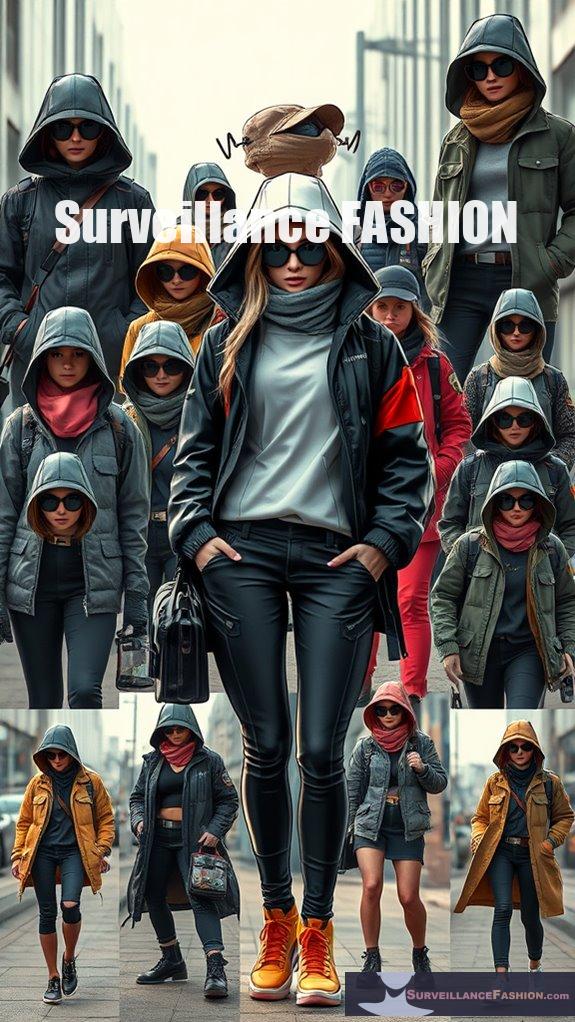
Author: Ava

  • Ways to Protect Your Identity at Protests

    Ways to Protect Your Identity at Protests

    To protect your identity during protests, employ discreet digital practices like using VPNs and encrypted messaging, alongside physical disguises such as oversized clothing and creative face paint techniques. For instance, wear masks or oversized hats to obscure identifiable features while utilizing angular makeup designs to disrupt facial recognition systems. Engaging in community coordination further enhances collective privacy. As you continue exploring strategies, you'll uncover even more innovative methods for maintaining anonymity amidst rising surveillance challenges.

    Quick Takeaways

    • Use secure messaging apps like Signal or WhatsApp to communicate without risking interception.
    • Wear masks and oversized clothing to obscure your identity from surveillance cameras.
    • Avoid posting identifiable photos or check-ins on social media during protests.
    • Utilize creative face paint techniques to disrupt facial recognition technology.
    • Keep your devices and sensitive data secure and backed up before attending protests.

    Protecting Your Identity During Protests

    safeguarding personal information publicly

    How can you navigate the complexities of identity protection while actively participating in protests? In a world where digital anonymity often feels elusive, taking proactive steps to safeguard your identity becomes essential, especially in the situation of mass gatherings where surveillance is prevalent.

    You can start by utilizing secure communication tools to verify that your conversations remain private and encrypted. Apps like Signal or WhatsApp provide end-to-end encryption, making it far more difficult for unauthorized parties to intercept your messages. Additionally, anti-surveillance methods can help ensure that your communication remains confidential during protests. Grassroots movements often employ community coordination to share these methods effectively.

    Furthermore, implementing digital security measures such as full-disk encryption on your devices can protect your data from prying eyes. When you're preparing to attend a protest, consider using a Virtual Private Network (VPN) or the Tor Browser, which helps conceal your IP address and browsing activity, further enhancing your digital anonymity. This way, you can engage in discussions and coordinate actions without fear of being tracked online. Protecting identity is crucial, particularly for those who rely on their devices for organizing protests.

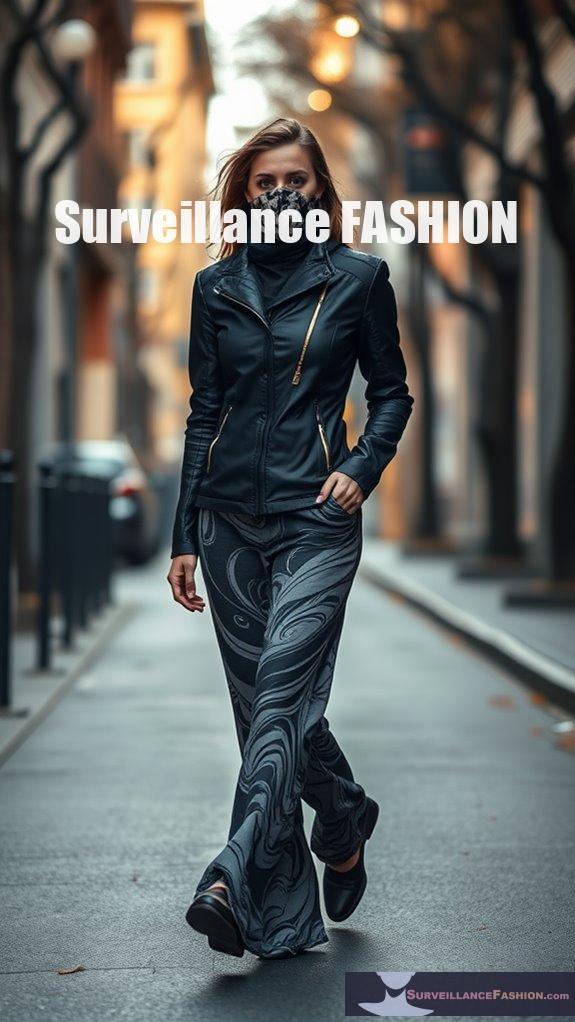
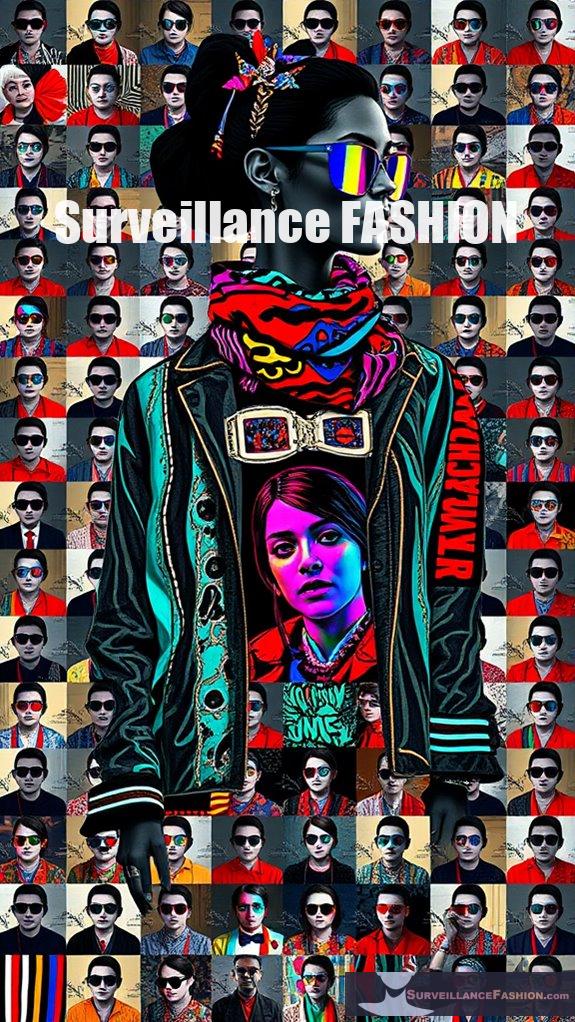
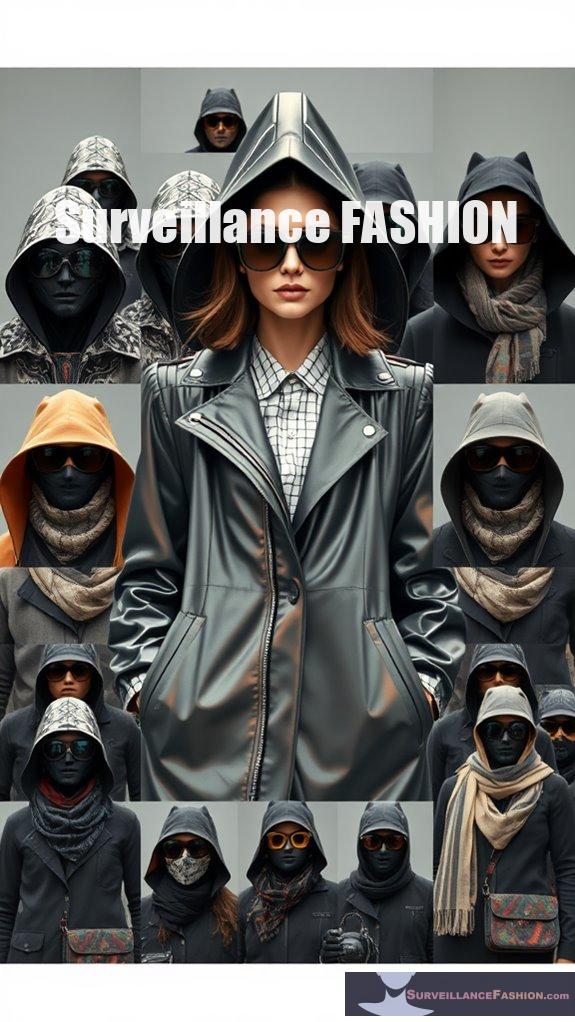
    It's vital to think about the physical aspects of identity protection as well. Wearing masks or headgear can obscure your face from surveillance cameras, but always be mindful of local laws regarding face concealment. Moreover, avoiding identifiable clothing or accessories—such as branded items or distinct tattoos—can help you blend into the crowd.

    When posting about the protest on social media, refrain from check-ins or sharing images that might reveal your location or identity. This helps create an extra layer of protection for you and your fellow protesters.

    Managing your online presence is another significant step. If you're involved in organizing or participating in protests, consider creating new social media accounts dedicated solely to these activities. This allows you to maintain a clear boundary between your personal life and your activism.

    Keep in mind to keep these accounts private and avoid tagging others in your posts to protect their identities as well. Keeping event pages private can limit surveillance by authorities, allowing you to focus on the cause without the added stress of unwanted attention.

    Before heading out, take some time to prepare your devices for potential confiscation by backing up data and confirming that any sensitive information is secured. Familiarizing yourself with common surveillance methods can empower you to navigate the protest environment more safely.

    Carry emergency contact information on paper, as this can be invaluable in unexpected situations.

    Ultimately, the key to successfully protecting your identity at protests lies in a blend of awareness and preparation. By understanding the risks and implementing these digital security measures alongside physical identity protection strategies, you can actively participate in meaningful social change while minimizing your exposure to surveillance.

    At Surveillance Fashion, we emphasize the importance of being informed and equipped to navigate these challenges, fostering a sense of community among those who seek to advocate for their beliefs without compromising their privacy.

    Disguising With Oversized Accessories
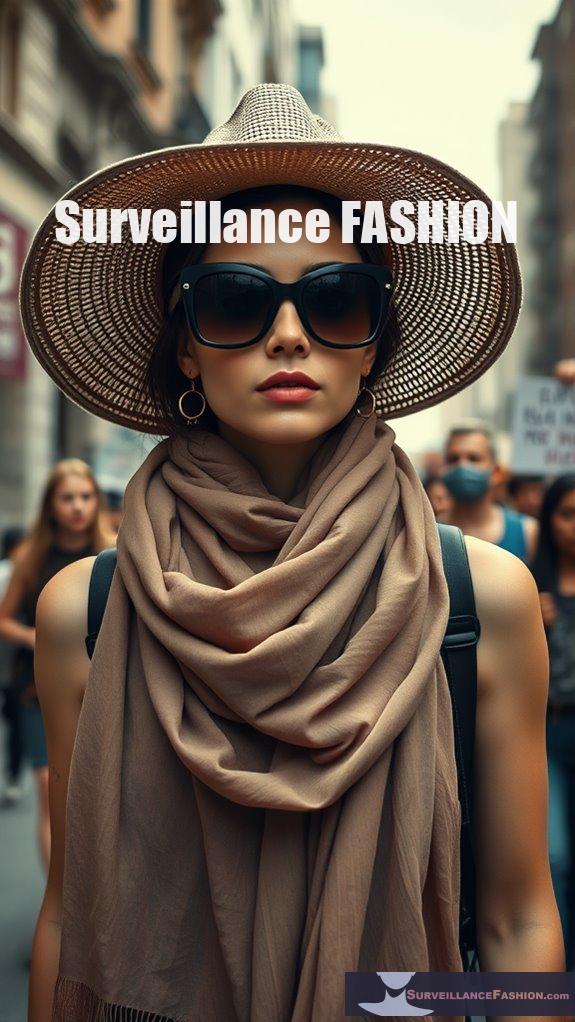
    oversized accessories for disguise

    Oversized accessories play a significant role in enhancing your anonymity at protests, serving as practical tools for evading surveillance while allowing you to participate actively in social movements.

    Consider these effective strategies:

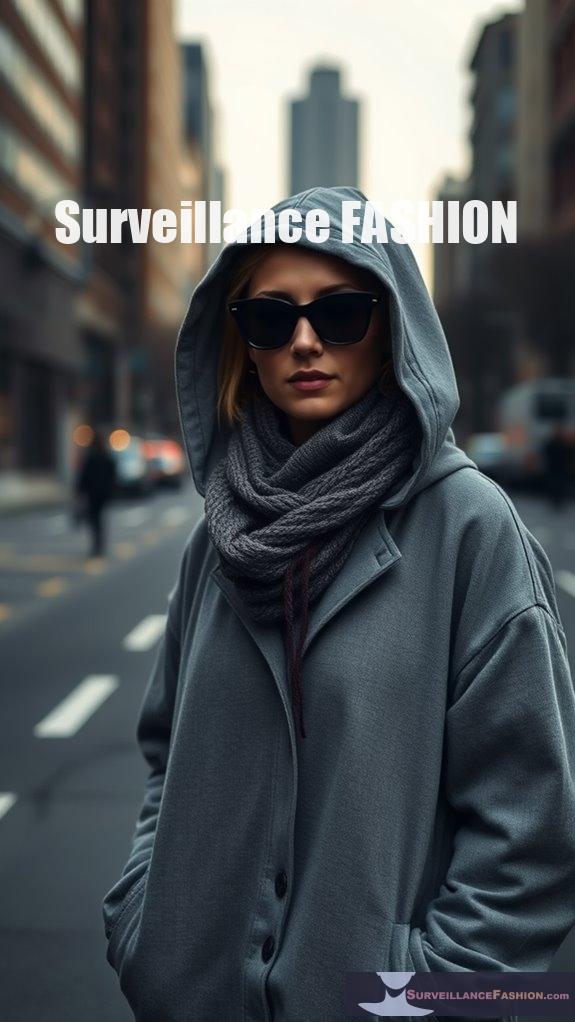
    • Opt for oversized clothing that conceals identifying features like birthmarks or tattoos, effectively reducing the visibility of your body shape. This approach aligns with the trend of anonymous silhouette-altering clothing that prioritizes discretion.
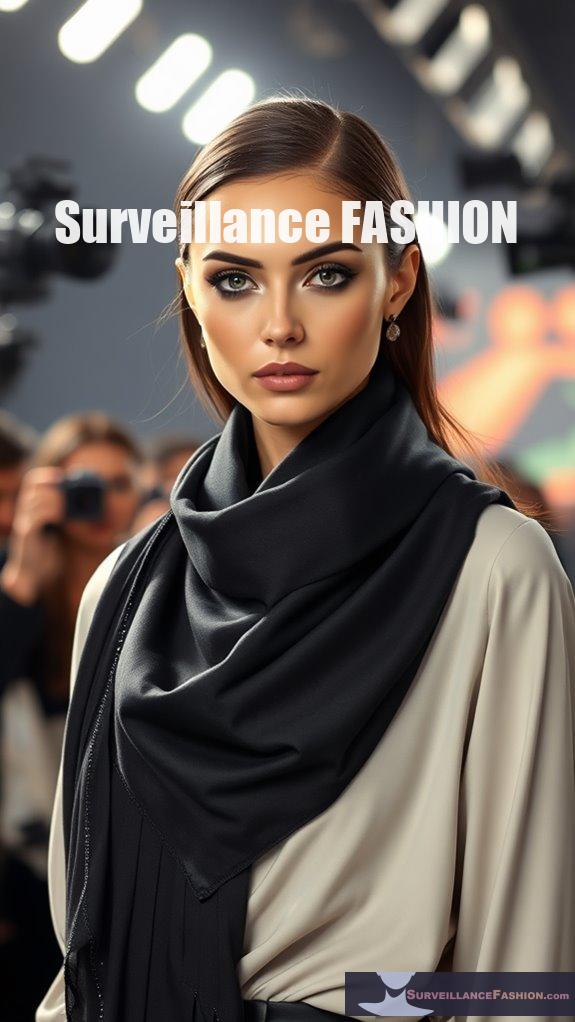
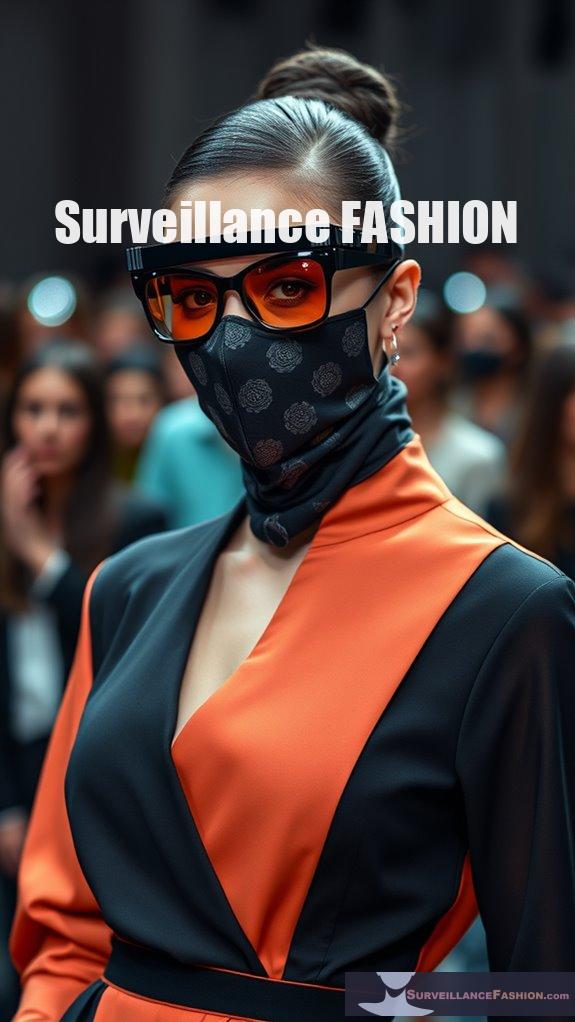
    • Incorporate oversized headwear styles, such as hats or scarves, to obscure facial features and distinctive hairstyles.
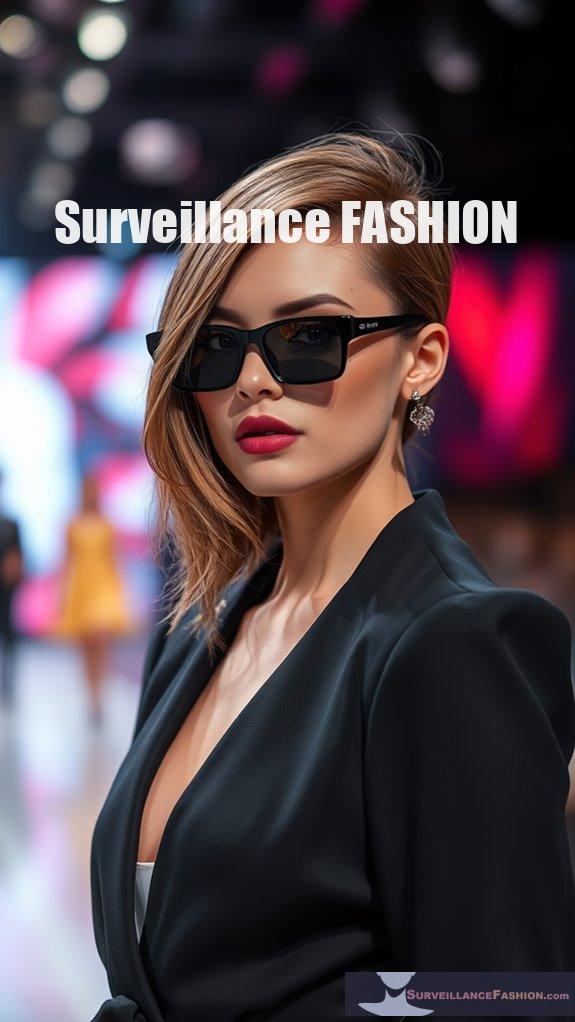
    • Use oversized sunglasses to obscure your eyes, making it more challenging for surveillance technology to recognize you.
    • Avoid recognizable logos or vibrant colors, as neutral tones help you blend into the crowd seamlessly.
    • Employing fashion ideas for cctv-defeating wearable technology can further enhance your ability to remain unnoticed in urban environments.

    Masking With Creative Face Paint
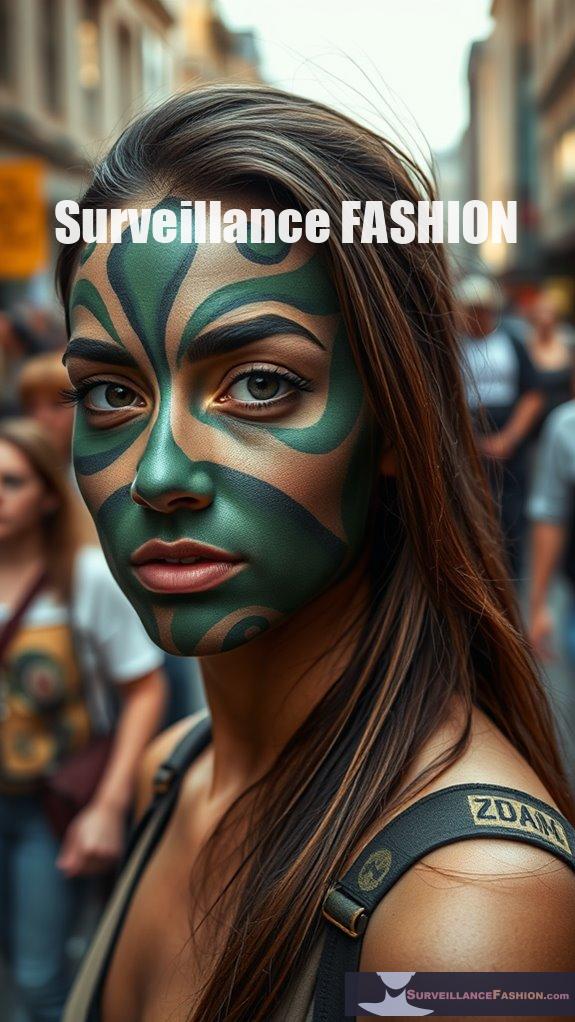
    artistic facial disguise techniques

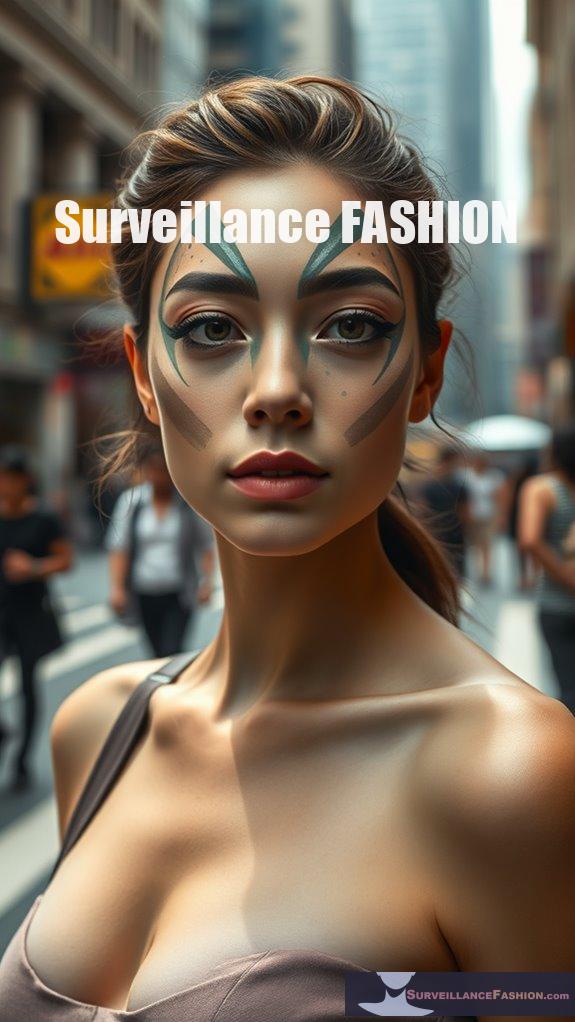
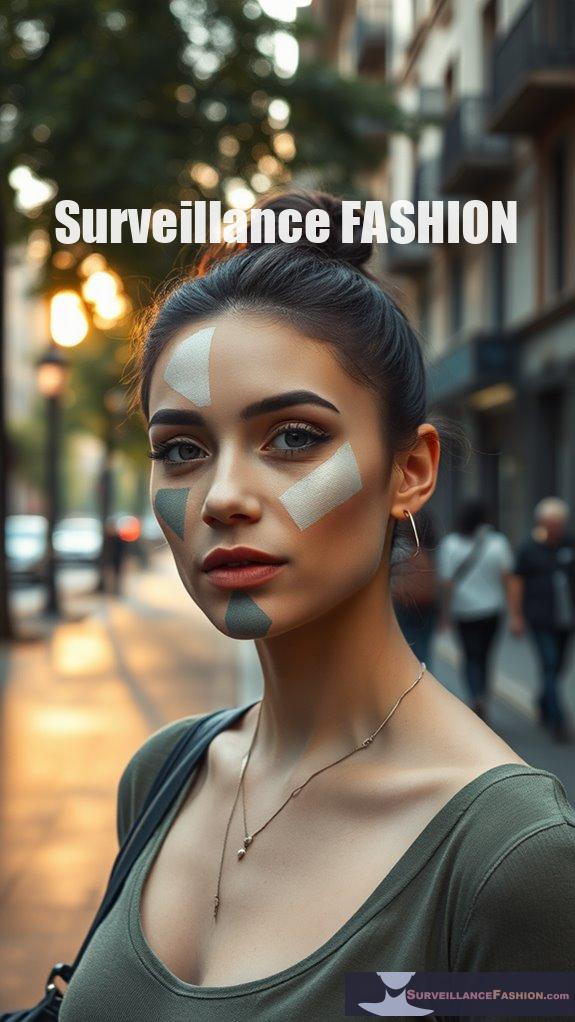
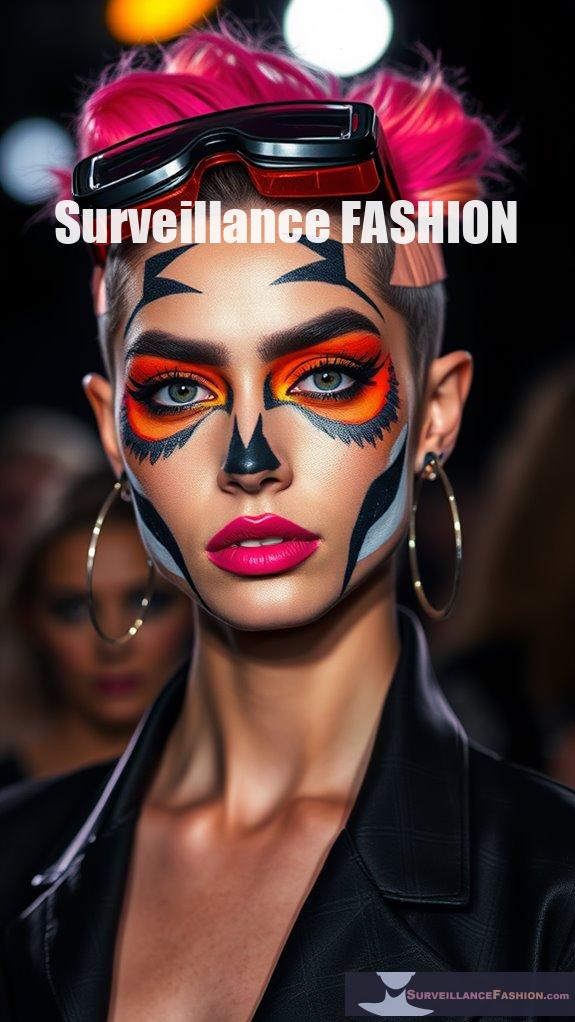
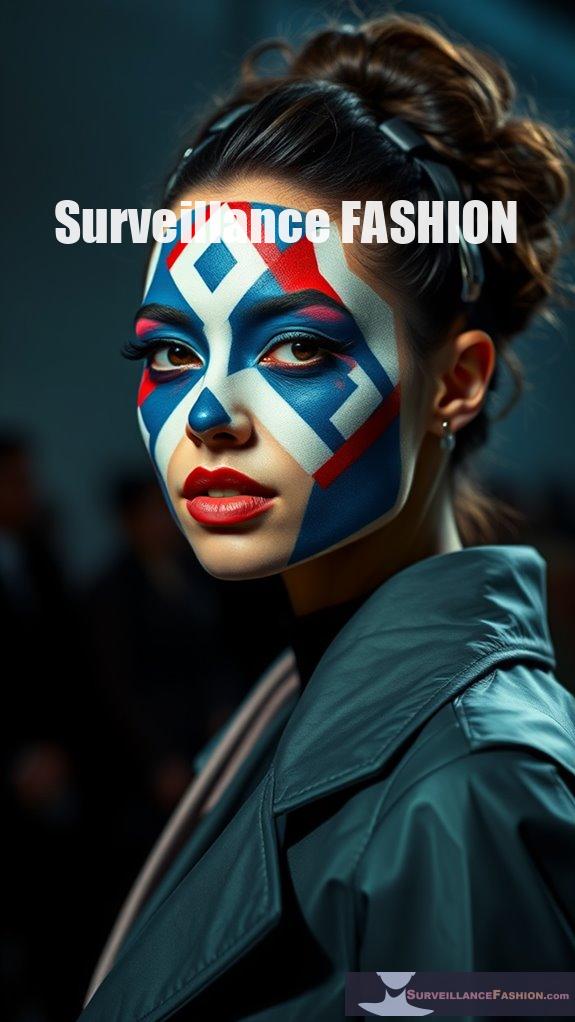
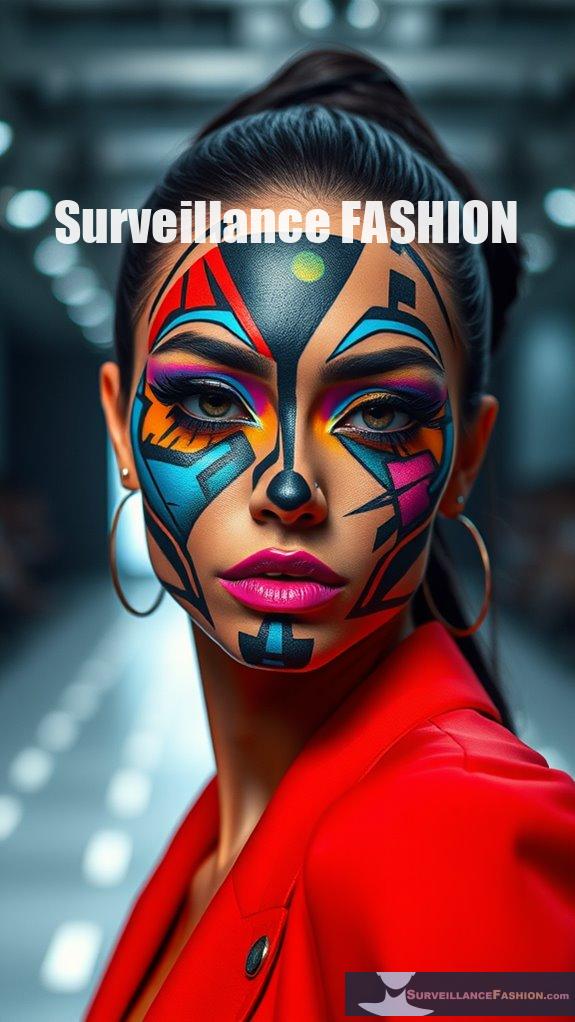
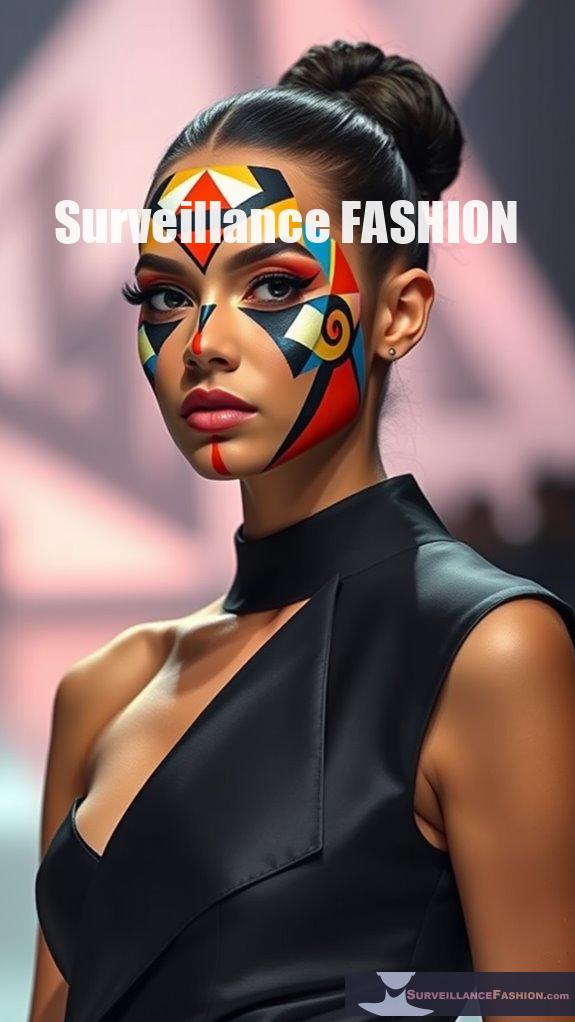
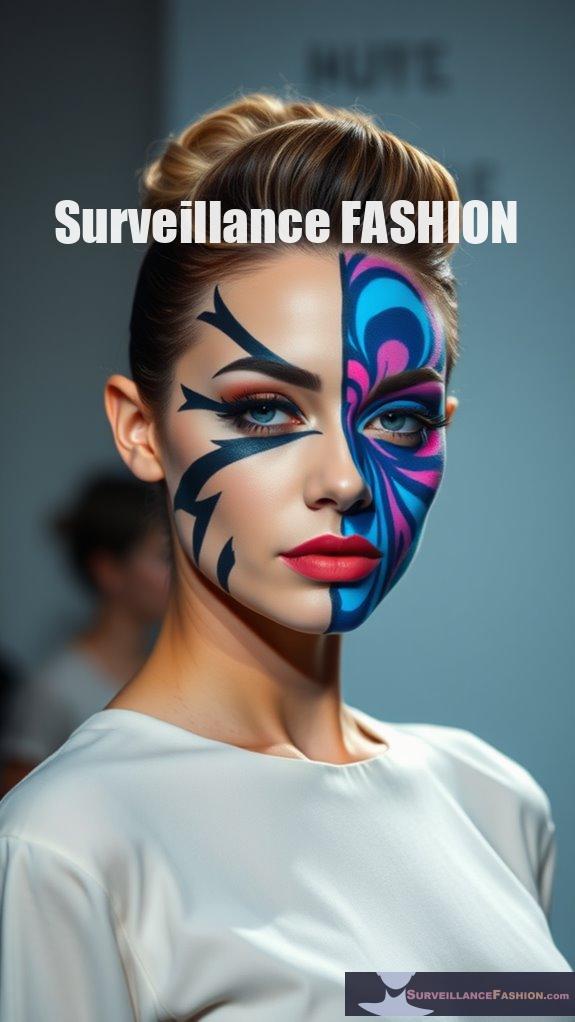
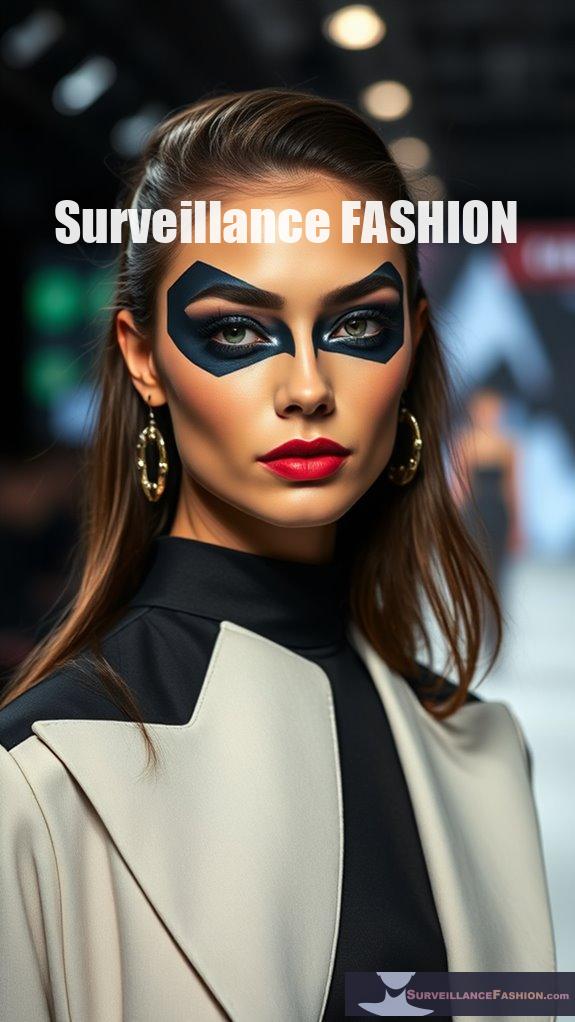
    Creative face paint offers a unique and effective method for masking one's identity during protests, providing participants with an innovative approach to evade surveillance technology. By employing various masking techniques, such as CV Dazzle Makeup, which utilizes angular shapes and contrasting colors, you can obscure your facial features, making it harder for recognition algorithms to identify you. The use of dazzle makeup techniques can further enhance the effectiveness of your disguise.

    Creative face paint is a powerful tool for obscuring identity and evading surveillance during protests.

    Asymmetrical designs disrupt familiar patterns, while bright, bold colors draw attention away from your actual features. Techniques like nose bridge obscuration—covering the area where the nose, eyes, and forehead meet—further enhance your disguise. Additionally, incorporating unconventional hairstyles or thick black lines can amplify your creative expression, creating a striking visual statement against surveillance.

    It's essential to remember that anti-facial recognition makeup techniques can vary in effectiveness depending on the technology used, so experimenting with different styles can yield better protection. While these methods may not fool advanced technology entirely, they serve as a powerful form of protest, and our website, Surveillance Fashion, aims to explore such innovative strategies, encouraging community involvement in identity protection.

    References

  • 7 Camera-Defeating Fashion Accessories Worth Buying

    7 Camera-Defeating Fashion Accessories Worth Buying

    Ever feel like you're being watched? Yeah, me too.

    I once strolled through the city, camera flashes popping like popcorn. I thought, "Great, now I'm someone's Instagram story."

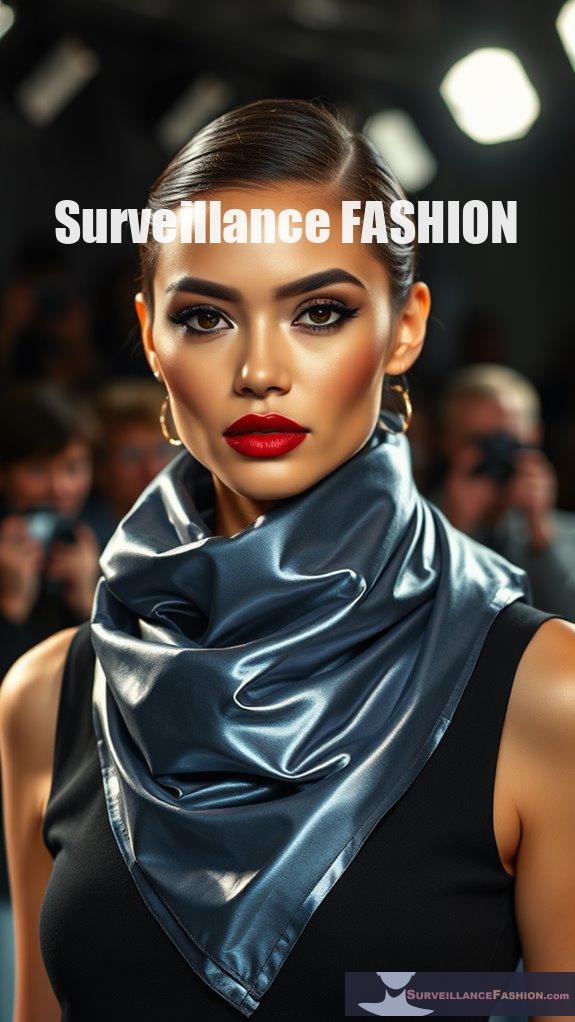
    That's when I discovered anti-paparazzi scarves and face masks that mess with facial recognition. Who knew fashion could be my personal bodyguard?

    With Adam Harvey's stealth wear, I felt like a ninja in broad daylight.

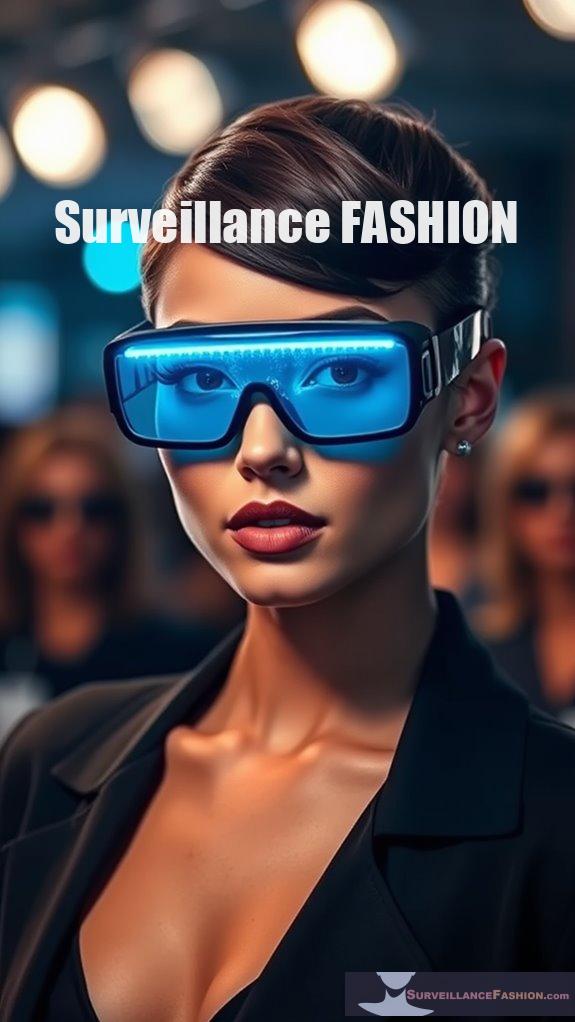
    And those LED glasses? They're like a disco ball for surveillance!

    It's empowering to reclaim my privacy, wouldn't you agree?

    Now I feel stylishly sneaky, ready to take on the world—one paparazzo at a time.

    The Minimalist Approach to Anti-Surveillance Fashion: My Journey to Less is More

    Embracing minimalism changed my life. I started with my closet—less clutter meant more clarity.

    I ditched the flashy outfits for sleek, anti-surveillance gear. A single anti-paparazzi scarf paired with versatile pieces transformed my wardrobe.

    Less is more, they say, and I found freedom in simplicity.

    Now, each accessory I own serves a purpose, blending style with security.

    It's not just about looking good; it's about feeling good.

    In a world where privacy is rare, I've chosen to protect mine—one minimalist piece at a time.

    Quick Takeaways

    • Anti-Paparazzi Scarves: Utilize retro-reflective materials to confuse cameras, providing a stylish way to protect personal privacy from unwanted media attention.
    • Adam Harvey's Stealth Wear: Fashionable garments made from thermal-masking fabric help you evade surveillance while maintaining comfort and style.
    • Privacy Visor: A chic accessory that employs reflective materials to disrupt facial recognition, blending functionality with modern aesthetics.
    • Reflectacles (Ghost Version): Stylish eyewear that reflects infrared and visible light, designed to block recognition while offering prescription lens options.
    • Temporary Face Paintings: Creative designs that obscure facial features, effectively confusing recognition algorithms and promoting privacy awareness in a fashionable manner.

    Anti-Paparazzi Scarves

    paparazzi resistant fashion accessory

    In recent years, an intriguing intersection of fashion and technology has emerged through the development of anti-paparazzi scarves, which serve not only as stylish accessories but also as practical tools for privacy protection.

    These scarves utilize retro-reflective materials that confuse cameras, tricking them into improperly adjusting flash settings. For instance, the ISHU scarf, popular among celebrities, effectively renders portions of photographs excessively bright, thereby protecting celebrity privacy. The ISHU scarf is made from highly reflective fabric, which enhances its effectiveness against flash photography. Many designers are exploring advanced materials that not only provide privacy but also offer unique textures and styles.

    As you embrace these anti-paparazzi trends, consider how they symbolize a broader cultural movement towards reclaiming personal space amidst intrusive media scrutiny, an ethos that inspired the creation of our website, Surveillance Fashion, dedicated to fashion-forward privacy solutions.

    Face Masks

    protective face coverings essential

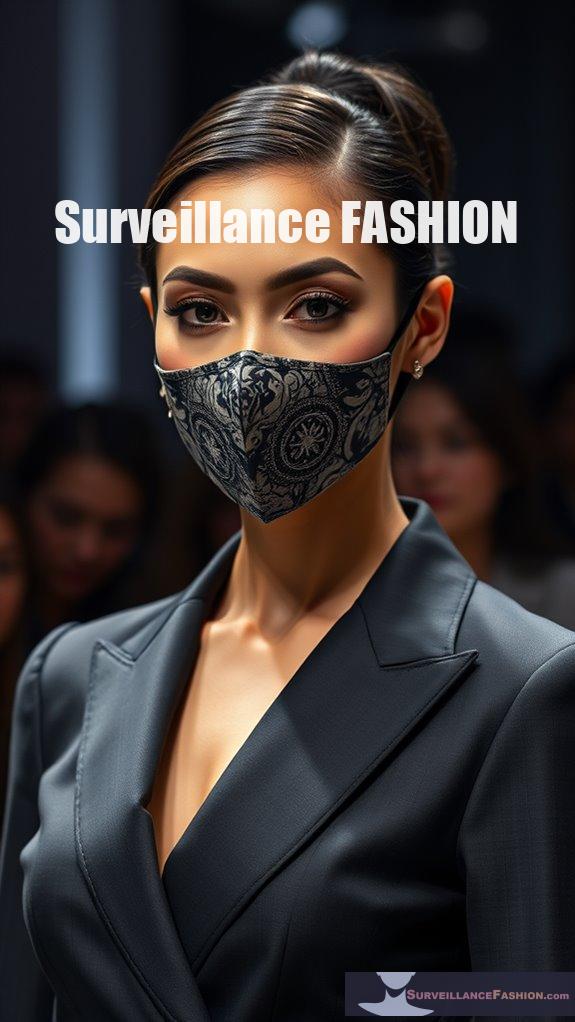
    As facial recognition technologies proliferate in public spaces, face masks have emerged as unexpected allies in the quest for privacy, effectively obstructing these systems in notable ways. Their mask effectiveness can considerably disrupt recognition algorithms, leading to error rates between 5% and 50%.

    Consider these points:

    1. Privacy Protection: Masks serve as a barrier against unwanted surveillance.
    2. Technological Adaptation: Systems are advancing to identify faces even when partially obscured, as recent studies show that advanced algorithms can achieve nearly 99% sensitivity in recognizing obscured faces. This rising trend highlights the need for creative countermeasures to maintain personal privacy.
    3. Legislative Responses: Ongoing efforts aim to regulate facial recognition due to rising privacy concerns.

    In this scenario, masks become a practical accessory for those valuing freedom from surveillance.

    Temporary Face Paintings

    transitory artistic facial designs

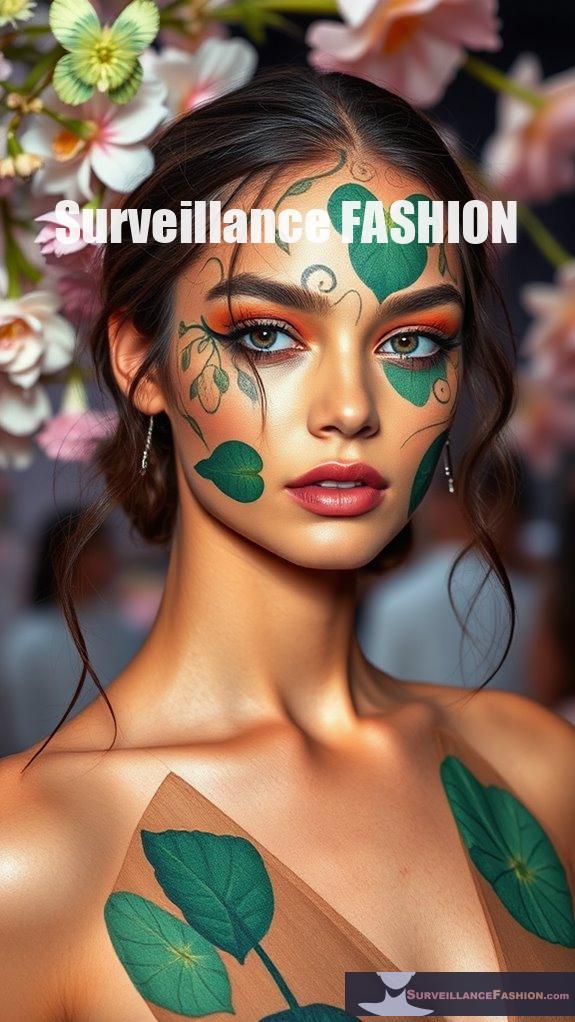
    Temporary face paintings emerge as a fascinating intersection of art and technology, serving not only as a bold fashion statement but also as a practical tool for evading facial recognition systems. By employing complex designs and vibrant colors, you can create unique artistic expressions that distract computer algorithms and enhance your privacy awareness. These temporary adornments, while visually striking, also challenge societal norms regarding surveillance. As facial recognition technology widely used in various applications continues to evolve, the significance of such innovative designs becomes even more pertinent.

    Moreover, these methods are inspired by anti-surveillance makeup techniques that have been developed to outwit facial recognition systems. As cultural influences shape these designs, they engage communities in conversations about privacy, encouraging a collective stance against invasive monitoring. Hence, wearing such face paintings not only showcases personal style but also promotes deeper societal awareness.

    Adam Harvey's Stealth Wear

    fashion meets privacy technology

    Fashion continues to evolve, often reflecting deeper societal issues, and Adam Harvey's Stealth Wear collection embodies this intersection of style and surveillance awareness.

    Fashion evolves to mirror societal shifts, and Adam Harvey's Stealth Wear collection highlights the critical link between style and surveillance awareness.

    With the stealth wear evolution gaining traction, these garments serve as both a statement and a shield.

    Consider these key features:

    1. Thermal Protection: Made from metallized fabric, they mask your thermal signature from surveillance technology.
    2. Breathability: Lightweight and comfortable, ensuring safety during wear.
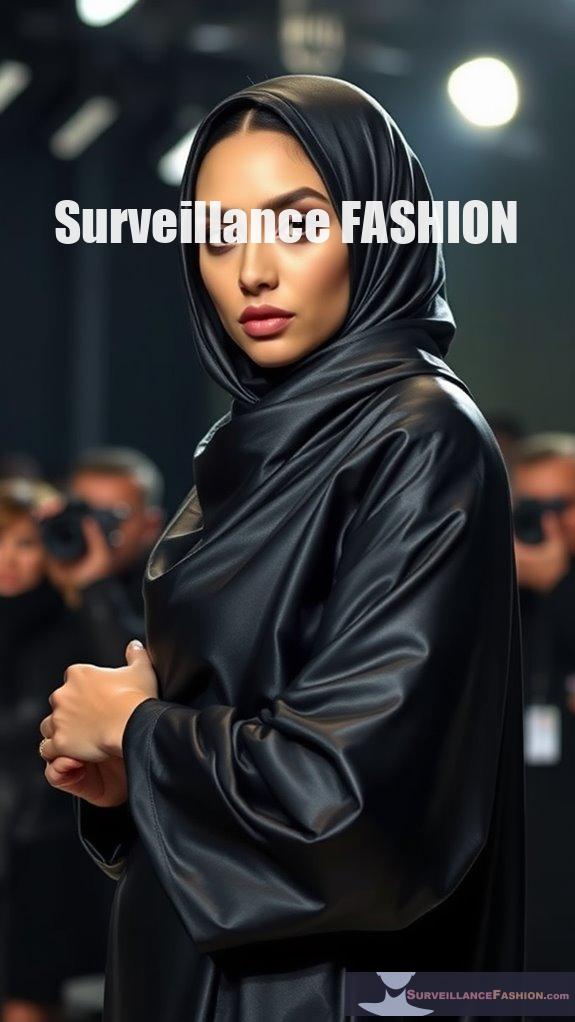
    3. Cultural Fusion: Blending traditional garments like the hijab with anti-surveillance elements, they promote fashion resistance while sparking essential conversations about privacy.

    Explore Stealth Wear at the Privacy Gift Shop.

    Camera-Fighting LED Glasses (Privacy Visor)

    privacy enhancing led eyewear

    In an age where facial recognition technology has become increasingly pervasive, the Privacy Visor emerges as a revolutionary response to the growing concerns surrounding personal privacy. Designed by researchers at the National Institute of Informatics in Tokyo, this innovative accessory employs advanced privacy technology to disrupt facial recognition systems effectively.

    Utilizing reflective and absorptive materials, the glasses target critical facial features, creating "noise" that renders identification nearly impossible.

    Early prototypes evolved from cumbersome goggles to stylish, lightweight designs. Priced around $240, the Privacy Visor not only empowers individuals to protect their identities but also fuels conversations about our rights in an increasingly surveilled world.

    Reflectacles (Ghost Version)

    ghostly reflective eyewear design

    Reflectacles, specifically the Ghost version, represent a significant advancement in the domain of privacy-enhancing eyewear, building upon the foundational concepts established by predecessors like the Privacy Visor.

    These innovative glasses offer:

    1. Infrared protection by reflecting both infrared and visible light, blocking facial recognition technology.
    2. High-quality cellulose acetate construction, ensuring durability and comfort with adjustable frames.
    3. Versatile lens options, including prescription compatibility and effective UV and blue light blocking.

    With Reflectacles, you embrace privacy technology that empowers your freedom, safeguarding against unwanted surveillance while maintaining style.

    Embrace privacy technology with Reflectacles, protecting your freedom from surveillance while keeping your style intact.

    They exemplify how we can creatively reclaim our privacy in an increasingly monitored world.

    ISHU's Anti-Flash Scarves

    stylish protective scarf collection

    While the need for privacy in an increasingly digital world grows ever more pressing, ISHU's anti-flash scarves provide a practical and stylish solution for those seeking to shield themselves from unwanted photography.

    These scarves, featuring unisex design versatility, seamlessly blend fashion with innovative technology derived from nano-spherical crystals that effectively obscure images captured by mobile flash photography.

    Celebrity endorsements from figures like Beyoncé and Jay-Z lend credibility to their appeal, enhancing their status as a must-have accessory.

    Whether draped or tied, ISHU's scarves empower you to navigate public spaces while maintaining your personal freedom in this surveillance-heavy age.

    Trendy Anti-Surveillance Accessories

    stylish privacy protection gear

    How can you navigate a world increasingly dominated by surveillance without sacrificing your sense of style? Embracing trendy anti-surveillance accessories not only enhances your wardrobe but also aligns with your desire for privacy and freedom.

    Consider these innovative options:

    1. Vollebak's Black Squid Jacket: This adaptive apparel features microscopic glass spheres for camouflage.
    2. Facial Weaponization Masks: These masks evade facial recognition by using aggregated biometric data.
    3. Disruptive Patterned Fabrics: Designed to confuse digital surveillance, these fabrics mimic various images.

    Staying stylish while promoting surveillance awareness is indeed possible through these cutting-edge fashion choices.

    Stylish Privacy-Enhancing Accessories

    chic privacy protection gear

    In a setting where personal privacy frequently clashes with modern design aesthetics, the emergence of stylish privacy-enhancing accessories presents a compelling solution for those seeking to safeguard their personal space without compromising their taste.

    For instance, privacy curtains, like those from Covoc, effectively block light while offering a range of materials and colors, making them suitable for diverse environments, from hospitals to homes.

    Similarly, outdoor screens, designed to conceal unsightly elements and enhance aesthetic appeal, provide customizable privacy options that adapt seamlessly to outdoor living spaces.

    Fashion That Thwarts Surveillance

    privacy enhancing fashion trends

    As concerns about pervasive surveillance grow, you might find yourself intrigued by fashion that actively thwarts such technologies, transforming everyday attire into a shield against intrusive observation.

    Consider these innovative options:

    1. Face Masks: These obscure your features, complicating facial recognition.
    2. Abstract Patterns: They confuse algorithms, creating non-human images.
    3. Signal-Blocking Fabrics: These materials prevent device tracking, enhancing your privacy rights.

    Through fashion innovation, you can creatively assert your right to anonymity.

    As this website suggests, blending style with purpose empowers you to navigate an increasingly monitored world while making a statement about personal freedom.

    References

  • What Privacy Tools Keep Protesters Safe Today?

    What Privacy Tools Keep Protesters Safe Today?

    To safeguard your privacy during protests, leverage encrypted messaging apps like Signal, which provide end-to-end encryption and features such as disappearing messages that give you control over your data. Engage decentralized communication platforms like Bridgefy and Session for anonymous interactions, enhancing your safety. Furthermore, consider disguised clothing to obscure your identity and reduce tracking, utilizing layers and face coverings while maneuvering through the complexities of public presence. Explore advanced tools and strategies for maintaining your anonymity and safety during demonstrations.

    Quick Takeaways

    • Use encrypted messaging apps like Signal for secure, private communication that protects your conversations from surveillance.
    • Disable location services and utilize offline maps to prevent tracking during protests.
    • Employ disguised clothing and face coverings to obscure your identity and enhance anonymity.
    • Back up sensitive data before protests and delete it afterward to mitigate risks of unauthorized access.
    • Explore decentralized communication platforms like Bridgefy and Session for resilient, private messaging options.

    Protecting Privacy During Protests

    safeguarding personal information during protests

    How can you effectively protect your privacy while participating in protests, where the convergence of political expression and digital surveillance creates a precarious environment? The answer lies in utilizing a combination of encrypted messaging and robust data protection strategies. In an era where your digital footprint can be scrutinized at any moment, the tools you choose to communicate can make all the difference.

    First and foremost, opting for encrypted messaging apps like Signal can greatly enhance your privacy. Signal’s end-to-end encryption guarantees that your conversations remain confidential, shielding them from unwarranted access. Additionally, the disappearing messages feature adds an extra layer of security, allowing you to control what’s stored, or not stored, on your device. This is particularly critical as many communities are empowering themselves against surveillance with various countermeasures, including collective anti-surveillance organizing strategies.

    While other platforms like WhatsApp and iMessage offer some encryption, they come with caveats such as corporate ownership and potential data backups in cloud services, which can compromise your privacy. On the contrary, Signal prioritizes user anonymity, making it a reliable choice for sensitive discussions.

    When participating in protests, the risk of surveillance is ever-present, particularly from tools like IMSI catchers that can intercept unencrypted communications. To mitigate this risk, using encrypted messaging is imperative. Tools like Safety Numbers in Signal or Security Codes in WhatsApp provide a way to verify that your messages are securely exchanged, confirming that you’re communicating with trusted individuals. This level of data protection is essential, especially in crowded environments where anonymity becomes increasingly challenging.

    Additionally, it’s important to adopt further data protection strategies that can safeguard your personal information. For instance, consider disabling location services or using offline maps to navigate the area without leaving a digital trail. Engaging airplane mode not only limits network connections but also prevents unintended data collection by your phone’s service provider. Furthermore, being aware of local laws regarding photography can ensure you do not accidentally violate regulations while documenting events.

    If you find yourself in a situation where your device might be confiscated, disabling biometric authentication can prevent forced access, a tactic that many overlook.

    Before you head out, keep in mind to back up sensitive data. This prudent step guarantees that you retain important information, even if your device is compromised. After the protest, promptly delete any sensitive data related to the event. This practice can greatly reduce risks associated with potential surveillance or unauthorized access.

    With the advent of advanced surveillance technologies, including facial recognition, the need for privacy tools has never been more essential. As we created this website, Surveillance Fashion, to empower individuals with knowledge about protecting their identities, we recognize the importance of informed choices in the digital age.

    The blend of encrypted messaging with strategic data protection not only fortifies your privacy during protests but also cultivates a culture of awareness and vigilance.

    Disguised Clothing for Anonymity

    anonymous fashion choices

    Amid the pressing need for privacy tools in protests, the strategic selection of disguised clothing emerges as an essential tactic for maintaining anonymity. By utilizing clothing layers, you can obscure your identity effectively, making it difficult for authorities to track your movements.

    Face coverings, such as masks or bandanas, play a significant role in this approach, embodying mask symbolism that unifies participants under a shared cause. The historical backdrop of disguises, like those worn during the Boston Tea Party, illustrates how clothing not only serves practical purposes but also conveys powerful messages. anti-surveillance fashion promotes creativity and self-expression, allowing individuals to challenge oppressive systems.

    Face coverings symbolize unity in protest, echoing the historical power of disguises to convey shared messages and purpose.

    Layering your clothing allows for quick alterations to your appearance, thereby complicating surveillance efforts that may rely on gait analysis or other identification techniques. Incorporating anti-surveillance clothing into your outfit can further enhance your ability to evade detection and protect your privacy.

    This art of disguise not only enhances personal safety but also contributes to a collective identity, as seen in movements where anonymity fosters a sense of unity among protesters.

    Decentralized Communication Platforms

    decentralized communication network solutions

    As the terrain of digital communication evolves, activists increasingly turn to decentralized communication platforms to safeguard their interactions and organizational efforts from pervasive surveillance and censorship.

    These platforms, employing decentralized messaging, offer a lifeline for activist networks, providing a space where your conversations remain private and resilient against government interference.

    For instance, Bridgefy enables offline communication through Bluetooth mesh networks, allowing you to connect even when internet access is restricted. Similarly, Session guarantees your messaging remains anonymous, while Matrix Protocol empowers you with full control over your communications.

    The reliance on blockchain technology enhances privacy, adding an additional layer of security that’s essential for those maneuvering sensitive issues.

    Though challenges remain, such as user adoption complexities, the growing shift toward decentralized solutions reflects a broader desire for empowerment and autonomy in activism.

    This shift resonates with our mission at Surveillance Fashion to promote innovative protective measures for individuals engaged in social movements.

    References

  • Camouflaging Your Face: Computer Vision-Proof Makeup Guide

    Camouflaging Your Face: Computer Vision-Proof Makeup Guide

    Ever thought about how to hide from the all-seeing eyes of surveillance?

    Let me tell you, I once walked into a party looking like a Picasso painting. I used CV Dazzle techniques—high-contrast makeup and asymmetrical designs, all to confuse those pesky facial recognition algorithms.

    Sure, I got a few weird looks, but hey, I was invisible!

    With natural bristles for precision and accessories that sparkled like a disco ball, I felt like a stealthy ninja of identity.

    But let's be real—how often do we really need to hide?

    Embracing Minimalism: A Journey to Identity Protection

    I remember decluttering my closet one rainy afternoon, realizing that less is truly more. I ditched the excess and kept only the essentials—like my trusty oversized sunglasses and a chic hat.

    These pieces became my armor against prying eyes. Each item holds a story, and I felt liberated, shedding the pressure of constant surveillance.

    Minimalism isn't just about owning fewer things; it's about carving out a space for privacy in a world that tries to know everything about us. Who knew simplifying my life would also protect my identity?

    Quick Takeaways

    • Use asymmetrical makeup techniques to disrupt facial symmetry and confuse facial recognition algorithms targeting key landmarks.
    • Incorporate high-contrast colors and geological patterns to obscure facial features and alter textures effectively.
    • Combine theatrical cosmetics with contouring to mimic target characteristics and enhance evasion from biometric systems.
    • Employ accessories like hats, scarves, and reflective eyewear to physically shield your face from recognition technologies.
    • Explore fashion trends designed with privacy features, such as adaptive camouflage and distracting patterns, to enhance personal privacy.

    Understanding CV Dazzle Techniques

    cv dazzle camouflage methods

    In the domain of contemporary aesthetics and technology, CV Dazzle techniques emerge as a fascinating intersection of art and science, offering individuals a means to navigate the complexities of facial recognition systems.

    Drawing from makeup history and innovative camouflage techniques, these methods exploit algorithm vulnerabilities by manipulating light and dark areas on the face. High-contrast makeup, often black and white, disrupts expected facial symmetry, while asymmetric styling occludes key features. CV Dazzle was initially designed to target the Viola-Jones face detection algorithm, showcasing its ability to thwart machine vision systems while remaining visible to humans. This approach has proven effective against facial recognition algorithms that rely on detecting facial landmarks.

    Inspired by WWI dazzle camouflage, CV Dazzle adapts to advancing technologies, embodying not just a practical response to surveillance but also a form of artistic expression within the movement for privacy awareness.

    Essential Makeup Tools and Materials

    makeup tools and materials

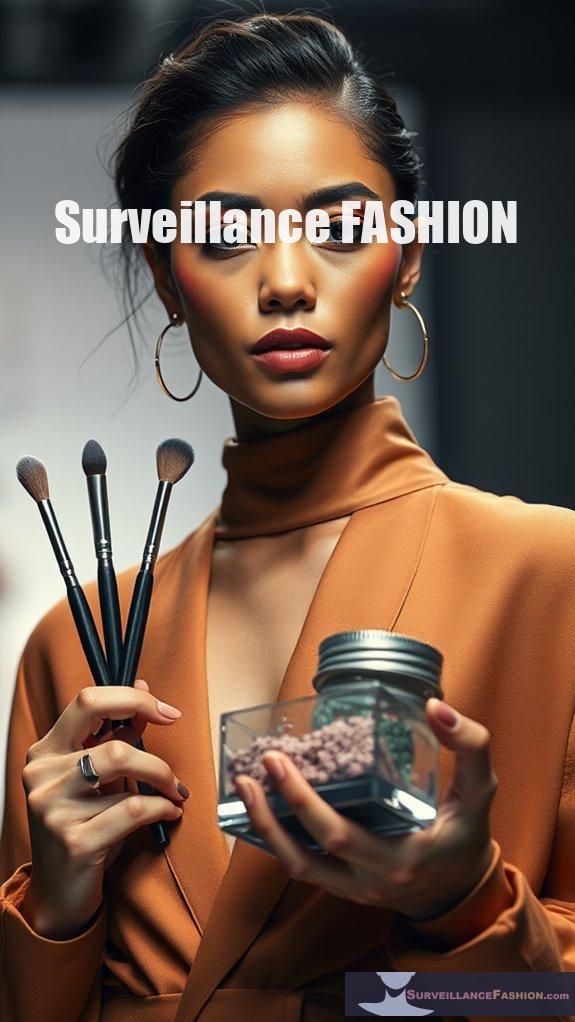
    The application of makeup has evolved considerably, especially when considering its intersection with technology and personal expression. To effectively navigate this environment, understanding essential makeup materials and beauty tools is vital. Durable metals like stainless steel and aluminum are favored for their versatility in beauty tools, while elegant glass containers enhance user experience. Metal tools often provide a professional and polished appearance, making them a popular choice among makeup enthusiasts. The use of anti-facial recognition techniques in makeup application is becoming increasingly significant in today's tech-driven society.

    Natural bristles in luxury brushes offer gentle application, and silicone sponges guarantee flexibility. Packaging often utilizes resilient plastics, such as polypropylene, combining functionality with aesthetic appeal. As we explore these materials, it's clear that sustainable practices are emerging, reflecting a growing commitment to mindful beauty—an ethos that inspired our creation of Surveillance Fashion.

    Key Makeup Strategies for Obscuring Features

    makeup techniques for concealment

    While traditional makeup application often highlights and enhances facial features, key strategies for obscuring those features have emerged, especially in the framework of evading facial recognition technologies. To disrupt detection algorithms, consider employing asymmetrical makeup that skews typical facial symmetry, utilizing techniques targeting prominent landmarks like the nose bridge and eyes. Incorporating geological patterns inspired by CV Dazzle, and layering contrasting colors, can further confuse recognition systems. Additionally, utilizing anti-surveillance methods can enhance the effectiveness of your makeup by creating a more unpredictable visual profile. Moreover, hairstyles and fashion accessories can obscure facial contours, enhancing the illusion of irregularity. These methods not only empower individual expression but also align with our mission at Surveillance Fashion to navigate an increasingly monitored world. Notably, makeup presentation attacks maintain liveness cues, making them effective against detection systems.

    Limitations of Computer Vision Makeup

    challenges in makeup application

    As you explore the terrain of computer vision makeup, recognizing its limitations becomes essential for understanding how effectively these techniques can obscure facial features in the face of advanced recognition systems.

    Occlusion challenges arise when masks or other makeup techniques obscure critical facial elements, greatly impairing recognition accuracy. For instance, while masks can halve performance, eye occlusions also diminish effectiveness but to a lesser degree.

    Furthermore, the privacy implications of using such makeup techniques can complicate ethical concerns surrounding surveillance technologies. Ultimately, tailored approaches and ongoing algorithm improvements are necessary to address these limitations and enhance personal freedom in an increasingly monitored world.

    Makeup Presentation Attacks Explained

    makeup presentation attack methods

    Makeup presentation attacks (M-PAs) represent a fascinating intersection of artistry and technology, where individuals leverage cosmetics to manipulate their facial appearance for various motives, ranging from impersonation to evasion of biometric recognition systems.

    Utilizing impostor techniques, skilled makeup artists apply concealment methods to alter facial textures and shapes, thereby challenging facial recognition algorithms. For instance, theatrical cosmetics and strategic contouring can effectively mimic target features, achieving a deceptive likeness.

    As social media illustrates, these transformations can be striking, revealing vulnerabilities in biometric security systems. Ultimately, understanding M-PAs empowers individuals, highlighting the need for innovative approaches to combat identity concealment and impersonation.

    Countermeasures to Facial Recognition Detection

    facial recognition evasion techniques

    Facial recognition technology continues to advance, prompting a need for effective countermeasures that individuals can utilize to protect their identities.

    To enhance your digital privacy, consider physical and digital strategies for facial obfuscation. For example, wearing hats or reflective eyewear can obscure your features physically, while tools like Fawkes can corrupt your uploaded images online.

    Moreover, using face masks in appropriate settings or employing infrared disruptors can further shield your identity.

    Combining these methods into an extensive strategy not only helps deter surveillance but also emphasizes the importance of personal freedom in an increasingly monitored world.

    Disruptive Color Patterns

    vibrant unconventional design aesthetics

    Disruptive color patterns, which cleverly manipulate visual perception, can greatly enhance your ability to obscure your identity in an age of increasing surveillance.

    By employing high-contrast designs that promote visual fragmentation, you can effectively confuse facial recognition technologies.

    • Use non-repetitive configurations for unpredictability.
    • Incorporate spots, stripes, or geometric shapes to break outlines.
    • Combine these patterns with other techniques like background matching.
    • Experiment with color contrasts to distract from facial features.
    • Stay versatile across different environments, ensuring adaptability.

    Incorporating these disruptive patterns into your makeup can provide significant advantages in maintaining your privacy.

    Visual Disruption Techniques

    visual interference methods employed

    Visual disruption techniques encompass a range of strategies designed to confound the visual processing systems employed by various forms of computer vision, effectively rendering traditional identification methods less reliable.

    Fashion for Evading Recognition

    disguise through stylish clothing

    In an era characterized by ubiquitous surveillance, the intersection of fashion and privacy emerges as a compelling domain, where innovative designs not only challenge traditional aesthetics but also serve as shields against invasive recognition technologies.

    Consider these fashion trends that blend style with protection:

    • Anti-paparazzi scarves using reflective materials
    • Face masks, practical in common environments
    • Temporary face paintings for obscuring features
    • Patterned clothing with distracting prints
    • Adaptive camouflage jackets reflecting varied colors

    These innovations reflect a growing awareness of privacy rights, as more individuals seek to navigate a world increasingly dominated by surveillance technologies while maintaining their personal freedom.

    References

  • Privacy Clothing Tips Against Facial Recognition

    Privacy Clothing Tips Against Facial Recognition

    To effectively combat facial recognition, consider wearing loose-fitting clothing in bold patterns and contrasting colors, which can disrupt surveillance algorithms. Incorporating layers creates visual complexity, making it difficult for cameras to capture clear images. Reflective materials and animal-inspired prints can obscure your identity. Furthermore, employing cloaking fabrics that manipulate light can enhance invisibility. By choosing privacy-conscious fashion, you reclaim control over your visibility—a vital aspect of personal expression in modern society. Explore further to uncover additional strategies.

    Quick Takeaways

    • Opt for bold patterns and contrasting colors to confuse facial recognition algorithms and disrupt visual identification.
    • Wear loose-fitting clothing to provide better coverage and hinder identification by surveillance systems.
    • Incorporate layering techniques using mixed fabrics and textures to enhance visual complexity and evade detection.
    • Choose clothing made from cloaking fabrics that manipulate light or absorb infrared, making it harder for cameras to recognize you.
    • Accessorize with scarves and hats to add additional layers of disguise, further obscuring your identity from surveillance.

    Fashion Strategies for Privacy Protection

    privacy focused fashion approaches

    In a world increasingly dominated by surveillance technologies, you may find yourself seeking ways to protect your privacy without sacrificing style. The rise of facial recognition systems and other intrusive measures necessitate that you explore innovative approaches to clothing that not only reflect your personal aesthetic but also enhance your anonymity. One effective method is to contemplate the strategic use of color choices and layering techniques in your wardrobe.

    When selecting garments, recall that certain colors can disrupt the efficiency of facial recognition algorithms. For instance, highly contrasting colors or bold patterns can confuse these systems, making it challenging for them to accurately identify you. The innovative designs from Cap_able, such as their Manifesto Collection, embody this principle, featuring complex patterns that deliberately confuse surveillance technology. You might opt for hoodies or dresses that incorporate these principles and stimulate conversations about privacy rights and the misuse of biometric data. The Manifesto Collection showcases how fashion can serve as a statement for the right to privacy. Additionally, the use of disruptive patterns in clothing design has gained traction as a way to enhance privacy.

    Layering techniques also play a critical role in your anti-surveillance strategy. By mixing different fabrics and textures, you create a visual complexity that can hinder image recognition software. Choose to wear a combination of reflective and absorbent materials, which not only serve the functional purpose of disrupting infrared light detection during nighttime surveillance but also elevate your fashion game. For example, pairing a reflective jacket with a patterned top can serve both as a statement piece and a shield against unwanted attention.

    Layering different fabrics and textures creates visual complexity, enhancing your style while disrupting image recognition systems.

    Think about the silhouette of your outfits as well. Loose-fitting clothing often provides better coverage, making it more difficult for facial recognition systems to accurately gauge body shape and structure. A well-placed scarf or hat can act as an additional layer of disguise, further enhancing your anonymity while allowing for personal expression. This approach complements the privacy-conscious design philosophy that has gained traction among those aware of their digital footprints.

    Incorporating new materials into your wardrobe, such as those developed with adversarial patches woven into the fabric, can also provide an added layer of protection. These patches are designed to mislead AI cameras, often causing them to misidentify you as an animal or another object entirely. Such technological innovations aren't just functional; they also serve as a conversation starter, enabling you to engage others in meaningful discussions about privacy and surveillance.

    As you navigate this growing niche market for privacy-conscious fashion, reflect that your choices matter. Each garment you wear can reflect your values while also providing protection against increasingly sophisticated surveillance methods. The anti-surveillance clothing movement, once regarded as fringe, has become a mainstream appeal, offering you stylish options that align with your desire for privacy.

    Ultimately, as you build your wardrobe, keep in mind that it's about more than just fashion; it's about reclaiming control over your visibility in a world that often seeks to strip it away. By embracing color choices, layering techniques, and innovative materials, you can craft a personal style that not only looks good but also protects your anonymity in an increasingly surveilled society.

    Disguising Patterns and Textures

    concealing designs and surfaces

    The careful selection of disguising patterns and textures can greatly enhance your ability to evade facial recognition technologies, particularly as these systems become increasingly sophisticated. Incorporating adversarial patches into your clothing can confuse algorithms, sometimes making you appear as an animal rather than a human. Likewise, animal-inspired prints can further obscure your identity, ensuring misidentification. Reflective materials, like yarns that shine under light, create an invisible barrier against detection, while garments featuring blurred human faces complicate AI recognition, rendering you less identifiable. Additionally, the use of disguise techniques such as layering different textures can further enhance your ability to confuse these surveillance systems.

    Moreover, consider wearing jacquard fabric, with its three-dimensional textures that disrupt the clarity of your silhouette. By targeting specific algorithms, such as OpenCV's frontalface profile, you can enhance your effectiveness in evading surveillance. Additionally, the use of patterned fashion designs can play a vital role in confusing visual recognition systems and enhancing your privacy.

    We created this website to explore these innovations, emphasizing the importance of such designs in our increasingly monitored environments, enabling you to navigate the world with a bit more privacy.

    Cloaking Fabrics and Designs

    invisible textile innovations revealed

    Cloaking fabrics represent a significant advancement in the domain of privacy clothing, utilizing innovative materials that can manipulate light and electromagnetic waves, consequently rendering the wearer less visible to surveillance technologies. These metamaterial innovations allow garments to reflect or absorb infrared light, effectively evading nighttime scrutiny, while others incorporate RFID signal blocking to safeguard personal devices from clandestine scanning. Additionally, some fabrics are designed to disrupt facial recognition algorithms, further enhancing privacy for the wearer. Adversarial designs, like those from Cap_Able, weave jacquard knit patterns that confuse AI cameras, making faces appear as indistinct shapes or even animals. This clever integration of technology into fashion not only elevates style but also champions privacy rights in an increasingly monitored world. Data-resistant outerwear collections are becoming essential for those wishing to navigate urban environments without compromising their personal privacy. Through this blend of functionality and aesthetic appeal, such clothing raises awareness about the implications of surveillance, resonating with a generation keen to reclaim their autonomy. This is why we created this website, Surveillance Fashion, to showcase these pivotal innovations.

    References

  • Why Facial Recognition Fails Against Artistic Makeup

    Why Facial Recognition Fails Against Artistic Makeup

    Have you ever thought about how makeup can be a secret weapon against surveillance?

    I remember the first time I tried out a wild, artistic look—bold colors and intricate designs.

    It was liberating! Little did I know, this was my personal "anti-surveillance" statement.

    Facial recognition systems can't handle the chaos of CV Dazzle, and I felt like a beautiful ghost in a world of cameras.

    Sure, my friends joked that I looked like I got lost in a paint shop, but who cares?

    It's empowering to blend art and defiance, right?

    And let's be real—natural makeup can help too, but where's the fun in that?

    What's your go-to look for dodging the prying eyes?

    Embracing Minimalism: A Journey to Simplify My Life

    A few years back, I found myself drowning in a sea of makeup products I barely used. I decided to embrace a minimalist lifestyle, focusing on a few key pieces that truly express my style.

    Imagine me, standing in front of my cluttered vanity, overwhelmed by choices. I realized that less truly is more!

    Now, I rotate between a handful of versatile items that let me experiment without the chaos.

    It's not just about beauty; it's about clarity and intention.

    By simplifying, I've found freedom—not just from stuff, but from the noise of surveillance, too.

    Quick Takeaways

    • Artistic makeup employs unique patterns and contrasts that disrupt facial recognition algorithms, making it challenging for systems to accurately identify individuals.
    • Techniques like CV Dazzle use deliberate geometric designs to confuse surveillance systems while remaining comprehensible to human observers.
    • Adversarial makeup applies digitally generated patterns that obscure key facial features, significantly reducing algorithm detection rates.
    • Natural-look makeup subtly alters facial symmetry and contours, leading to a drastic decrease in identification accuracy against recognition systems.
    • Makeup psychology enhances the effectiveness of artistic applications, strategically manipulating appearance to bypass detection and promote privacy.

    Understanding Makeup Presentation Attacks

    makeup presentation attack awareness

    Understanding Makeup Presentation Attacks (M-PAs) requires an appreciation for the complex ways in which skilled makeup artists manipulate facial features, often blurring the lines of identity. Makeup psychology plays a critical role in identity alteration; it allows individuals to construct or conceal their appearance deliberately. Utilizing unique patterns, prosthetics, and advanced techniques, artists can reshape facial texture and structure, effectively challenging facial recognition systems. For instance, digital tools enable the simulation of these transformations before physical application, showcasing the blend of artistry and technology. Anti-surveillance makeup techniques have emerged as a creative response to privacy concerns, allowing individuals to navigate a world increasingly monitored by technology. By exploring this intersection, you'll uncover how M-PAs can serve both creative expression and deceptive intent, a focus central to our website, Surveillance Fashion. Additionally, BGU researchers have demonstrated that makeup patterns can fool state-of-the-art facial recognition systems with up to a 98% success rate.

    The Art of CV Dazzle: Camouflage for the Face

    face camouflage techniques explained

    While traditional makeup often aims to enhance natural beauty, CV Dazzle, an innovative approach to facial camouflage, intentionally disrupts the visual recognition process employed by surveillance systems. Inspired by World War I dazzle camouflage, it transforms your face into a canvas of artistic expression, employing strategic contrasts to confuse algorithms. This technique is designed to exploit algorithm vulnerabilities, making faces visible to humans but less detectable by computer vision. Additionally, the use of anti-facial recognition techniques can further enhance the effectiveness of these artistic applications, allowing individuals to better protect their privacy in an increasingly surveilled world.

    Adversarial Makeup: Techniques to Bypass Detection

    makeup techniques for evasion

    Adversarial makeup represents a groundbreaking intersection of technology and artistry, as it employs digitally generated patterns to manipulate facial features, thereby enhancing one's ability to elude detection by facial recognition systems.

    Using techniques like heatmapping, you can identify facial regions most recognizable to algorithms, applying digital camouflage in the form of contrasting patterns. Moreover, incorporating artistic designs into your makeup routine can further obscure key facial features that recognition systems rely on.

    Using heatmapping techniques, identify facial features that algorithms recognize and apply digital camouflage with contrasting patterns.

    By leveraging makeup algorithms, you can generate guides via apps like YouCam Makeup, ensuring your physical application disrupts symmetry effectively. Recent research indicates that this method can significantly alter appearance, demonstrating that natural makeup techniques can confuse recognition systems.

    Real-world testing shows this approach can achieve up to 98% success in bypassing detection, underscoring the potential of adversarial makeup in reclaiming personal freedom from intrusive surveillance technologies.

    The Power of Natural-Look Makeup in Evasion

    natural makeup for disguise

    Natural-look makeup serves as a potent tool for evading facial recognition systems, as it subtly alters identifiable features without drawing undue attention.

    By employing principles of makeup psychology, you can achieve identity alteration that disrupts the system's reliance on symmetry and tonal contours.

    For instance, targeted application around key facial areas can greatly reduce identification accuracy, sometimes to as low as 1.22%.

    Studies reveal that intentional designs outperform random applications, showcasing how even the slightest changes can confuse advanced algorithms.

    Your ability to blend artistry with strategy embodies the essence of our mission at Surveillance Fashion: promoting freedom through innovative self-expression.

    Cultural Responses to Facial Recognition Surveillance

    public reactions to surveillance

    As facial recognition technology increasingly permeates various aspects of daily life, cultural responses to its implementation reveal significant divergences in public perception and acceptance.

    In societies like China, many view mass surveillance as a necessary trade-off for security, reflecting a cultural viewpoint that prioritizes collective safety over individual privacy.

    Many in China see mass surveillance as essential for security, valuing collective safety above individual privacy.

    Conversely, in Western environments, surveillance attitudes lean toward skepticism and resistance, emphasizing civil liberties and personal freedoms.

    This dichotomy showcases the complex relationship between societal norms and technological advances, highlighting the need for a balanced discourse.

    Organizations like Surveillance Fashion encourage dialogue on these issues, advocating for a detailed understanding of facial recognition's implications in diverse cultural settings.

    Disruptive Color Patterns

    vibrant unconventional design aesthetics

    Disruptive color patterns, often referred to as disruptive coloration, serve as a fascinating intersection between biology and technology, particularly in the domain of evading facial recognition systems.

    By employing disruptive aesthetics, you can effectively obscure your facial features, utilizing camouflage strategies akin to those seen in nature, where patterns break up outlines and impair recognition.

    This technique, showcased in artistic practices like CV Dazzle, reveals how bold, high-contrast designs can confuse algorithms.

    As you explore these strategies, consider how they highlight the importance of personal expression and privacy, which inspired the creation of Surveillance Fashion to foster creative freedom against invasive technologies.

    Geometric Face Painting Techniques

    artistic geometric face designs

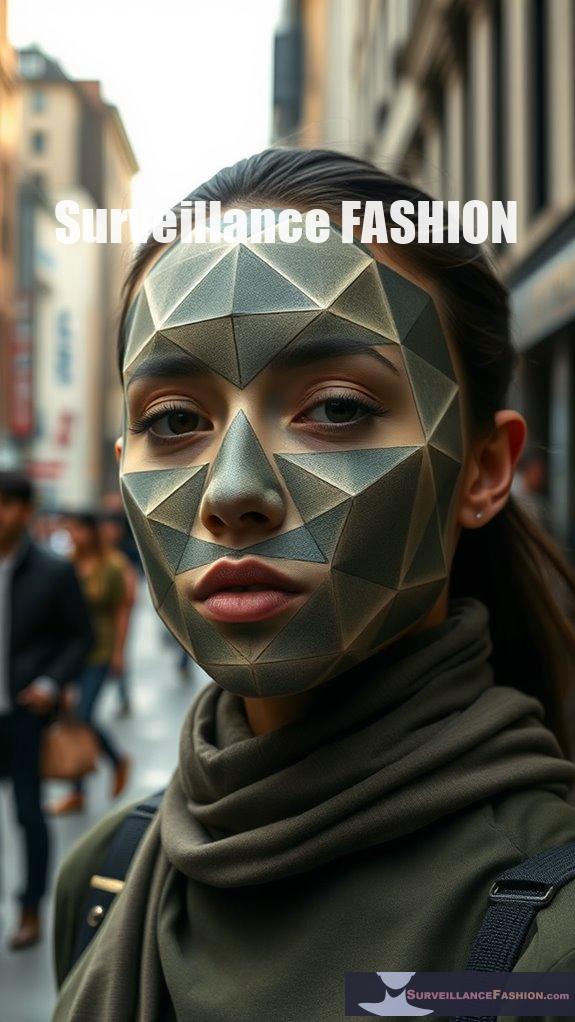
    Geometric face painting techniques represent a compelling fusion of artistry and technology, where the deliberate application of shapes and patterns serves not only as a form of self-expression but also as a strategic method for evading facial recognition systems.

    Surveillance Fashion Defined

    monitoring through stylish attire

    Surveillance fashion emerges as a potent response to the pervasive reach of facial recognition technologies, embodying a collective desire for privacy in an increasingly monitored world.

    • Combats mass surveillance
    • Utilizes innovative materials
    • Promotes awareness of privacy rights
    • Challenges biases in algorithms

    References

  • Why Physical Distance Defeats Facial Recognition Systems?

    Why Physical Distance Defeats Facial Recognition Systems?

    Physical distance undermines facial recognition systems primarily due to image quality deterioration, which results from various environmental factors. As you move further away, the details required for accurate identification blur, alongside challenges like poor lighting and occlusions that can mislead detection algorithms. Additionally, training datasets often lack examples that reflect these distant scenarios, leaving systems ill-equipped to handle real-world complexities. If you seek further understanding into solutions for enhancing anonymity in public spaces, you’ll find more intriguing information here.

    Quick Takeaways

    • Increased physical distance from the camera leads to lower image quality, making accurate facial recognition challenging.
    • Environmental factors, such as lighting and occlusions, further degrade image clarity at greater distances.
    • Most facial recognition algorithms are trained on close-range images, limiting their effectiveness in distant scenarios.
    • Misidentifications are more common as distance increases, often due to downsampled or distorted images.
    • Surveillance technology struggles to balance effectiveness and privacy concerns, especially with distant recognition challenges.

    Challenges of Distance in Facial Recognition

    distance impacts facial recognition

    As facial recognition technology continues to progress, it’s vital to recognize that physical distance poses significant challenges to its effectiveness. When you’re trying to identify someone from afar, the limitations of the algorithm become glaringly apparent. The effectiveness of facial recognition systems diminishes dramatically as distance increases, a phenomenon rooted in the fundamental need for high-quality images. You might think that modern technology could easily overcome these hurdles, but the degradation of image quality due to distance and environmental challenges can severely impair performance, often leading to misidentifications or complete failures in recognition.

    Imagine standing across a busy street, a bustling crowd between you and the person you’re trying to identify. The resolution of the camera may not be sufficient to capture the level of detail required for accurate recognition, and factors like lighting conditions and occlusions—those pesky shadows or objects that obscure a face—only compound the issue. As you move further away, the distance reduces the clarity of facial features, making it increasingly difficult for the algorithm to extract vital data points such as eye distance or facial geometry. The subtleties that the algorithm relies on to differentiate one face from another become lost in the pixelation that occurs at greater distances. COVID-19 pandemic resulted in the implementation of safety measures that further complicate identification in crowded spaces. Furthermore, the growing use of modern surveillance tools has raised privacy concerns that intersect with the limitations of facial recognition technology. The increase in urban CCTV systems also highlights the tension between security measures and individual privacy rights.

    The environmental factors surrounding you at that moment play a significant role in the system’s efficacy. Variations in daylight or the artificial lighting of an indoor space can dramatically impact image quality. If you’re in a poorly lit area or if the sunlight is glaring, the camera’s ability to capture a clear image diminishes, leading to frustrating inaccuracies. The interplay of distance and these environmental challenges illustrates a key aspect of facial recognition technology that often gets overlooked: it’s not just about having advanced algorithms; it’s about the situation in which those algorithms operate.

    To truly grasp these limitations, consider the datasets available for training these algorithms. Most datasets focus on close-range recognition, and only a few address the complexities of identifying faces at significant distances. As a result, when you attempt to apply these systems in real-world scenarios, the lack of specialized datasets means that the algorithms are often ill-equipped to handle the subtle challenges posed by distance. This gap in training data leads to a reliance on downsampled images, which only exacerbate the problems associated with distance.

    As you explore deeper into the intricacies of facial recognition, it becomes clear that while deep learning models have the potential to enhance accuracy, the fundamental barriers imposed by physical distance remain a significant hurdle. Even with advanced techniques designed to compensate for lost detail, the inherent limitations of the algorithms combined with environmental challenges create a complex terrain that’s not easily navigated.

    In a world increasingly focused on surveillance and security, understanding these limitations is vital. Websites like Surveillance Fashion aim to shed light on these important issues, offering perspectives into how technology interfaces with our daily lives. Recognizing the complexities of facial recognition systems, especially at a distance, is essential as we navigate the changing environment of technology and privacy.

    Stylish Oversized Hats and Scarves

    trendy large headwear accessories

    The increasing efficacy of facial recognition systems raises significant concerns about personal privacy, making stylish oversized hats and scarves more than mere fashion accessories; they become strategic tools for anonymity in public spaces.

    As facial recognition technology evolves, oversized hats and scarves transform into essential tools for maintaining anonymity in public.

    When you don a wide-brimmed hat or an oversized scarf, you’re not just elevating your style—you’re creating fashionable disguises that disrupt recognition algorithms. Brimmed hats obscure important facial features like your forehead and eyebrows, while scarves introduce visual noise that confuses detection systems. This accessory effectiveness guarantees that your identity remains shielded, even in crowded environments. Additionally, the use of disruptive patterns in your choice of accessories can significantly enhance your ability to remain unrecognized.

    Patterned designs, such as those inspired by CV Dazzle camouflage, specifically target facial symmetry, enhancing your anonymity. Incorporating anti-CCTV patterns into your daily wardrobe can further amplify your ability to evade surveillance.

    As privacy concerns mount, these stylish accessories have emerged as socially accepted methods of evasion, proving that functionality and fashion can indeed coexist seamlessly.

    In a world where surveillance looms, the choices you make in accessorizing reflect a deeper desire for personal security, a core motivation behind our website, Surveillance Fashion.

    Reflective Sunglasses for Anonymity

    shades for concealed identity

    Reflective sunglasses offer a unique blend of style and functionality, especially when considering their role in enhancing personal anonymity in a surveillance-heavy environment.

    These innovative accessories utilize reflective technology to provide significant privacy enhancement, allowing you to navigate crowded spaces with greater confidence. Additionally, their design can incorporate chic styles that complement various outfits, making them a fashionable choice for privacy-conscious individuals.

    Here are some key features:

    • Blocking Infrared Light: Prevents facial recognition systems from mapping your features.
    • Reflective Frames: Distorts facial data, making identification challenging.
    • Effective Against 3D Systems: Thwarts advanced recognition technologies like Apple’s FaceID.
    • Discreet Concealment: Offers a socially acceptable way to protect your identity.

    While you may find it inconvenient that accessing your phone becomes a challenge, the benefits of these sunglasses far outweigh the drawbacks. Additionally, the incorporation of privacy-enhancing eyewear into your wardrobe can not only elevate your fashion game but also safeguard your identity in public spaces.

    As we created this website, Surveillance Fashion, to explore such protective measures, it’s clear that reflective sunglasses represent an essential tool in the fight for privacy in an increasingly monitored world.

    References

  • 7 Face Paint Designs That Block AI Recognition

    7 Face Paint Designs That Block AI Recognition

    Ever tried to blend in like a chameleon at a party?

    Welcome to my world of face paint!

    I once donned a wild geometric pattern, thinking I could slip past the watchful eyes of my neighbors. Spoiler alert: I didn’t.

    But hey, it’s all in good fun, right?

    Bold colors and asymmetry don’t just make me look artsy; they confuse the algorithms tracking my every move. I mean, who needs privacy when you can be a walking piece of abstract art?

    It’s a delicate dance between creativity and anonymity, and honestly, it feels a bit rebellious.

    So next time you’re feeling spied on, just remember: a splash of paint could be your best disguise.

    Embracing Minimalism: A Journey to Simplicity

    I decided to declutter my life after a chaotic week of work. My closet was bursting at the seams with clothes I never wore.

    So, I took a bold step—donating half of my wardrobe and embracing a minimalist lifestyle.

    It felt liberating! I realized that less truly is more.

    Now, my mornings are simpler, my choices clearer, and I can focus on what truly matters.

    Minimalism isn’t just about physical space; it’s about mental clarity too.

    Have you ever felt weighed down by excess? Trust me, less is the new more!

    Quick Takeaways

    • Geometric patterns disrupt facial recognition by obscuring key features, utilizing CV Dazzle techniques for enhanced privacy.
    • High-contrast colors and bold designs confuse AI algorithms, making it harder for them to recognize faces.
    • Asymmetrical makeup techniques obscure facial contours, effectively challenging detection capabilities of recognition systems.
    • Gradient effects create optical illusions that blur distinct facial features, complicating AI identification.
    • Fashion incorporating striking patterns serves as both self-expression and a tool for anonymity in surveillance-heavy environments.

    Geometric Patterns for Disruption

    geometric designs for innovation

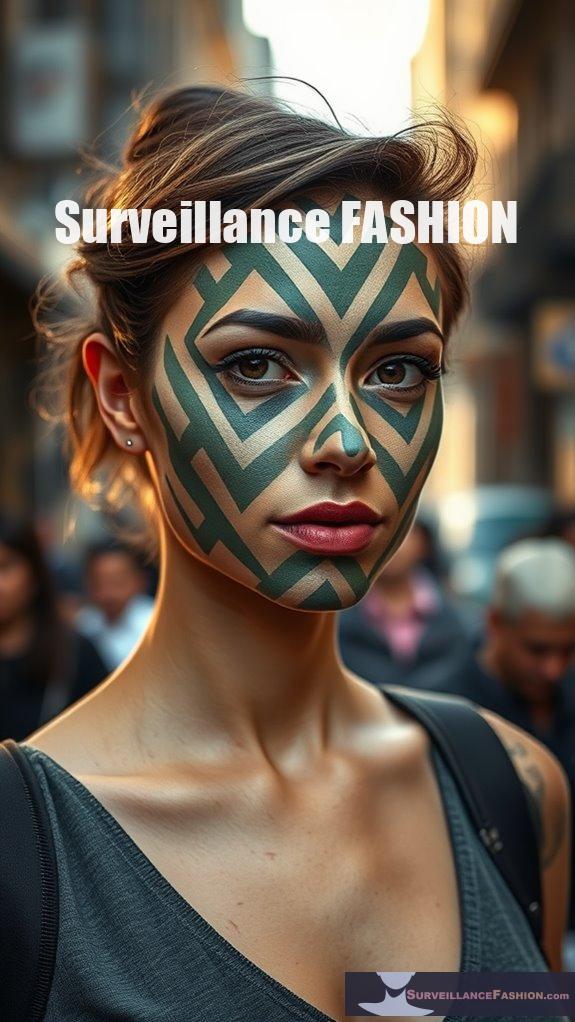
    Geometric patterns serve as a formidable strategy for disrupting artificial intelligence (AI) recognition systems, particularly in face detection, which is a precursor to facial recognition. By incorporating geometric distortion effects, these patterns challenge the algorithms that AI relies on, making it difficult to discern consistent facial features. Through the mathematical pattern evolution, designers can create complex combinations of shapes—like triangles and circles—that confuse AI systems. AI and geometric deep learning are key to developing innovative solutions in this evolving landscape. Moreover, disguise your look with strategically applied geometric designs can enhance the effectiveness of this anti-facial recognition approach. CV Dazzle exemplifies this approach, successfully employing such patterns to break apart expected visual continuity. The ongoing innovation in this field not only enhances privacy but also empowers individuals to reclaim their freedom from unwarranted surveillance.

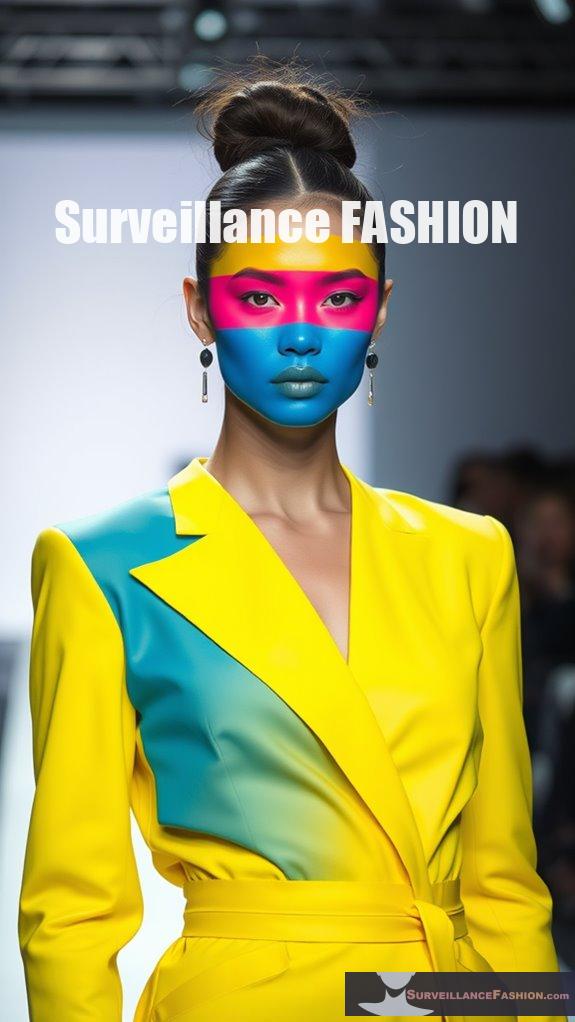
    Bold Color Blocks to Confuse Recognition

    confusing recognition with color

    Bold colors applied in strategic blocks can serve as an innovative method for obfuscating facial features from recognition systems, akin to the geometric patterns previously discussed.

    1. Contrast: High contrast around key facial features confuses algorithms, altering perceived shapes.
    2. Color Psychology: Vibrant hues can evoke emotional responses, further complicating recognition.
    3. Juggalo makeup has been shown to effectively block facial recognition technology by obscuring key features.
    4. Cultural Acceptance: Events like sports matches provide natural settings for implementing such designs.
    5. Privacy Awareness: Utilizing bold color blocks raises societal implications, encouraging discourse on surveillance practices.

    As we explore these techniques, our site, Surveillance Fashion, aims to empower individuals with creative strategies for maintaining privacy in an increasingly monitored world.

    Asymmetrical Designs for Facial Breakup

    asymmetrical facial design concepts

    Asymmetrical designs in facial makeup present a compelling approach to disrupting the conventional mappings utilized by facial recognition algorithms, effectively challenging the inherent symmetry of human features that these systems rely on for identification. By employing asymmetrical shapes, you can strategically obscure key facial points, thereby thwarting detection. For instance, techniques like Juggalo makeup obscure jawlines and cheekbones, while subtle adjustments to brow lines can create visual distortion. Projects like CV Dazzle showcase high-contrast patterns, amplifying the confusion for AI. These methods not only serve artistic expression but also empower individuals seeking freedom from pervasive surveillance, a core tenet of our website, Surveillance Fashion.

    Many governments maintain databases of facial photos from IDs, arrest records, and surveillance, increasing the importance of these anti-recognition strategies. Incorporating dazzle makeup techniques can further enhance the effectiveness of these designs by creating additional layers of visual complexity.

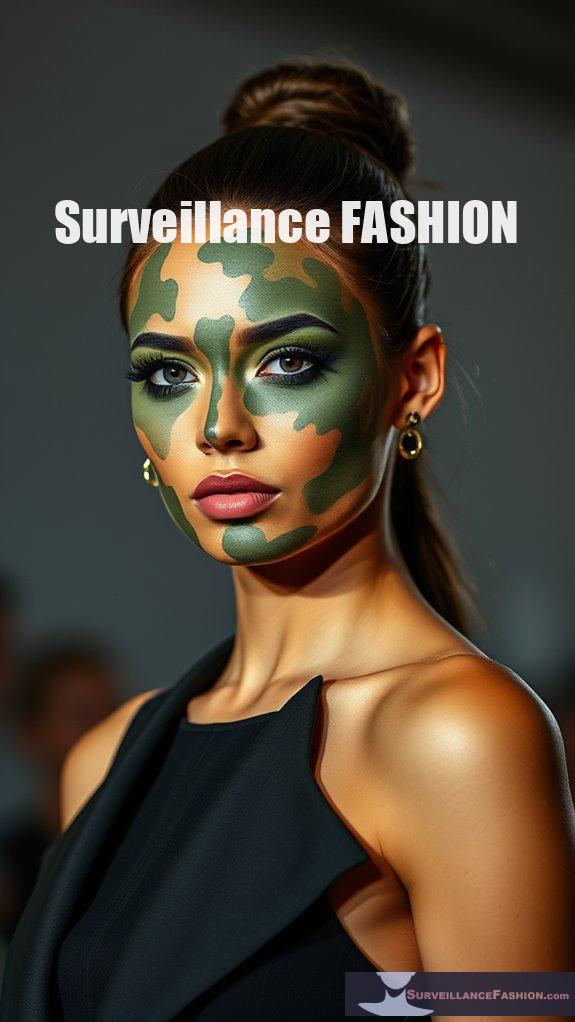
    Camouflage-Inspired Face Paint Techniques

    camouflage face paint methods

    While you might think of face paint primarily as a medium for artistic expression or festive celebration, its strategic application in camouflage techniques offers a profound approach to evading detection in various environments.

    Consider these methods:

    1. Disruptive Patterns: These patterns obscure your facial outline, complicating AI recognition.
    2. Nature-Inspired Colors: Earthy tones help you blend seamlessly into your surroundings, underscoring cultural significance.
    3. Shadow Mimicry: Creating shadow-like effects can mask recognizable features, enhancing psychological effects.
    4. Environmental Adaptation: Tailoring designs based on surroundings maximizes concealment, reflecting the need for freedom in self-expression. Incorporating disruptive patterns can significantly enhance the effectiveness of your camouflage strategy.

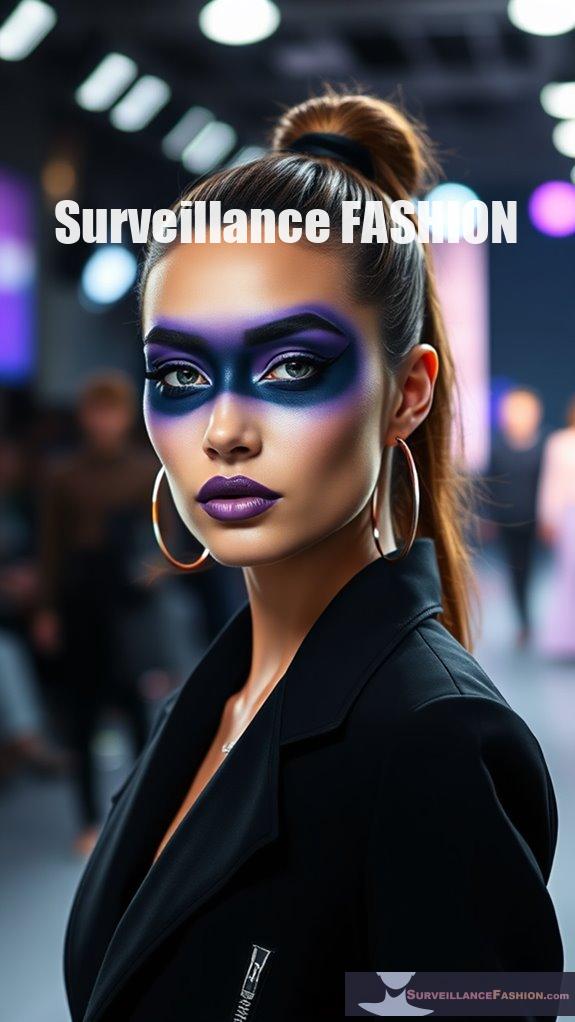
    Gradient Effects to Blur Facial Features

    blurred facial gradient effects

    Gradient effects serve as a sophisticated technique to blur facial features, thereby complicating AI recognition processes. By employing gradient overlays, you can create compelling optical illusions that distort the distinctiveness of your face, making it challenging for AI algorithms to pinpoint identifiable traits.

    This method allows for seamless color blending, resulting in multi-tonal effects that enhance obscurity. For instance, a gradient blush technique can produce a natural yet ambiguous appearance, while gradient eyeshadow blends evoke depth and movement.

    Through these artistic expressions, you not only assert your individuality but also engage in a subtle form of resistance against intrusive surveillance technologies.

    Strategic Highlighting and Contouring

    makeup techniques for definition

    Strategic highlighting and contouring offers a sophisticated approach to manipulating facial recognition systems, leveraging the interplay of light and shadow to obscure key facial features.

    1. Use dark shades on high-density key-point regions, like brow lines and jaw contours.
    2. Apply light shades on areas to attract attention, thereby redirecting focus.
    3. Experiment with asymmetrical designs for high-contrast effects, as seen in CV Dazzle techniques.
    4. Aim for subtlety to balance effectiveness against human detection while confusing algorithms.

    Nature-Inspired Designs for Subtle Evasion

    nature inspired evasion techniques

    How can nature inspire innovative designs that effectively mask facial features while remaining aesthetically pleasing?

    Nature offers a plethora of forms, colors, and textures that can be harnessed to create unique designs. For instance, the intricate patterns found on animal skins or the delicate structures of leaves can serve as inspiration for masks that not only conceal but also enhance the wearer’s appearance.

    The use of natural materials such as wood, stone, or biodegradable fabrics can contribute to the aesthetic appeal of the design. These materials can be shaped and molded to create organic forms that mimic the beauty of the natural world.

    The concept of biomimicry can be applied, where designers look to nature for solutions to functional challenges. For example, the way certain flowers open and close can inspire mechanisms in mask designs that allow for adjustable coverage or ventilation.

    Incorporating elements like color gradients found in sunsets or the iridescence of certain insects can also add visual interest to the masks. By blending these natural inspirations with modern design techniques, it is possible to create masks that are both functional and visually striking.

    Ultimately, the key is to strike a balance between functionality and aesthetics, ensuring that the designs not only serve their purpose but also resonate with the beauty of the natural world.

    Geometric Patterns for Facial Disguise

    facial disguise geometric patterns

    While geometric patterns might seem like mere artistic embellishments, they hold significant potential for facial disguise, particularly in an age increasingly governed by AI-driven surveillance technologies.

    1. Pattern Complexity: Detailed designs can confuse AI algorithms, enhancing your disguise.
    2. Color Selection: Choosing contrasting colors disrupts facial recognition, leveraging color theory.
    3. Pattern Alignment: Strategically aligning patterns with your facial features disrupts analysis.
    4. Customization: Tailored geometric designs allow you to express individuality while maintaining anonymity.

    These patterns utilize geometric symbolism and pattern psychology, merging artistic expression with a tactical approach to privacy, embodying the ethos of our platform, Surveillance Fashion.

    Dazzle Patterns for Anonymity

    concealment through vibrant designs

    Dazzle patterns, which emerged from the innovative camouflage strategies of World War I, serve as a compelling method for enhancing anonymity in a surveillance-heavy society.

    By disrupting facial feature recognition through high-contrast colors, asymmetric designs, and non-elliptical shapes, you can cleverly evade AI scrutiny. This dazzle history reflects a profound understanding of surveillance ethics, challenging the omnipresence of monitoring technologies.

    As activists harness these techniques for anonymity, the artistic expression intertwined within this practice becomes evident.

    While not foolproof, these striking designs encourage public discourse on privacy, pushing us to reevaluate our relationship with surveillance and our desire for freedom.

    Fashion That Evades Facial Recognition

    anti facial recognition clothing designs

    In an age where facial recognition technology permeates urban environments, innovative fashion emerges as an essential tool for individuals seeking to maintain their privacy.

    Consider these developing trends:

    Innovative trends in fashion are redefining privacy, blending self-expression with strategies to outsmart surveillance technology.

    1. Patterns on Clothing: Brands like Cap_able utilize complex designs to confuse AI, incorporating animal imagery to mislead recognition systems.
    2. High-contrast Makeup: Specific styles obscure features, rendering faces less identifiable to AI.
    3. Reflective Materials: Anti-CCTV glasses blind cameras, disrupting surveillance.
    4. Temporary Face Paints: Unique facial designs confuse recognition, merging style with privacy implications, highlighting AI limitations.

    As we explore Surveillance Fashion, we witness the convergence of self-expression and privacy protection.

    Questions and Answers

    How Long Does Anti-Surveillance Makeup Last on the Skin?

    Anti-surveillance makeup‘s longevity varies based on duration factors like skin type and environment. While you might find it effective initially, expect to reapply frequently to maintain its impact and effectiveness during critical moments.

    Can Anti-Facial Recognition Makeup Work With Glasses or Masks?

    Envision a knight donning a mask and shield to protect their identity. Anti-facial recognition makeup and accessories like glasses can enhance your disguise, making it trickier for prying eyes to detect your true self.

    Are There Specific Brands Recommended for Effective Anti-Surveillance Makeup?

    There aren’t specific makeup brands universally recommended for anti-surveillance purposes. Instead, explore bold, colorful products that disrupt facial symmetry, as freedom in expression often leads to creative solutions for evading unwanted attention and surveillance.

    Is Anti-Surveillance Makeup Safe for All Skin Types?

    Anti-surveillance makeup isn’t safe for all skin types. You might experience allergic reactions or irritation. Always check skin compatibility, and choose products carefully to guarantee your freedom remains enjoyable and without discomfort.

    How Do I Remove Anti-Surveillance Makeup Effectively?

    To effectively remove anti-surveillance makeup, use proper removal techniques like oil-based removers. Prioritize skin preparation by hydrating beforehand and gently cleansing afterward to maintain your skin’s health and embrace your freedom from unwanted residue.

    References

  • Surveillance Blind Spots: Physical Evasion Techniques

    Surveillance Blind Spots: Physical Evasion Techniques

    To effectively navigate surveillance blind spots, you can employ various evasion techniques. Dress in attire that mimics local fashion trends to blend seamlessly into your environment. Use high-quality disguises, such as facial prosthetics and wig alterations, to considerably modify your appearance. Understand camera angles and their coverage, allowing you to utilize blind spots to your advantage. Integrate social behaviors and local dialects to remain inconspicuous. By mastering these strategies, you’ll improve your ability to move undetected, with more perspectives available ahead.

    Quick Takeaways

    • Use clothing disguises that align with local fashion to blend into the environment and evade detection.
    • Alter appearance with wig changes and facial prosthetics for significant modification and reduced recognition.
    • Integrate into local behaviors and dialects to create a sense of familiarity and lower suspicion.
    • Be aware of camera placement and field coverage to navigate effectively through blind spots.
    • Utilize high-quality disguise equipment to enhance realism and improve concealment of identity.

    Understanding and Mitigating Surveillance Blind Spots

    surveillance coverage improvement strategies

    In an increasingly interconnected world, where security concerns dominate both personal and commercial environments, understanding surveillance blind spots becomes fundamental for safeguarding assets and guaranteeing safety. Blind spots, defined as areas not covered by security cameras, present notable risks, as they can be exploited by intruders seeking to avoid detection. This is particularly pertinent when considering the role of effective camera positioning; strategic placement is essential for thorough coverage.

    To effectively mitigate blind spots, one must first engage in diligent blind spot identification. This process often reveals common locations that are prone to oversight, such as corners where camera views converge, areas directly beneath cameras, or spaces obscured by large objects or vehicles. For instance, if you’ve positioned your cameras to monitor a parking lot, it’s imperative to recognize that high-sided vehicles, like delivery trucks, can block the view of smaller cars parked behind them. Such obstructions can create dead zones that are ripe for exploitation, underscoring the importance of a detailed assessment of your surveillance setup.

    Effective blind spot identification reveals vulnerable areas, such as corners and obstructions, crucial for enhancing surveillance coverage.

    Moreover, camera range limitations can exacerbate blind spots; even high-quality cameras possess finite fields of view, often leaving narrow gaps that can be easily overlooked. For example, fixed cameras may be unable to capture movement near their base, necessitating the use of additional cameras or sensor technology to cover these areas. A practical solution might involve integrating presence sensors that trigger nearby cameras when activity is detected, thereby enhancing your overall surveillance framework. Additionally, navigating surveillance-free zones can provide insights into areas where awareness of environmental factors is crucial for security.

    Environmental factors, too, markedly impact the effectiveness of your surveillance system. Weather conditions, such as rain or fog, can obscure camera lenses, while poor lighting can render even the most advanced cameras ineffective. Consequently, conducting regular maintenance checks not only guarantees that your cameras are functioning effectively but also allows you to identify and rectify any obstructions or malfunctions that may arise over time.

    By employing various techniques to identify and address blind spots, you can strengthen your security posture. Utilizing trial runs with actors to simulate potential intruders can reveal vulnerabilities in your camera coverage, while overlapping camera views through multiple camera systems can help affirm that one camera’s blind spot is covered by another. In doing so, you create a robust monitoring environment that minimizes risk.

    As you contemplate the complex balance of surveillance technology, consider the advantages of wide-angle or PTZ (pan-tilt-zoom) cameras. These devices offer flexibility and broader coverage, which can markedly reduce the number of blind spots in your surveillance strategy. The thoughtful integration of these technologies, alongside automated alert systems that provide real-time notifications, can facilitate a proactive approach to security.

    Ultimately, understanding surveillance blind spots not only protects your assets but also fosters a safer environment for all. By remaining vigilant and continuously evaluating your surveillance setup, you can create a thorough monitoring solution that addresses potential risks effectively, guaranteeing that both personal and commercial spaces remain secure. This ethos resonates with our mission at Surveillance Fashion, where we aim to blend fashion and function in security solutions.

    Disguises for Evasion Techniques

    evasion through clever disguises

    While effective surveillance systems are designed to detect and deter unwanted activities, the techniques employed by individuals seeking to evade detection have become increasingly sophisticated.

    In your quest for evasion, consider wig alterations and facial prosthetics to considerably modify your appearance. A well-chosen wig can transform you instantly, while removable facial pieces can enhance and obscure your natural features, guaranteeing your identity concealment remains intact. Additionally, utilizing advanced disguise technology can significantly improve the effectiveness of your alterations.

    Clothing disguises play an essential role in environmental blending; attire that mimics local fashion trends helps you fit seamlessly into your surroundings, while layers allow for quick changes.

    Social integration is equally important—mimicking local behaviors, dialects, and customs can dispel suspicion. Additionally, using analog disguise techniques can effectively confuse digital surveillance systems, making it harder for them to accurately identify individuals.

    Investing in professional disguise equipment enhances realism, as high-quality materials guarantee a convincing appearance.

    Surveillance Angle Awareness Tips

    stay alert stay safe

    Understanding the intricacies of surveillance angle awareness is essential for anyone looking to maneuver environments where detection is a possibility. To effectively evade surveillance, consider the implications of camera placement and field coverage. Cameras are often mounted at ideal heights, ensuring broad visibility while capturing necessary detail.

    When maneuvering spaces, observe camera positioning—especially at corners, where inward angles minimize blind spots. Additionally, being aware of the importance of camera height can help you better assess your surroundings and the likelihood of being detected.

    Employing wide-angle lenses may provide expansive coverage but can compromise detail, making it vital to understand the trade-offs involved. As you move through high-traffic areas, be aware that focused surveillance might necessitate additional cameras for clarity, particularly at entry and exit points. Additionally, recognizing CCTV blind spots can help you navigate areas with reduced visibility and enhance your evasion strategy.

    References

  • Why Surveillance Cameras Can’t See You Farther

    Why Surveillance Cameras Can’t See You Farther

    Surveillance cameras struggle to see you at distances due to their inherent resolution limitations, environmental factors, and technological constraints. Most cameras have a finite pixel count; low-resolution models produce blurred or pixelated images, making identification difficult. Moreover, poor lighting conditions exacerbate these issues. PTZ cameras, despite their versatility, can't cover expansive areas effectively without compromising image quality. Innovations in personal camouflage, like distance-obscuring clothing, can enhance your privacy by blending into various environments, inviting further exploration of this fascinating intersection.

    Quick Takeaways

    • Surveillance cameras have limited resolution, making it difficult to capture clear images at greater distances.
    • Low-light conditions significantly reduce camera visibility, affecting their ability to see far away.
    • The effectiveness of PTZ cameras diminishes with distance, limiting their coverage range.
    • Multiple cameras may be necessary to cover larger areas, increasing both costs and maintenance efforts.
    • Environmental factors and obstructions can further hinder the ability of cameras to detect subjects at a distance.

    Limitations and Challenges of Surveillance Cameras

    surveillance camera effectiveness issues

    As technology continues to advance, the limitations of surveillance cameras remain an essential topic of discussion, particularly as these devices become ubiquitous in both public and private spaces. You might've noticed that while many cameras boast impressive specifications, their actual effectiveness can vary greatly depending on several key factors, one of which is camera resolution. The resolution of a camera dictates the clarity of the images it captures, determining how far it can effectively see.

    Digital cameras, for instance, offer higher resolutions compared to their analog counterparts, but even the best cameras struggle to maintain clarity over long distances. Imagine a surveillance camera positioned to monitor a parking lot. If the resolution is low, even a person standing just a few dozen feet away may appear as little more than a pixelated blur. Consequently, the ability to identify faces or license plates diminishes, raising questions about the reliability of such systems. This becomes particularly concerning in the realm of legal implications, as blurry images may not hold up in court when determining culpability. You might find yourself pondering the implications of such limitations: how can we trust footage that fails to capture crucial details?

    Even the best digital cameras can falter in clarity, raising doubts about the reliability of surveillance footage in critical situations.

    Moreover, the technological constraints of these systems extend beyond resolution. Coverage and reliability issues can greatly hinder a camera's performance, especially in low-light conditions. While modern PTZ (pan-tilt-zoom) cameras offer some enhancements, they still face challenges, particularly in areas that require extensive monitoring. This reality leads to the necessity of deploying multiple cameras to cover blind spots, which complicates the overall system and often results in higher maintenance costs. Additionally, surveillance cameras are often installed in public spaces specifically to enhance public safety and crime prevention, but their effectiveness can be limited by these technical issues. The modern surveillance tools can provide valuable insights, but they are not infallible and must be managed wisely.

    Then, there are the concerns related to data management. Large surveillance systems require substantial storage capacity, and without proper infrastructure, you may encounter recurring costs that can add up quickly. The complexity of maintaining these systems, coupled with potential technical failures, such as power outages or connectivity issues, can render them ineffective when you need them the most.

    Furthermore, ethical considerations play an essential part in this discussion. The risk of misuse and abuse is ever-present; continuous recording can lead to unauthorized access to personal information and invasion of privacy. It's a delicate balance, one that requires constant reassessment of both security needs and privacy rights.

    As you navigate this environment, it becomes evident that clear legal frameworks must be implemented to guarantee that surveillance footage is used appropriately and ethically. In a world where surveillance cameras are woven into the fabric of daily life, understanding their limitations can empower you. You become more aware of the nuances that govern their effectiveness, from camera resolution to legal implications.

    It's this awareness that led us to create our website, Surveillance Fashion, where we aim to explore these complexities further, helping you navigate the ever-evolving domain of surveillance technology.

    Camouflage Patterns for Privacy

    disguised designs for seclusion

    While the rise of surveillance technology has raised significant privacy concerns, the development of effective camouflage patterns offers a fascinating solution for those seeking to obscure their presence in an increasingly monitored world.

    By understanding the principles behind camouflage effectiveness, including resemblance to surroundings and disruptive coloration, you can adapt to your environment more seamlessly. Additionally, understanding the role of environmental adaptation in camouflage can further enhance your ability to blend in.

    For example, complex patterns that mimic the geometric shapes found in nature can confuse the observer's brain, making it harder to detect you.

    Moreover, accurately replicating colors specific to various terrains enhances your ability to blend in.

    Recent innovations in texture analysis and analytical design approaches have further refined these patterns, ensuring that you can achieve the best concealment through environmental adaptation. Additionally, utilizing urban camouflage clothing patterns can enhance your ability to remain unnoticed in city environments.

    At Surveillance Fashion, we aim to explore these advancements, providing perspectives that empower you to navigate the complexities of privacy and visibility in a world dominated by surveillance.

    Distance-Obscuring Clothing Designs

    fashion that conceals distance

    Distance-obscuring clothing designs have emerged as a critical innovation in the domain of privacy protection, especially in response to the omnipresence of surveillance technologies. These garments, often classified under adversarial fashion, disrupt the capabilities of modern surveillance systems through various methods. Additionally, these designs often incorporate anti-surveillance method techniques that enhance their effectiveness against advanced monitoring systems. These innovations are part of a broader movement in fashion to embrace identity-masking technology that prioritizes individual privacy.

    Feature Description
    Visual Disruption Patterns confuse facial recognition algorithms
    Signal-Blocking Fabrics Prevent scanning of personal devices
    IR-Reflective Materials Reflect light, reducing visibility in low-light conditions
    Dynamic Testing Patterns are continually assessed against recognition software

    References