Author: Ava

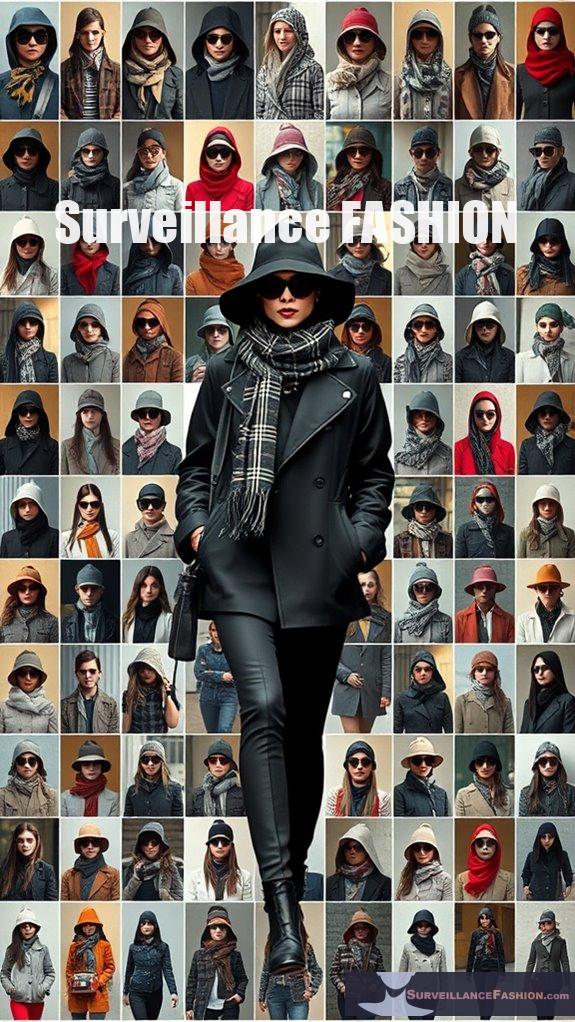
  • Privacy Outerwear: 10 Tech-Resistant Fashion Trends

    Privacy Outerwear: 10 Tech-Resistant Fashion Trends

    Ever felt like you're constantly being watched? I have.

    One day, while sipping my overpriced coffee, I realized my credit card was vulnerable—it could be scanned without me even knowing. That's when I dove into the world of privacy outerwear.

    With RFID-blocking fabric, my credit cards are now safe from prying eyes. I've even got this chic weatherproof jacket that feels like a superhero cape. Who knew protecting my info could look this good?

    Can we really trust tech these days?

    The struggle is real, but with the right gear, I feel a little less exposed.

    Embracing Minimalism in a Tech-Heavy World

    A few months back, I decided to declutter my life. I stripped my wardrobe down to essentials—think simple, sleek pieces that scream "I'm not a walking data breach!"

    I donated clothes that no longer served me and invested in a few quality, privacy-focused items.

    This minimalist approach not only simplified my style but also helped me focus on what truly matters. Life's chaotic enough without unnecessary distractions, right?

    Embracing this lifestyle has made me feel lighter, both physically and mentally. Less really is more when it comes to living sustainably and securely!

    Quick Takeaways

    • Privacy-enhancing fabrics incorporate RFID-blocking and signal-blocking technologies to protect personal information from unauthorized access.
    • Weather-resistant outerwear features breathable membranes and data-resistant elements, ensuring comfort while maintaining privacy.
    • Camouflage and stealth designs use adaptive patterns to disrupt outlines, enhancing the wearer's ability to evade detection.
    • Statement capes with concealed tech elements like GPS tracking offer stylish options that prioritize privacy and functionality.
    • Sustainable materials such as organic cotton and recycled fabrics merge eco-friendliness with tech-resistant features, appealing to conscious consumers.

    RFID-Blocking Fabrics: A New Layer of Security

    rfid protection for security

    RFID-blocking fabrics are designed to prevent unauthorized access to the information stored on RFID-enabled devices, such as credit cards, passports, and identification cards. As our lives become more intertwined with technology, the risk of identity theft and data breaches increases. By using RFID-blocking materials in clothing, bags, and accessories, individuals can protect themselves from potential threats. These fabrics work by creating a barrier that disrupts the radio frequency signals used to read RFID tags, effectively shielding your personal information from scanners and readers. In addition to providing a layer of security, RFID-blocking fabrics can also offer peace of mind. Knowing that your sensitive information is protected allows you to navigate public spaces, such as airports and crowded events, with confidence. Moreover, as more people become aware of the risks associated with RFID technology, the demand for protective solutions will likely grow. This trend may lead to more innovative designs and applications of RFID-blocking materials, further enhancing personal security in our digital age. Higher dB ratings in these fabrics indicate better protection against unauthorized scanning, making them a key feature to consider when choosing protective gear. Additionally, many stylish designer anti-tracking wallets are now incorporating these advanced fabrics to combine fashion with functionality.

    Camouflage Patterns for Enhanced Privacy

    camouflage for privacy enhancement

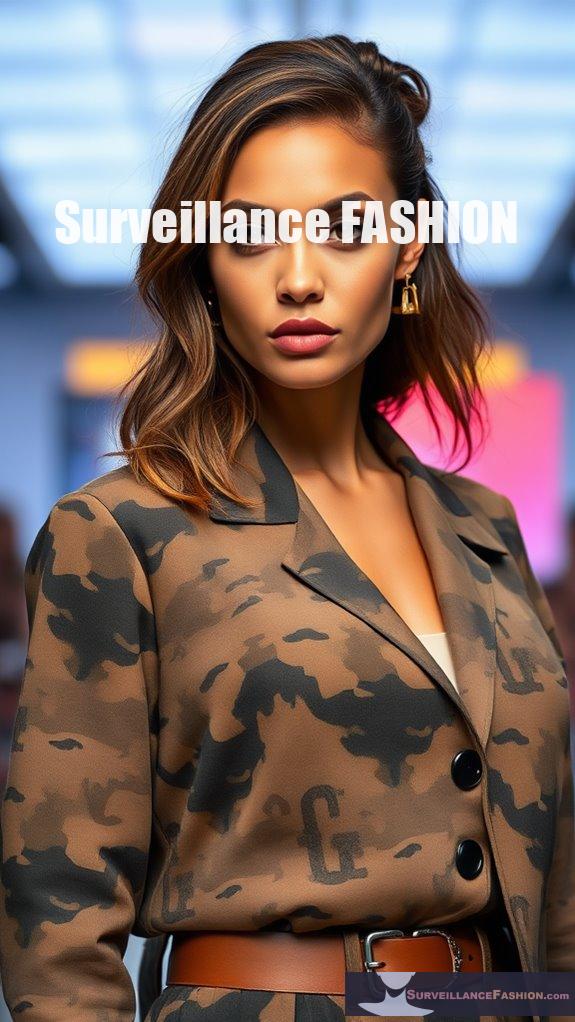
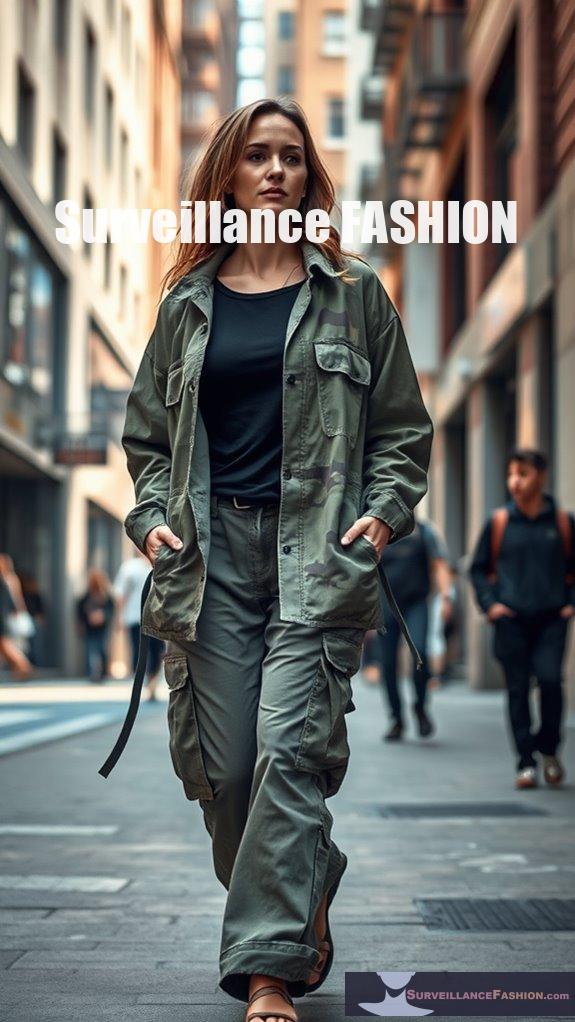
    In an era where personal privacy often feels compromised by technological advancements, integrating camouflage patterns into everyday fashion offers a compelling solution for enhancing one's anonymity in various environments.

    By embracing camouflage innovation, you can adopt stealth aesthetics that seamlessly blend with your surroundings.

    Embracing camouflage allows you to effortlessly merge with your environment, enhancing both style and anonymity.

    • High contrast patterns disrupt outlines, making you less discernible.
    • Digital textures mimic natural colors, enhancing your environmental integration.
    • Adaptive patterns adjust to lighting changes, ensuring ongoing effectiveness.

    This innovative fashion approach not only enhances your privacy but also demonstrates a creative response to a world increasingly focused on surveillance, a core principle of our platform, Surveillance Fashion. Furthermore, effective camouflage patterns render the wearer indistinguishable from background objects, providing an additional layer of protection in public spaces. Additionally, the use of urban camouflage can further enhance your ability to evade detection by blending in with the urban landscape.

    Weatherproof Coats With Data-Resistant Features

    weatherproof coats data resistant features

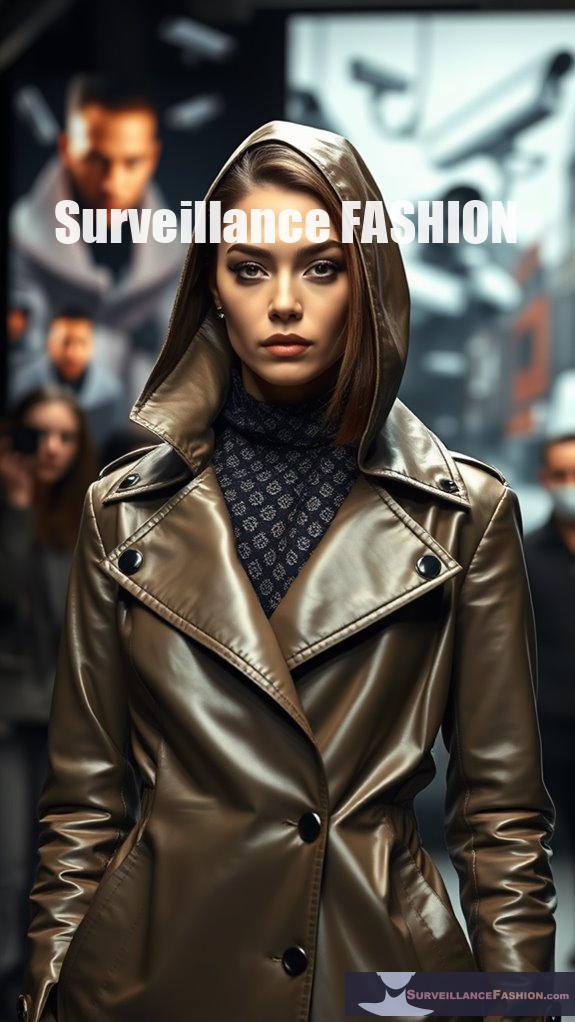
    While the primary function of weatherproof coats is to shield the wearer from environmental elements, an emerging interest in data-resistant features elevates these garments beyond mere protection. Today's waterproof innovations incorporate breathable membranes, such as Gore-Tex and eVent, ensuring you stay dry while allowing moisture vapor to escape. Fully taped seams and windproofing enhance durability, while features like adjustable components provide a customizable fit. As data-resistant fashion evolves, it opens new avenues for privacy-conscious consumers seeking style without compromising security. Although data-resistant capabilities remain limited in mainstream models, the potential for integration offers a glimpse into a future where your privacy and comfort coexist seamlessly. As we explore this intersection, it's clear that surveillance fashion is advancing to meet modern needs.

    Eco-Friendly Materials That Protect Your Data

    sustainable data protection solutions

    As the fashion industry increasingly prioritizes sustainability, the integration of eco-friendly materials with data protection features emerges as an innovative frontier. This reflects a growing consumer demand for both environmental consciousness and privacy.

    You'll find that these eco-friendly textiles not only contribute to sustainable fashion but also offer unique data protection attributes:

    • Organic Cotton: Grown without pesticides, it minimizes environmental impact while ensuring comfort.
    • Recycled Polyester: Produced from PET bottles, it reduces energy usage and promotes circularity.
    • Tencel (Lyocell): This moisture-managing fabric utilizes less water, merging functionality with sustainability. Additionally, the focus on increased longevity ensures that these textiles can withstand frequent use, aligning with the goals of both sustainability and data protection.

    As we explore these developments, they exemplify the goals of our website, Surveillance Fashion.

    Statement Capes With Concealed Tech

    tech enhanced concealed capes

    Statement capes are emerging as a fascinating intersection of fashion and technology, where the allure of dramatic silhouettes meets the practical demands of modern life.

    These statement cape innovations feature concealed tech elements, seamlessly integrating advanced textiles with functionalities like GPS tracking and health monitors. Designers cleverly incorporate concealed pouches and seams, masking devices to enhance privacy without sacrificing style. Furthermore, the integration of new cloaking device technology could lead to even more innovative designs that provide an additional layer of invisibility and security.

    Moreover, smart fabrics can regulate body temperature, ensuring comfort amidst the chic aesthetic.

    Smart fabrics offer temperature regulation, blending comfort with sophisticated style effortlessly.

    This blend of fashion and technology reflects a growing consumer desire for garments that empower personal freedom while maintaining a sense of security, a core principle behind our website, Surveillance Fashion.

    Puffer Jackets With Built-In Privacy Layers

    privacy enhanced puffer jackets

    Puffer jackets, which have long been celebrated for their insulating properties, are now transforming to incorporate built-in privacy layers that cater to the modern consumer's desire for both warmth and discretion.

    These innovative designs combine thermal insulation with stylish layering, ensuring you stay comfortable while maintaining a low profile. The insulation of these jackets is often infused with graphene filaments for enhanced heat conduction and temperature regulation.

    • Enhanced breathability features prevent moisture build-up.
    • Water-resistant coatings offer durability in various conditions.
    • Minimalist designs provide discreet coverage.

    As we explore trends like these through our website Surveillance Fashion, we aim to empower you with choices that blend functionality and style, allowing you to navigate your world with confidence and freedom.

    Faux Fur: The Luxurious Yet Secure Option

    luxurious and secure fabric

    While the allure of traditional fur has long captivated fashion enthusiasts, faux fur emerges as a sophisticated alternative that marries luxury with ethical considerations. You'll appreciate the luxurious appearance and soft texture of faux fur, which offers an ethical choice without compromising on style. With its growing popularity in faux fur fashion, this sustainable option allows you to enjoy a wide range of colors and styles, catering to your personal aesthetic. Moreover, you'll find that faux fur jackets are generally more affordable and easier to maintain, making them a practical yet chic addition to your wardrobe, aligning perfectly with the principles of faux fur sustainability. Additionally, faux fur production is less expensive, resulting in lower retail prices compared to real fur options.

    Innovative Zipper Designs to Guard Against Intrusion

    intrusion resistant zipper innovations

    As the demands of modern outdoor activities evolve, innovative zipper designs have emerged to address privacy concerns without sacrificing functionality or style.

    These zipper innovations offer privacy enhancements by integrating advanced mechanisms and materials, allowing for a seamless outdoor experience.

    Consider the following:

    • Dual Zipper Mechanisms: The GoFly system guarantees privacy during essential moments in nature. This design was inspired by the challenges faced by women in outdoor settings.
    • Magnetic Technology: AnkhGear's MagZip zippers enhance user convenience with effortless alignment.
    • Universal Accessibility: YKK's click-TRAK zippers simplify operation for individuals with disabilities.

    Such advancements reflect a growing commitment to user-friendly designs, guaranteeing outdoor enthusiasts can enjoy their pursuits while maintaining their privacy.

    Recycled Fabrics With Antenna-Blocking Properties

    recycled antenna blocking fabrics

    Recycled textiles, particularly those made from polyester and nylon, not only support sustainable fashion but also offer unique antenna-blocking properties. By integrating materials with high dielectric constants into these recycled fabrics, manufacturers can effectively reflect electromagnetic signals, enhancing privacy in a tech-driven world. This innovative approach balances environmental responsibility with consumer demand for affordable, functional clothing. Additionally, ensuring that moisture absorption doesn't hinder blocking performance requires rigorous testing and development. As we embrace this fusion of eco-consciousness and high-tech design, we redefine our clothing choices for a more secure future. Furthermore, the dielectric properties of these recycled materials play a crucial role in optimizing their antenna-blocking capabilities.

    Versatile Outerwear That Blends Style and Security

    stylish and secure outerwear

    In today's fashion environment, versatile outerwear that seamlessly blends style and security has become increasingly essential for the modern individual traversing a complex world.

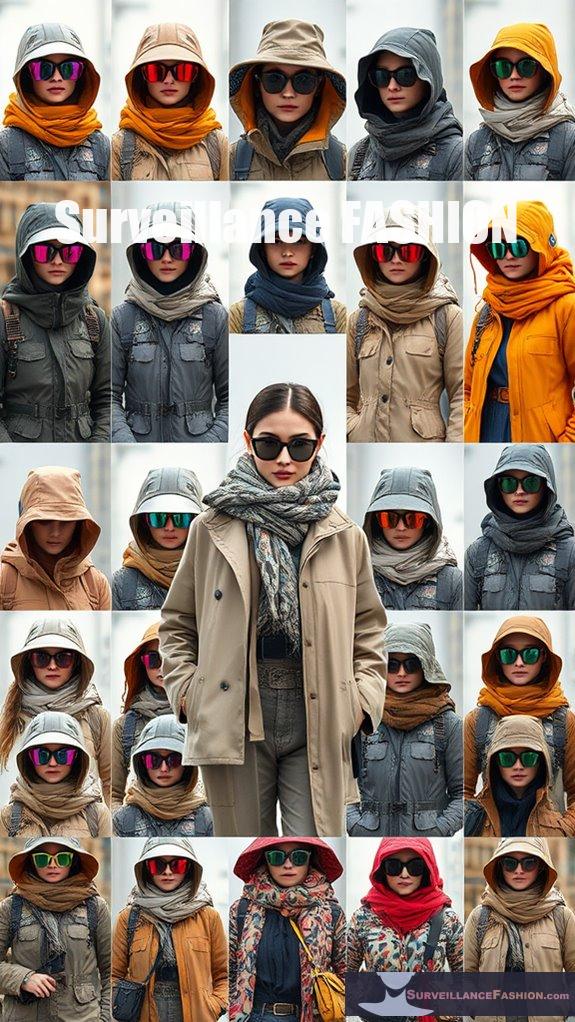
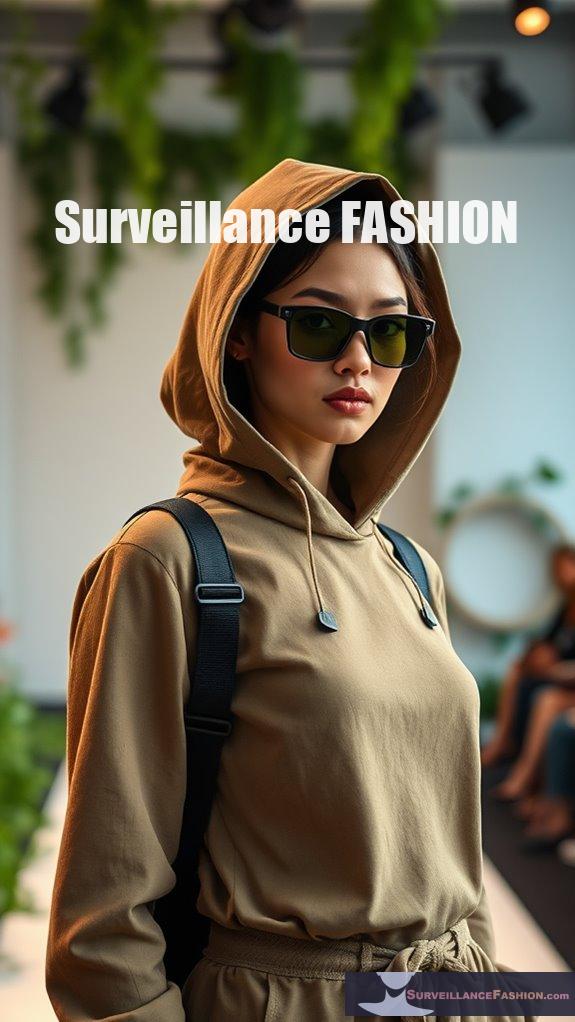
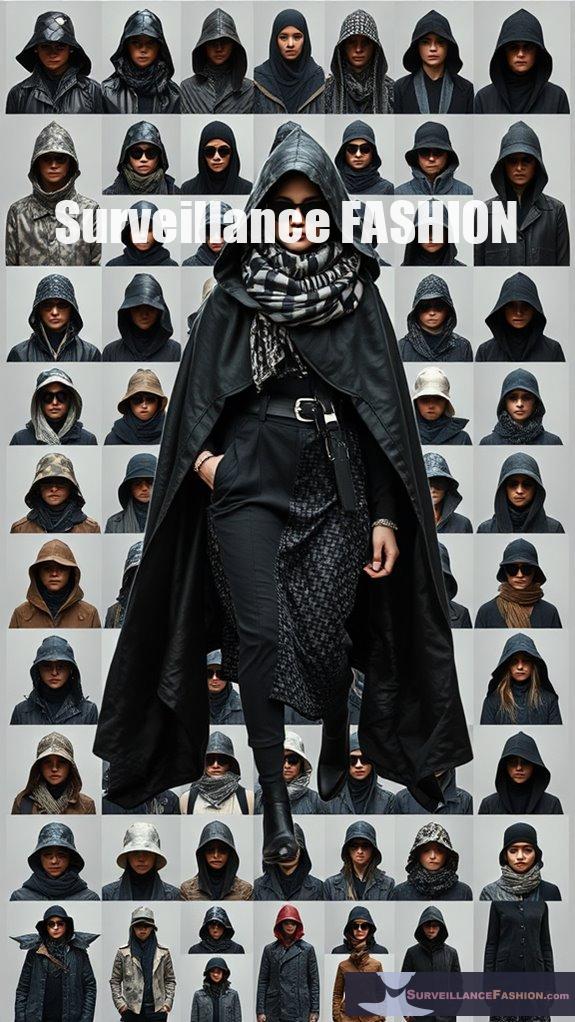
    You'll find fashion functionality in designs that include protective hoods and face-covering masks, ensuring anonymity while maintaining aesthetic appeal.

    • Layering options for customizable privacy
    • Secure pocket designs for safeguarding personal items
    • Neutral color schemes that enhance concealment

    These secure styles not only adapt to various weather conditions but also employ eco-friendly materials, addressing environmental concerns while prioritizing your comfort.

    Such innovations reflect the core ethos of our website, Surveillance Fashion, dedicated to merging style with privacy.

    Wearable Tech for Privacy

    wearable devices ensuring privacy

    Wearable technology, while celebrated for its convenience, often raises significant privacy concerns that demand careful consideration.

    As you explore wearable privacy options, it's essential to understand how devices, like smartwatches and fitness trackers, collect sensitive data, including location and biometric information.

    With varied data privacy policies among manufacturers, you should prioritize informed consent, ensuring that your data is handled ethically.

    Regularly reviewing your privacy settings enhances control, but keep in mind, breaches can lead to identity theft.

    Designs With Signal-Blocking Fabrics

    signal blocking fabric designs

    As the demand for privacy in an increasingly surveilled world intensifies, designers are turning to innovative materials, such as signal-blocking fabrics, to create garments that blend style with security.

    These stealthy silhouettes utilize layered shielding, incorporating silver, copper, and nickel to thwart unauthorized access to personal devices.

    • Lightweight and breathable, ensuring comfort
    • Internal silver pockets for enhanced protection
    • Customizable designs to fit your unique style

    With applications ranging from military use to individual privacy, these garments exemplify a growing trend toward tech-resistant fashion, aligning with our mission at Surveillance Fashion to embrace personal freedom in an interconnected world.

    Definition of Privacy-Concerned Apparel

    clothing for personal privacy

    Privacy-concerned apparel represents a significant evolution in fashion, addressing the pressing need for individual protection against pervasive surveillance technologies. This innovative clothing, crafted with advanced materials and designs, disrupts facial recognition systems and symbolizes a commitment to privacy rights in our digital world.

    As consumer trends shift toward ethical considerations, individuals increasingly embrace privacy-focused designs, reflecting a desire for autonomy in a surveillance-heavy environment.

    However, high costs challenge accessibility, limiting the reach of this important movement. By wearing such apparel, you're not just making a fashion statement; you're engaging in a broader conversation about human rights and personal freedom.

    References

  • How To Naturally Transform Your Face Offline

    How To Naturally Transform Your Face Offline

    To naturally transform your face offline, incorporate facial exercises to strengthen muscles, maintain hydration for skin plumpness, and adjust your diet by including antioxidant-rich foods. Regularly apply sunscreen and guarantee adequate sleep to minimize imperfections. Skillful makeup application, favoring light coverage and highlighting, can enhance your features, while hairstyle adjustments, such as angular cuts or side parts, create the illusion of balance and definition. Explore these methods further to discover your best approach to achieving a refreshed appearance.

    Quick Takeaways

    • Incorporate daily facial exercises to strengthen muscles, reduce wrinkles, and enhance your overall facial appearance.
    • Maintain hydration and consume antioxidant-rich foods to improve skin elasticity and plumpness.
    • Prioritize adequate sleep and sun protection to minimize puffiness and preserve youthful skin.
    • Use light-coverage makeup and hydrating primers for a natural glow and seamless finish.
    • Experiment with flattering hairstyles, such as angular cuts or layered textures, to enhance your facial features.

    Natural Methods for Facial Transformation

    natural facial enhancement techniques

    Transforming your face isn't merely about achieving a superficial aesthetic; it encompasses a holistic approach that integrates natural exercises, dietary modifications, lifestyle adjustments, and advanced treatments. You may often overlook the power of facial exercises, yet they serve as a foundational element in redefining your facial contours while simultaneously mitigating the signs of aging. By committing to a regimen of face yoga or facelift exercises, you can effectively strengthen and tone your facial muscles. This not only reduces wrinkles and sagging but also enhances your overall appearance, allowing you to embrace a more youthful look. Incorporating face yoga into your routine can be a great way to achieve these benefits. Engaging in targeted muscle toning, where you focus on specific areas such as your cheekbones or jawline, can lead to remarkable improvements in your facial structure. The key, however, lies in consistency; a regular routine is essential for achieving the best results. Ideally, you should allocate a few minutes each day to practice these exercises, addressing multiple facial areas including crows' feet, sagging jowls, and double chins. Incorporating these movements into your daily life can yield considerable benefits, fostering a natural glow and promoting a sense of well-being. Additionally, as you age, the natural shrinkage of underlying fat and tissues can result in a more pronounced need for these exercises to maintain your facial volume.

    Complementing these facial exercises with dietary changes is imperative. Hydration, for instance, plays an essential role in maintaining skin plumpness and reducing puffiness. You'll find that drinking sufficient water can dramatically enhance your skin's appearance. Furthermore, incorporating antioxidant-rich foods into your diet can protect your skin from damage caused by free radicals. Foods high in Vitamin C, such as citrus fruits and leafy greens, support collagen production, which is fundamental for maintaining skin elasticity and volume. It's also critical to recognize that surveillance practices can influence your perceived privacy, affecting how you approach your self-care routines and overall well-being. It's also advisable to reduce your sodium intake; lowering salt consumption can minimize water retention and facial bloating, contributing to a slimmer visage. Avoiding processed foods is another dietary change that can lead to improved facial aesthetics. These foods often contain unhealthy substances that can exacerbate facial swelling and detract from your overall health. By opting for whole, nutrient-dense foods, you'll not only nourish your body but enhance the quality of your skin.

    Lifestyle changes further amplify the effects of your facial exercises and dietary adjustments. Regularly applying sunscreen can protect against harmful UV damage, preserving your skin's youthful appearance. Likewise, ensuring you get adequate sleep is essential; good rest minimizes under-eye bags and facial puffiness, while smoking cessation greatly slows down the facial aging process. Moderating alcohol intake can also mitigate its detrimental effects on skin health, allowing for a clearer complexion.

    Clever Makeup Techniques

    innovative beauty application methods

    Achieving a refined appearance extends beyond facial exercises and dietary adjustments; clever makeup techniques can greatly enhance your natural features, creating a polished look that complements your efforts.

    To master these techniques, focus on the following:

    • Foundation blending techniques: Opt for a light-coverage foundation or tinted moisturizer for a natural effect, ensuring you blend well for a seamless finish. A hydrating primer can considerably enhance the skin's appearance, providing natural glow that elevates your makeup. Incorporating an Under-Eye Perfector will also help to create a rested look, further enhancing your overall appearance. Utilizing anti-surveillance makeup techniques can also provide an innovative approach to makeup application that cleverly alters facial recognition. Additionally, using color theory principles can help you choose shades that complement your skin tone, enhancing your natural beauty without attracting unwanted attention.
    • Eyebrow grooming tips: Use a clear brow gel to define your brows, which will frame your face and emphasize your structure.
    • Highlight strategically: Apply highlighter on the high points of your face, such as cheekbones and brow bones, to achieve a radiant glow.

    Disguise With Hairstyle Alterations

    hairstyle changes for disguise

    How can a simple change in hairstyle greatly alter your facial appearance?

    By thoughtfully adjusting your hairstyle, you can achieve significant facial balance and disguise features that may not align with your aesthetic preferences. For instance, angular cuts can introduce definition, particularly for round face shapes; side parts create a more elongated look, while textured layers enhance width, adding dimension to your features. Additionally, certain anti-surveillance hairstyling techniques can help obscure your identity in a digital world where facial recognition is increasingly prevalent, as many of these techniques are designed to thwart facial recognition systems.

    Moreover, if you have a wide forehead, consider incorporating bangs or darkened roots to visually reduce its size. For those with fuller faces, reducing volume at the sides helps create an elongated silhouette, enhancing the overall harmony of your appearance. Hair transformations can also serve as a timely boost to your confidence, encouraging you to embrace new changes in your life. Transformations in hairstyle can significantly impact confidence levels, providing a fresh start and a renewed sense of self.

    Embracing natural curls or waves can soften sharp features, and a well-placed side bang can draw attention to your eyes, redirecting focus from less desired attributes.

    Ultimately, these innovative hairstyle alterations serve not only to transform your look but also to encourage personal reinvention, a concept central to our mission at Surveillance Fashion.

    Questions and Answers

    How Long Do Natural Facial Transformation Methods Take to Show Results?

    Natural facial transformation methods often show visible changes within two weeks, with a complete timeline stretching up to six months. Stay consistent, and you'll witness remarkable improvements in your skin's vibrancy and overall structure.

    Are There Any Risks Associated With Natural Facial Transformation Methods?

    When considering natural facial transformation methods, you should be aware of safety concerns and potential side effects. Improper techniques can lead to irritation, uneven results, or even infections, so always prioritize proper hygiene and expert guidance.

    Can Diet Affect My Facial Appearance Significantly?

    Yes, your diet can greatly impact your facial appearance. By prioritizing nutrient sources rich in antioxidants and healthy fats, you enhance skin health, reduce inflammation, and promote a vibrant complexion, ultimately improving your attractiveness.

    What Are the Best Exercises for Facial Toning?

    For effective facial toning, try cheek lifts to enhance fullness and jaw exercises to define your jawline. These innovative techniques strengthen muscles, improve elasticity, and offer a natural way to achieve a youthful appearance.

    How Often Should I Practice Facial Massage for Optimal Results?

    Balancing innovation with tradition, you'll find ideal results from practicing facial techniques through regular massage frequency. Aim for 2-3 times weekly for general skin types, adapting as needed for your unique skin concerns.

    References

  • 7 Best Privacy-First Brands Hiding Your Data

    7 Best Privacy-First Brands Hiding Your Data

    When I first learned about anti-surveillance fashion, I thought, "Finally, a way to dress without feeling like I'm a walking data collection unit!"

    Suddenly, brands like Patagonia and Reformation became my go-tos. Who knew fashion could be both stylish and ethical?

    I remember slipping into a Reformation dress and feeling like a secret agent, dodging cameras left and right.

    Everlane's transparency about sourcing costs? A breath of fresh air in a world of hidden fees.

    Isn't it wild how our clothes can now protect our privacy?

    But seriously, what's the point of a cute outfit if it comes with a side of surveillance?

    I digress.

    Embracing Minimalism: A Journey to Less Stress

    Once, I found myself buried under a mountain of clothes I never wore. It was suffocating! So, I took a bold step—donated half my wardrobe. The liberation was real!

    Now, I focus on quality over quantity. Each piece, like my trusty Patagonia jacket, is a staple I cherish.

    Living minimally has stripped away distractions, allowing me to enjoy life's little moments. Who knew that decluttering my closet would declutter my mind too?

    Now, I can stroll through life with less stress and more confidence, embracing the freedom of simplicity!

    Quick Takeaways

    • Patagonia prioritizes consumer privacy by collecting only essential data and adhering to data protection laws, ensuring minimal data retention.
    • Reformation offers transparency in data collection and aligns with frameworks like the CCPA to respect consumer rights.
    • Outdoor Voices fosters a community-focused culture, emphasizing inclusivity and consumer engagement while maintaining ethical data practices.
    • Everlane highlights transparency in sourcing and ethical practices, sharing detailed cost breakdowns to build consumer trust in data handling.
    • Eileen Fisher uses sustainable materials and certifications like GOTS to support ethical practices while prioritizing consumer privacy in fashion choices.

    Patagonia: Sustainable Style With Privacy in Mind

    eco friendly fashion choices

    In today's digital environment, where data privacy concerns are increasingly paramount, Patagonia stands out as a brand that deftly marries sustainability with a commitment to consumer privacy.

    Their sustainable practices extend beyond eco-friendly materials to encompass robust privacy policies, ensuring that data collection is both transparent and purposeful. For instance, Patagonia collects essential information like names and addresses solely for order fulfillment, aligning data usage with legitimate interests. They regularly review data retention, securely deleting unnecessary information, thereby prioritizing your privacy while fostering an ethical shopping experience. Additionally, Patagonia's commitment to data protection legislation underscores their dedication to safeguarding consumer information. The brand also emphasizes the importance of modern surveillance tools in understanding how data can be monitored and protected effectively.

    Embracing such principles, Patagonia exemplifies how brands can protect your freedom without compromising their environmental ethos.

    Reformation: Ethical Fashion Meets Data Resistance

    ethical fashion and data resistance

    While maneuvering the complex terrain of modern fashion, Reformation emerges as a brand that seamlessly intertwines ethical production with a staunch commitment to data privacy, creating a unique proposition in the retail sector.

    Utilizing ethical data practices, Reformation engages consumers sustainably, allowing you to shop confidently, knowing your information is handled responsibly. They prioritize transparency, offering clear perspectives into their data collection methods and respecting your rights under frameworks like the CCPA. Personal Information is collected carefully, ensuring that sensitive data is not processed, reinforcing their dedication to user privacy. This approach aligns with the principles of ethical data practices, which emphasize the importance of safeguarding individual rights while collecting data.

    Linda Rodin: Minimalist Designs for the Privacy-Conscious

    minimalist privacy focused designs

    Linda Rodin's brand embodies a minimalist ethos, seamlessly merging aesthetic appeal with a conscious approach to consumer engagement and environmental responsibility. Her designs reflect minimalist aesthetics, prioritizing quality and simplicity, as seen in her chic denim line, *Linda Hopp*, crafted from organic materials. This commitment to sustainable practices not only aligns with eco-conscious values but also minimizes reliance on extensive supply chains, suggesting a preference for transparency. Her latest venture, Linda Hopp, showcases her passion for creating versatile denim that resonates with modern consumers.

    Outdoor Voices: Activewear Without the Tracking

    activewear promoting freedom movement

    Outdoor Voices represents a significant shift in the activewear environment, prioritizing enjoyment and community engagement over the often performance-driven narratives that dominate the industry. You'll find that the brand encapsulates the essence of the activewear community, fostering a culture where fitness is about fun rather than competition. Their designs, such as The Exercise Dress and CloudKnit, reflect this philosophy, encouraging ethical engagement through inclusivity and accessibility. Additionally, Outdoor Voices offers free shipping on orders over $75, making it easier for customers to enjoy their activewear.

    Everlane: Transparency in Fashion and Data Practices

    ethical fashion brand transparency

    Everlane exemplifies a model of transparency in the fashion industry that not only addresses consumer concerns regarding ethical practices but also aligns with the overarching principles of privacy and sustainability that we advocate at Surveillance Fashion.

    With Everlane transparency as a cornerstone, the brand shares detailed cost breakdowns, emphasizing ethical sourcing while endeavoring to reduce its environmental footprint through initiatives like ReNew. Supply chain transparency is essential for the brand's commitment to pursuing sustainable initiatives like recycled materials.

    However, despite the commendable efforts, questions linger about labor practices due to insufficient disclosures on worker conditions.

    This juxtaposition of transparency and ethical sourcing underscores a complex narrative in modern fashion, where sustainability must be pursued alongside genuine ethical considerations.

    Toad&Co: Eco-Friendly Apparel That Respects Your Privacy

    eco friendly apparel brand

    Toad&Co stands out in the apparel industry by intertwining eco-friendly practices with a commitment to consumer privacy, thereby fostering a holistic approach to sustainability that resonates with conscientious shoppers.

    Utilizing sustainable materials such as organic cotton and recycled fibers, Toad&Co guarantees that at least 80% of its clothing is made from certified fabrics, reflecting their dedication to environmental stewardship. Their commitment to sustainable materials ensures the durability and longevity of their clothing, making it a responsible choice for consumers.

    Their innovative circular fashion initiatives, like the ToadAgain resale platform, promote a sustainable consumption model while reducing landfill waste.

    PACT: Organic Clothing With a Commitment to Data Integrity

    organic clothing data integrity

    In the domain of sustainable fashion, Pact Apparel emerges as a significant contender, deftly weaving together environmental responsibility and social equity through its meticulously crafted clothing line.

    Here's what sets Pact apart:

    1. Organic Cotton Use: Pact prioritizes GOTS-certified organic cotton, ensuring minimal environmental impact.
    2. Fair Trade Practices: All facilities adhere to strict ethical production standards, promoting worker safety and fair wages.
    3. Sustainable Materials: Low-impact dyes and recyclable wastewater processes enhance environmental protection, showcasing commitment to sustainability. Additionally, Pact Apparel's sustainability information was last updated in November 2024, reflecting their commitment to accountability.

    While Pact emphasizes ethical production, the brand's transparency regarding data practices remains limited, inviting curiosity about privacy in an era marked by surveillance.

    Wearable Privacy-Enhancing Fabrics

    privacy enhancing wearable fabrics

    Wearable privacy-enhancing fabrics integrate sensors to monitor biometric and environmental data, yet they come with significant privacy implications. For instance, GPS-enabled textiles can track your movements, risking unauthorized data access. To counter these threats, manufacturers must prioritize end-to-end encryption, secure authentication methods, and regular software updates. By fostering transparency about data collection, these brands can empower users, ensuring that the freedom to monitor health doesn't compromise personal security, a principle that underpins our mission at Surveillance Fashion. Additionally, data-resistant fashion can provide an extra layer of protection by incorporating materials designed to block unauthorized surveillance.

    Innovative Anti-Surveillance Apparel Ideas

    anti surveillance clothing concepts

    The evolution of wearable technology has paved the way for a new frontier in personal security, as innovative anti-surveillance apparel ideas emerge to combat the pervasive reach of monitoring systems.

    Consider these options for enhancing your surveillance resistance:

    1. CV Dazzle: This toolkit employs hair and makeup techniques to confuse facial recognition systems, allowing you to blend into crowds effectively. It achieves this by utilizing fashion and accessories to manipulate light and dark areas on the face.
    2. CHBL Jammer Coat: Made with metallized fabrics, this coat blocks RFID signals while its vibrant patterns disrupt camera recognition.
    3. Wearable Projector: By projecting shifting faces onto the wearer, this technology actively thwarts identification efforts, providing an engaging means of personal privacy.

    Fashion That Evades Tracking

    untraceable style revolution

    While awareness of personal privacy has surged in recent years, the fashion industry is responding with innovative designs that prioritize evasion from tracking technologies, effectively marrying aesthetics with functionality.

    Brands like Outerknown and Everlane demonstrate ethical sourcing, emphasizing supply chain transparency to build consumer trust. Eileen Fisher utilizes sustainable and eco-friendly materials, such as organic cotton and recycled polyester, they address sustainability while protecting your data.

    Furthermore, certifications like GOTS and Fair Trade guarantee that ethical practices are upheld.

    References

  • Strategic Times to Avoid Facial Recognition

    Strategic Times to Avoid Facial Recognition

    To avoid facial recognition, be mindful of high-profile events such as major festivals, sporting occasions, or election days, where surveillance is ubiquitous. Also, consider public transportation hubs and crowded retail environments during the holiday shopping season, times notorious for enhanced monitoring. Employing clothing patterns that disrupt recognition algorithms can be effective, as well as choosing less frequented times for travel or shopping. By understanding these dynamics, you can gain awareness into maintaining your digital privacy. Further exploration of practical strategies awaits.

    Quick Takeaways

    • Avoid major festivals and parades where extensive facial recognition systems are deployed for crowd safety and security.
    • Steer clear of popular sporting events, as unintentional monitoring by law enforcement networks is prevalent.
    • Be cautious on election days, when heightened facial recognition systems can track voters without consent.
    • Use public transportation during off-peak hours to minimize exposure to facial recognition technologies at airports and train stations.
    • Refrain from shopping during the holiday season when malls and retail centers implement increased surveillance for security and targeted advertising.

    Strategic Times to Be Aware of Facial Recognition

    facial recognition awareness strategies

    As societal reliance on technology escalates, so too does the prevalence of facial recognition systems, which, while offering enhanced security measures in various public spaces, can inadvertently compromise personal privacy. You mightn't realize it, but certain strategic times and locations can notably increase your exposure to these invasive technologies. Understanding when to be cautious about facial recognition will empower you to navigate public spaces while preserving your anonymity.

    Reflect on major festivals and parades. These high-profile events attract large crowds, prompting organizers to deploy extensive surveillance systems, including facial recognition technology, to guarantee safety and security. If you're planning to attend such an occasion, it's wise to think about the potential implications of being digitally cataloged by these systems. Facial recognition technology achieves up to 99.97% accuracy under ideal conditions, making it particularly effective in crowded settings.

    Major festivals and parades heighten facial recognition use, raising concerns about your digital privacy and identity.

    Similarly, sporting events often employ facial recognition for crowd management and security, so your attendance could lead to unintentional tracking. Over 117 million Americans were part of a law enforcement facial recognition network as of 2016, highlighting the scale of this issue.

    Election days present another scenario where facial recognition's role is heightened. The increase in security measures, including biometric verification, aims to prevent electoral fraud but also means you could be identified and monitored without your consent. It's essential to weigh the civic duty of participating in democratic processes against your desire for privacy.

    Public transportation hubs, such as airports and train stations, often use facial recognition for security purposes. You might feel a sense of safety, but this comes at the cost of your personal privacy. If you're traveling, reflect on opting for airports that allow you to bypass facial recognition scans, an option that some facilities now provide. This way, you can enjoy the benefits of travel while minimizing your digital footprint.

    The holiday shopping season is another time to be cautious. Malls and shopping centers ramp up their use of facial recognition for security and marketing tactics during this busy period. You may find yourself being tracked not only for safety but also for targeted advertising, which can feel invasive. It's beneficial to be aware of how retailers utilize this technology and to contemplate alternative shopping methods that respect your privacy.

    Beyond simply avoiding specific locations and times, you can employ various evasion techniques to protect your identity. For instance, using anti-facial recognition software, such as Fawkes or FaceShield tools, can help obscure your image from algorithms while still allowing you to be recognized by humans.

    These innovative solutions enable you to maintain a degree of anonymity in a world increasingly dominated by surveillance technologies.

    Clothing Patterns for Evasion

    stealthy attire for escape

    Clothing patterns designed for evasion serve as a fascinating intersection of fashion and technology, where aesthetics meet functionality in the quest for personal privacy.

    These innovative designs employ a variety of techniques to enhance pattern effectiveness against facial recognition systems:

    • Adversarial Patches: AI-generated patterns confuse algorithms.
    • Animal-Inspired Patterns: Mimicking the appearances of animals, such as zebras, misleads AI.
    • Infrared Light Management: Reflective materials disrupt nighttime surveillance, creating a disorienting visual effect for cameras. This approach leverages advanced material science to enhance the effectiveness of the patterns.
    • Complex Abstract Art: Disrupts digital detection through elaborate designs.

    Through extensive research and development, designers create garments that engage with the pressing issue of surveillance, emphasizing the importance of individual visibility rights. The Manifesto Collection from Capable showcases clothing that specifically aims to deter facial recognition systems.

    Collections like the Hyperface Project illustrate design innovation, featuring prints that overload facial recognition systems.

    In this age of heightened surveillance, understanding these clothing patterns not only empowers individual choices but also aligns with our mission at Surveillance Fashion to raise awareness about privacy in an increasingly monitored world.

    Timing for Optimal Evasion

    evasive maneuvering time strategy

    Timing plays an essential role in enhancing the effectiveness of evasion strategies against facial recognition systems. To maximize your chances of remaining undetected, consider the following best approaches:

    Time of Day Strategy Effectiveness Level
    Early Morning Off-Peak Strategies High
    Midday Peak Hours Low
    Late Evening Off-Peak Strategies Medium
    Nighttime Off-Peak Strategies Very High
    Rainy Weather Off-Peak Strategies High

    Utilizing off-peak hours can effectively reduce your exposure to surveillance, particularly in less monitored environments. During these times, facial recognition cameras may not operate at full capacity, and the presence of fewer people enhances the ability to blend in. Such perspectives are essential for those exploring innovative ways to navigate an increasingly surveilled world, which is why we created Surveillance Fashion to share these strategies. Additionally, understanding your chronotype's optimal performance can further inform your timing decisions for evasion. Recognizing key anti-surveillance methods can also empower individuals to make more informed choices about when and how to appear in public. Being aware of surveillance-free zones can significantly aid in planning your routes to avoid detection. With the rise of deepfakes and regulatory actions, it is crucial to stay informed about how technology is evolving in the surveillance landscape.

    Questions and Answers

    How Does Facial Recognition Technology Work in Public Spaces?

    Facial recognition technology in public spaces enhances surveillance capabilities, but it raises significant privacy concerns. While it identifies individuals quickly, you must consider the ethical implications of constant monitoring in your community.

    What Are the Legal Implications of Using Facial Recognition?

    When using facial recognition, you face significant privacy concerns and must navigate complex regulatory frameworks. Balancing innovation with legal requirements is essential to guarantee responsible use while protecting individuals' rights and personal data.

    Can Facial Recognition Be Used Without Consent?

    Facial recognition can't be used without consent due to significant privacy concerns. Consent issues arise when individuals aren't informed or agreeing, leading to unauthorized use of sensitive biometric data and potential ethical violations.

    How Accurate Is Facial Recognition Software?

    Facial recognition software boasts impressive accuracy, yet you've got to contemplate technology limitations. Accuracy concerns arise in real-world conditions where factors like lighting and demographics can impact results, highlighting the need for continuous innovation and improvement.

    What Are Common Misconceptions About Facial Recognition Technology?

    You might think facial recognition technology links personal data across databases, but that's a misconception. Ethical concerns and privacy issues stem from misunderstandings, yet regulations guarantee responsible use and protect your data effectively.

    References

  • Why Face Recognition Fails During Strategic Appearances?

    Why Face Recognition Fails During Strategic Appearances?

    Facial recognition fails during strategic appearances primarily due to algorithmic biases that skew accuracy, particularly for marginalized groups. For instance, darker-skinned women face a staggering 34.7% error rate, while light-skinned men enjoy an impressive 0.8% accuracy. These discrepancies stem from biased datasets poorly representing diverse demographics and flawed algorithms affected by environmental factors. Such imperfections lead to misidentifications that not only damage individual reputations but also exacerbate societal inequalities. Explore further to uncover deeper understandings into these challenges.

    Quick Takeaways

    • Facial recognition technology struggles with diverse demographic groups, leading to higher misidentification rates during events with varied appearances.
    • Poor lighting and environmental factors can significantly diminish the accuracy of facial recognition systems during strategic appearances.
    • Cognitive biases in algorithms and operators can exacerbate inaccuracies, particularly in high-pressure public settings.
    • Biased datasets, lacking representation of non-white faces and women, result in systemic errors during key public events.
    • Increased surveillance during strategic appearances can lead to wrongful arrests and heightened discrimination against marginalized communities.

    The Flaws of Facial Recognition Technology

    inaccurate identification and bias

    As the use of facial recognition technology becomes increasingly pervasive, it's essential to recognize the troubling failures that accompany its implementation, particularly regarding accuracy and fairness. This technology, often hailed as a beacon of innovation, paradoxically reveals considerable flaws, especially during strategic appearances where public engagement is paramount.

    You might be surprised to learn that studies have found error rates drastically differ across demographic groups, with darker-skinned women facing an alarming 34.7% error rate compared to a mere 0.8% for light-skinned men. Such disparities highlight the troubling reality of algorithm bias, underscoring the systemic racism embedded within these systems. This situation is further complicated by understanding surveillance****, which shapes public perception and awareness of privacy issues.

    The primary issue stems from biased datasets, which often lack adequate representation of non-white faces and women. When you consider how these datasets are constructed, it becomes clear that they perpetuate injustices, leading to wrongful arrests and investigations that disproportionately affect marginalized communities. This isn't merely an oversight; it's a systemic failure that echoes broader societal inequalities. Techniques for WCAG 2.0(Group 1) can help enhance web accessibility for diverse groups, which is a crucial consideration in technology deployment. Furthermore, the report highlights that face recognition is likely an unreliable source of identity evidence, reinforcing the need for scrutiny in its application.

    Without robust regulation and oversight, especially within law enforcement situations, the potential for misuse escalates, raising considerable liberty and privacy concerns that could chill public protest and engagement.

    Technical limitations further exacerbate these issues. Current algorithms, while advancing, still struggle with diverse demographic groups, primarily due to the quality of the data they process. Environmental factors, such as poor lighting or unfavorable angles, can remarkably impact accuracy, introducing additional layers of complexity.

    For instance, if you attend a public event where diverse participants are present, the chances of facial recognition errors increase, posing a real risk for misidentification. Furthermore, cognitive biases from both algorithms and human operators can amplify these inaccuracies, creating a feedback loop of discrimination that undermines the credibility of facial recognition technology.

    The social impacts of these failures extend beyond individual misidentifications. Communities of color, already vulnerable to systemic inequities, find themselves further marginalized as facial recognition technology automates discrimination. This can lead to increased surveillance, often conducted without consent, thereby infringing upon civil liberties.

    The global deployment of facial recognition systems, despite ethical considerations, often occurs in a vacuum of accountability, fueling concerns about justice and fairness.

    Additionally, the legal environment remains murky. There's frequently a lack of transparency surrounding how facial recognition evidence is gathered and utilized within legal frameworks, raising questions about its reliability. You may find it unsettling that biased evidence generated by these technologies can lead to unjust outcomes in criminal investigations.

    Advocates are calling for stronger regulations to address these biases, emphasizing the urgent need for ethical oversight.

    In an age where technology promises to enhance our lives, the failures of facial recognition systems serve as a sobering reminder of the complexities that lie beneath the surface. As you navigate public spaces, consider how innovations like these influence not only your personal experiences but also the broader societal fabric.

    At Surveillance Fashion, we aim to shed light on these issues, fostering a dialogue about the balance between technological advancement and ethical considerations in our increasingly surveilled world.

    Style Timing for Public Events

    event timing guidelines overview

    Understanding the nuances of style timing for public events can greatly influence both brand visibility and consumer engagement, especially when strategic alignment with seasonal trends is prioritized. Incorporating seasonal relevance into your event planning not only amplifies your outreach but also fosters community engagement. Consider these key strategies:

    • Schedule events during peak shopping seasons, like holidays, to capture heightened consumer attention.
    • Align product launches with significant seasonal events, such as fashion weeks, maximizing impact and relevance.
    • Engage with local trends by hosting events that resonate with community interests, like styling workshops during National Women's History Month. Additionally, consider hosting styling events to connect with customers on a deeper level and enhance brand loyalty. By employing urban camouflage techniques in fashion, you can create pieces that not only enhance personal style but also provide a layer of privacy in crowded settings. Furthermore, incorporating cctv defeating technology in your designs can further ensure privacy and protection from unwanted surveillance.

    Timing Insights for Public Engagements

    timing for effective engagements

    Timing perceptions for public engagements play a vital role in enhancing participation and fostering meaningful interactions among attendees. Understanding attendance patterns, such as ideal meeting times based on demographics, can greatly improve engagement metrics. By analyzing these patterns, you can strategically schedule events, thereby increasing public participation. Moreover, increased surveillance's chilling effect on protests can deter individuals from attending events, emphasizing the importance of creating a welcoming atmosphere. Attendance trends reveal who shows up and when, which can help tailor future meetings to better serve community interests. Furthermore, implementing facial recognition avoidance strategies can enhance the comfort level of attendees, encouraging greater participation. Moreover, image quality issues in public visibility can influence how effectively attendees are recognized and engaged during events.

    Here's a concise look at key timing observations:

    Metric Description
    Attendance Trends Identify peak times for maximum turnout
    Public Participation Measure how often and when the public engages
    Agenda Item Engagement Determine topics that generate interest
    Accessibility Metrics Evaluate inclusivity barriers
    Post-Meeting Feedback Gain perspectives for future improvements

    Leveraging technology enables you to track these metrics effectively. For instance, utilizing digital platforms can simplify data collection, facilitating a more inclusive and engaging public discourse. This approach aligns with our goal at Surveillance Fashion to enhance connectivity through informed strategies.

    Questions and Answers

    How Does Lighting Affect Facial Recognition Accuracy?

    Lighting conditions greatly impact facial recognition accuracy. You'll notice that shadow effects can obscure features, leading to errors. By understanding and adapting to these challenges, you can enhance recognition technology's performance in diverse environments.

    Can Facial Recognition Be Fooled by Makeup or Accessories?

    You might say makeup techniques and accessory interference create a delightful disguise, but they can indeed trick facial recognition systems. These clever alterations often obscure features, leading to challenges in accurate identification. Innovation is key!

    What Role Does Ethnicity Play in Recognition Bias?

    Ethnicity considerably influences recognition bias, creating disparities in accuracy. When you consider ethnic diversity in training data, you can reduce recognition disparity, enhancing performance across various groups and fostering more innovative, inclusive facial recognition technologies.

    How Does Age Impact Facial Recognition Effectiveness?

    Age-related changes affect your ability to recognize facial features effectively. As you age, cognitive decline and perceptual deterioration can hinder your performance, making it challenging to distinguish familiar faces and emotional expressions accurately.

    Are There Legal Limitations to Using Facial Recognition Technology?

    Envision a crowded street, faces blending in a sea of anonymity. You'll find legal limitations on facial recognition technology addressing privacy concerns, imposing regulations that guarantee safety while steering through the delicate balance between innovation and personal rights.

    References

  • Stealth Wear: 5 Privacy Fashion Innovations

    Stealth Wear: 5 Privacy Fashion Innovations

    Ever felt like you're living in a spy movie?

    I know I have.

    Picture this: I'm out, minding my own business when I realize my phone is tracking my every move. Yikes!

    Enter stealth wear – my new favorite armor against prying eyes.

    I've tried on thermal resistance gear that reflects my body heat. It's like a cloak of invisibility, but way less Harry Potter. And let's not forget the CV Dazzle Makeup. I painted my face in chaotic patterns, feeling like a Picasso in a world of selfies.

    It's a wild ride, balancing style with security. Who said fashion can't be fun and protective?

    Minimalist Fashion: Less Clutter, More Freedom

    A few months back, I decided to simplify my life. I ditched the clutter, including most of my wardrobe.

    Gone were the days of endless outfit choices. Instead, I embraced a minimalist style that let me express myself without the chaos.

    With just a few key pieces, I felt liberated.

    No more worrying about what to wear, just a simple, sleek outfit that screamed confidence.

    It's amazing how much mental clarity comes with a streamlined closet. Plus, now I have more time to focus on what really matters—like dodging unwanted attention in this tech-heavy world.

    Embracing minimalism isn't just about clothes; it's about reclaiming my time and space.

    Quick Takeaways

    • Thermal Resistance Garments mask heat signatures using neoprene and silicone, enhancing personal security against thermal detection systems.
    • CV Dazzle Makeup employs angular patterns to disrupt facial recognition algorithms, prioritizing privacy in public spaces.
    • Infrared Visors and Cell Phone Blocking Pockets utilize advanced materials to obscure thermal signatures and block unauthorized tracking signals effectively.
    • Adaptive Camouflage fabrics change color based on environmental stimuli, allowing individuals to blend into surroundings for improved anonymity.
    • Sustainable Practices in privacy fashion promote eco-friendly materials, merging ethical manufacturing with stylish designs for conscious consumer choices.

    Thermal Resistance Garments: Reflecting Heat for Privacy

    heat reflective privacy garments

    As the demand for innovative solutions to privacy concerns increases, one intriguing avenue lies in the adaptation of thermal resistance garments, which traditionally serve to protect against heat hazards, to address the nuances of personal privacy through heat signature management.

    These garments, typically made from advanced materials like neoprene and silicone, can theoretically function as thermal barriers, reflecting body heat and thereby masking your presence from thermal detection systems. FR/AR garments mitigate thermal hazard risks in workplace settings while also providing an opportunity for privacy innovation. Additionally, the integration of thermal signature-masking technology could further enhance the effectiveness of these garments in ensuring user anonymity.

    While the focus has been on safety, adapting these technologies for privacy could revolutionize personal security, merging everyday wear with discreet heat signature management, ultimately fostering greater freedom in public spaces.

    CV Dazzle Makeup: Evading Facial Recognition

    disguising faces with makeup

    CV Dazzle makeup emerges as a fascinating intersection of art and technology, designed to challenge the pervasive reach of facial recognition systems, particularly in environments where privacy is increasingly compromised.

    CV Dazzle makeup artfully disrupts facial recognition, merging creativity with a powerful statement on privacy in our surveillance-driven world.

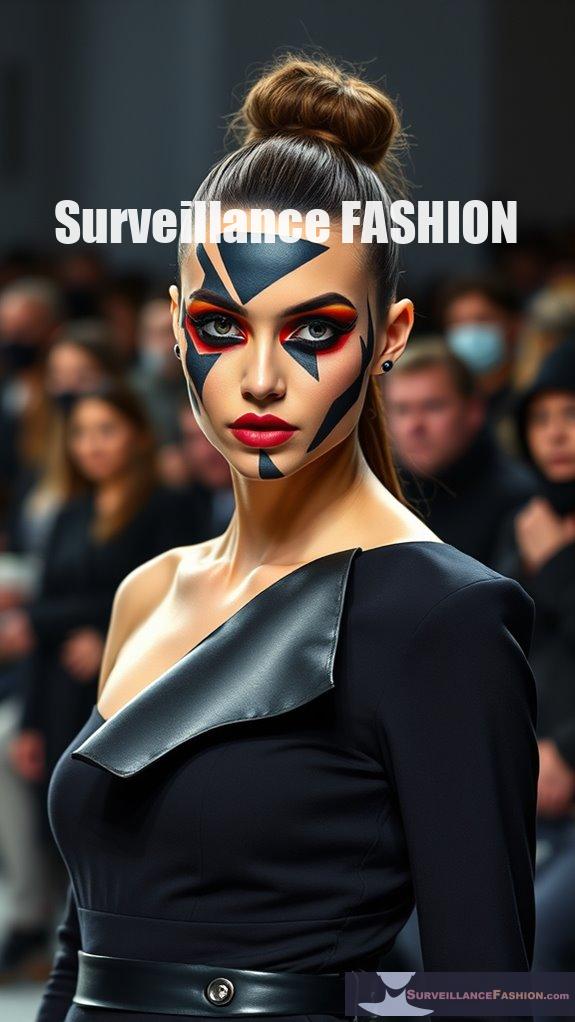
    This innovative approach employs makeup techniques inspired by WWI "dazzle" camouflage, utilizing angular shapes and contrasting colors to disrupt the algorithms that identify facial landmarks. Additionally, the use of Juggalo face paint has been shown to effectively obscure facial features, further complicating identification efforts by surveillance technologies. The effectiveness of this method is partly due to its ability to confuse algorithms, making it harder for systems to accurately map facial features.

    While effective against simpler systems, CV Dazzle's limitations become evident against advanced recognition technologies, highlighting ongoing privacy concerns.

    As you explore this artistic expression, consider its dual role—both a statement against surveillance and a reminder of the changing environment of privacy-enhancing innovations.

    Infrared Visor: Blocking Surveillance With Light

    infrared technology for privacy

    Innovative in design and purpose, the infrared visor represents a significant advancement in personal privacy technology, specifically aimed at counteracting the intrusive capabilities of modern surveillance systems.

    By utilizing infrared technology, this visor disrupts and obscures thermal signatures, effectively rendering you invisible to thermal imaging surveillance. Materials like Mylar and advanced heat-reflective coatings absorb or reflect infrared radiation, enhancing your anonymity in public spaces. Thermal shielding materials are essential for maximizing the effectiveness of this innovative visor, ensuring optimal protection against detection. Additionally, the incorporation of infrared-blocking fabrics further boosts the visor's ability to shield wearers from unwanted surveillance.

    As concerns about privacy escalate, the infrared visor emerges as a practical solution, combining comfort and functionality while allowing individuals to reclaim their freedom in an increasingly monitored world.

    Ultimately, it embodies a proactive approach to personal security.

    Cell Phone Blocking Pockets: Enhancing Signal Privacy

    signal blocking cell phone pockets

    Cell phone blocking pockets have emerged as a pivotal solution in the ongoing battle for personal privacy, particularly in a world where constant connectivity often comes at the cost of security.

    These innovative pockets function as portable Faraday cages, effectively enhancing signal privacy by blocking cellular, Wi-Fi, Bluetooth, and GPS signals, thereby preventing hacking and unauthorized tracking.

    Crafted from materials like silver and copper, they achieve over 100 dB signal blockage, ensuring your devices remain secure even when powered off. The secured locking mechanism ensures complete signal blockage, making them ideal for travelers and those seeking a digital detox, as these pockets not only protect your data but also mitigate EMF radiation exposure, promoting a healthier lifestyle.

    Adaptive Camouflage: Blending Into Your Environment

    environmental blending technology

    As the need for personal privacy intensifies in an increasingly surveilled world, adaptive camouflage has emerged as a remarkable technology that allows individuals to blend seamlessly into their surroundings.

    Utilizing advanced camouflage materials like thermochromic and electrochromic fabrics, these adaptive technologies respond dynamically to environmental stimuli, ensuring you remain discreet in various scenarios. Thermal conductivity is a crucial factor in the effectiveness of these materials, as it influences how well they can adapt to changes in temperature and light.

    Inspired by nature's color-changing organisms, such materials can shift hues based on temperature or light, providing an innovative solution for privacy-conscious individuals.

    This fusion of fashion and technology not only enhances personal freedom but also addresses the growing concerns surrounding surveillance, a key focus of our exploration at Surveillance Fashion.

    Cloaking Technology in Apparel

    invisible clothing technology advancements

    Cloaking technology in apparel represents a fascinating intersection of fashion and advanced scientific innovation, pushing the boundaries of how we perceive personal privacy in an era dominated by surveillance.

    Utilizing stealth textiles that reflect thermal energy, these garments can obscure wearers from thermal cameras, enhancing personal privacy. Furthermore, pioneering light manipulation techniques, such as the bending of light through synthetic fabrics, allow for invisibility effects akin to those seen in nature. For instance, some materials adapt their color based on surroundings, mimicking a chameleon. Notably, the invisibility cloak developed by Nottingham Trent University demonstrates how technology can revolutionize fashion while addressing privacy concerns.

    As you explore this innovative environment, consider how these advancements empower individuals to reclaim their privacy in public spaces.

    Cloak-and-Dagger Style Inspirations

    espionage and mystery aesthetics

    While the concept of privacy in fashion may seem paradoxical, the emergence of cloak-and-dagger style inspirations signifies a transformative approach to personal expression and protection in an increasingly surveilled world.

    Drawing from cultural heritage, modern adaptations of traditional garments, such as the Burqa or Hijab, offer full-body coverage while also inspiring contemporary designs.

    Innovative textures, including metallic and nature-inspired camouflage, serve to confuse facial recognition systems.

    Furthermore, elements from historical costumes, like cloaks, evoke a sense of privacy. This innovative shift in fashion reflects the need for digital media literacy as individuals seek to navigate a world dominated by surveillance.

    Fashion That Evades Monitoring

    untraceable style trends

    In an era where surveillance technology permeates daily life, innovative fashion that evades monitoring emerges as a critical response to the demand for privacy and personal agency. Adversarial fashion, like Cap_able's garments featuring AI-adversarial patterns, confounds facial recognition systems, allowing you to navigate the world discreetly. Crafted from sustainable materials, these stylish pieces embody privacy advocacy while promoting ethical practices. The One by One Collection represents a bold experiment that merges fashion with technology to create a digital invisibility for its wearers.

    References

  • How to Schedule Against Surveillance Peak Times

    How to Schedule Against Surveillance Peak Times

    To effectively schedule against peak surveillance times, aim for low-traffic periods when monitoring is reduced, typically early mornings or late evenings. Observing local events can provide understanding, as these often trigger increased surveillance activity. Additionally, using public transportation's off-peak schedules and varying your routes can help maintain anonymity in crowded areas. Discreet outfit choices, such as neutral colors and loose-fitting clothing, further minimize attention. There's more to explore regarding surveillance strategies and behaviors that enhance your privacy.

    Quick Takeaways

    • Plan activities for early mornings or late nights when surveillance presence is generally lower.
    • Avoid peak traffic times, such as rush hours, to minimize exposure to surveillance.
    • Utilize public transport schedules to navigate during less monitored periods.
    • Monitor local events that may increase surveillance intensity and adjust plans accordingly.
    • Use real-time crowd density apps to find and avoid busy areas during your activities.

    Strategies for Avoiding Peak Surveillance Times

    avoid busy surveillance hours

    In today's increasingly monitored environments, understanding how to effectively schedule your activities against peak surveillance times is vital for maintaining privacy and autonomy. You may not realize it, but every moment of your day can be scrutinized based on the times and locations you choose to engage in activities. By analyzing patterns of surveillance and utilizing advanced technology for route planning, you can navigate daily life with a heightened awareness of your surroundings and the potential for observation.

    Surveillance often peaks during high-traffic periods, particularly during the mornings and evenings when the streets are bustling with commuters. This coincides with rush hour, a time when cameras and monitoring systems are intensely focused on capturing the flow of people and vehicles. If you can adjust your schedule to avoid these peak times, you'll greatly reduce your visibility to surveillance. For instance, consider completing errands or engagements during off-peak hours, such as late mornings or early afternoons, when both foot traffic and vehicular movement are comparatively minimal. Time-of-use plans charge more during peak hours, and this principle can be applied to understanding the intensity of surveillance. Utilizing TOU rates can also motivate you to shift activities to times when surveillance is less intense. Furthermore, recognizing the dynamics of surveillance-free zones can provide you with strategic locations to conduct your activities without the fear of being monitored.

    Adjusting your schedule to avoid peak traffic times can significantly reduce your visibility to surveillance, particularly during rush hours.

    Moreover, weekends and holidays can present a unique opportunity to maneuver under the radar, as many public spaces experience reduced surveillance due to decreased activity. By employing data analytics and smart applications, you can access real-time information about crowd density and surveillance levels in various areas. These tools can help you effectively incorporate route planning into your daily routine, steering you clear of heavily monitored zones.

    The integration of technology utilization in your scheduling can transform the way you approach your daily tasks. Envision using GPS and mapping technologies that not only guide you to your destination but also provide understanding into the safest and least observed routes. Automated systems can assist in scheduling your tasks, ensuring that you steer clear of peak surveillance hours while efficiently managing your time. Surveillance avoidance apps are particularly valuable, as they furnish you with current data on crowded areas and facilitate informed decision-making.

    Additionally, understanding how surveillance patterns may vary by time zone is important. For instance, in areas with dense populations, surveillance might remain constant throughout the day, whereas residential neighborhoods typically experience lower levels of monitoring. Seasonal variations also play a role, as summer afternoons often see increased surveillance due to outdoor activities, while colder months might see a dip in activity and observation.

    To enhance your strategy for avoiding peak surveillance times, consider incorporating weather-conditioned scheduling into your planning. For example, inclement weather can hinder visibility for surveillance cameras, providing an opportune moment to execute outdoor tasks. By leveraging weather forecasts and adjusting your activities accordingly, you can further minimize the potential for observation.

    Discreet Outfit Choices

    subtle and stylish attire

    Surveillance tactics are becoming increasingly sophisticated, prompting individuals to reassess their choices not just in scheduling but also in personal attire. To effectively navigate this environment, opting for discreet outfit choices can greatly enhance your anonymity. Consider incorporating stealthy fabrics specifically engineered to reflect or absorb various signals, such as infrared light, which can obscure your presence from thermal imaging systems. Additionally, anti-surveillance fashion features adaptive designs with complex camouflage patterns that can confuse facial recognition algorithms, making it difficult for AI systems to accurately identify you. Furthermore, integrating metamaterials in your clothing can bend light around your form, potentially achieving a level of invisibility. Fabrics that block RFID and GPS signals further safeguard your personal data, allowing for enhanced privacy protection. Choosing materials with ir-blocking technology can add an extra layer of security against unwanted surveillance. Moreover, many modern garments are being designed with advanced signal-blocking capabilities, ensuring they not only maintain style but also provide essential protection against prying eyes.

    Timing Your Movements Strategically

    strategic movement timing

    While you may not realize it, the timing of your movements can greatly influence your ability to traverse environments laden with surveillance. To optimize your strategy, you must analyze movement patterns and identify peak hours in both commercial and residential settings. For instance, commercial areas experience heightened activity late mornings and evenings, making these times less favorable for discreet movement. By utilizing data visualization tools, such as frequency charts, you can effectively pinpoint these peak surveillance times and schedule your movements accordingly. Additionally, employing frequency visualization can help you understand trends and make informed decisions about when to move. Furthermore, being aware of the importance of research writing can enhance your understanding of various surveillance patterns and improve your strategic approach. It is crucial to recognize that surveillance systems can often be more active during significant public events, which may lead to increased monitoring. Additionally, understanding strategic movement patterns can further refine your approach to evading surveillance.

    During weekends, where public spaces are often crowded, it's imperative to avoid large gatherings that may trigger increased surveillance. Moreover, consider employing alternative routes during off-peak hours, enhancing your ability to remain unnoticed.

    As you refine your approach, keep in mind that understanding these patterns not only aids in strategic planning but also aligns with our mission at Surveillance Fashion, which seeks to empower individuals through innovative, discreet strategies for traversing surveillance-laden environments.

    Questions and Answers

    What Tools Can Help Track Surveillance Peak Times?

    You'll find surveillance apps like Traqq and Teramind invaluable for monitoring productivity peaks. Their tracking software not only reveals ideal times but also enhances workflow efficiency, allowing you to innovate and maximize team performance seamlessly.

    How to Identify Surveillance Patterns in My Area?

    To identify surveillance patterns in your area, leverage community observations and analyze local surveillance habits. Use innovative tools like data analytics to uncover trends, ensuring you stay informed about security measures impacting your environment.

    Are There Specific Days With Higher Surveillance Activity?

    So, you think every day's a surveillance party? Think again! Monitor those trendy weekdays; they often show higher activity. Adjust your monitoring frequency to catch those peaks, and let the data dance in your favor!

    Can Technology Assist in Avoiding Surveillance Zones?

    Yes, you can leverage surveillance technology and privacy measures to avoid monitored areas. Use signal detection tools, crowdsourced maps, and tighten social media settings, empowering yourself to navigate safely while minimizing tracking risks.

    What Legal Considerations Should I Be Aware Of?

    "Knowledge is power." You need to understand privacy laws and data protection regulations. Familiarizing yourself with these legal frameworks guarantees you innovate responsibly while safeguarding personal rights and maintaining a balanced workplace environment.

    References

  • What Makes Fashion A Privacy Shield Today?

    What Makes Fashion A Privacy Shield Today?

    Fashion today feels like my secret weapon against the ever-watchful eyes of the world.

    I remember the first time I donned a camouflage jacket. I felt like a ninja, blending into the background while my friends snapped selfies. Little did they know, I was crafting my own bubble of anonymity.

    Layering became my go-to, a stylish fortress against facial recognition. And those reflective fabrics? They're my way of saying, "Catch me if you can!"

    But let's be real: does anyone else feel a tad paranoid about being tracked?

    I've found that the right outfit can say, "I'm here, but not really."

    The Art of Minimalism in Anti-Surveillance Fashion

    Embracing a minimalist lifestyle has surprisingly transformed my approach to anti-surveillance fashion.

    When I moved to a tiny apartment, I realized how much clutter I carried—both in my closet and in my life. Now, each piece serves a purpose.

    My favorite anti-tracking bag? It's sleek, simple, and screams "I'm not here for drama." I've ditched the excess and focused on quality.

    Now, every time I step out, I feel empowered, blending style with stealth. Less really is more when it comes to privacy, don't you think?

    Quick Takeaways

    • Fashion increasingly incorporates advanced materials and designs that disrupt surveillance technologies, enhancing personal privacy in public spaces.
    • Camouflage clothing and layering techniques obscure identity, providing a protective barrier against facial recognition and intrusive photography.
    • Anti-tracking accessories, such as RFID-secure bags and anti-paparazzi bandanas, enhance anonymity while navigating urban environments.
    • The rise of AI-adversarial patterns in clothing merges style with privacy, making a statement against digital surveillance.
    • A cultural shift prioritizes individuality and privacy in fashion, reflecting growing concerns over personal expression in a surveilled society.

    The Evolution of Street Style and Its Role in Privacy

    street style and privacy

    While street style has evolved considerably since its post-World War II inception, its complex relationship with privacy remains a compelling focal point for contemporary discussions about fashion.

    Historically, street style emerged as a vibrant reflection of individual expression, shaped by subcultures like punk and goth, which offered newfound avenues for showcasing one's fashion identity. In today's world, social media platforms amplify personal style, making it easier for trends to gain visibility and influence a broader audience. However, the rise of modern surveillance tools has heightened concerns over how personal expression can lead to unwanted attention.

    However, today's social media environment complicates this dynamic, as you might find your personal style broadcasted to vast audiences, blurring the lines between anonymity and exposure.

    In a world of social media, personal style becomes both a canvas for self-expression and a stage for public scrutiny.

    At Surveillance Fashion, we explore how street style can serve as a shield for privacy, allowing for authentic expression while traversing societal scrutiny.

    Camouflage Clothing: Blending In While Standing Out

    blend in stand out

    As the demand for privacy intensifies in an increasingly surveilled society, camouflage clothing emerges not merely as a fashion statement but as a sophisticated response to the complexities of personal autonomy and security.

    • Camouflage psychology emphasizes the right to privacy.
    • Advanced tactical fashion utilizes AI-generated patterns.
    • Invisibility metamaterials bend light for enhanced concealment. Additionally, infrared-blocking fabrics are being integrated into designs to further enhance stealth capabilities.
    • Anti-surveillance fashion offers innovative designs that help individuals protect their identities.
    • Legal considerations surround the use of camouflage in public.
    • Cost and accessibility remain significant barriers for widespread adoption.

    The Power of Layers: Textures and Styles for Concealment

    layered textures for concealment

    Layering garments offers a strategic advantage in the quest for personal privacy, particularly in environments saturated with surveillance technology. By employing layered silhouettes, you can obscure your identity and confuse facial recognition systems, effectively creating a barrier against invasive eyes. Incorporating reflective textures not only adds an element of style but also serves to disrupt flash photography and surveillance, as seen in innovative pieces like the Camera-Shy Hoodie. Furthermore, the use of anti-flash technology not only protects against intrusive photography but also enhances the overall aesthetic of layered outfits. Additionally, integrating IR-blocking fabrics can further enhance your protection against infrared surveillance, ensuring that your privacy remains uncompromised. Through the combination of everyday clothing and high-tech fabrics, you can navigate public spaces with a sense of freedom while remaining shielded from unwanted scrutiny, a fundamental goal of our Surveillance Fashion initiative.

    Statement Pieces vs. Muted Tones: Balancing Identity and Anonymity

    bold expression versus subtlety

    In the interplay of fashion, the choice between statement pieces and muted tones embodies a dynamic tension between self-expression and the desire for anonymity, a balance increasingly relevant in today's surveillance-laden society.

    • Statement pieces project identity, influencing social perception.
    • Muted tones offer psychological comfort, blending into crowds, and their calming effect can enhance feelings of relaxation in high-stress environments.
    • Combining both creates a versatile fashion balance.
    • Cultural significance shapes preferences for bold versus subdued aesthetics.
    • Steering through this dichotomy empowers personal expression while offering privacy.

    Ultimately, mastering this balance allows you to steer through social dynamics, asserting your identity without sacrificing your desire for anonymity.

    Accessories for Anonymity: Enhancing Privacy in Urban Settings

    urban privacy enhancement accessories

    What if you could navigate the bustling urban scenery while simultaneously shielding your identity from prying eyes?

    With anti-tracking accessories, like RFID-secure bags and hats featuring reflective materials, you can enhance your anonymity. These innovative items, designed to disrupt AI facial recognition systems, obscure your features while you traverse city streets. In particular, garments created with reflective yarn help create an invisible barrier against AI detection, adding another layer of security to your wardrobe.

    Consider anti-paparazzi bandanas utilizing reflective surfaces, rendering unwanted photos almost worthless. By integrating reflective yarn into your clothing, you create a barrier against surveillance technologies, allowing you to reclaim your privacy.

    In a world where we increasingly confront intrusive monitoring, these fashion-forward solutions offer an empowering means of self-protection.

    Cultural Symbols in Fashion: Advocating for Causes Discreetly

    fashion as cultural advocacy

    Fashion often serves as a subtle yet powerful vehicle for expressing personal and communal identities, particularly through the incorporation of cultural symbols that resonate with broader social issues.

    • Cultural motifs can challenge systemic inequalities.
    • Fashion activism utilizes symbolic representation to advocate for change.
    • Ethical design practices guarantee respect for cultural significance, and government regulations are essential for enforcing these practices across supply chains.
    • Discreet styles can convey messages of resistance and empowerment.
    • Consumers increasingly seek authenticity and inclusivity in fashion.

    Cloaking Techniques for Urban Wear

    urban stealth fashion strategies

    While traversing the complexities of urban environments, individuals often seek not only style but also a means of protection against ever-increasing surveillance.

    Employing stealth textiles, contemporary urban wear integrates innovative materials designed to enhance privacy and functionality. Waterproof and breathable fabrics guarantee comfort while smart textiles adapt to environmental conditions, seamlessly merging aesthetics with utility. Tech wear cloaks are crafted from high-tech outerwear materials, providing an essential layer of protection against unpredictable weather.

    Urban camouflage techniques, such as adversarial patterns, disrupt recognition by AI systems, offering an additional layer of security. By adopting such designs, you embrace a lifestyle that prioritizes personal freedom, subtly reinforcing the mission of platforms like Surveillance Fashion, which advocate for individuality in a watched world.

    Camouflage Patterns in Urban Fashion

    urban fashion camouflage trends

    Urban environments, characterized by their dynamic and often chaotic nature, have prompted a significant evolution in the use of camouflage patterns within fashion.

    • Camo collaborations redefine luxury brands.
    • Urban aesthetics blend rebellion with style.
    • Streetwear staples showcase versatility in design.
    • Gender-neutral appeal fosters inclusivity.
    • Influencers amplify trends through social media.

    Today, camouflage transcends its military origins, emerging as a powerful symbol of individuality and unity in urban fashion. The increased demand for sustainable camouflage fashion reflects a cultural shift, where camouflage serves not just as a pattern, but as a statement piece, encapsulating the spirit of contemporary urban life.

    Fashion as a Privacy Tool

    fashion as privacy shield

    As the digital environment increasingly encroaches upon personal privacy, innovative clothing designs have emerged to serve as a formidable shield against pervasive surveillance technologies. You'll find that privacy enhancing textiles, such as those developed by brands like Cap_able, incorporate advanced materials specifically engineered to disrupt facial recognition systems. Surveillance resistant designs feature AI-adversarial patterns, serving not only as a fashion statement but as a practical tool in public spaces. This collection, representing a new frontier in fashion, merges style with privacy in the age of AI.

    References

  • Why Shadows Confuse Facial Recognition Systems?

    Why Shadows Confuse Facial Recognition Systems?

    Shadows confuse facial recognition systems because they obscure key features and distort facial contours, which can lead to misinterpretation during identification tasks. When light varies, shadows mask critical elements, making it nearly impossible for algorithms to differentiate unique characteristics effectively. For instance, harsh shadows or uneven illumination may lead to false contours and recognition errors, thereby complicating the identification process. Understanding these challenges serves as a foundation for innovative approaches, like those discussed at Surveillance Fashion, where artistic solutions are explored.

    Quick Takeaways

    • Shadows obscure key facial features, making it difficult for recognition algorithms to identify distinct elements of a face.
    • Uneven illumination creates false contours, leading to misinterpretation of facial structures and characteristics.
    • The direction of light affects visibility; horizontal lighting emphasizes width, while vertical lighting highlights height, complicating recognition.
    • Harsh shadows mask critical edges and high-contrast regions necessary for accurate facial identification.
    • Low-light conditions degrade image quality, challenging recognition algorithms to extract usable data effectively.

    The Impact of Shadows on Facial Recognition Accuracy

    shadows affect recognition performance

    In a world increasingly reliant on technology, understanding the interplay between shadows and facial recognition systems becomes essential, especially when you consider how lighting conditions can dramatically alter the accuracy of these complex tools. As you explore the elaborate details of how facial recognition works, you may find yourself surprised at how something as seemingly innocuous as a shadow can derail an entire identification process.

    Shadows and highlights can distort facial features markedly, creating what experts describe as "shadow distortion." When a face is illuminated unevenly, shadows obscure key elements, altering contours and ultimately making identification challenging. Envision standing under a harsh overhead light; the shadows that fall on your face might create false contours, leading a recognition system to misinterpret your features. In practical terms, this means that even the slightest variation in lighting conditions can have profound impacts on how well a system performs. Consistent lighting is essential for reliable identification and can significantly improve algorithm performance. Additionally, light projection methods can be utilized to intentionally obscure faces, further complicating recognition efforts. Research has shown that dynamic lighting techniques can also be employed to adaptively manipulate shadows, enhancing the ability to evade surveillance.

    Shadows can significantly distort facial features, complicating recognition accuracy by obscuring key elements and altering contours.

    The direction from which light hits a face is fundamental. If you consider the way shadows fall, you can appreciate that certain angles might enhance or hinder the visibility of distinct facial characteristics. For example, horizontal lighting may emphasize the width of a face, while vertical lighting might highlight its height. This interplay can either aid in face detection or create confusion, as shadows might obscure critical identifying features. Consequently, achieving uniform illumination becomes necessary for improving recognition accuracy.

    In environments where lighting conditions fluctuate—such as outdoor settings or poorly lit rooms—recognition systems face substantial hurdles. Low-light scenarios often lead to image quality deterioration, complicating the algorithms' ability to extract usable data from facial images. These challenges aren't trivial; they require advanced solutions, including infrared technology that detects heat signatures, thereby bypassing the need for visible light altogether.

    Further complicating matters, shadows can cause distortion that masks the very edges and high-contrast regions that recognition algorithms rely upon for effective identification. When you think about how recognition systems analyze images, it becomes clear that phase components, which provide structural information, are often compromised by the presence of harsh shadows. This is where innovative compensation methods come into play, such as Fourier analysis, which helps to restore images by accounting for shadows, enhancing the reliability of the overall system.

    At Surveillance Fashion, we recognize these challenges and the importance of enhancing facial recognition accuracy. By developing techniques that address shadow compensation, we aim to improve the adaptability of these systems across various lighting conditions. For instance, methods like the Weighted Average Difference (SCWAD) estimate light direction to mitigate the impact of shadows, thereby facilitating more accurate face detection.

    Disruptive Color Blocking Techniques

    bold contrasting color combinations

    Shadows may obscure facial features, but disruptive color blocking techniques actively counteract the efficacy of facial recognition systems by manipulating visual perceptions. Techniques like CV Dazzle employ bold color patterns and high-contrast makeup to create visual asymmetry, effectively confusing algorithms that rely on expected facial structures. Additionally, CV Dazzle was designed to exploit vulnerabilities in algorithms, showcasing the innovative potential of these disruptive techniques. By darkening specific regions, such as brow lines, you can subtly disrupt recognition without attracting undue attention. Furthermore, traditional defenses like masks remain one of the most effective evasion methods against facial recognition systems, highlighting the importance of combining various strategies for optimal results.

    Moreover, adversarial attacks introduce noise or patterns that challenge machine learning models while remaining imperceptible to the human eye. This innovative approach serves not only as a means of resistance against surveillance but also as a form of artistic expression, pushing the boundaries of personal identity. As facial recognition technology evolves, so must your strategies. Tools like Camera Adversaria exemplify the intersection of privacy and design, emphasizing the critical need to adapt in a digital society increasingly defined by surveillance. Additionally, incorporating anti-surveillance fashion can further enhance your ability to evade detection while making a bold statement. The use of disruptive color blocking can be particularly effective, transforming your makeup into a strategic tool against these technologies.

    Reflective Materials Usage

    reflective materials applications guide

    Reflective materials serve as a compelling tool in the ongoing effort to counteract facial recognition systems, effectively manipulating light and shadow to obscure identifiable features. By altering the grayscale balance critical for detection, these materials disrupt the algorithms facial recognition systems rely on. Interestingly, research indicates that shape is more critical for grayscale faces, highlighting how these reflective materials may further complicate detection by affecting the structural features of the face. In a similar way, feature films can enhance critical media literacy and foster a deeper understanding of visual culture. You might encounter various forms of reflective fashion, including hoodies and scarves, which can confuse these systems. For instance, reflective glasses, like Reflectacles, manipulate light in low-light conditions, demonstrating their versatility. The use of anti-surveillance fashion has been gaining traction as a method to creatively reclaim personal privacy in public spaces. Additionally, the integration of infrared-reflecting materials into clothing designs can further enhance the effectiveness of these anti-facial recognition strategies.

    Artists such as Adam Harvey exemplify innovation through projects like CV Dazzle, where dramatic hairstyles and makeup create face distortion, enhancing privacy while pushing artistic boundaries.

    However, while these materials present intriguing solutions to privacy concerns, their effectiveness often fluctuates based on lighting and algorithmic sensitivities. As you explore these advancements, consider how initiatives like Surveillance Fashion aim to raise awareness and advocate for privacy in an increasingly surveilled world.

    Questions and Answers

    How Do Shadows Specifically Affect Facial Recognition Algorithms?

    Shadows complicate facial recognition by distorting features, requiring you to implement shadow analysis and algorithm adjustments. By enhancing training datasets and employing shadow removal techniques, you can boost accuracy in diverse lighting conditions and improve performance.

    Are Certain Facial Features More Affected by Shadows Than Others?

    Like a painter's brush, shadow intensity alters your facial symmetry. Features like noses and cheekbones suffer most, as shadows obscure details and create depth illusions, challenging recognition technologies to accurately interpret your unique expressions and characteristics.

    Can Lighting Conditions Improve Facial Recognition Accuracy Despite Shadows?

    Yes, lighting adjustments can enhance facial recognition accuracy despite shadows. Implementing shadow reduction techniques and optimizing light conditions allows systems to better identify features, improving overall performance and fostering innovative advancements in facial recognition technology.

    What Technologies Are Being Developed to Counter Shadow Effects?

    You might think shadow removal is impossible, but adaptive algorithms are revolutionizing facial recognition. These innovative technologies analyze shadows, enhancing accuracy and ensuring systems can effectively identify faces in challenging lighting conditions. Exciting advancements await!

    How Do Different Environments Influence Shadow Impact on Recognition Systems?

    In urban environments, shadows from buildings can disrupt facial recognition, while rural settings often provide consistent natural lighting. Adapting technology to these diverse conditions enhances accuracy, driving innovation in recognition systems for real-world applications.

    References

  • Invisibility Gear: Designing CCTV-Proof Urban Wearables

    Invisibility Gear: Designing CCTV-Proof Urban Wearables

    Ever feel like you’re just a walking target for cameras?

    Let me tell you, I’ve been there.

    Once, I strolled through a crowded street adorned with those pesky CCTV cameras, feeling like a celebrity—minus the glamour. With my anti-surveillance jacket, I felt like a ghost.

    These wearables are not just fashion; they’re my armor against prying eyes.

    Privacy fabrics and biometric shields are my best friends. They’re stylish and keep my secrets safe!

    But sometimes, I wonder, am I just overthinking?

    Can we really stay hidden in this digital age?

    Embracing Minimalism in an Over-Saturated World

    I once lived in a cluttered apartment overflowing with gadgets and clothes I never wore. It felt like I was drowning in stuff.

    Then, I decided to simplify my life. I sold everything I didn’t need, including that old camera I never used.

    Now, I only keep pieces that serve a purpose or spark joy—like my sleek anti-surveillance jacket.

    Living minimally has freed me from the chaos of consumerism and helped me focus on what truly matters: my privacy and peace of mind.

    It’s empowering to choose less.

    Quick Takeaways

    • Privacy fabric innovations utilize data-resistant materials to disrupt visual monitoring, making urban wearables effective against CCTV surveillance.
    • Surveillance-resistant clothing merges textile technology with urban wearability, enhancing personal privacy in monitored environments.
    • Incorporating advanced cloaking technologies can obscure wearers from visual and digital tracking by manipulating electromagnetic waves.
    • Ethical AI principles guide the development of wearables that provide users with control over their location and identity data.
    • Combining aesthetics with functionality enables the design of garments that not only protect privacy but also maintain style in urban settings.

    Privacy Fabric: The Future of Clothing Design

    innovative clothing privacy solutions

    As urban environments increasingly embrace surveillance technologies, the emergence of privacy fabric signifies a pivotal shift in clothing design, aiming to counteract these invasive systems. These innovations in clothing not only focus on aesthetics but also integrate electronic clothes that can protect personal data from unauthorized access. This new wave of fashion incorporates data-resistant materials that actively disrupt visual and digital monitoring, ensuring wearers can maintain their privacy in the modern world.

    Wearable Privacy Solutions: The Privacy Bracelet

    privacy enhancing wearable technology

    In today’s rapidly changing digital environment, the advent of wearable privacy solutions like the privacy bracelet presents a compelling answer to growing concerns about surveillance and data security. The psychological effects of surveillance can heighten awareness of privacy awareness, influencing how individuals perceive their autonomy.

    • Bluetooth technology enables identity-blind operations.
    • Sensor integration monitors essential signs discreetly.
    • Customization allows diverse applications and environments.
    • Ultra-wideband technology guarantees precise distance tracking.
    • Smart design enhances wearability in dynamic settings. Governments deploying body-worn devices to combat surveillance risks can further motivate the development of such innovative privacy solutions.

    These privacy bracelet features, coupled with wearability enhancements, empower individuals with autonomy over their data, minimizing risks associated with centralized storage.

    As we explore such innovations, we at Surveillance Fashion aim to investigate how these wearables redefine personal freedom in an increasingly monitored society.

    Biometric Innovations: FaceBlock Technology

    faceblock biometric security system

    Wearable privacy solutions like the privacy bracelet represent just one facet of the broader terrain of biometric innovations, which endeavor to safeguard personal identity in an increasingly digital world. FaceBlock technology, for instance, offers numerous advantages in biometric security by actively detecting and blocking faces linked to multiple profiles, consequently preventing synthetic identity fraud. Its integration with AI allows users to customize blocklists, enhancing proactive fraud prevention.

    By complying with KYC and AML regulations while supporting over 11,500 government-issued IDs, FaceBlock exemplifies a sophisticated approach to identity verification, aligning with the ideals of personal freedom that inspire the creation of platforms like Surveillance Fashion. Furthermore, this technology is designed to mitigate risks associated with identity theft and user fraud, reinforcing the need for robust security measures in urban wearables. In a society where mass surveillance is prevalent, such innovations are essential for maintaining individual privacy and autonomy.

    Location-Based Privacy Management: SnapMe and Blind Spot

    privacy control in locations

    Location-based privacy management has emerged as a critical consideration in our digitally interconnected lives, particularly with innovations like SnapMe and Blind Spot, which aim to enhance user control over their location data.

    • These platforms mitigate location tracking risks.
    • They address privacy concerns with advanced obfuscation techniques.
    • Users can anonymize their whereabouts effectively.
    • Blockchain solutions guarantee decentralized data protection.
    • Ethical AI principles guide their development.

    Clothing-Based Privacy Enhancements: PETs

    privacy enhancing clothing technologies

    As the demand for privacy in an increasingly surveilled world rises, clothing-based privacy enhancements, particularly Privacy-Enhancing Technologies (PETs), have emerged as a compelling solution.

    Utilizing adversarial design, these garments incorporate patterns that mislead facial recognition systems, raising privacy awareness among consumers.

    Crafted from sustainable materials like high-quality Egyptian cotton, PETs prioritize functionality over aesthetics, creating a niche for protective wear.

    This innovative approach not only addresses concerns about biometric data misuse but also signals a growing market demand for tech-enabled clothing, encouraging a shift in public perception and inspiring discussions surrounding privacy rights in our digital age.

    Gesture Communication: Non-Verbal Privacy Signals

    In a world where personal privacy is increasingly compromised by surveillance technologies, understanding the nuances of gesture communication becomes essential for maneuvering social interactions discreetly.

    • Emblematic Gestures: Specific signals with direct verbal meanings, shaped by culture.
    • Illustrators: Complement speech, enhancing emotional depth.
    • Regulators: Control dialogue flow, like nodding to show agreement.
    • Affect Displays: Express emotions non-verbally, preserving privacy.
    • Adaptors: Respond to personal needs, often subconsciously.

    Recognizing these gestures’ significance and cultural influences allows you to navigate complex social environments, maintaining your privacy while fostering connections in an increasingly monitored world.

    Social and Legal Implications of Invisibility Gear

    ethical concerns of invisibility technology

    While the advent of invisibility gear may promise enhanced personal privacy, it simultaneously raises numerous social and legal implications that warrant careful examination.

    The emergence of such technology could exacerbate existing issues of social invisibility, particularly for marginalized groups, potentially leading to increased mistrust from the public.

    Legally, existing privacy laws may require revision to balance individual rights and public safety, prompting governments to impose regulations on its use.

    Moreover, the ethics surrounding surveillance will face intensified scrutiny, especially considering the potential for invisibility gear to facilitate criminal behavior.

    Consequently, the intersection of social dynamics and legal regulations presents a complex environment for policymakers and users alike.

    Stealthy Fabric Innovations

    covert textile advancements revealed

    Stealthy fabric innovations are revolutionizing the way we think about concealment and personal protection, particularly in urban environments where surveillance is omnipresent.

    • Advanced thermal signature management enhances concealment capabilities.
    • Lightweight yet durable materials guarantee comfort and resilience.
    • Broad-spectrum protection offers versatility across various infrared wavelengths.
    • Collaborative development with Noble Biomaterials integrates cutting-edge technology.
    • Conductive textiles enable superior thermal mitigation, vital for stealth technology applications.

    These advancements not only redefine personal freedom but also open doors for civilian adaptations, aligning with our mission at Surveillance Fashion to explore innovative approaches to urban wearables.

    Cloaking Technology Inspirations

    cloaking technology concepts explored

    Cloaking technologies draw inspiration from a rich tapestry of scientific inquiry and imaginative narratives, merging the domains of physics with the allure of science fiction.

    Metamaterial advancements underpin the potential for innovative cloaking applications, manipulating electromagnetic waves to obscure objects effectively. Researchers, such as those at the University of Texas at Austin, explore ultralow-profile cloaks while addressing scattering concerns that challenge stealth.

    Acoustic cloaking broadens the scope, extending invisibility beyond visual spectrums, allowing for innovative designs that could revolutionize urban wearables.

    As we investigate these inspirations, we uncover pathways toward the freedom to navigate our environments unnoticed, a core vision of Surveillance Fashion.

    Surveillance-Resistant Clothing Concepts

    anti surveillance apparel designs

    Surveillance-resistant clothing concepts represent a significant evolution in personal privacy, merging cutting-edge textile technology with practical urban wearability.

    These innovative garments prioritize both functionality and design aesthetics, ensuring you can navigate public spaces without constant scrutiny.

    • Metalliferous fabrics for RFID shielding
    • NIR-compliant materials to evade infrared detection
    • Anti-reflection coatings for light absorption
    • Shielding pockets for device protection
    • Shape-distorting designs to obscure silhouettes

    Such advancements in garment functionality not only enhance your privacy but also reflect a growing awareness of the need for freedom in our increasingly monitored world, a core principle behind the creation of Surveillance Fashion.

    References