Author: Ava

  • Stylish RFID Protection: Fashion Meets Security

    Stylish RFID Protection: Fashion Meets Security

    In today’s wild digital jungle, personal security isn’t just a privilege; it’s a necessity.

    I remember my first experience with RFID-blocking gear like it was yesterday. I was at a bustling train station, innocently clutching my brand-new designer wallet—so chic, so risky. Suddenly, I felt a twinge of paranoia. What if some tech-savvy pickpocket swiped my sensitive info without me even noticing?

    Now, I strut around in style, rocking my anti-surveillance getup while feeling like a spy. Who says I can’t look fabulous while keeping my secrets safe?

    The Day I Became a Spy in Fashion

    It was a rainy day when I spotted my friend, dressed in a chic trench coat designed with anti-surveillance tech. Intrigued, I asked her about it. She regaled me with tales of traveling without the fear of prying eyes, feeling like James Bond just by wearing it!

    Inspired, I sought out gear myself. I now own a sleek RFID-blocking clutch and pants lined with stealthy materials. They not only keep my data secure but also make me feel like I have the upper hand. Isn’t it wild how fashion can be your fortress? Exploring this mix of tech and style has shown me the importance of blending aesthetics with functionality, especially in a tightly woven digital world.

    Quick Takeaways

    • RFID-blocking wallets combine security with style, protecting against unauthorized scans while enhancing fashionable appeal.
    • Innovative designs incorporate ultra-thin RFID tags in clothing and accessories, ensuring comfort without sacrificing aesthetics.
    • High-end brands like Louis Vuitton and Gucci use RFID technology for authenticity, enhancing customer experiences and combating counterfeiting.
    • Sustainable RFID materials, including recycled components, cater to environmentally-conscious consumers seeking fashionable security solutions.
    • Conductive fibers and multi-layer composites offer stylish, durable RFID protection, merging practicality and allure in modern accessories.

    The Importance of RFID Protection in Today’s Digital World

    rfid protection for privacy

    In an era where digital transactions are ubiquitous and the threat terrain continually evolves, understanding the significance of RFID protection becomes paramount for individuals traversing this complex environment.

    As RFID technology proliferates in IDs, credit cards, and smart devices, the risks associated with unauthorized scanning and data theft escalate. Improved data and real-time tracking enables individuals to monitor their assets efficiently, providing an added layer of security in preventing unauthorized access. Stylish RFID-blocking wallets have become essential accessories for individuals looking to merge security with fashion.

    Instances of RFID skimming expose your sensitive information, such as financial details and personal identification.

    By integrating RFID-blocking materials into your daily accessories, you create a protective barrier that effectively neutralizes these threats.

    Awareness of RFID risks, coupled with proactive measures, is essential to safeguard your privacy and enhance the security of your daily interactions in an increasingly digital world.

    Innovative Designs: Merging Style With Functionality

    rfid integrated sustainable fashion

    As the scenery of fashion evolves, the integration of RFID technology into apparel and accessories not only enhances security but also introduces innovative designs that challenge conventional aesthetics.

    With ultra-thin, flexible RFID tags, designers seamlessly embed these features into clothing seams or labels, ensuring comfort and style remain intact. Sustainable RFID labels accompany this technological advancement, utilizing recycled materials and eco-friendly production methods that align with contemporary consumer values.

    innovative rfid blocking materials

    When considering the developing domain of fashion, particularly in the sphere of RFID-blocking accessories, it becomes essential to examine the popular materials that provide both functionality and style.

    Metallic foils and fine metal meshes disrupt RFID signals via conductive properties, effectively creating barriers to unauthorized scanning.

    Meanwhile, carbon-based materials and conductive polymers absorb radio waves, offering lightweight yet effective shielding.

    Specialized fabrics infused with conductive fibers promise comfort alongside protection, while multi-layer composite materials maximize durability without bulk.

    As we journey through these innovative options, we at Surveillance Fashion aim to empower consumers seeking style infused with essential security features.

    High-End Brands Leading the RFID Fashion Trend

    rfid fashion security meets style

    High-end brands are increasingly at the forefront of incorporating RFID technology into their fashion lines, seamlessly intertwining security and style to cater to a discerning customer base that values both aesthetics and functionality.

    Louis Vuitton, for example, embeds RFID chips in every bag, ensuring provenance tracking from factory to consumer.

    Similarly, Gucci and Prada utilize RFID for anti-counterfeit product verification.

    Burberry and Chanel enhance customer experiences with RFID embedded labels, fostering deeper brand interaction.

    As these luxury brands collaborate with RFID manufacturers, they create customized tags that not only combat counterfeiting but also offer a sense of authenticity—a fundamental aspect of Surveillance Fashion’s mission to blend security with style. Additionally, the rise of chic RFID pouches showcases how fashionable accessories can prioritize privacy without compromising on design.

    Consumer Preferences: Multifunctionality and Aesthetic Appeal

    stylish multifunctional rfid protection

    Incorporating multifunctionality with aesthetic appeal has become essential in modern consumer preferences, particularly in the domain of RFID protection products.

    You likely appreciate designs that seamlessly blend style with security, such as wallets that elegantly block unauthorized scans while remaining chic.

    RFID-enabled garments, for instance, not only protect sensitive data but also offer post-purchase engagement through smartphone interaction, enhancing your shopping experience.

    This fusion of practicality and allure aligns with contemporary tastes, as brands innovate to embed RFID technology discreetly, ensuring products feel lightweight and visually appealing while supporting sustainable, transparent practices.

    This thoughtful synergy speaks directly to your discerning style.

    Trendy RFID-Blocking Must-Haves

    stylish rfid blocking wallets available

    What does modern style look like in the domain of RFID protection?

    Think high-quality materials, like durable aluminum and carbon fiber, seamlessly combined with stunning full-grain leather. These wallets, engineered for form and function, exhibit compact designs equipped with RFID-blocking liners, ensuring essential security against digital theft without bulk.

    Envision a slim profile wallet with multiple card slots and integrated Apple AirTag pockets—perfect for organizing essentials and tracking if you misplace it. These trendy necessities reflect both sophistication and practicality, embodying the ethos behind Surveillance Fashion.

    With prices ranging from budget-friendly options to luxurious designs, there’s an RFID wallet for every discerning individual.

    chic rfid blocking fashion accessories

    As the terrain of fashion evolves, you’ll find that chic RFID-blocking accessories are transcending their utilitarian roots, merging style with advanced technology in a way that resonates with the contemporary consumer.

    • Color-blocked fanny packs in vibrant pastels
    • Recycled nylon belts with water-resistant textiles
    • Multifunctional handbags featuring phone charging capability
    • Retro-inspired RFID wallets appealing to minimalist aesthetics
    • Eco-friendly rPET totes for conscious commuting

    These trends showcase an industry increasingly prioritizing sustainability while fulfilling the growing demand for fashionable protection, a concept we’ve sought to highlight on Surveillance Fashion. Furthermore, innovative firms are developing surveillance-jamming textiles that enhance the security features of these accessories.

    Embrace this seamless blend of innovation and style in your everyday essentials.

    Modern Privacy-Enhanced Wardrobe

    stylish emf protection clothing

    Modern consumers increasingly prioritize personal safety and privacy, especially as awareness of electromagnetic radiation (EMF) and data security issues grows.

    Selecting garments that incorporate EMF shielding technology—like stylish jackets and comfortable sleep masks—offers a way to protect essential organs while maintaining an aesthetically pleasing wardrobe.

    These advanced materials block a broad spectrum of electromagnetic waves, catering to sensitive individuals and those concerned about daily exposure.

    By merging fashion with functionality, you can integrate protective clothing into your lifestyle effortlessly.

    At Surveillance Fashion, we believe that your choices can embody style, security, and an informed approach to personal health in this ever-evolving environment.

    Questions and Answers

    How Do I Know if My RFID Wallet Is Effective?

    To assess if your RFID wallet is effective, start by checking for RFID-blocking labels and certifications.

    Then evaluate its construction and thickness; higher quality often correlates with better shielding.

    Next, test it with a contactless payment terminal—if the terminal reads your card, the protection is lacking.

    For further assurance, try using RFID test cards or smartphone apps to gauge signal detection.

    Engaging in these evaluations enhances your understanding of RFID protection.

    Can RFID Blocking Bags Be Washed or Cleaned?

    Yes, you can clean RFID blocking bags, but the method varies. For most, spot clean with a mild detergent and a soft cloth, ensuring to avoid harsh chemicals that may compromise the RFID feature.

    If machine washable, such as certain cotton bags, use a cold, gentle cycle, placing it in a laundry bag to safeguard hardware.

    Always air dry, maintaining shape by using tissue paper inside and storing away from sunlight to prevent fading.

    What Is the Lifespan of RFID Blocking Materials?

    Envision it’s a well-loved book, its pages softened by time, yet its essence remains intact.

    RFID blocking materials generally last for about 20 years when crafted from quality components, akin to that book. Exposure to extreme environments can reduce this lifespan considerably.

    For example, frequent use in harsh conditions often shortens durability.

    Investing in reputable brands guarantees longevity, balancing cost and efficacy, ultimately enhancing the protection your RFID blocking solutions provide, cultivating peace of mind.

    Are There RFID Blocking Options for Backpacks?

    Yes, there are numerous RFID blocking options for backpacks available today, designed specifically to prevent unauthorized scanning of your sensitive information.

    These backpacks often feature specialized materials embedded within compartments, acting as barriers to electromagnetic fields.

    For instance, brands like CabinZero provide stylish designs equipped with RFID pockets, combining functionality with fashion.

    This tailored solution not only protects against electronic pickpocketing but also caters to travelers seeking both security and sophisticated style in their daily adventures.

    Do All Credit Cards Have RFID Technology?

    Not all credit cards possess RFID technology; in fact, estimates indicate that only about 10% of U.S. credit cards currently include this feature.

    RFID cards utilize an embedded chip that enables contactless payments, allowing you to tap rather than swipe or insert.

    As technology advances, you can expect broader adoption, particularly since major issuers have embraced RFID functionalities in their latest offerings.

    This ultimately enhances user convenience during transactions while mitigating security risks.

    References

  • Best Clothing Patterns To Defeat Facial Recognition

    Best Clothing Patterns To Defeat Facial Recognition

    Is it just me, or does it feel like every time I step outside, I’m being watched?

    To fight back against those pesky surveillance cameras, I’ve discovered a fun little world of anti-surveillance fashion.

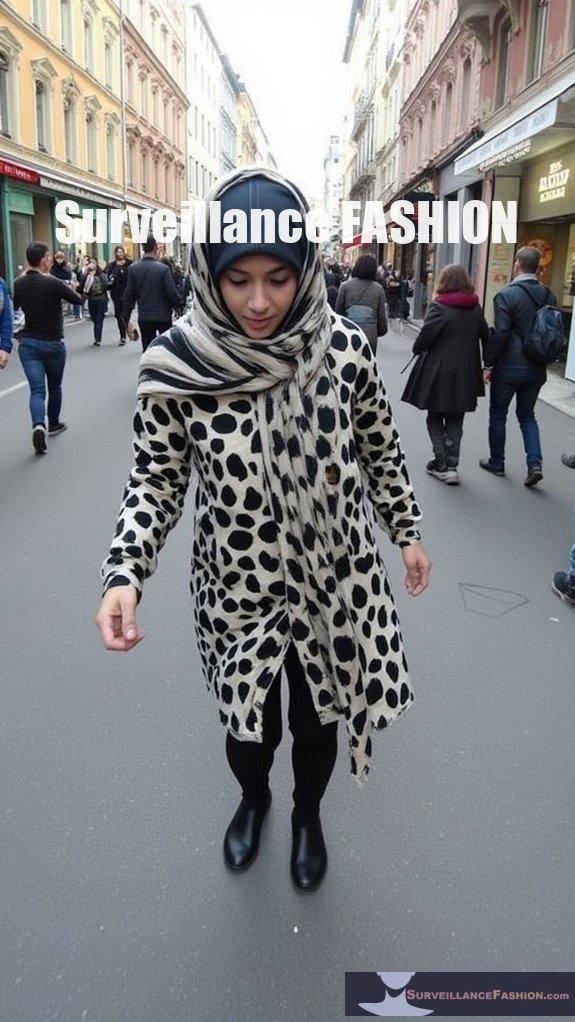
    I’m talking bold animal prints that make me feel like I’m a chameleon ready to blend in. Throw in some adversarial patches, and voilà!

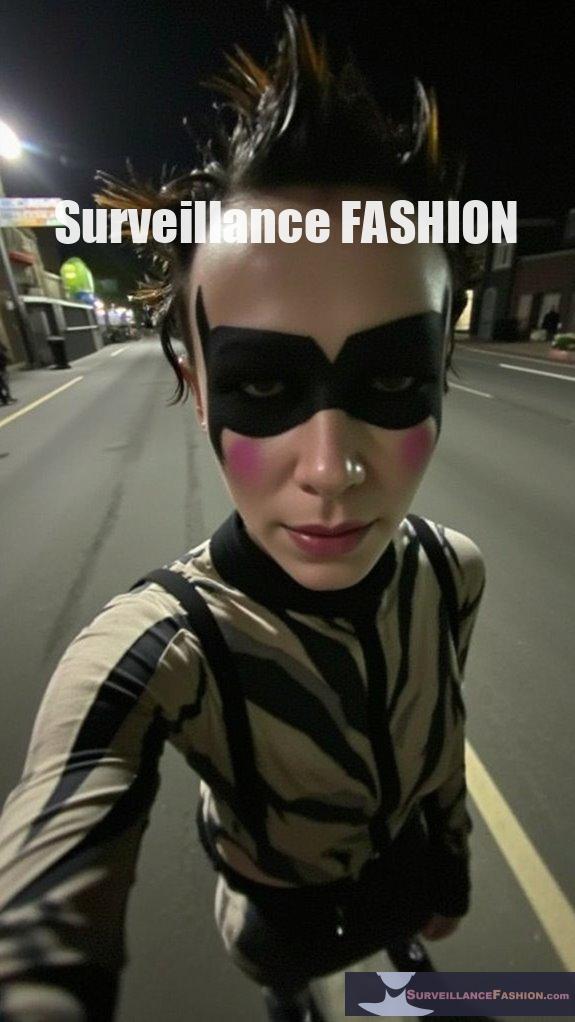
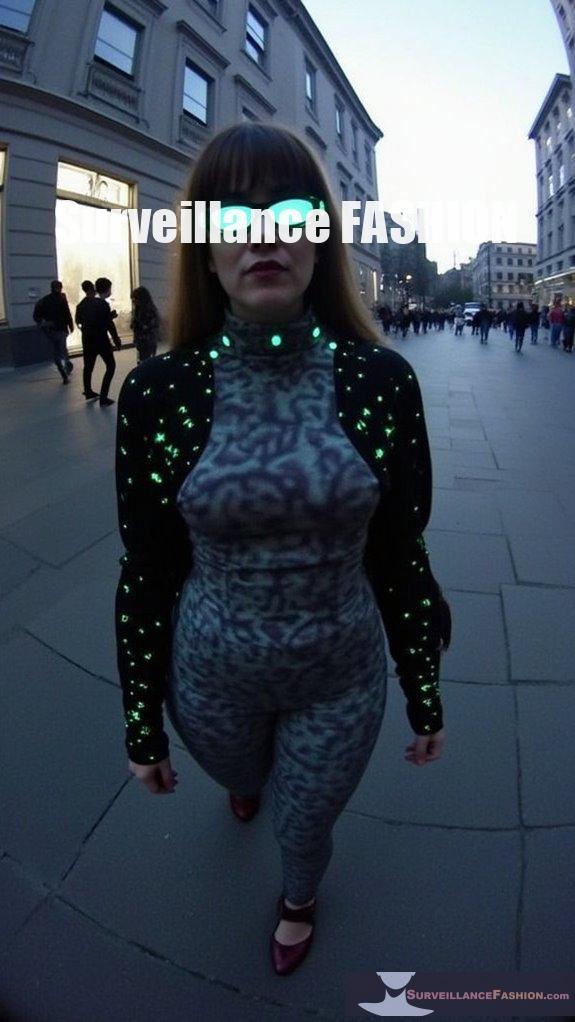
    Once, I donned a wild zebra print shirt and some LED accessories that shone like disco lights. I swear I felt like a secret agent, only less cool—and definitely more confused.

    So, who’s with me on this quirky quest for anonymity?

    Dare to stand out, even while blending in!

    My Close Encounter with Surveillance: A Fashionable Escape

    One time, I went to a street fair and wore this killer outfit layered with patterned fabrics. At one stand, I noticed a camera hovering over the crowd. I panicked for a second—and then it hit me: I had the ultimate anti-surveillance attire!

    I felt a rush of adrenaline mixed with a hint of rebellion. The crowd blurred into a collective anonymity with my outfit. I realized: It’s not just clothing; it’s a statement against pervasive monitoring.

    And let’s be real—fashion can be a powerful protest, right? Stay fabulous, my fellow freedom fighters!

    Quick Takeaways

    • Adversarial Patches: Incorporate patches on accessories like hats or glasses to disrupt facial recognition algorithms and provide effective anonymity.
    • Animal-Inspired Patterns: Utilize zebra stripes or random shapes that confuse keypoint detection and facial symmetry, enhancing privacy in public spaces.
    • Bold Geometric Designs: Opt for high-contrast geometric patterns to mask natural facial contours and create confusion for recognition software.
    • Hyperface Patterns: Wear clothing featuring thousands of artificial faces to distract recognition algorithms and misidentify the wearer’s true identity.
    • Color-Shifting Camouflage: Choose adaptive color designs that blend with surroundings to confuse digital analysis and enhance anonymity from surveillance.

    Adversarial Patches: Disrupting Detection Algorithms

    adversarial patches disrupt detection

    As technology continues to advance, the vulnerabilities in detection algorithms become increasingly apparent, particularly through the innovative use of adversarial patches designed to confuse face recognition systems. These patches, small enough to blend seamlessly into everyday accessories like glasses or hats, can either dodge detection or impersonate recognized individuals, achieving high success rates without needing knowledge of underlying algorithms. This approach highlights the importance of enhancements in security due to face recognition applications, raising questions about privacy and countermeasures. Additionally, the incorporation of light-reflecting anti-surveillance accessories can significantly increase the effectiveness of these disruptions, providing an extra layer of protection against unauthorized surveillance.

    Animal-Inspired Patterns: Misdirection Through Mimicry

    animal patterns disrupt recognition

    When we consider the complex relationship between nature and technology, it becomes evident that the visual tricks employed by the animal kingdom can serve as a rich source of inspiration for designing clothing patterns aimed at evading facial recognition systems.

    Animal PatternRecognition Disruption
    Zebra StripesDisrupts facial symmetry
    Giraffe PatchesImpairs keypoint detection
    Dog Fur TexturesMimics biometrics
    Randomized ShapesIncreases anonymity

    Using these principles allows you to actively engage in protecting privacy, blending creativity with functionality while embracing the ethos behind Surveillance Fashion, where awareness and innovation converge.

    CV Dazzle Techniques: Bold Makeup and Hair for Privacy

    dazzle techniques for privacy

    Through the innovative lens of CV Dazzle techniques, individuals can reshape their appearances to actively evade facial recognition systems. This is accomplished by employing bold makeup and striking hair designs that disrupt algorithmic detection.

    This method exploits facial asymmetries, applying high-contrast colors to key landmarks like the nose bridge and cheekbones, while utilizing angular patterns to mask natural contours. Non-elliptical shapes confuse algorithms by breaking symmetry, and dramatic color contrasts challenge traditional recognition techniques.

    Hence, by creatively manipulating facial features while embracing a dynamic aesthetic, wearers align with the ethos of our website, Surveillance Fashion, promoting privacy through expressive self-representation against pervasive surveillance. These techniques are an empowering way to challenge such technologies while showcasing personal style.

    LED-Embedded Accessories: High-Tech Face Confusion

    privacy enhancing wearable technology

    In the developing terrain of privacy protection, one intriguing innovation stands out: LED-embedded accessories designed to confound facial recognition systems. These accessories, like infrared LED glasses, emit invisible light near your eyes, effectively blinding cameras and obscuring facial features.

    Additionally, reflective materials can bounce light, causing glare that disrupts imaging, thereby serving as formidable shields against surveillance.

    Reflective materials create disruptive glare, acting as powerful shields to thwart surveillance efforts.

    Integrated patterns of LEDs can saturate camera sensors, generating confusing data that algorithms struggle to interpret, while thermal disrupting technologies extend protection to advanced monitoring systems. Such innovations invite users to engage with privacy measures that manifest our collective commitment to serve others. Furthermore, this bold leap into the realm of tracking-prevention fashion not only emphasizes personal privacy but also fosters a culture of awareness around surveillance in society.

    The Psychology of Patterned Clothing in Surveillance Context

    patterned clothing for resistance

    Amid the growing influence of high-tech accessories designed to disrupt surveillance, clothing patterns emerge as a fascinating yet underexplored tool in the fight against facial recognition technologies.

    Patterned clothing can reshape your psychological demeanor, enhancing assertiveness and altering your perception of exposure in public spaces.

    By wearing disruptive patterns, you can leverage their visual complexity, confusing recognition systems while simultaneously embodying a form of passive resistance against pervasive monitoring.

    This interplay of psychology, aesthetics, and functionality represents a critical area of exploration at Surveillance Fashion, where we advocate for designs that serve both individuality and security.

    Balancing Style and Functionality in Privacy Fashion

    fashion meets privacy functionality

    While some might view fashion solely as a means of self-expression, the changing terrain of privacy concerns demands that we reassess how clothing can serve dual purposes—namely, as stylish attire that also addresses the pressing need for personal security against surveillance technologies.

    Incorporating algorithm-driven patterns, such as animal-inspired prints, effectively confounds cameras and enhances privacy without sacrificing aesthetics. Reflective materials, which create glare impairing recognition clarity, further elevate functionality.

    Future Trends: Evolving Tactics Against Advanced Recognition Systems

    innovative privacy apparel solutions

    As societies continue to grapple with the implications of pervasive surveillance, the need for innovative tactics against advanced recognition systems has never been more pressing.

    Emerging trends in privacy apparel focus on sophisticated textile innovations, such as disruptively printed fabrics that actively shield faces from detection. These garments, employing materials that emit infrared signals or alter reflectance, confuse biometric capture and hinder precise facial mapping.

    Future designs may integrate micro-electromechanical systems, allowing surfaces to dynamically respond to environmental stimuli, further complicating recognition attempts. Our commitment to addressing these critical challenges informs our vision at Surveillance Fashion, offering the essential balance between protection and aesthetics in an increasingly monitored world.

    Unique Geometric Fabric Designs

    geometric patterns disrupt recognition

    Unique geometric fabric designs have surged in popularity, merging artistic expression with functionality in the world of privacy apparel. These patterns, when strategically incorporated, can enhance clothing’s ability to disrupt facial recognition algorithms, albeit with varying effectiveness.

    CharacteristicsBenefits
    Bold black-and-white contrastsInterrupts FR feature extraction
    Asymmetrical motifsReduces alignment with facial points
    Complex shapesCreates pattern confusion
    Multi-scale elementsAmplifies disruption
    Repetitive designsEnhances visual noise

    Optical Camouflage Fabric Ideas

    optical camouflage fabric advancements

    How can the evolution of optical camouflage fabric ideas lead to unprecedented advancements in both military and civilian applications?

    Surveillance-Resistant Clothing Styles

    surveillance resistant clothing styles

    In an increasingly digitized world, your wardrobe choices can considerably influence personal privacy, particularly when it comes to maneuvering surveillance systems. Surveillance-resistant clothing styles offer a proactive approach to enhance your anonymity, featuring disruptive patterns and materials designed for obfuscation.

    StyleKey FeaturesBenefits
    Hyperface PatternsThousands of artificial facesMisidentify wearer, distract algorithms
    Reflective FabricsMetallic materialDeflect thermal imaging
    Color-Shifting CamouflageAdaptive color technologyConfuse digital analysis
    Disruptive AccessoriesLarge hats, masks, oversized scarvesBlock critical facial recognition points
    Infrared-Reflective GlassesCustom lensesInterfere with eye detection systems

    Integrating these designs serves both functionality and aesthetic appeal.

    Questions and Answers

    How Do These Patterns Affect Interactions With Others?

    Wearing disruptive patterns ironically attracts attention, sparking curious conversations. While you might think it’ll deepen connections, it could also confuse others, complicating genuine interactions. It’s as if you’re both hidden and visible at once.

    When you wear anti-surveillance patterns, you’re expressing your privacy rights. While laws vary, generally you’re not violating anything, though certain situations might raise legal questions. Always stay informed about local regulations and guidelines.

    Can These Patterns Be Customized for Personal Style?

    You can customize these patterns to reflect your unique style, integrating colors and designs that resonate with you. Embrace individuality while enhancing function; this approach empowers you to express yourself boldly and stylishly.

    How Do Different Lighting Conditions Impact Effectiveness?

    Envision walking through a dimly lit alley; shadows can obscure features, making algorithms stumble. In bright light, contrast sharpens your details, while unpredictable lighting shifts keep detection confused. Your environment is your ally in evasion.

    Are There User Testimonials or Case Studies Available?

    You’ll find user testimonials and case studies primarily emphasize practical benefits and improvements in style and comfort. These observations help you understand how privacy-focused clothing impacts community awareness and user experiences while enhancing personal style.

    References

  • Flash Back: Reflective Gear Defeating Celebrity Photographers

    Flash Back: Reflective Gear Defeating Celebrity Photographers

    Ever felt like a celebrity?

    I mean, not the glamorous kind, but the "everyone's watching me" kind?

    When I first stepped out in reflective gear, it was like wearing a cloak of invisibility—except with blinding sparkles.

    Paparazzi? They didn't stand a chance.

    These shiny threads not only turned heads but also made me feel safer in crowded spaces.

    Who knew being seen could be so liberating?

    But let's be real; I still wondered, "What if the shimmer attracts more attention?"

    Fashion can be a double-edged sword.

    Do you ever feel like your style is a statement—loud, proud, and maybe a little too revealing?

    My Encounter with Anti-Surveillance Fashion: A Night to Remember

    Last summer, I wore my reflective jacket to a concert.

    As I walked through the throng, I noticed a couple of photographers lurking.

    I felt like a deer in headlights at first.

    But then, my gear caught the light, and I became a walking disco ball!

    The flashbulbs went off, but instead of feeling exposed, I felt empowered.

    It's a mix of fashion and function—keeping my identity under wraps while still shining bright.

    Those moments made me realize how important it is to blend safety with style.

    It's not just about looks; it's about claiming your space in a world that's always watching.

    So, what would you choose? Privacy or pizzazz?

    Quick Takeaways

    • Reflective fashion emerged as a response to celebrity photographers invading personal privacy in public spaces.
    • Designers like Chris Holmes create garments that disrupt unwanted photography through innovative reflective materials.
    • Celebrities have popularized reflective apparel, reshaping its image from safety gear to a fashionable statement.
    • Reflective clothing enhances visibility while allowing wearers to maintain control over their personal image in the presence of paparazzi.
    • The trend sparks conversations about privacy rights amid increasing surveillance technologies and their impact on personal freedom.

    The Rise of Anti-Paparazzi Fashion

    anti paparazzi fashion movement emerges

    As society increasingly grapples with the implications of ubiquitous surveillance, the emergence of anti-paparazzi fashion reflects a significant shift toward prioritizing personal privacy in public spaces.

    This movement, rooted in anti-paparazzi ethics, emphasizes privacy awareness, empowering individuals to reclaim control over their image.

    Designers like Chris Holmes have ingeniously created garments such as reflective blazers and scarves that disrupt unwanted photography, addressing the growing concern over intrusive public scrutiny.

    By integrating innovative materials, these fashion statements challenge traditional norms, fostering a dialogue about the importance of privacy rights amid advancing surveillance technologies. Moreover, the use of light-reflecting accessories in everyday wear not only enhances personal security but also sparks conversations about fashion's role in activism.

    Ultimately, anti-paparazzi fashion serves as both a protective measure and a cultural commentary.

    Understanding Reflective Clothing Technology

    reflective clothing safety technology

    Reflective clothing technology has emerged as a pivotal element in the ongoing dialogue surrounding personal privacy and public visibility, particularly as anti-paparazzi fashion gains traction. This technology employs reflective materials, which don't generate light independently but enhance visibility through retroreflectivity, bouncing light back to its source. Composed of glass beads or microprismatic elements, these materials are designed for durability and effective light reflection, making them ideal for low-light conditions. Reflective material is crucial for ensuring safety, especially during dusk and in environments with reduced visibility.

    Celebrity Endorsements of Reflective Wear

    celebrity backed reflective apparel

    Celebrity endorsements have become a transformative force in the fashion industry, particularly in the domain of reflective wear, where high-visibility clothing is increasingly recognized for its dual functionality of safety and style.

    1. Celebrities have reshaped perceptions of reflective apparel, making it a fashionable choice.
    2. Collaborations between stars and brands highlight the blend of cutting-edge technology functionality and aesthetic appeal.
    3. The rise of reflective garments as fashion statements showcases the integration of safety into everyday wear.

    As you explore this trend, keep in mind that the intersection of celebrity collaborations and reflective wear not only serves personal style but also promotes safety within communities.

    Key Brands Leading the Reflective Trend

    reflective trend leading brands

    In today's dynamic fashion environment, numerous brands are defining the reflective trend, each contributing unique innovations that blend safety with style.

    For instance, Proviz emphasizes high visibility through their reflective clothing, ideal for safety-conscious runners. Reflective clothing is essential for enhancing visibility on roads, making it a vital consideration for any runner.

    Noxgear takes it a step further, integrating lights into their vests, enhancing nighttime visibility. Nathan's reflective hydration packs cater to runners needing both safety and storage solutions, while Amphipod offers lightweight options like the Xinglet Vest, appealing to minimalist preferences.

    Brand comparisons reveal distinct safety features across these leaders, ensuring consumers find gear that suits their specific needs, which aligns perfectly with our mission at Surveillance Fashion to promote practical and stylish safety solutions.

    Limitations and Challenges of Reflective Accessories

    reflective accessory drawbacks explained

    While you might think that reflective accessories seamlessly enhance visibility and safety, their integration into photography presents numerous challenges that can complicate the creative process.

    1. High contrast often distorts images, demanding meticulous adjustments.
    2. Unwanted reflections can distract from the subject, requiring careful management of angles and light sources. Additionally, the use of ir-blocking technology can further complicate the interaction between reflective gear and camera sensors, potentially impacting image quality.
    3. Lighting challenges arise, as traditional setups may not adequately address the complexities of reflective surfaces. Gradient lighting techniques are essential for achieving smooth transitions and reducing harsh reflections in such scenarios.

    These limitations, coupled with the need for specialized equipment, underscore the technical demands faced by photographers.

    At Surveillance Fashion, we aim to explore these nuances, helping creatives navigate the complex scenery of reflective gear.

    The Intersection of Art, Privacy, and Fashion

    artistic expression meets privacy

    Reflective accessories haven't only transformed how individuals approach visibility and safety but also redefined norms within the domains of art, privacy, and fashion. This innovative fusion of functionality and aesthetic appeal serves as a powerful form of artistic expression, allowing wearers to advocate for privacy activism against intrusive media. The development of anti-paparazzi clothing showcases a unique blend of technology and fashion designed to protect individuals from unwanted attention. As the demand for camera-blinding technology increases, designers are pushing the boundaries of creativity while addressing privacy concerns.

    Reflective Bags for Stealthy Style

    stealthy reflective fashion accessory

    Amidst the changing scenery of fashion, the emergence of reflective bags signifies a notable shift towards combining style with functionality, particularly in urban settings.

    1. Stealthy materials enhance the bag's durability while ensuring discreet visibility.
    2. Urban design incorporates streamlined silhouettes that blend seamlessly into cityscapes. These bags often feature weather-resistant materials that ensure longevity and protection against the elements.
    3. Versatile applications cater to diverse needs, from commuting to outdoor activities.

    These bags not only serve practical purposes but also promote safety in low-light conditions, making them ideal for those who prioritize functionality without sacrificing aesthetic appeal.

    As we explore this intersection, our platform, Surveillance Fashion, aims to highlight these innovative design aspects.

    Trendy Reflective Fashion Innovations

    fashionable reflective style trends

    The evolution of fashion is increasingly marked by innovative features that prioritize both aesthetic appeal and functional benefits, particularly in the sphere of reflective gear.

    Trendy reflective fashion innovations embody the intersection of innovative textiles and fashion versatility, allowing you to express individuality while enhancing safety. For instance, garments featuring bio-engineered materials not only reflect light but also adapt to environmental conditions, showcasing dynamic colors.

    Additionally, sustainable practices, such as upcycling and utilizing plant-based fabrics, strengthen the cultural impact of reflective designs. As you explore these styles, you're not just wearing fashion; you're participating in a movement that promotes confidence and inclusivity in the field of self-expression.

    Definition of Stealthy Attire

    discreet and subtle clothing

    Stealthy attire represents a refined approach to fashion, prioritizing subtlety and sophistication over ostentation.

    Stealthy attire champions subtle sophistication, redefining luxury with a focus on minimalism and timeless elegance.

    1. It embodies luxury minimalism, focusing on high-quality materials and timeless designs.
    2. Stealthy aesthetics emphasize understated elegance, steering clear of overt branding and conspicuous displays of wealth.
    3. Influenced by icons like Audrey Hepburn, this style reflects a cultural shift towards conscientious consumption and sustainability, aligning with the values of discerning individuals.

    References

  • 7 Best Light-Blocking Jewelry For Camera Privacy

    7 Best Light-Blocking Jewelry For Camera Privacy

    Ever feel like the world is watching you?

    Yeah, me too.

    I recently discovered light-blocking jewelry for camera privacy, and let me tell you, it's a game-changer.

    I wore this anti-surveillance necklace that supposedly distorts facial recognition. Picture me, wandering through a busy café, feeling like a secret agent.

    But honestly, I felt more like a fashionista with a quirky twist.

    The IR jewelry? It's like wearing invisibility cloaks—totally wild!

    And those light-disrupting bracelets? Stylish yet protective; who knew I could look good while dodging the digital peepers?

    My Encounter with Surveillance Fashion

    Last month, I attended a tech conference, a place buzzing with gadgets and eyes everywhere. I decided to sport my favorite anti-surveillance necklace.

    I felt like a superhero, but as I mingled, I realized just how many lenses were aimed my way.

    Between the selfies and the live streams, I joked with a friend, "Is this what it feels like to be a celebrity?"

    But deep down, it was unnerving.

    That experience made me appreciate the blend of fashion and tech in protecting our identities.

    I left feeling empowered yet aware; the lines between privacy and public life are blurrier than ever today.

    Quick Takeaways

    • Anti-Surveillance Necklaces distort facial features to evade surveillance technologies, blending fashion with privacy protection.
    • IR Jewelry emits invisible infrared light to obscure wearers' facial features from IR-sensitive cameras.
    • Light-Disrupting Bracelets utilize low-voltage IR LED technology to combat surveillance discreetly and stylishly.
    • Camera Shy Hoodies feature high-powered IR LEDs, anonymizing wearers from night vision cameras effectively.
    • Creep Blocker Stickers provide reusable, aesthetic options to block unauthorized camera lenses, enhancing personal privacy.

    Camera Shy Hoodie

    shy hoodie for cameras

    In an era where surveillance technologies pervade our daily lives, the Camera Shy Hoodie emerges as an innovative solution for those concerned about their privacy, especially when they find themselves in monitored environments.

    This unique hoodie design incorporates 12 high-powered IR LEDs, effectively anonymizing wearers from night vision cameras by overexposing the camera's sensor. This garment utilizes infrared light ideal for low-light settings, its functionality relies on strobing LEDs that interfere with auto-exposure mechanisms. Additionally, the use of anti-surveillance techniques highlights the garment's role in a broader movement towards personal privacy in a world increasingly dominated by surveillance.

    As part of the growing trend in camera shy fashion, this hoodie serves as a practical approach to countering surveillance, promoting awareness around privacy issues, which inspired our mission at Surveillance Fashion.

    Anti-Surveillance Necklaces

    privacy enhancing jewelry accessories

    Anti-surveillance necklaces represent a significant innovation in the domain of personal privacy, with designers crafting these accessories to counteract the pervasive reach of surveillance technologies that increasingly monitor our daily lives.

    Utilizing materials that distort facial features or create glare, these anti-surveillance necklaces serve as tools for facial recognition evasion. For instance, Ewa Nowak's designs incorporate metallic elements to obscure features, while Sara Sallam's reflective styles disrupt facial symmetry. Jewelry designed to block facial recognition technology is a growing trend among creators aiming to protect individual anonymity in public spaces. These necklaces are part of a broader movement to challenge facial recognition technology and reclaim personal privacy in an increasingly monitored world.

    As privacy concerns rise globally, such jewelry not only enhances personal security but also fosters a culture of awareness. This website, Surveillance Fashion, aims to connect individuals with these pivotal advancements in privacy fashion.

    IR Jewelry Concept

    innovative radiant jewelry design

    As concerns about surveillance proliferate, the concept of IR jewelry emerges as a compelling solution for those seeking to maintain their privacy in an increasingly monitored world. Utilizing infrared technology, these innovative pieces emit infrared LEDs, typically operating at 940nm, a wavelength invisible to the human eye. By overwhelming IR-sensitive camera sensors, this wearable security effectively obscures facial features, particularly during nighttime. Reflecting infrared light allows these pieces to create an additional layer of protection against facial recognition technology. Furthermore, infrared-reflecting materials can be integrated into various designs, enhancing their effectiveness in thwarting surveillance. Embedding these LEDs in clothing or accessories allows for discreet daily protection without significant interference. While not infallible, IR jewelry reflects a growing awareness of privacy issues, contributing to broader efforts in countering invasive surveillance technologies.

    Creep Blocker Stickers

    anti intrusion adhesive labels

    Creep Blocker stickers offer a practical solution, combining aesthetic appeal and functionality. These reusable decals adhere effortlessly to camera lenses, ensuring no damage while effectively blocking unauthorized access. With various Creep Blocker designs, you can express your personal style while protecting your devices from potential hackers. Their residue-free application allows for easy removal, making them ideal for public settings where privacy is paramount. Additionally, camera-blocking stickers have gained popularity at exclusive events as a means to enhance privacy for high-profile guests.

    Light-Disrupting Bracelets

    bracelets that block light

    Light-disrupting bracelets represent a significant evolution in personal privacy technology, offering a discreet yet effective means to counteract pervasive surveillance. These innovative wearable technology pieces incorporate:

    1. IR LED Integration: They harness infrared LEDs to combat surveillance without visible effects. This technology is similar to the high-efficiency IR LED used in security cameras.
    2. Battery Life: Low-voltage emitters powered by standard batteries guarantee practicality for extended wear.
    3. Design Variations: From simple designs to complex wearables, they cater to various aesthetics while prioritizing functionality.

    Reflective Accessories for Privacy

    privacy enhancing reflective accessories

    Reflective accessories have emerged as an innovative solution in the quest for personal privacy, complementing the functionality of light-disrupting bracelets by providing an alternative approach to thwarting surveillance.

    Consider reflective sunglasses and privacy scarves; these items utilize advanced materials that scatter light, making facial recognition challenging for AI-powered cameras. Writers often struggle with how much personal information to share, and this technology proves valuable not only for individuals seeking privacy but also for those engaged in protecting others from intrusive photography.

    By integrating glass nanospheres, they blur images captured by camera flashes, effectively disrupting visibility. This technology proves valuable not only for individuals seeking privacy but also for those engaged in protecting others from intrusive photography.

    Our website, Surveillance Fashion, aims to highlight such innovative solutions, merging style with essential personal security.

    Privacy-Enhancing Rings

    privacy focused wearable technology

    As the prevalence of surveillance technologies continues to escalate, individuals increasingly seek innovative means to protect their privacy, making privacy-enhancing rings a compelling option. These rings offer a blend of fashionable designs and high-tech functionality, addressing emerging consumer trends. Key features include:

    1. Light-blocking technology: Disrupts camera visibility using advanced materials.
    2. RFID protection: Safeguards personal data against unauthorized scanning.
    3. Built-in alerts: Activates when cameras are nearby, enhancing awareness. Additionally, it is crucial to be aware of the legal implications of interfering with surveillance devices to ensure responsible use of privacy-enhancing technologies.

    Trendy Anti-Camera Accessories

    stylish photography gear essentials

    In today's digital environment, where surveillance is increasingly woven into the fabric of everyday life, trendy anti-camera accessories have emerged as essential tools for those seeking to safeguard their privacy.

    In an era of pervasive surveillance, stylish anti-camera accessories have become vital for protecting personal privacy.

    These items blend fashion tech with functionality, utilizing advanced light-blocking technology for effective protection.

    Consider smartphone cases equipped with camera blockers or anti-camera glasses designed to obscure facial recognition.

    Additionally, clothing incorporating privacy-enhancing materials showcases how privacy fashion can be both stylish and practical.

    Jewelry That Reflects Light

    shimmering radiant light jewelry

    Jewelry that captures and reflects light possesses an inherent allure, yet it also presents unique challenges, particularly in the domain of photography.

    To mitigate these challenges, consider incorporating essential light reflection techniques and jewelry photography tips:

    1. Use side lighting to minimize unwanted reflections, especially with metallic surfaces.
    2. Employ diffusion materials like softboxes to soften harsh light, effectively reducing glare.
    3. Adjust camera settings, including aperture and white balance, to enhance clarity and control reflections.

    Definition of Privacy-Enhancing Wearables

    wearables for data protection

    Privacy-enhancing wearables represent a transformative leap in technology, combining innovation with an urgent necessity for personal data protection.

    These devices embody privacy technology, focusing on wearable security to mitigate risks associated with unauthorized data access, breaches, and misuse.

    For example, smart clothing embedded with RFID systems offers secure authentication and controlled data exchange, while augmented reality glasses necessitate robust privacy measures due to their data-collecting capabilities.

    By emphasizing user control over data sharing and employing advanced encryption practices, we can foster an environment where social interaction thrives without compromising personal privacy.

    This aligns with our mission at Surveillance Fashion to promote informed choices in wearable technology.

    References

  • 7 Photo-Blocking Accessories for Personal Privacy

    7 Photo-Blocking Accessories for Personal Privacy

    Ever feel like someone's watching you?

    Well, they probably are!

    To combat this, I've started sporting some anti-surveillance fashion. Trust me, there's something oddly empowering about wearing clothes that can confuse facial recognition software.

    I remember strutting down the street in my light-reflecting jacket, feeling like a secret agent. I could almost hear the cameras grumbling.

    And let's be real, if it means dodging unwanted attention while looking stylish, count me in!

    But let's not kid ourselves; it's a complex world out there. Navigating privacy isn't straightforward, and it's okay to feel a bit lost in it all.

    My Encounter with Surveillance: A Fashionable Escape

    Once, I was at a crowded festival, surrounded by people and cameras. The thought of being tracked made my skin crawl. I decided to wear my anti-surveillance hoodie, which has this cool fabric that's supposed to disrupt cameras.

    As I blended into the crowd, I felt like a ninja. My heart raced, but in a good way! I saw others staring at me, perhaps wondering about my style choice.

    It's funny how fashion can spark curiosity, right? Who knew my quest for privacy could lead to such an unexpected adventure?

    Quick Takeaways

    • PhotoBlocker Spray effectively renders license plates unreadable to traffic cameras, providing a one-time solution for privacy concerns.
    • PhotoShield utilizes a diffusional lens to distort camera images while allowing visibility, recognized for its effectiveness against surveillance.
    • RFID Blockers shield sensitive information from unauthorized data access, reducing risks associated with contactless technology.
    • Webcam Covers, available in various designs, safeguard personal privacy against unauthorized webcam access using durable materials.
    • Surveillance fashion employs creative designs to disrupt facial recognition, fostering awareness of privacy rights and encouraging public discourse on surveillance issues.

    Push Privacy Camera Blockers

    camera privacy protection devices

    In a world increasingly defined by digital interactions, where privacy breaches seem to lurk at every turn, you might find yourself questioning the security of your personal devices, especially when it comes to the cameras embedded within them.

    Push privacy camera blockers offer a tangible solution to mitigate risks associated with unauthorized access. These devices align seamlessly with most electronics, ensuring that you maintain camera privacy without hindering functionality. By simply pressing the blocker into place, you create a secure barrier that protects against potential hackers, enhancing your security awareness. Made from ABS plastic and designed to prevent scratches, such practical measures foster peace of mind, empowering you to engage confidently in a digital environment fraught with vulnerabilities. Additionally, integrating light-reflecting accessories into your wardrobe can enhance your overall strategy for personal privacy and protection.

    PhotoBlocker Spray

    photo detecting spray solution

    PhotoBlocker Spray presents an innovative method for safeguarding personal privacy, particularly in relation to the increasingly pervasive use of surveillance technology. This spray, designed to reflect flash from speed and red light cameras, renders license plates unreadable to enforcement cameras while remaining visible to the naked eye. Additionally, its one-time application is effective for the lifetime of the plate, providing a long-lasting solution for users. Users have reported varying experiences, with some successfully dismissing tickets after application. However, it's essential to take into account the legal implications, as misuse may lead to potential violations. Moreover, the use of such tools highlights the ongoing debate surrounding surveillance and privacy in contemporary society. With its universal compatibility and long-lasting effects, PhotoBlocker Spray serves as an effective alternative for those seeking to protect their privacy while maneuvering through modern surveillance technologies.

    PhotoShield

    photo protection and security

    PhotoShield employs innovative license plate technology featuring a thin diffusional lens that effectively distorts images captured by cameras. This clear plastic cover allows for direct visibility while rendering your plate unreadable to red light and speed cameras globally. Additionally, PhotoShield has been rated as surprisingly effective by Fox News, further solidifying its reputation among drivers. In urban environments, where public space surveillance is prevalent, concerns about privacy and civil liberties continue to grow.

    Installation is straightforward, requiring only alignment and screws. As you navigate various jurisdictions, be aware of varying laws regarding camera obstruction methods; however, PhotoShield has garnered recognition, even appearing on CSI Miami, making it a popular choice among drivers seeking to prevent tickets discreetly.

    Webcam Covers

    privacy protection for webcams

    While the digital age has undeniably enhanced connectivity and communication, it has simultaneously birthed a multitude of privacy concerns, particularly regarding unauthorized access to personal webcams.

    Webcam covers serve as essential tools for safeguarding your privacy. Utilizing various webcam cover materials—like high-grade ABS plastic or metal—these covers provide significant webcam privacy benefits. By investing in high-quality covers, you ensure better protection and reduce the risks of malfunction over time.

    Options range from adhesive and magnetic designs to sliding versions, each offering unique advantages in convenience and functionality. By employing these simple yet effective accessories, you can take proactive steps to protect your personal space, aligning with our mission at Surveillance Fashion to empower individuals in their quest for privacy and security.

    AXIS Live Privacy Shield

    axis live data protection

    In an era where surveillance technology permeates both public and private spaces, the need for effective privacy solutions has never been more pressing. The AXIS Live Privacy Shield offers real-time dynamic masking, vital for ensuring privacy compliance. Utilizing AI-based and motion-based methods, this tool masks faces, people, and backgrounds, adapting seamlessly to various environments. Its edge-based dynamic masking enhances privacy without necessitating additional infrastructure, while customizable masking options cater to specific needs. This application is also cost-effective and scalable, making it an ideal solution for various settings.

    RFID Blockers

    rfid signal protection devices

    RFID blockers serve as an essential line of defense against the growing threat of unauthorized data access, particularly as we increasingly rely on contactless technologies in our daily lives. Protecting your sensitive information requires understanding RFID technology and its vulnerabilities.

    • Prevents unauthorized scanning
    • Reduces risks of data theft
    • Available in various products
    • Provides peace of mind, especially with active shielding that uses microchips to send interfering signals.

    Light-Reflecting Accessories for Photo Disruption

    photo disruption light accessories

    The utilization of light-reflecting accessories in photography not only enhances creative expression but also offers innovative solutions for personal privacy in an increasingly surveillance-oriented world.

    By employing light manipulation techniques, you can strategically disrupt unwanted photography. For example, using mirrored reflectors can bounce light directly back at a camera, diminishing flash effectiveness. Similarly, fabric-based reflectors create glare, obscuring visibility. Embracing reflective surface innovations like customizable reflectors allows you to adapt your approach to varying situations. Additionally, understanding the importance of privacy in writing can empower you to protect personal privacy effectively as you navigate both photography and written expression.

    As we explore these accessories, keep in mind that understanding their function and potential can empower you to protect personal privacy effectively.

    Trendy Anti-Surveillance Clothing

    fashionable privacy protection wear

    As concerns over surveillance proliferate, the emergence of trendy anti-surveillance clothing has sparked significant interest among fashion-conscious individuals seeking to protect their privacy. This innovative fashion movement combines aesthetics with technology to create garments that challenge invasive surveillance methods.

    • Stealth wear trends utilize silver-plated fabrics for thermal camouflage.
    • The Camera-Shy Hoodie employs infrared LEDs to obstruct night-vision devices.
    • CHBL Jammer Coats are designed with metallized fabrics to block tracking signals.
    • The Cap_able Collection conceals faces to evade recognition algorithms.

    Photo-Blocking Style Inspiration

    photo blocking fashion ideas

    While traversing the intersection of fashion and privacy, one finds that photo-blocking accessories serve not only aesthetic purposes but also functional roles in personal security.

    Incorporating color inspiration into accessory design, you can explore color blocking, a technique that utilizes bold, contrasting hues to create visual interest.

    Drawing from art movements like Piet Mondrian's, you might mix primary and secondary colors, resulting in dynamic accessories that not only enhance your wardrobe but also convey a statement about personal privacy.

    As you experiment with various textures and patterns, consider how these designs reflect contemporary trends, further informing your choices in photo-blocking style.

    Definition of Surveillance Fashion

    monitoring trends through clothing

    Surveillance fashion, often referred to as adversarial fashion, embodies a revolutionary shift in how individuals approach personal privacy within the increasingly monitored environment of modern society.

    This movement aims to counteract surveillance technology by deploying creative designs that disrupt facial recognition algorithms and obscure identities, addressing significant privacy implications.

    • Uses patterns to mislead surveillance systems
    • Incorporates reflective materials to confuse cameras
    • Features technologies like CV Dazzle and HyperFace Camouflage
    • Encourages public discourse on surveillance and privacy rights

    As this trend evolves, it not only serves practical purposes but also fosters critical conversations about individual freedoms and technological ethics.

    References

  • What Can Hide Your Body Heat Signature?

    What Can Hide Your Body Heat Signature?

    Want to blend in without leaving a heat trail?

    I've been there—skulking around like a ninja in the city, trying to avoid the prying eyes of surveillance cameras.

    I discovered that wearing insulating clothing made from wool or fancy synthetics can really help.

    Layering up with moisture-wicking base layers and thermal-reflective fabrics has made me feel like a warm burrito, but without the giant heat signature.

    Even Mylar accessories? They're like my invisible cloak!

    Isn't it wild how fashion can be both stylish and secretive?

    I mean, who knew stealth could be so cozy?

    The Day I Wore My Mylar Cloak: A Stealthy Adventure

    Once, I decided to test my anti-surveillance gear during a crowded festival. I wore my nifty Mylar accessories and layered up like a walking burrito.

    I felt like James Bond, but without the suave looks.

    As I moved through the crowd, I couldn't help but notice how many eyes were on their devices, oblivious to my stealthy presence.

    It's funny—while everyone was glued to their screens, I was practically invisible.

    It made me think about how we navigate our lives in a world filled with surveillance and the need for privacy.

    From thermal camouflage to anti-detection fabrics, this dance with technology is real.

    Ever felt like you needed a cloak of invisibility?

    Quick Takeaways

    • Insulating clothing made from materials like wool and synthetic fibers effectively retains heat and enhances thermal properties to reduce heat signature.
    • Layering clothing with moisture-wicking base layers and insulated outer layers traps body heat while blocking wind and moisture for improved thermal evasion.
    • Thermal camouflage materials, like those with tunable emissivity, conceal heat signatures by adapting their thermal radiation properties.
    • High thermal reflectivity materials, such as aluminum foil and graphene, redirect body heat away from the skin, minimizing heat emission.
    • Mylar foil accessories, including blankets and tarps, block infrared detection and provide effective thermal shielding in various environments.

    Insulating Clothing for Enhanced Heat Concealment

    heat concealing insulating apparel

    When considering the importance of insulating clothing for enhanced heat concealment, one must recognize how critical thermal properties are in determining the effectiveness of such garments. Effective thermal insulation, measured in clo units, directly influences your comfort and heat retention. Selecting materials like wool, known for its low thermal conductivity, can greatly enhance insulation, while advanced synthetic fibers may offer even higher values. Additionally, modern thermal underclothing allows individuals to maintain lower thermostat settings, further supporting energy efficiency. Incorporating thermal signature-masking garments into your wardrobe can also provide an extra layer of protection against heat detection. Layering your clothing helps improve clo ratings, thereby boosting overall insulation. As you explore options to serve others, understanding these elements can guide you in selecting clothing that not only retains heat but also reduces your thermal signature effectively.

    Innovative Thermal Camouflage Materials

    advanced temperature matching fabrics

    Innovative thermal camouflage materials represent a significant advancement in the field of heat signature concealment, building upon the foundational principles established by insulating clothing.

    By incorporating metallic glass, these materials exhibit tunable emissivity, allowing for adaptable thermal management. Quantum materials, such as samarium nickel oxide, decouple temperature from thermal radiation, rendering objects nearly invisible to infrared devices. Furthermore, advancements like epsilon-near-zero films enhance effectiveness, enabling real-time adjustments for dynamic environments. This technology also combines metallic glass with ENZ thin films to achieve infrared camouflage and improved thermal management. The integration of advanced thermal materials is crucial for enhancing the stealth capabilities of personnel and equipment in various settings.

    As you explore these technologies, consider their applications in military scenarios, where discreet movement could prove essential.

    Our mission at Surveillance Fashion is to illuminate these developments, fostering a dialogue about their societal implications.

    Mylar Foil Accessories for Infrared Blocking

    infrared blocking mylar accessories

    Mylar foil accessories serve as practical tools for infrared blocking, effectively concealing body heat signatures in various situations. For example, Mylar blankets, often referred to as space blankets, are lightweight and compact, making them ideal for emergency kits or backpacks. Their reflective properties efficiently shield against thermal radiation. Additionally, understanding how thermal imaging works can enhance the effectiveness of using these accessories. Moreover, reflective tarps, constructed from heavy-duty Mylar, can provide temporary shelter while blocking infrared detection. By incorporating these accessories into your outdoor gear, you not only enhance personal safety but also contribute to the mission of Surveillance Fashion, which aims to equip individuals with knowledge and tools for greater stealth in increasingly surveilled environments. The versatility of Mylar materials also allows for the creation of stylish options that can be seamlessly integrated into everyday outfits, making them not only functional but fashionable as well.

    Layering Techniques to Trap Body Heat

    heat retention through layering

    To effectively trap body heat and mitigate thermal visibility, it's essential to employ a strategic layering approach that considers the interplay of materials, fit, and environmental conditions. Utilizing effective layering techniques is vital; start with a moisture-wicking base layer made from silk or merino wool for ideal heat retention. Then, add a fitted mid-layer, such as a thin fleece, to trap warmth without sacrificing mobility. Finally, complete your outfit with an insulated outer layer that blocks wind and moisture, ensuring thorough protection against the elements. Proper layering leads to warmth, comfort, and style.

    The Role of IR-Blocking Nets in Fashion

    ir blocking nets in fashion

    While the visibility of body heat through thermal imaging has raised significant concerns regarding privacy and surveillance, the introduction of IR-blocking nets in fashion offers a compelling solution to mitigate this issue.

    These innovative designs leverage IR technology, employing materials like Mylar to reflect thermal radiation and disperse heat signatures effectively. By integrating these nets into clothing, you can contribute to fashion sustainability while enhancing personal privacy, especially in tactical or survival scenarios. Moreover, dynamic thermal management using materials like graphene could further improve the effectiveness of these designs by allowing adaptive responses to varying temperatures.

    Though limitations exist, such as potential heat build-up, ongoing research into adaptive fabrics aims to revolutionize how we manage thermal visibility, aligning with our commitment to addressing surveillance challenges.

    Using Wool and Synthetic Fibers for Thermal Management

    wool and synthetic insulation

    When considering effective thermal management in clothing, the choice of materials plays an essential part in both comfort and concealment from thermal imaging technologies.

    Wool benefits from its low thermal conductivity and curly fiber structure, which traps air, providing excellent insulation even when moisture is present. Recent research has shown that wool fibers' shape memory ability can enhance the adaptability of textiles in response to environmental changes.

    In contrast, synthetic fibers, while often easier to care for, exhibit drawbacks such as lower breathability and moisture management, leading to discomfort from trapped heat and sweat.

    In the area of thermal concealment, understanding these material properties can greatly enhance your ability to serve others discretely, which aligns with our mission at Surveillance Fashion.

    Future Trends in Heat Signature Concealment Fashion

    heat concealment fashion trends

    As technology evolves, the terrain of heat signature concealment fashion is rapidly shifting, offering innovative solutions that merge scientific advancements with practical applications. Adaptive fabrics are at the forefront, dynamically adjusting to environmental temperatures, while stealth technology, including AI-driven countermeasures, enhances concealment by spoofing thermal signatures. Consider the NEMESIS suit, which employs advanced ventilation and heat dissipation techniques to mask body heat effectively. Thermal imaging technology plays a crucial role in detecting heat signatures, motivating the development of these advanced concealment solutions. Environmental adaptation is vital, as these developments promote not only personal safety but also broader applications, aligning seamlessly with our mission at Surveillance Fashion to highlight the intersection of technology and attire in serving diverse needs.

    Thermal-Reflective Fabrics

    heat regulating fabric technology

    Thermal-reflective fabrics represent a remarkable intersection of scientific innovation and practical application, designed not only to enhance wearer comfort but also to mitigate heat signatures in various environments.

    By employing materials with high thermal reflectivity, such as aluminum foil and graphene, these fabrics effectively redirect body temperature away from your skin, minimizing detectable heat emission.

    The integration of specialty yarns and polyester blends further enhances their performance, ensuring durability without compromising comfort.

    As you navigate tactical scenarios or wilderness survival, thermal-reflective fabrics can be invaluable, serving both functional and strategic roles in maintaining stealth and enhancing safety.

    Innovative Thermal-Blocking Accessories

    thermal insulation fashion items

    Innovative thermal-blocking accessories have emerged as a significant component in the quest for effective heat signature concealment, complementing the advancements in thermal-reflective fabrics.

    Among these accessories, Mylar foil blankets offer remarkable infrared shielding, effectively reflecting and blocking body heat signatures.

    Moreover, thick netting serves to diffuse heat, making it particularly useful in military situations. Glass, as an IR blocker, prevents infrared waves from penetrating, further enhancing concealment.

    Fashion That Evades Detection

    invisible trendsetting styles

    While many individuals prioritize style over functionality, the intersection of fashion and thermal evasion has become increasingly relevant, especially in situations where detection can compromise safety.

    Utilizing thermal evasion tactics, adaptive clothing designs incorporate insulating materials like wool and synthetic fibers, which effectively trap body heat.

    Furthermore, advanced fabrics, such as graphene, offer promising thermal camouflage through their unique properties. Layering strategies enhance this effect, while moisture management fabrics regulate temperature, reducing thermal visibility.

    References

  • What Fabrics Block Thermal Camera Detection?

    What Fabrics Block Thermal Camera Detection?

    Ever felt like you're being watched?

    I know I have.

    Once, while wandering through a crowded street, I couldn't shake the feeling that thermal cameras were tracking my every move.

    So, I turned to anti-surveillance fashion.

    High-quality wool blankets became my new best friends. They're cozy and dense enough to cloak my heat signature.

    And those Mylar foil blankets? They reflect heat like a pro!

    It's like wearing an invisibility cloak, but way less dramatic—well, sort of.

    Isn't it wild how fabric can give you a sense of security?

    What's your go-to for staying under the radar?

    After all, who doesn't love a little stealth in style?

    Finding My Stealthy Style: A Real-Life Anti-Surveillance Fashion Moment

    Last summer, I attended an outdoor festival that felt like a surveillance nightmare. With cameras everywhere, I decided to wear my trusty wool cloak.

    I felt like a ninja among the crowd, blending in while keeping my warmth.

    But halfway through the day, I realized it wasn't just about warmth; it was about confidence.

    The combination of style and stealth made me feel invincible!

    Who knew that choosing the right fabric could turn me into a fashion-forward ghost?

    Now, I'm always on the lookout for more anti-surveillance gear.

    From stealthy layers to reflective materials, it's a whole new world out there!

    Quick Takeaways

    • High-quality wool blankets provide insulation and can obscure heat signatures when used outdoors or in emergencies.
    • Mylar foil thermal blankets reflect significant radiant energy, enhancing heat retention and preventing hypothermia.
    • Aluminum foil can block about 95% of infrared radiation, though effectiveness varies based on thickness and layers.
    • Specialized thermal fabrics, like Carrington Textiles' "Stealth," effectively manage thermal signatures for military and tactical applications.
    • Graphene-infused weaves can emit varying heat levels, improving concealment against thermal detection technologies.

    Wool Blankets for Insulation and Concealment

    wool blankets for warmth

    Wool blankets serve a dual purpose in both insulation and concealment, offering a practical solution for those seeking warmth without attracting unwanted attention. The wool properties contribute greatly to insulation effectiveness, as high-quality wool retains warmth remarkably well, even in varying humidity conditions. Thicker blankets enhance this insulation, making them suitable for outdoor activities or emergency situations. Business communication skills can be crucial in effectively discussing the benefits of such materials. While they don't entirely block thermal detection, their density can obscure heat signatures to some extent. Additionally, thermal signature-masking fabrics can enhance the overall effectiveness of these wool blankets in reducing detection.

    Mylar Foil Thermal Blankets for Effective Reflection

    thermal reflection mylar blankets

    While many materials provide varying degrees of insulation, Mylar foil thermal blankets stand out due to their unique composition and reflective properties, making them an intriguing choice for those concerned with thermal detection.

    Their Mylar effectiveness lies in the aluminum coating, which reflects a significant percentage of radiant energy, thereby enhancing heat retention. In fact, studies indicate that these blankets can prevent hypothermia when used in winter conditions.

    In emergency applications, these blankets can prevent hypothermia by efficiently reflecting body heat while also offering waterproof and windproof protection. Although they're compact and lightweight, allowing for easy inclusion in survival kits, it's essential to keep in mind that they aren't a substitute for specialized gear in extreme conditions.

    Specialized Thermal Fabrics for Advanced Protection

    advanced protective thermal fabrics

    As the demand for advanced protection against thermal detection increases, specialized thermal fabrics have emerged as pivotal solutions across various industries. These fabrics provide essential thermal signature management and boast impressive infrared blocking capabilities.

    • Carrington Textiles' "Stealth" fabric technology
    • Integration of silicone and neoprene for enhanced protection
    • High thermal resistance materials for effective blocking
    • CIRCUITEX® SIGMA coatings for improved management
    • Applications in military, firefighting, and chemical industries. The use of Stealth fabric technology represents a significant advancement in thermal signature management on the battlefield. Additionally, the incorporation of thermal signature masking techniques enhances the effectiveness of these garments, making them crucial for personnel operating in sensitive environments.

    Thick Fabrics for Basic Thermal Reduction

    heavy materials for insulation

    Thick fabrics serve as a fundamental means of basic thermal reduction, leveraging their inherent properties to provide insulation against cold environments.

    Heavyweight textiles, such as wool, cotton blends, and fleece materials, excel at minimizing heat loss through low thermal conductivity and air trapping. For instance, dense fibers create a thermal barrier, effectively absorbing and reflecting thermal radiation. Additionally, fabrics like denim or thick woven materials enhance insulation by reducing convective heat loss. As you explore options for clothing that serves others, consider these thick fabrics that not only provide warmth but also contribute to an understanding of effective thermal protection. Moreover, fabrics such as Zetex and ZetexPlus can withstand higher temperatures, making them suitable for applications where extreme thermal resistance is needed.

    Aluminum Foil as a Simple Blocking Solution

    aluminum foil blocking solution

    Aluminum foil emerges as a surprisingly effective solution for those seeking to obstruct thermal camera detection, leveraging its unique reflective properties to interfere with infrared radiation.

    While it offers notable aluminum foil effectiveness, it's essential to acknowledge its thermal imaging limitations.

    • Reflects about 95% of infrared radiation
    • Partial blocking; some radiation may pass through
    • Thickness and layers improve blocking capacity
    • Effectiveness varies based on camera sensitivity
    • Practicality is limited for full-body coverage

    Such observations prompted the creation of Surveillance Fashion, emphasizing the need for accessible knowledge in protective measures against thermal detection, ultimately enhancing personal security. Understanding thermal imaging is crucial for evaluating the effectiveness of materials like aluminum foil.

    Environmental Techniques to Enhance Stealth

    eco friendly stealth strategies

    While many might overlook the potential of environmental factors in enhancing stealth, leveraging natural and artificial barriers can substantially diminish the effectiveness of thermal cameras.

    Utilizing natural camouflage, such as dense foliage, trees, and even steep terrain, creates obstacles that obscure heat signatures, while weather conditions like fog scatter infrared waves, enhancing your concealment. Furthermore, understanding environmental adaptation helps you strategically position yourself near natural heat sources, blending your body heat with the surroundings. This approach aligns with blocking infrared cameras by effectively masking your heat signature against the backdrop of the environment.

    Cloaking Materials for Urban Wear

    urban camouflage clothing materials

    As urban environments continue to evolve, the need for clothing that effectively mitigates thermal detection becomes increasingly relevant, particularly for individuals maneuvering situations where stealth is paramount. Cloaking materials, pivotal in urban camouflage and stealth fashion, offer solutions.

    • Aluminum foil-based fabrics block infrared radiation.
    • Mylar-based fabrics reflect heat effectively.
    • Thick wool fabrics provide natural insulation.
    • Reflective polyester fabrics minimize thermal signatures.
    • Multi-layered construction enhances performance. Thermal imaging technologies reveal how these materials can significantly reduce visibility to thermal cameras. Additionally, incorporating innovative fashion designs into these cloaking materials can enhance their aesthetic appeal while maintaining functionality.

    Innovative Heat-Reflective Textiles

    heat reflective textile technology

    Innovative heat-reflective textiles represent a significant leap forward in the quest for effective thermal camouflage, particularly in urban settings where stealth and discretion are paramount.

    These fabrics often incorporate advanced graphene applications and reflective coatings, enabling them to dynamically modulate thermal signatures.

    For instance, graphene-infused weaves can be engineered to emit varying heat levels, while aluminum-coated materials effectively reflect infrared radiation, enhancing concealment.

    Such textiles not only serve tactical purposes but also align with the mission of promoting thoughtful innovation in fashion, as seen on our website, Surveillance Fashion, where we explore the intersection of technology and fabric design for everyday applications.

    Definition of Fashionable Privacy

    stylish personal information protection

    Fashionable privacy embodies the intersection of contemporary style and the pressing need for personal security in an age increasingly dominated by surveillance technologies.

    • It addresses privacy implications while adhering to fashion trends.
    • Thermal-blocking clothing meets the demand for discreet security.
    • Integrating functional materials enhances personal safety without sacrificing aesthetics.
    • The rise of privacy-focused fashion reflects societal concerns about surveillance.
    • Innovative designs redefine what it means to protect oneself stylishly.

    As we navigate this changing terrain, understanding fashionable privacy becomes essential, paving the way for a new framework in responsible, security-conscious fashion that we explore at Surveillance Fashion.

    References

  • DIY IR-Blocker Clothing: 7 Materials You Need

    DIY IR-Blocker Clothing: 7 Materials You Need

    Ever felt like you're living in a spy movie? I have, especially when I realized my neighborhood has more cameras than a Hollywood set.

    So, I decided to dive into the world of DIY IR-blocker clothing.

    I mean, who doesn't want to roam the streets like a ghost?

    I started with aluminum foil—yes, the same stuff for leftovers. It's surprisingly reflective. Then there were mylar blankets. They're lightweight but pack a punch in heat reflection.

    I tried cotton as a base layer, but it kinda absorbed that IR like a sponge. Wool, on the other hand, was a game changer for keeping warm. And thick netting? Talk about an undercover agent's best friend!

    Mixing these materials felt like crafting a superhero suit… or maybe just a quirky fashion statement. But hey, who doesn't want to keep their secrets safe while looking stylish?

    What about you? Ever thought of becoming your own fashionista spy?

    My Unexpected Anti-Surveillance Fashion Adventure

    Once, I attended a huge festival where I felt completely exposed, surrounded by drones and cameras. I wore my DIY IR-blocker clothing, feeling like a stealth ninja.

    As I danced, I caught a glimpse of people staring—not at my moves, but at my shiny outfit. I chuckled, thinking, "They have no idea!"

    It was a mix of exhilaration and paranoia, but ultimately, I felt empowered. Who knew protecting my privacy could feel so liberating?

    So, if you're into quirky fashion, consider anti-surveillance clothing. It's a blend of style and security, a perfect way to express your individuality while keeping your secrets close!

    Quick Takeaways

    • Aluminium Foil: A highly reflective and easily accessible material that effectively blocks infrared radiation when layered properly.
    • Mylar Foil Blankets: Lightweight and portable, these blankets reflect up to 90% of body heat, making them ideal for emergency clothing.
    • Aluminized Mylar: This durable material reflects about 90% of infrared radiation and is easily integrated into clothing designs for enhanced thermal blocking.
    • Cotton: While comfortable, it has high IR absorption; enhancing it with nanomaterials can improve its effectiveness as an IR-blocking fabric.
    • Wool: Provides natural insulation and moisture management, though care is needed to prevent visibility when warmed; combining with other materials enhances stealth.

    Aluminium Foil

    versatile cooking and storage

    When considering materials for DIY IR-blocker clothing, aluminum foil stands out as a readily accessible option that possesses unique properties ideal for thermal concealment.

    Its benefits include high reflectivity, which effectively interferes with thermal imaging by reflecting heat signatures, while its thermal conductivity aids in this process. However, aluminum foil has drawbacks; it only partially blocks thermal imaging, especially against advanced cameras. Thicker layers enhance effectiveness, yet environmental conditions and material emissivity may impact results. Additionally, it's important to note that aluminum foil's effectiveness is influenced by foil thickness and infrared wavelength. This is particularly true when considering infrared-blocking fabrics, which may offer a more reliable solution.

    As enthusiasts of practical solutions in privacy, we've found aluminum foil a fascinating starting point, though exploring other alternatives could yield better outcomes in thermal concealment efforts.

    Mylar Foil Blankets

    emergency thermal insulation blankets

    Mylar foil blankets, often referred to as emergency space blankets, offer a fascinating combination of lightweight portability and effective thermal performance, making them an invaluable resource for those seeking to enhance their thermal concealment efforts. These blankets excel in mylar applications, reflecting up to 90% of body heat, thereby demonstrating their utility in emergency preparedness situations. You can easily incorporate them into your kits, where they not only prevent hypothermia but also serve as makeshift shelters or signaling devices. Their compact design, coupled with weather-resistant properties, guarantees you're always prepared, promoting safety and comfort in various outdoor activities. Additionally, their reflective properties enable effective body heat retention even in challenging environments, making them a popular choice among thermal signature-masking garments enthusiasts.

    Aluminized Mylar

    reflective metallic film material

    Aluminized Mylar, a remarkable innovation in thermal protection, serves as a versatile material with applications spanning from emergency preparedness to outdoor clothing design.

    Its unique characteristics make it an excellent choice for DIY IR-blocker clothing.

    • High Reflectivity: Reflects approximately 90% of infrared radiation.
    • Thermal Insulation: Reduces conductive heat flow effectively.
    • Durable: Resistant to wind, water, and extreme temperatures.
    • Lightweight: Easy to incorporate into various designs.
    • Enhanced Layering: Multiple layers greatly boost thermal blocking. Additionally, Mylar's ability to block thermal imaging can significantly improve privacy for users in specific situations. Moreover, thermal protection materials like Mylar are frequently utilized in various industries for their effective insulation properties.

    Incorporating aluminized Mylar in your projects not only enhances protective qualities but also promotes innovative solutions for those seeking to serve others.

    Cotton

    natural fiber from plants

    Cotton, a ubiquitous fabric known for its comfort and versatility, plays a considerable role in the domain of clothing, particularly when considering its potential applications in DIY infrared (IR)-blocking garments.

    While cotton properties include high IR absorption and scattering, making it less effective alone, integrating cotton modifications can enhance its functionality considerably.

    For instance, utilizing nanomaterials or polymer additives can reduce IR opacity, thereby improving cotton's protective capabilities. Furthermore, blending cotton with other fibers that inherently block IR can create eco-friendly options, aligning with our mission at Surveillance Fashion to promote sustainable yet functional clothing solutions. Incorporating additives like biochar into cotton composites can significantly increase FIR emissivity, enhancing its protective capabilities.

    Wool

    cozy warm natural fiber

    Wool, renowned for its unique structural properties, offers an intriguing alternative in the domain of DIY infrared (IR)-blocking clothing, particularly when one considers its capacity for thermal regulation and moisture management.

    Wool's unique properties make it an excellent choice for DIY infrared-blocking clothing, enhancing both comfort and sustainability.

    Key wool properties include:

    • Crimp structure creates insulating air pockets.
    • Can absorb up to 30% moisture without feeling wet.
    • Retains heat in cold and cools in warm conditions.
    • Trapped air pockets enhance its effectiveness as an insulator.
    • Environmentally friendly and biodegradable.
    • Non-toxic and hypoallergenic, suitable for sensitive skin.

    Utilizing wool insulation in your DIY projects not only enhances comfort but also promotes sustainability, aligning with our goal at Surveillance Fashion to encourage mindful, responsible fashion choices.

    Polyester/Nylon Blends

    durable synthetic fabric blend

    When considering the integration of polyester and nylon blends into your DIY infrared-blocking clothing projects, it's essential to understand their unique characteristics and potential applications. Polyester and nylon, while not inherently designed for effective infrared properties, can be optimized through fiber blending and modifications. For instance, reducing fiber size can enhance infrared transparency, while adding nanoparticles may improve blocking capabilities. Moreover, these blends exhibit durability and ease of maintenance, making them practical for everyday wear. By applying specific finishing techniques, you'll balance visible opacity with desired infrared performance, ultimately serving not just yourself but also those who may benefit from your innovative designs. Additionally, these materials can be tailored to reduce energy waste associated with cooling, which is especially important in the context of rising electricity consumption.

    Thick Netting

    strong woven mesh material

    While thick netting is often perceived as a simple textile, it serves a multifaceted purpose in the domain of infrared (IR) blocking clothing, particularly when considering its application in stealth and camouflage.

    Utilizing thick netting properties effectively can enhance your DIY IR-blocker clothing through:

    • Material composition like cotton, polyester, or nylon
    • Infrared reflection capabilities to reduce thermal signatures
    • Smaller mesh sizes for improved IR blocking
    • Weight and durability that impact comfort and effectiveness
    • Adaptability to various environmental conditions

    Incorporating thick netting applications, you can create garments that provide both thermal concealment and enhanced stealth, fulfilling the mission of serving others through innovative design. Additionally, the use of thick netting can be optimized for low emittance in the MIR atmospheric window, ensuring that your clothing effectively reduces detection by thermal imagers.

    Creative DIY Ir-Blocking Fabrics

    diy infrared blocking materials

    Creative DIY IR-blocking fabrics represent a fascinating intersection of textile innovation and practical application, allowing individuals to experiment with materials that can greatly reduce thermal signatures.

    You might consider using polyester film for its versatility or reflective coatings to enhance heat reduction.

    Furthermore, integrating metalized threads can markedly boost IR-blocking properties. Employing layering techniques can optimize effectiveness, as multiple layers reduce heat transfer.

    Integrating metalized threads and employing layering techniques can significantly enhance IR-blocking properties and reduce heat transfer.

    For those pursuing eco-friendly options, exploring fabric treatments that offer IR-blocking capabilities without compromising comfort can be beneficial.

    As you commence on this journey, you're not just crafting clothing; you're contributing to a broader understanding of sustainable textile solutions.

    Innovative Fabric Choices

    creative textile selections available

    Innovative fabric choices in the domain of infrared (IR) blocking are revolutionizing how we approach personal and military apparel, enhancing both functionality and adaptability.

    Consider these advanced options that integrate textile innovation effectively:

    • Infrared Resistant (IRR) Fabrics: Ideal for stealth operations, they adjust IR reflection values.
    • Infrared Transparent Visible Opaque Fabrics (ITVOF): Enhance cooling comfort considerably.
    • Nanoparticle Additives: Tune IR reflectance without absorbing mid-IR.
    • Organic and Inorganic Pigments: Alter IR reflectance for improved camouflage.
    • Advanced Pigmentation Techniques: Optimize color-specific IR stealth.

    These infrared fabrics not only protect but also serve an essential role in improving overall comfort and functionality.

    Fashion That Evades Monitoring

    untraceable fashion trends emergence

    As society increasingly embraces surveillance technologies, the need for fashion that evades monitoring has become paramount, especially in situations where personal privacy and security are at stake.

    Using thermal camouflage and stealth techniques, you can integrate IR-blocking materials into your wardrobe. For instance, Mylar foil blankets reflect body heat effectively, while thick netting disrupts heat signatures.

    Wool can serve as insulation, but be mindful of its visibility after warming up. Incorporating these elements into your attire not only prioritizes privacy but also promotes awareness of the implications of surveillance, echoing our mission at Surveillance Fashion to empower individuals through informed choices.

    References

  • Why Infrared-Blocking Clothes Are Privacy Essentials

    Why Infrared-Blocking Clothes Are Privacy Essentials

    Ever felt like you're living in a sci-fi movie? Yeah, me too.

    In a world where everyone seems to be watching, I found my peace in infrared-blocking clothes.

    Once, I wore my trusty anti-paparazzi scarf to a crowded festival. I felt like a ninja, blending into the shadows while dodging cameras. It was oddly liberating.

    These garments aren't just trendy—they're my shield against prying eyes. I mean, who knew fashion could also scream, "Stay away, stalkers!"?

    Do you ever wonder how much privacy we really have left? Sometimes, it feels like a joke without a punchline.

    Embracing Anti-Surveillance Fashion: My Personal Encounter

    Last summer, I strolled through a bustling city wearing my beloved Camera Shy Hoodie. Suddenly, I spotted a group of photographers. My heart raced—would I be the next viral sensation?

    I quickly tucked my face into the hoodie, laughing at the absurdity of it all. I felt like a celebrity hiding from the flashbulbs. But who needs that kind of attention?

    This experience made me appreciate the balance between style and privacy. Anti-surveillance fashion isn't just about looking good; it's about reclaiming my space in an ever-watchful world.

    As I navigated through that crowded street, I realized the power of choice—choosing when to be seen and when to disappear into the fabric of anonymity.

    Quick Takeaways

    • Infrared-blocking clothes absorb infrared light, preventing unauthorized tracking by surveillance technologies, thereby enhancing personal privacy.
    • These garments confuse facial recognition software with complex patterns, empowering individuals to maintain their anonymity in monitored environments.
    • Anti-surveillance clothing acts as fashion activism, asserting the right to privacy while promoting awareness of surveillance issues in society.
    • Innovations in fabric technology ensure that infrared-blocking clothing remains stylish and functional, appealing to a wide range of consumers.
    • Wearable tech like the Camera Shy Hoodie showcases the importance of privacy-enhancing apparel in protecting individuals from pervasive surveillance.

    The Rise of Surveillance and Its Impact on Privacy

    surveillance threatens personal privacy

    As surveillance technologies continue to proliferate, their impact on privacy becomes increasingly profound, prompting a critical examination of how these tools shape our daily lives.

    Today, surveillance technology pervades public and private spaces, raising significant privacy concerns. The extensive data collection by companies and governments often occurs without informed consent, leading to potential identity theft and unwarranted scrutiny. For example, facial recognition systems track individuals without their knowledge, complicating personal autonomy. As we navigate this environment, it's essential to advocate for thorough privacy protections, fostering a society where ethical standards prioritize human rights. This growing reliance on modern surveillance tools has sparked a backlash, inspiring initiatives like Surveillance Fashion to promote awareness and solutions against invasive surveillance practices. Moreover, the extensive data collection practices highlighted in the recent FTC report further emphasize the urgent need for consumer privacy protections.

    How Infrared-Blocking Fabrics Work

    infrared radiation absorption technology

    Infrared-blocking fabrics serve a critical function by utilizing advanced materials that absorb infrared light, thereby rendering individuals less detectable to thermal imaging devices. Through innovative infrared absorption techniques, these textiles effectively prevent infrared waves from passing through, ensuring privacy protection. Employing dual layer technology, manufacturers enhance these fabrics' blocking capabilities by integrating multiple layers designed specifically to absorb or reflect infrared wavelengths across various spectrums. Notably, Mizuno's development of infrared blocking fabric highlights the increasing importance of such technologies in protecting athletes from illicit photography. Additionally, stealth fashion is emerging as a trend, combining style with cutting-edge functionality. Collaborations among material experts and sports apparel companies enable the creation of versatile fabrics, suitable not just for athletic wear but also for everyday clothing, serving the dual purpose of performance and privacy in an increasingly surveilled world.

    The Benefits of Anti-Surveillance Clothing

    privacy protection through fashion

    The emergence of anti-surveillance clothing offers individuals a proactive means to navigate environments increasingly dominated by monitoring technologies, providing not just a layer of physical protection but also a statement about personal agency. These garments serve as a form of fashion activism, enabling wearers to assert their right to privacy while challenging invasive biometric surveillance. By utilizing complex patterns that confuse facial recognition software, anti-surveillance clothing embodies a commitment to civil rights advocacy. Items like anti-paparazzi scarves exemplify this trend, reflecting light and obscuring identities, thereby reinforcing the critical need for biometric protection in a world where personal data is often collected without consent. Additionally, these innovations often incorporate advanced textile technology that enhances their effectiveness against surveillance measures. The collection named Adversarial Fashion, designed by Kate Rose, features clothing that can disrupt automated license plate readers.

    Innovative Designs in Infrared-Blocking Fashion

    infrared blocking fashion innovations

    While many may not immediately consider the implications of infrared-blocking fashion, the innovative designs emerging from collaborative efforts among material scientists and sportswear manufacturers are transforming the environment of privacy protection. These functional innovations, inspired by stealth technology, incorporate specialized materials that effectively absorb infrared radiation, thereby enhancing user privacy without sacrificing performance. Furthermore, the introduction of infrared cameras has raised significant concerns about the safety and privacy of athletes. Moreover, the seamless integration of design aesthetics guarantees that these garments remain appealing and comfortable for athletes. As the demand for such advanced textiles grows, the sportswear industry responds by prioritizing both functionality and visual appeal, ultimately fostering a culture of awareness and protection against invasive imaging technologies.

    Real-World Applications for Privacy Protection

    privacy protection in practice

    As surveillance technology becomes a ubiquitous presence in our daily lives, the need for innovative solutions to protect personal privacy has never been more pressing. Clothing technology that incorporates infrared-blocking fabrics serves as a critical tool for identity protection, effectively disrupting facial recognition systems reliant on night vision. For instance, athletes donning such garments can prevent illicit photography during competitions, allowing them to focus on performance rather than privacy concerns. Moreover, these garments empower individuals in protests to engage civilly without fear of repercussions, illustrating the potential of infrared-blocking clothing to reclaim personal space in an increasingly monitored world. The Camera Shy Hoodie, featuring integrated high-powered infrared LEDs, exemplifies how wearable technology can actively combat surveillance efforts.

    Stylish Infrared-Resistant Jackets

    fashionable heat blocking outerwear

    How can one balance personal style with cutting-edge technology in today's fashion environment? Stylish infrared-resistant jackets exemplify this harmony, featuring unique materials that block infrared radiation while ensuring comfort.

    With functional aesthetics, these innovative designs incorporate advanced technologies, such as phase-change materials, enhancing thermal management. Available in sporty and classic styles, they cater to diverse preferences, all while maintaining high-quality construction and durability. One standout option is the UA Storm ColdGear® Infrared Shield 2.0 Mens Jacket, which utilizes ColdGear® Infrared technology to retain body heat without added weight.

    Zippered pockets and adjustable cuffs add practicality, complementing your daily needs. At Surveillance Fashion, we celebrate the intersection of privacy and style, offering options that empower you to protect yourself without sacrificing your wardrobe's elegance.

    Trendy Fabric Patterns and Textures

    stylish textile designs showcased

    In the domain of contemporary fashion, the convergence of innovative technology and aesthetic appeal manifests vividly through trendy fabric patterns and textures.

    1. Incorporation of IR-absorbing materials enhances camouflage without sacrificing style.
    2. Advanced dyeing techniques create vibrant patterns that mimic natural environments, enriching fabric aesthetics. The integration of IoT devices in healthcare showcases the potential for blending technology with everyday applications, much like the innovative designs in clothing.
    3. Blended fibers, combining cotton and polyester, improve durability and camouflage performance.
    4. Texture innovations, such as microfabrication, optimize functionality while maintaining visual appeal.

    As we explore infrared-blocking clothing, these elements serve not only to protect privacy but also to elevate style, reflecting our commitment at Surveillance Fashion to blend function with design.

    Definition of Privacy-Enhancing Apparel

    clothing that protects privacy

    Privacy-enhancing apparel represents a fascinating intersection of fashion, technology, and personal autonomy, a concept that resonates deeply in today's hyper-connected world.

    These garments utilize advanced garment technology to protect personal privacy by disrupting surveillance systems. For instance, stealth wear evades thermal imaging, while hyperface designs confuse facial recognition algorithms.

    Utilizing materials like signal-blocking fabrics and IR-reflective textiles, these innovative designs enable individuals to maintain anonymity in increasingly surveilled environments. As concerns about data collection and digital tracking grow, privacy-enhancing apparel emerges as an essential tool.

    Our website, Surveillance Fashion, aims to spotlight these developments, empowering you to navigate your privacy with confidence and style.

    References

  • 7 Privacy Headwear Options for Surveillance-Free Living

    7 Privacy Headwear Options for Surveillance-Free Living

    In a world where every move seems to be watched, I sometimes feel like a character in a dystopian flick.

    But hey, I've discovered some quirky headwear that might just save my anonymity!

    There's the Infrared Defense Hat, perfect for dodging those pesky facial recognition cameras. I once wore a DIY Camera-Shy Hoodie to a crowded event, feeling like a ninja! Who knew night vision disruption could feel so empowering?

    And then there are the wild patterns and stylish anti-surveillance beanies—perfect for a casual disguise.

    Isn't it a bit absurd that we need to dress like spies just to protect our privacy?

    Embracing Anti-Surveillance Fashion: A Personal Journey

    A while back, I decided to venture into the city donning my favorite signal-blocking headband. Picture this: I'm sipping coffee, feeling all "James Bond," when a stranger approached me, intrigued by my unique look.

    We chatted about privacy concerns and surveillance—an unexpected yet eye-opening conversation. It's funny how something as simple as headwear can spark deeper dialogues about civil liberties and technology.

    This experience made me realize the power of fashion beyond just style; it can be a statement. Whether it's RFID protection or clever camouflage, anti-surveillance gear can help us reclaim our privacy while navigating a tech-heavy society.

    Quick Takeaways

    • Infrared Defense Headwear utilizes ir-blocking fabrics to combat facial detection, enhancing anonymity in public spaces.
    • Camera-Shy Hoodie disrupts night vision cameras with LEDs, providing a DIY solution for privacy protection.
    • Advanced fabric innovations minimize infrared signatures, ideal for tactical scenarios requiring stealth.
    • Complex pattern headgear confuses facial recognition technology, offering practical privacy in crowded environments.
    • Signal-blocking headbands prevent unauthorized RFID scanning, ensuring personal data remains secure and private.

    Unidentified Halo: The Infrared Defense Hat

    infrared defense headgear unidentified

    The Unidentified Halo: The Infrared Defense Hat represents an innovative intersection of fashion and technology, aiming to counteract the pervasive reach of biometric surveillance in public settings. This wearable hat is designed to combat facial detection by shielding the wearer from surveillance cameras using infrared light. Additionally, the use of ir-blocking fabrics enhances its effectiveness by preventing infrared radiation from being captured by detection systems.

    Camera-Shy Hoodie: DIY Anti-Surveillance Gear

    anti surveillance hoodie design

    Given the increasing prevalence of surveillance technologies, crafting your own Camera-Shy Hoodie can serve as both a practical solution and a statement against intrusive monitoring. This DIY privacy garment incorporates twelve high-powered infrared LEDs, strategically positioned near the hood, to emit light that disrupts night vision cameras by causing overexposure, thereby rendering your image unrecognizable. Utilizing accessible, off-the-shelf components, you can replicate this camera shy technology for around $200. The hoodie is designed to blind surveillance cameras, empowering individuals to protect their privacy in an increasingly monitored world. Additionally, incorporating other stealth accessories can further enhance your effectiveness in evading detection.

    Infrared-Reflective Headwear: Fabric Innovations

    innovative infrared reflective fabric

    As advancements in fabric technology continue to evolve, individuals seeking privacy in an increasingly surveilled world can benefit from innovations like infrared-reflective headwear. These fabrics not only enhance personal security but also promote fabric sustainability. Recent developments in chemical recycling of polymer textiles demonstrate that materials used in these headwear can be transformed into petroleum-grade monomers, further supporting sustainable practices.

    Innovative fashion accessories that incorporate infrared-blocking materials can further enhance the effectiveness of these headwear options by providing additional layers of concealment.

    • Minimize infrared signature for better concealment
    • Blend into backgrounds, evading night vision detection
    • Durable in extreme weather conditions
    • Integrate functionalities like flame retardancy
    • Aid in tactical scenarios requiring stealth

    The blend of infrared technology with sustainable practices supports a privacy-conscious lifestyle, making these headwear options viable for those who prioritize both personal safety and environmental responsibility.

    Complex Pattern Headgear: Confusing Facial Recognition

    disruptive masking facial features

    Complex pattern headgear serves as a formidable tool in the ongoing battle against facial recognition technology, enabling individuals to navigate public spaces with a heightened sense of anonymity. This need for privacy has been further emphasized by the increased mask-wearing during the COVID-19 pandemic, as the reliance on visible facial features complicates identification in public settings.

    Signal-Blocking Headbands: RFID Protection

    rfid protection headbands available

    While many individuals remain unaware of the vulnerabilities associated with RFID technology, incorporating signal-blocking headbands into personal attire offers a proactive approach to safeguarding one's privacy in an increasingly interconnected world.

    Consider these benefits of signal-blocking headbands:

    • Prevents unauthorized scanning of personal data.
    • Utilizes materials that disrupt RFID communication electromagnetic fields.
    • Fuses fashion with technology for everyday use.
    • Enhances privacy in public spaces.
    • Addresses growing concerns about identity theft and fraud.

    Metamaterial Headgear: Theoretical Light-Bending Designs

    light bending metamaterial technology

    The exploration of metamaterial headgear presents a fascinating intersection between cutting-edge technology and personal privacy, particularly in an age where surveillance systems proliferate. Integrating NanoWeb® technology into headgear could enhance privacy by providing active defogging capabilities, ensuring clear visibility without compromising the user's anonymity.

    Face-Obscuring Hats: Traditional Camouflage Techniques

    camouflage with face covering hats

    Understanding traditional camouflage techniques through face-obscuring hats can markedly enhance personal privacy, especially in environments increasingly dominated by surveillance technology. To effectively reduce facial recognition risks, consider these tactics:

    • Match environmental colors for blending
    • Select materials that absorb or mute light
    • Use unique shapes to disrupt your silhouette
    • Coordinate with camouflage clothing for greater concealment
    • Employ slow movements to enhance evasion

    Integrating these techniques into your wardrobe not only serves personal privacy but also contributes to a broader movement towards surveillance-free living, a mission that motivates our work at Surveillance Fashion. Additionally, it's crucial to acknowledge the importance of participant welfare in any research design, as this principle aligns with the ethos of protecting individual privacy in our daily lives.

    Stylish Anti-Surveillance Beanies

    fashionable privacy protecting hats

    Stylish anti-surveillance beanies represent an innovative intersection of fashion and technology, embodying a growing movement against pervasive monitoring in contemporary society.

    These beanies draw inspiration from artistic projects, such as Project Hyperface, and often utilize advanced material technology, combining polyester and spandex for comfort and flexibility.

    Available in various designs, including patterns intended to confuse facial recognition algorithms, they serve more as a symbolic statement than a proven method of evasion.

    With options for different fits and color schemes, these fashionable accessories reflect current fashion trends while fostering community engagement among privacy advocates.

    This aligns with our mission at Surveillance Fashion to promote privacy awareness.

    Camouflage-Patterned Privacy Hats

    disguised headwear for privacy

    Camouflage-patterned privacy hats serve as a fascinating blend of functionality and fashion, appealing to both outdoor enthusiasts and privacy advocates alike.

    Utilizing high-quality camo materials, these hats provide a unique way to express your commitment to privacy fashion while enjoying the great outdoors.

    • Realtree Camo: Blends seamlessly into various environments.
    • Mossy Oak Break-Up: Nature-inspired for effective concealment.
    • Blaze Orange Camo: Enhances visibility in hunting scenarios.
    • Breathable Mesh Panels: Guarantees comfort during prolonged wear.
    • Adjustable Closures: Offers a customized fit for all.

    Whether for recreation or privacy, these hats meet diverse needs efficiently.

    Definition of Privacy-Enhancing Apparel

    clothing that safeguards privacy

    Privacy-enhancing apparel, often at the intersection of technology and fashion, serves as an essential shield against the pervasive surveillance technologies that permeate modern society.

    This innovative clothing integrates fashion functionality with advanced materials, such as anti-surveillance fabrics that block RFID signals and metamaterials that bend light, ensuring a higher level of privacy awareness.

    By employing complex patterns and textures, these garments confuse facial recognition systems, while accessories like hats and sunglasses provide additional protection.

    Ultimately, privacy-enhancing apparel not only safeguards individuals from unauthorized tracking but also promotes a cultural dialogue on the importance of privacy rights in an increasingly monitored world.

    References